Before online shopping and digital greetings took over, holiday celebrations had a different kind of magic. Having experienced these traditions both as a child and later as a parent, I can tell you that some of them created memories that today’s high-tech celebrations simply can’t match. Let’s look back at some holiday customs from the ’60s and ’70s that deserve a comeback.
Table of Contents
- 1 1. Department Store Window Displays
- 2 2. Christmas Catalogs
- 3 3. Aluminum Christmas Trees
- 4 4. Downtown Holiday Shopping
- 5 5. Glass Ornaments
- 6 6. Homemade Gift Exchanges
- 7 7. Christmas Eve Television Specials
- 8 8. Door-to-Door Caroling
- 9 9. Christmas Cookie Exchanges
- 10 10. Christmas Club Savings
- 11 11. Holiday Parades
- 12 12. Christmas Eve Church Services
1. Department Store Window Displays
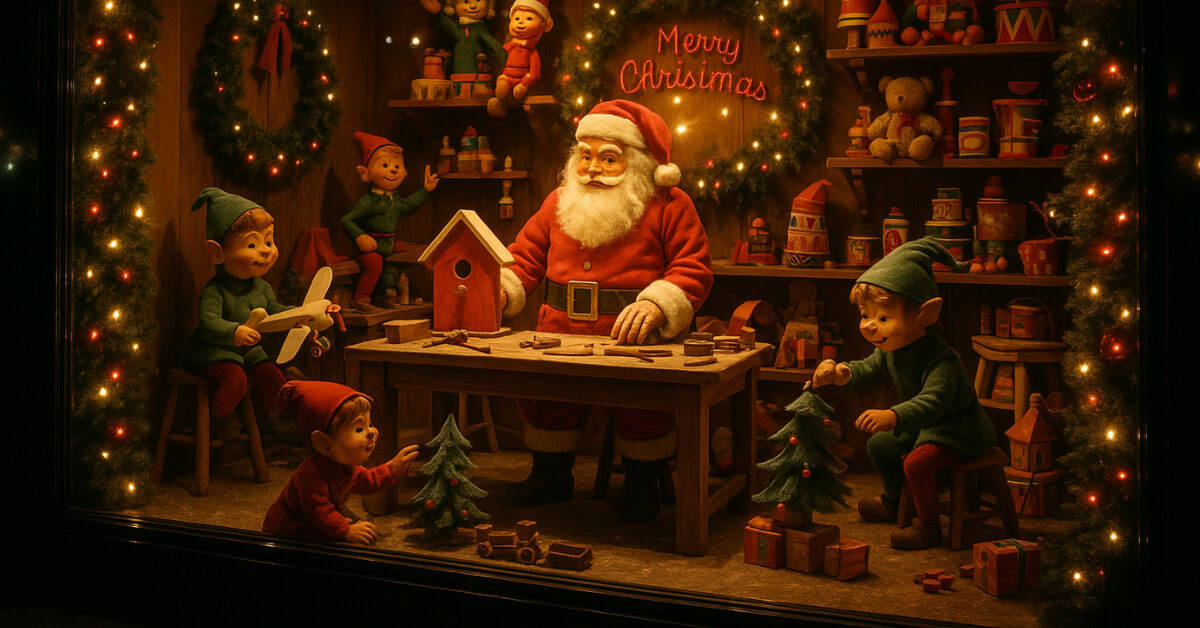
Major department stores would spend months planning their elaborate holiday window displays. Families would make special trips downtown just to see these magical scenes, often making an entire evening of it. The animated figures, twinkling lights, and intricate storylines created unforgettable holiday memories that no smartphone screen can replicate.
Save for later
Want to come back to this story? Save it with your email so it is easy to find again.
2. Christmas Catalogs
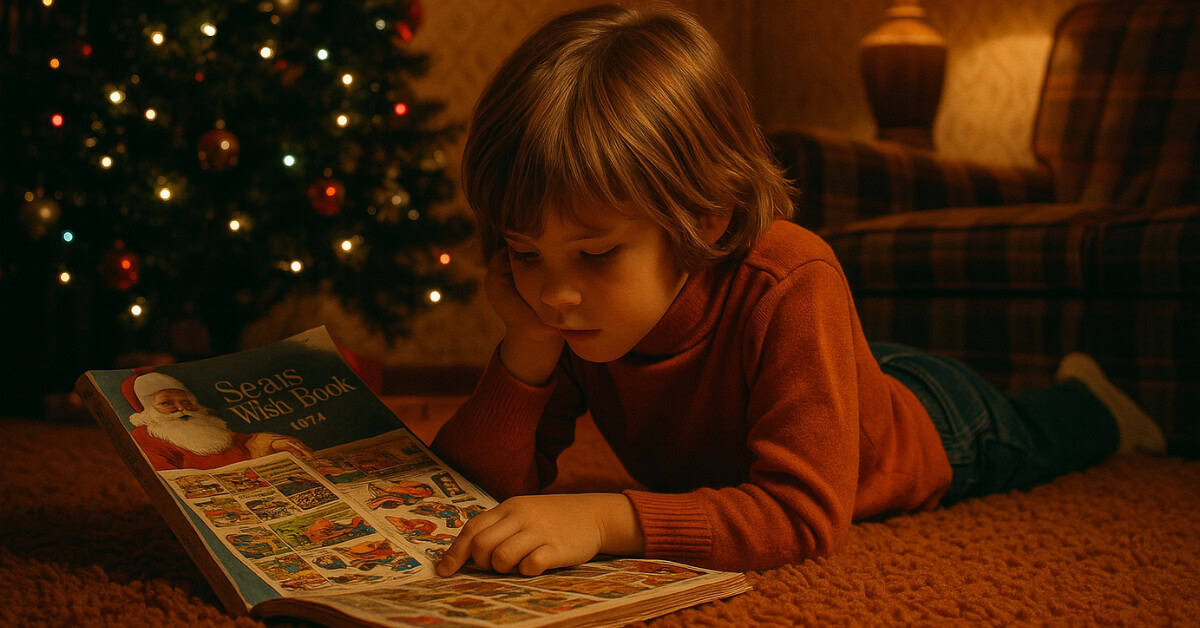
The arrival of the Sears Wish Book or the Montgomery Ward catalog was a major event. Kids would spend hours circling their desired toys and folding down page corners. These thick catalogs offered everything from toys to clothing, and the anticipation of their arrival was part of the holiday excitement.
3. Aluminum Christmas Trees

These space-age trees with rotating color wheels represented the height of mid-century modern holiday decor. The way they reflected light created a magical atmosphere unlike any modern artificial tree. Many families would set up both a traditional and an aluminum tree, creating different themed rooms.
4. Downtown Holiday Shopping
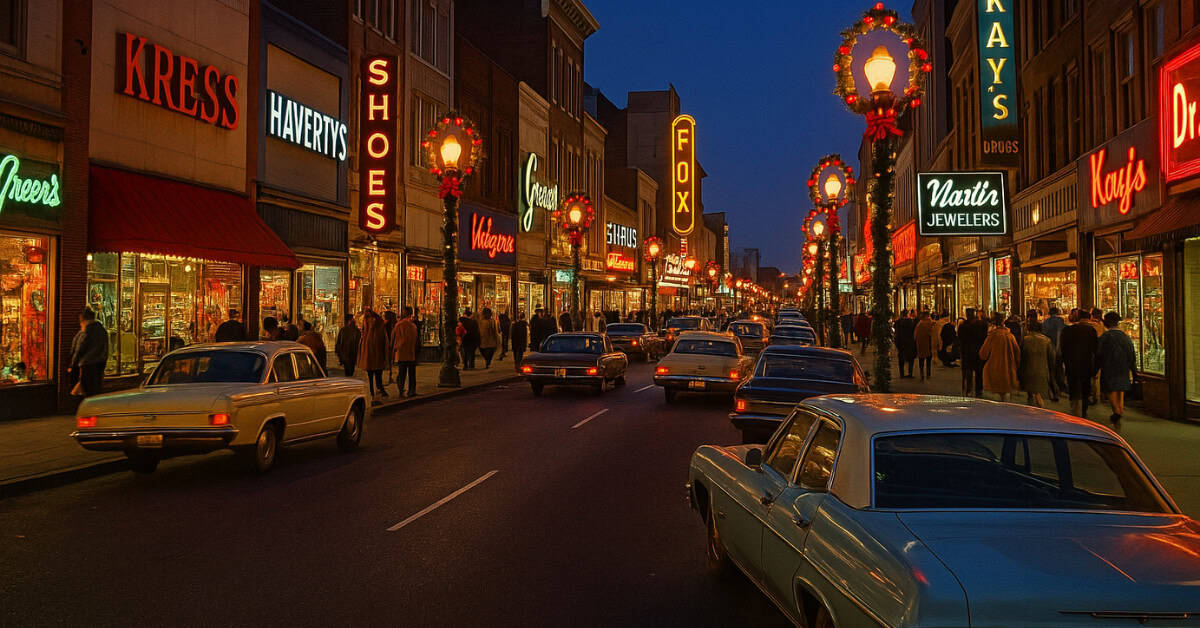
Before malls took over, downtown shopping districts were magical during the holidays. Streets would be decorated with lights and garland, shops would stay open late, and carolers would perform on corners. The experience was about more than just buying gifts – it was a community celebration.
5. Glass Ornaments
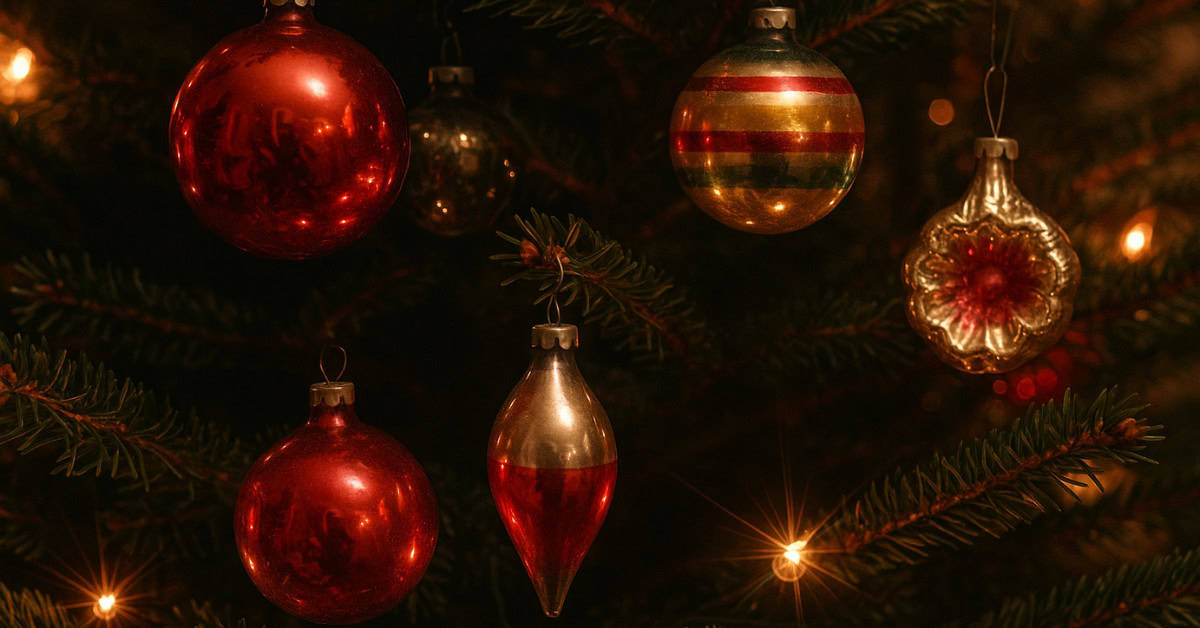
Delicate glass ornaments, often imported from Germany, were passed down through generations. Each one had a story, and unpacking them each year was like greeting old friends. Their intricate designs and rich colors created a depth and warmth that modern plastic ornaments can’t match.
6. Homemade Gift Exchanges

Many families had traditions of exchanging only handmade gifts. From knitted scarves to hand-built dollhouses, these presents represented weeks or months of preparation. Children would spend autumn evenings crafting gifts in secret, learning valuable skills while creating meaningful presents.
7. Christmas Eve Television Specials
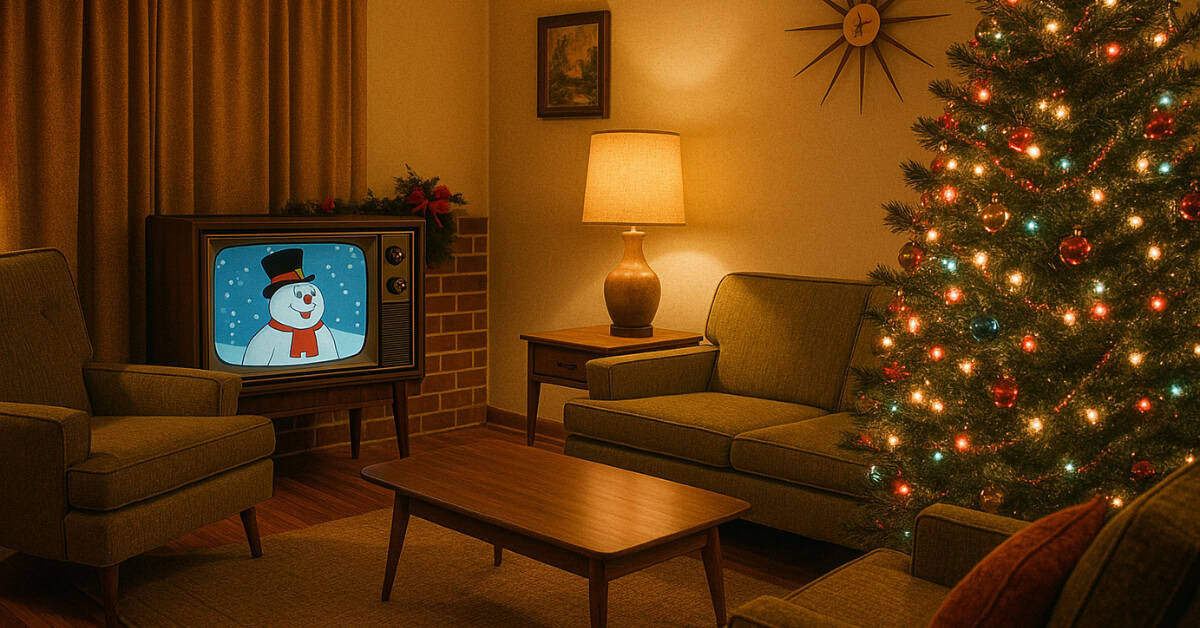
Families would gather around their single television set to watch annual specials that only aired once a year. There was no recording or streaming – missing “Rudolph” or “A Charlie Brown Christmas” meant waiting another year. This created a shared cultural experience that brought communities together.
8. Door-to-Door Caroling
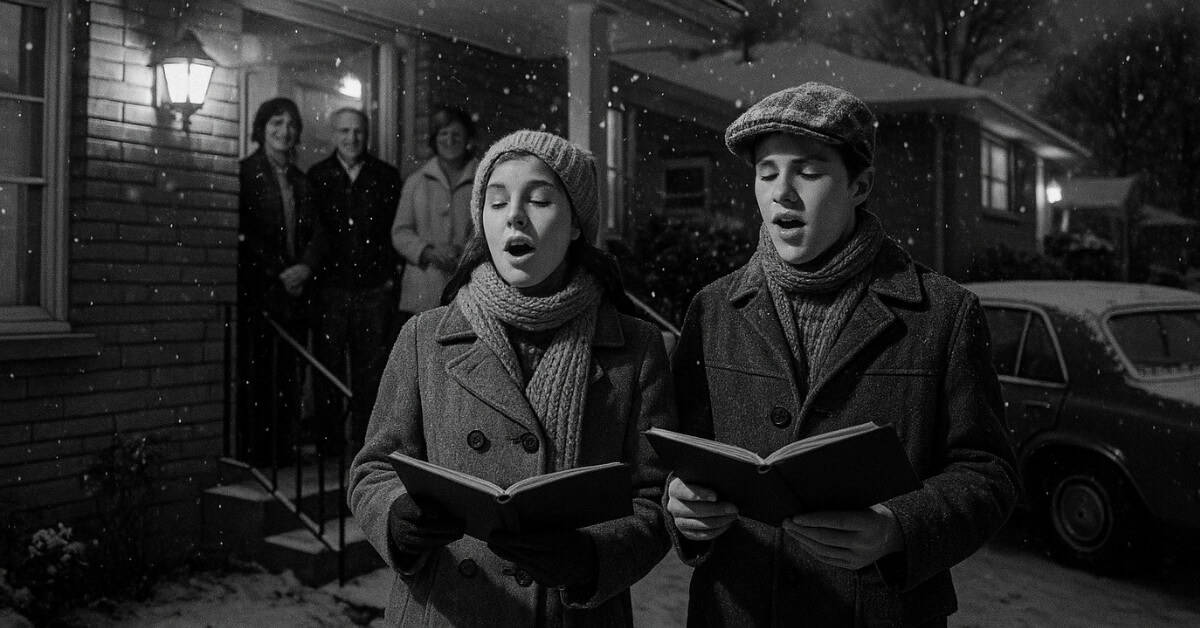
Groups of carolers would travel through neighborhoods, singing at each house. Homeowners would often invite them in for hot cocoa and cookies. This tradition strengthened community bonds and created impromptu holiday gatherings that brought neighbors together.
9. Christmas Cookie Exchanges
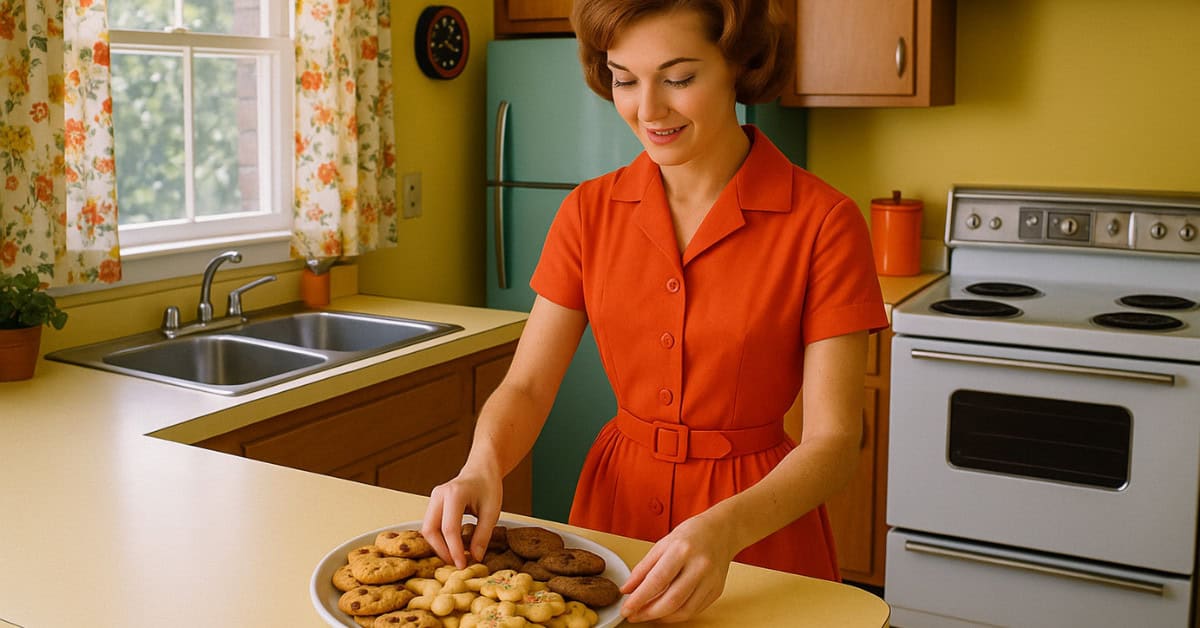
Neighborhood women would gather for elaborate cookie exchanges, each bringing dozens of homemade treats to share. Family recipes were traded, and everyone went home with an assortment of holiday cookies. These social events were as much about community as they were about baking.
10. Christmas Club Savings
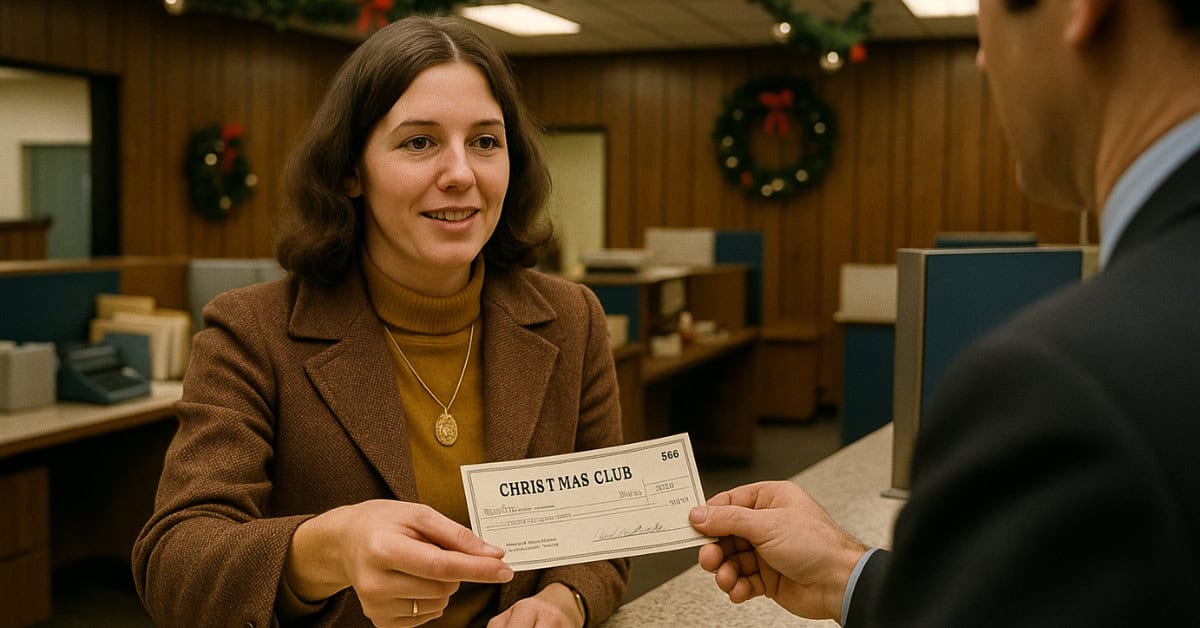
Banks offered special Christmas Club accounts where people saved all year for holiday expenses. The arrival of the Christmas Club check in November marked the official start of holiday shopping. This helped families budget and avoid holiday debt while building anticipation throughout the year.
11. Holiday Parades

Local holiday parades were major community events featuring homemade floats and local organizations. Santa’s arrival at the parade’s end officially kicked off the holiday season. These weren’t commercial spectacles but genuine community celebrations that brought entire towns together.
12. Christmas Eve Church Services
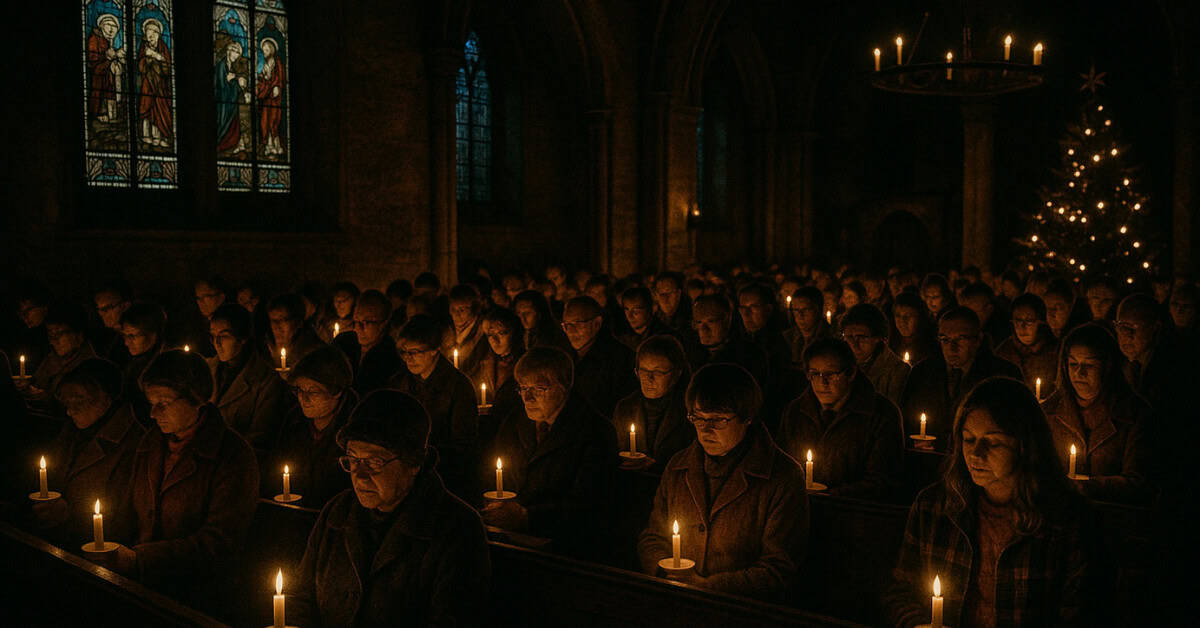
Candlelight services on Christmas Eve were magical community gatherings. Families would dress in their finest clothes, and children would struggle to stay awake through midnight services. The combination of candlelight, carols, and community created an atmosphere of wonder that marked the true beginning of Christmas.