Remember the good old days when we’d pile the family into the station wagon and head out for a meal at one of those fantastic restaurant chains that seemed to be everywhere in the 1970s? Well, grab your bell-bottoms and platform shoes as we take a nostalgic trip down memory lane to revisit some beloved eateries that have sadly vanished from our streets. These places weren’t just restaurants – they were where memories were made, first dates happened, and families celebrated special occasions.
Table of Contents
1. Howard Johnson’s

Once America’s largest restaurant chain, Howard Johnson’s iconic orange roofs dotted the highway landscape throughout the 1960s and ’70s. Known for their 28 flavors of ice cream and signature fried clams, “HoJo’s” was the go-to spot for road-tripping families. At its peak, the chain boasted over 1,000 locations, but changing tastes and increased competition led to its eventual downfall, with the last location closing in 2017.
Save for later
Want to come back to this story? Save it with your email so it is easy to find again.
2. Burger Chef
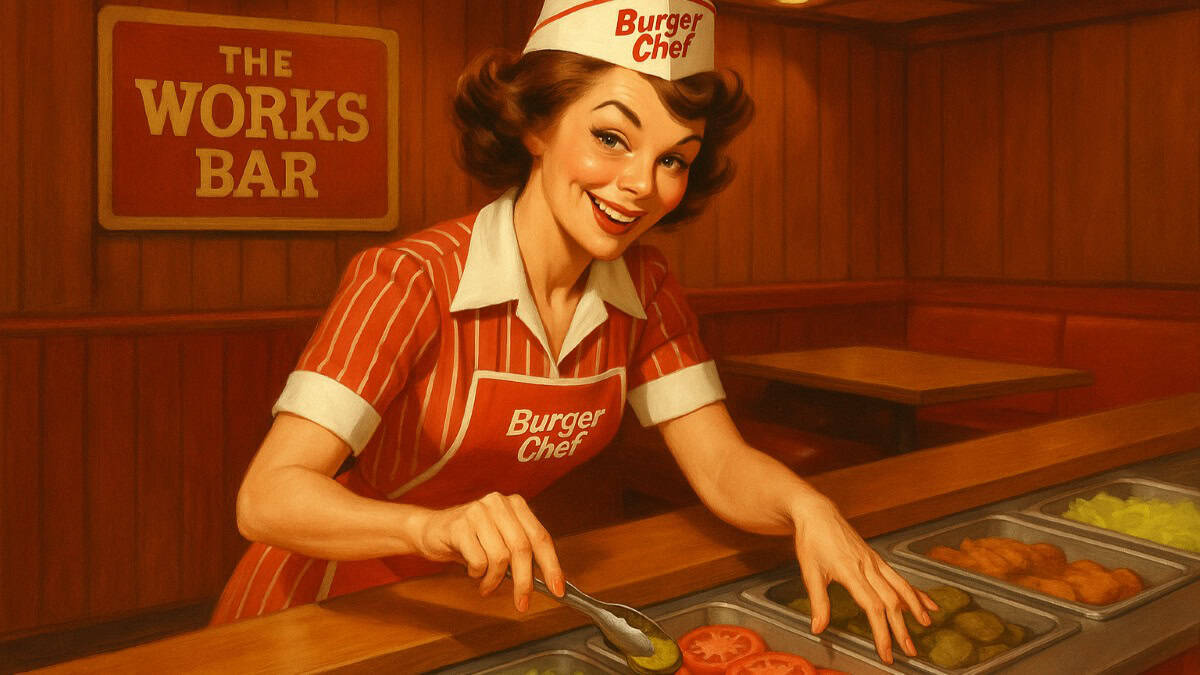
Before McDonald’s became the undisputed king of fast food, Burger Chef was giving them a run for their money. With innovations like the Works Bar (where customers could add their own toppings) and the Fun Meal (which predated the Happy Meal), Burger Chef had nearly 1,200 locations by 1973. Hardee’s bought the chain in 1981, and the last Burger Chef closed its doors in 1996.
3. Lum’s

Famous for their hot dogs steamed in beer and Ollieburgers, Lum’s was a family favorite throughout the ’60s and ’70s. Starting as a hot dog stand in Miami Beach, the chain grew to over 400 locations nationwide. Despite their popularity and unique menu items, financial troubles led to their decline, and the last Lum’s restaurant closed in 2009.
4. Farrell’s Ice Cream Parlour
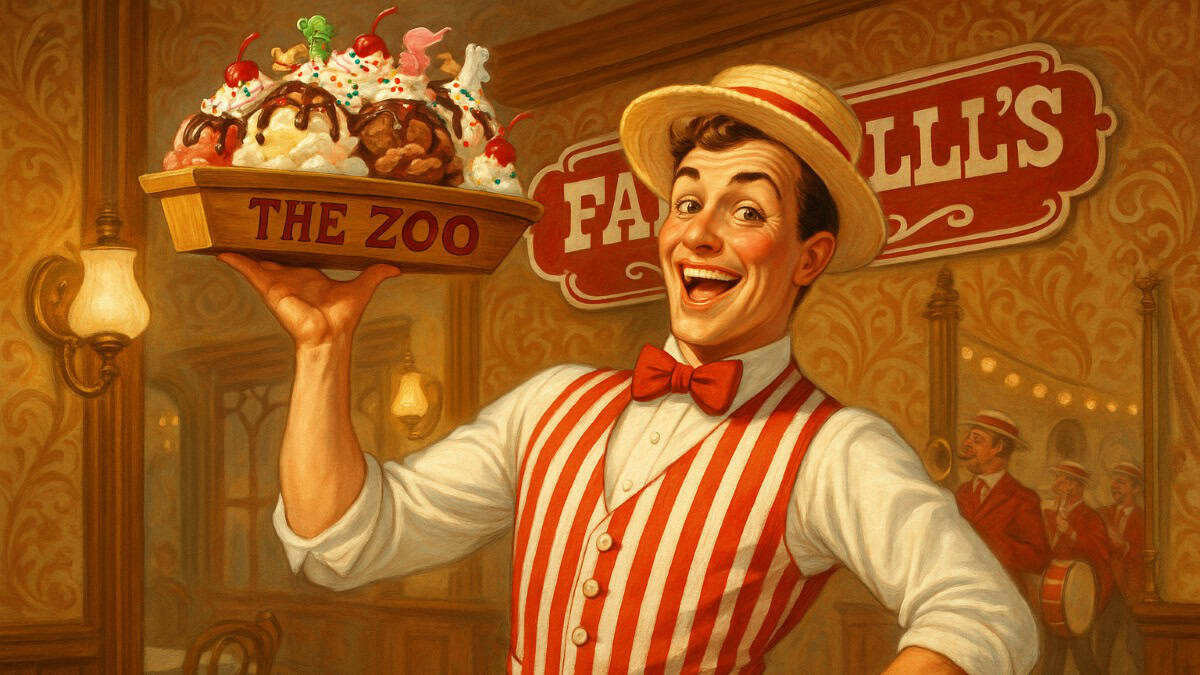
With its Victorian-era decor and singing servers, Farrell’s was the ultimate destination for birthday celebrations in the ’70s. Their famous “Zoo” sundae, delivered with sirens and fanfare, could feed a small army. The chain had over 130 locations at its peak, but changing times and tastes led to its gradual decline, with the final location shuttering in 2019.
5. Steak and Ale

Founded by Norman Brinker in 1966, Steak and Ale revolutionized casual dining with its dimly lit, English pub atmosphere and pioneering salad bar concept. The chain was famous for its herb-roasted prime rib and reasonable prices, making it a special occasion destination throughout the ’70s. The chain filed for bankruptcy in 2008, closing all remaining locations.
6. Valle’s Steak House
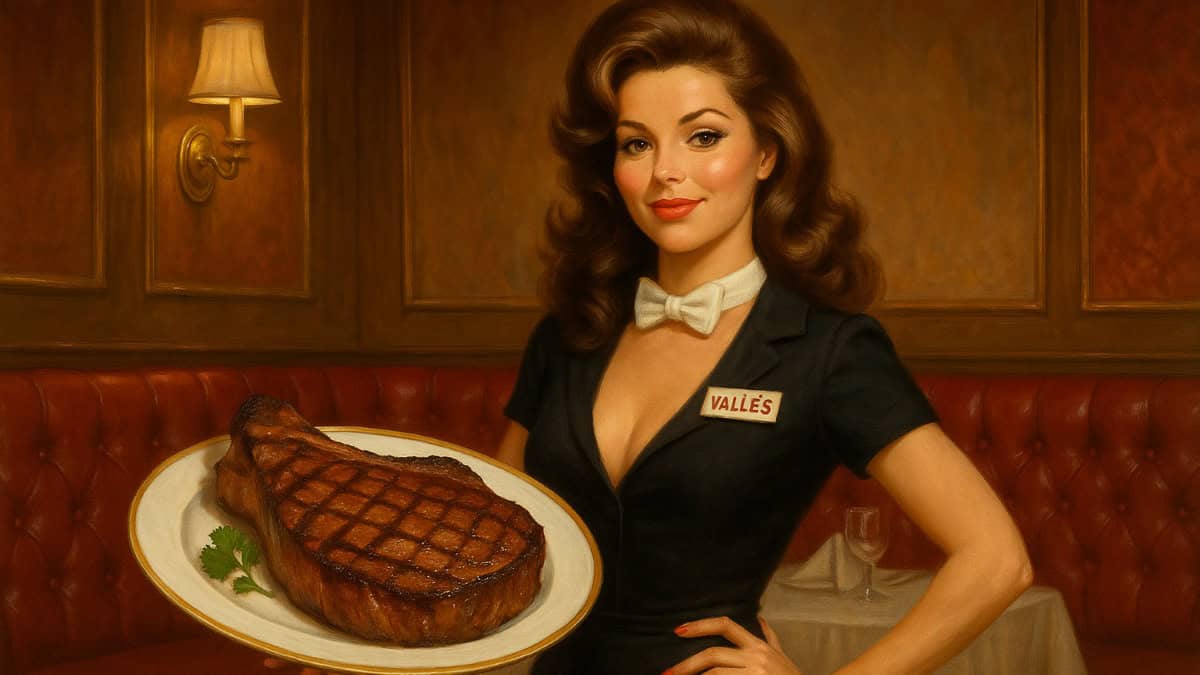
A New England institution, Valle’s was known for its massive portions and old-world charm. Their signature “King-Sized” steaks and legendary lobster dishes made them a destination for special occasions throughout the ’70s. The chain once had 32 locations across the Northeast, but changing dining habits and increased competition led to their closure in the early 2000s.
7. Red Barn
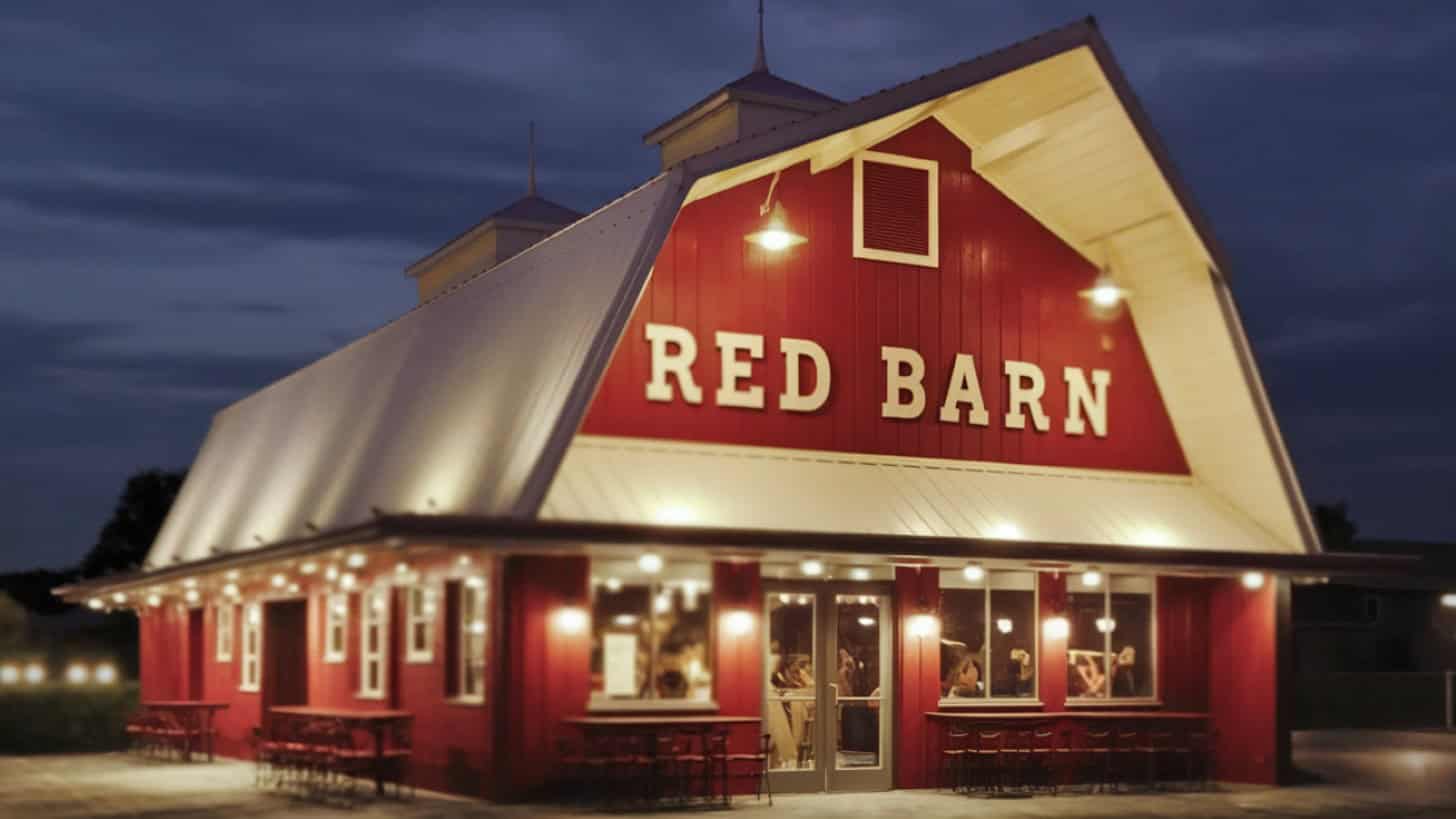
With its distinctive barn-shaped buildings and “Big Barney” burger, Red Barn was a beloved fast-food chain throughout the ’60s and ’70s. Known for their unique architecture and family-friendly atmosphere, they had over 400 locations at their peak. The chain’s decline began in the late ’70s, and the last Red Barn closed in the late 1980s.
8. Sambo’s

Starting in Santa Barbara, California, Sambo’s grew to an impressive 1,117 locations in the ’70s. Famous for their pancakes and 24-hour service, they were a popular spot for late-night dining and family breakfasts. Various factors, including controversy over their name and economic challenges, led to their decline, with most locations closing by the early 1980s.
9. Beefsteak Charlie’s

This New York-based chain was famous for its unlimited salad bar, unlimited shrimp, and unlimited wine, beer, or sangria with meals. Their catchphrase “I’ll feed you like there’s no tomorrow” perfectly captured their generous portions and all-you-can-eat philosophy. The chain expanded rapidly in the ’70s but eventually succumbed to changing tastes and economics in the 1980s.
10. Henry’s Hamburgers

Originally created by the Bresler’s Ice Cream company to compete with McDonald’s, Henry’s Hamburgers had over 200 locations in the early 1970s. Their 15-cent hamburgers and quick service made them a popular choice for families and teenagers alike. Despite initial success, they couldn’t keep up with larger chains, and most locations were gone by the end of the decade.
11. Gino’s Hamburgers
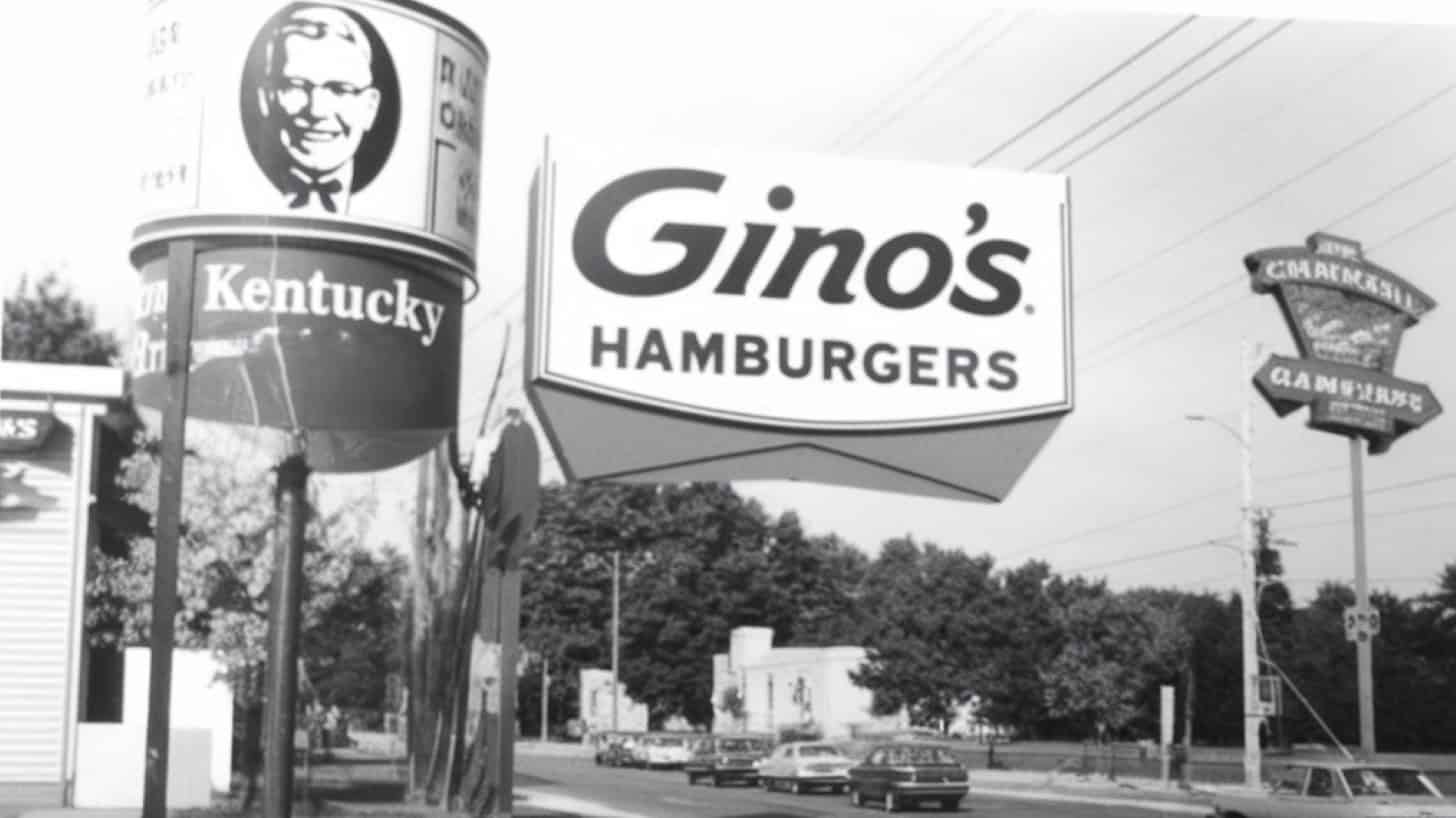
Founded by Baltimore Colts football player Gino Marchetti, this chain was famous for its Sirloiner burger and Kentucky Fried Chicken (they were one of Colonel Sanders’ first franchisees). With over 350 locations across the East Coast in the early ’70s, Gino’s was a powerhouse that combined sports celebrity appeal with quality fast food. Marriott purchased the chain in 1982, converting most locations to Roy Rogers restaurants.
12. Victoria Station

This unique chain served prime rib and other steakhouse favorites in converted railroad cars, complete with British railway memorabilia. Founded in 1969, Victoria Station grew to 100 locations by the late 1970s and was known for its distinctive atmosphere and high-quality steaks. Financial troubles in the 1980s led to bankruptcy, and the chain disappeared by the mid-1990s.
13. The All-American Burger

A Southern California favorite throughout the 1970s, All-American Burger was immortalized in the movie “Fast Times at Ridgemont High.” Known for their double-decker burgers and fresh-cut fries, they were a popular hangout for teenagers and families alike. Despite their cultural impact and loyal following, the chain couldn’t compete with larger competitors and gradually disappeared by the early 1990s.
14. Sandy’s
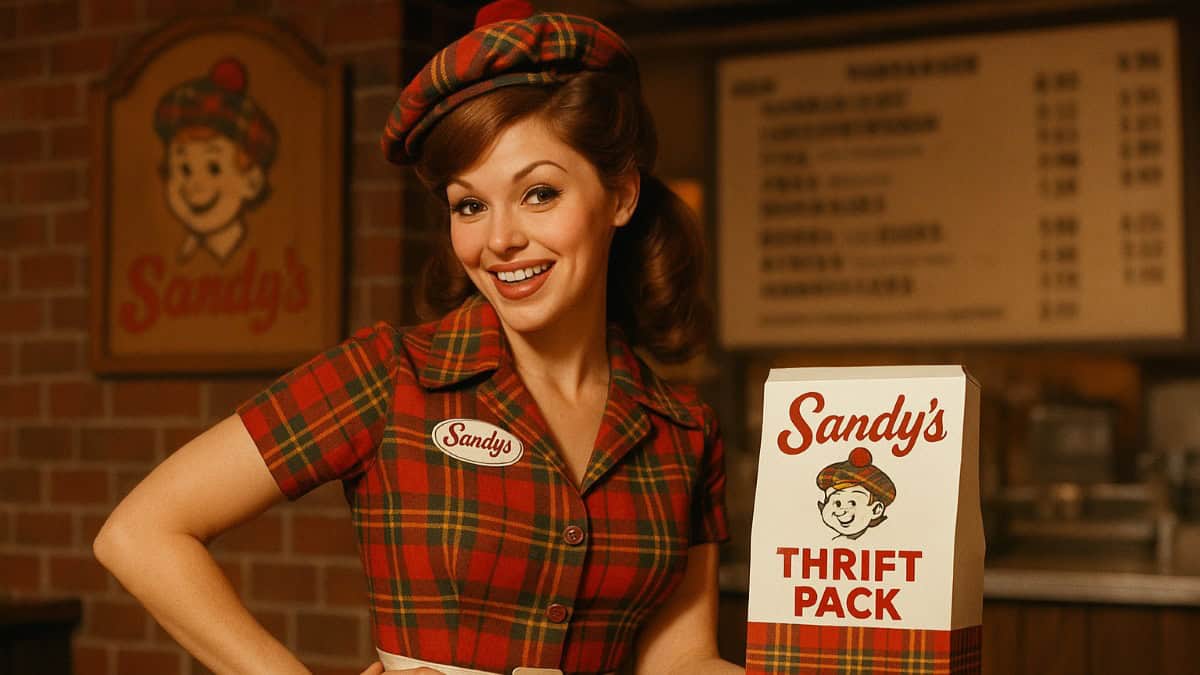
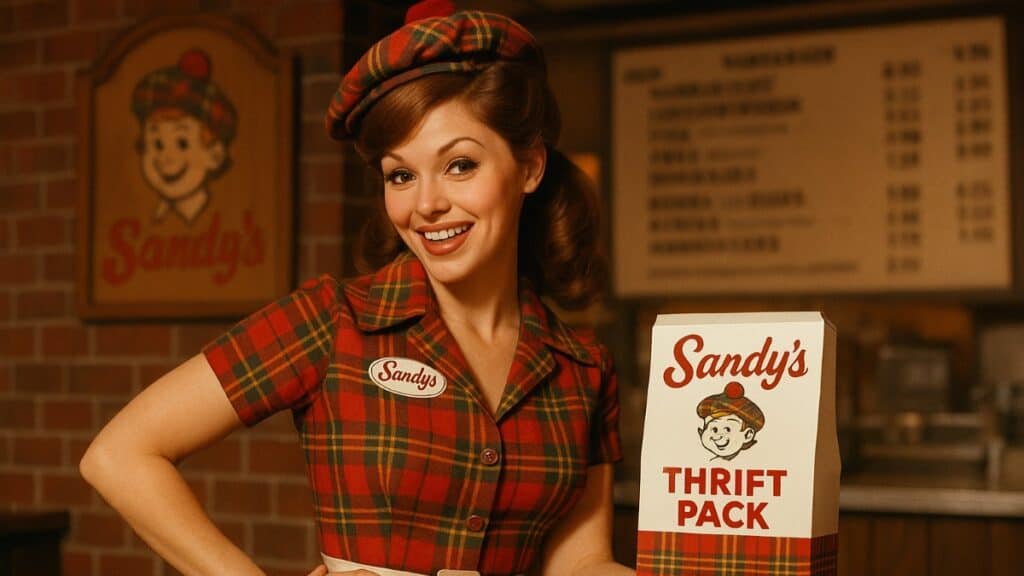
With its Scottish theme and mascot “Sandy the Scottish Chef,” this Midwest chain was a direct competitor to McDonald’s in the 1960s and early ’70s. Known for their “Thrift Pack” of hamburgers and their signature plaid uniforms, Sandy’s had over 250 locations at its peak. The chain merged with Hardee’s in 1972, with the last Sandy’s restaurants converting to Hardee’s by the mid-1970s.