The 1960s were a time of dramatic social change, and nothing reflected this more than the music that got banned from radio stations. As someone who worked in radio during that transformative decade, I witnessed firsthand how certain songs were pulled from playlists for reasons that might seem surprising today. From misunderstood lyrics to perceived political messages, these songs faced censorship that often only increased their popularity.
Table of Contents
- 1 1. “Louie Louie” – The Kingsmen (1963)
- 2 2. “Eve of Destruction” – Barry McGuire (1965)
- 3 3. “Let’s Spend the Night Together” – The Rolling Stones (1967)
- 4 4. “A Day in the Life” – The Beatles (1967)
- 5 5. “Light My Fire” – The Doors (1967)
- 6 6. “Society’s Child” – Janis Ian (1967)
- 7 7. “Lucy in the Sky with Diamonds” – The Beatles (1967)
- 8 8. “Monster Mash” – Bobby “Boris” Pickett (1962)
- 9 9. “Wild Thing” – The Troggs (1966)
- 10 10. “We Gotta Get Out of This Place” – The Animals (1965)
- 11 11. “The Battle of New Orleans” – Johnny Horton (1959)
- 12 12. “Big Bad John” – Jimmy Dean (1961)
- 13 13. “Leader of the Pack” – The Shangri-Las (1964)
- 14 14. “Puff the Magic Dragon” – Peter, Paul and Mary (1963)
- 15 15. “Gloria” – Them (1965)
- 16 16. “The Pill” – Loretta Lynn (1966)
- 17 17. “I Get Around” – The Beach Boys (1964)
- 18 18. “Love Me Do” – The Beatles (1962)
- 19 19. “Time of the Season” – The Zombies (1968)
- 20 20. “Yellow Submarine” – The Beatles (1966)
1. “Louie Louie” – The Kingsmen (1963)
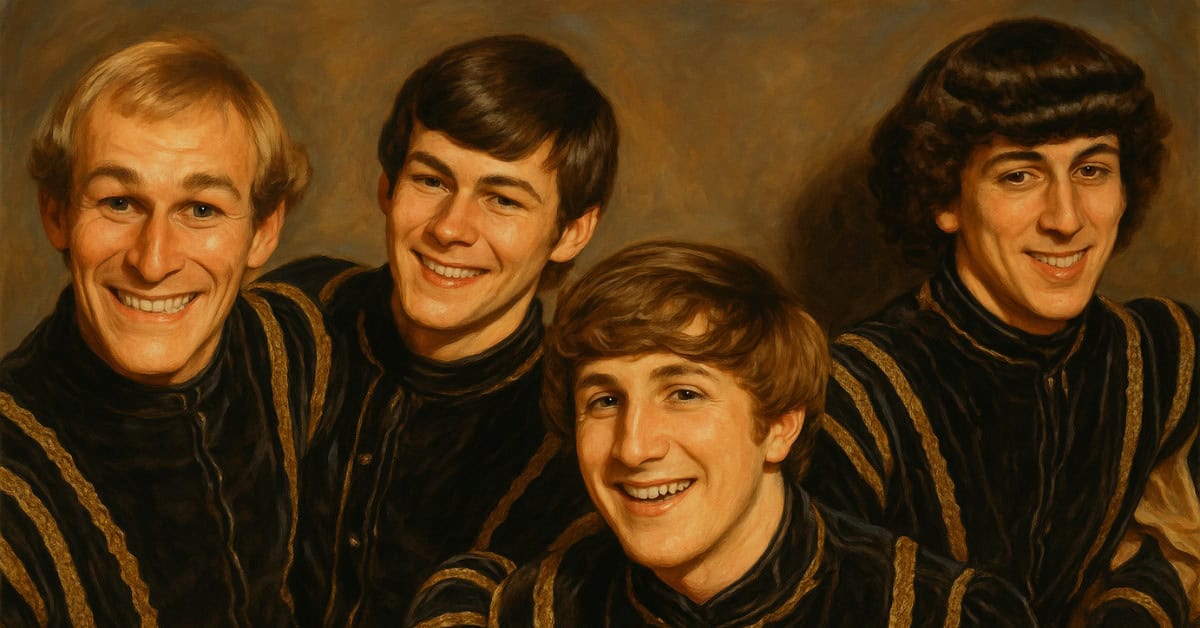
The FBI spent two years investigating this garage band classic for supposedly obscene lyrics. The investigation concluded that the lyrics were unintelligible, but many stations had already banned it. The actual words were completely innocent – the slurred singing was simply due to the singer’s braces and the microphone being suspended too high.
Save for later
Want to come back to this story? Save it with your email so it is easy to find again.
2. “Eve of Destruction” – Barry McGuire (1965)
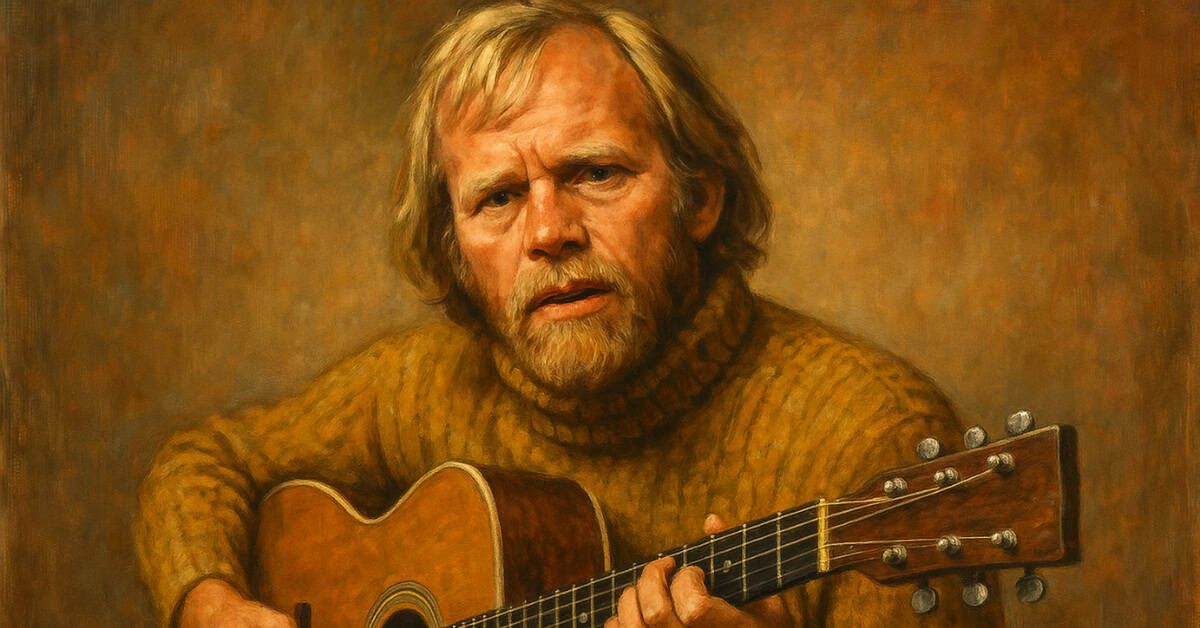
Many radio stations banned this protest song for its anti-war message and references to nuclear weapons. The song’s criticism of political leadership led to it being labeled as unpatriotic. Ironically, the controversy helped push it to #1 on the charts, despite being blacklisted by several major radio networks.
3. “Let’s Spend the Night Together” – The Rolling Stones (1967)
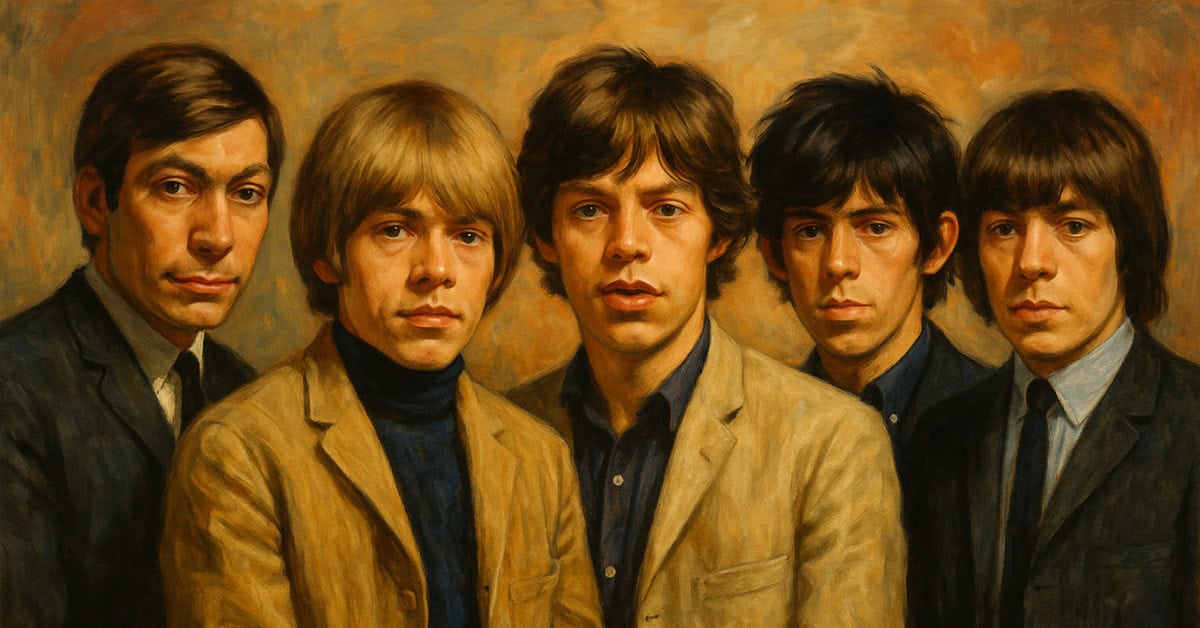
The song’s suggestive title caused it to be banned by numerous stations. On The Ed Sullivan Show, the band was forced to change the lyrics to “Let’s spend some time together.” Mick Jagger notably rolled his eyes while singing the altered version, creating a memorable moment in television history.
4. “A Day in the Life” – The Beatles (1967)
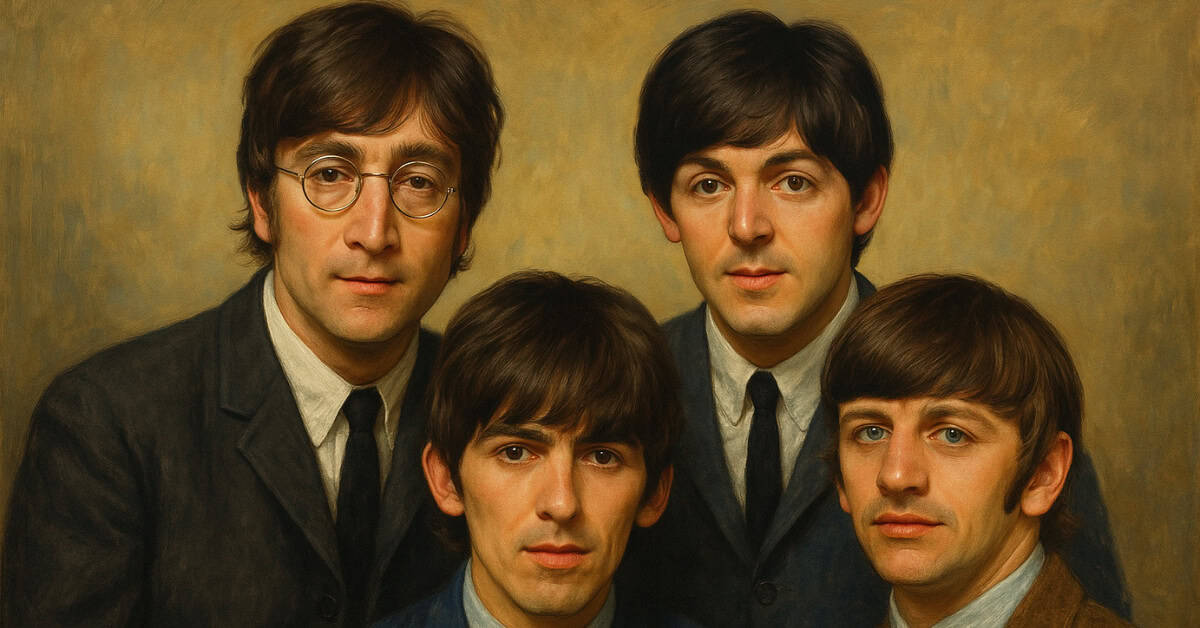
The BBC banned this Sgt. Pepper’s track for supposed drug references in the line “I’d love to turn you on.” The orchestral crescendos were also thought to simulate drug-induced highs. The ban only added to the mystique of what many consider the Beatles’ masterpiece.
5. “Light My Fire” – The Doors (1967)
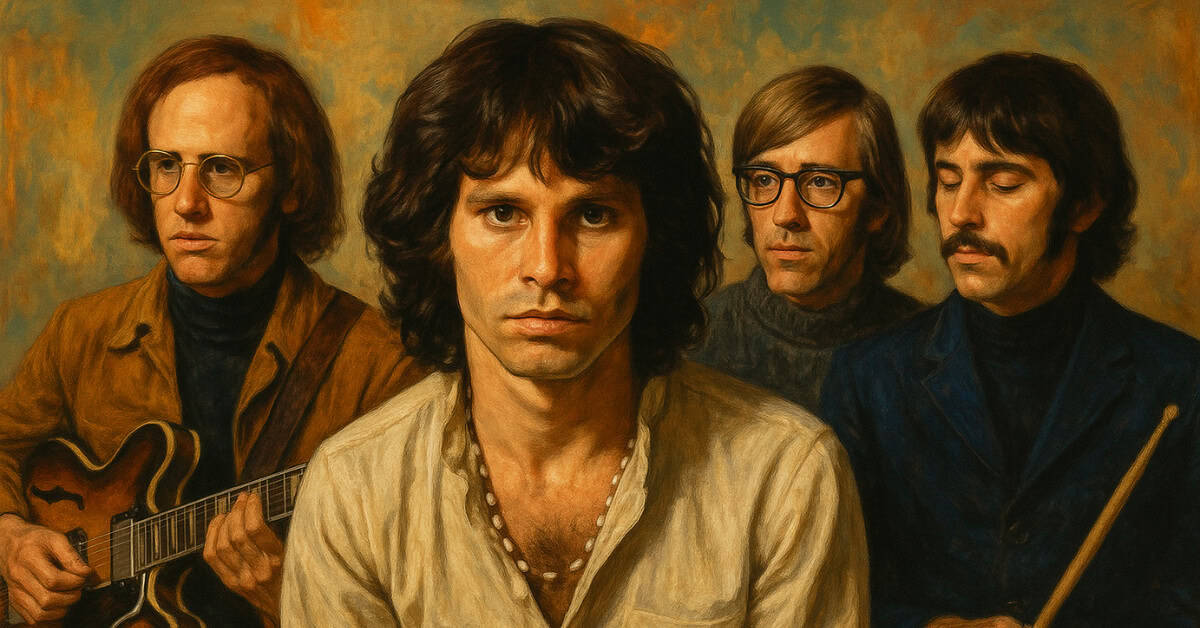
While the song itself wasn’t widely banned, The Doors were banned from The Ed Sullivan Show after Jim Morrison refused to change the line “girl, we couldn’t get much higher” to “girl, we couldn’t get much better.” The incident cemented Morrison’s reputation as a rebellious figure.
6. “Society’s Child” – Janis Ian (1967)
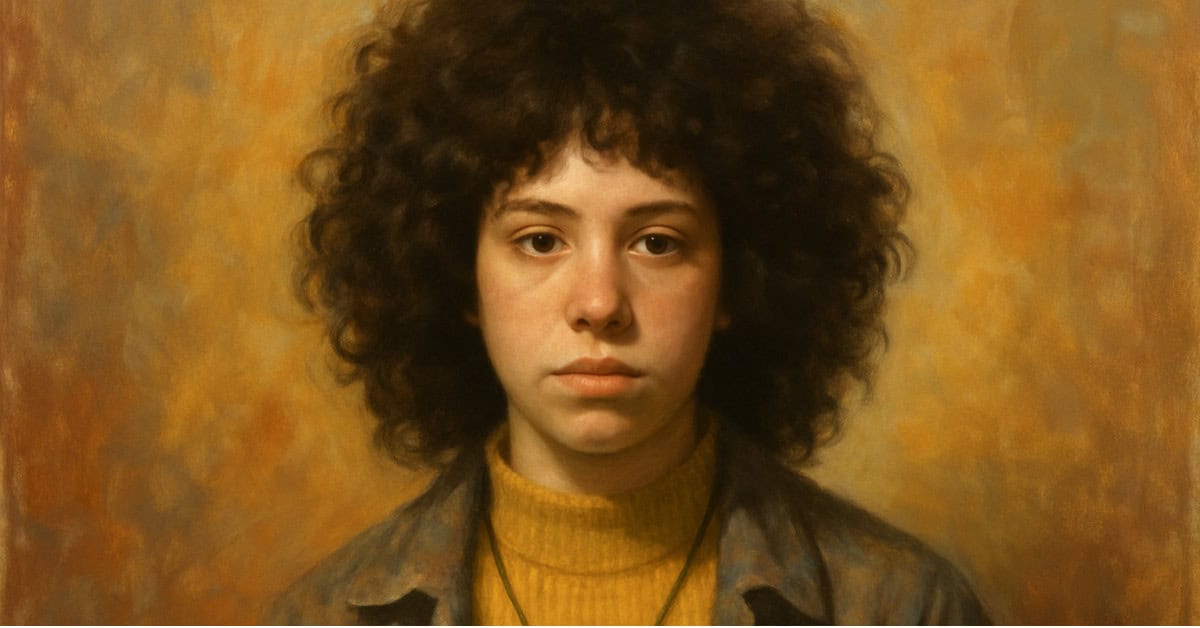
This song about an interracial relationship was banned by many Southern radio stations. Written when Ian was just 14, the controversial subject matter led to death threats and boycotts. Some stations claimed they banned it not for content but because the singer-songwriter was “too young” to discuss such topics.
7. “Lucy in the Sky with Diamonds” – The Beatles (1967)
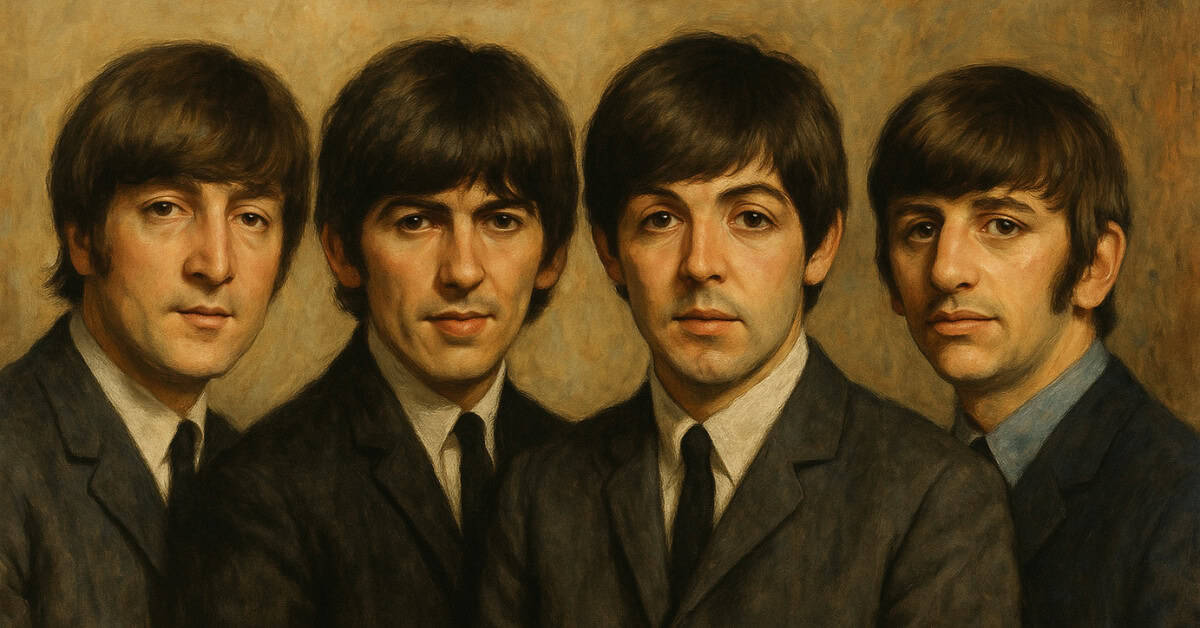
The BBC banned this song believing the initials “LSD” were a deliberate drug reference. Lennon maintained it was inspired by his son Julian’s drawing of a classmate. The psychedelic imagery in the lyrics didn’t help convince censors of its innocence.
8. “Monster Mash” – Bobby “Boris” Pickett (1962)
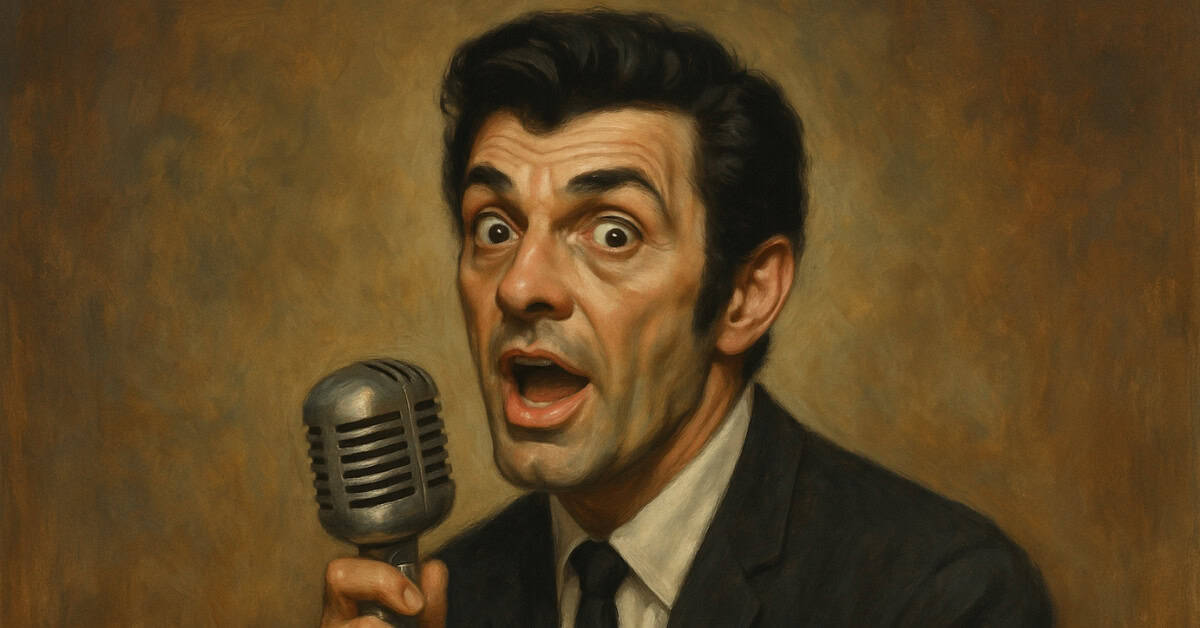
Surprisingly, the BBC banned this Halloween novelty hit for being “too morbid.” The light-hearted song about dancing monsters was considered too disturbing for radio play. The ban lasted until 1973, making it one of the longest-running banned songs in BBC history.
9. “Wild Thing” – The Troggs (1966)
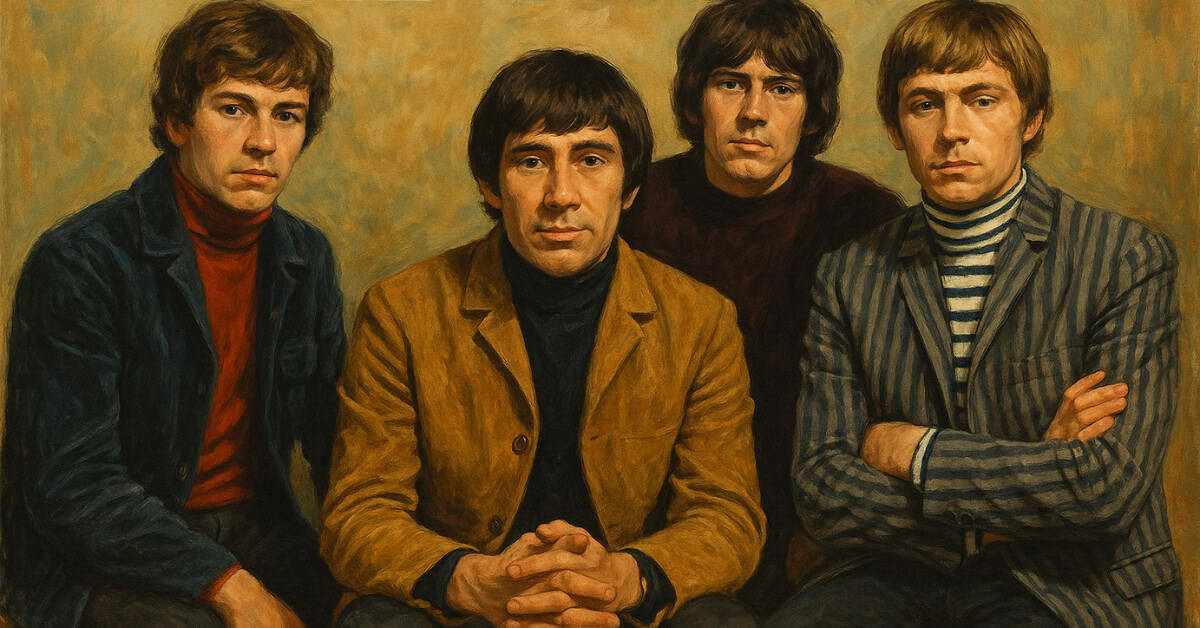
Many stations banned or edited this song for its suggestive breathing and groaning sounds. Some radio stations created their own “clean” versions by cutting out these portions. The controversy only added to its appeal among teenage listeners.
10. “We Gotta Get Out of This Place” – The Animals (1965)
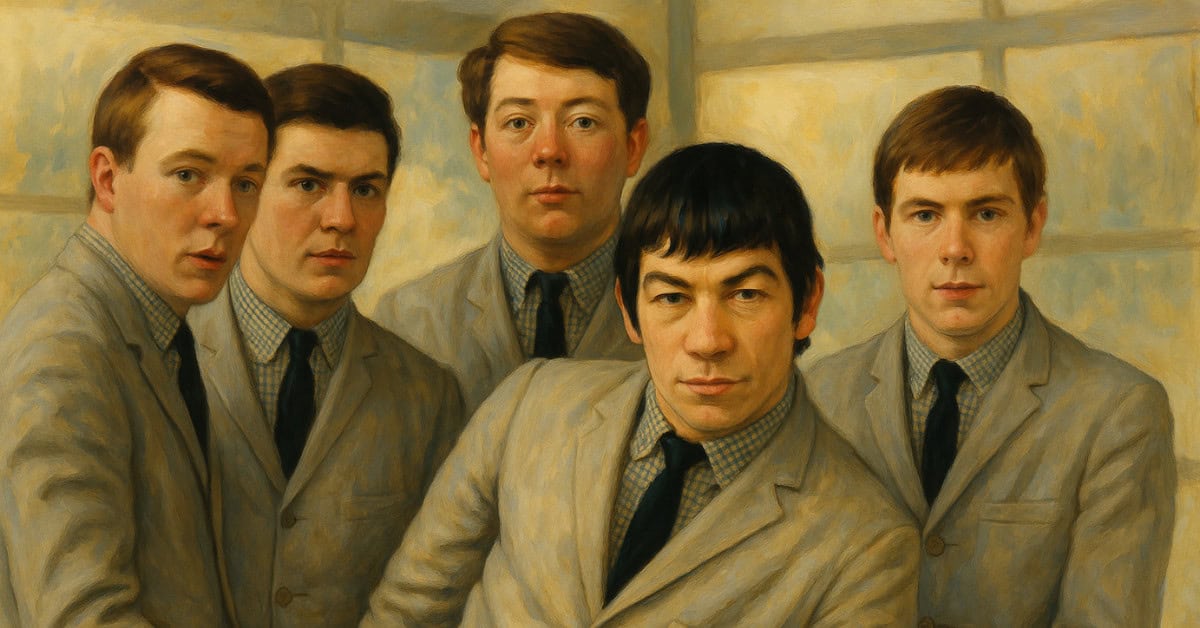
This song was banned by several stations for supposedly encouraging youth rebellion. Its adoption as an unofficial anthem by Vietnam soldiers made some programmers uncomfortable. The working-class message was considered too political for mainstream radio.
11. “The Battle of New Orleans” – Johnny Horton (1959)
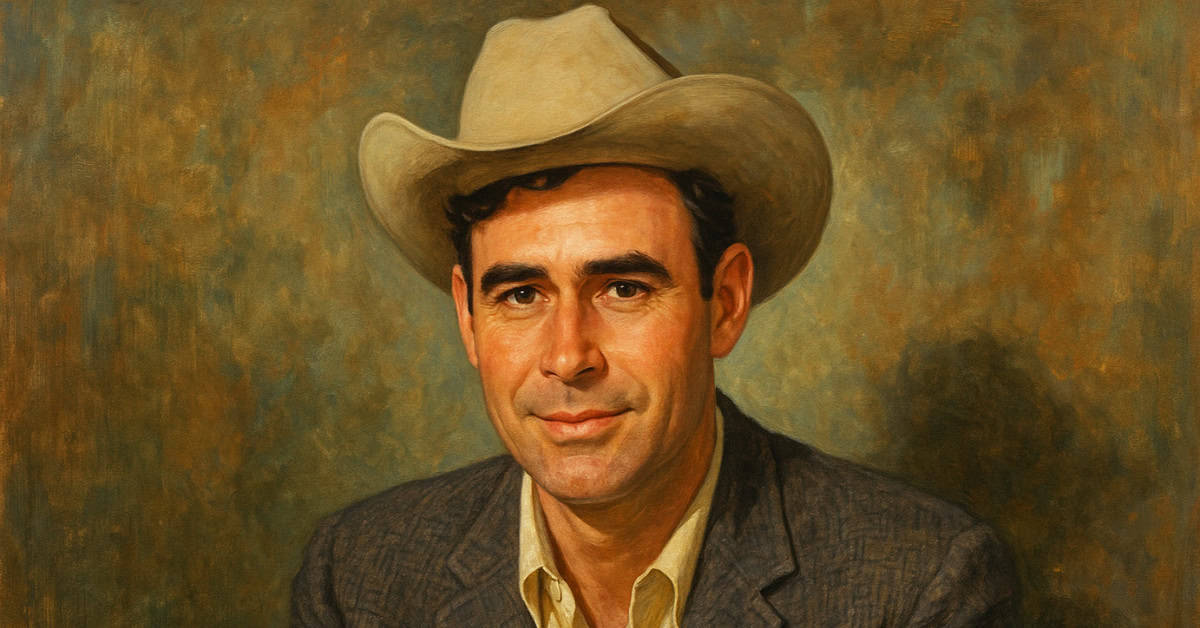
The BBC banned this historical song for its anti-British sentiment, despite it being about a battle from 1815. Some American stations also refused to play it during the Vietnam era, claiming it glorified war. The song remained popular despite (or because of) the controversy.
12. “Big Bad John” – Jimmy Dean (1961)
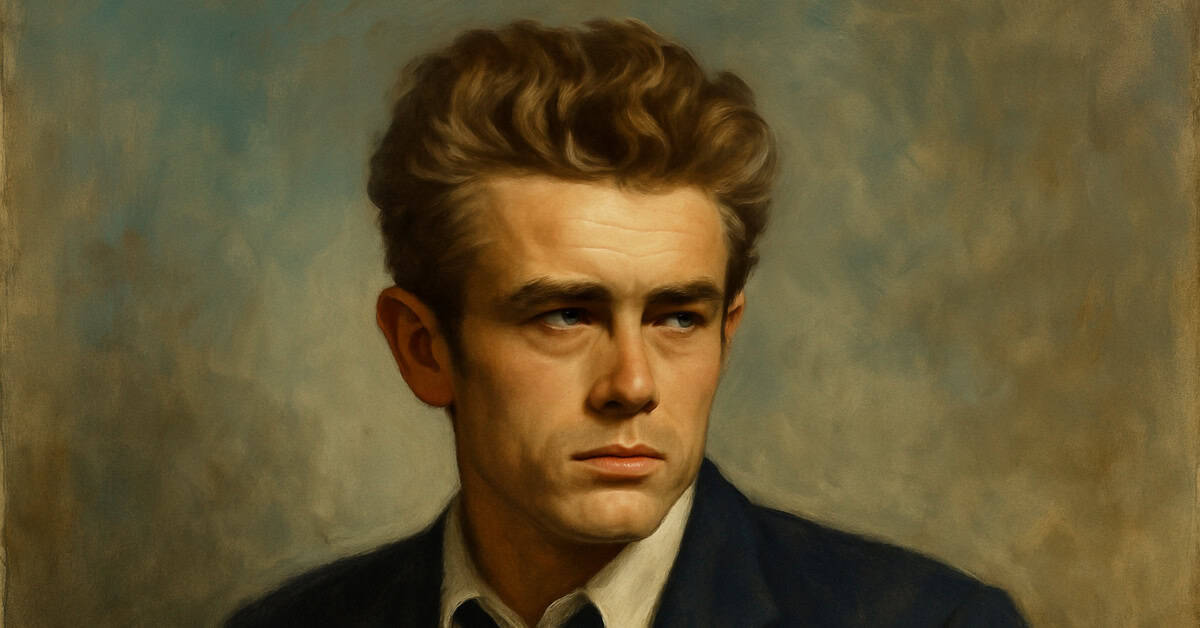
Some stations banned this mining disaster ballad for being too depressing and potentially offensive to coal mining communities. Others objected to the word “hell” in the lyrics. The song went on to win a Grammy despite the limited airplay.
13. “Leader of the Pack” – The Shangri-Las (1964)
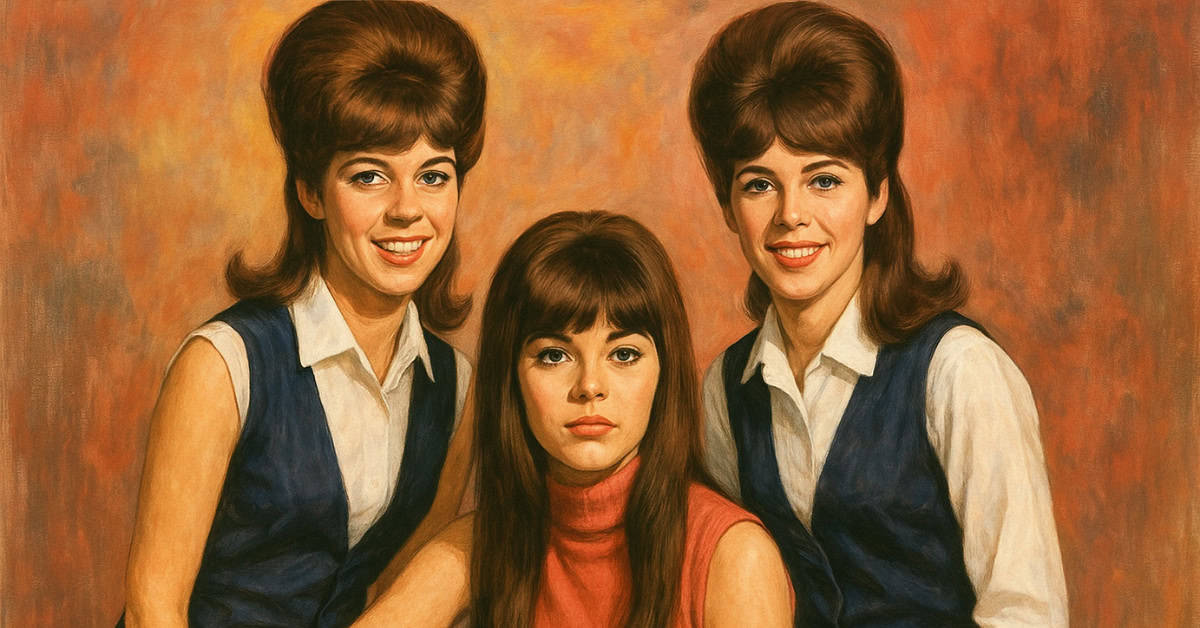
The BBC banned this teenage tragedy song for promoting motorcycle culture and dangerous behavior. Some American stations followed suit after parent groups complained it glorified rebellion. The motorcycle sound effects were particularly controversial.
14. “Puff the Magic Dragon” – Peter, Paul and Mary (1963)
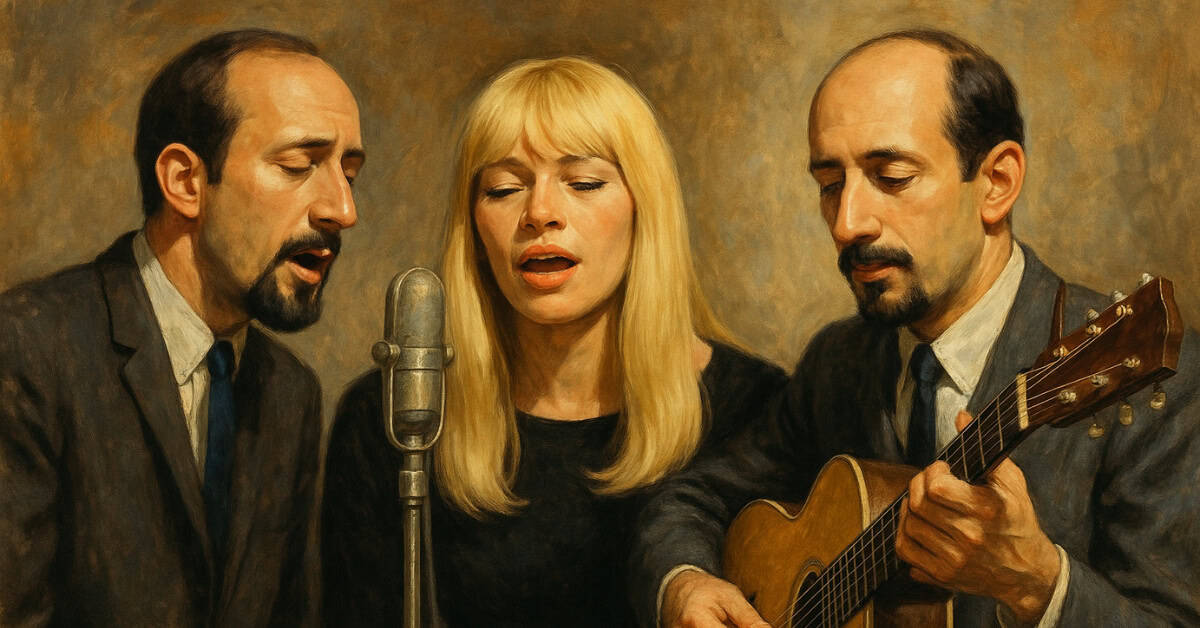
Some stations banned this children’s song believing “Puff” was a drug reference. The group consistently maintained it was simply a song about childhood innocence lost. The controversy continued for years despite co-writer Peter Yarrow’s repeated explanations of its true meaning.
15. “Gloria” – Them (1965)
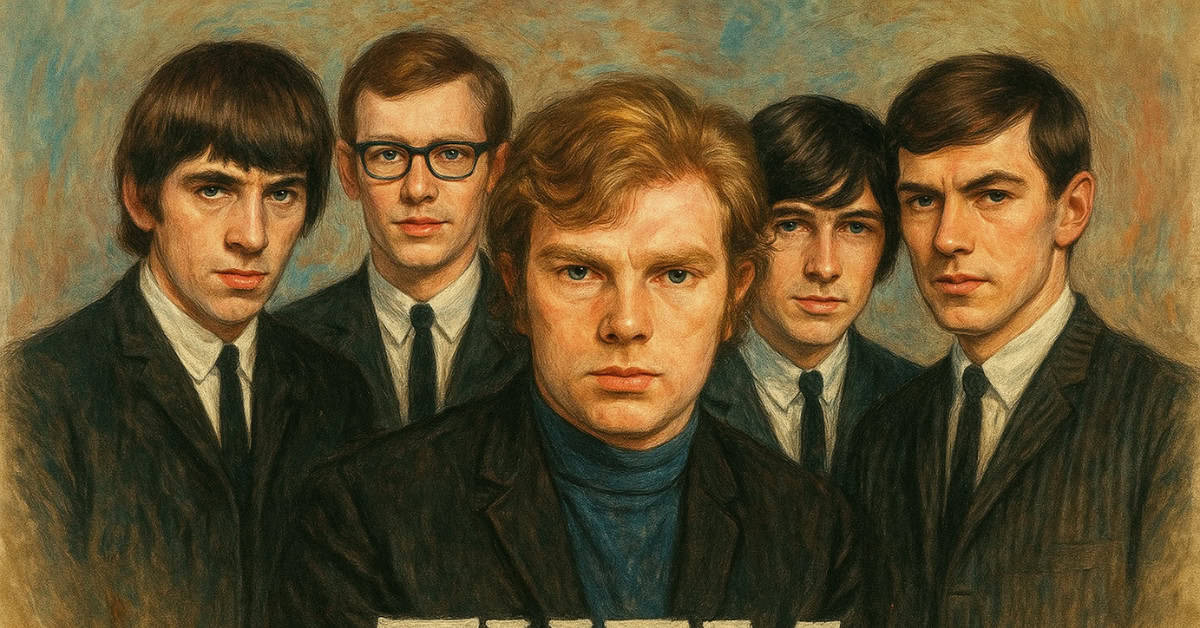
Many radio stations banned Van Morrison’s version for being too suggestive. The repetitive spelling of “G-L-O-R-I-A” was thought to have hidden meaning. Some stations would only play instrumental versions of the song.
16. “The Pill” – Loretta Lynn (1966)
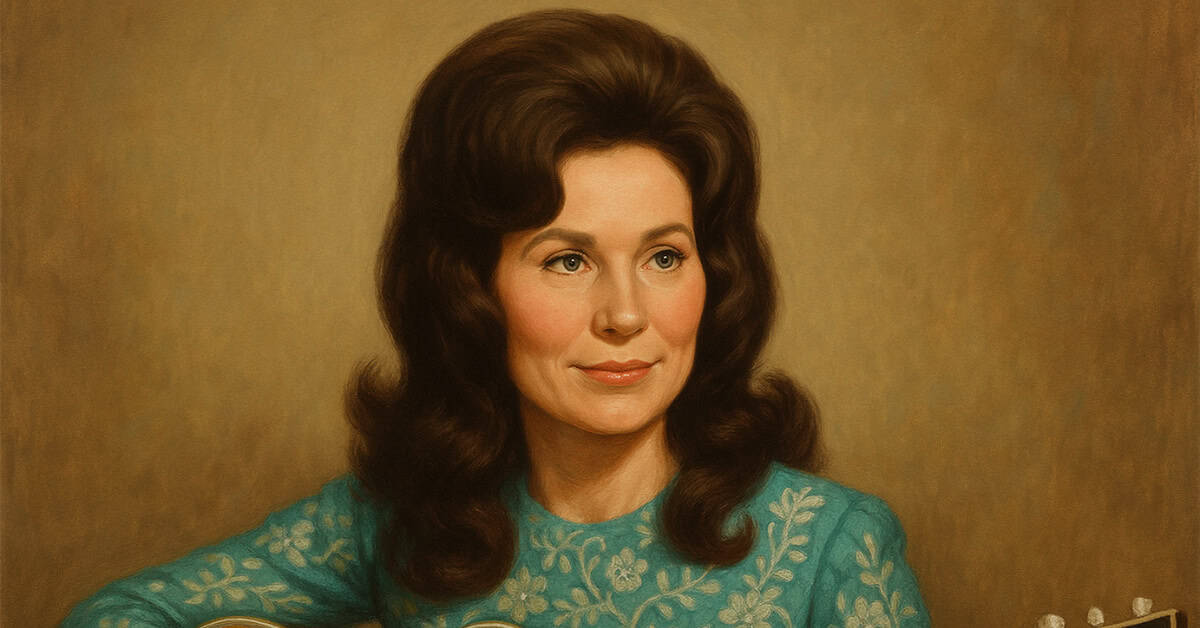
This country song about birth control was banned by many stations for its controversial subject matter. Conservative radio stations, particularly in the South, refused to play it. Lynn’s frank discussion of women’s reproductive rights was considered too progressive for the time.
17. “I Get Around” – The Beach Boys (1964)
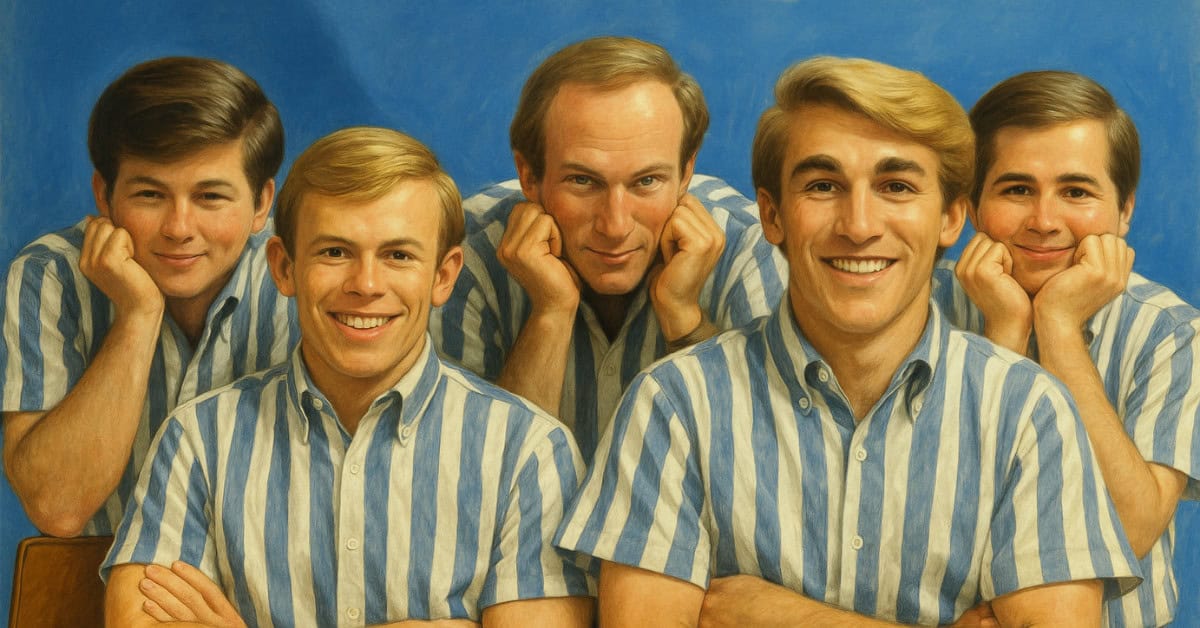
Some stations banned this hit because they thought “getting around” had promiscuous implications. The car culture references were also considered to promote dangerous driving. The Beach Boys found the interpretation amusing since they meant it literally about driving around town.
18. “Love Me Do” – The Beatles (1962)
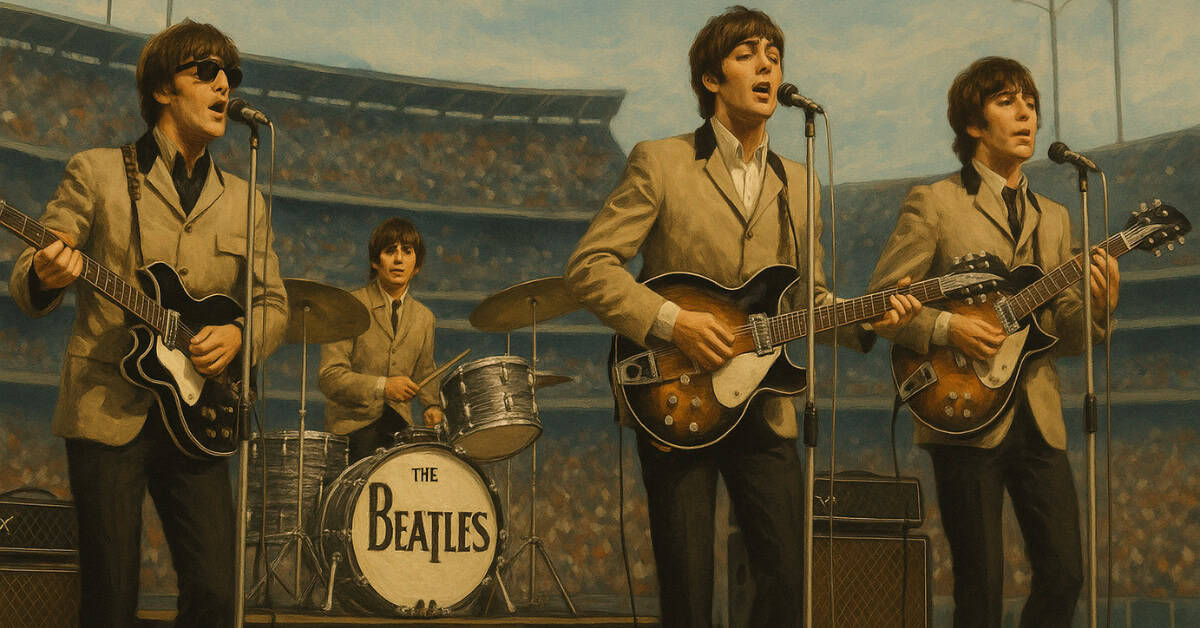
The BBC initially limited airplay of this song because they thought the harmonica sounded too similar to other popular songs. Some American stations also resisted playing it, claiming the simple lyrics were too repetitive. It became the Beatles’ first hit despite these early obstacles.
19. “Time of the Season” – The Zombies (1968)
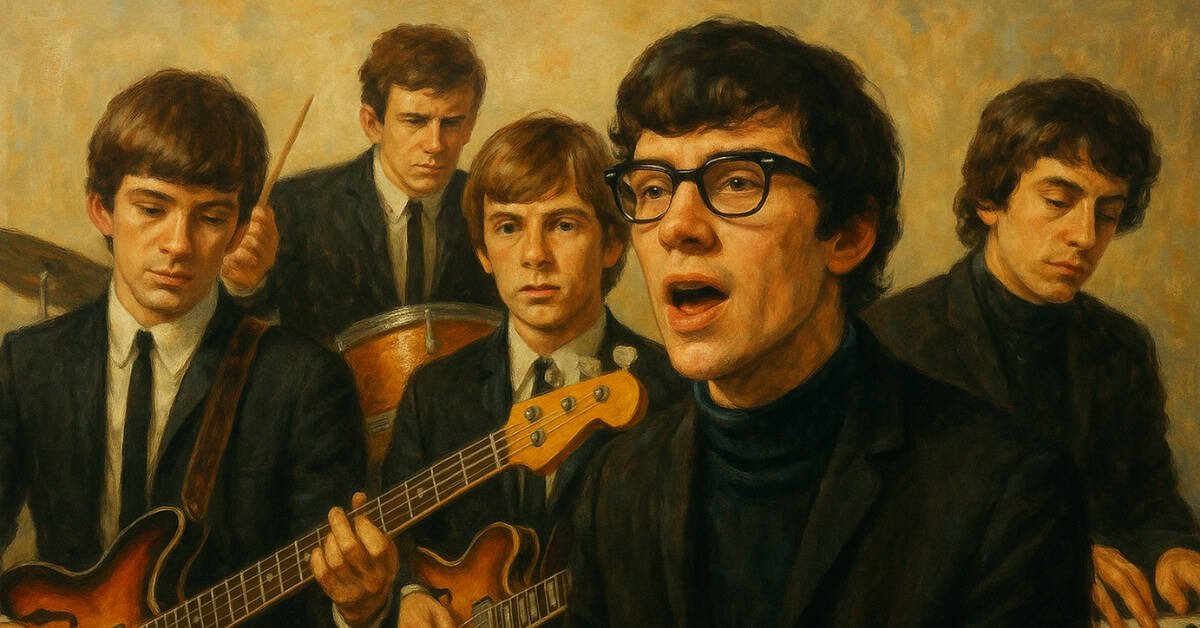
Several stations banned this psychedelic classic for its supposed sexual innuendos in lines like “What’s your name? Who’s your daddy?” The breathing sounds in the intro were also considered too suggestive. The song became a hit after most stations finally lifted their bans.
20. “Yellow Submarine” – The Beatles (1966)
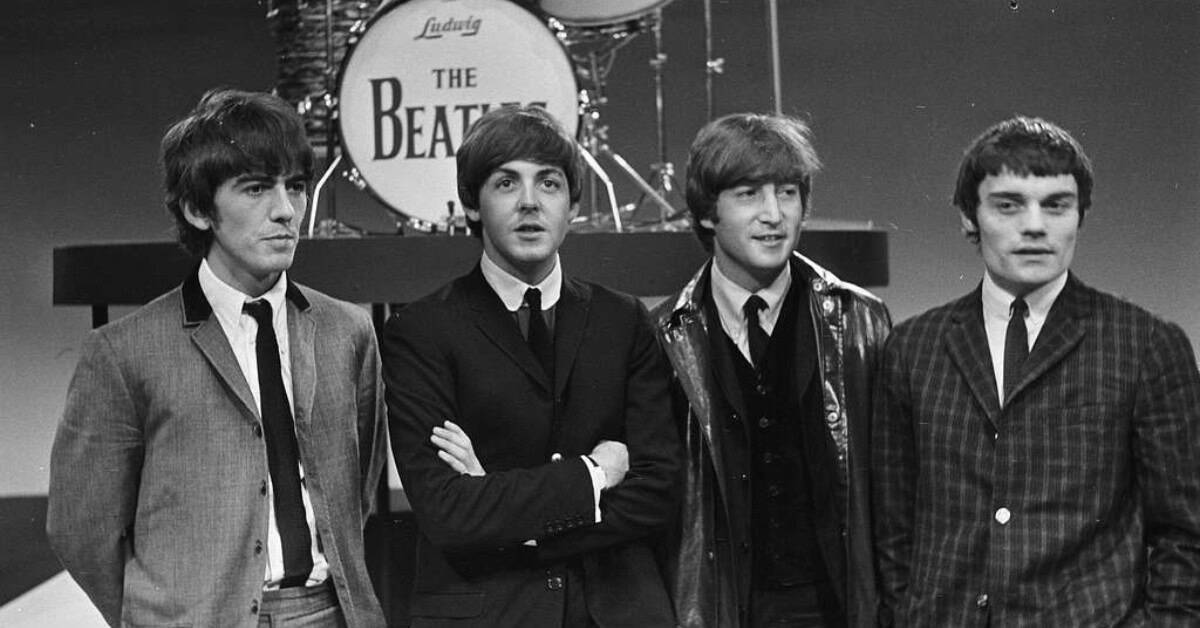
Some American stations banned this seemingly innocent song because they thought the yellow submarine was a reference to drug culture, specifically a type of barbiturate. The BBC briefly questioned its appropriateness during naval conflicts. The Beatles found these interpretations particularly amusing given it was written as a children’s song.