Before streaming services and endless channel options, television brought families together in a way that’s hard to imagine today. The 1960s produced shows that not only entertained but shaped our cultural values and social perspectives. Let’s revisit some of these groundbreaking programs that had us all gathered around our TV sets, adjusting rabbit ears and debating who got to change the channel.
Table of Contents
- 1 1. The Andy Griffith Show (1960-1968)
- 2 2. The Twilight Zone (1959-1964)
- 3 3. Bewitched (1964-1972)
- 4 4. Star Trek (1966-1969)
- 5 5. The Dick Van Dyke Show (1961-1966)
- 6 6. Bonanza (1959-1973)
- 7 7. The Addams Family (1964-1966)
- 8 8. The Munsters (1964-1966)
- 9 9. I Dream of Jeannie (1965-1970)
- 10 10. Get Smart (1965-1970)
- 11 11. The Flintstones (1960-1966)
- 12 12. Route 66 (1960-1964)
- 13 13. The Outer Limits (1963-1965)
- 14 14. My Three Sons (1960-1972)
- 15 15. The Fugitive (1963-1967)
- 16 16. Combat! (1962-1967)
- 17 17. Peyton Place (1964-1969)
- 18 18. The Wild Wild West (1965-1969)
1. The Andy Griffith Show (1960-1968)

Mayberry became America’s hometown through this beloved series that emphasized values, community, and gentle wisdom. Andy Taylor’s approach to law enforcement and parenting showed that authority could be kind and understanding. The show’s whistling theme song alone could bring any American family running to the television set.
Save for later
Want to come back to this story? Save it with your email so it is easy to find again.
2. The Twilight Zone (1959-1964)
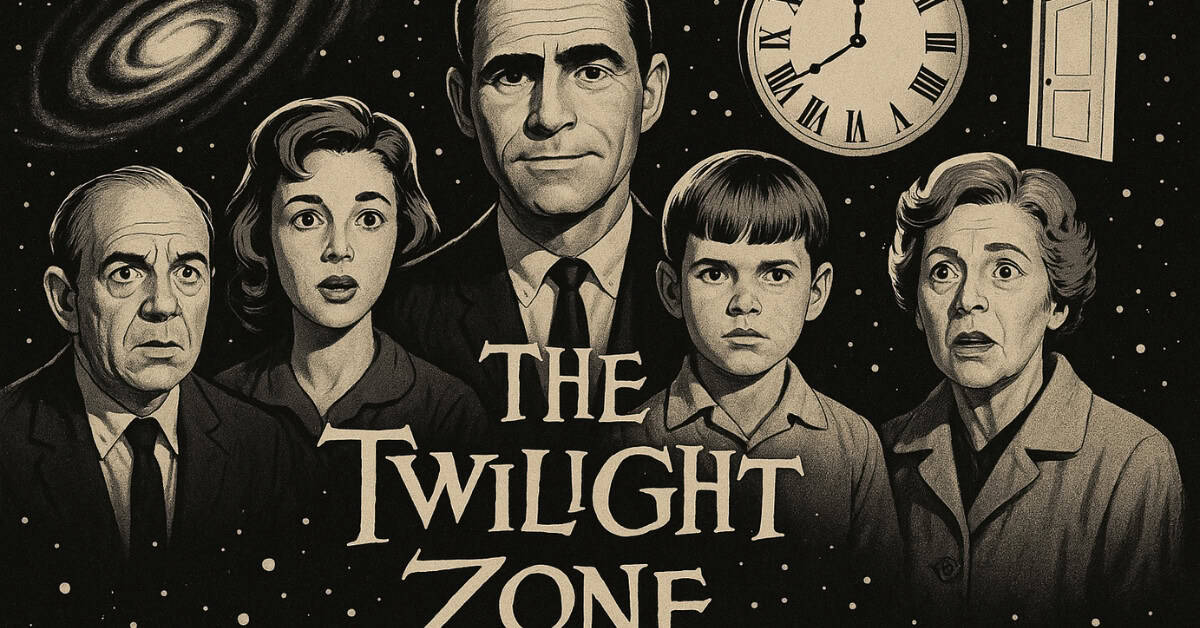
Rod Serling’s masterpiece used science fiction and horror to tackle social issues too controversial for straight drama. Each episode’s twist ending became water cooler conversation the next day. The show’s opening theme and Serling’s distinctive introductions still send chills down viewers’ spines.
3. Bewitched (1964-1972)

Elizabeth Montgomery’s nose-twitching Samantha showed that even a powerful witch could choose domestic life. The show cleverly addressed themes of women’s rights and prejudice through its supernatural premise. Darrin’s reactions to magical mishaps provided endless entertainment while exploring marriage dynamics.
4. Star Trek (1966-1969)
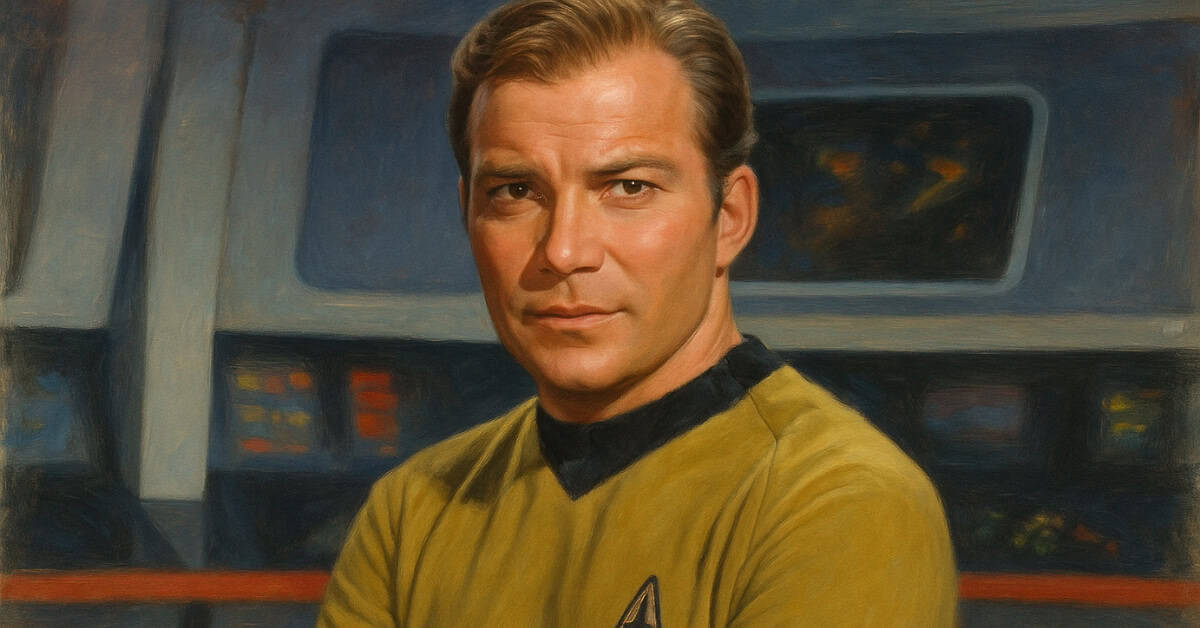
Gene Roddenberry’s vision of a unified future broke ground with its multicultural cast and optimistic outlook. The Enterprise’s five-year mission tackled contemporary issues through allegory. Despite initial low ratings, the show created a cultural phenomenon that continues today.
5. The Dick Van Dyke Show (1961-1966)

This sophisticated comedy brought workplace humor home while showcasing the perfect chemistry between Dick Van Dyke and Mary Tyler Moore. The show’s mix of physical comedy and clever writing set new standards for situation comedies. Rob Petrie’s ottoman stumble in the opening credits became iconic television.
6. Bonanza (1959-1973)

The Cartwright family’s adventures on the Ponderosa Ranch captured America’s imagination in full color. One of the first series broadcast in color, Bonanza combined Western action with strong family values. The show tackled serious social issues while maintaining its core message about family loyalty.
7. The Addams Family (1964-1966)
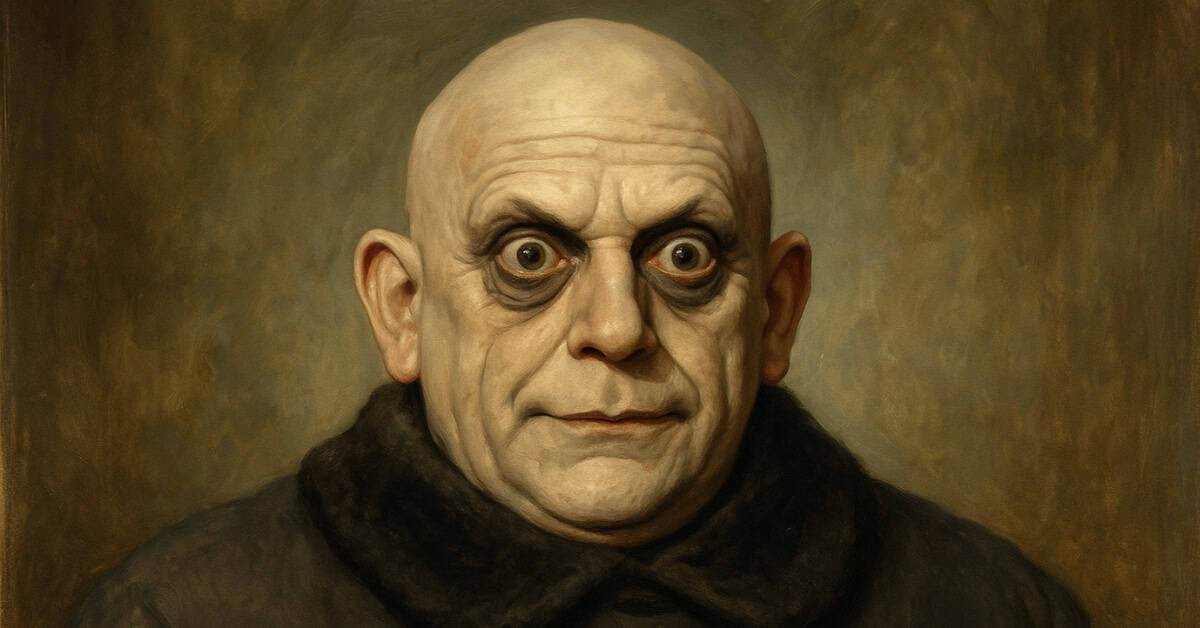
This delightfully macabre series turned traditional family values upside down while ironically celebrating them. Gomez and Morticia’s passionate marriage and devoted parenting made them role models, despite their eccentric lifestyle. The finger-snapping theme song became an instant cultural touchstone.
8. The Munsters (1964-1966)
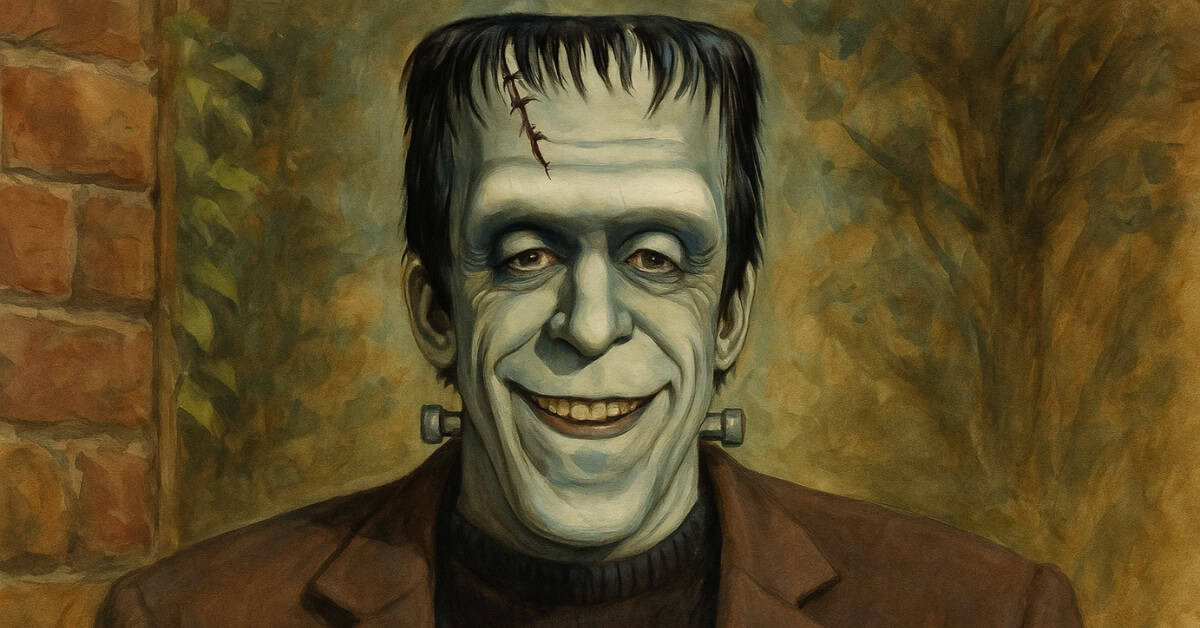
Another monster family that taught acceptance and love, the Munsters brought horror movie characters into suburban America. Herman’s childlike enthusiasm and Lily’s graceful patience created heartwarming family dynamics. The show proved that looking different didn’t mean being different where it mattered.
9. I Dream of Jeannie (1965-1970)

Barbara Eden’s magical Jeannie brought fantasy and romance to the Space Age. Set against the backdrop of NASA’s space program, the show combined contemporary achievements with ancient magic. The chemistry between Eden and Larry Hagman created endearing romantic tension.
10. Get Smart (1965-1970)
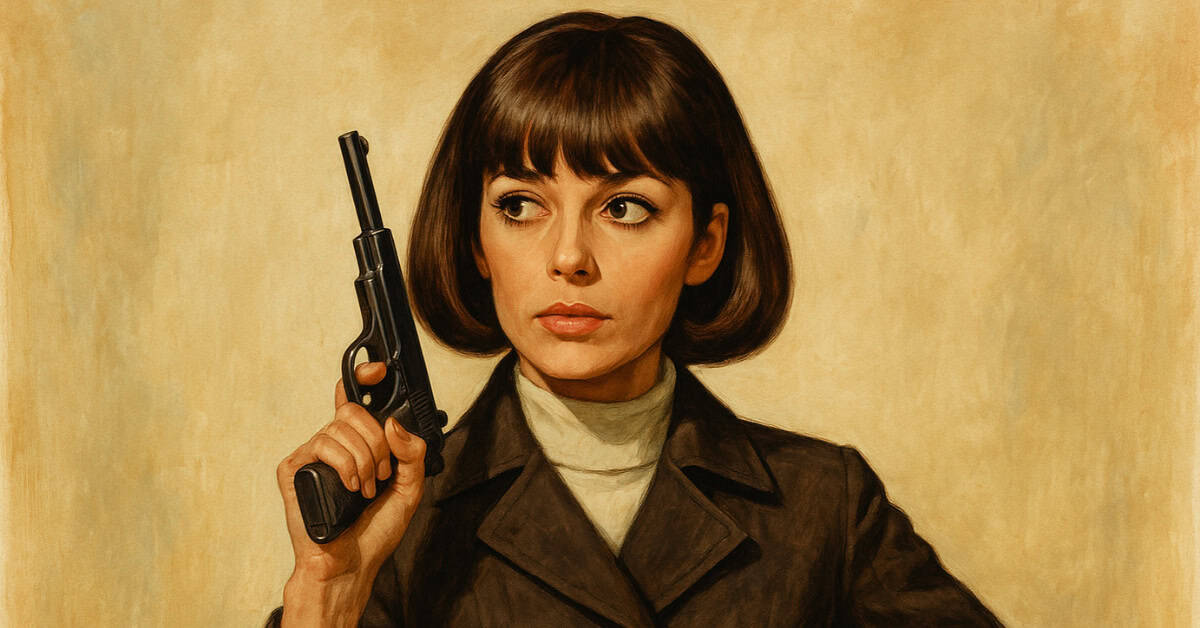
Don Adams’ Maxwell Smart brought spy parody to prime time, spoofing the popular James Bond films. The show’s catchphrases (“Would you believe…”) entered everyday language. Clever gadgets like the shoe phone and cone of silence became legendary comedy props.
11. The Flintstones (1960-1966)
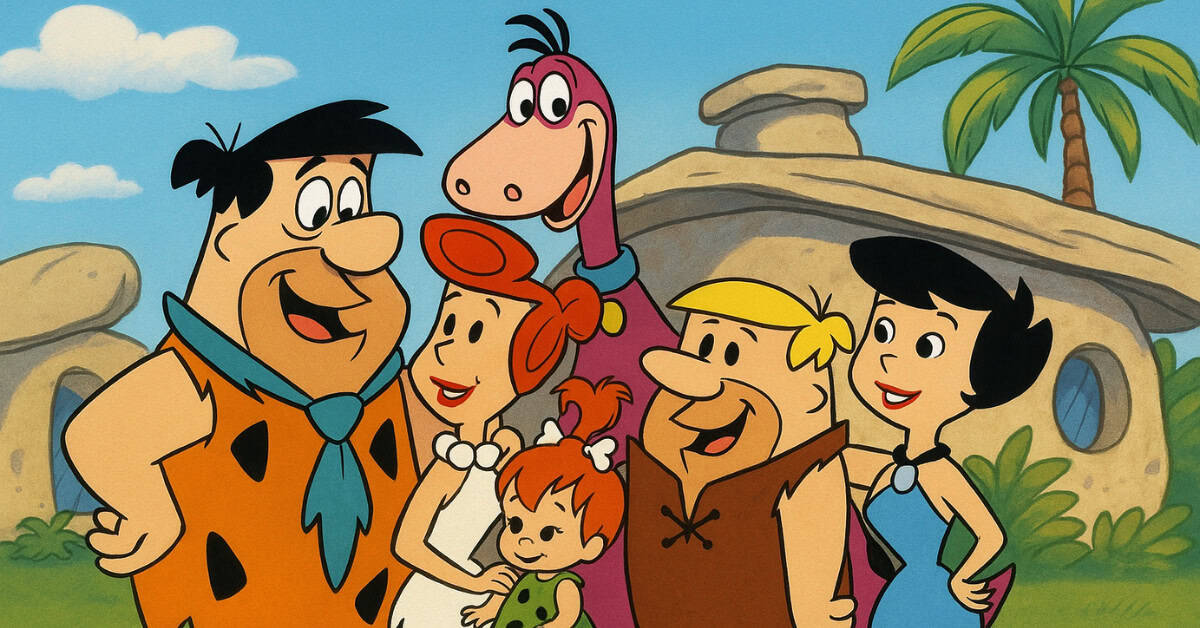
The first prime-time animated show aimed at adults, this “modern Stone Age family” reflected contemporary suburban life through a prehistoric lens. Fred and Wilma’s adventures mirrored many American families’ experiences. The show’s blend of sight gags and social commentary created a template for adult animation.
12. Route 66 (1960-1964)

This series captured America’s romance with the open road and youth culture. Tod and Buz’s Corvette adventures across the country showcased different aspects of American life each week. The show’s on-location filming provided a unique glimpse of 1960s America.
13. The Outer Limits (1963-1965)

This science fiction anthology series pushed the boundaries of television special effects and storytelling. Its “Control Voice” opening became as famous as its rival Twilight Zone’s. The show’s sophisticated plots and philosophical themes elevated science fiction television to new heights.
14. My Three Sons (1960-1972)
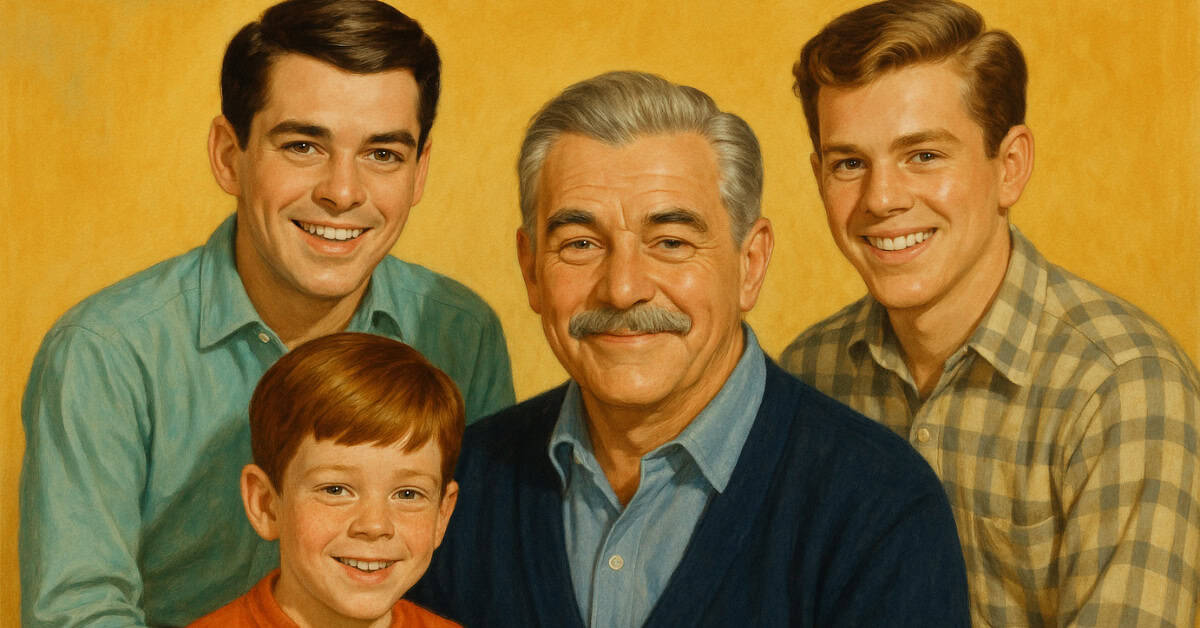
Fred MacMurray’s Steve Douglas showed that single fathers could raise well-adjusted children. The show’s focus on family dynamics and growing up resonated with audiences nationwide. Its long run demonstrated the enduring appeal of wholesome family entertainment.
15. The Fugitive (1963-1967)

David Janssen’s Dr. Richard Kimble became television’s most famous wrongly accused man. His weekly encounters while searching for the one-armed man created compelling drama. The series finale held the record for most-watched television episode until M*A*S*H’s farewell.
16. Combat! (1962-1967)

This gritty World War II drama brought the reality of warfare to television. Vic Morrow’s Sergeant Saunders led his men through realistic combat scenarios. The show’s attention to historical detail and complex characters set new standards for military dramas.
17. Peyton Place (1964-1969)

America’s first prime-time soap opera brought small-town scandal to television twice weekly. The show launched the careers of Mia Farrow and Ryan O’Neal. Its controversial storylines pushed the boundaries of what television could address in the 1960s.
18. The Wild Wild West (1965-1969)

This innovative series combined Western action with James Bond-style gadgetry and espionage. Robert Conrad’s James West and Ross Martin’s Artemus Gordon created an unforgettable partnership. The show’s steampunk elements and fantastic plots predated the genre by decades.