Remember when every household had its own set of unbreakable rules that seemed as solid as the foundation itself? Back in the 1950s, our parents ran tight ships with guidelines that might seem downright strange to today’s families. Let’s take a nostalgic trip back to some of the most surprising house rules that shaped our childhood years—some sensible, some quirky, but all perfectly normal for the era.
Table of Contents
- 1 1. No Phone Calls During Dinner
- 2 2. Children Speak Only When Spoken To
- 3 3. No Shoes on the Good Carpet
- 4 4. Formal Dress for Dinner
- 5 5. No Elbows on the Table
- 6 6. Saturday Night Bath Rule
- 7 7. No Dating Until Age 16
- 8 8. Clean Your Plate Rule
- 9 9. No Television Before Homework
- 10 10. Formal Living Room Off-Limits
- 11 11. Bedtime Prayers Required
- 12 12. No Snacking Between Meals
- 13 13. Make Your Bed Before Breakfast
- 14 14. No Whistling for Girls
- 15 15. Children Should Be Seen and Not Heard
1. No Phone Calls During Dinner
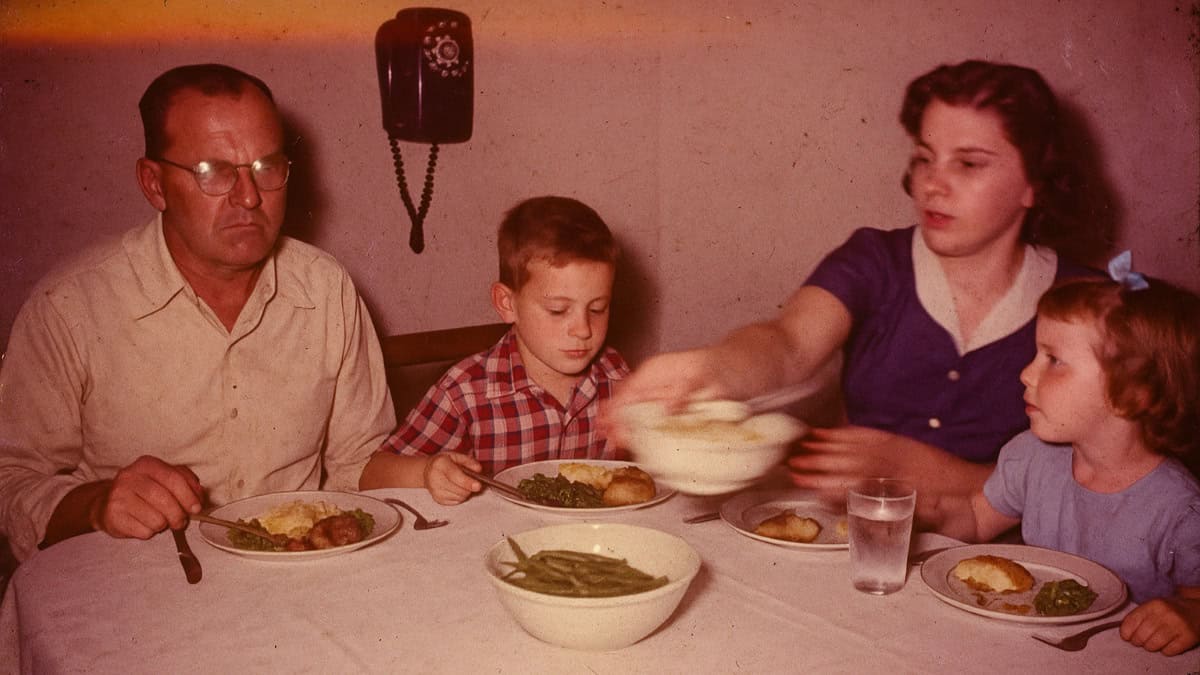
Dinner time was sacred in the 1950s, and the rule about phone calls was absolute. If the phone rang during dinner, it went unanswered—period. This wasn’t just about avoiding interruptions; it was about maintaining family unity and proper mealtime etiquette. Many families even had a separate “dinner bell” time when neighbors knew not to call.
Save for later
Want to come back to this story? Save it with your email so it is easy to find again.
2. Children Speak Only When Spoken To
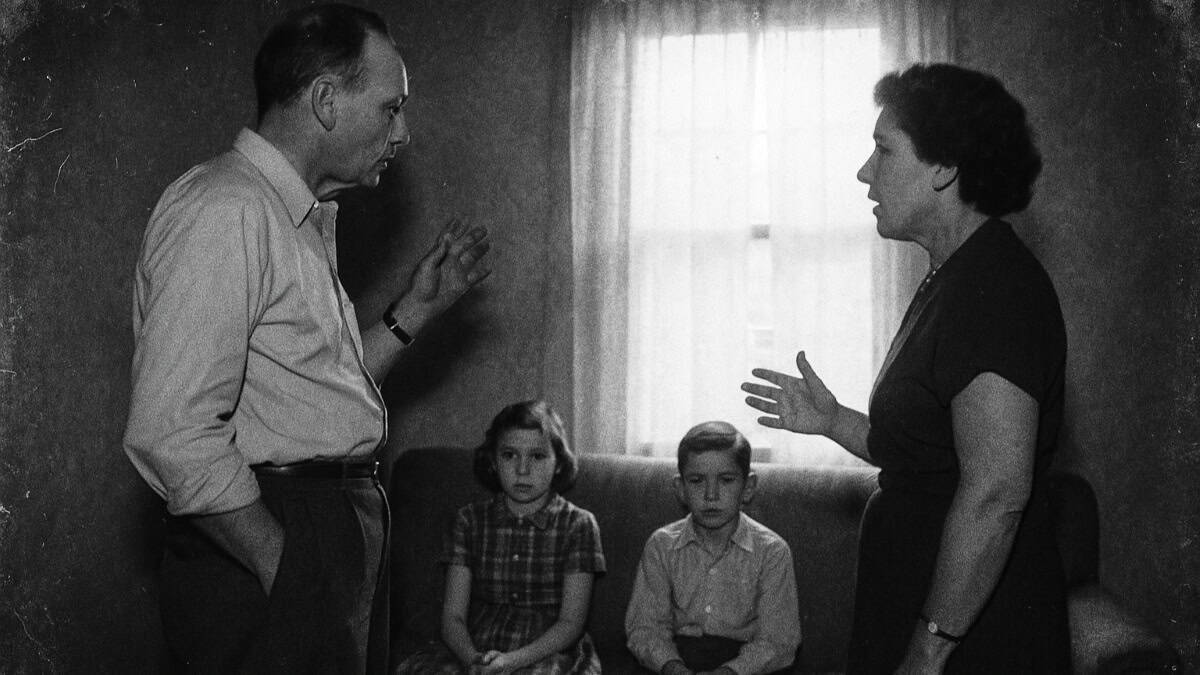
This classic rule was particularly enforced when adults had company. Children were expected to remain quiet and well-behaved, only joining conversations when directly addressed by an adult. This rule extended to mealtimes, where children were to sit quietly unless asked a specific question.
3. No Shoes on the Good Carpet
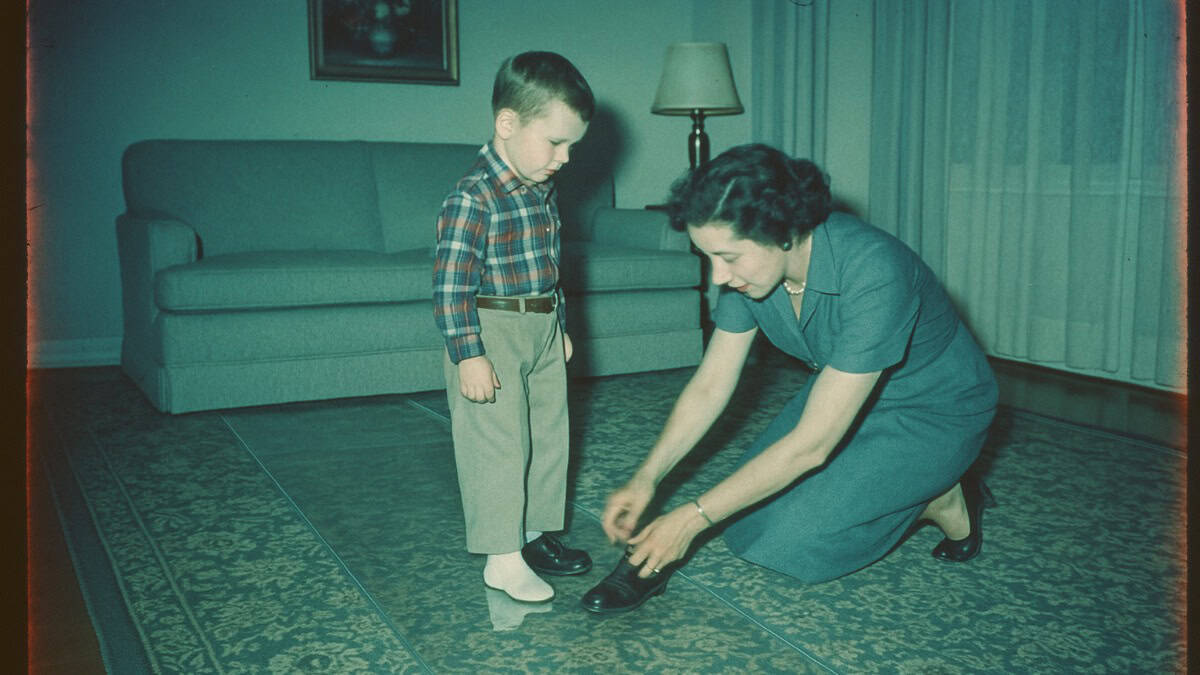
The living room carpet was often protected like a museum piece. Many homes had specific pathways people were expected to walk, and children were frequently required to remove their shoes before entering. Some families even covered their carpets with clear plastic runners to protect the precious fibers.
4. Formal Dress for Dinner

Many families required everyone to change clothes before dinner, even for regular weekday meals. Dad would remove his work clothes, Mom would freshen up, and children were expected to wash up and change into clean attire. Sunday dinners often required their very best clothes.
5. No Elbows on the Table
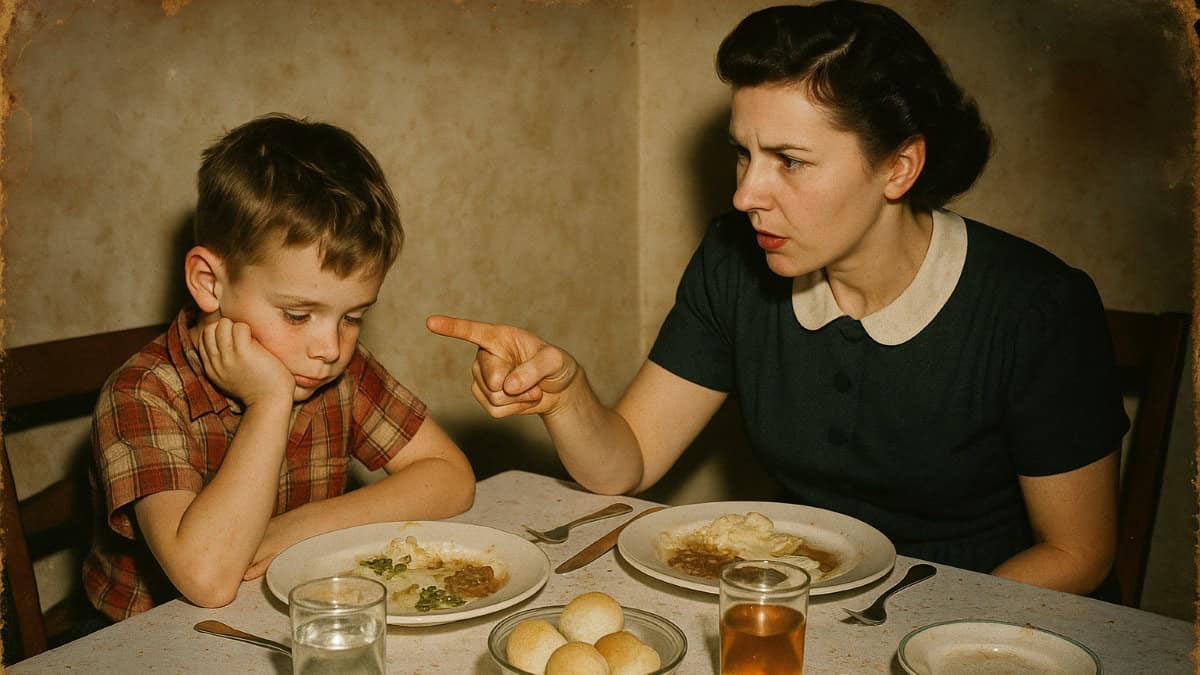
This rule was enforced with almost military precision. Proper posture at the dinner table was considered essential for both health and social standing. Children caught with elbows on the table might receive a quick tap with a spoon or a stern look from Mom or Dad.
6. Saturday Night Bath Rule
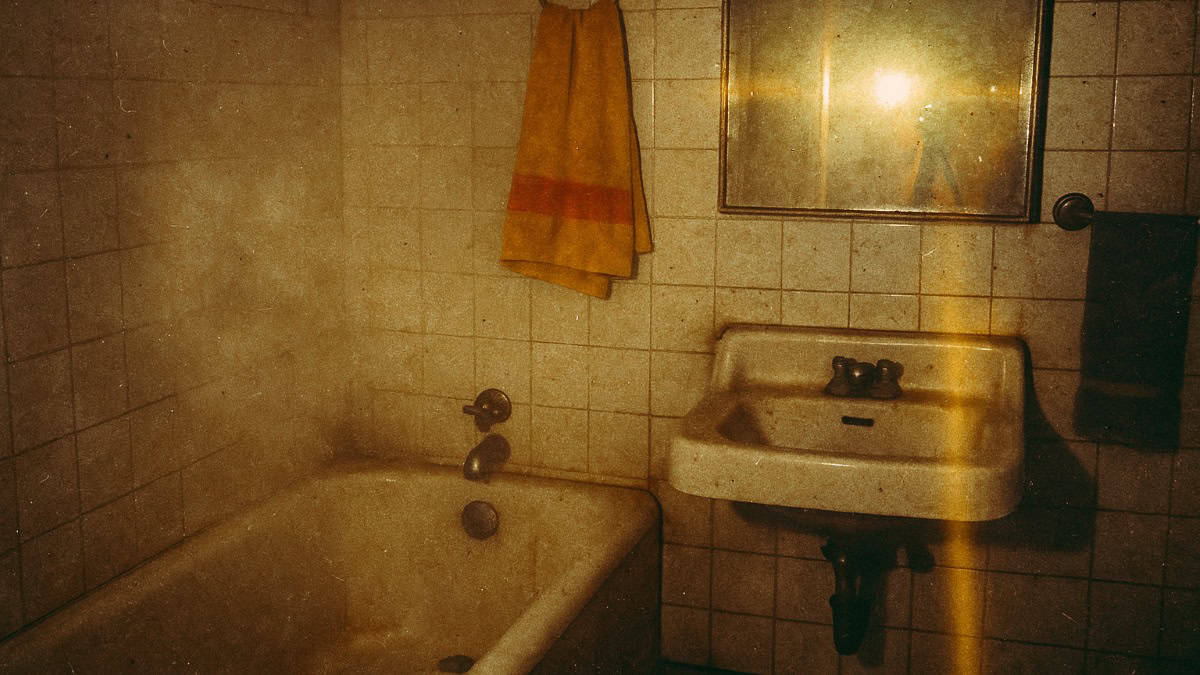
Saturday night baths were a strict ritual in many households, preparing everyone for Sunday church. The bath order was usually predetermined, with younger children going first and Dad last. Hot water was often carefully rationed, especially in larger families.
7. No Dating Until Age 16

Dating rules were strict and clearly defined in most households. Sixteen was often the magic number, and even then, dates were carefully chaperoned. Group activities were encouraged, and young men were expected to come to the door and meet the parents before any outing.
8. Clean Your Plate Rule
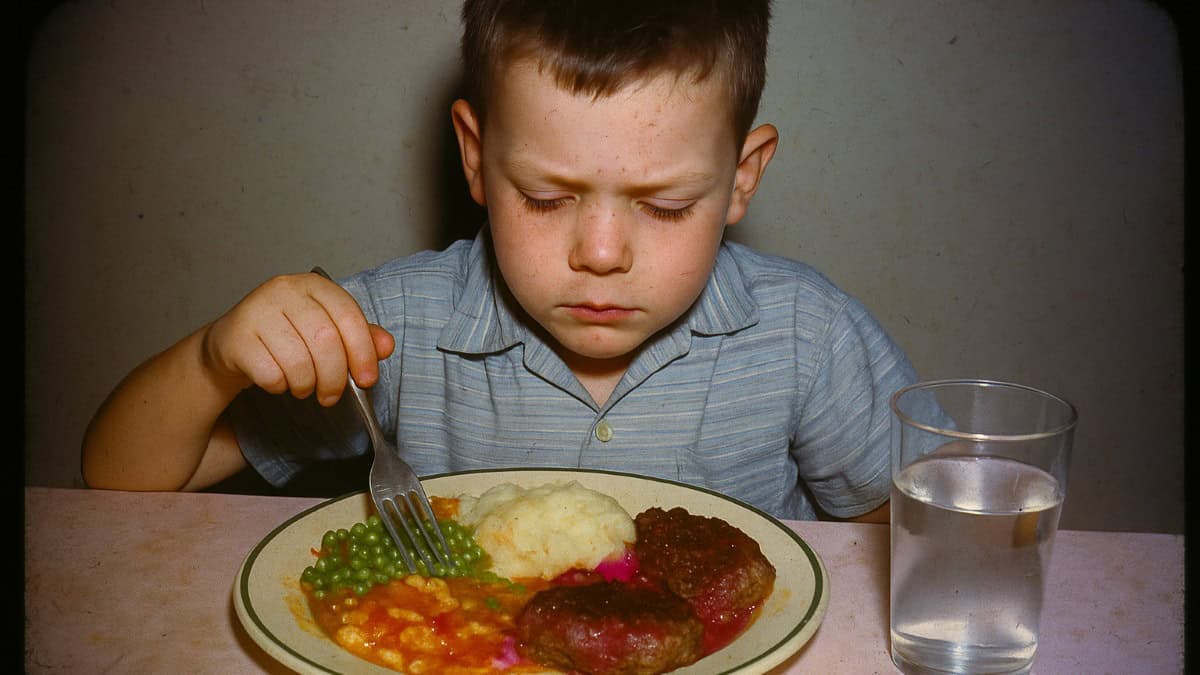
Children were expected to eat everything on their plates, no exceptions. This rule, born from Depression-era scarcity and post-war prosperity, was often enforced with reminders about “starving children” in other parts of the world. Leaving the table before finishing wasn’t an option.
9. No Television Before Homework
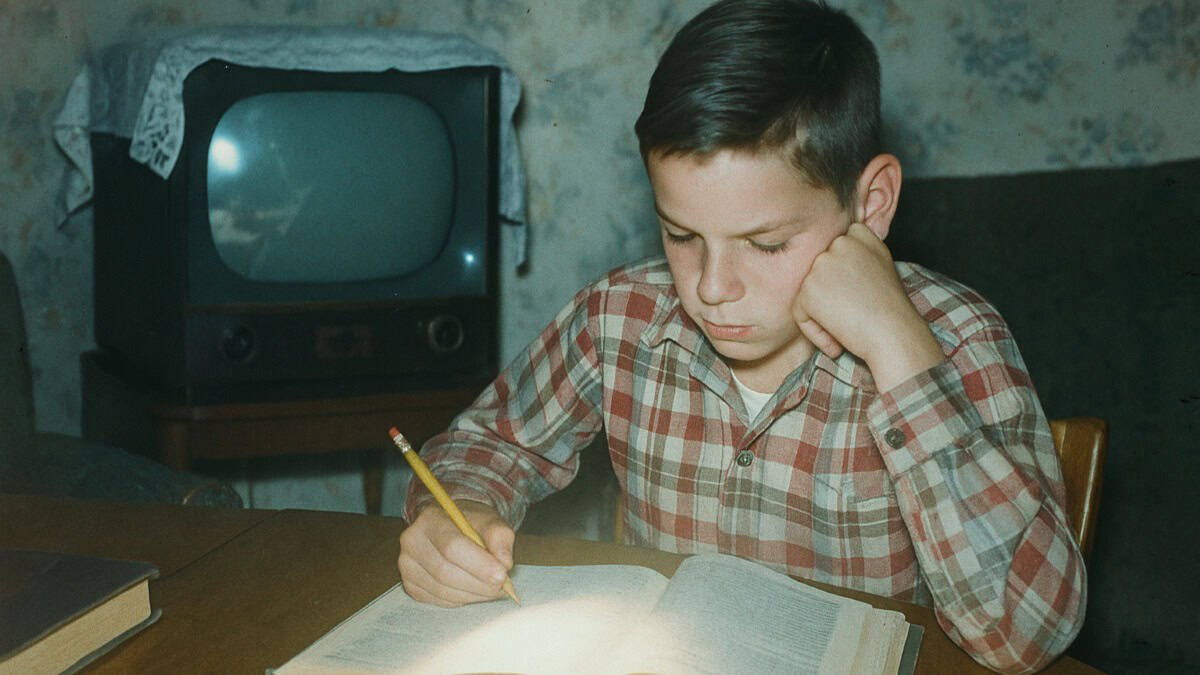
As television became more common in homes, strict rules governed its use. Homework had to be completed and checked by a parent before anyone could watch TV. Even then, viewing time was usually limited to specific family-approved shows.
10. Formal Living Room Off-Limits
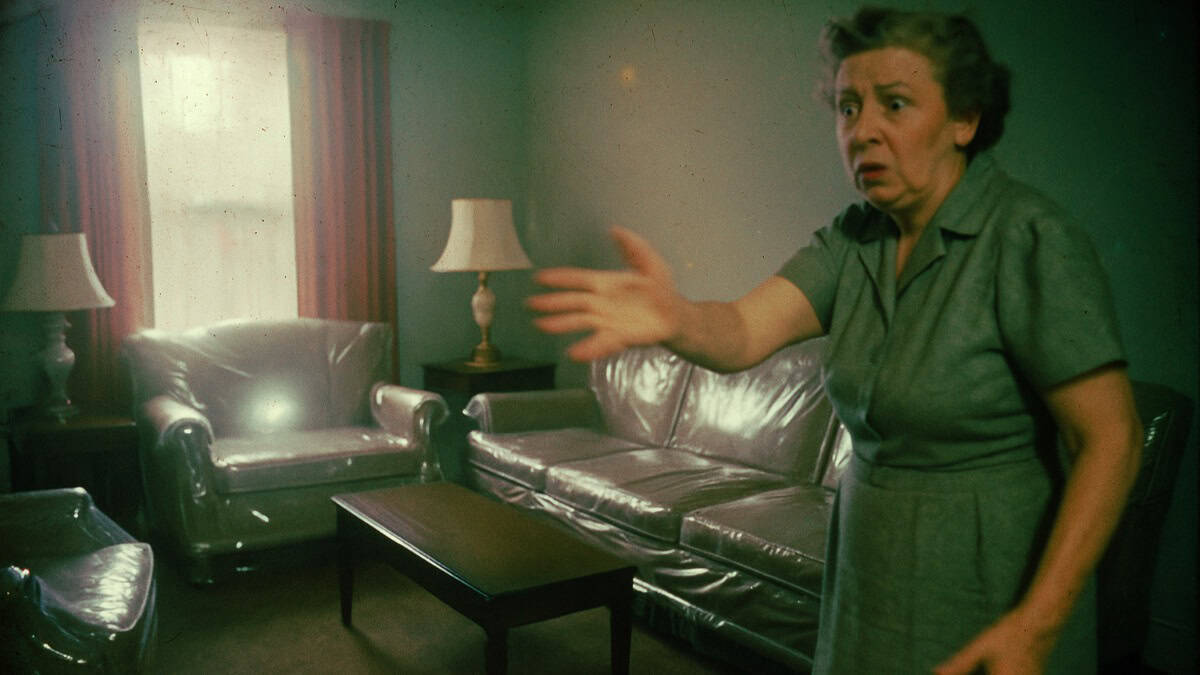
Many homes had a formal living room that was strictly for company. Children were not allowed to play there, and even adults used it sparingly. The furniture was covered with plastic, and the room was cleaned meticulously in preparation for visitors.
11. Bedtime Prayers Required
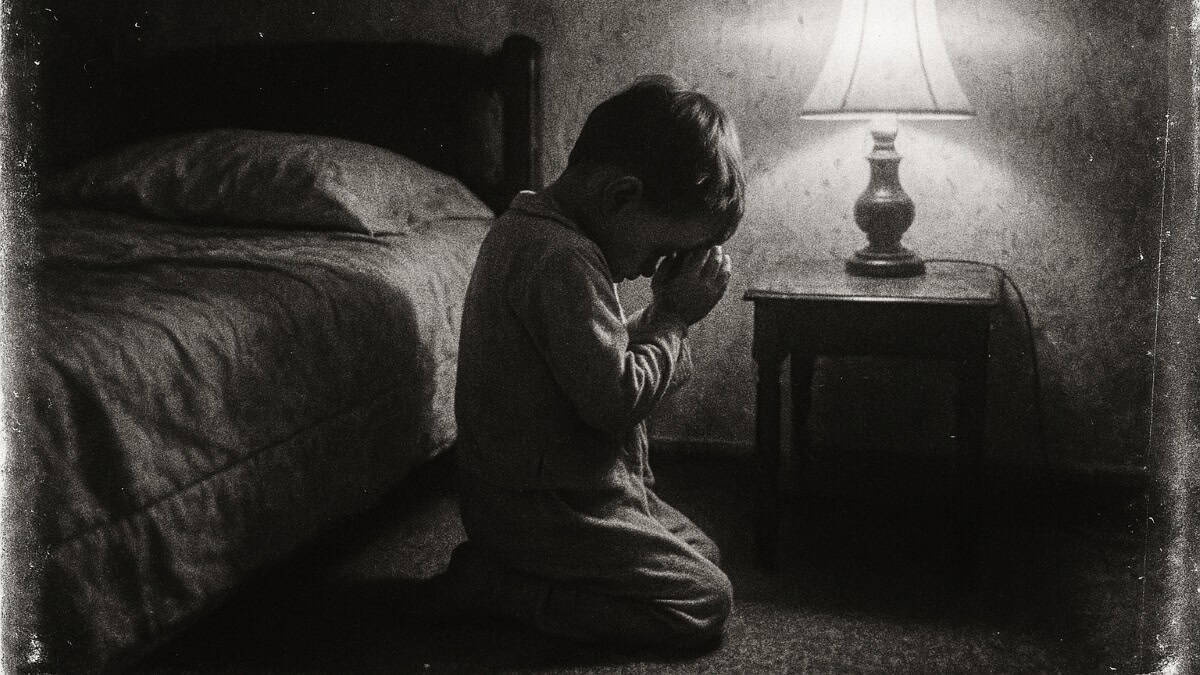
Evening prayers were non-negotiable in many households. Children were expected to kneel beside their beds and say their prayers before going to sleep. This ritual often included thanking God for specific blessings and asking for protection for family members.
12. No Snacking Between Meals
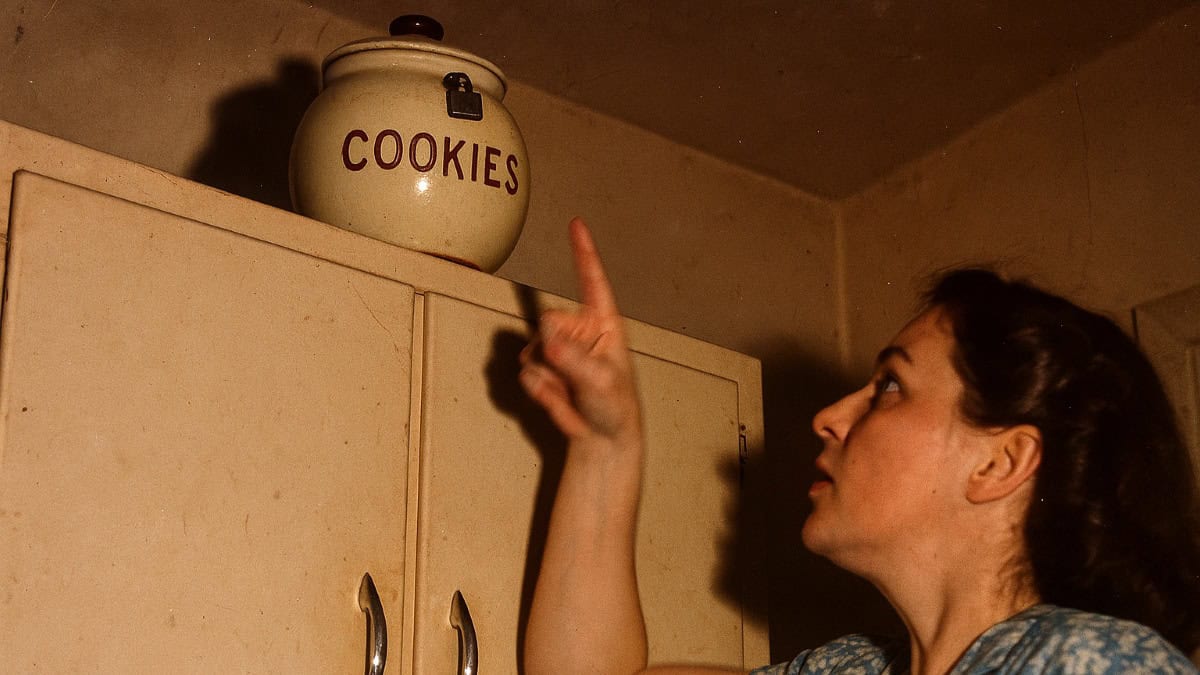
Snacking was strictly controlled, with most families prohibiting any food between meals. The kitchen was often off-limits outside of mealtimes, and the refrigerator was considered strictly Mom’s domain. This rule helped ensure children would eat their meals when served.
13. Make Your Bed Before Breakfast

Children were required to make their beds immediately upon waking, with hospital corners and perfectly smooth covers. No one was allowed at the breakfast table until their bed was properly made and the room tidied. This rule instilled early habits of orderliness and responsibility.
14. No Whistling for Girls
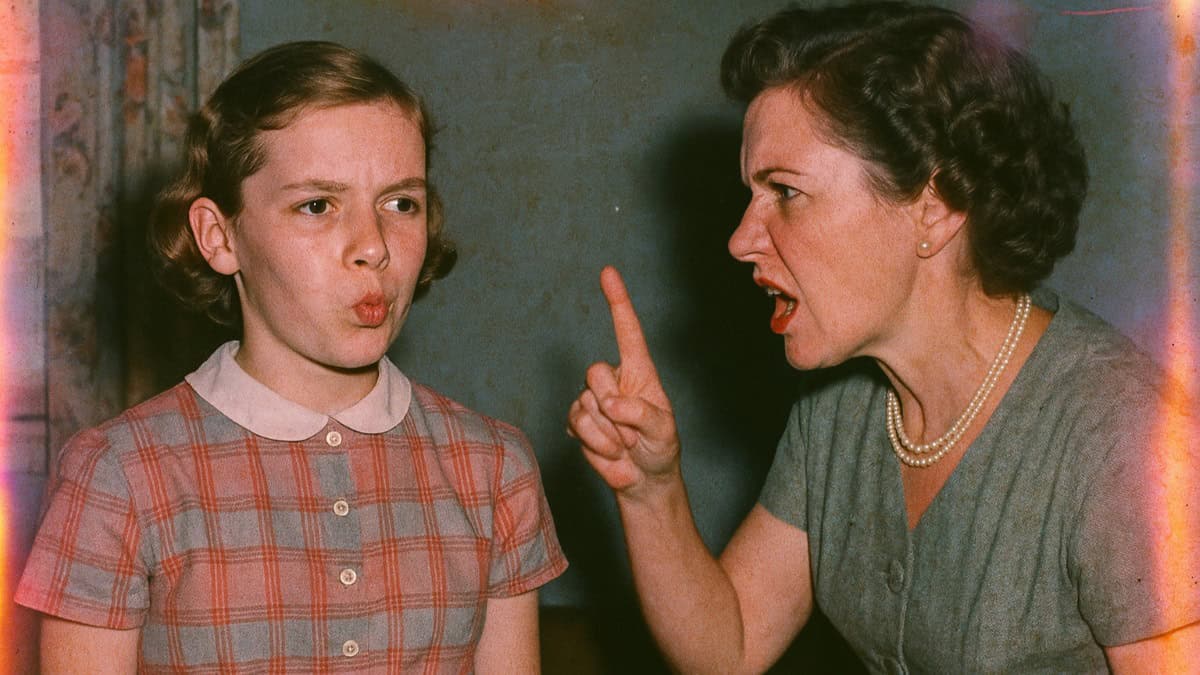
Many households had strict gender-specific rules about behavior. Girls were often told that whistling wasn’t lady-like, along with other restrictions on “unladylike” behavior. These rules reflected the era’s strict gender roles and social expectations.
15. Children Should Be Seen and Not Heard
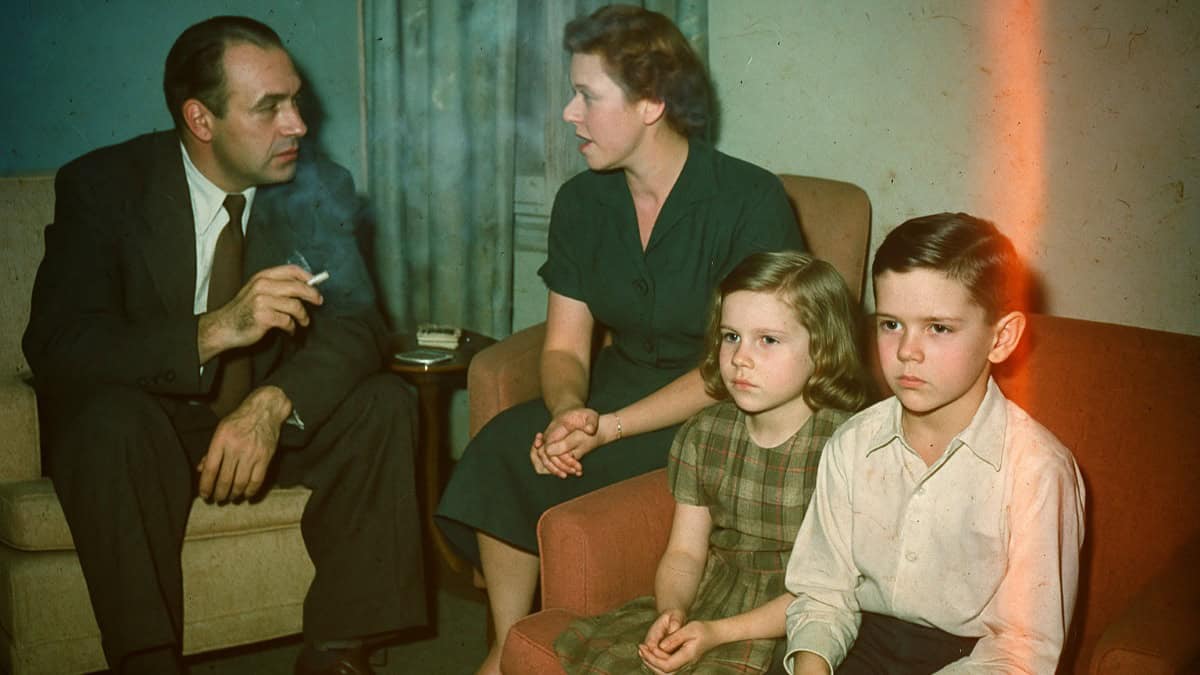
This Victorian-era rule carried strong into the 1950s. When adults were entertaining, children were expected to be invisible unless called upon. They were to remain quiet and well-behaved, especially when company was present. This rule emphasized respect for adults and proper social etiquette.