Growing up in the 1950s and ’60s, we learned practical skills that were just part of everyday life. These weren’t taught in any formal way – we picked them up through observation and necessity. While today’s kids might be tech-savvy, many of these basic life skills that our generation took for granted have become lost arts. Let’s look at some essential abilities that were once common knowledge but are now fading away.
Table of Contents
- 1 1. Reading a Paper Map
- 2 2. Making Emergency Repairs
- 3 3. Writing in Cursive
- 4 4. Balancing a Checkbook
- 5 5. Memorizing Phone Numbers
- 6 6. Making Change Without a Calculator
- 7 7. Basic Car Maintenance
- 8 8. Cooking from Scratch
- 9 9. Darning and Mending
- 10 10. Face-to-Face Communication
- 11 11. Research Without Internet
- 12 12. Emergency Preparedness
- 13 13. Time Management Without Apps
- 14 14. Problem-Solving Without Google
1. Reading a Paper Map
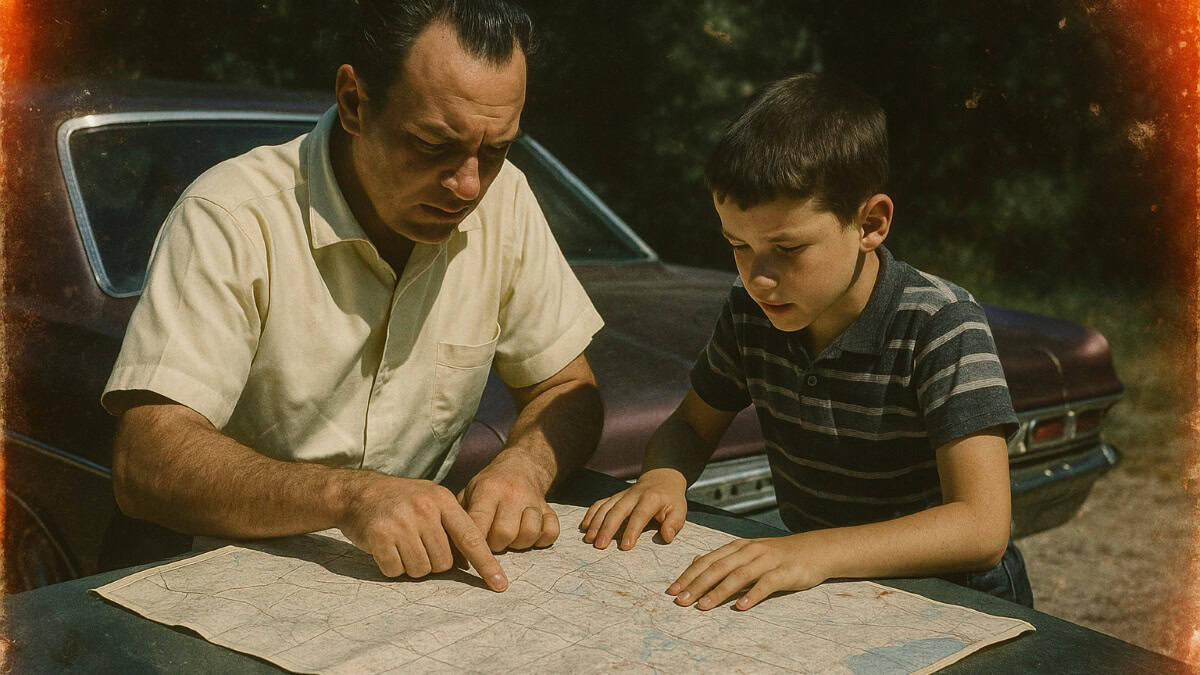
Before GPS, we had to plan routes using actual maps, understanding scales, legends, and topographical symbols. Being the navigator on family road trips meant mastering the art of folding those unwieldy maps and finding alternate routes when needed. This skill taught spatial awareness and problem-solving that no app can replicate.
Save for later
Want to come back to this story? Save it with your email so it is easy to find again.
2. Making Emergency Repairs

From fixing a leaky faucet to patching a bicycle tire, we learned to handle basic repairs ourselves. Every household had a well-stocked toolbox, and kids learned early how to use each tool properly. These skills saved money and taught self-reliance.
3. Writing in Cursive

Penmanship was once considered a crucial skill, taught methodically in schools. We spent hours perfecting our cursive writing, which wasn’t just about looking nice – it was about clear communication and professional presentation. Today, many kids can’t even read cursive, let alone write it.
4. Balancing a Checkbook

Managing money meant keeping detailed records of every transaction in your checkbook. This practice taught financial responsibility and mathematics skills. Digital banking has made this seem obsolete, but the underlying principles of tracking expenses remain valuable.
5. Memorizing Phone Numbers

Before cell phones, we memorized dozens of important phone numbers. This wasn’t just about memory – it was about being prepared for emergencies and maintaining connections. Today’s reliance on stored contacts has diminished this basic survival skill.
6. Making Change Without a Calculator

Mental math was essential for everyday transactions. We could quickly calculate change, discounts, and tips without electronic help. This skill kept our minds sharp and made us more efficient in daily activities.
7. Basic Car Maintenance

Changing oil, replacing spark plugs, and rotating tires were basic skills every car owner needed. Understanding your vehicle’s mechanics meant fewer expensive repair bills and greater independence. The complexity of modern cars has made this harder, but basic maintenance knowledge remains valuable.
8. Cooking from Scratch

We learned to cook using basic ingredients, not pre-packaged meals. Understanding cooking techniques, measuring ingredients, and timing multiple dishes were essential life skills. This knowledge promoted healthier eating and financial savings.
9. Darning and Mending

Basic sewing skills meant we could repair clothing instead of replacing it. From patching jeans to sewing on buttons, these skills saved money and reduced waste. Today’s throwaway culture has made these abilities seem quaint but unnecessary.
10. Face-to-Face Communication

We developed strong interpersonal skills through direct interaction. Resolving conflicts, reading body language, and maintaining conversations were essential social abilities. Digital communication has made these skills less common but no less important.
11. Research Without Internet

Using card catalogs, encyclopedias, and periodical guides taught us thorough research skills. We learned to cross-reference information and evaluate sources critically. These fundamental research abilities remain valuable in the digital age.
12. Emergency Preparedness

We knew how to handle emergencies without relying on technology. From basic first aid to finding shelter, these survival skills were common knowledge. Today’s dependence on devices has made these abilities more crucial than ever.
13. Time Management Without Apps
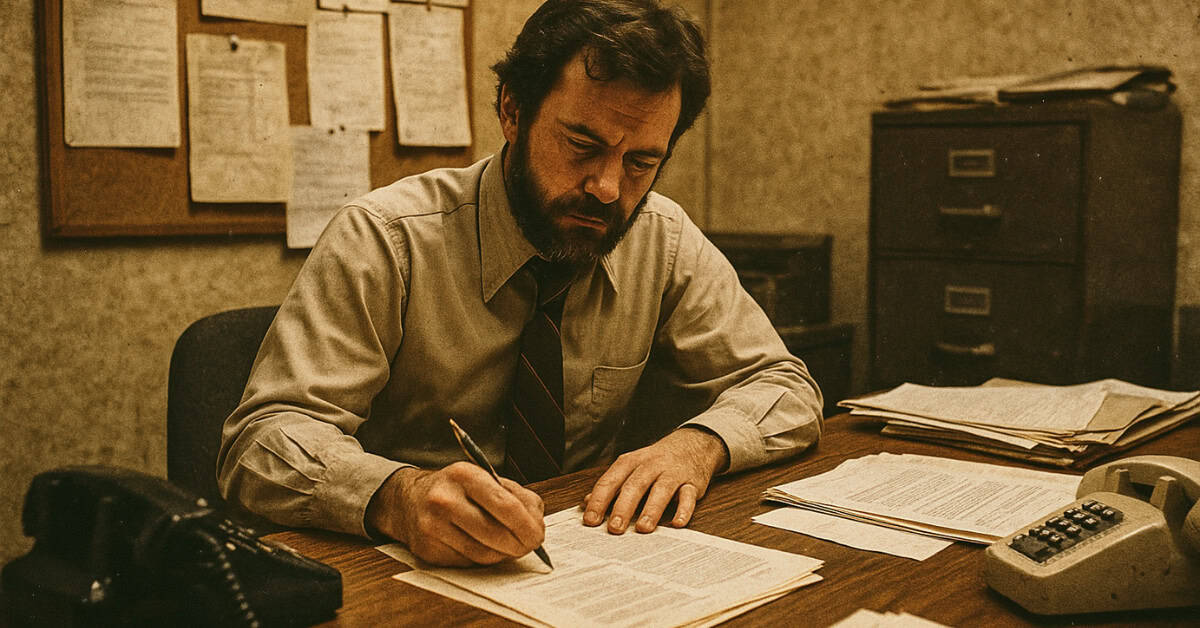
Planning and organizing time using paper calendars and watches required real skill. We learned to estimate time accurately and prioritize tasks effectively. These fundamental planning abilities remain essential despite digital tools.
14. Problem-Solving Without Google
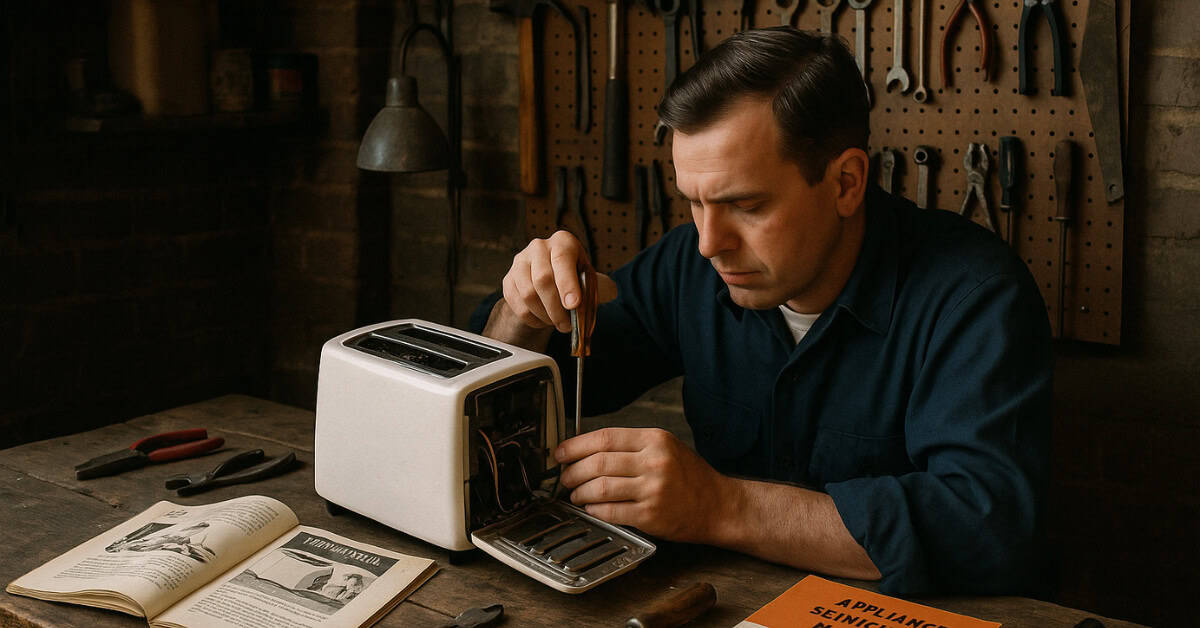
We developed strong problem-solving skills through trial and error, consulting manuals, or asking experienced people. This self-reliance fostered creativity and resourcefulness that instant answers can’t replace.