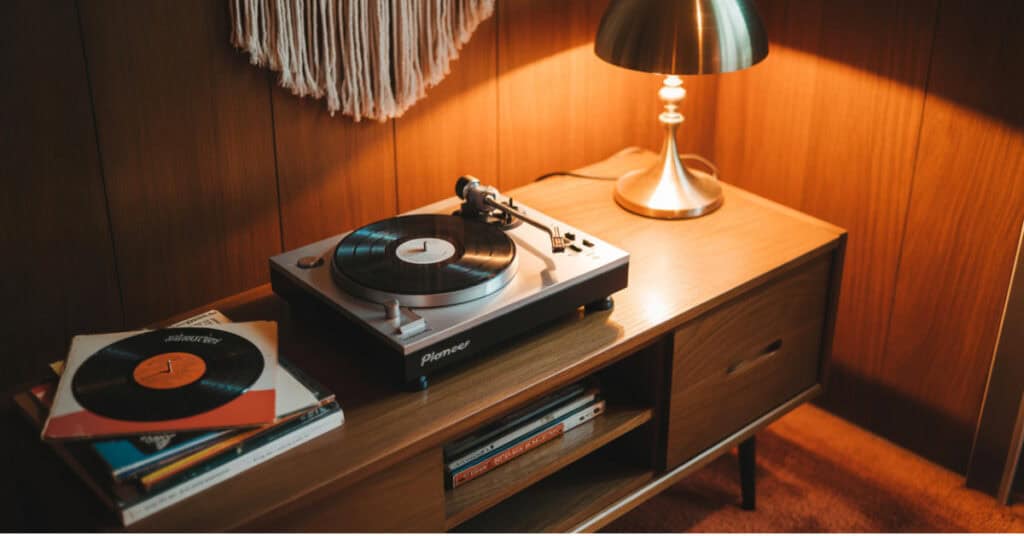
You know what gets me thinking? All those everyday items we used to take for granted are now considered antiques. Things that were part of our daily routine back in the 1960s and 1970s are now showing up in museums, making us feel like living history. Let’s take a walk down memory lane and look at some once-common items that today’s kids might only see behind glass cases.
Table of Contents
1. The Typewriter
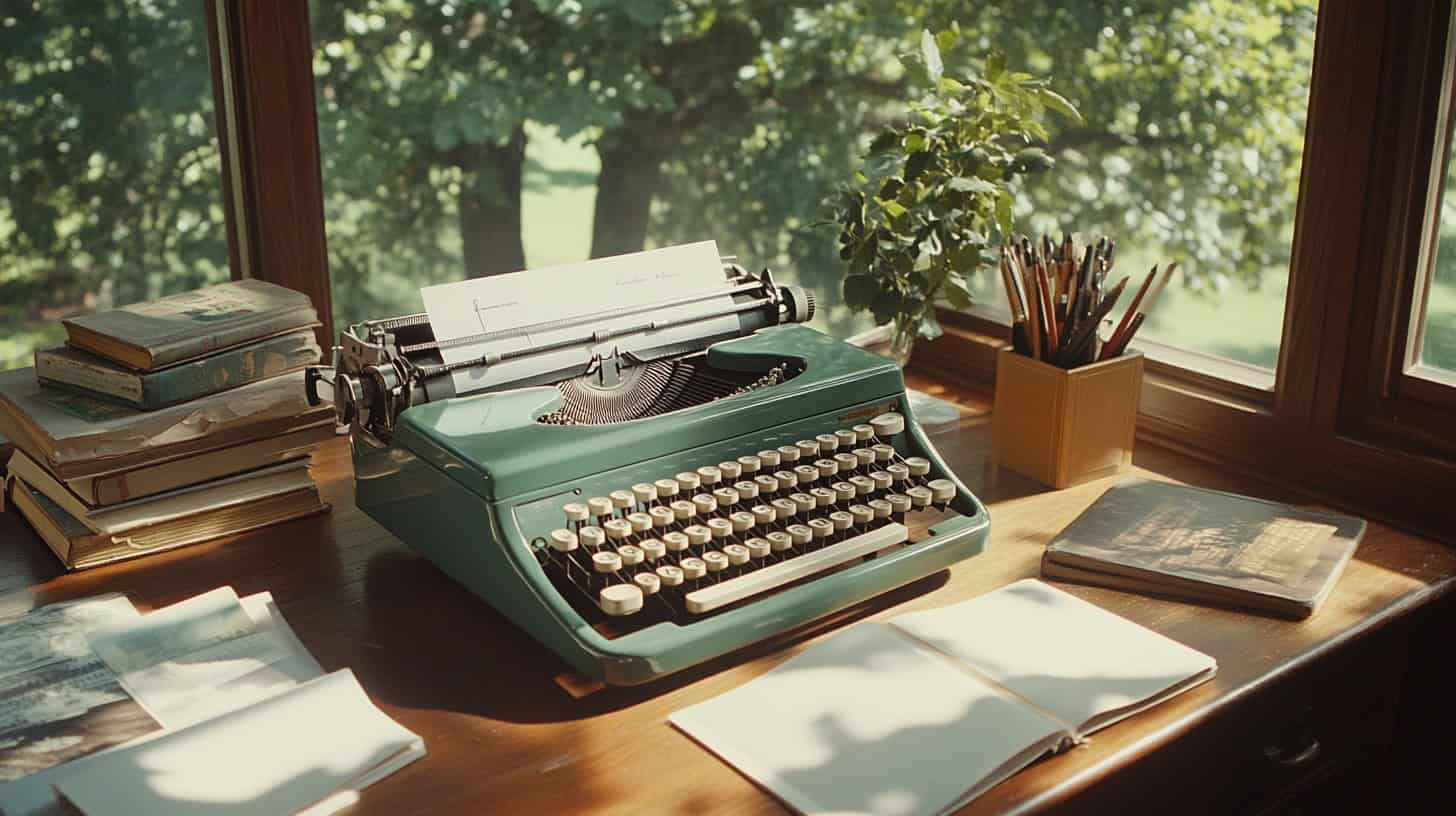
The steady click-clack of keys, the satisfying ‘ding’ at the end of each line, and the smell of ink ribbon – that’s what real writing used to feel like. Manual typewriters were more than just writing tools; they were precision instruments that demanded respect and skill. Every mistake meant reaching for the correction fluid or starting over, teaching us the value of careful thought before putting words to paper. These beautiful machines made writing a physical art form.
Save for later
Want to come back to this story? Save it with your email so it is easy to find again.
2. Rotary Dial Telephone
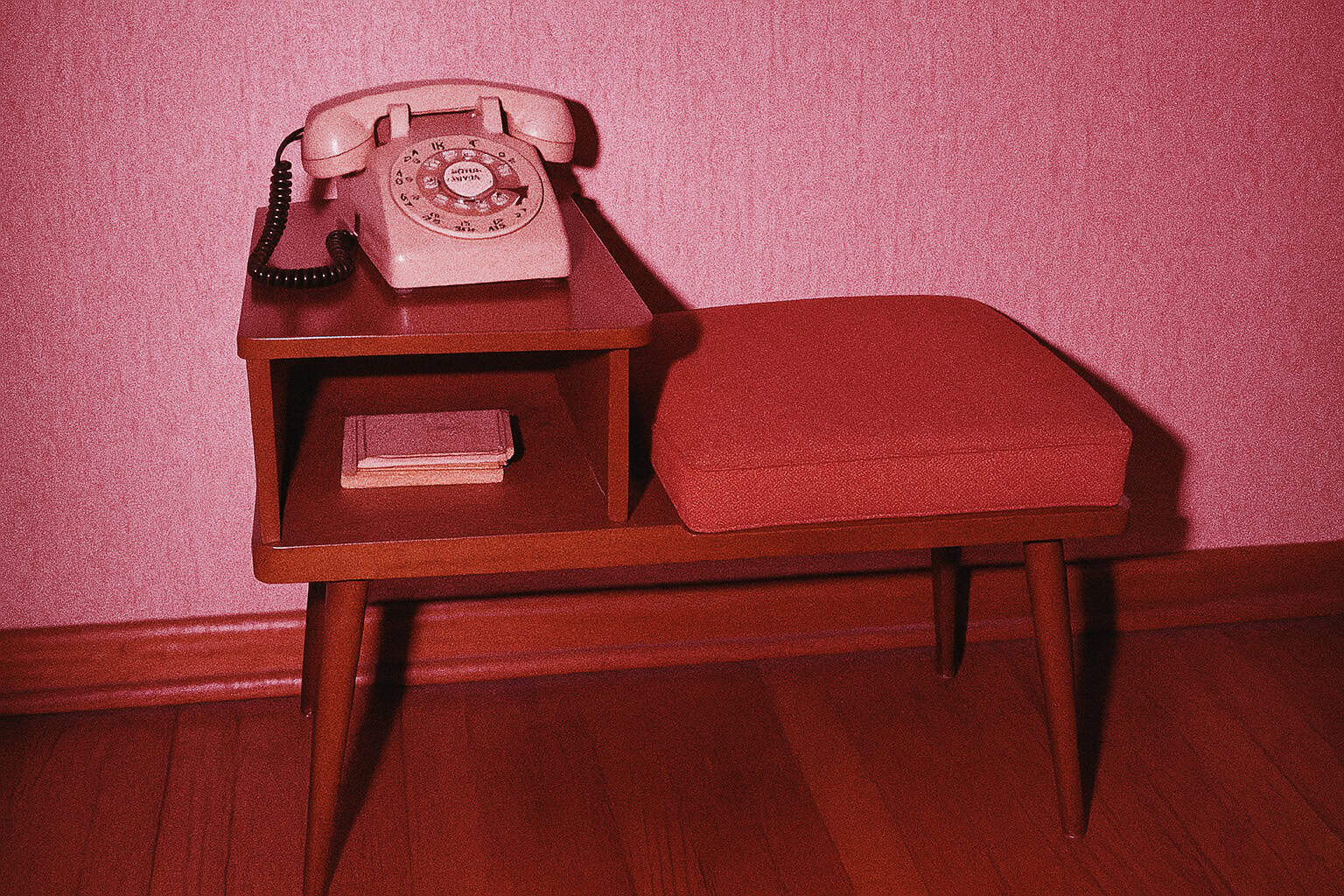
That satisfying whirr as the dial spun back to its starting position – now that was dialing a number! These phones were built like tanks, with real metal and bakelite that could survive being dropped (or slammed down in anger). The coiled cord that stretched across the room became a teenager’s lifeline to social life, and that distinctive ring could wake the dead. No caller ID, no spam calls – just pure communication.
3. 8-Track Tape Player

Before cassettes took over, 8-tracks were the kings of mobile music. That distinctive ka-chunk sound as they switched tracks mid-song was part of the experience. These chunky cartridges brought our favorite albums to life in our cars, though they had a habit of eating tapes when they got temperamental. The sound quality might not have been perfect, but there was something magical about those endless loops of music.
4. Slide Rule
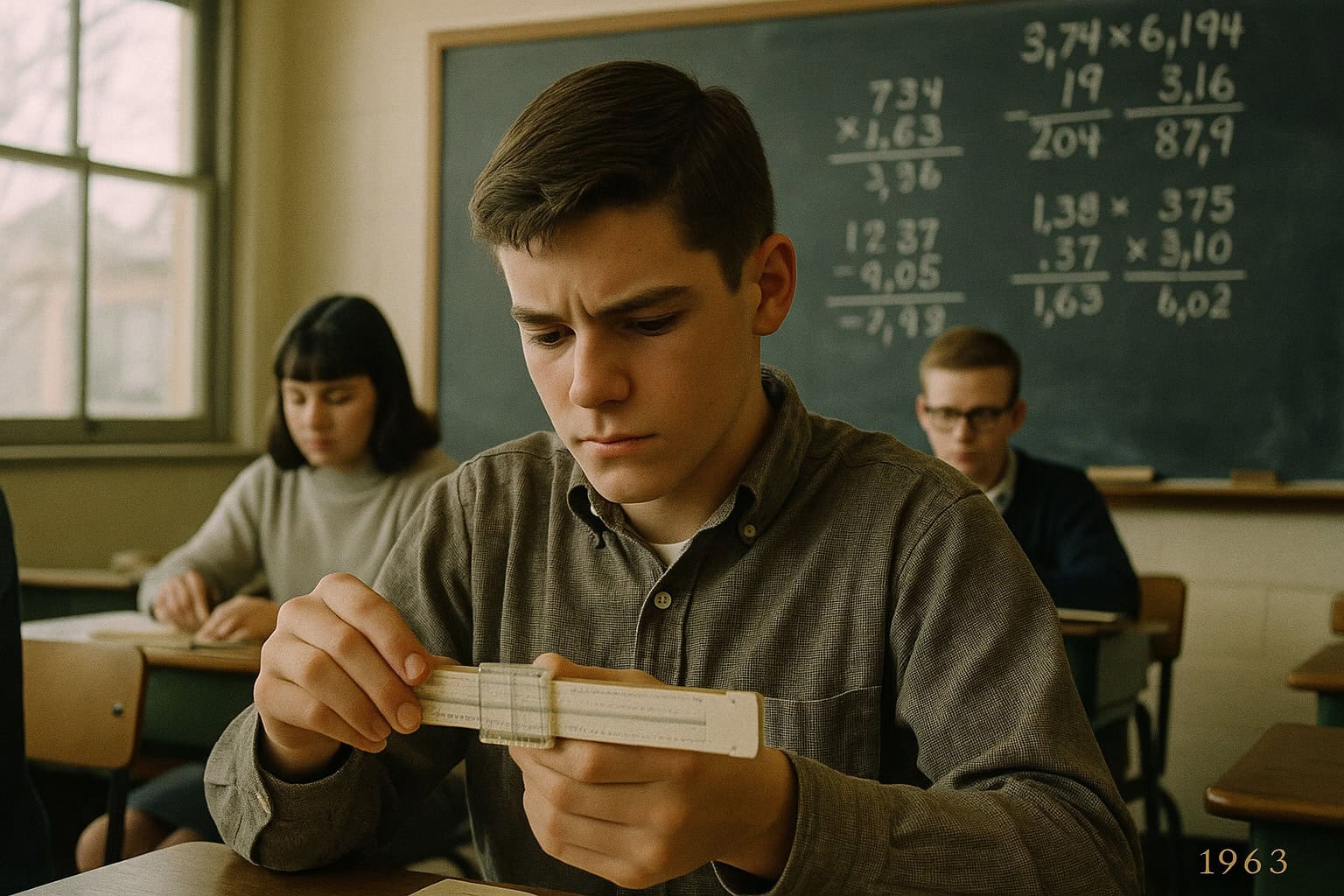
Before calculators became affordable, these were the tools that helped build rockets and skyscrapers. The slide rule was more than a calculating device – it was a symbol of engineering prowess. Learning to use one required a real understanding of mathematical principles, not just button-pushing. These elegant instruments taught us the relationship between numbers in a way that digital calculators never could.
5. Film Cameras

Remember when every photo was precious because film and developing costs meant you couldn’t just snap away? Those little flash cubes that could only be used once, the anticipation of waiting for photos to be developed, and the excitement of picking up your prints from the drugstore. Each roll of film was an adventure, and you never knew exactly what you’d captured until days later.
6. Carbon Paper

The original copy-and-paste tool, carbon paper, was essential for creating duplicate documents in the pre-photocopier era. Those purple-stained fingers were a badge of office work, and getting multiple clear copies required just the right touch on the typewriter keys. It was messy and imperfect, but it got the job done when we needed copies of important papers.
7. Record Player Console
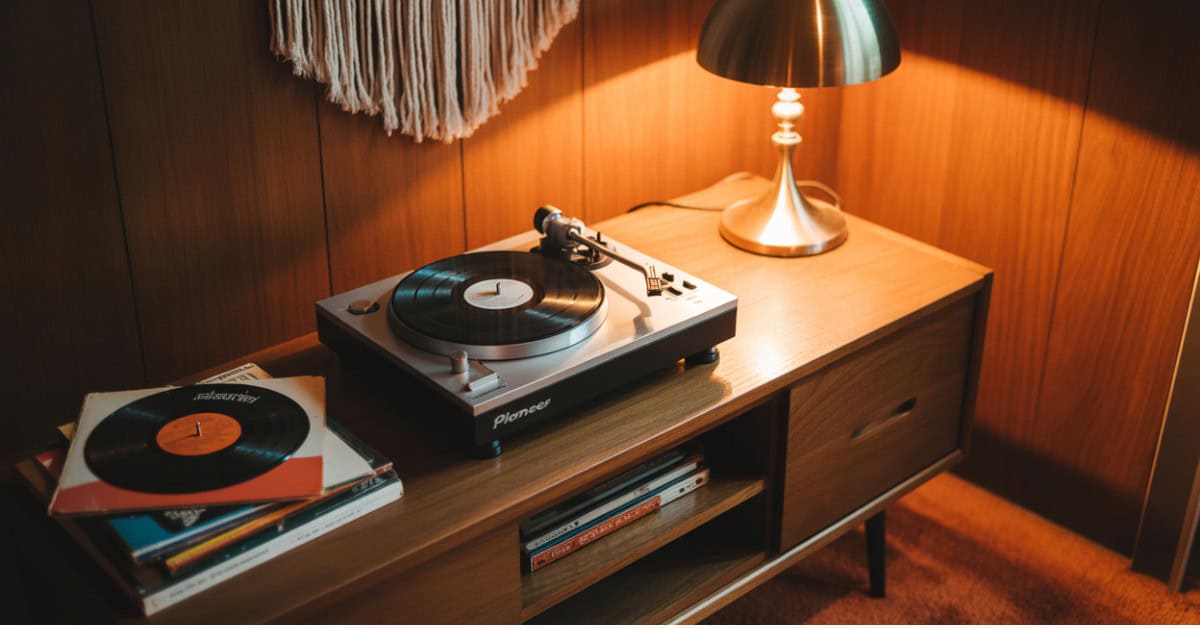
These weren’t just music players – they were furniture! Those beautiful wooden cabinets housed not only a turntable but often a radio and storage for albums. The warm sound from those built-in speakers filled our living rooms, and the top served as a display space for family photos and knick-knacks. It was the entertainment center of the home, bringing families together for music and radio shows.
8. Metal Lunch Boxes

These weren’t just containers for your sandwich – they were status symbols in the school cafeteria. Decorated with our favorite TV shows and characters, these metal boxes could take a beating and keep your lunch safe. The matching thermos was always a gamble – would it keep your soup warm or leak all over your lunch? They don’t make them like this anymore.
9. Polaroid Camera

The original instant gratification – watching a photo develop right before your eyes was pure magic. That distinctive whirr as the picture ejected, and the anticipation as you waited for the image to appear. We’d wave them in the air (even though we weren’t supposed to), and each shot was expensive enough to make you think twice before pressing the button.
10. Card Catalog
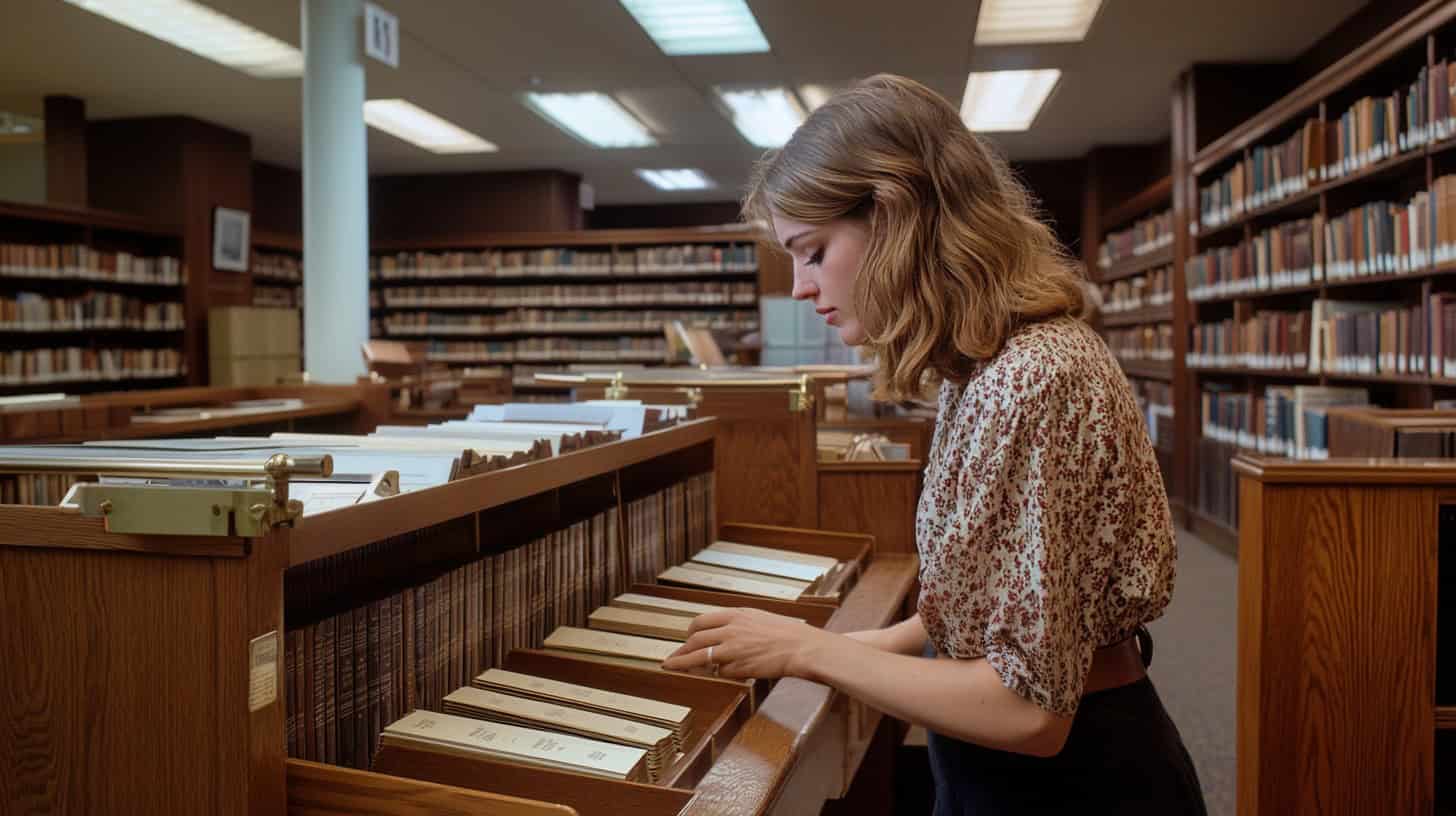
Those long wooden drawers filled with carefully typed cards were the original search engine. The smell of wood and paper, the sound of brass handles clicking, and the satisfaction of finding exactly what you were looking for – it was a tangible connection to knowledge. The Dewey Decimal System was our Google, teaching us how to organize and find information in the real world.
11. Pay Phone

These street corner lifelines were our mobile phones before mobile phones existed. That familiar jingle of coins, the phone book dangling from its chain (if you were lucky), and the way you had to time your conversations to your pocket change. They were always there when you needed them, assuming you had the right coins and the phone hadn’t been vandalized.
12. Slide Projector

Family vacation slideshows were a real event, complete with the whirring of the carousel and the occasional upside-down slide. That distinctive click as each new image appeared, the beam of light cutting through the darkness, and Dad’s running commentary on each photo. It was social media before social media, sharing our memories with a captive audience.
13. Dictaphone
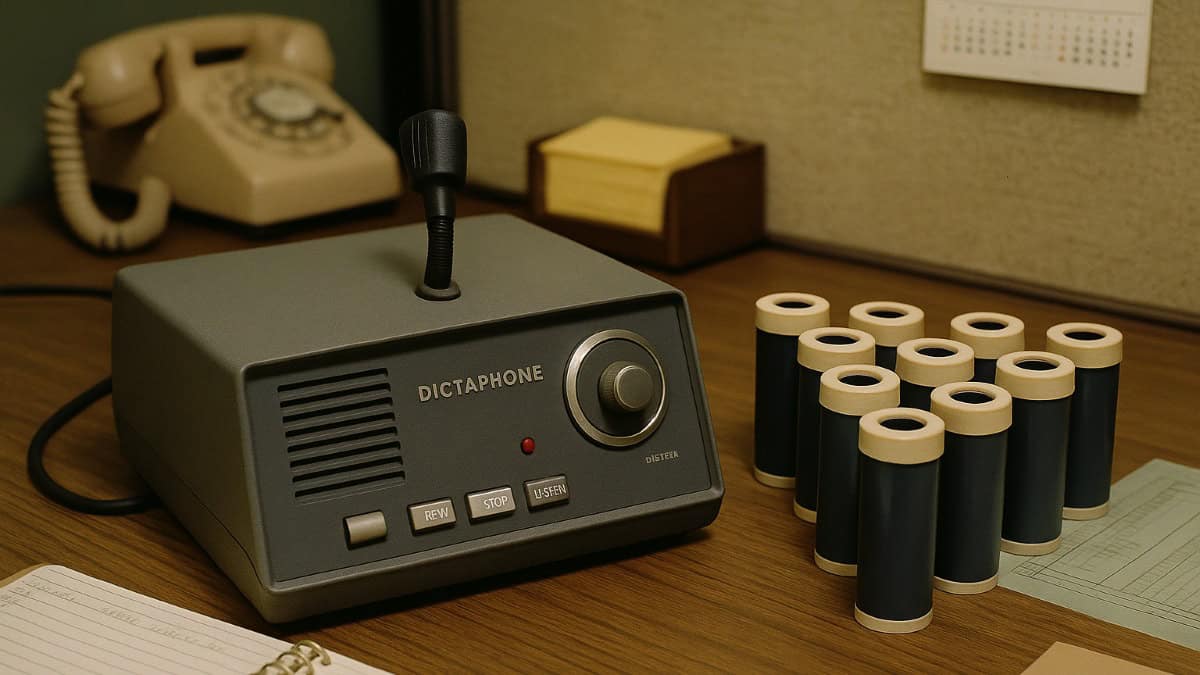
These were the workhorses of every serious office, with their special tubes for recording and transcribing. Secretaries would listen through headphones, typing away at lightning speed as executives’ voices crackled through the speaker. The foot pedal control was an art form in itself, and those little tubes were like time capsules of important business decisions.
14. Adding Machine
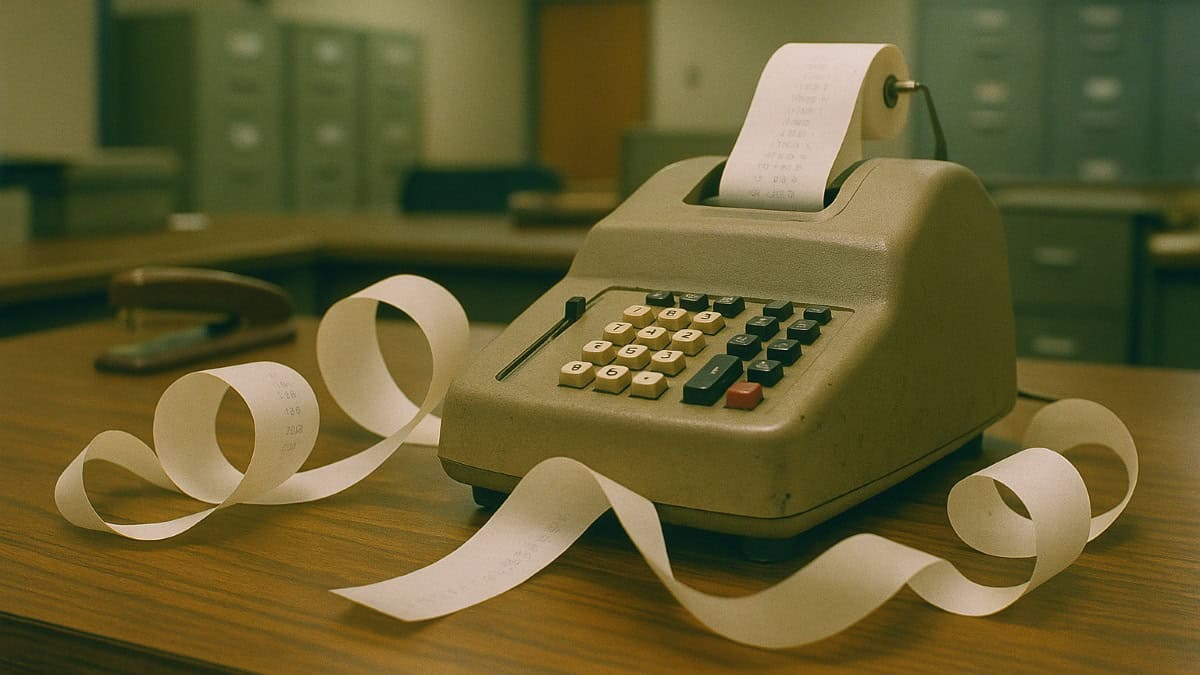
The mechanical ancestor of the calculator had a satisfying ka-chunk as each number was entered. That long paper tape kept track of every calculation, and you could check your work by reading the tape backward. These machines were built to last, with solid metal mechanisms that could handle years of daily use in accounting offices and banks.