Before liability concerns and safety regulations dominated every aspect of childhood, kids experienced a world that would make today’s safety inspectors faint. While these common items and activities from the past might seem shocking by modern standards, they were just normal parts of growing up. Let’s look back at some everyday childhood experiences that would never pass today’s health and safety requirements.
Table of Contents
- 1 1. Metal Playground Equipment
- 2 2. Lead Paint Art Supplies
- 3 3. Vintage Toy Ovens
- 4 4. Home Chemistry Sets
- 5 5. Clackers
- 6 6. Aluminum Christmas Trees
- 7 7. Vintage Cribs
- 8 8. Mercury Thermometers
- 9 9. Asbestos School Materials
- 10 10. Wood Shop Equipment
- 11 11. Diving Boards at Public Pools
- 12 12. School Science Lab Practices
1. Metal Playground Equipment

Towering steel slides that became scorching hot in summer sun, merry-go-rounds that spun at dangerous speeds, and jungle gyms set over concrete surfaces were standard features. The equipment was often rusted, with sharp edges and no safety rails. Heights that would be unthinkable today were common, and the only shock absorption came from the packed dirt below.
Save for later
Want to come back to this story? Save it with your email so it is easy to find again.
2. Lead Paint Art Supplies

School art rooms were filled with materials now known to be toxic. Paint sets contained lead, ceramic glazes included dangerous metals, and asbestos was commonly used in modeling clays. Children would often put brushes in their mouths to create fine points, and cleanup involved bare hands in chemical solvents.
3. Vintage Toy Ovens
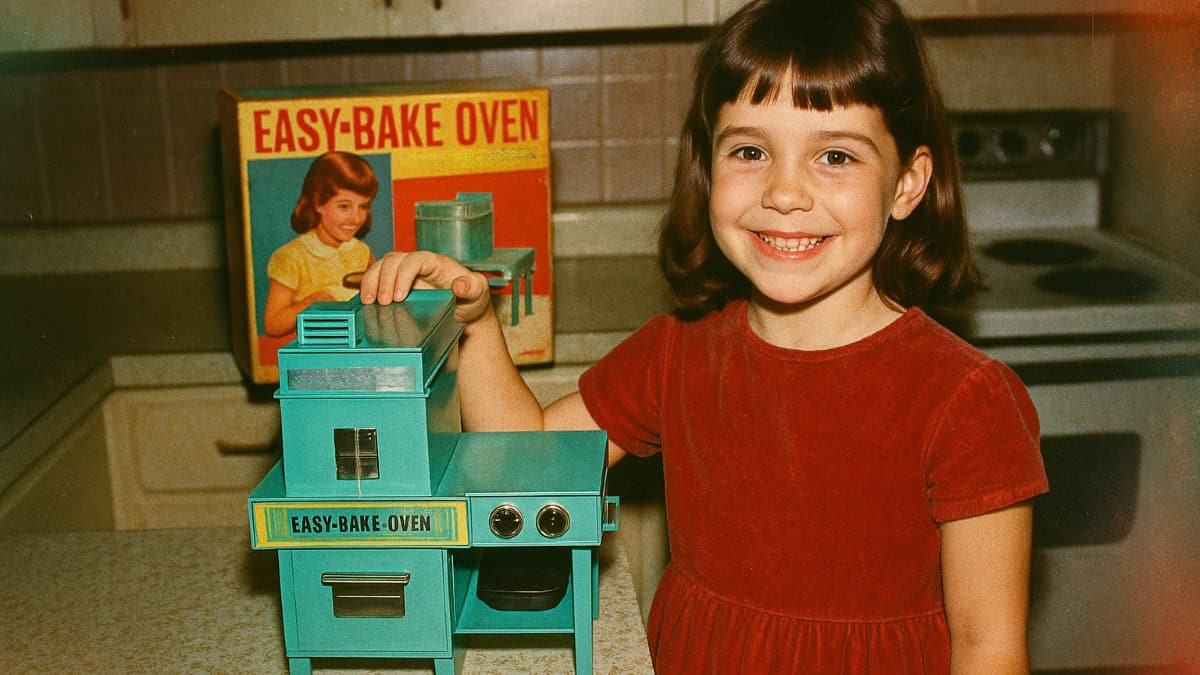
Early Easy-Bake Ovens used a real 100-watt light bulb that could reach dangerous temperatures. Children could easily burn themselves on the metal surfaces, and the tiny door made it tempting to use utensils that could cause electrical shocks. The mix packets often contained raw ingredients that required careful handling.
4. Home Chemistry Sets
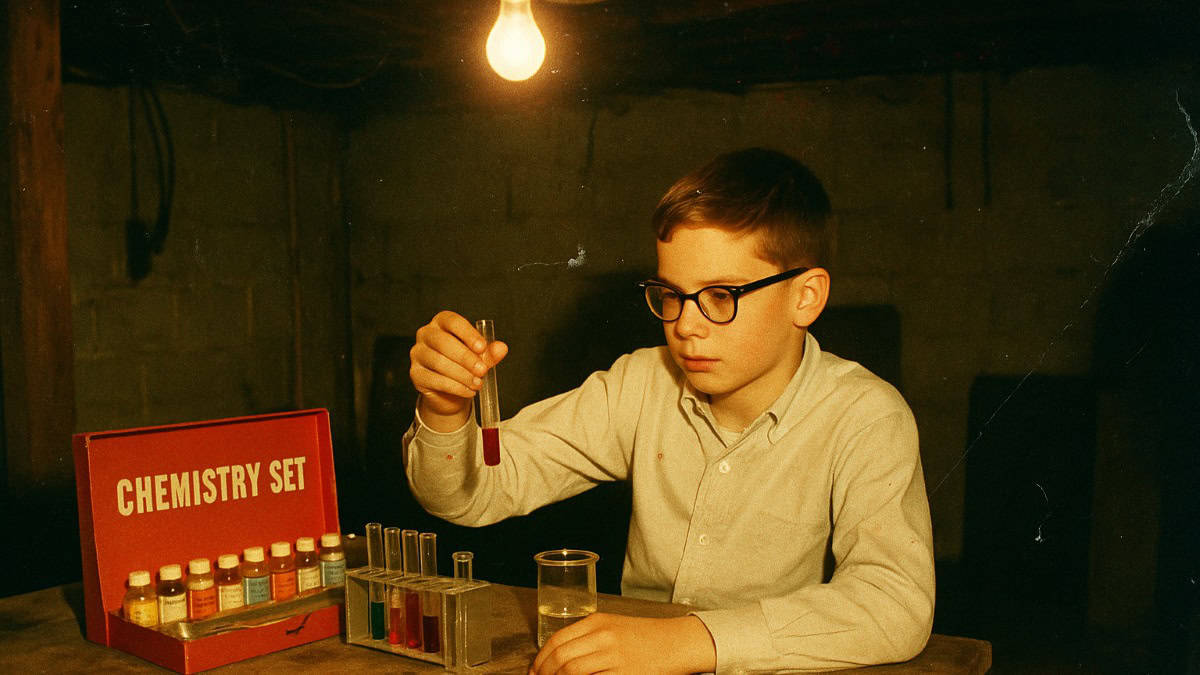
These weren’t today’s watered-down versions – they contained real chemicals that could explode, burn, or create toxic gases. The instruction manuals included experiments that could be genuinely dangerous, and sets often contained chemicals like potassium nitrate, which could be used to make gunpowder.
5. Clackers

These popular toys consisted of two heavy acrylic balls on a string that would “clack” together. The balls could shatter on impact, sending sharp plastic shrapnel flying. When swung at high speeds, they could cause serious injury, yet children would often compete to see who could clack them the fastest.
6. Aluminum Christmas Trees

These metallic trees were often paired with rotating color wheels containing exposed high-watt bulbs. The combination of metal, electricity, and hot lights created significant fire hazards. The aluminum branches could conduct electricity, and the sharp edges of the foil needles could easily cut small hands.
7. Vintage Cribs

Drop-side cribs with wide slat spacing were standard in every nursery. The moving sides could create dangerous gaps, and babies could get their heads stuck between the widely-spaced slats. Many were painted with lead-based paint, and the mattresses often contained questionable materials.
8. Mercury Thermometers

Every household had glass thermometers filled with mercury. When they broke, which was common, children would often play with the fascinating silver liquid, rolling it around on tables or picking it up with their bare hands. Schools would sometimes demonstrate mercury’s properties with minimal safety precautions.
9. Asbestos School Materials

Asbestos was everywhere in schools – in ceiling tiles, floor tiles, insulation, and even in the fire-safety blankets and curtains. Science classes used asbestos-lined mats for experiments, and art classes sometimes used asbestos-containing materials for projects.
10. Wood Shop Equipment
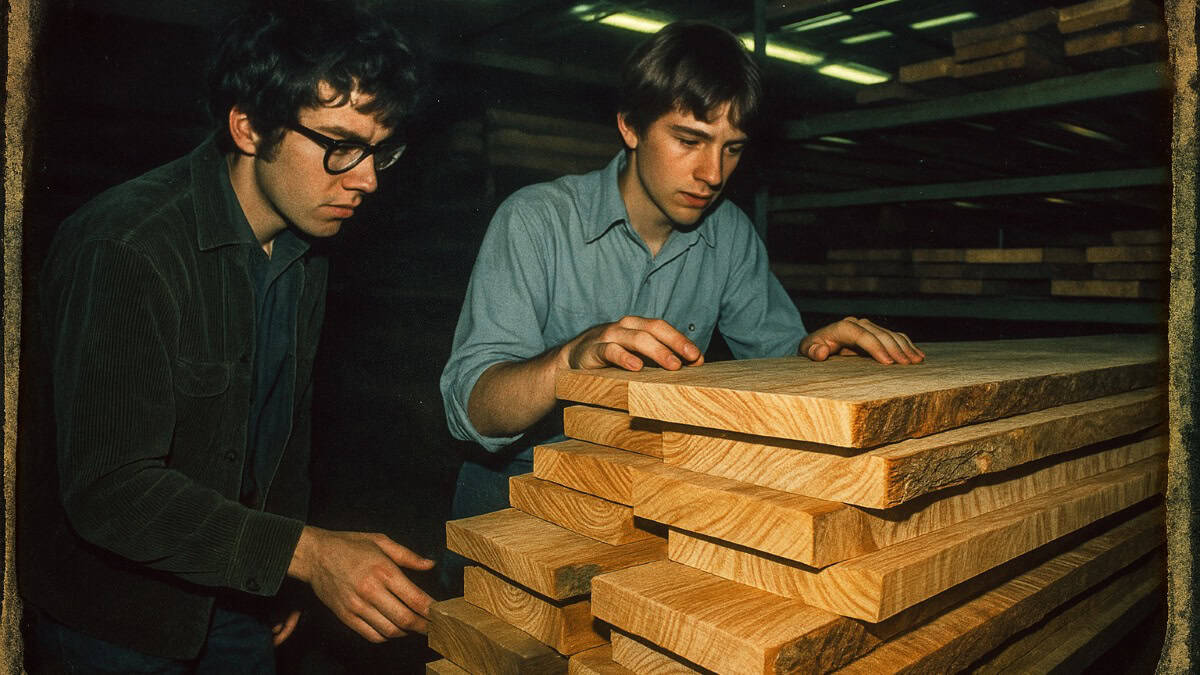
School workshops featured powerful saws, drills, and lathes with minimal safety guards. Students often operated these machines without safety goggles or proper training. The dust collection systems were basic or non-existent, and ventilation was poor.
11. Diving Boards at Public Pools
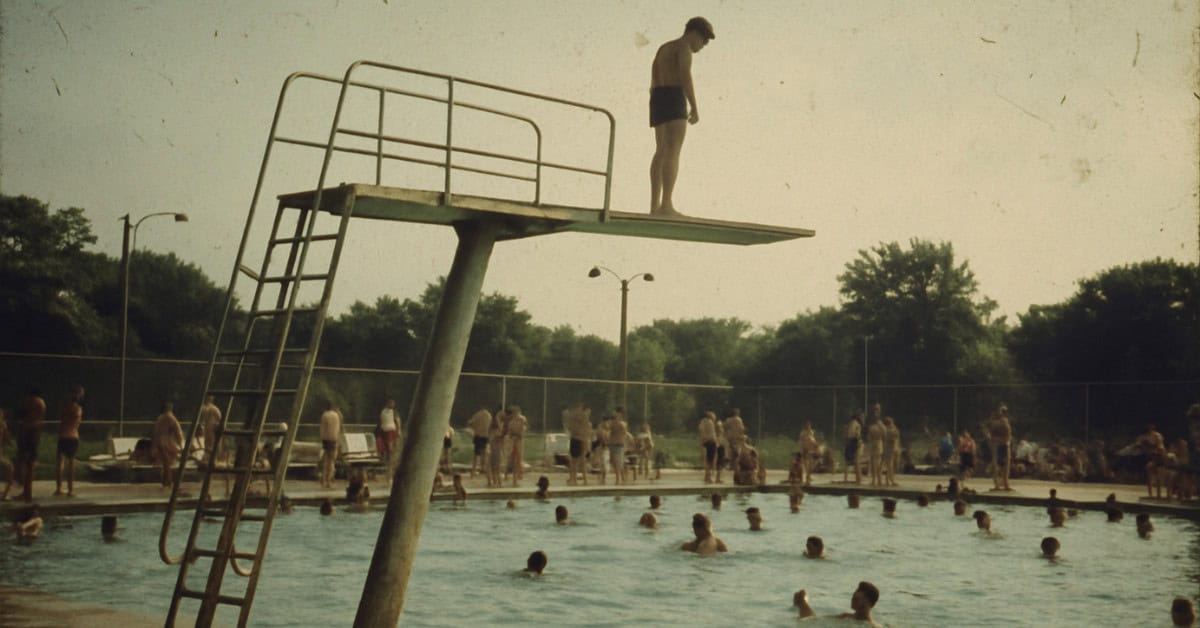
High diving boards were standard features at public pools, often with minimal supervision. These weren’t today’s flexible boards with safety features – they were rigid planks mounted high above relatively shallow water. Children would attempt flips and stunts with no formal training, and the concrete pool decks below offered no forgiveness for misaligned jumps.
12. School Science Lab Practices

Science labs routinely used dangerous chemicals and radioactive materials with minimal safety equipment. Students would handle concentrated acids without gloves, heat substances over open flames with no safety shields, and even work with mercury and radioactive isotopes. Proper ventilation was rare, and safety goggles were often optional.