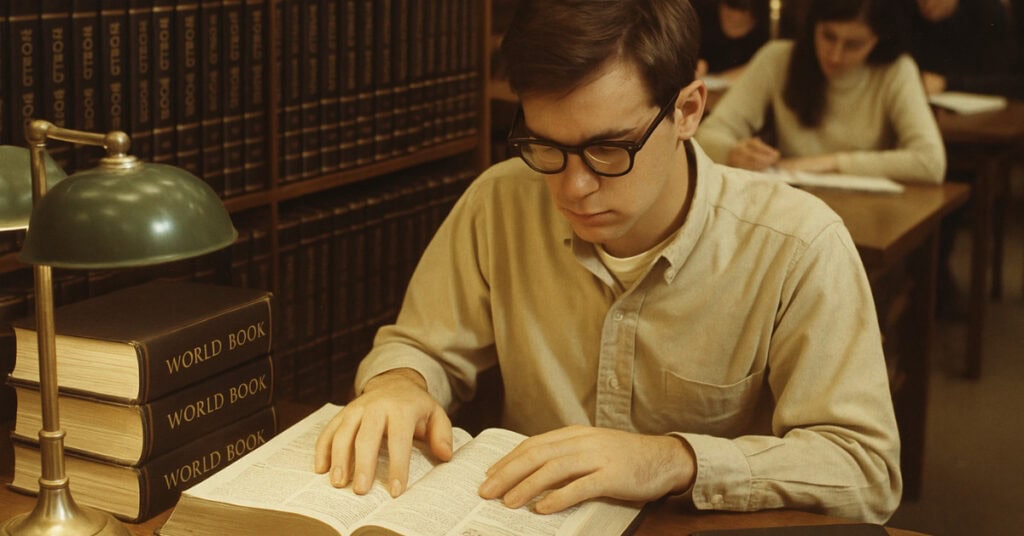
Before the digital age transformed libraries into technology centers, these quiet sanctuaries of learning had their own unique rituals and systems. The experience of researching, reading, and discovering new books involved physical skills and processes that today’s kids might find puzzling. Let’s revisit the hands-on activities that made library visits such memorable adventures.
Table of Contents
- 1 1. Using the Card Catalog
- 2 2. Date Due Cards
- 3 3. Microfilm Research
- 4 4. Encyclopedia Treasure Hunts
- 5 5. Reader’s Guide to Periodicals
- 6 6. Using the Rubber Date Stamp
- 7 7. Summer Reading Programs
- 8 8. Story Time Circle
- 9 9. Reference Section Rules
- 10 10. Library Pockets
- 11 11. Using the Library Ladder
- 12 12. Magazine Corner
- 13 13. Library Film Strips
- 14 14. Book Return Slot
- 15 15. Library Fine Negotiations
1. Using the Card Catalog
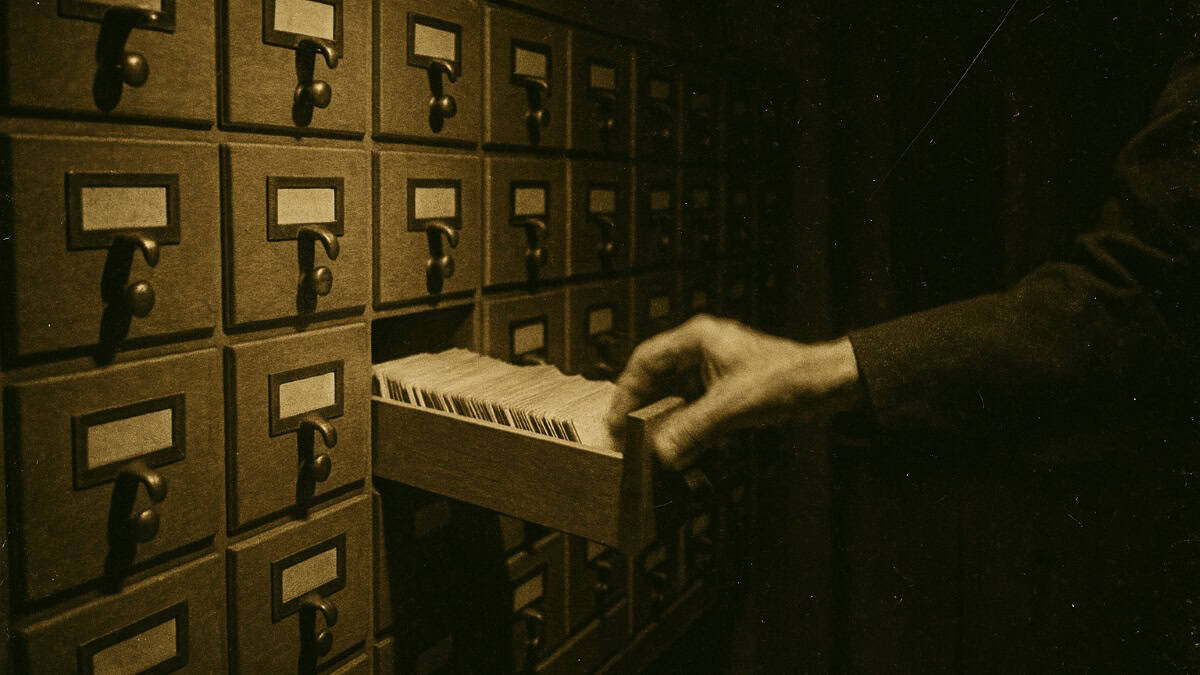
Navigating those long wooden drawers filled with meticulously typed cards was an art form. You had to know whether to look under author, title, or subject, and understand the mysterious Dewey Decimal numbers. The satisfying sound of thumbing through those cards and the smell of wooden drawers created a unique sensory experience.
Save for later
Want to come back to this story? Save it with your email so it is easy to find again.
2. Date Due Cards
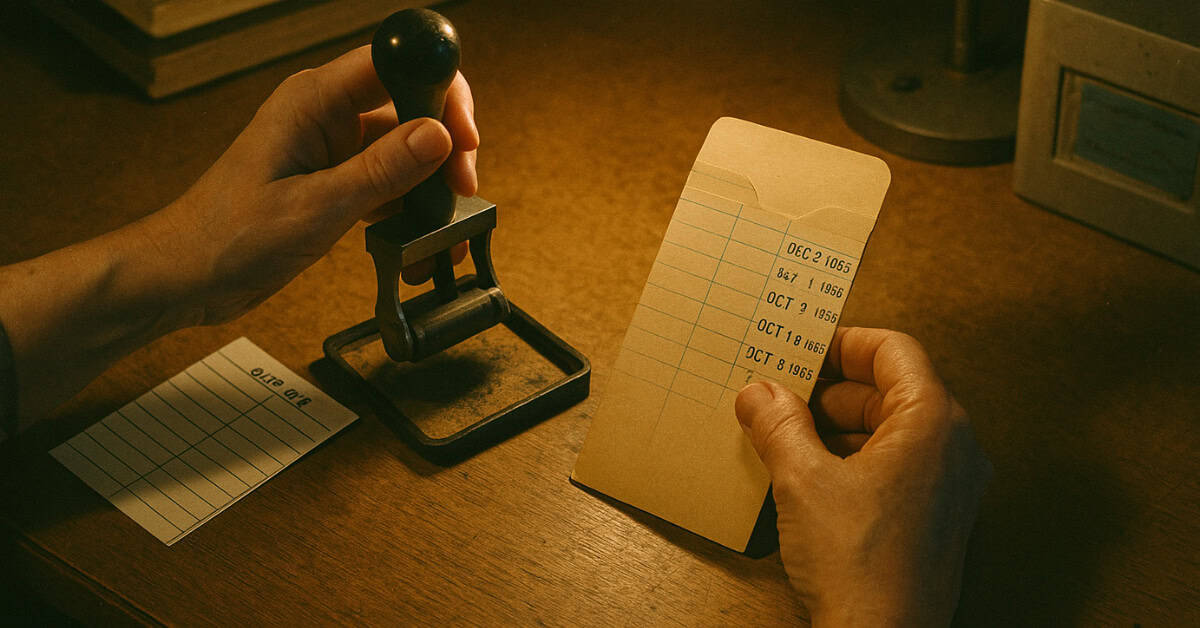
Each book had its own little pocket with a card listing previous borrowers’ names and return dates. You could see who else had read the book before you, and librarians would stamp the return date with those satisfying rubber stamps. The sound of that stamp hitting the card became synonymous with the excitement of taking home new books.
3. Microfilm Research
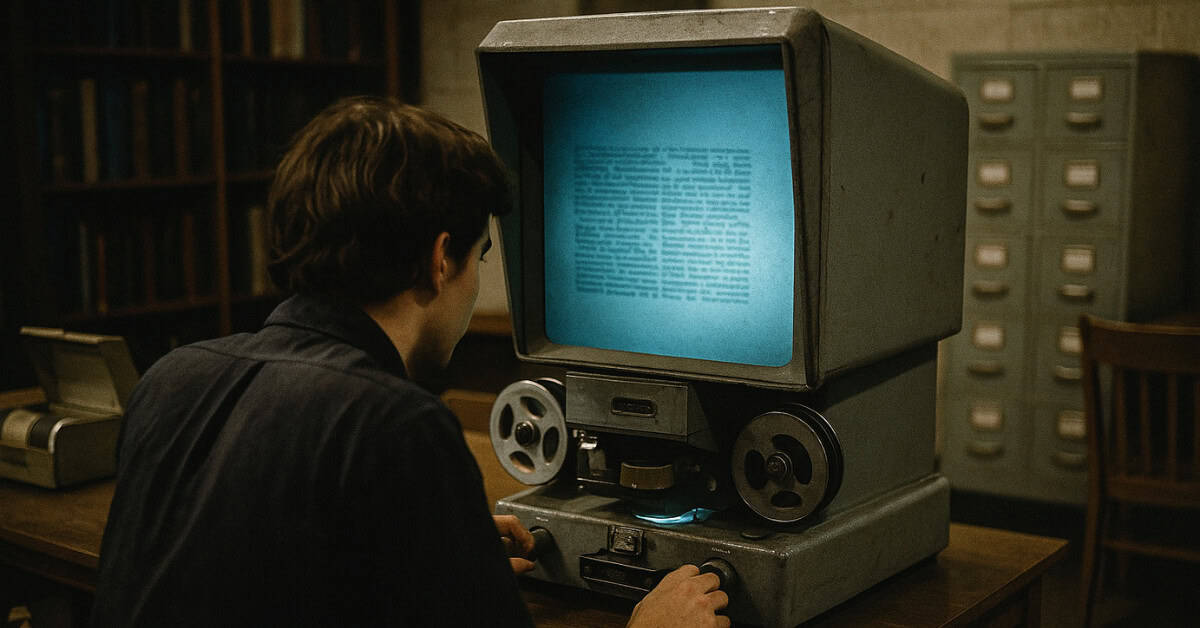
Scrolling through newspapers on those giant microfilm readers felt like operating a spaceship. The whirring sound of the film advancing, the glow of the screen in the dim room, and the challenge of not getting motion sickness while fast-forwarding made research feel like a real adventure.
4. Encyclopedia Treasure Hunts

Moving from volume to volume of encyclopedias, following cross-references like breadcrumbs, was the original hyperlink experience. Those gold-lettered World Book or Britannica sets were gateways to knowledge, and finding the right volume among dozens was a skill in itself.
5. Reader’s Guide to Periodicals
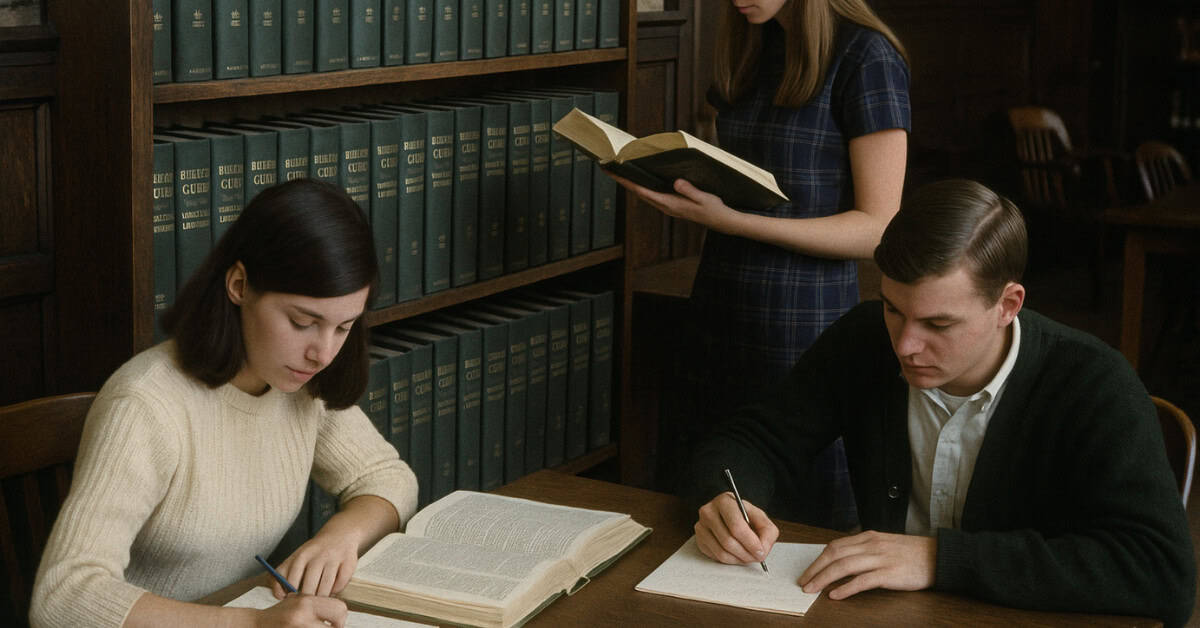
Those thick green volumes were the Google of their day, indexing magazine articles by topic and author. Hours could be spent noting down volume numbers and dates, then hunting through shelves of bound magazines to find the exact articles needed.
6. Using the Rubber Date Stamp
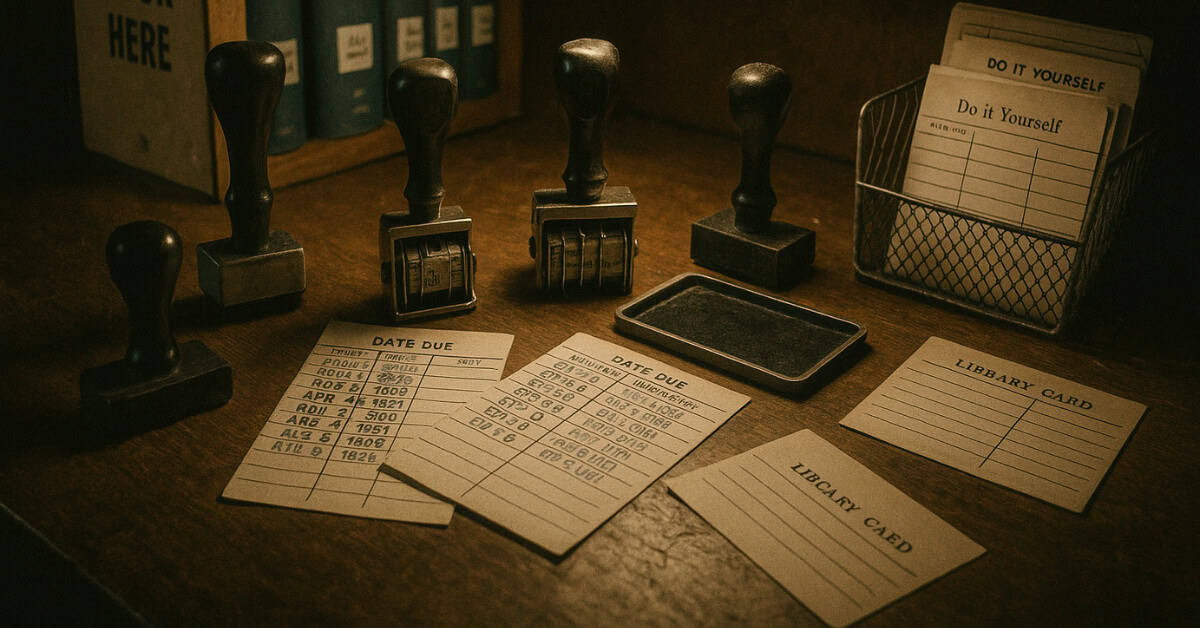
If you were lucky enough to volunteer at the library, using that date stamp was the ultimate thrill. The satisfying click of changing the date, the precise positioning on the card, and the authority that came with wielding that stamper made you feel like a real librarian.
7. Summer Reading Programs
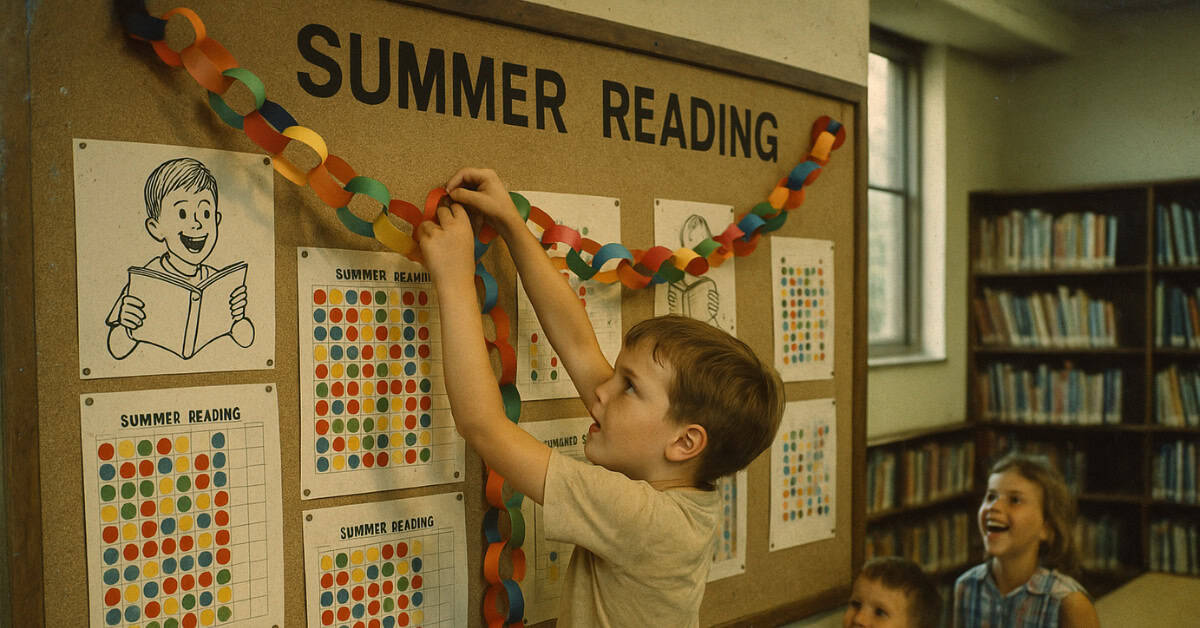
Tracking your reading progress with colorful paper chains or stickers on a wall chart was a summer highlight. Each book earned you another link or star, and completing the program meant a certificate and maybe even a pizza party. The competition to have the longest chain drove many young readers.
8. Story Time Circle

Sitting cross-legged on that special carpet while the librarian read from oversized picture books was a weekly ritual. The flannel board stories, the practiced page turns to show illustrations, and the hushed excitement of dozens of children listening created magical moments.
9. Reference Section Rules

The reference section had its own special atmosphere and strict rules. Those massive dictionaries on tilted stands, atlases too big to lift, and yearbooks that couldn’t leave the building required careful handling and quiet respect. Taking notes meant actual note-taking, not quick phone photos.
10. Library Pockets

Every book had its manila pocket glued inside the cover, holding the checkout card. The sound of sliding that card out, seeing all the previous borrowers’ names, and adding your own to the list made each book feel like part of a shared community experience.
11. Using the Library Ladder

Those rolling ladders in the reference section were both exciting and slightly terrifying. While technically for librarian use only, every kid dreamed of sliding along the stacks on one. The wooden steps and brass rails made reaching high shelves feel like a grand adventure.
12. Magazine Corner

The magazine section, with its slanted wooden shelves and clear plastic covers, was a quiet retreat. Current issues couldn’t be checked out, so you’d spend hours there, catching up on your favorite publications. The smell of paper and ink mixed with furniture polish created a distinctive reading atmosphere.
13. Library Film Strips
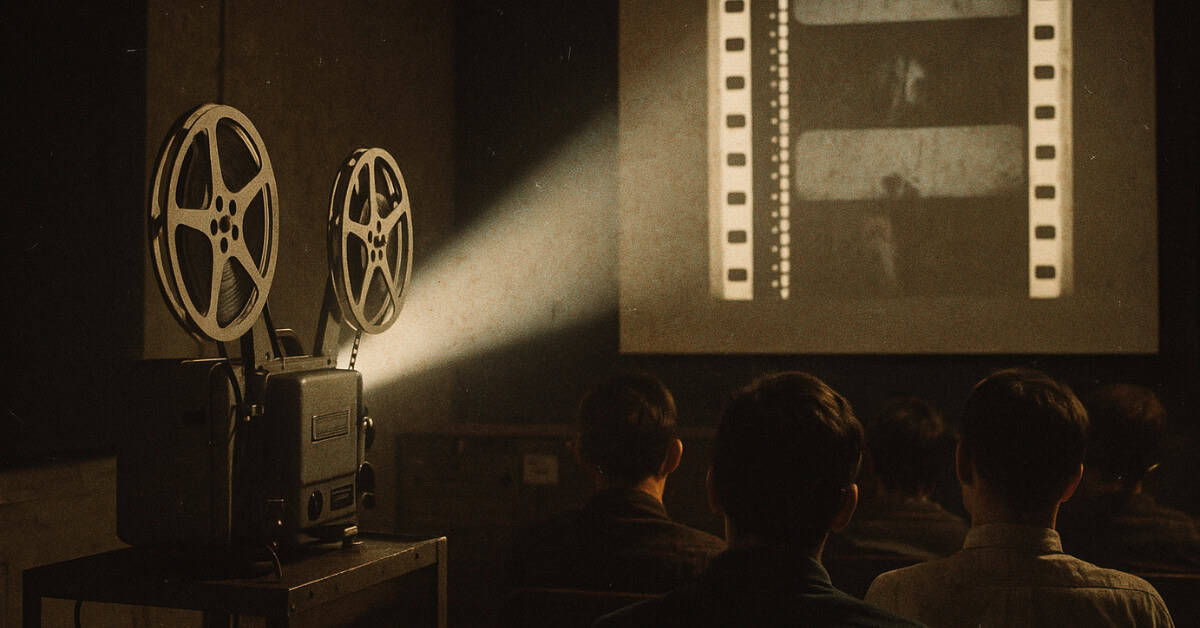
Watching educational filmstrips in the library’s media room was a special treat. The distinctive sound of the film advance signal, the whirring of the projector, and trying to read the script in semi-darkness made learning feel like going to the movies.
14. Book Return Slot
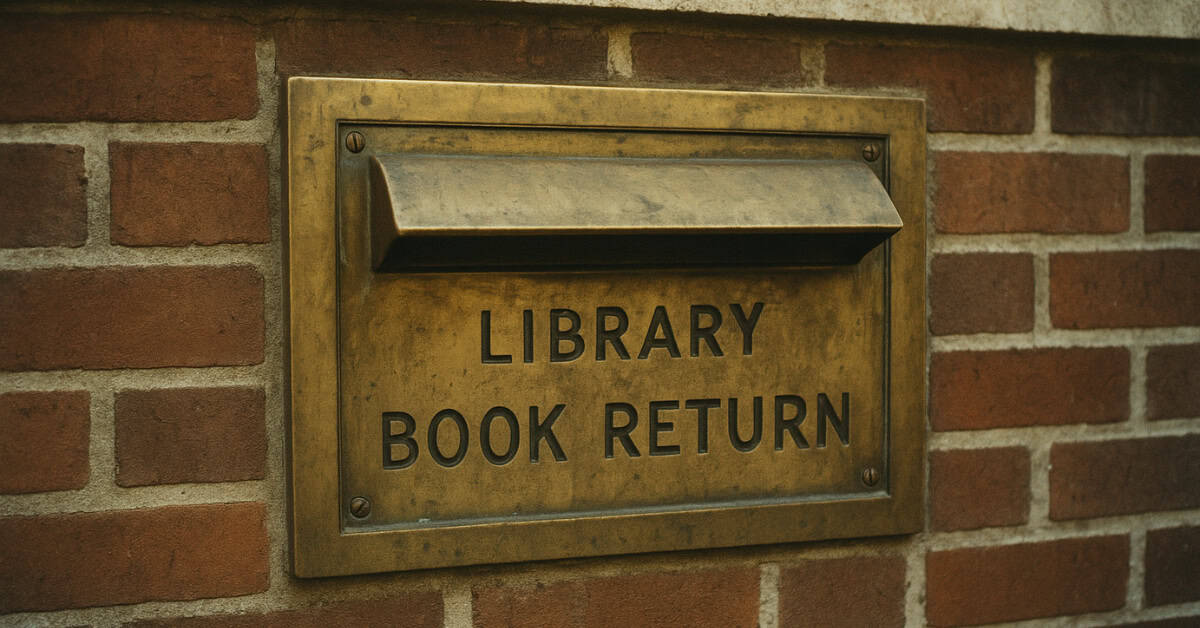
The mysterious slot where books disappeared into the building held endless fascination. The heavy metal door, the thud of books landing in the unseen bin below, and wondering what happened on the other side made returning books an adventure. After-hours returns felt especially exciting.
15. Library Fine Negotiations
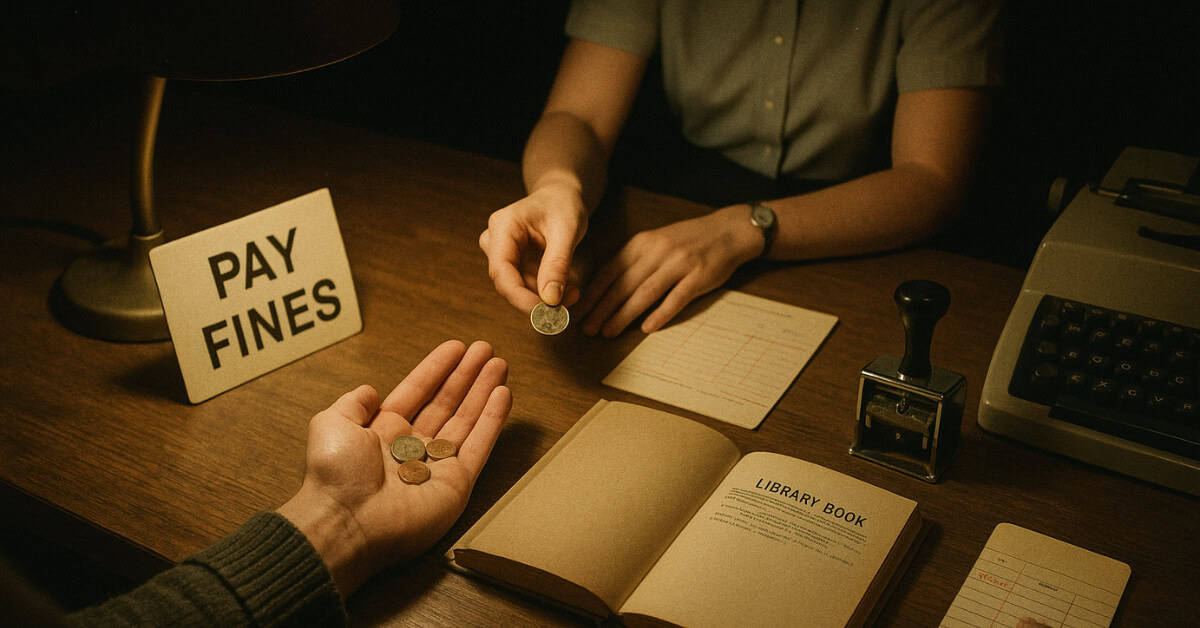
The dreaded overdue book fine was a rite of passage. Nervously approaching the desk with coins carefully counted out, hoping the librarian might reduce the fee if you explained why the book was late. Those few cents taught valuable lessons about responsibility and time management.