Before digital payments and credit cards became the norm, kids had a much more tangible relationship with their weekly allowance. Those precious dollars and cents weren’t just numbers on a screen – they were real money that required real decisions. Here’s a nostalgic look at how kids spent their hard-earned allowance in simpler times.
Table of Contents
- 1 1. Saving in a Piggy Bank
- 2 2. Comic Book Investments
- 3 3. Candy Store Mathematics
- 4 4. Saving for a New Bike
- 5 5. Movie Theater Matinees
- 6 6. Baseball Card Investments
- 7 7. Record Store Allowance
- 8 8. Arcade Investment Strategy
- 9 9. Five and Dime Store Sprees
- 10 10. Model Kit Budgeting
- 11 11. Gumball Machine Gambling
- 12 12. School Supply Shopping
- 13 13. Ice Cream Truck Economics
- 14 14. Trading Card Games
- 15 15. Saving for Christmas Gifts
1. Saving in a Piggy Bank
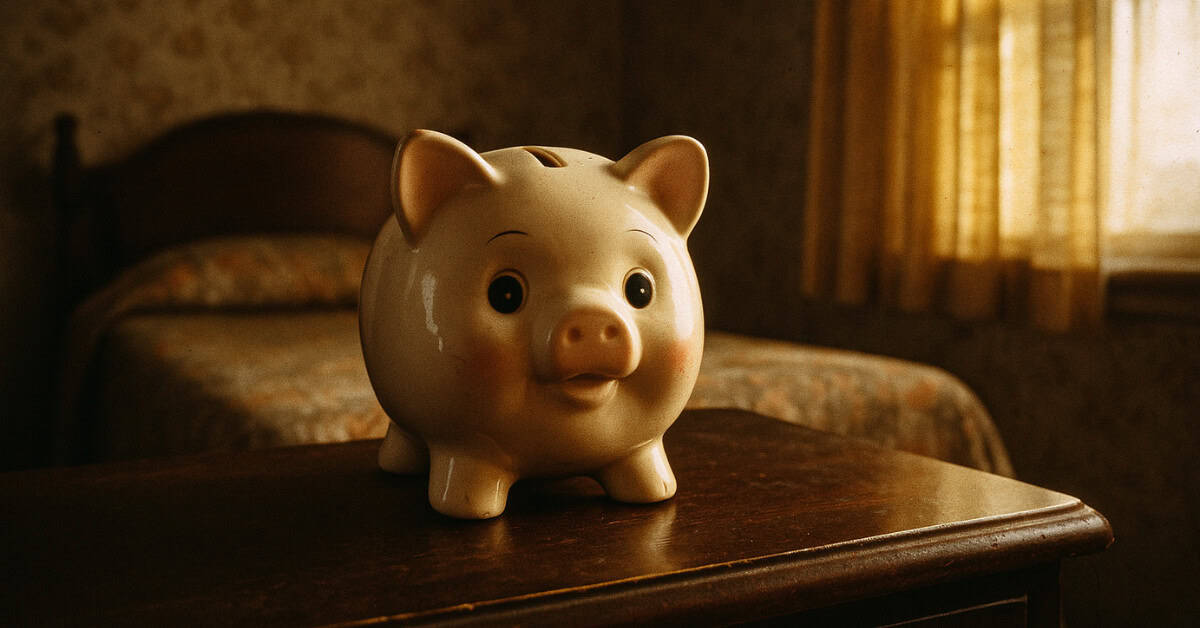
The ceramic piggy bank was a lesson in delayed gratification. That satisfying clink of coins dropping in, the growing weight as savings accumulated, and the dramatic moment of breaking it open were all part of learning financial responsibility. Some kids even had multiple pigs for different saving goals.
Save for later
Want to come back to this story? Save it with your email so it is easy to find again.
2. Comic Book Investments

Twelve cents for a comic book seemed like a reasonable investment. The drugstore spinner rack was a weekly temptation, with each new issue promising adventure. Who knew some of those carefully preserved comics would actually become valuable collectibles?
3. Candy Store Mathematics

The penny candy counter was an exercise in budgeting and basic arithmetic. How many Swedish Fish could you get for a quarter? Was it better to buy one big candy bar or multiple smaller treats? These decisions taught valuable lessons in economics.
4. Saving for a New Bike

The ultimate long-term savings goal was usually a new bicycle. Weekly progress was measured by counting crumpled dollars and rolls of coins. The wait seemed endless, but the satisfaction of finally buying your own wheels was unmatched.
5. Movie Theater Matinees
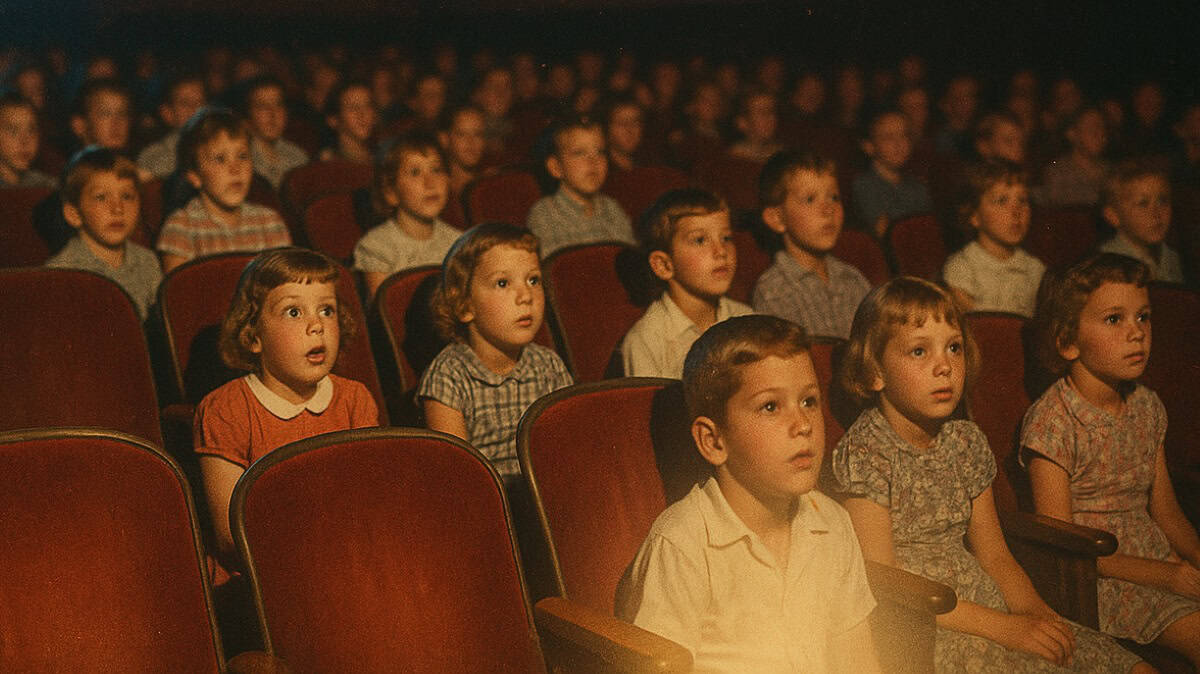
Saturday matinees cost less than a dollar, including popcorn. This weekly ritual required careful budgeting of allowance money. The challenge was saving enough for both admission and snacks without breaking the bank.
6. Baseball Card Investments

Five cents for a pack of cards, complete with that pink slab of gum. Building a collection meant making weekly choices about which packs to buy. Trading duplicates at school was its own form of commerce.
7. Record Store Allowance

Saving up for the latest 45 rpm single required discipline. The decision between buying one album or several singles was a serious financial consideration. Many allowances disappeared entirely into the local record shop’s cash register.
8. Arcade Investment Strategy

Converting dollars to quarters for the arcade required careful planning. Each game cost a quarter, so budgeting was essential. The goal was to maximize play time while keeping enough money for the walk home.
9. Five and Dime Store Sprees

Woolworth’s and similar stores were treasure troves of affordable items. A dollar could buy an impressive array of small toys, stickers, or school supplies. These stores taught the value of comparison shopping.
10. Model Kit Budgeting

Plastic model kits required not just the initial purchase but also paint and glue. Learning to budget for all necessary supplies was an important lesson in project planning. The more complex kits became goals for long-term saving.
11. Gumball Machine Gambling

Those tempting machines filled with toys and candy taught early lessons about chance and disappointment. A penny or a nickel could bring either joy or frustration. It was probably the first exposure many kids had to risk versus reward.
12. School Supply Shopping
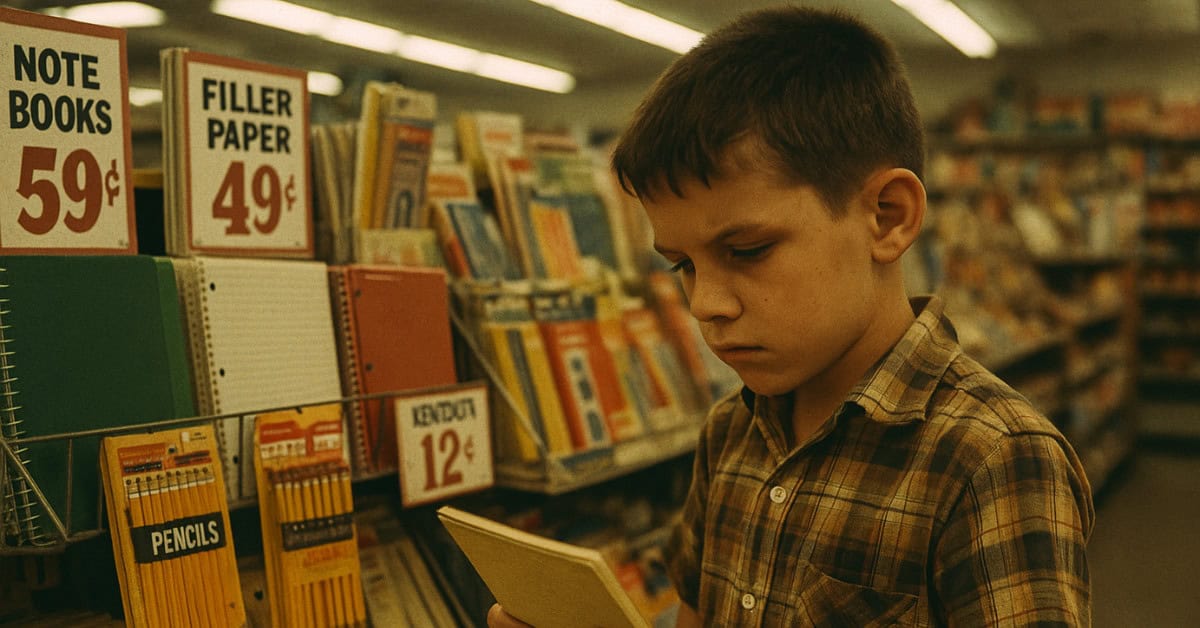
Some allowance money went toward special school supplies not on the official list. Fancy pencils, elaborate erasers, and cool notebooks were worth saving for. These personal choices made school more enjoyable.
13. Ice Cream Truck Economics

The sound of the ice cream truck meant quick financial decisions. Which treat offered the best value? Was it worth spending an entire week’s allowance on one ice cream bar? These moments taught instant cost-benefit analysis.
14. Trading Card Games

Whether it was baseball cards or other collectibles, trading was serious business. Kids learned about value, negotiation, and market dynamics. Some trades worked out better than others, but each was a lesson in economics.
15. Saving for Christmas Gifts

Many kids saved specifically for buying family Christmas presents. This long-term planning taught both budgeting and thoughtfulness. The pride of buying gifts with your own money was worth every penny saved.