Sundays in the 1960s followed a rhythm that would seem almost alien to today’s youth. Before smartphones, streaming services, and constant connectivity, families had distinct traditions and activities that marked this day of rest. Let’s look back at some Sunday customs that were once universal but might leave modern kids scratching their heads in disbelief.
Table of Contents
- 1 1. Mandatory Sunday Best Clothing
- 2 2. Family Dinner at 2:00 PM Sharp
- 3 3. Visiting Relatives Without Warning
- 4 4. Watching Ed Sullivan Together
- 5 5. Sunday Paper Rituals
- 6 6. After-Church Ice Cream Drive
- 7 7. No Shopping Allowed
- 8 8. Letter Writing Hour
- 9 9. Evening Bible Reading
- 10 10. Early Bedtime Preparation
- 11 11. Phone Call Restrictions
- 12 12. Mending and Ironing Time
- 13 13. Radio Hour
1. Mandatory Sunday Best Clothing

Every Sunday morning meant dressing in your finest clothes, whether you attended church or not. Boys wore suits with clip-on ties, girls donned frilly dresses with patent leather shoes and white gloves. These outfits stayed on all day, even during Sunday dinner, and had to be kept spotless or face Mom’s disapproval.
Save for later
Want to come back to this story? Save it with your email so it is easy to find again.
2. Family Dinner at 2:00 PM Sharp

Sunday dinner was served in the early afternoon, and attendance was non-negotiable. The best china came out, along with the fancy tablecloth and cloth napkins. This formal meal often lasted hours, with multiple courses and mandatory conversation about everyone’s week.
3. Visiting Relatives Without Warning

No texting ahead – families would just show up at relatives’ homes unannounced. These impromptu visits could last hours, with adults talking while kids entertained themselves without screens or organized activities. The host was always expected to serve refreshments, even without advance notice.
4. Watching Ed Sullivan Together

Eight o’clock meant gathering around the single family television to watch The Ed Sullivan Show. Everyone sat through the entire variety show, whether they enjoyed all the acts or not. No channel surfing or separate screens – this was shared family entertainment time.
5. Sunday Paper Rituals

Dad claimed the news section first, Mom took the lifestyle pages, and kids fought over the comics. The massive Sunday paper would be spread across the living room floor for hours. Everyone had to wait their turn for their favorite section – no digital copies or sharing links.
6. After-Church Ice Cream Drive

Many families took a Sunday drive after church, often ending at the local ice cream parlor. These weren’t quick trips – the drive itself was part of the entertainment, with no particular destination in mind. Kids sat in the back seat without entertainment devices, just watching the world go by.
7. No Shopping Allowed

Stores were closed on Sundays – period. If you forgot to buy something on Saturday, you simply did without until Monday. This meant careful planning for weekend needs and no last-minute runs to the store. Even gas stations were often closed.
8. Letter Writing Hour

Many families used Sunday afternoons to catch up on correspondence. Children were expected to write thank-you notes or letters to distant relatives. This quiet time was considered essential for maintaining family connections, with everyone practicing their best penmanship.
9. Evening Bible Reading

Many families ended Sunday with Bible reading or devotional time. Children took turns reading passages aloud, and discussion was expected. This practice wasn’t limited to deeply religious families – it was considered part of general cultural literacy.
10. Early Bedtime Preparation

Sunday evening meant preparing for the week ahead. Clothes were laid out, school bags packed, and shoes polished. Hair was set in curlers for girls, and baths were mandatory. No staying up late – Monday morning started early.
11. Phone Call Restrictions
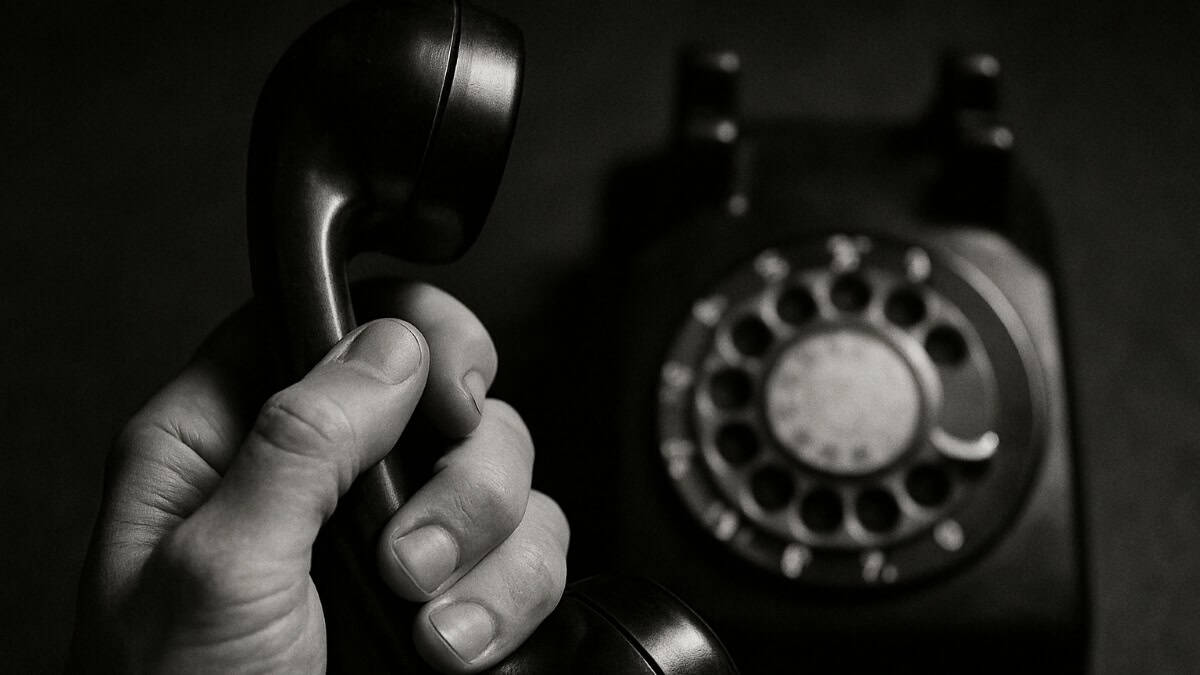
Sunday phone calls were limited to important family matters only. Long-distance calls were especially restricted due to higher Sunday rates. Friends weren’t supposed to call unless it was an emergency, and calls were kept brief to keep the line open.
12. Mending and Ironing Time

Sunday evenings often included preparing clothes for the week ahead. Mothers would iron school clothes while teaching daughters to mend tears or sew on buttons. This quiet time was also used for family conversation and planning the week ahead.
13. Radio Hour

Many families still gathered around the radio for special Sunday programs, even after television became common. These might include music programs, dramas, or news roundups. Everyone sat quietly and listened together, using their imagination to picture the scenes being described.