Fashion has always pushed boundaries, but what caused outrage in the 1950s and ’60s might barely raise an eyebrow today. From hemlines that sparked moral panic to hairstyles that got kids sent home from school, these controversial fashion trends reflect how dramatically social norms have changed. Let’s look back at some styles that once scandalized parents and teachers but now seem remarkably tame.
Table of Contents
1. The Miniskirt
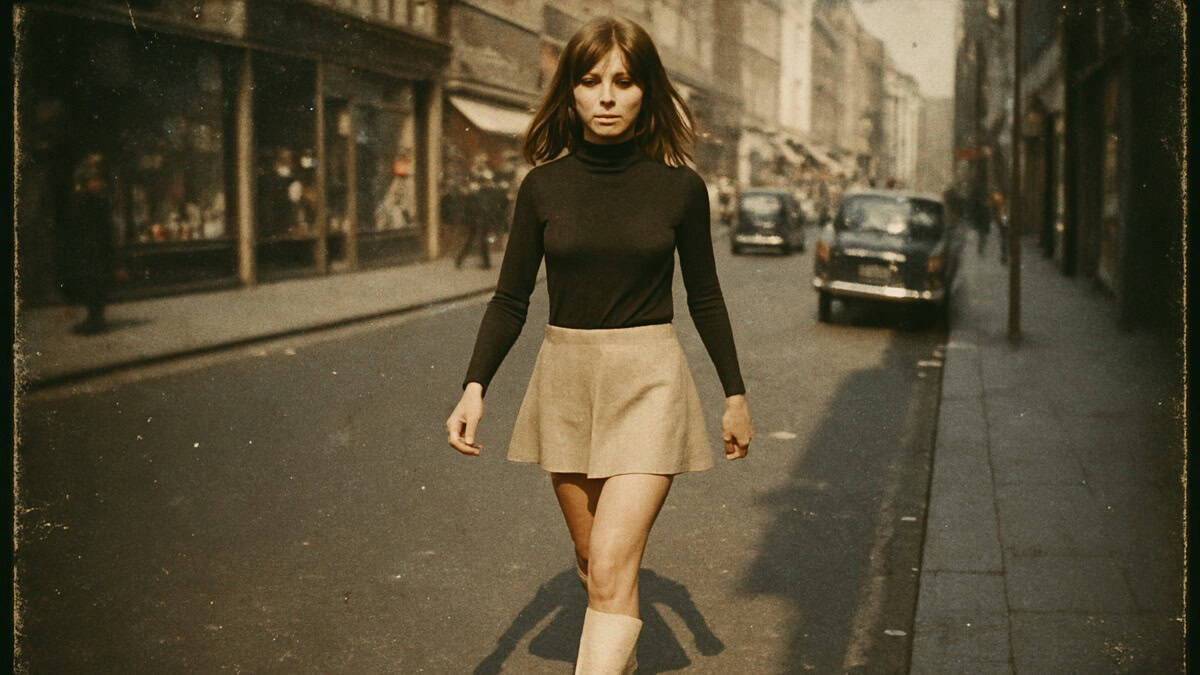
When Mary Quant introduced miniskirts in the mid-1960s, they caused an international sensation. Schools measured girls’ hemlines with rulers, and some cities even tried to ban them. The sight of knees in public was considered shocking, while today’s shorts and skirts often rise considerably higher without comment.
Save for later
Want to come back to this story? Save it with your email so it is easy to find again.
2. Men’s Long Hair

Boys with Beatles-style haircuts faced suspension from school and ridicule from adults. Hair touching the ears or collar was considered rebellious and unmanly. Some barbershops even refused service to long-haired customers, while today’s man buns and shoulder-length styles barely merit attention.
3. Women in Pants

Women wearing pants to work or church was considered shocking until the late 1960s. Many restaurants and offices banned them outright. Katherine Hepburn caused a scandal by wearing trousers in public, while today, women’s pantsuits are a standard part of business attire.
4. The Bikini

When the bikini debuted, it was banned on many public beaches. Models refused to wear them, and the Vatican declared them sinful. The modest two-pieces of the 1960s would look conservative compared to today’s swimwear, yet they caused unprecedented outrage.
5. Blue Jeans at School
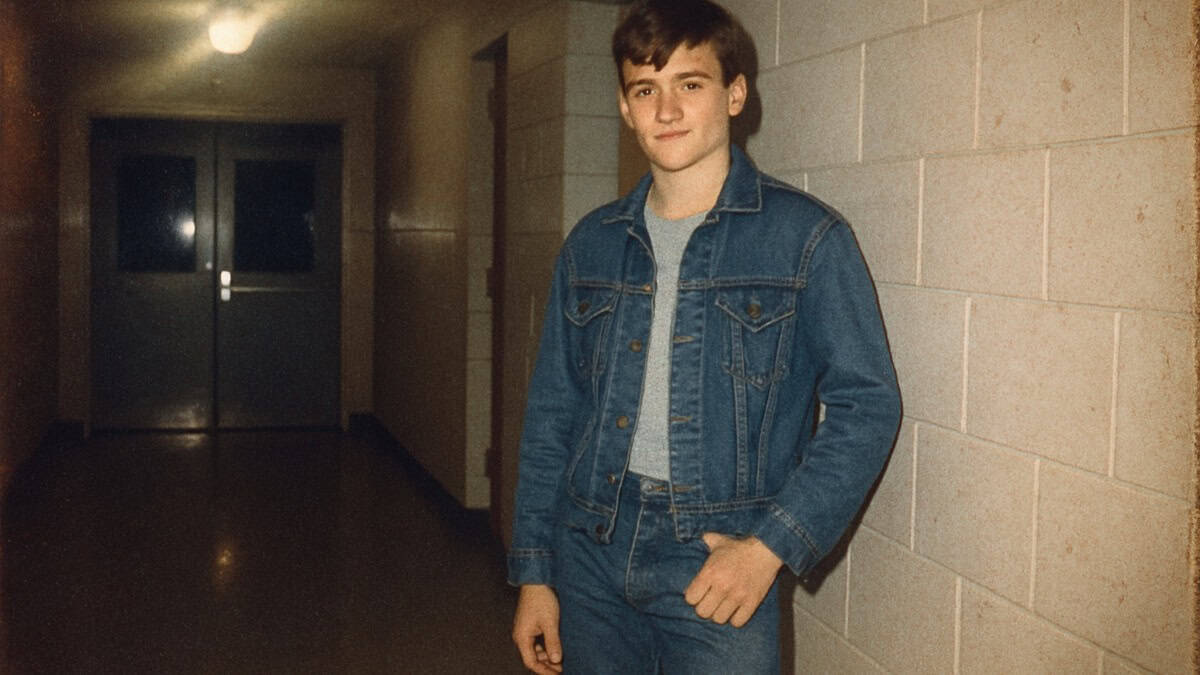
Wearing jeans to school was once considered rebellious and inappropriate. Associated with juvenile delinquency, many schools banned them entirely. Students caught wearing denim faced suspension, while today’s schools often allow even ripped jeans.
6. Visible Bra Straps

A visible bra strap was once considered deeply embarrassing and inappropriate. Women used special pins and clips to keep straps hidden. Today, visible straps are often part of the intended style, and bralettes are worn as fashion statements.
7. Sleeveless Dresses

Bare arms in church or at formal events were considered scandalous. Women were expected to wear cardigans or shawls over sleeveless dresses. Jackie Kennedy caused controversy by wearing sleeveless sheaths, which are now standard formal wear.
8. Colored Hair
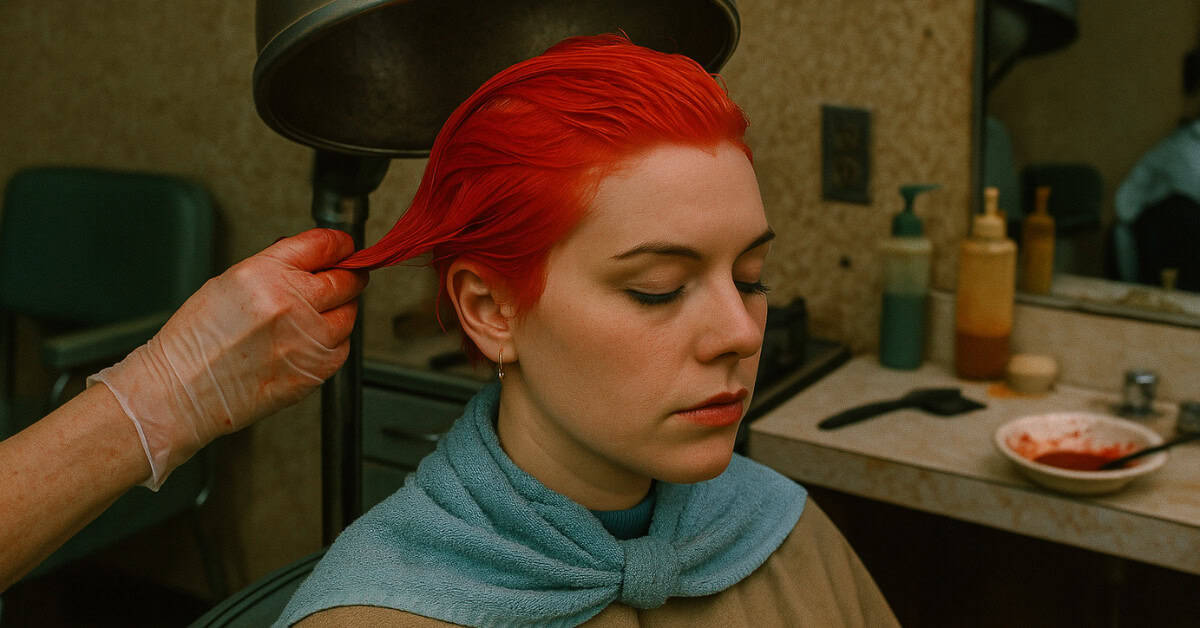
Any obvious hair dye was considered cheap and inappropriate. Even subtle changes could spark gossip. Women who colored their hair were often viewed as morally questionable, while today’s rainbow hues are seen at professional workplaces.
9. Platform Shoes

When platform shoes emerged in the late ’60s, they were considered outrageous and dangerous. Schools banned them as safety hazards, and conservatives viewed them as morally corrupt. Today’s platform sneakers and heels are mainstream fashion items.
10. Visible Tattoos

Any visible tattoo was considered shocking and associated with criminals or sailors. Women with tattoos were particularly scandalous. Now, visible tattoos are common in most workplaces, and neck tattoos barely raise eyebrows.
11. Ankle Bracelets

Ankle bracelets were once considered suggestive and inappropriate for “good” girls. They were associated with exotic dancers and questionable morals. Today, they’re common fashion accessories worn by women of all ages and social positions.
12. White After Labor Day

Breaking the “no white after Labor Day” rule could lead to social ostracism. This strict fashion doctrine was followed religiously by the upper class. Today, winter white is a popular trend, and seasonal color rules are considered charmingly outdated.