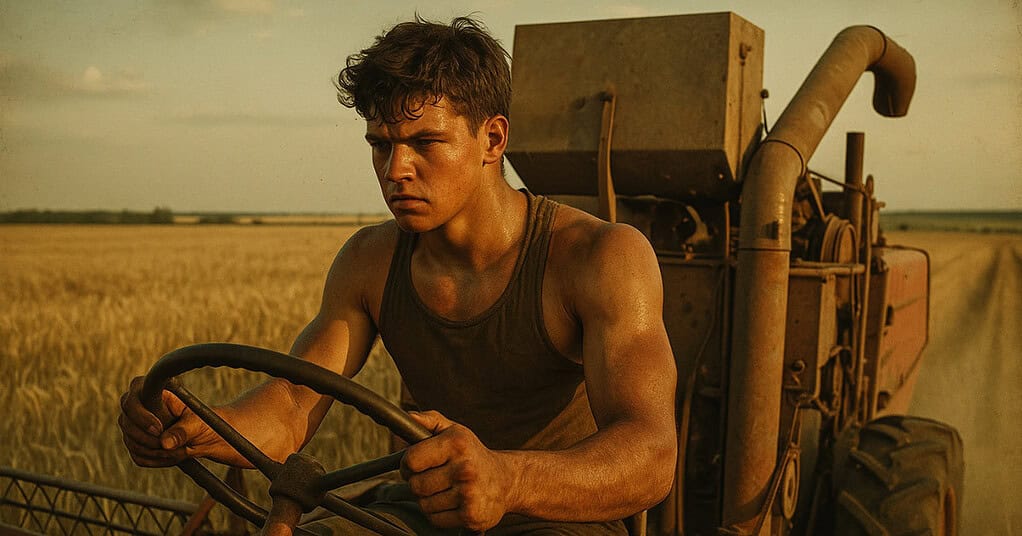
Growing up without much money in the 1960s meant developing creativity, resourcefulness, and appreciation for what you had. While our more affluent classmates enjoyed store-bought luxuries, we learned valuable life lessons through necessity and innovation. These experiences shaped our character and taught us skills that many of today’s children, regardless of economic status, might never learn.
Table of Contents
- 1 1. Hand-Me-Down Everything
- 2 2. Making Our Own Toys
- 3 3. Powdered Milk Mornings
- 4 4. Cardboard in Shoes
- 5 5. Government Cheese
- 6 6. DIY Haircuts
- 7 7. Garden Survival
- 8 8. Layaway Christmas
- 9 9. Collecting Pop Bottles
- 10 10. Newspaper Insulation
- 11 11. Multi-Purpose Bath Water
- 12 12. Bread Bag Shoes
- 13 13. Free Entertainment
- 14 14. Foraged Food
- 15 15. Community Sharing
1. Hand-Me-Down Everything
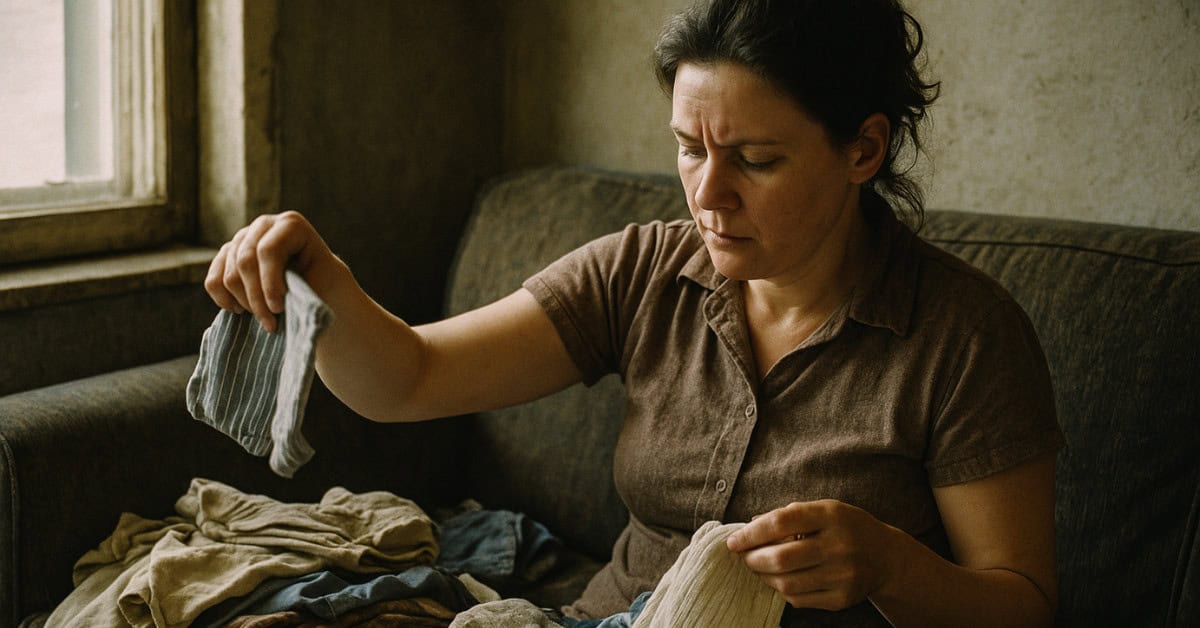
Clothes weren’t just clothes – they were family heirlooms passed down through siblings and cousins. Each item came with a history: “This was Jimmy’s church shirt, then Bobby’s school shirt, and now it’s yours.” We learned early how to mend, patch, and alter clothing to extend its life through multiple owners.
Save for later
Want to come back to this story? Save it with your email so it is easy to find again.
2. Making Our Own Toys

Store-bought toys were rare luxuries. We crafted slingshots from tree branches, made dolls from clothespins, and turned cardboard boxes into spaceships. Every discarded item held potential for imagination – coffee cans became drums, and old sheets transformed into superhero capes.
3. Powdered Milk Mornings

Real milk was a luxury saved for company or special occasions. We became experts at mixing powdered milk just right to minimize the chalky taste. The trick was using extra-cold water and letting it sit overnight, although it never quite tasted like the real thing.
4. Cardboard in Shoes
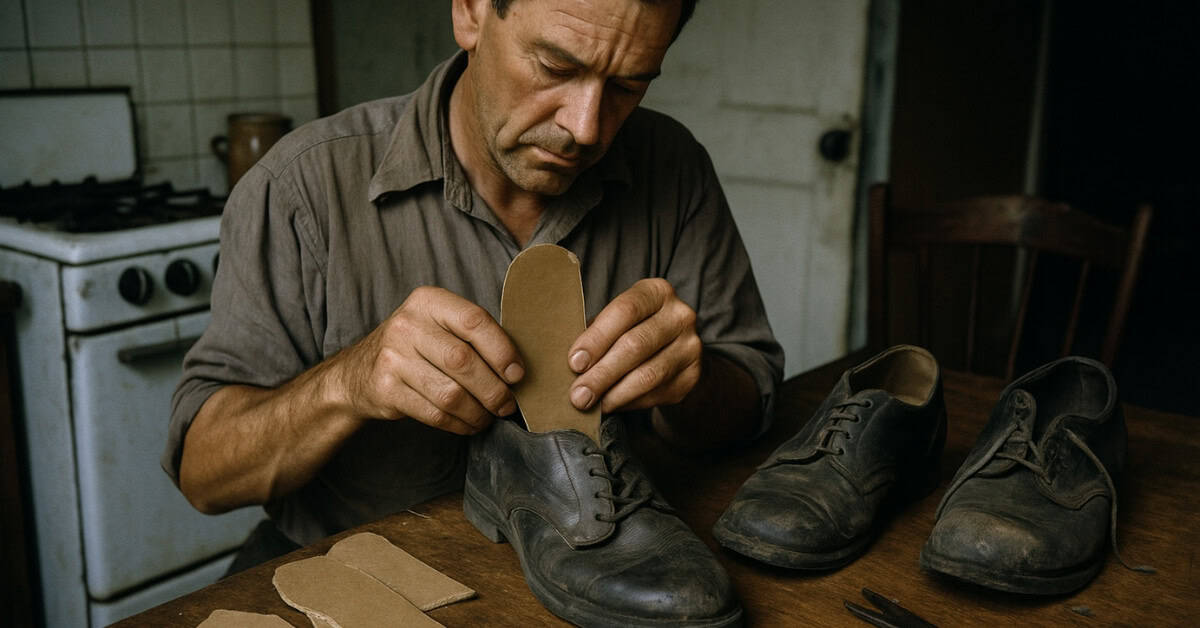
When shoes developed holes in the soles, cardboard inserts became temporary fixes until new shoes could be afforded. We learned which cardboard worked best and how to cut it just right. The technique of walking to avoid puddles became second nature to prevent the cardboard from dissolving.
5. Government Cheese

Those giant blocks of government cheese became the foundation for countless meals. We learned to slice it thin to make it last longer and became creative with recipes. That distinctive taste is forever embedded in our memories, along with the monthly trips to the distribution center.
6. DIY Haircuts

Mom’s kitchen haircuts were a regular occurrence. A bowl for bangs, scissors from the sewing kit, and newspaper spread on the floor to catch the clippings. We dreaded school pictures but learned to appreciate Mom’s improving technique over the years.
7. Garden Survival

The family garden wasn’t a hobby – it was survival. Everyone had assigned tasks from planting to weeding to harvesting. Summer meant endless canning sessions to preserve food for winter. We learned every technique for making vegetables last through the lean months.
8. Layaway Christmas

Parents started Christmas layaway payments in August. We learned not to ask for expensive toys from TV commercials, understanding that small gifts paid off over months meant more than extravagant presents. The anticipation of layaway pickup day was part of our holiday tradition.
9. Collecting Pop Bottles

Every empty bottle meant two cents toward candy or necessities. We scoured neighborhoods, ditches, and parking lots for discarded bottles. Learning which stores paid the best deposit returns was crucial knowledge shared among friends.
10. Newspaper Insulation

Winter meant stuffing newspaper into window cracks and under doors to keep out drafts. We became experts at rolling newspaper tubes for insulation. The funny pages provided entertainment before becoming part of our home’s heating system.
11. Multi-Purpose Bath Water
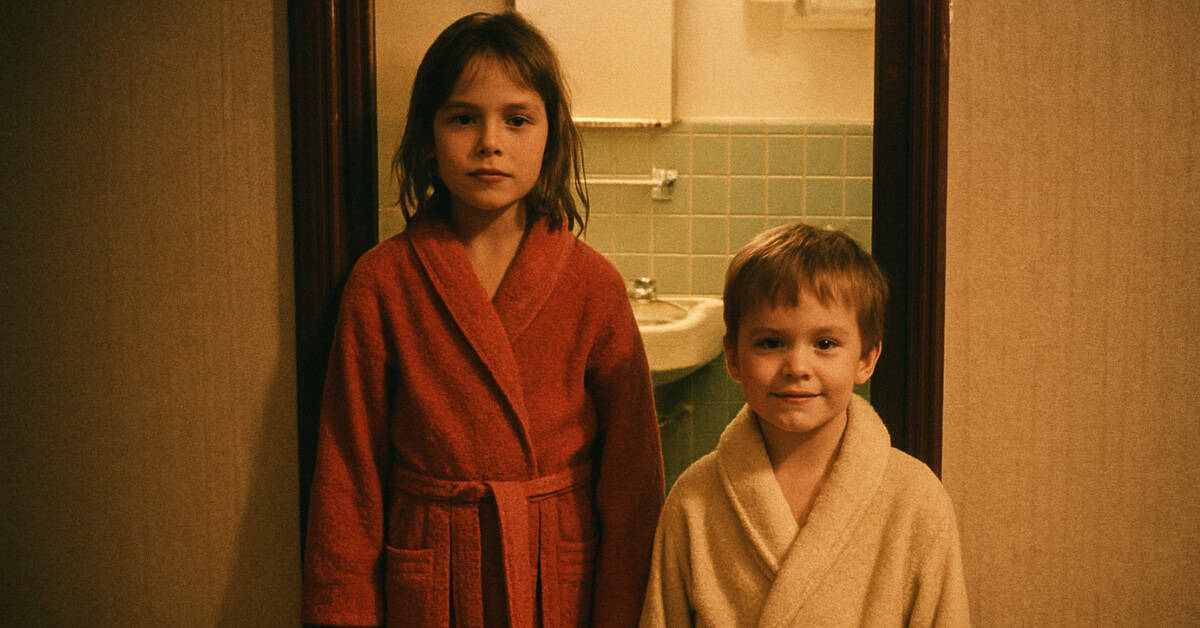
Bath water was shared by siblings to save on heating costs. Youngest to oldest was the usual order, with the water getting progressively cooler and murkier. “Don’t drain the tub” became a familiar phrase as the water would later be used for washing clothes or watering plants.
12. Bread Bag Shoes

Plastic bread bags became waterproof liners for leaky winter boots. The technique was precise – bag over sock, sock into boot, then secure with rubber bands. The bread bag crinkle sound became a familiar winter soundtrack for many of us.
13. Free Entertainment

Entertainment meant creating our own fun – kick the can, hide and seek, or making up elaborate games with sticks and rocks. The neighborhood became our playground, and imagination was our most valuable toy. Every empty lot held potential for adventure.
14. Foraged Food

We knew every berry patch, fruit tree, and edible plant in the neighborhood. Foraging supplemented family meals and provided treats. Knowledge of which mushrooms were safe and where the best blackberry patches grew was passed down like family secrets.
15. Community Sharing

Poor neighborhoods operated on an informal sharing economy. Tools, ingredients, and skills were freely exchanged. One mom might be the neighborhood seamstress, while another was known for fixing appliances. Everyone contributed what they could to help the community survive.