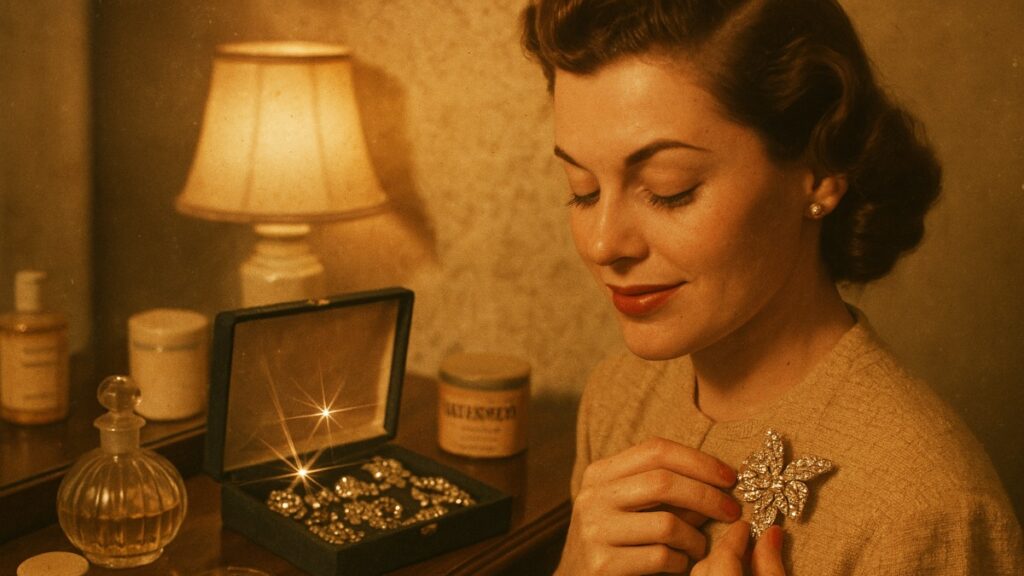
Back in the 1960s, a dollar could buy you quite a treasure trove at the local toy store. Walking in with four quarters jingling in your pocket made you feel like a millionaire. Let’s take a nostalgic trip down the aisles of those wonderful stores where pocket change could bring home something special.
Table of Contents
1. Plastic Army Men
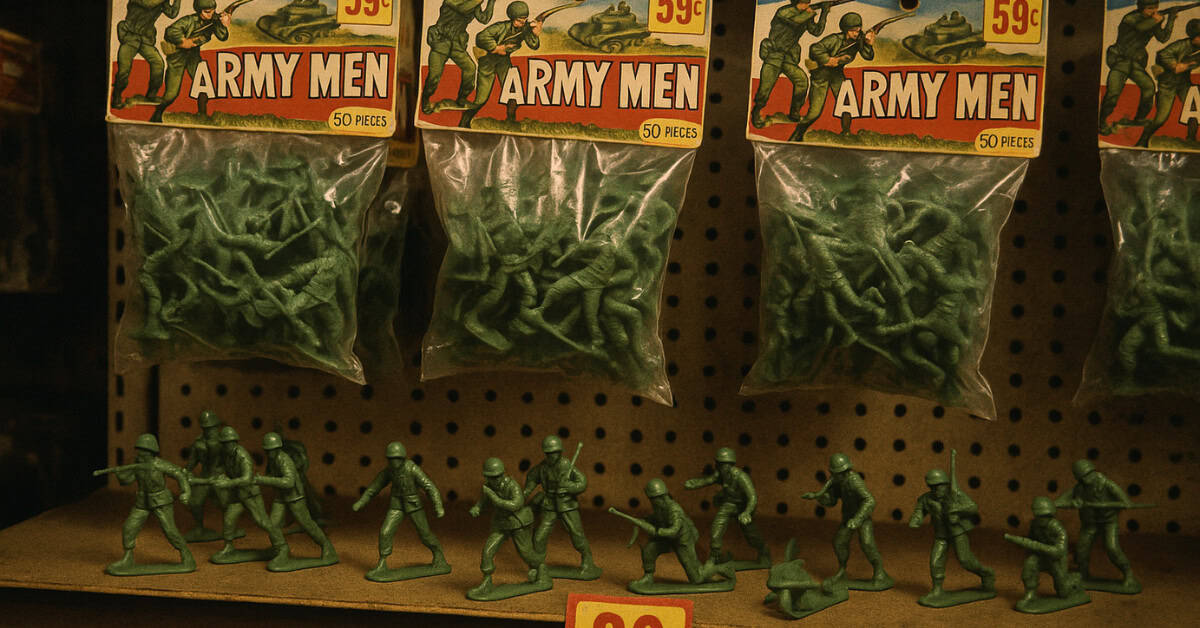
A bag of green army men cost just 49 cents and came with dozens of soldiers in different fighting poses. These little warriors could keep you entertained for hours, staging elaborate battles across living room carpets and backyard battlefields. The really good bags even included plastic barriers and equipment.
Save for later
Want to come back to this story? Save it with your email so it is easy to find again.
2. Balsa Wood Airplanes
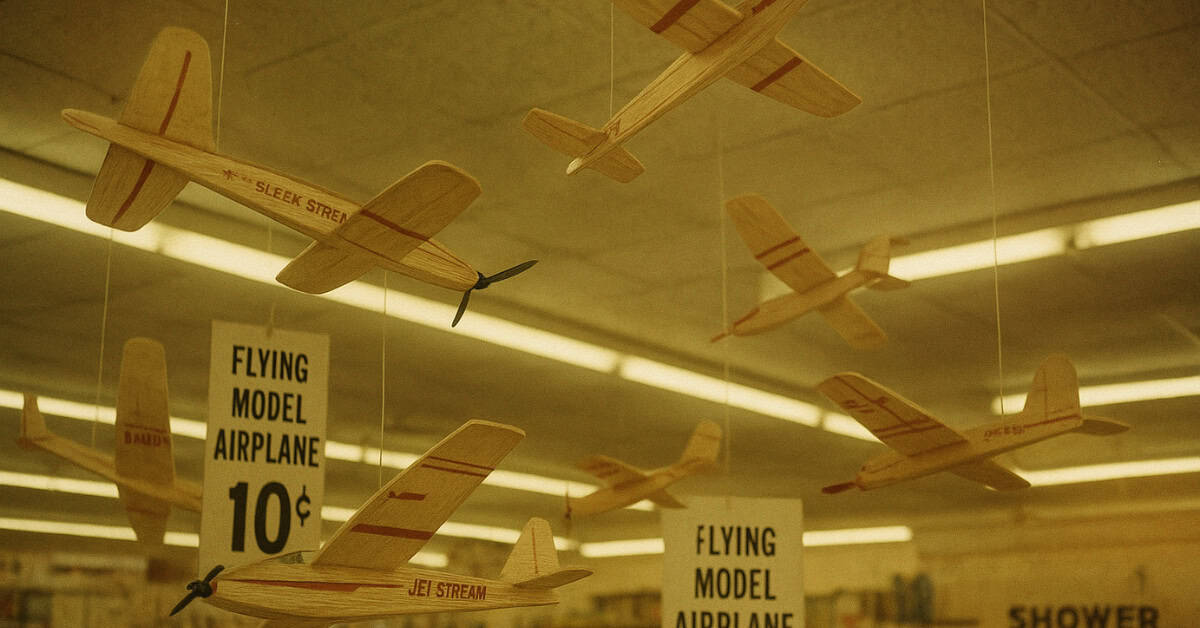
For just 25 cents, you could get a simple balsa wood glider that could soar for impressive distances. The deluxe models with rubber band-powered propellers were 98 cents, and they were worth every penny. Assembly required careful handling of the delicate wood, teaching patience along with the principles of flight.
3. Candy and Toy Combinations

Those magical packages that combined candy with a small toy were usually priced at 89 cents. Whether it was a whistle with candy powder or a toy ring with flavored gems, these treats offered double the excitement. The Cracker Jack prizes alone were worth the purchase.
4. Comic Books

At just 12 cents each, comic books were the best entertainment value around. You could get multiple issues for a dollar, each one promising thrilling adventures with your favorite superheroes. The covers alone could keep you dreaming for hours.
5. Rubber Balls
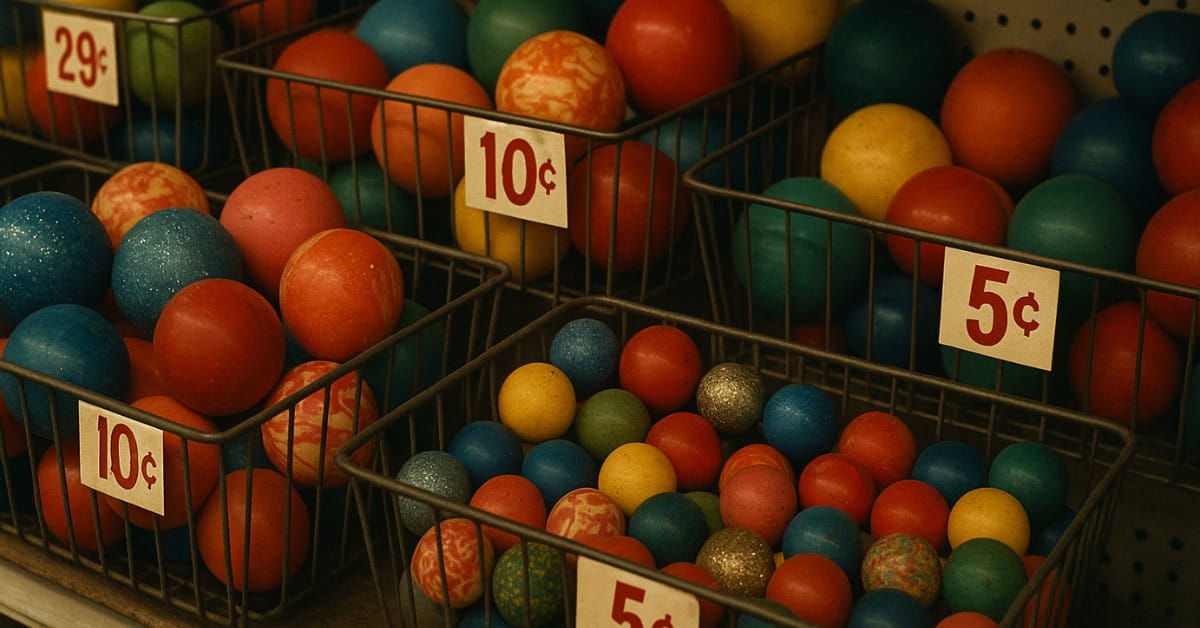
Those colorful, high-bouncing rubber balls cost between $0.25 and $0.50, depending on the size. The really good ones had glitter inside or would change color in sunlight. One ball could provide endless games of wall ball, four square, or just seeing how high you could make it bounce.
6. Bubble Solution
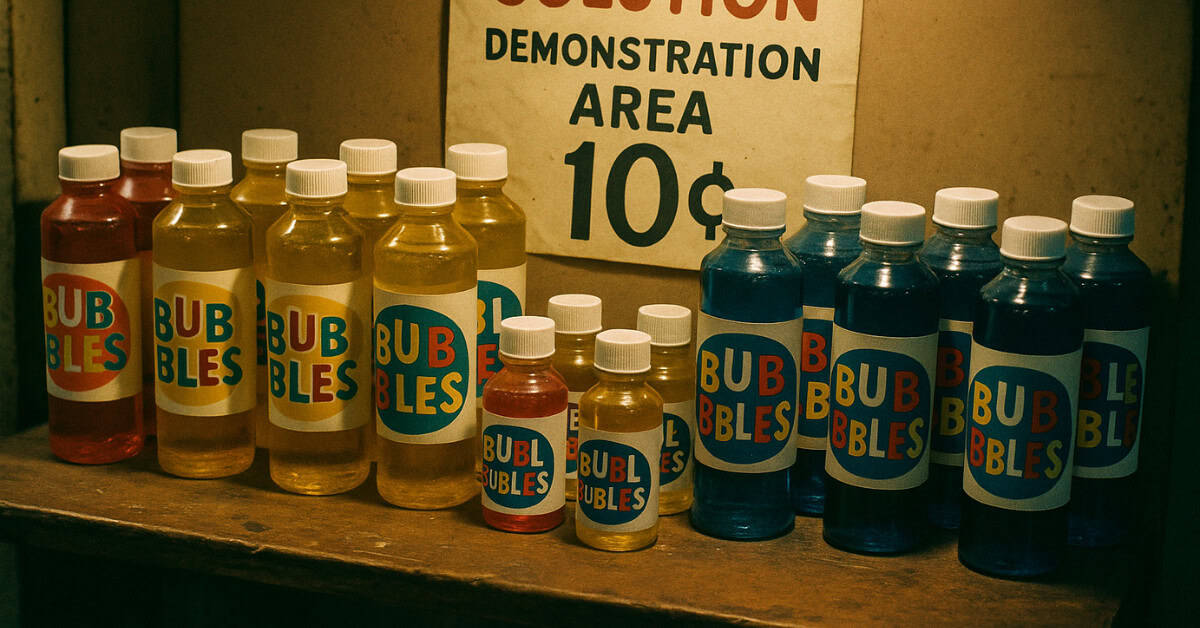
A bottle of bubble solution with a plastic wand was just 39 cents. The larger bottles with multiple wands were 89 cents. These simple toys could entertain entire groups of kids, especially when someone discovered you could make giant bubbles using a straw.
7. Yo-Yos
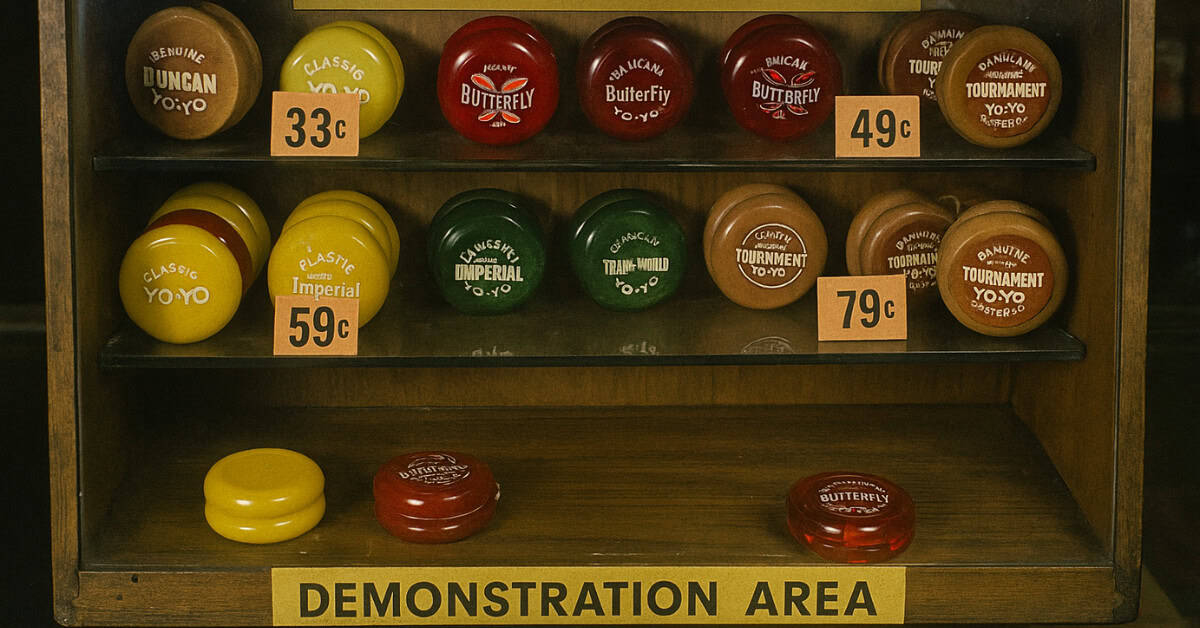
Basic plastic yo-yos were just 50 cents, while the fancy wooden ones approached the dollar limit. These simple toys required skill to master, and there was always that one kid who could do amazing tricks. The Duncan butterfly model was the most coveted.
8. Marbles

A bag of cat’s eye marbles cost 25 cents, while the fancy glass ones were 99 cents. These beautiful spheres were both toys and treasures, with serious players carrying their prized shooters in special pouches. Trading marbles was an art form in itself.
9. Jump Ropes

Plastic jump ropes with wooden handles were just 79 cents. The deluxe versions with colorful beads that made clicking sounds as you jumped were 98 cents. These simple toys provided hours of exercise disguised as fun.
10. Trading Cards

Packs of trading cards were just 5 cents each, complete with a stick of gum that could break teeth. For a dollar, you could get several packs and hopefully find that elusive card to complete your set. The gum smell still lingered on the cards for days.
11. Jacks Sets
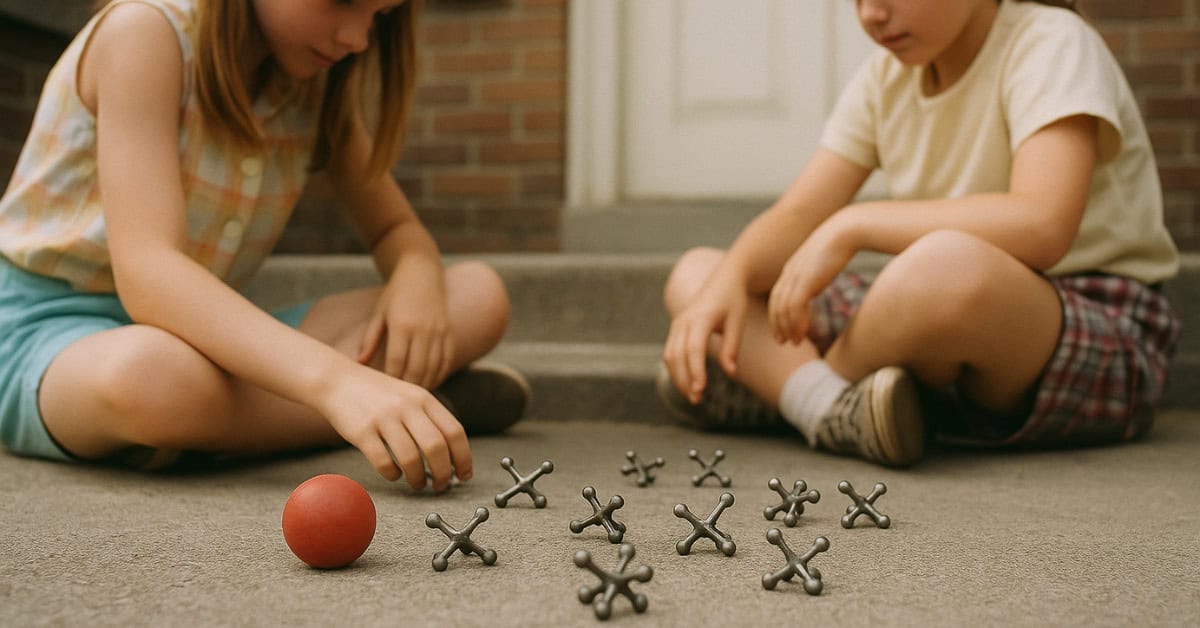
A complete set of jacks with a rubber ball cost 59 cents. These simple metal pieces required incredible hand-eye coordination and provided endless competition opportunities. The deluxe sets came in plastic cases with extra jacks for when the originals inevitably disappeared under furniture.
12. Paddle Balls
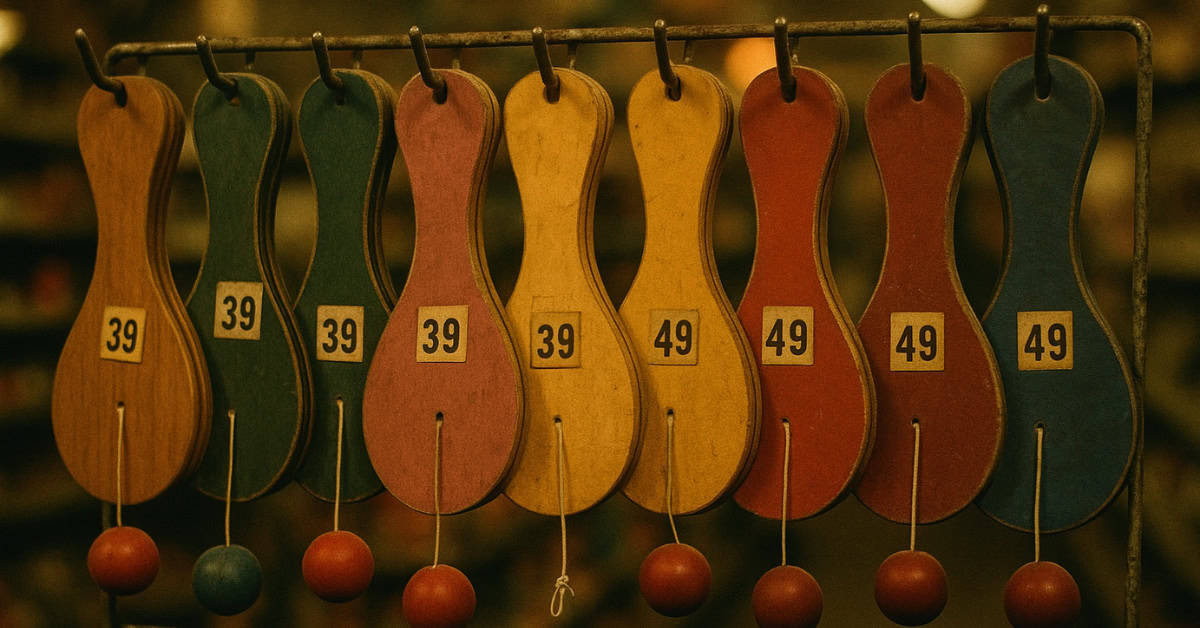
Wooden paddle balls with rubber strings cost 69 cents. The challenge of keeping the ball bouncing consistently could occupy you for hours. Everyone claimed to have hit 100 bounces in a row, but few actually achieved it.
13. Silly Putty
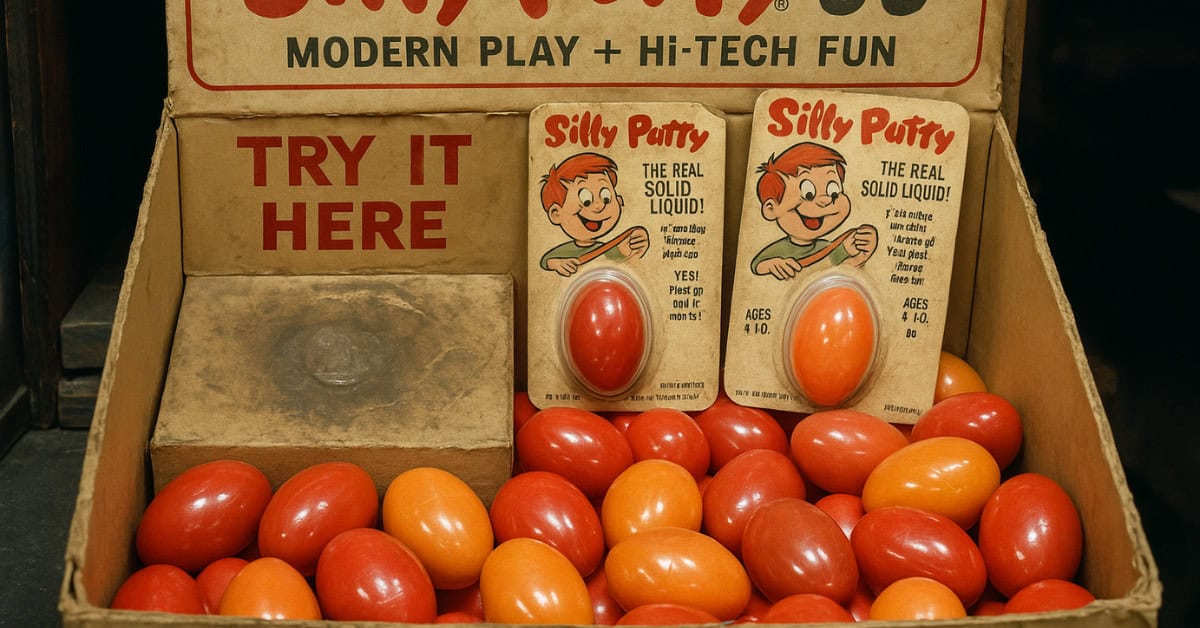
An egg of Silly Putty was 98 cents, and it was like having a pocket full of magic. You could copy comics with it, bounce it like a ball, or create endless shapes. Just keeping it out of the carpet was a challenge worth mastering.
14. Kites

Simple paper kites cost just 89 cents and came with a basic string. These affordable flyers taught us about wind patterns and patience. The real challenge was keeping them out of trees and power lines.
15. Cap Guns
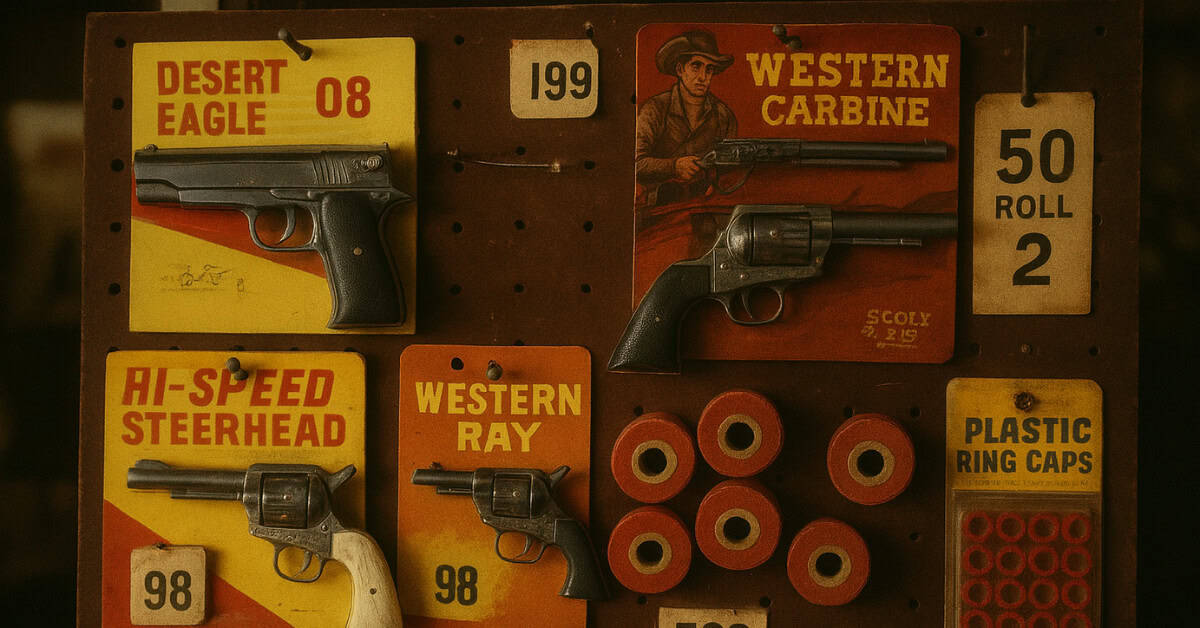
Plastic cap guns were 98 cents, with rolls of caps selling for 10 cents each. The smell of spent caps was a signature scent of childhood, and you could always tell who had been playing cowboys by the red marks on their thumbs from loading the caps.