Growing up in the 1980s meant experiencing a unique moment in history – the last analog childhood meeting the dawn of the digital age. We witnessed technological revolutions while still maintaining connections to simpler times. From arcade mastery to surviving without smartphones, here are some experiences that make ’80s kids uniquely qualified to appreciate both worlds.
Table of Contents
- 1 1. Mastering Video Game Arcades
- 2 2. Recording Music from Radio
- 3 3. BMX Bike Mastery
- 4 4. VCR Programming Skills
- 5 5. Atari Gaming Expertise
- 6 6. Choose Your Own Adventure Mastery
- 7 7. Breakdancing Skills
- 8 8. Mall Navigation Expertise
- 9 9. Rubik’s Cube Solutions
- 10 10. Roller Skating Expertise
- 11 11. Star Wars Expertise
- 12 12. D&D Campaign Creation
- 13 13. Skateboarding Innovation
- 14 14. Early Computer Programming
- 15 15. Music Video Appreciation
- 16 16. Action Figure Storytelling
- 17 17. Phone Number Memorization
- 18 18. Trading Card Economics
1. Mastering Video Game Arcades

We didn’t just play video games – we mastered them with limited quarters and no save points. High scores meant something real, and arcade skills were earned through dedication and practice. Today’s gamers might have better graphics, but they’ll never know the thrill of a crowd gathering to watch you reach the kill screen on Pac-Man.
Save for later
Want to come back to this story? Save it with your email so it is easy to find again.
2. Recording Music from Radio

Creating the perfect mixtape required timing, patience, and artistic vision. We developed lightning-fast reflexes to catch songs at just the right moment, editing out DJ chatter. Each cassette was a personal masterpiece that took hours to create – something today’s playlist makers will never understand.
3. BMX Bike Mastery
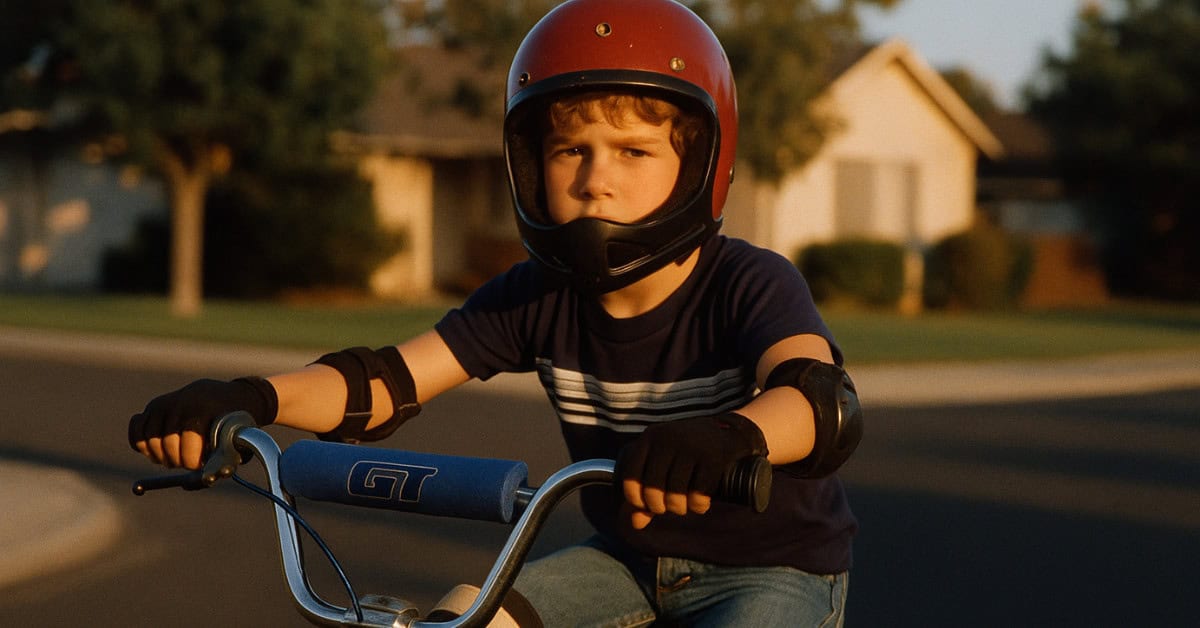
Our BMX bikes weren’t just transportation – they were tools for creative expression and daring feats. We built our own ramps, invented tricks, and pushed the limits of what was possible on two wheels. Modern kids might have better safety gear, but they’ll never know the thrill of perfecting a trick through pure trial and error.
4. VCR Programming Skills

We mastered the complex art of VCR programming when adults couldn’t figure it out. Setting the blinking 12:00 and timing recordings perfectly was a specialized skill that made us household tech experts. Today’s DVR users will never know the satisfaction of capturing a whole season of shows on carefully labeled tapes.
5. Atari Gaming Expertise
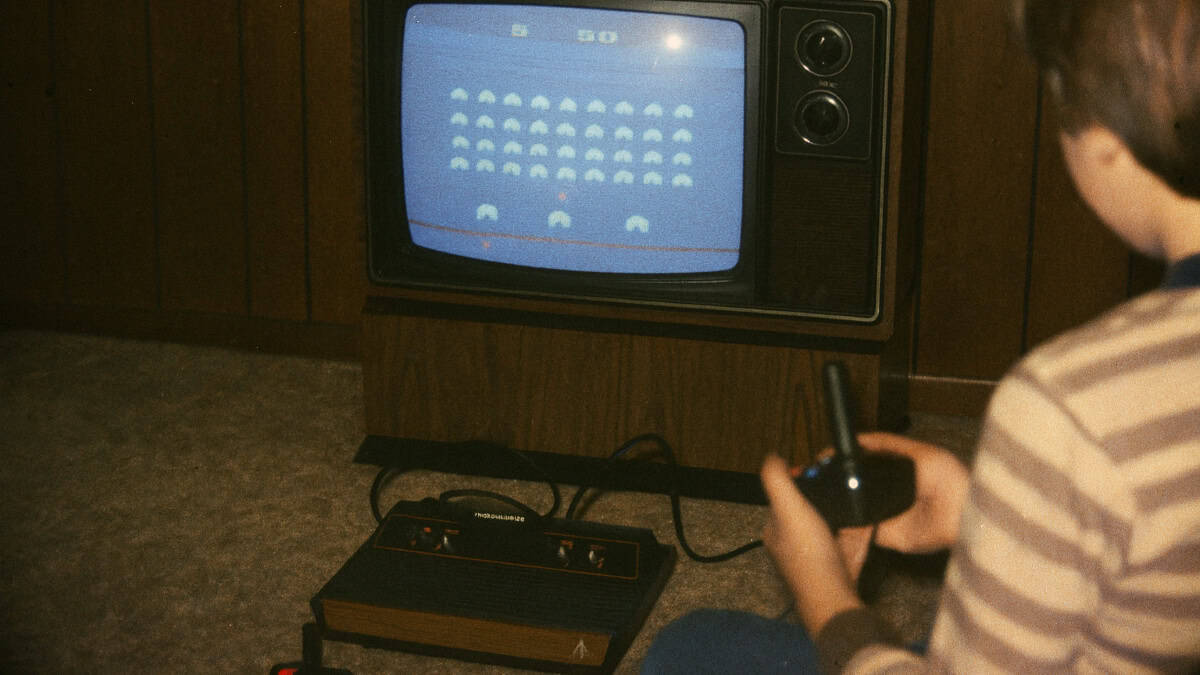
We could play complex games with just one button and a joystick. Our imaginations filled in the graphic gaps, and we mastered games through pure skill rather than save points. Modern gamers might scoff at the graphics, but they’ll never know the challenge of beating Pitfall without a single checkpoint.
6. Choose Your Own Adventure Mastery

We navigated complex storylines with just our fingers marking previous choices. These books taught us decision-making and consequence management long before video games had multiple endings. We learned to map out story branches and optimize our adventures.
7. Breakdancing Skills

We learned complex dance moves from watching others and practicing on cardboard boxes. No YouTube tutorials needed – just determination and a great soundtrack. Every neighborhood had its breakdancing experts who passed down moves through direct demonstration.

The mall was our social media platform, and we knew every corner of it. From arcade to food court, we developed complex social protocols and meeting strategies without cell phones. Today’s online socializing can’t compare to the art of mall meetups.
9. Rubik’s Cube Solutions

We figured out cube solutions through trial and error or carefully guarded written instructions – no YouTube tutorials or apps. Those who could solve it were neighborhood legends, and the ability to teach others made them valued mentors.
10. Roller Skating Expertise

Roller rinks were our nightclubs, and we mastered complex skating moves to impress our peers. Backwards skating, dance moves, and speed races were serious skills that took real practice to perfect. The social dynamics of couple skates created more drama than any modern dating app.
11. Star Wars Expertise

We experienced the original trilogy in real-time, collecting action figures and trading cards that would become valuable collectibles. Our playground lightsaber battles and detailed knowledge of the universe came from pure passion, not endless online wikis.
12. D&D Campaign Creation

We created complex D&D campaigns with just paper, dice, and imagination. No computer graphics or online tools – just pure storytelling ability and mathematical prowess. These skills developed creativity and problem-solving abilities that modern gaming can’t replicate.
13. Skateboarding Innovation

We invented tricks without video references, building our own ramps and finding the best spots in town. Each neighborhood had its own skating style and legendary locations. The skills we developed came from pure experimentation and dedication.
14. Early Computer Programming
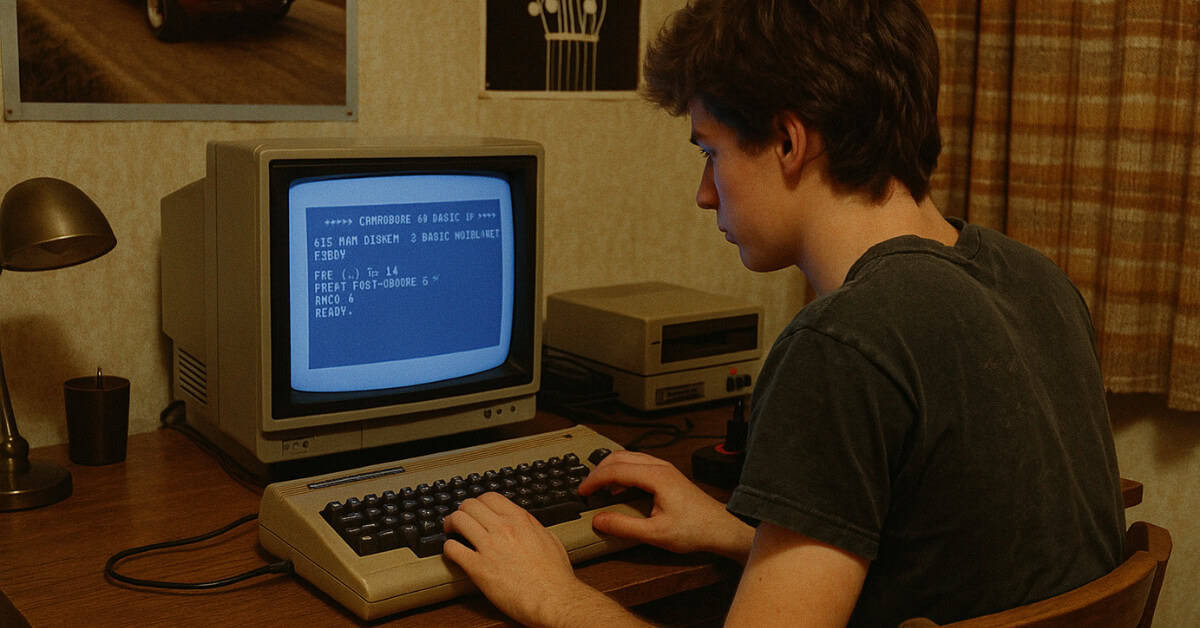
We learned BASIC programming and could make simple games from scratch. Understanding how computers actually worked was necessary, without user-friendly interfaces or online tutorials. These foundational skills gave us unique insight into modern technology.
15. Music Video Appreciation

We witnessed the birth of MTV and music videos as an art form. Waiting hours to see your favorite video created a level of appreciation that streaming can’t match. We could recognize videos from a single frame and knew every detail by heart.
16. Action Figure Storytelling
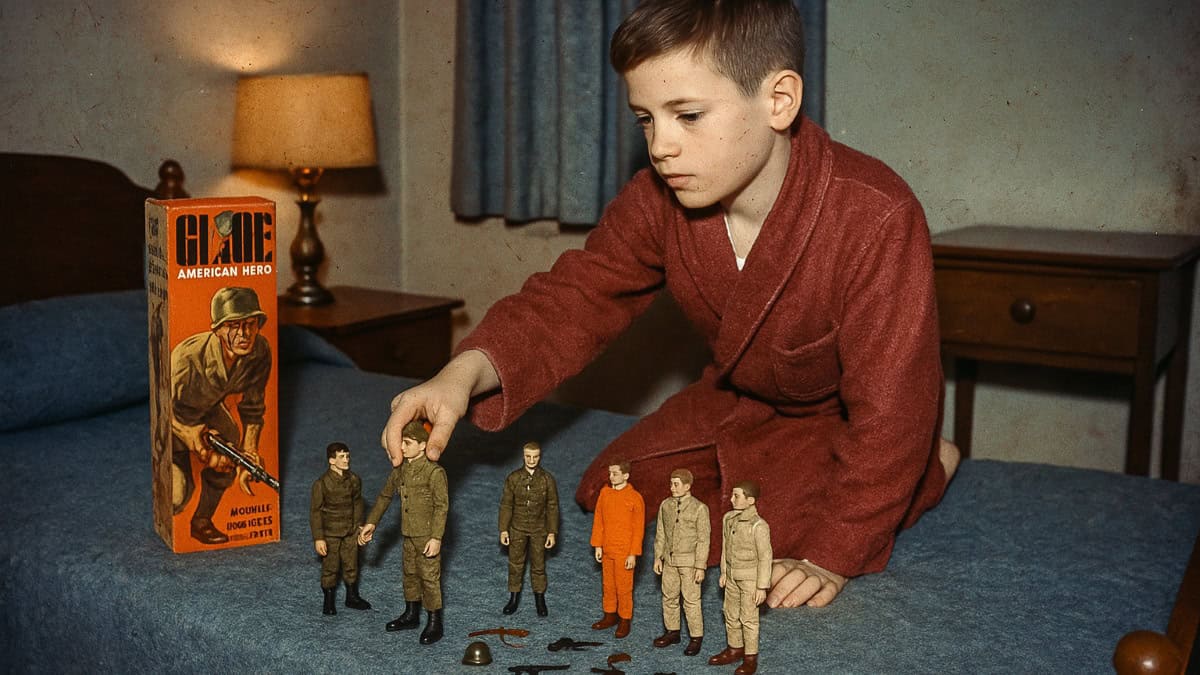
We created epic storylines with action figures, developing complex narratives without digital assistance. These storytelling skills require creativity and imagination that modern entertainment often replaces.
17. Phone Number Memorization

We memorized dozens of phone numbers and could navigate complex phone trees without visual aids. This mental skill development created memory capabilities that smartphone contacts have made obsolete.
18. Trading Card Economics

We mastered complex trading systems and value assessment through baseball and other trading cards. These early lessons in economics and negotiation were learned through direct experience rather than apps or online marketplaces.