Back in our school days, teachers commanded respect that seems almost mythical by today’s standards. Before the era of helicopter parents and social media outrage, educators had tried-and-true methods for maintaining order in their classrooms. Let’s take a nostalgic look at how teachers kept us in line when parents were partners in education, not adversaries.
Table of Contents
- 1 1. The Note Home System
- 2 2. Community Consequences
- 3 3. The Desk Arrangement
- 4 4. Board Duty
- 5 5. The Parent-Teacher Conference
- 6 6. Extra Homework
- 7 7. Hall Monitor System
- 8 8. The Classroom Job Chart
- 9 9. Reading Corner Time-Out
- 10 10. Merit/Demerit System
- 11 11. The Class Constitution
- 12 12. Principal’s Office Reality
- 13 13. Recess Privileges
- 14 14. The Progress Report
- 15 15. The Silent Treatment
1. The Note Home System

A note home was the nuclear option that struck fear into every student’s heart. We knew that the signature had to come back the next day, and there was no chance of intercepting it – parents actually checked our backpacks back then. The beauty of this system was its simplicity: one note could straighten up not just the recipient, but the entire class.
Save for later
Want to come back to this story? Save it with your email so it is easy to find again.
2. Community Consequences

Word traveled fast in tight-knit communities where teachers, parents, and local businesses all knew each other. Misbehavior at school could affect your reputation around town. This invisible network of adult supervision helped keep kids in line even when they weren’t at school.
3. The Desk Arrangement

Strategic seating arrangements were an art form. Troublemakers were separated and placed near the teacher’s desk, while quiet students served as human buffers. The dreaded “front row” was both punishment and prevention – you couldn’t get away with anything when you were right under the teacher’s nose.
4. Board Duty
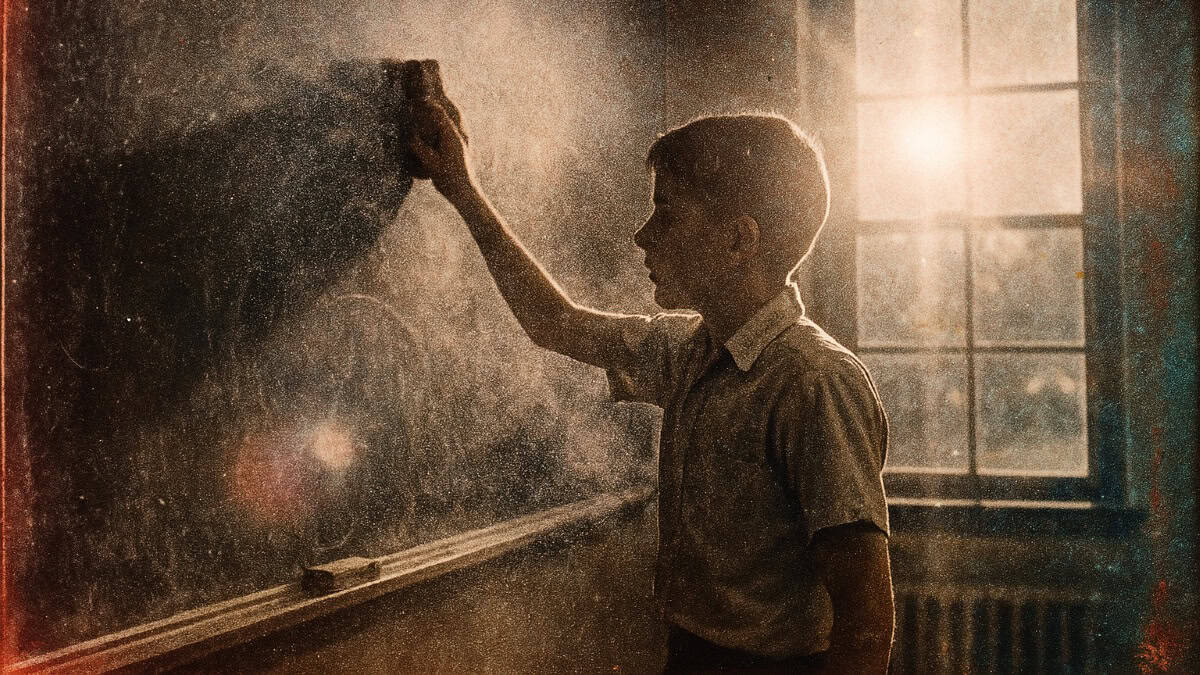
Being assigned to clean the chalkboards after school was both punishment and privilege. It kept troublemakers occupied and supervised, while secretly teaching responsibility. Plus, there was something satisfying about cleaning those erasers – even if you did end up covered in chalk dust.
5. The Parent-Teacher Conference
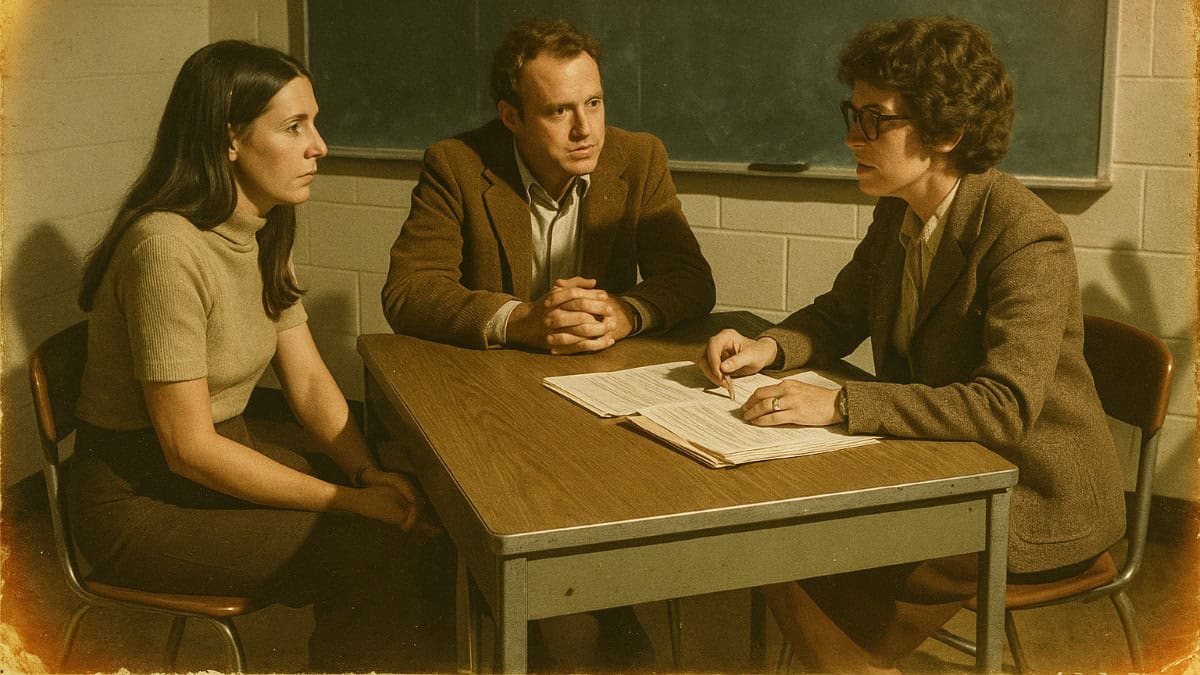
These meetings were partnerships, not confrontations. Parents and teachers worked together to address behavioral issues, and kids knew it. When Mrs. Johnson said she’d be calling your parents, you knew both sides would be on the same page – and not yours.
6. Extra Homework

Additional assignments weren’t just busywork – they were targeted interventions. If you acted up in history class, you might find yourself writing an extra essay about the Revolutionary War. It was an educational punishment that actually taught something while maintaining order.
7. Hall Monitor System

Student hall monitors were like junior deputies, complete with badges and clipboards. This peer-to-peer accountability system taught leadership while maintaining order. Getting caught by a hall monitor was almost worse than being caught by a teacher – they were your classmates, after all.
8. The Classroom Job Chart

Assigning classroom jobs gave students a sense of ownership and responsibility. Line leader, door holder, plant waterer – these roles weren’t just tasks; they were privileges that could be revoked for misbehavior. Nothing straightened up a troublemaker faster than the threat of losing their coveted job.
9. Reading Corner Time-Out

Being sent to the reading corner wasn’t just a punishment – it was a chance for reflection and learning. Students had to read quietly while thinking about their actions. Sometimes, troublemakers discovered they actually enjoyed reading, turning a disciplinary measure into a positive habit.
10. Merit/Demerit System

A simple point system tracked both good and bad behavior. Merits could earn class privileges or rewards, while demerits led to lost privileges. The beauty was in its transparency – everyone knew exactly where they stood and what they needed to do to improve.
11. The Class Constitution

Students helped create and sign classroom rules at the beginning of the year, making them stakeholders in their own behavior management. This democratic approach meant kids couldn’t claim the rules were unfair – they helped make them! The signed document hung prominently as a constant reminder of their commitment.
12. Principal’s Office Reality
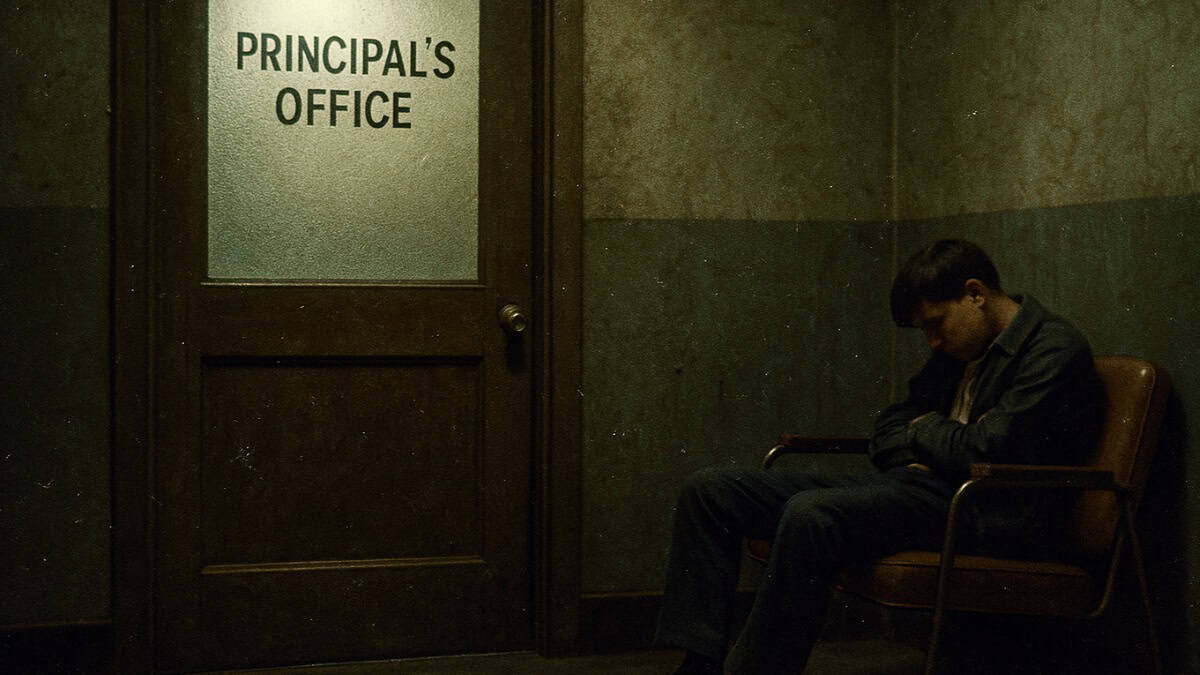
Being sent to the principal wasn’t an empty threat – it was a serious consequence that usually resulted in real disciplinary action. The walk to that office was long and contemplative, and you knew your parents would hear about it before you even got home.
13. Recess Privileges
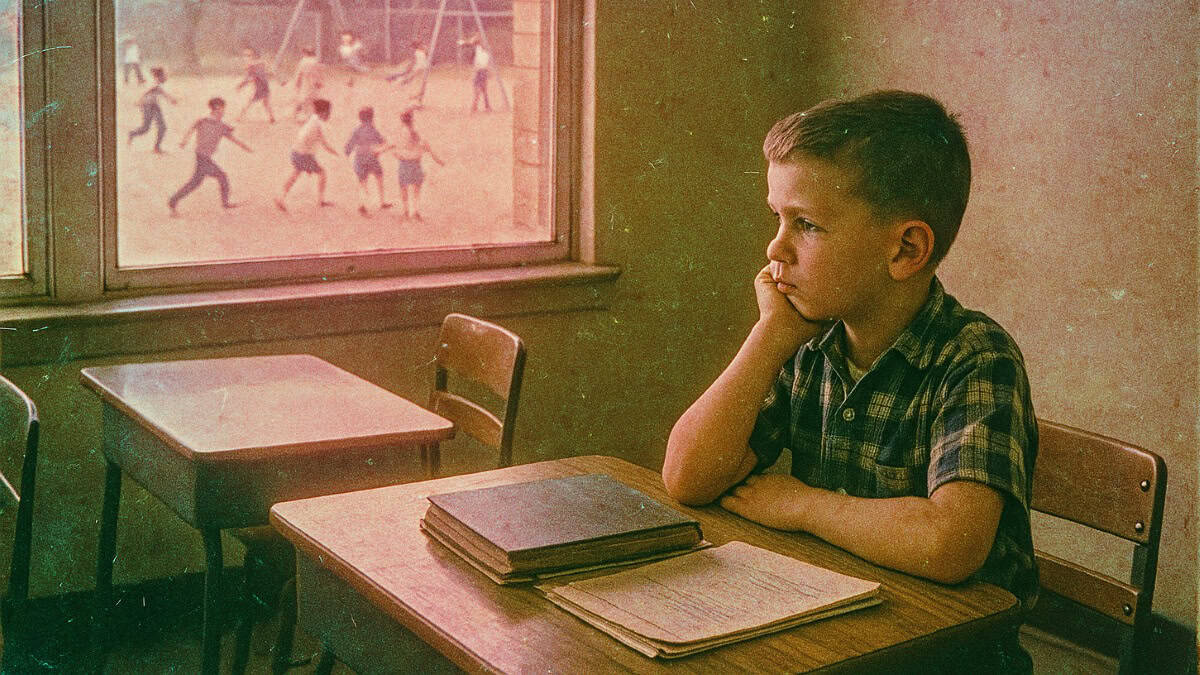
Losing part or all of recess was a powerful motivator for better behavior. Students would have to sit and watch their friends play while completing assignments or thinking about their actions. It was amazing how quickly behavior improved when recess was at stake.
14. The Progress Report

Weekly or monthly progress reports kept parents informed of both academic and behavioral performance. These weren’t just about grades – they included detailed notes about attitude, effort, and conduct. Parents actually read these reports and took action based on them.
15. The Silent Treatment

When the classroom got too rowdy, teachers would simply stop talking and stare. The silence would spread like a wave as students nudged each other to be quiet. No yelling, no threats – just the power of uncomfortable silence and that unmistakable teacher glare that could freeze mercury.