Growing up in a large family during the 1960s and 70s was an experience that shaped us in unique ways. From hand-me-downs to creative sleeping arrangements, those of us who came from families with four or more kids share a special understanding of what it meant to be part of a crowd. Here’s a nostalgic look at experiences that will resonate with anyone who grew up in a big family.
Table of Contents
- 1 1. The Hand-Me-Down Hierarchy
- 2 2. The Station Wagon Seating Chart
- 3 3. Lightning-Fast Shower Rotations
- 4 4. The Dinner Table Olympics
- 5 5. Creative Sleeping Arrangements
- 6 6. The Birthday Gift Consortium
- 7 7. The Telephone Time Limit
- 8 8. The Grocery Store Calculator
- 9 9. The Chore Assembly Line
- 10 10. The Noise Tolerance Level
- 11 11. The Built-in Babysitting Service
- 12 12. The Holiday Card Formation
- 13 13. The Leftovers Race
- 14 14. The TV Schedule Negotiations
- 15 15. The Christmas Morning System
- 16 16. The Built-in Audience
1. The Hand-Me-Down Hierarchy

Clothes followed a strict pecking order, moving from oldest to youngest like a well-organized conveyor belt. By the time a shirt reached the youngest child, it had developed its own history and character. The rare new piece of clothing was a major event, celebrated and envied by all siblings who would eventually inherit it.
Save for later
Want to come back to this story? Save it with your email so it is easy to find again.
2. The Station Wagon Seating Chart
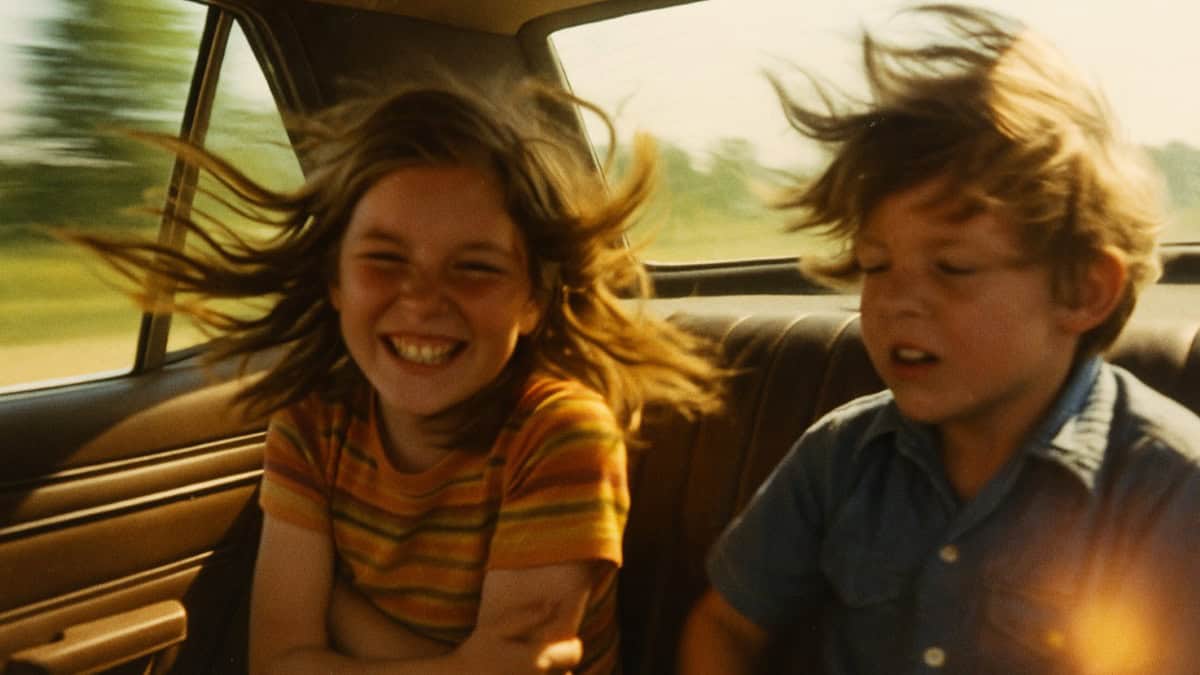
The family station wagon was a carefully orchestrated arrangement of bodies, with the coveted “way back” facing backward. Seating assignments were negotiated like diplomatic treaties, with complex rotations to ensure fairness. The lucky ones got window seats, while others were sandwiched in the middle, creating an intricate puzzle of limbs and elbows.
3. Lightning-Fast Shower Rotations
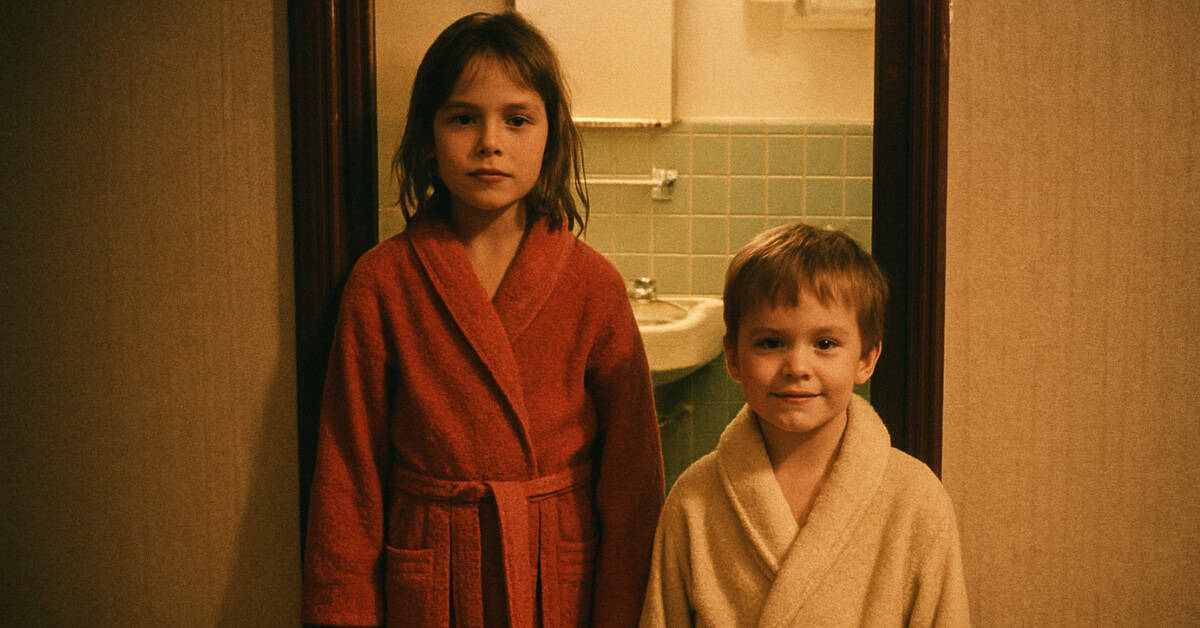
Morning routines were military operations, with strict time limits for bathroom use. You learned to shower in under five minutes or face the wrath of waiting siblings. The hot water was a precious commodity that rarely lasted through all the showers, making early wake-up times highly prized.
4. The Dinner Table Olympics

Dinner was a competitive sport where slow eaters risked missing out on seconds. The art of passing dishes, reaching for rolls, and protecting your plate from wandering forks was perfected early. Strategic seating was crucial – sitting next to the biggest eater could mean less food for you.
5. Creative Sleeping Arrangements
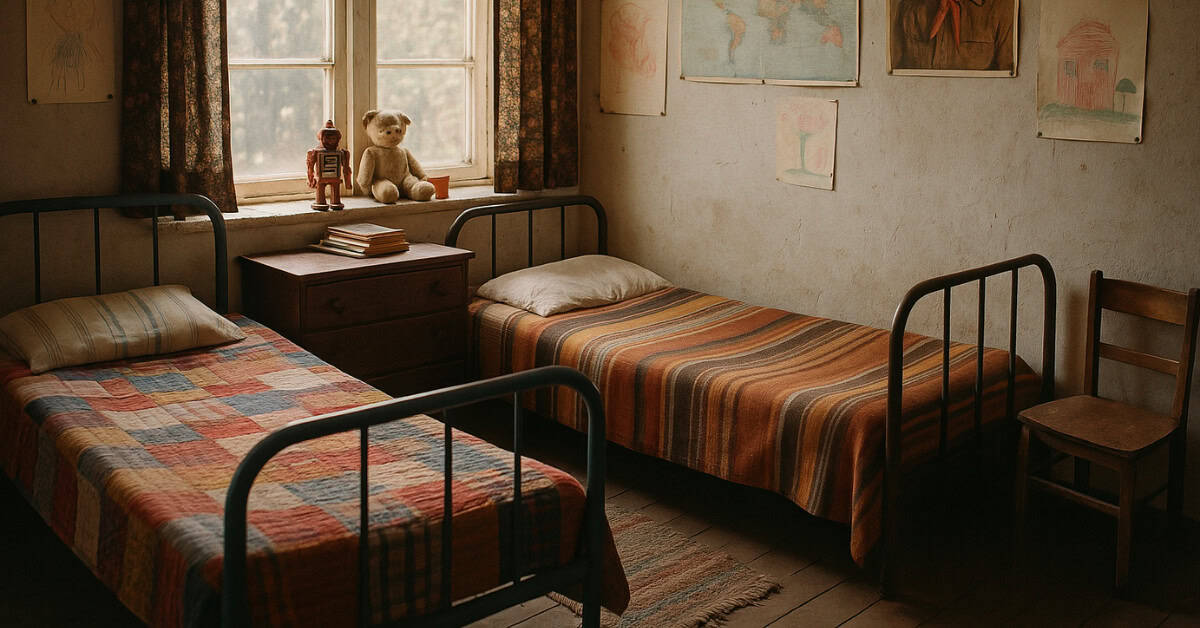
Bedrooms were shared territories with bunk beds, trundle beds, and sometimes even floor mattresses. Room assignments were diplomatic arrangements that changed as siblings grew. The concept of personal space was more theoretical than practical, and privacy was a luxury rarely experienced.
6. The Birthday Gift Consortium

With so many birthdays throughout the year, gift-giving became a group effort. Siblings would pool their meager resources to buy one decent present rather than several small ones. The birthday child learned to share their gifts immediately, knowing they’d be community property anyway.
7. The Telephone Time Limit
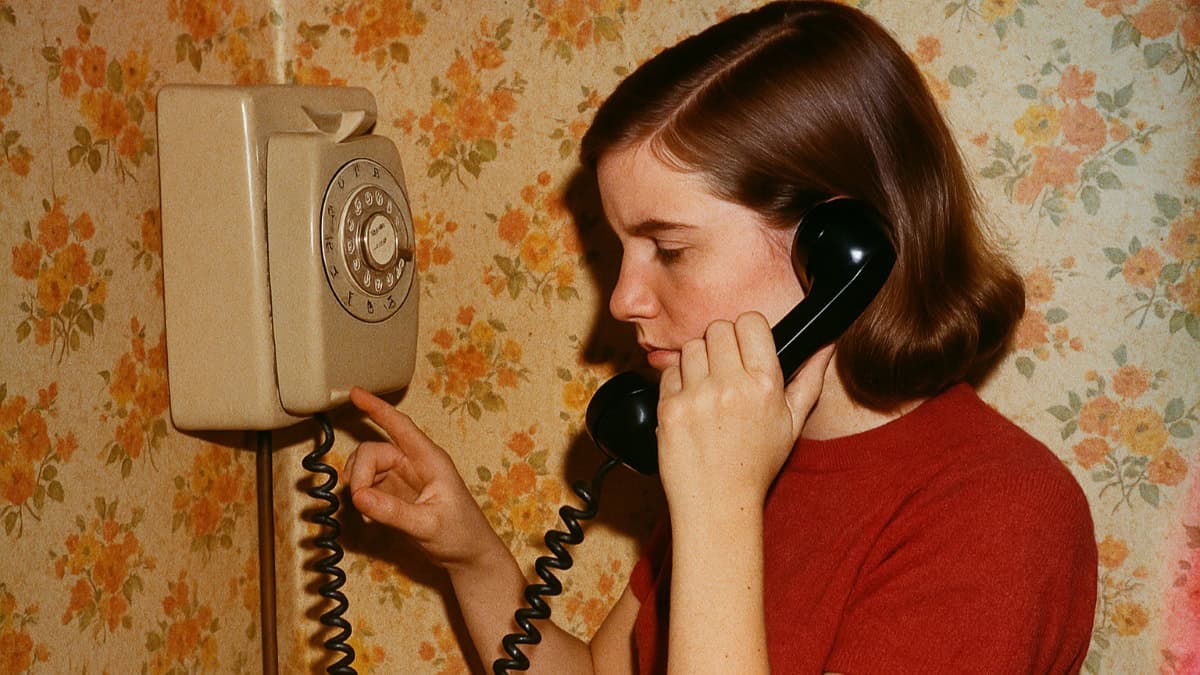
One phone line meant strict time limits and an audience for every call. Siblings would hover nearby, timing your conversation and making faces. The art of the quick conversation was mastered early, and private discussions were conducted in code to throw off eavesdropping siblings.
8. The Grocery Store Calculator
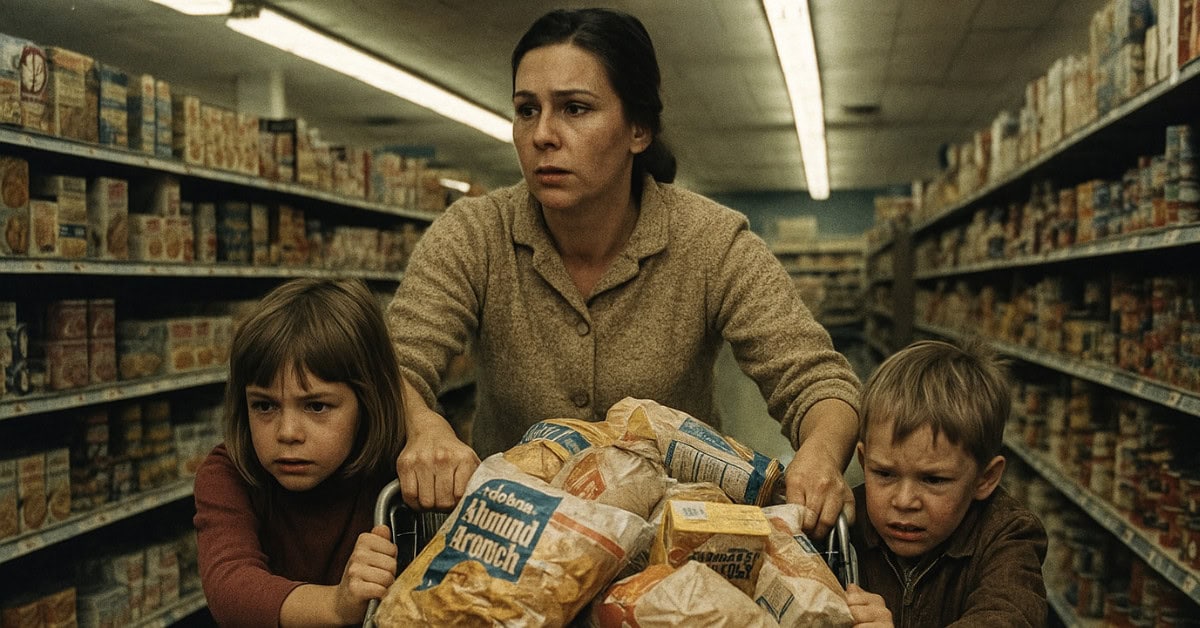
Shopping trips were exercises in mathematics and negotiation. Mom would mentally calculate costs while kids lobbied for their favorite cereals. The cart would be filled to overflowing, and bagging groceries was a Tetris-like challenge that required all hands on deck.
9. The Chore Assembly Line
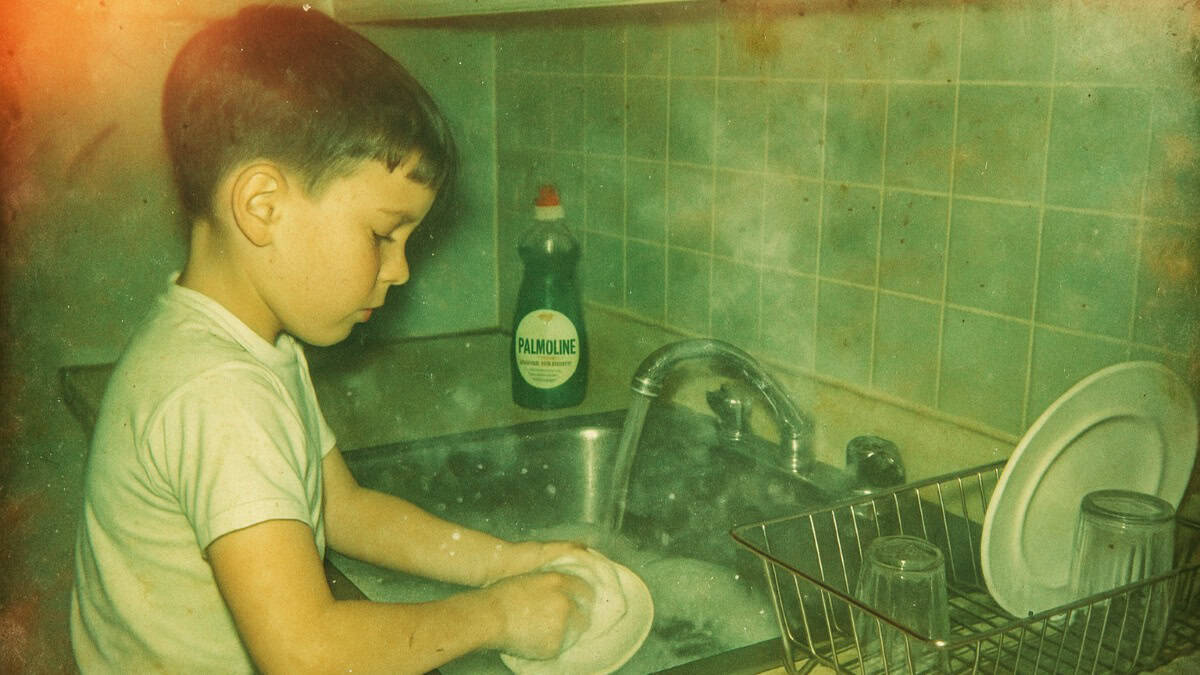
Housework was divided with assembly-line efficiency. One washed dishes, another dried, and another put away. Laundry days were major operations involving multiple sorting piles and complex folding stations. The challenge was making sure everyone did their fair share.
10. The Noise Tolerance Level
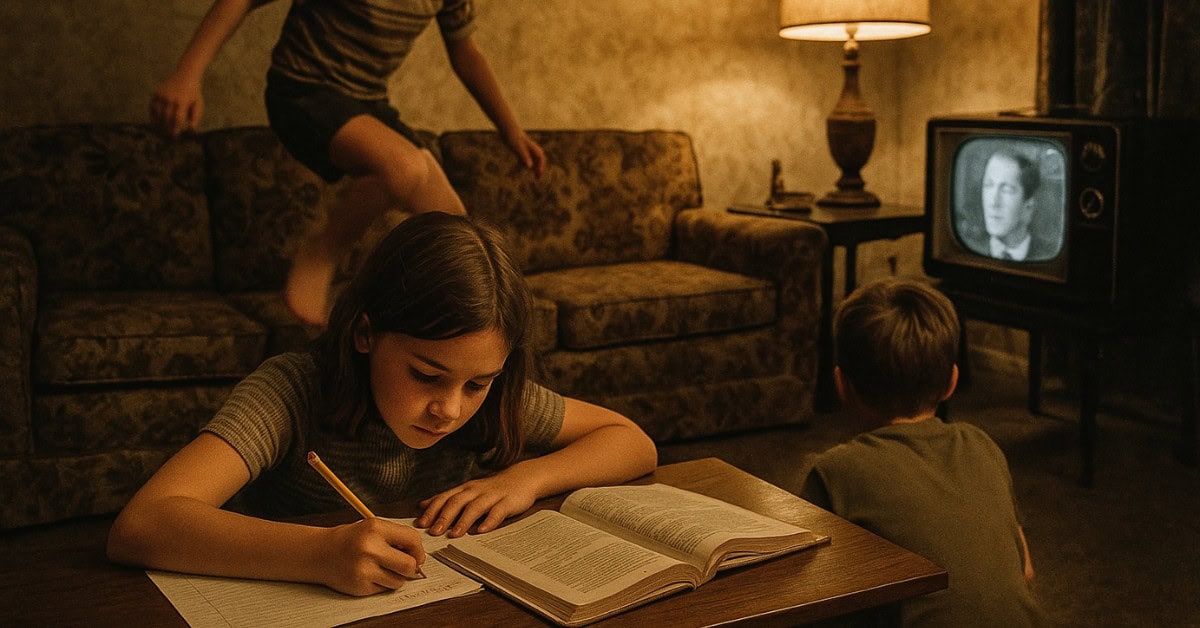
Quiet was a foreign concept in a house full of kids. The constant background noise of multiple conversations, TV shows, and general chaos became normal. You developed the ability to focus amid mayhem and sleep through almost anything.
11. The Built-in Babysitting Service

Older siblings were automatic babysitters for the younger ones. This meant instant childcare experience but also meant sacrificing many weekend nights. The upside was learning responsibility early; the downside was missing out on social events to watch your siblings.
12. The Holiday Card Formation
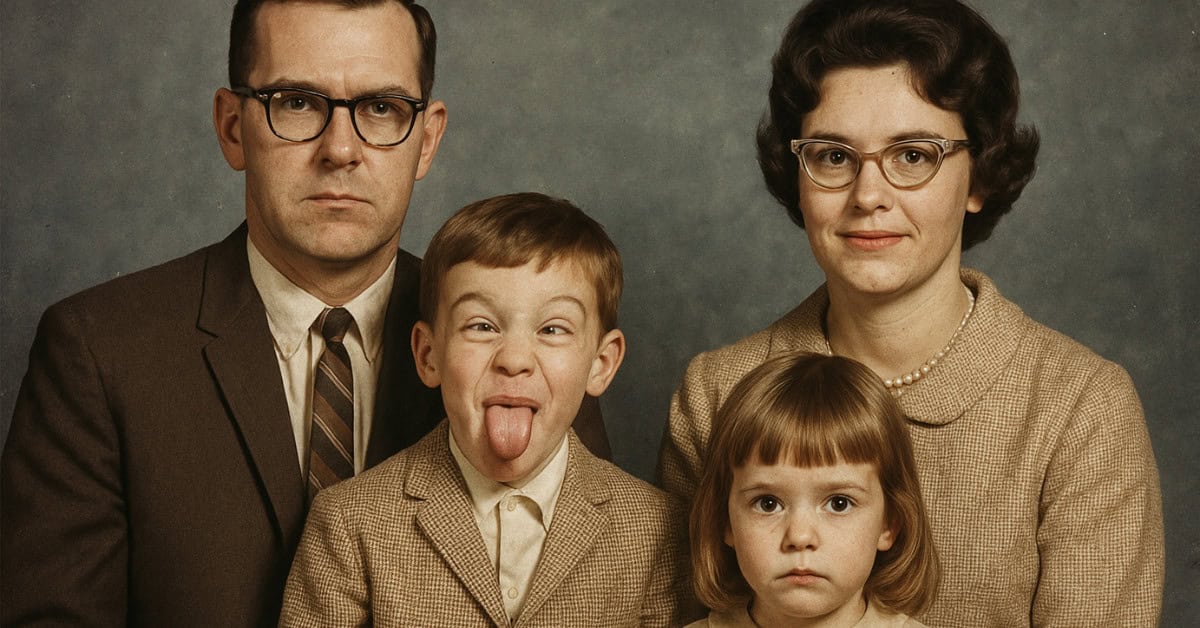
Family photos were military operations requiring multiple takes and complex arrangements by height. Getting everyone to smile simultaneously was like hitting the lottery. At least one sibling was usually blinking, looking away, or making a face in the final shot.
13. The Leftovers Race
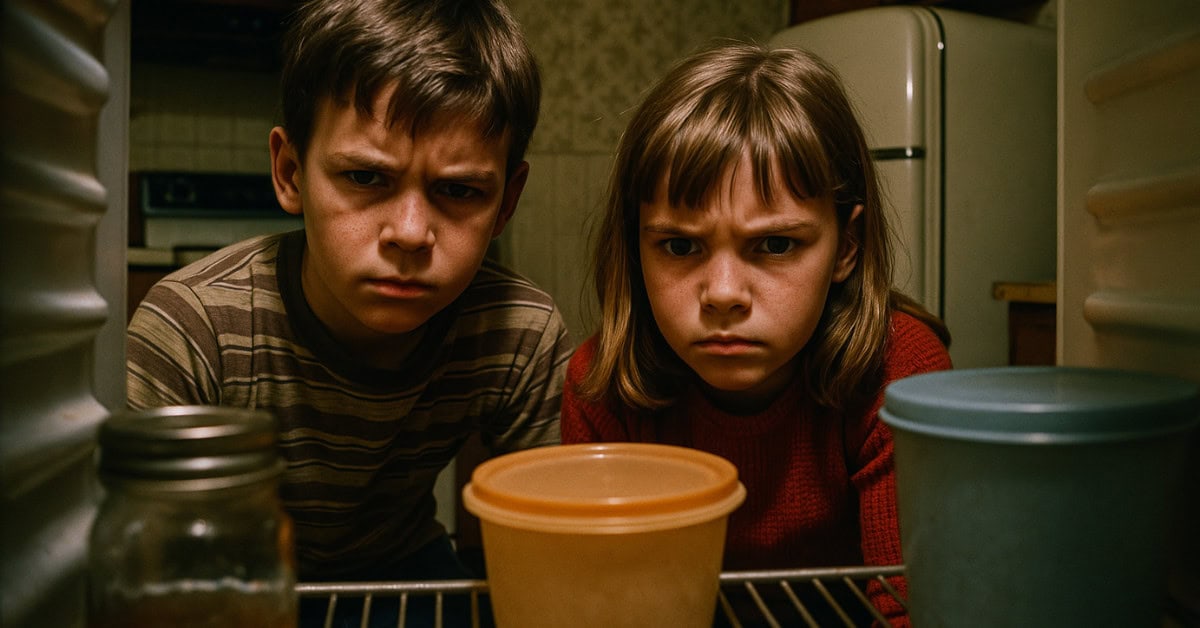
Good leftovers disappeared at lightning speed. The early bird got the last piece of pie, and midnight snackers learned to be stealthy. Labels with names and dates on food containers were common but often ignored in the competitive world of leftover claiming.
14. The TV Schedule Negotiations
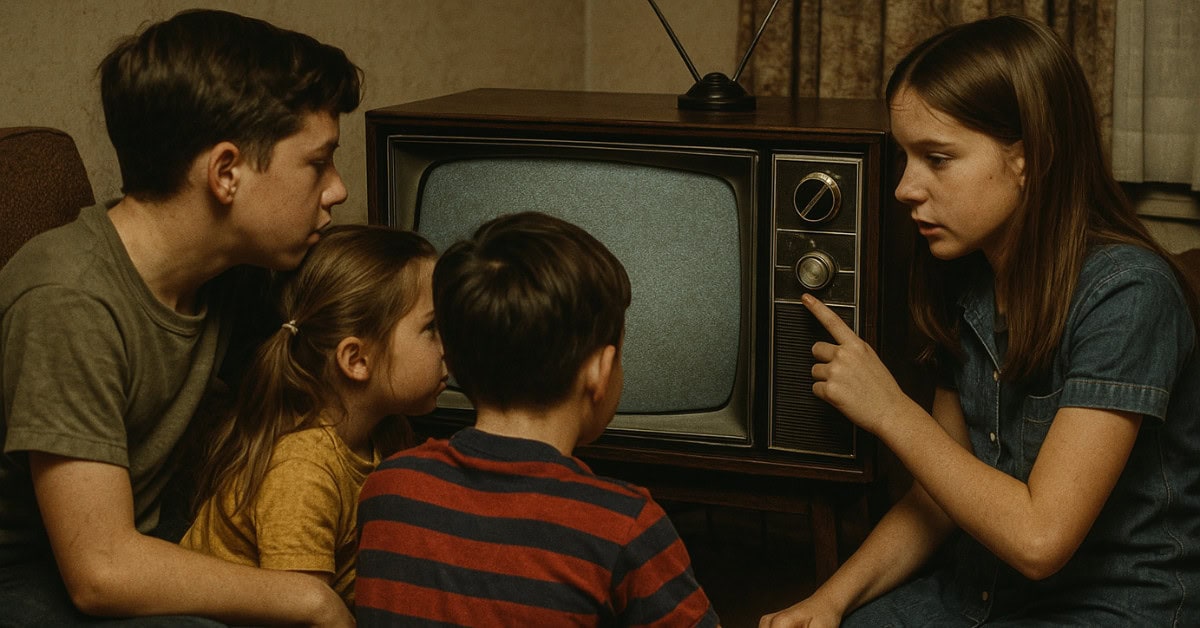
One TV meant complex negotiations over what to watch. Show preferences were traded like commodities, and alliances were formed to outvote siblings. The person controlling the channel knob held temporary power over the entire family’s entertainment.
15. The Christmas Morning System
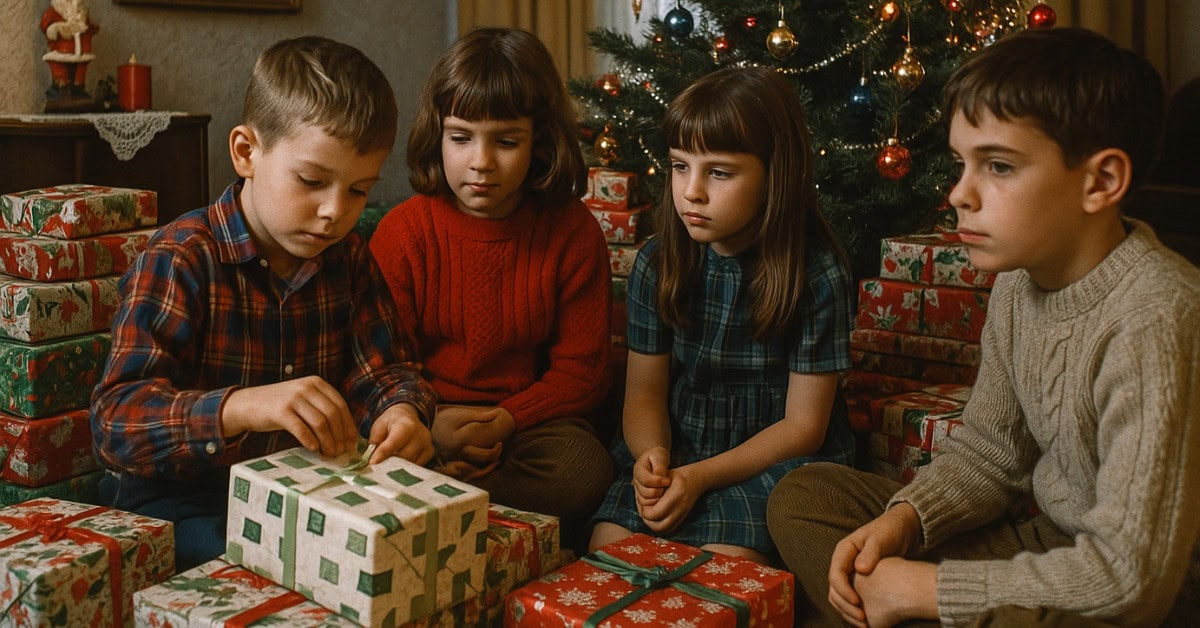
Opening presents required a sophisticated system to ensure fairness. Gifts were distributed in rounds, with each child opening one gift at a time while others watched. The process took hours, but everyone learned patience and the art of looking grateful for underwear and socks.
16. The Built-in Audience
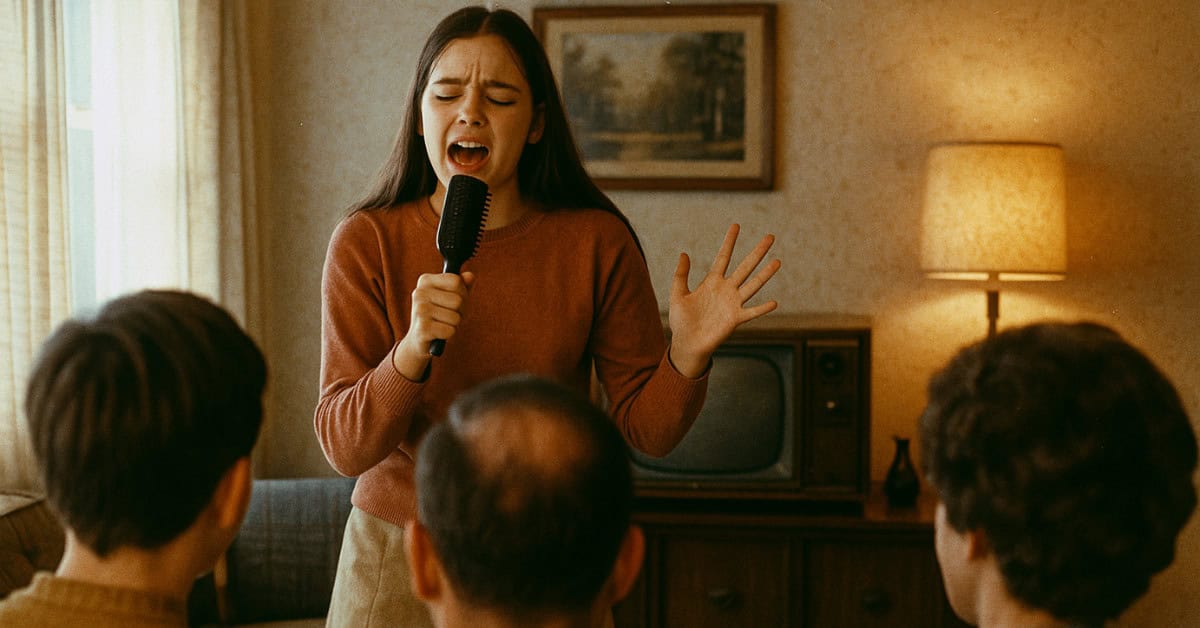
Every achievement, embarrassment, or performance had a guaranteed audience. Whether it was a piano recital, a new outfit, or a first date, siblings were there to cheer, tease, or offer unsolicited advice. Privacy was rare, but you always had someone to share life’s moments with.