Growing up in the 1960s and early 70s, we learned life lessons through disciplinary methods that might raise eyebrows today. But looking back, these practices taught us responsibility, respect, and resilience – qualities that seem increasingly rare in today’s “everyone gets a trophy” world. Let’s explore some of these character-building approaches that helped shape our generation.
Table of Contents
- 1 1. Natural Consequences
- 2 2. The Early Curfew
- 3 3. Meaningful Work Assignments
- 4 4. Limited Television Time
- 5 5. The Dinner Table Rule
- 6 6. Community Accountability
- 7 7. The Value of Boredom
- 8 8. Earned Privileges
- 9 9. Respect for Authority
- 10 10. The Power of Silence
- 11 11. Learning from Mistakes
- 12 12. The Importance of Apologies
- 13 13. The Written Word
1. Natural Consequences

If you forgot your lunch, you went hungry. If you didn’t wear a coat, you got cold. Parents understood that letting children experience the natural results of their choices was the best teacher. This approach helped us develop foresight and personal responsibility, teaching us to think through our decisions rather than expecting others to solve our problems.
Save for later
Want to come back to this story? Save it with your email so it is easy to find again.
2. The Early Curfew

“Be home when the street lights come on” wasn’t just a suggestion – it was law in most households. Breaking curfew meant losing privileges and facing real consequences. This system taught us time management, respect for rules, and the importance of keeping our word. The consistency of this expectation created a reliable structure that helped shape responsible behavior.
3. Meaningful Work Assignments

Chores weren’t optional, and they weren’t rewarded with allowance – they were your contribution to the family. From mowing lawns to washing dishes, these tasks taught us the value of hard work and the satisfaction of a job well done. The responsibility of maintaining a household showed us that everyone needs to contribute to make a system work.
4. Limited Television Time

Television was a privilege, not a right, and screen time was strictly controlled. Most families had one TV, and children’s viewing was limited to specific shows at specific times. This taught us to manage our time wisely, find creative ways to entertain ourselves, and appreciate special treats rather than expecting constant entertainment.
5. The Dinner Table Rule
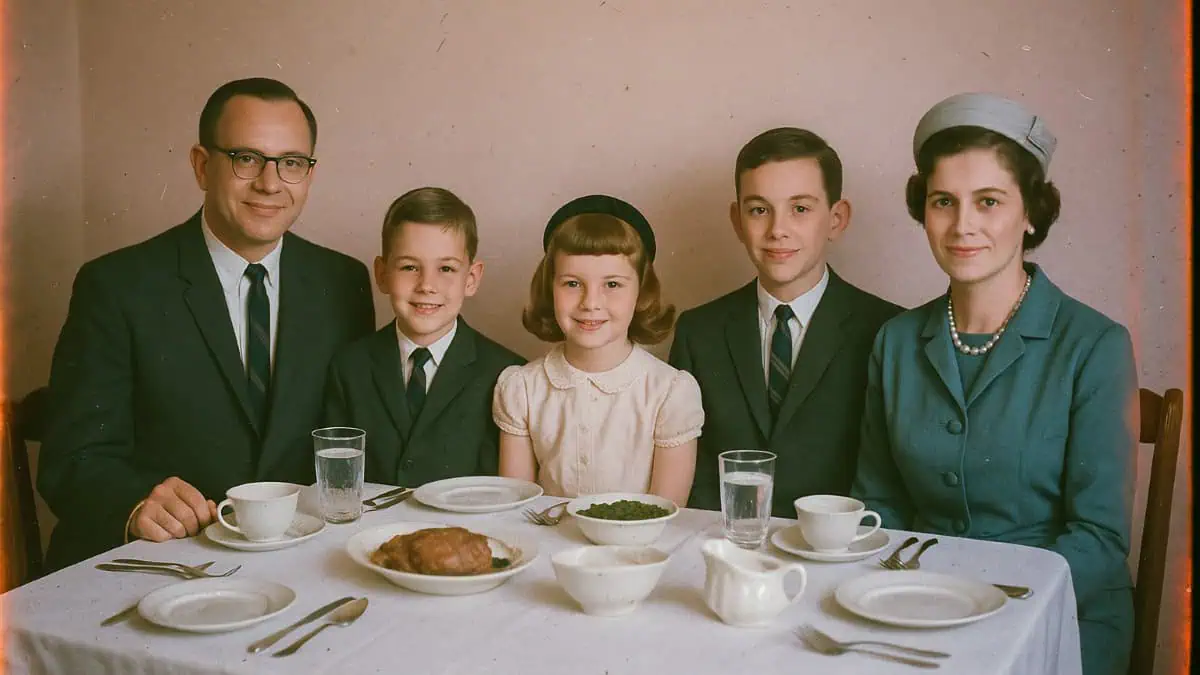
Everyone ate what was served, when it was served, at the table together. No special meals, no eating in front of the TV, and no leaving until excused. This practice taught us gratitude, proper manners, and the art of conversation. It also reinforced family bonds and respect for the effort that went into preparing meals.
6. Community Accountability

Neighbors could report your misbehavior to your parents, and their word was taken seriously. This created a community-wide standard of behavior that was consistently enforced. Knowing that adults were watching and would report misconduct helped keep us in line and taught us to represent our families well in public.
7. The Value of Boredom
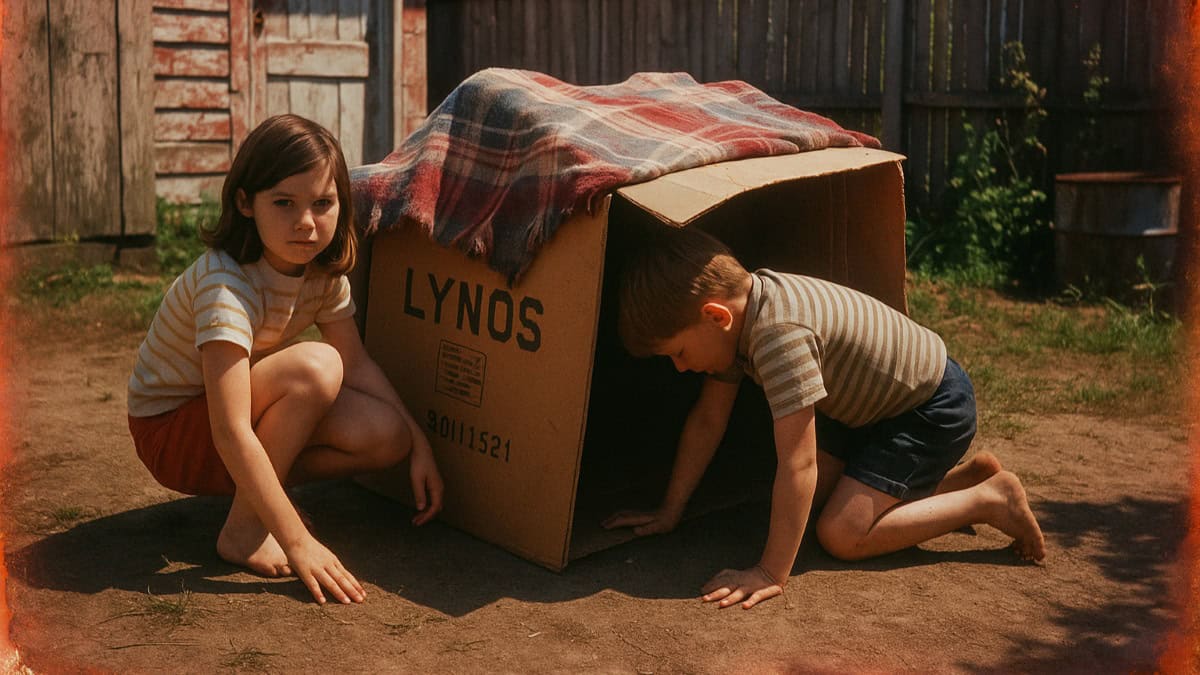
Complaining about being bored wasn’t tolerated – it was seen as a lack of imagination. Parents didn’t feel responsible for entertaining us constantly, which forced us to develop creativity and self-reliance. This approach helped us become resourceful and learn to enjoy our own company.
8. Earned Privileges

Special treats, outings, and privileges had to be earned through good behavior and responsibility. Nothing was given just to keep us happy or quiet. This system taught us the connection between effort and reward, helping us develop a strong work ethic and appreciation for earned success.
9. Respect for Authority

Talking back to teachers or other adults wasn’t just discouraged – it was unthinkable. We were taught to show respect to authority figures through our words and actions. This foundation of respect helped us navigate professional relationships and understand proper social boundaries throughout our lives.
10. The Power of Silence

Time-outs weren’t just about sitting in a corner – they were opportunities for reflection. This quiet time helped us learn self-control and how to process our emotions constructively. The practice taught us that taking time to think before acting often leads to better decisions.
11. Learning from Mistakes

Parents didn’t rush to fix every problem we encountered. Making mistakes was seen as an essential part of growing up, and we were expected to find solutions ourselves. This approach helped us develop problem-solving skills and resilience in the face of challenges.
12. The Importance of Apologies

When we messed up, a sincere apology was required – and it had to include an explanation of what we did wrong and how we’d do better next time. This practice taught us accountability and the importance of making things right when we’ve caused harm. It wasn’t just about saying sorry – it was about understanding and growth.
13. The Written Word

Writing lines or essays about our misbehavior wasn’t just busy work – it forced us to think deeply about our actions and their consequences. This reflective practice helped develop critical thinking skills and emotional intelligence. The act of writing out our thoughts created lasting lessons that simple punishments couldn’t achieve.