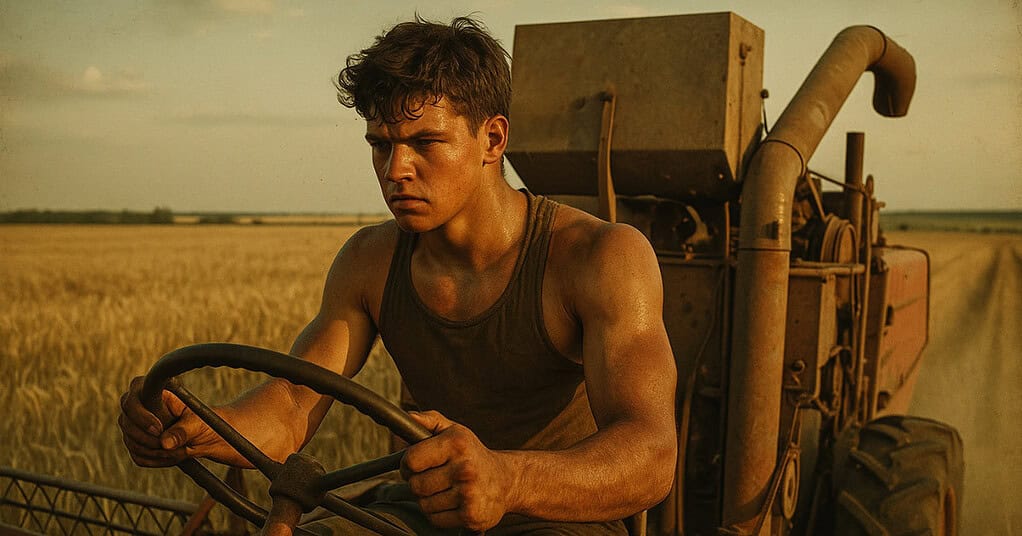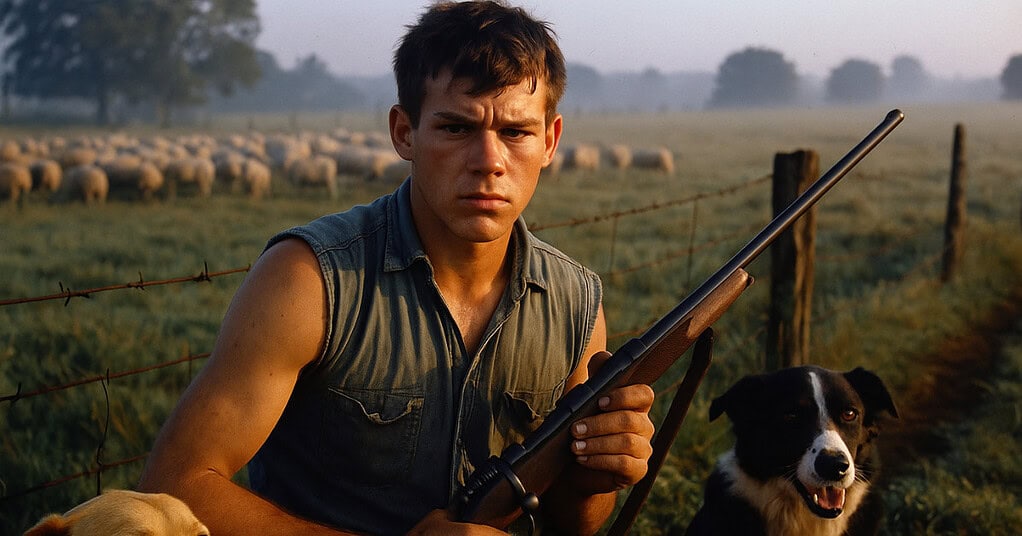
The evolution of urban environments, with their towering buildings, glittering lights, and booming technology, has forever changed the definition of childhood. However, farm families, especially in the 1960s and 70s, were pioneers to the lifestyle of urban children. Their daily lives were busy with the farming and all the responsibilities that entailed. They operated machinery, understood how to manage farm animals, and acquired a number of other practical life skills. Here are some of the life skills that today’s children living in the city would struggle to understand and appreciate.
Table of Contents
- 1 1. Operating Tractors by Age 10
- 2 2. Early Morning Responsibilities
- 3 3. Hay Baling Expertise
- 4 4. Natural Weather Prediction
- 5 5. Fence Maintenance
- 6 6. Crop Knowledge
- 7 7. Equipment Maintenance
- 8 8. Natural Navigation
- 9 9. Animal Healthcare
- 10 10. Food Preservation
- 11 11. Water Management
- 12 12. Tool Proficiency
- 13 13. Predator Management
- 14 14. Emergency Veterinary Care
1. Operating Tractors by Age 10

Operating tractors and other farm vehicles was a daily occurrence, years before we were legally allowed to drive. Understanding and controlling an implement was as easy for us as riding a bike, and was just second nature.
Save for later
Want to come back to this story? Save it with your email so it is easy to find again.
2. Early Morning Responsibilities
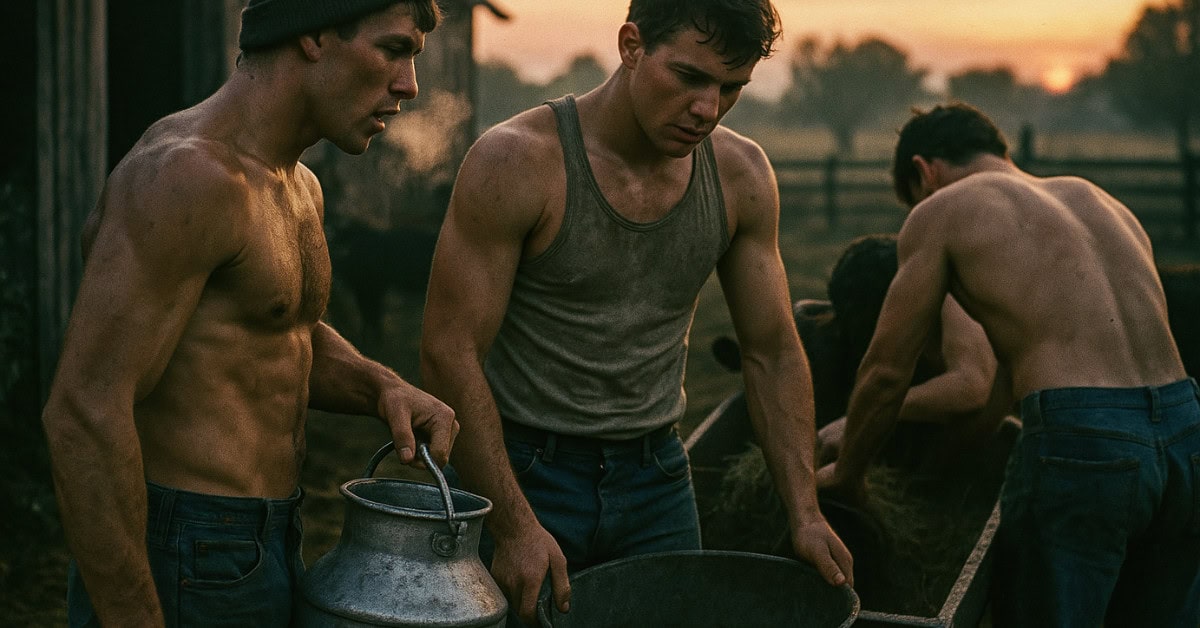
Before most people were even awake, we started our days milking and feeding the animals. This was not optional as the animals depended on us. The work that needed to be done before people awakened, along with the organizational skills learned when managing your time, instated a solid work ethic in all of us.
3. Hay Baling Expertise
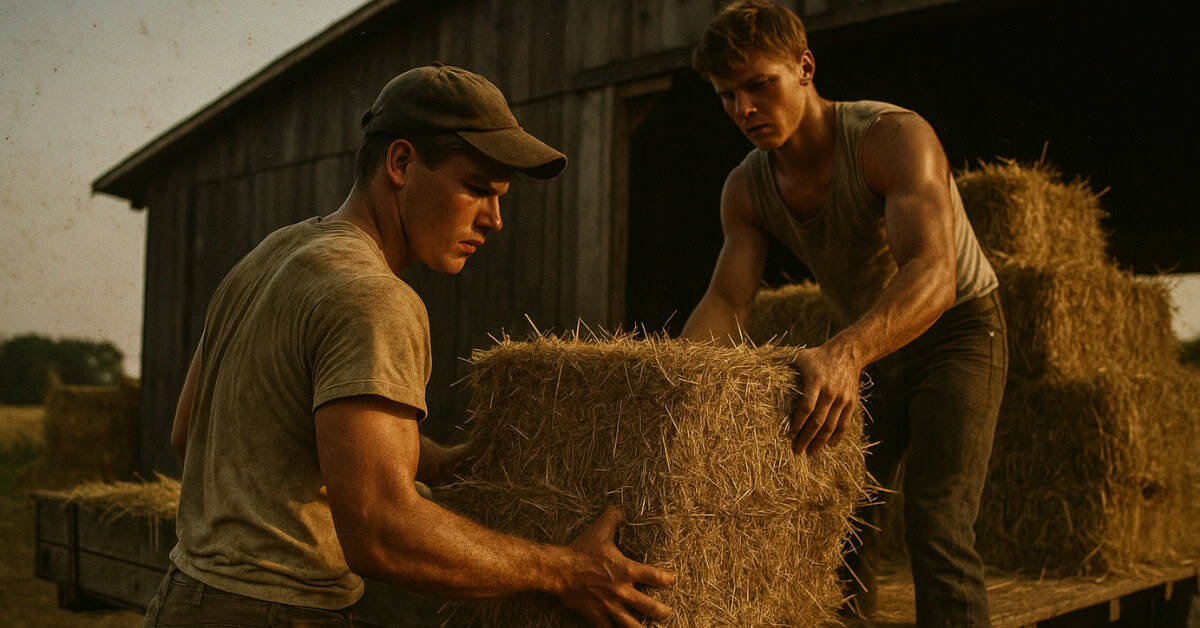
We all learned how to store and stack bales of hay in such a way that the animals would survive the winter. This was not just hard work – it was also a skill. Hay needs to be stacked at the right tightness, and understanding timing (in relation to the weather), the moisture content of the hay, and the structure of the stack was all important.
4. Natural Weather Prediction
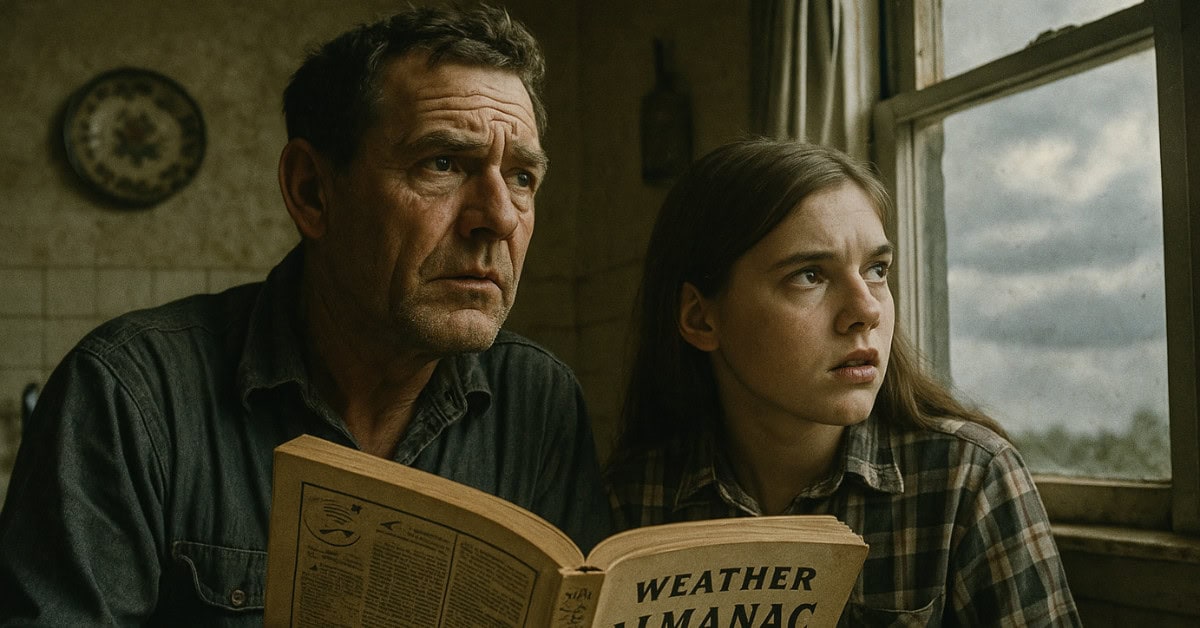
We learned to read the weather through the clouds, wind patterns, and even animal behaviors, so that we could predict storms before there were even weather apps. This knowledge was used to determine when the right times were to plant and harvest to protect our crops from the storms.
5. Fence Maintenance

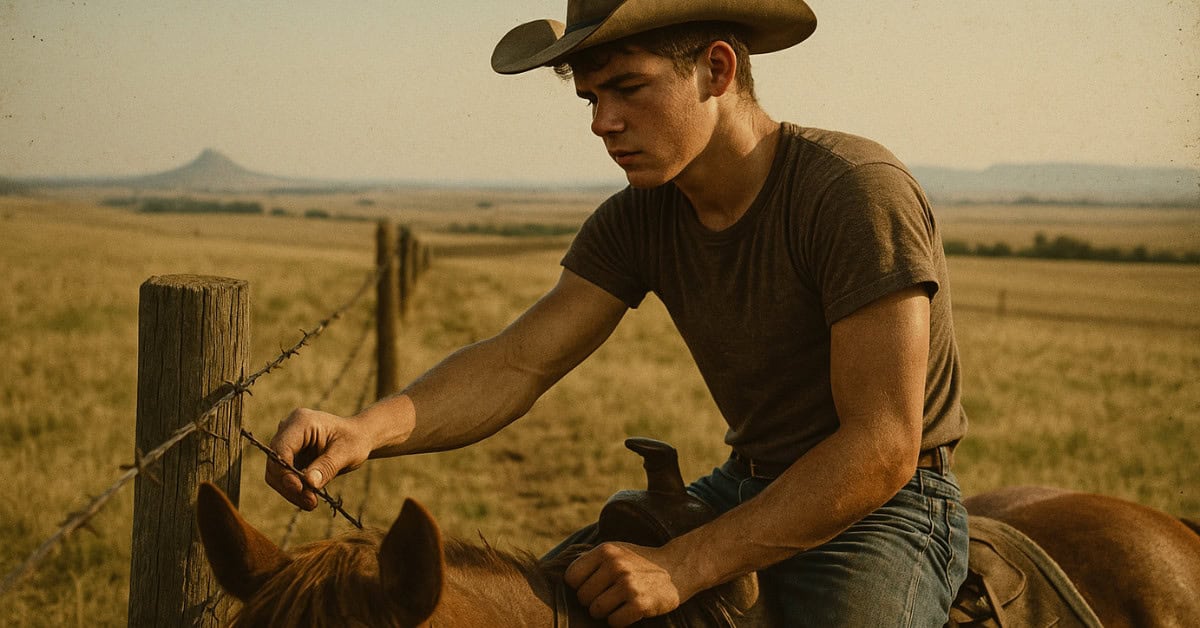
As a child, I was expected to learn how to maintain wire fencing and even test and repair fences. This was non-negotiable. Loose livestock could lead to catastrophic outcomes. Proper knowledge regarding different types of fences, safety procedures, and the right methods to apply tension were required.
6. Crop Knowledge
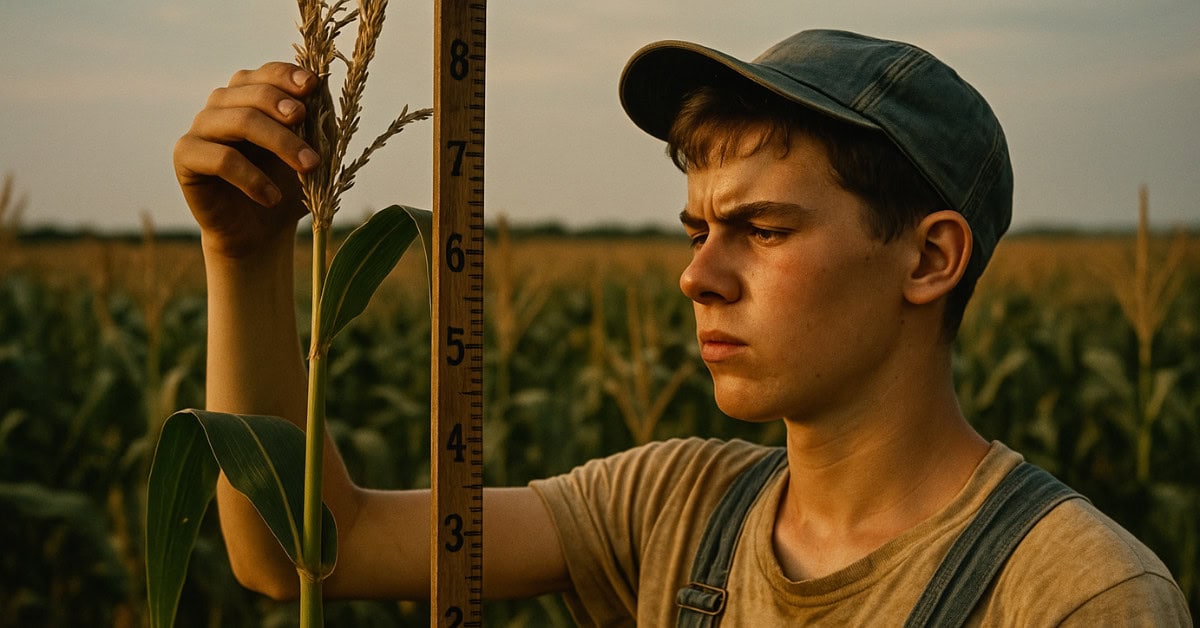
We were uniquely equipped to recognize many crops during their different growth phases and knew the best times to plant or harvest. Our knowledge also extended to soil conditions, pests and when they posed a problem, and the weather, which ultimately determined our connection to food production. We understood this to be direct and critical.
7. Equipment Maintenance
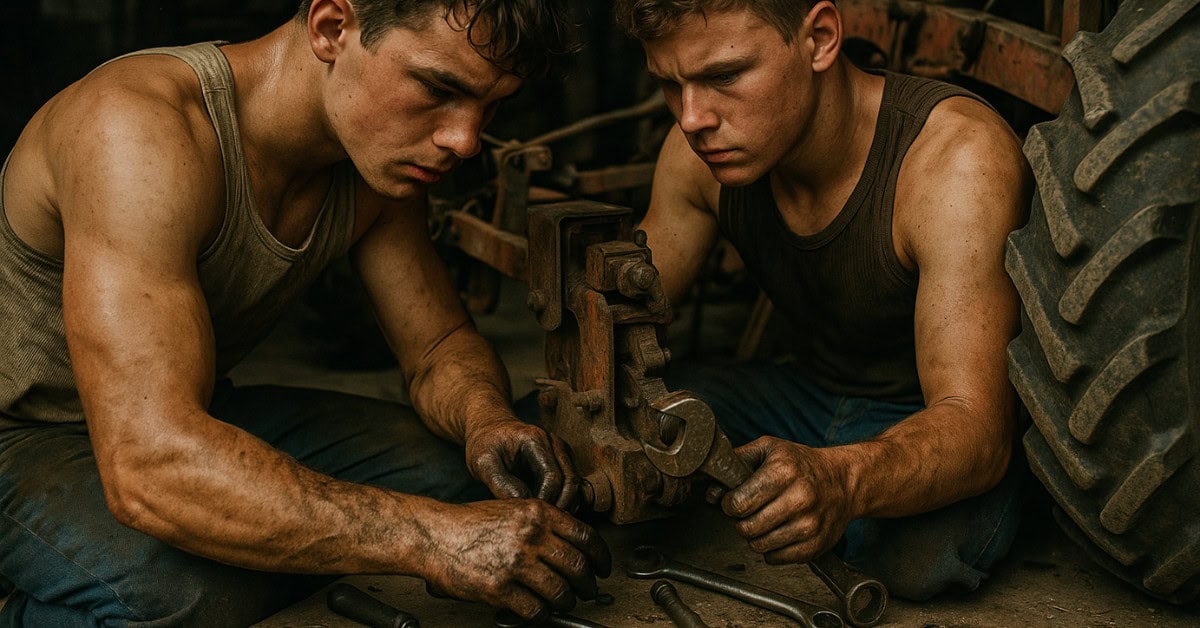
It was equally important for us to understand how to maintain all of the farm equipment. We understood how to change oil, grease fittings, and complete minor repairs on everything from tractors to combines. Mechanic waits during vital harvest periods were impractical.
We adapted to large landscapes by using natural landmarks including the sun’s position to our advantage. Each of us developed an understanding of the various control boundaries of the property, the lay of the land, and how to navigate through different weather conditions to be able to manage livestock and cultivate far-reaching, uninhabited fields.
9. Animal Healthcare

Basic veterinary skills were part of daily life. We could recognize common ailments, provide and administer medications, and manage injuries, minor and otherwise. Knowing animal behavior and health signs was a requirement to maintain healthy livestock.
10. Food Preservation
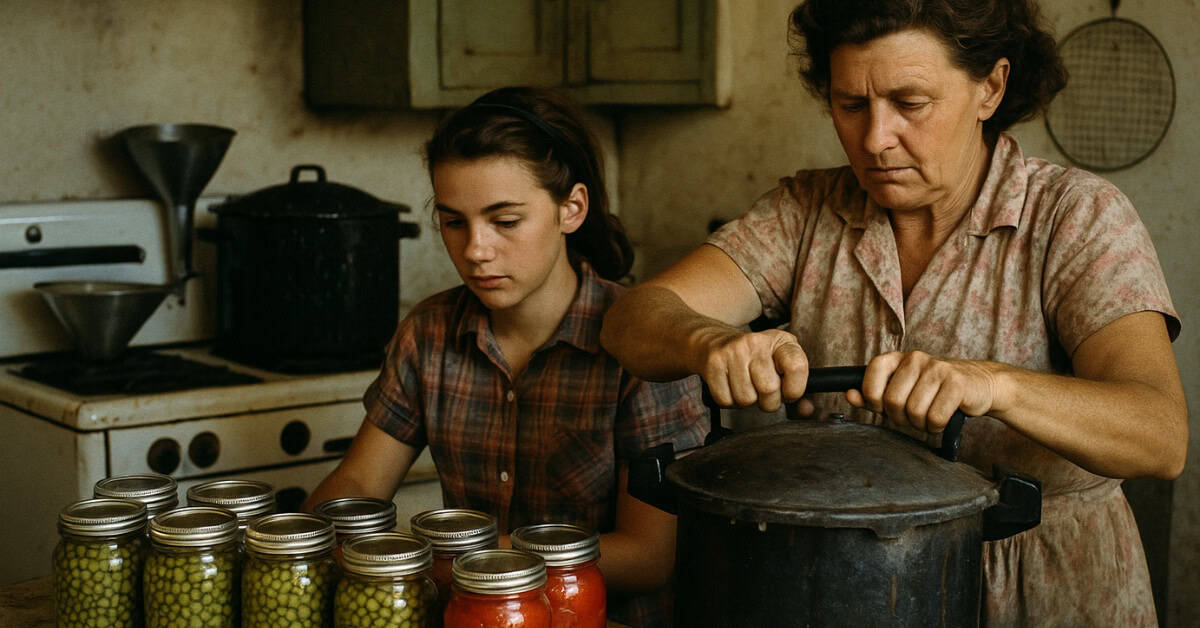
Canning, smoking, and preserving food were essential skills learned early. We understood proper techniques for different foods, safety measures, and storage requirements. This knowledge meant the difference between having food through winter and going without.
11. Water Management
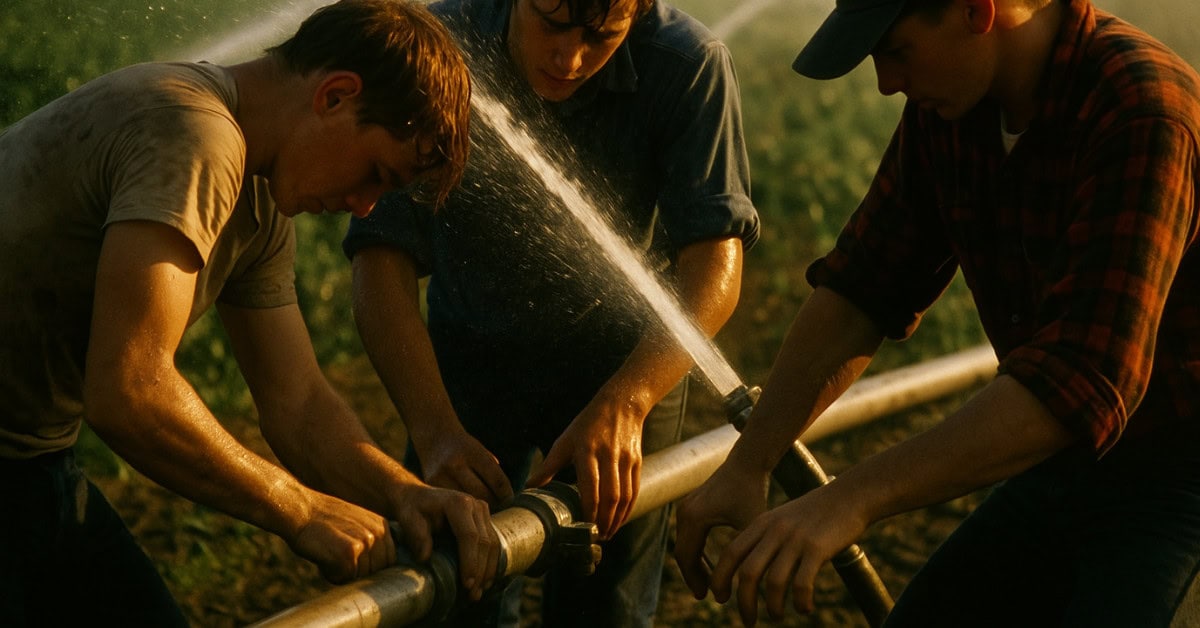
Understanding irrigation systems, well maintenance, and water conservation was crucial. We could repair pipes, adjust flow rates, and recognize signs of water problems in crops and animals. This wasn’t just about maintenance – it was about managing a precious resource essential for survival.
12. Tool Proficiency

We became experts in all the tools we had in the barn including post hole diggers and hay hooks. We learned about each tool’s specific uses, techniques, and how to do proper upkeep. Then we learned about power tools and other specialized farming tools that most kids from the city would have never seen.
13. Predator Management
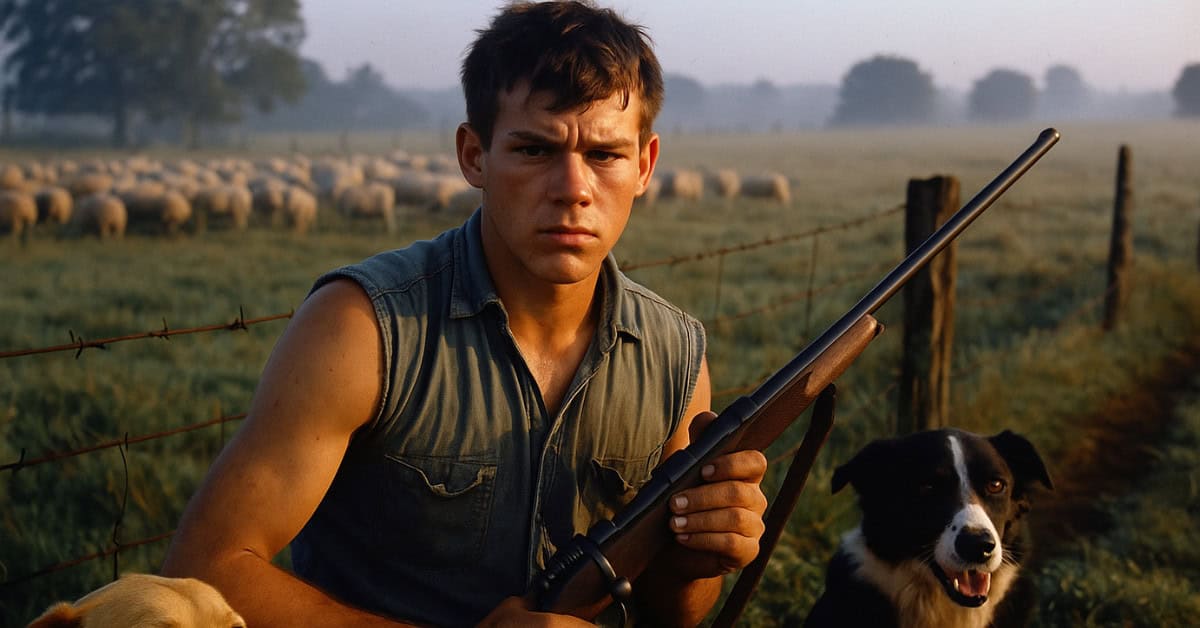
To protect our animals from predators, we had to learn about animal behavior and how to implement effective deterrents. We learned the signs of predator presence and how to take the right protective measures including the right kind of fencing and the use of guard animals.
14. Emergency Veterinary Care
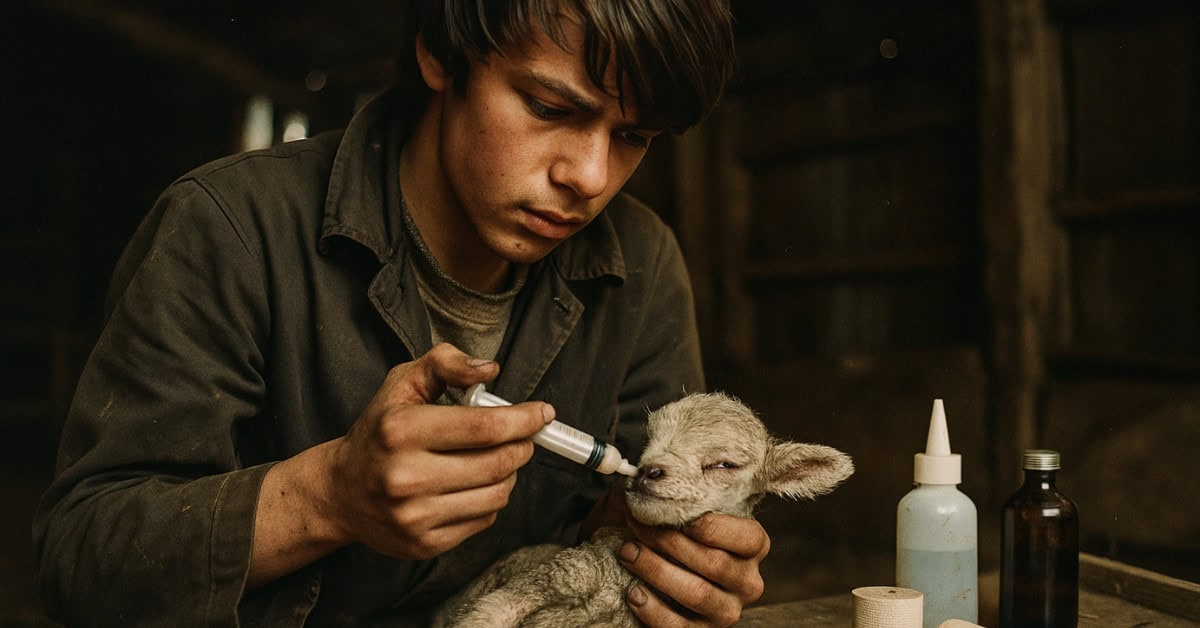
In situations when the animals needed urgent attention and the veterinarian was several hours away, we had to manage emergencies on our own. We learned how to remain calm and make the right choices that could save the lives of valuable livestock and assist with difficult births.