Growing up in the 1960s and early 70s meant experiencing childhood without digital distractions or constant connectivity. From creating our own entertainment to developing real-world social skills, we learned to navigate life without the technological crutches that today’s kids rely on. Here’s a look at experiences that only those who grew up in the pre-digital age will truly understand.
Table of Contents
1. Making Your Own Fun
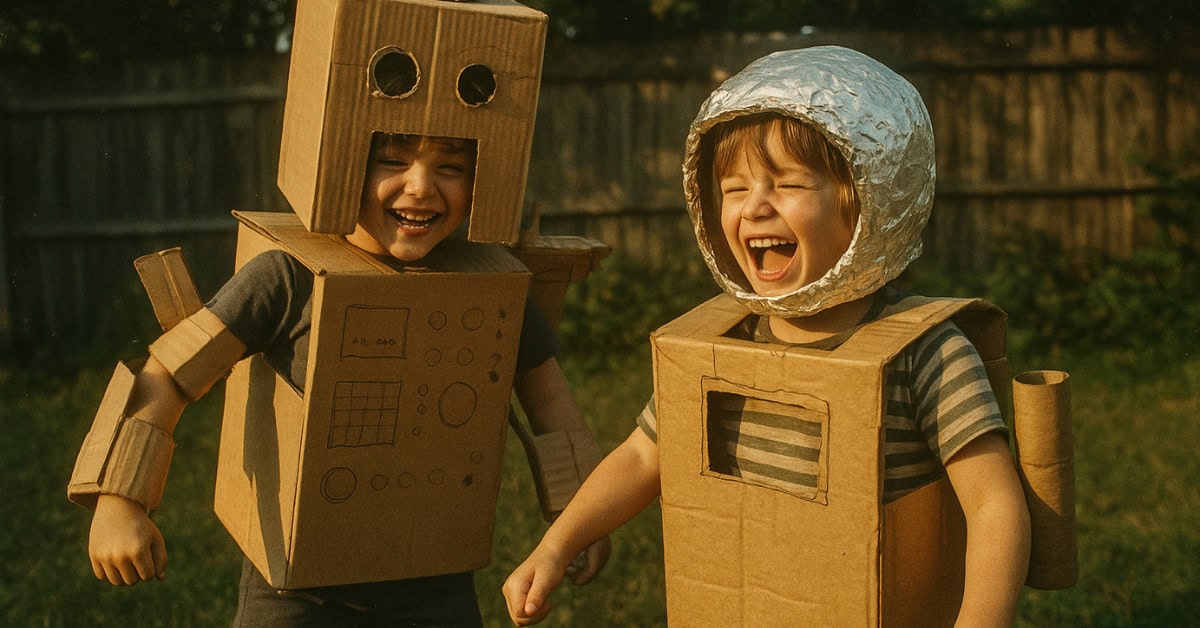
Without screens or organized activities, we created our own entertainment. Cardboard boxes became spaceships, empty lots transformed into baseball fields, and sticks turned into magic wands. This unstructured play developed creativity, problem-solving skills, and the ability to entertain ourselves without constant stimulation.
Save for later
Want to come back to this story? Save it with your email so it is easy to find again.
2. Face-to-Face Social Skills

Communication happened in person, requiring real interpersonal skills. We learned to read body language, handle confrontations directly, and develop genuine relationships. These face-to-face interactions taught us valuable social skills that no emoji could replace.
3. Library Research Skills

Finding information meant mastering the card catalog and understanding the Dewey Decimal System. We learned to cross-reference, take detailed notes, and evaluate multiple sources. This developed real research abilities and critical thinking skills that went deeper than any Google search.
4. Map Reading Mastery

Navigation required understanding paper maps and developing real spatial awareness. We learned to read topography, calculate distances, and plan routes without GPS assistance. Getting lost meant using problem-solving skills and observation to find your way.
5. Phone Etiquette

One phone line meant developing proper telephone manners and consideration for others. We mastered the art of taking detailed messages, respecting shared phone time, and having real conversations. These skills taught patience and effective verbal communication.
6. Letter Writing

Correspondence was an art form requiring thought and effort. We learned proper writing structure, developed personal writing styles, and understood the value of thoughtful communication. The anticipation of receiving replies taught patience and appreciation.
7. Memory Development

Without digital reminders, we developed strong memory skills. Phone numbers, appointments, and important dates were committed to memory. This mental exercise kept our minds sharp and taught us to rely on our own cognitive abilities.
8. Patience Building

Life moved at a slower pace, teaching us the value of patience. Whether waiting for photos to develop or letters to arrive, we learned that good things take time. This developed resilience and the ability to delay gratification.
9. Creative Problem Solving

Without instant solutions at our fingertips, we developed innovative problem-solving skills. From fixing broken toys to finding creative entertainment, we learned to think outside the box and use available resources effectively.
10. Time Management
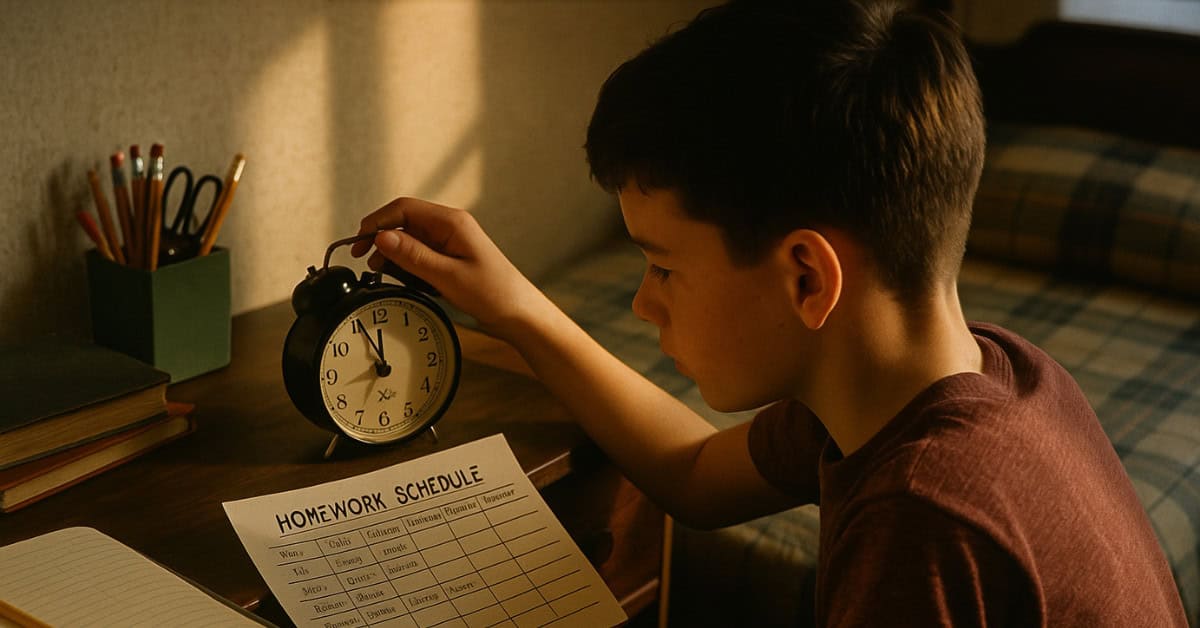
Managing time without digital reminders required real planning skills. We learned to estimate durations, plan ahead, and keep track of commitments mentally. This developed natural time awareness and responsibility.
11. Social Planning

Organizing get-togethers required actual planning and commitment. We learned to make and keep plans without instant messaging or last-minute changes. This developed reliability and social responsibility.
12. Real Photography Skills

With limited exposures on each roll of film, we learned to compose shots carefully and make each one count. Understanding lighting, timing, and composition was crucial. This taught us to appreciate the value of capturing genuine moments.