As smartphones have become our constant companions, many once-essential skills have quietly slipped into obsolescence. These abilities, which were once part of everyday life, are now largely forgotten or unnecessary. From mental math to handwritten directions, here’s a look at the basic skills that smartphones have rendered nearly extinct.
Table of Contents
- 1 1. Reading a Paper Map
- 2 2. Memorizing Phone Numbers
- 3 3. Mental Math
- 4 4. Handwriting
- 5 5. Planning Ahead
- 6 6. Using Physical Reference Materials
- 7 7. Remembering Appointments
- 8 8. Making Small Talk
- 9 9. Writing Letters
- 10 10. Time Management
- 11 11. Face-to-Face Communication
- 12 12. Memory Skills
- 13 13. Problem Solving
- 14 14. Patience
1. Reading a Paper Map

Before GPS, navigating required understanding map legends, topography, and scale. We kept folded maps in our glove compartments and planned routes in advance. The skill of refolding a map correctly was itself an art form, and getting lost meant real problem-solving, not just rerouting.
Save for later
Want to come back to this story? Save it with your email so it is easy to find again.
2. Memorizing Phone Numbers

Our brains were once personal phone books, storing dozens of important numbers. Emergency contacts, family members, and friends’ numbers were committed to memory. Now, many people don’t even know their own phone numbers by heart.
3. Mental Math

Calculating tips, making change, and figuring out discounts were daily mental exercises. Quick math skills were essential for shopping, working retail, and managing money. Today’s reliance on calculator apps has made these once-automatic calculations feel like complex problems.
4. Handwriting
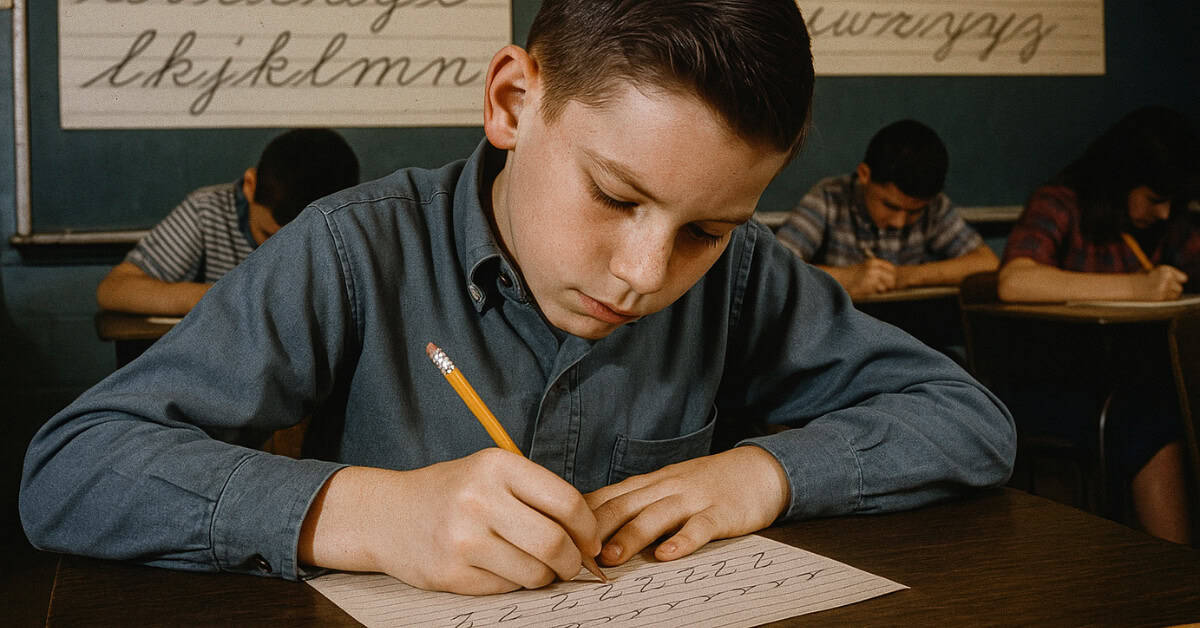
Clear handwriting was once crucial for communication. We took pride in our penmanship, and cursive was considered an essential skill. Now, many struggle to write legibly or read cursive, as keyboards and touch screens have become our primary writing tools.
5. Planning Ahead

Making plans required real commitment and forethought. We couldn’t instantly message about delays or changes. Meeting times and places had to be arranged in advance, and showing up on time was crucial because there was no way to update others.
6. Using Physical Reference Materials

Libraries, encyclopedias, and dictionaries were our search engines. Research meant physically looking up information, understanding library cataloging systems, and taking notes by hand. The skill of finding information without instant digital access required patience and methodology.
7. Remembering Appointments

Before digital calendars and reminders, keeping track of appointments required active memory and physical planners. Wall calendars and pocket datebooks were essential tools, and checking them regularly was a daily habit. Missing appointments had real consequences.
8. Making Small Talk

Waiting rooms, bus stops, and checkout lines were places for casual conversation. We developed the art of pleasant chitchat and reading social cues. Now, most people retreat into their phones during these moments, losing opportunities for real human connection.
9. Writing Letters

Letter writing was both an art and a necessity. We knew proper formatting, addressing envelopes, and the importance of clear communication. Personal letters required thought and effort, making them more meaningful than today’s instant messages.
10. Time Management

Without constant notifications and reminders, we developed internal time management skills. Estimating how long tasks would take and planning our days required actual skill. We couldn’t rely on apps to track our productivity or remind us of deadlines.
11. Face-to-Face Communication

Direct conversation skills were essential when phones weren’t an option for every interaction. Reading body language, maintaining eye contact, and engaging in meaningful dialogue were crucial social skills. These abilities developed naturally through regular face-to-face interactions.
12. Memory Skills

Our memories were sharper when we couldn’t instantly look up information. We remembered birthdays, anniversaries, and important dates without digital reminders. Facts, figures, and useful information were stored in our minds rather than our phones.
13. Problem Solving

When we couldn’t Google solutions, we developed stronger problem-solving abilities. Whether fixing mechanical issues or resolving conflicts, we relied on logic, experience, and creativity. This built confidence in handling unexpected challenges.
14. Patience

Without instant gratification from technology, we developed greater patience. Waiting for photos to develop, letters to arrive, or information to be found was normal. This patience extended to all aspects of life, making us more resilient to delays and setbacks.