Playground games used to teach us about fairness and strategy, as well as how to win and lose. They were unsupervised games that had real-life skill building components. Modern playgrounds don’t offer these character building games, and instead implement equipment that helps children feel self-praised and safe.
Table of Contents
1. Red Rover

These games developed strategy and collaboration skills as well as emphasizing the importance of working and communicating as a team. Kids also learned how to take calculated risks and accepted the consequences of getting a scrape or bruise. In contrast to the games children play today, the risks were real. Today’s playgrounds put a damper on valuable lessons and real-world risks.
Save for later
Want to come back to this story? Save it with your email so it is easy to find again.
2. Marbles

Playing with keeps was a valuable lesson in the risks of loss. Deciding whether to use your best cat’s eye marble required tough decision-making. The marble game took skill and strategy and required you to accept that sometimes you had to go home with fewer marbles than you came with.
3. Hopscotch

More than just hopping and throwing stones, hopscotch developed balance, coordination, and patience. You had to wait your turn and follow the rules while being a good sport when your stone landed on a line. Overall, hopscotch taught a lot of skills that kids used all over the playground.
4. Capture the Flag

When playing this game, children learnt the value of self-control, attention to detail, and how to improve through trial and error. Children developed leadership through clear communication, and demonstrated how to get people to carry out their vision.
5. King of the Hill

Children learnt about persistence through this game and the importance of keeping your position, and standing your ground in the face of others. It was a lesson in assessing the difficulty of your challenge, forming alliances, and accepting that your position could change.
6. Jump Rope Games

From “Double Dutch” to “Hot Pepper,” jump rope games combined physical skill with rhythm and coordination, teaching timing and cooperation; they developed the value of practice. Complex games with rhymes and patterns helped memory develop as difficulty increased.
7. Stick Ball

The urban cousin of baseball taught resourcefulness and adaptation. Kids learned to make do with what was available, create fair rules based on their environment, and adjust to the situation without adult intervention. It was lesson in problem solving.
8. Simon Says

The game taught listening and control. Paying attention to detail, controlling impulses, improve through trial error, and learning from mistakes was key. Being “Simon” was about developing leadership clear communication.
9. Mother May I?

Teaching politeness was one aspect of this game, it was also about strategy and negotiation. It taught children about reading situations and making requests, accepting authority, and competing socially. Early lessons in social dynamics and tactical thinking.
10. Kick the Can

Risk assessment and timing were learned with this mix of hide-and-seek and tag. Players had to weigh the risk of being caught against the possible reward of freeing their teammates. This helped develop decision-making skills under pressure and taught players to sacrifice individual success for the success of the group.
11. Red Light, Green Light
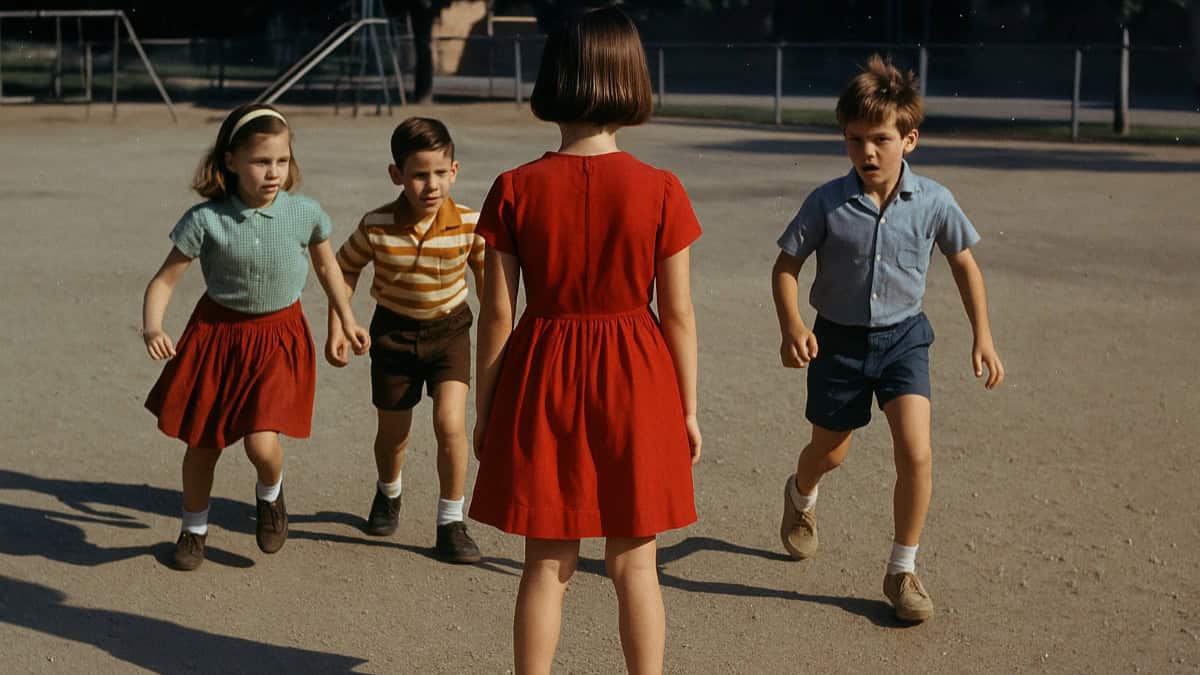
This game improved impulse control and careful observation. Players had to manage their winning vs losing and what the consequence would be based on their desire to win in a reckless manner.
12. Pick-Up Sticks

This game needed steady hands and more importantly careful planning. Patience and strategic thinking were practiced by players as they had to figure out the potential outcomes of each of their moves. This helped develop their fine motor skills too, in addition to helping them learn the importance of taking their time.
13. Buck Buck
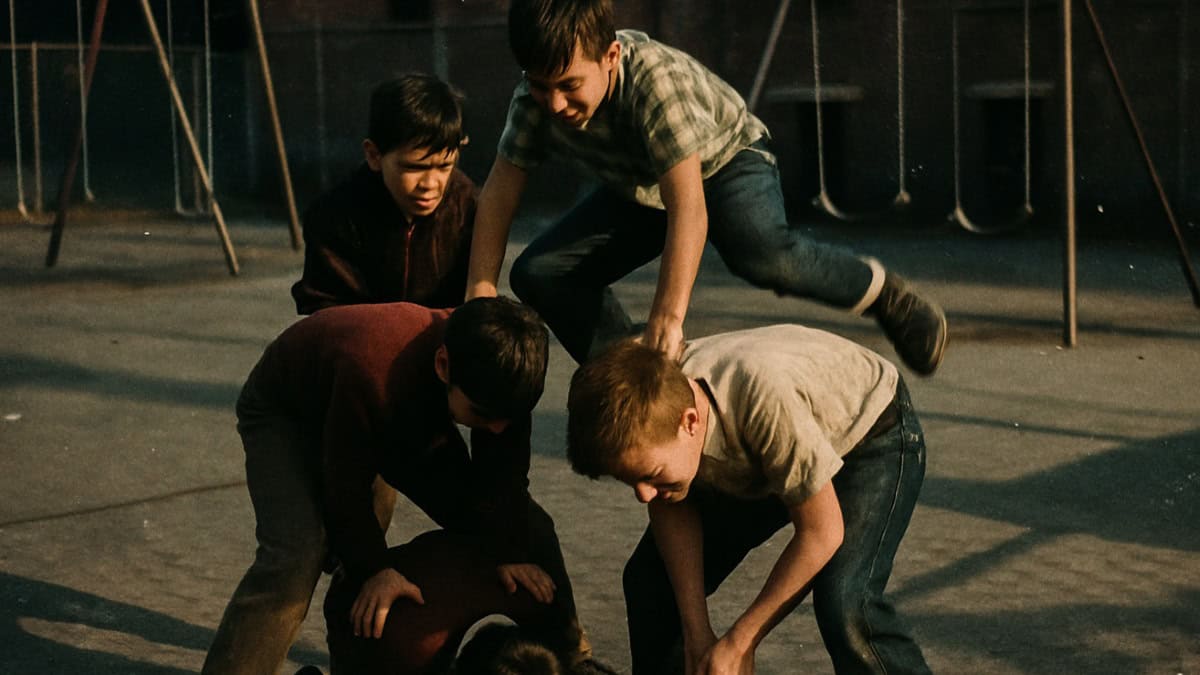
This physical game is also referred to as Johnny-on-the-pony and taught the players teamwork and trust. They had to put together and support each others weight and be able to make quick decisions, and it helped improve physical strength and coordination. It also taught them how success often relies on your teammates.