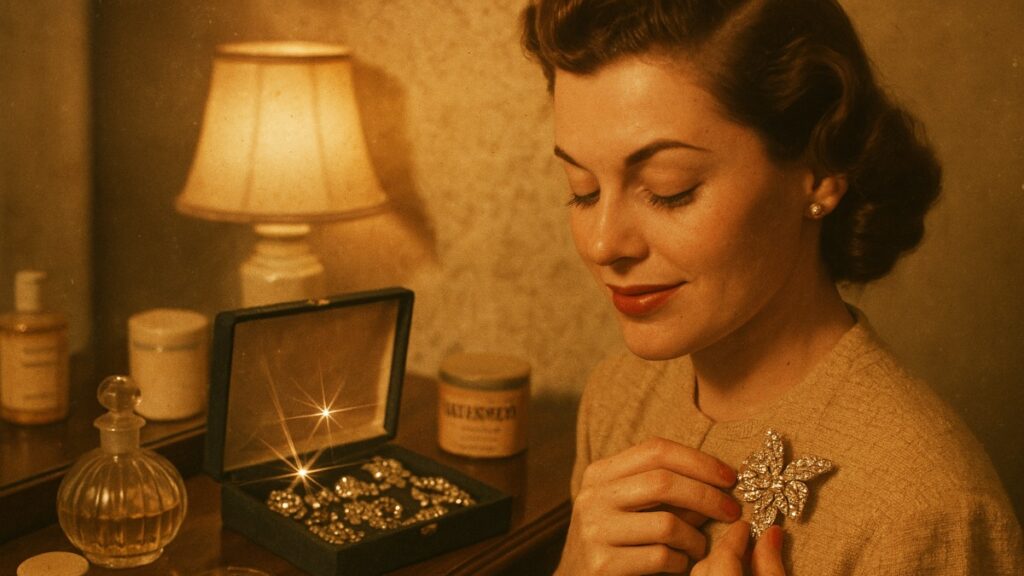
Before standardized testing took over and Common Core became the norm, schools focused on practical skills alongside academic knowledge. Looking back at our education in the 1960s and early ’70s, many of the lessons and experiences we had actually prepared us remarkably well for real-world challenges. Here’s how those old-school methods gave us lasting life skills.
Table of Contents
1. Memorizing Multiplication Tables
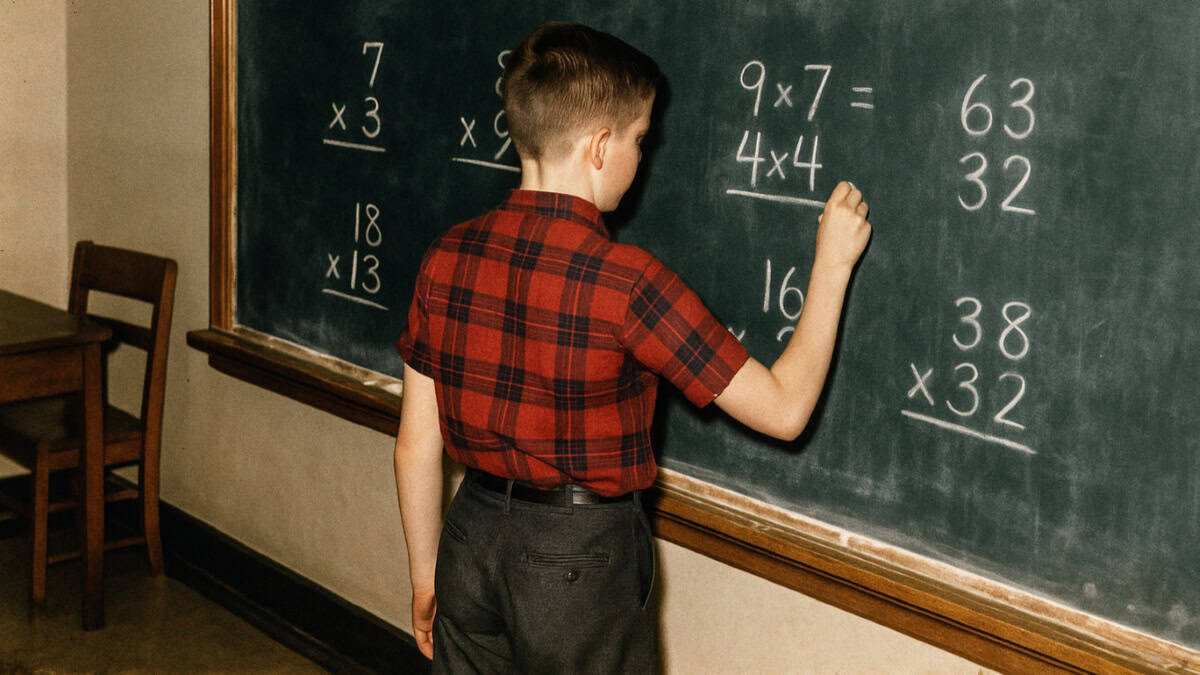
Those endless drills of times tables weren’t just about math – they taught us how to process information quickly without relying on calculators. This mental math ability has served us well in everything from calculating tips to making quick budget decisions. The discipline of memorization also helped develop strong study habits for other subjects.
Save for later
Want to come back to this story? Save it with your email so it is easy to find again.
2. Cursive Writing
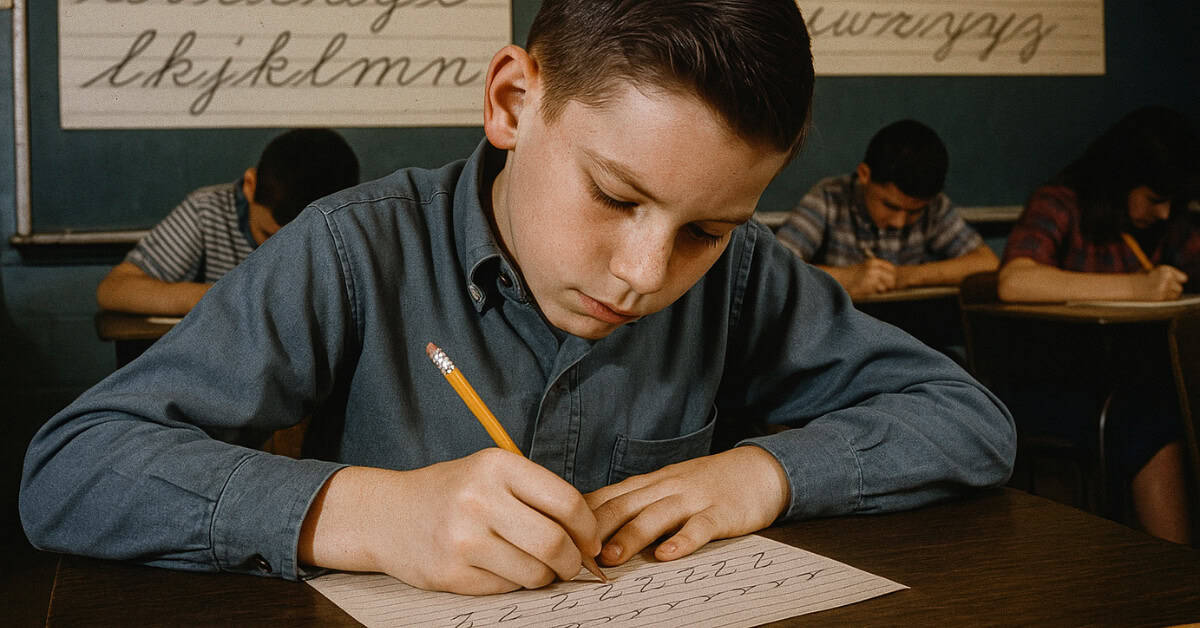
Learning cursive wasn’t just about penmanship – it developed fine motor skills and taught patience. The ability to read historical documents, family letters, and formal correspondence has proven invaluable. Plus, studies show that writing in cursive engages different parts of the brain than printing or typing.
3. Shop Class
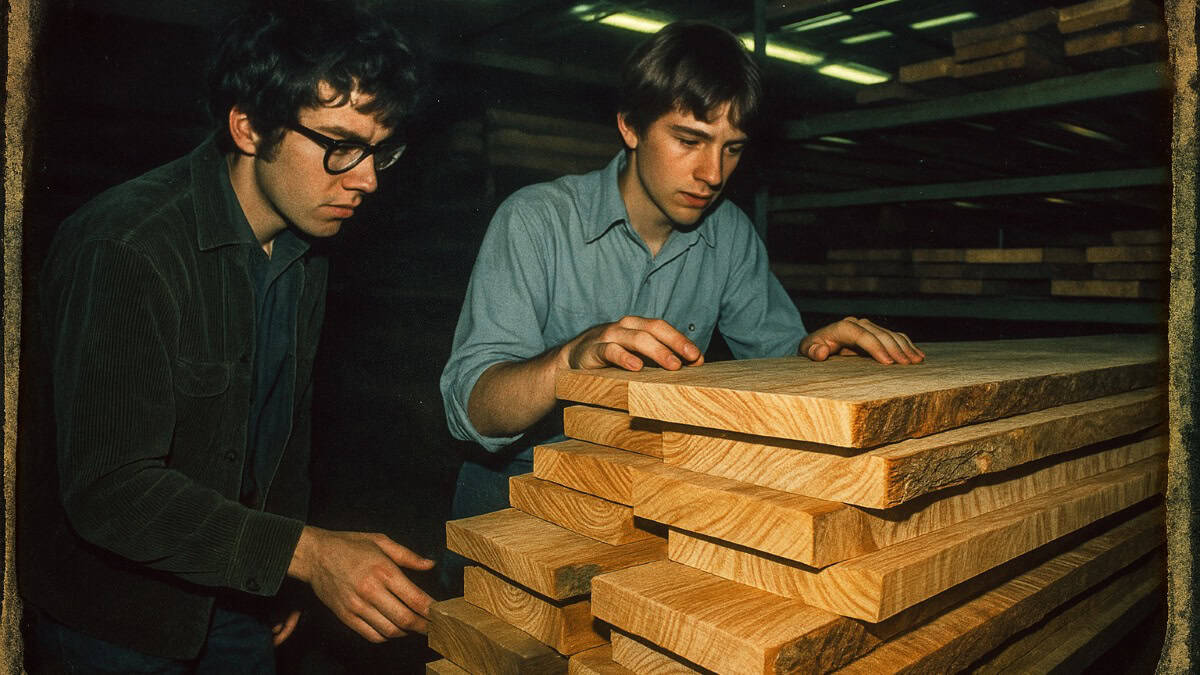
Wood shop and metal shop taught more than just how to make birdhouses. We learned tool safety, project planning, and problem-solving skills that transferred to many aspects of life. These classes gave us confidence in tackling home repairs and understanding how things work mechanically.
4. Home Economics

Beyond cooking and sewing, home economics taught practical life skills like budgeting, meal planning, and basic nutrition. These lessons in household management prepared us for independent living and family life. The skills learned here saved money and promoted self-sufficiency.
5. Diagramming Sentences
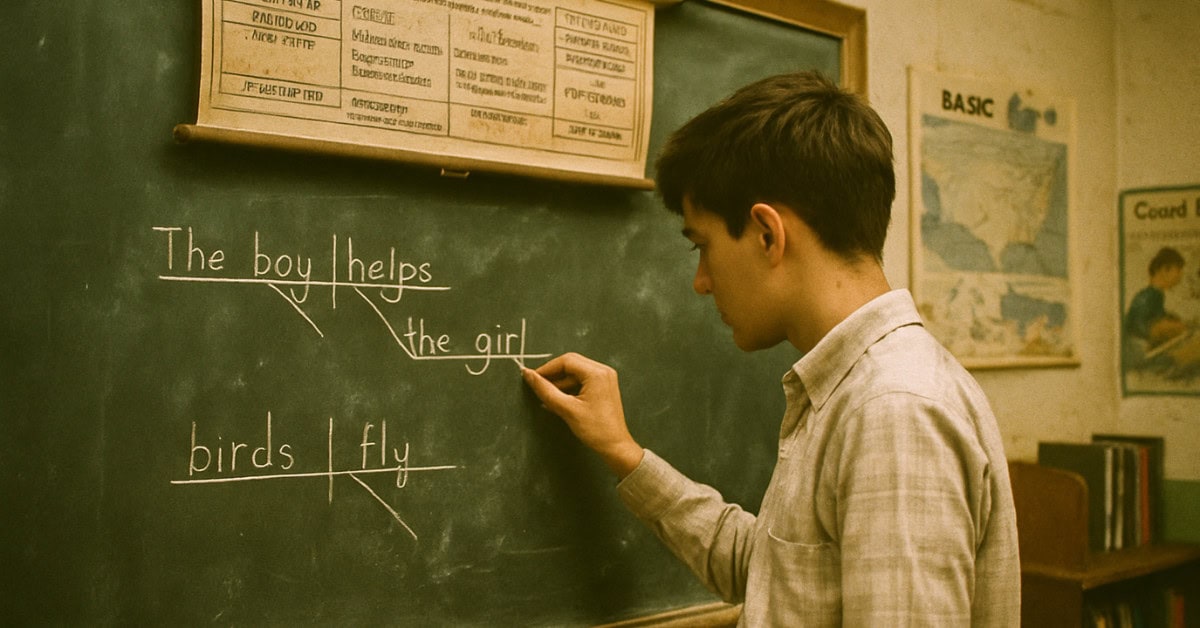
Breaking down sentences into their components taught logical thinking and clear communication. This analytical skill helped in everything from writing business letters to understanding complex documents. The practice developed a natural sense for proper grammar and sentence structure.
6. Mental Geography
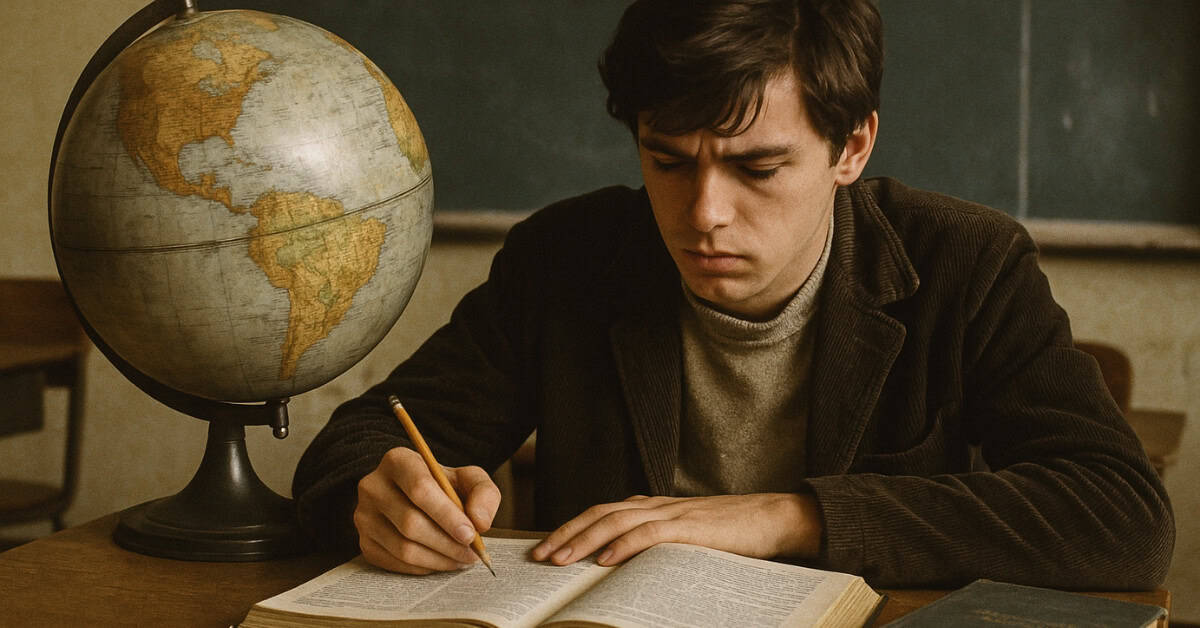
Memorizing state capitals and world geography gave us a mental map that’s proved invaluable. Understanding geographical relationships helped make sense of world events, weather patterns, and cultural differences. This knowledge provided context for international news and travel.
7. Public Speaking

Regular class presentations and speech contests built confidence in public speaking. These experiences prepared us for job interviews, business presentations, and community involvement. The skills of organizing thoughts and speaking clearly have been essential throughout our careers.
8. Physical Education
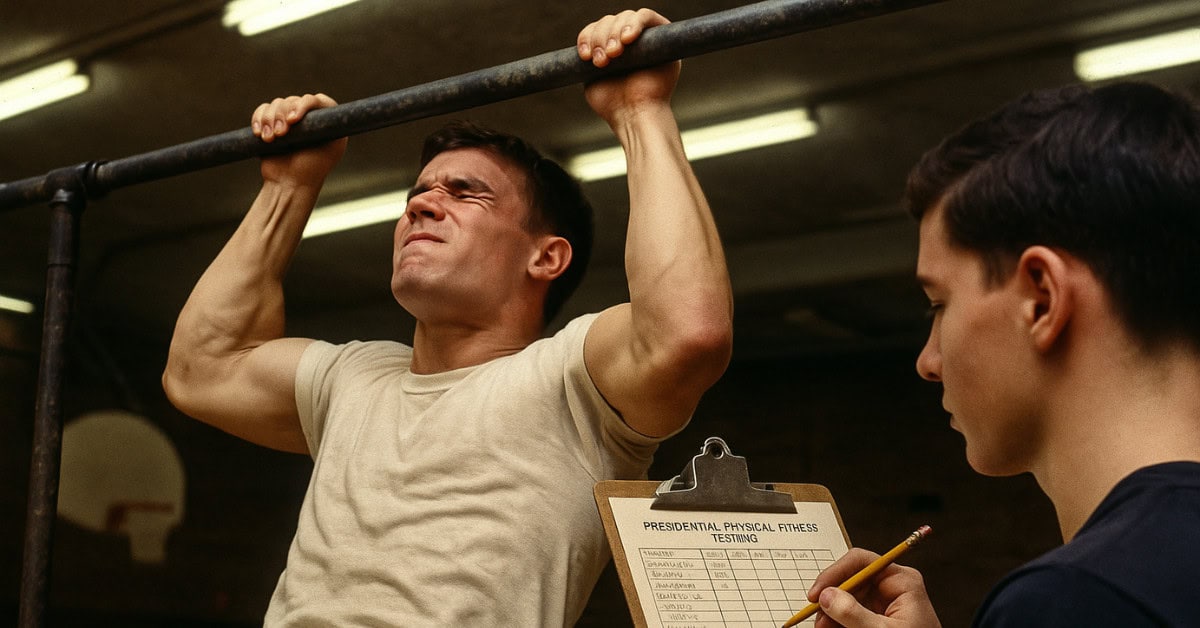
Daily PE wasn’t just about exercise – it taught teamwork, fair play, and the importance of physical fitness. These classes helped develop lifelong habits of staying active and understanding basic sports rules. The social skills learned through team sports proved valuable in workplace collaboration.
9. Research Skills
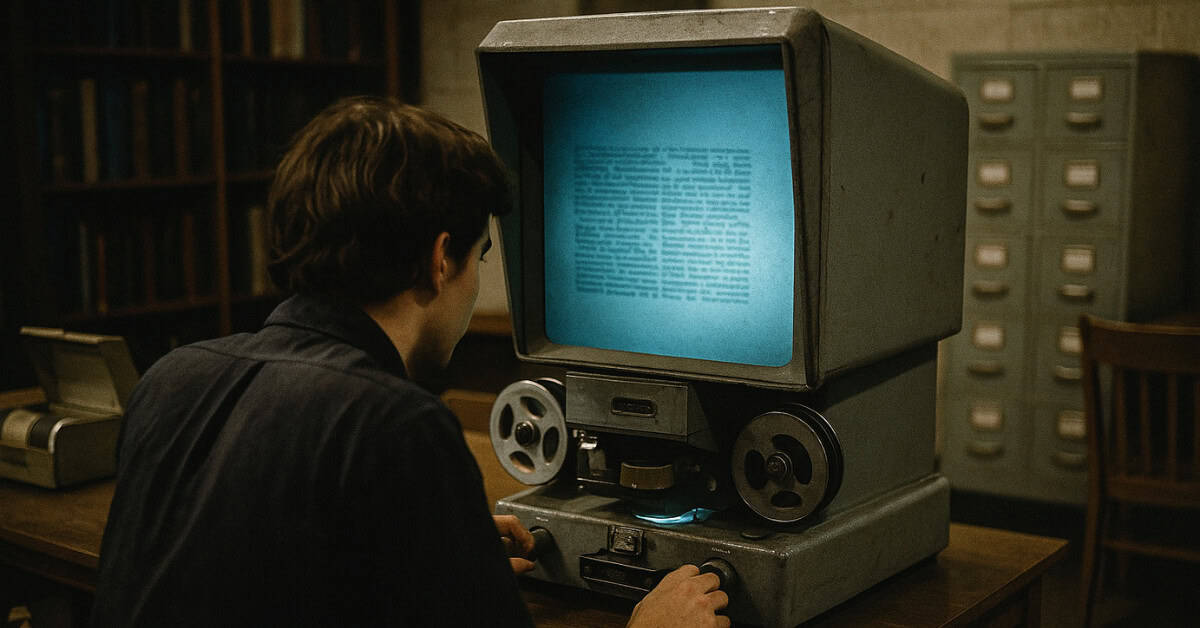
Learning to use card catalogs and reference books taught systematic research methods. These skills translated well into finding and evaluating information in the digital age. The patience and thoroughness required for library research developed critical thinking abilities.
10. Typing Class

Learning proper typing technique on manual typewriters built strong foundations for computer use. The discipline of accurate typing without looking at keys has been invaluable in the digital age. These skills made the transition to computers much easier.
11. Music Education

Regular music classes developed an appreciation for different cultures and styles. Learning to read music and perform in groups built discipline and teamwork skills. These experiences enhanced memory, coordination, and creative thinking abilities that benefited other areas of life.
12. Art Class

Art education wasn’t just about drawing – it taught creative problem-solving and visual thinking. Understanding color, composition, and design has helped in everything from home decorating to presentation layouts. These classes developed observation skills and attention to detail.
13. Science Labs

Hands-on science experiments taught the scientific method and safety procedures. These experiences developed critical thinking and careful observation skills. The discipline of recording results accurately and drawing conclusions from evidence has been valuable in many life situations.
14. Study Hall
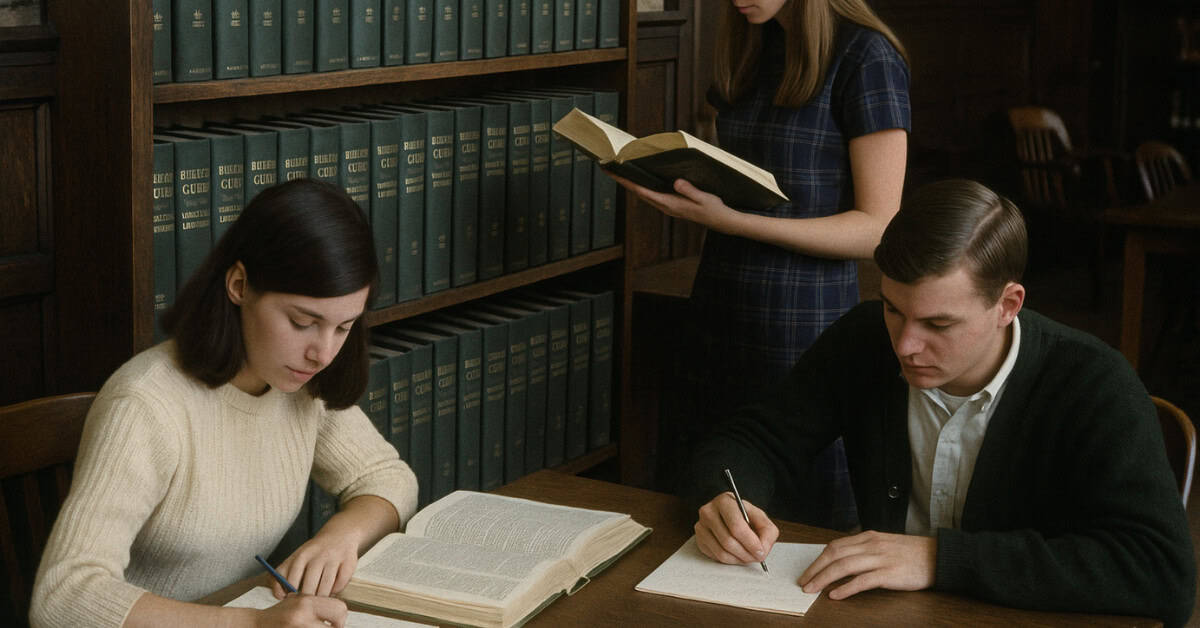
Mandatory study periods taught time management and self-discipline. Learning to work independently and make productive use of free time prepared us for college and career responsibilities. These quiet times developed concentration skills that have become increasingly valuable in our distraction-filled world.