A septum piercing can suit a quiet, barely visible style or become a defining part of your look. I’ll explore jewelry shapes, finishes, details, and stacking options that help you compare different ways to express your preferences.

Save for later
Want to come back to this story? Save it with your email so it is easy to find again.
You can choose a septum design by balancing its visual impact with your anatomy, jewelry materials, sizing, and everyday comfort. I’ll also cover placement and healing considerations so you can assess each idea with a practical, informed approach.
Table of Contents
- 1 1) Tiny Seam Ring for a Barely-There Look
- 2 2) Polished Titanium Circular Barbell
- 3 3) Delicate Gold Clicker Ring
- 4 4) Opal-Set Septum Clicker
- 5 5) Minimalist Horseshoe Barbell
- 6 6) Rose Gold Seamless Hoop
- 7 7) Black PVD Titanium Ring
- 8 8) Floral Engraved Septum Clicker
- 9 9) Beaded Circular Barbell
- 10 10) Moonstone Septum Ring
- 11 11) Double Hoop Septum Stack
- 12 12) Hinged Segment Clicker
- 13 13) Diamond-Accent Septum Ring
- 14 14) Geometric Triangle Clicker
- 15 15) Hammered Gold Septum Ring
- 16 16) Pearl-Detailed Septum Clicker
- 17 17) Filigree Mandala Septum Ring
- 18 18) Mixed-Metal Septum Stack
- 19 19) Snake-Chain Septum Ring
- 20 Septum Piercing Placement, Anatomy, And Healing
- 21 Finding The Sweet Spot
- 22 Healing Timeline And Aftercare Essentials
- 23 Jewelry Materials, Sizing, And Everyday Comfort
- 24 Choosing Safe Starter Jewelry
- 25 When To Change Your Septum Ring
1) Tiny Seam Ring for a Barely-There Look
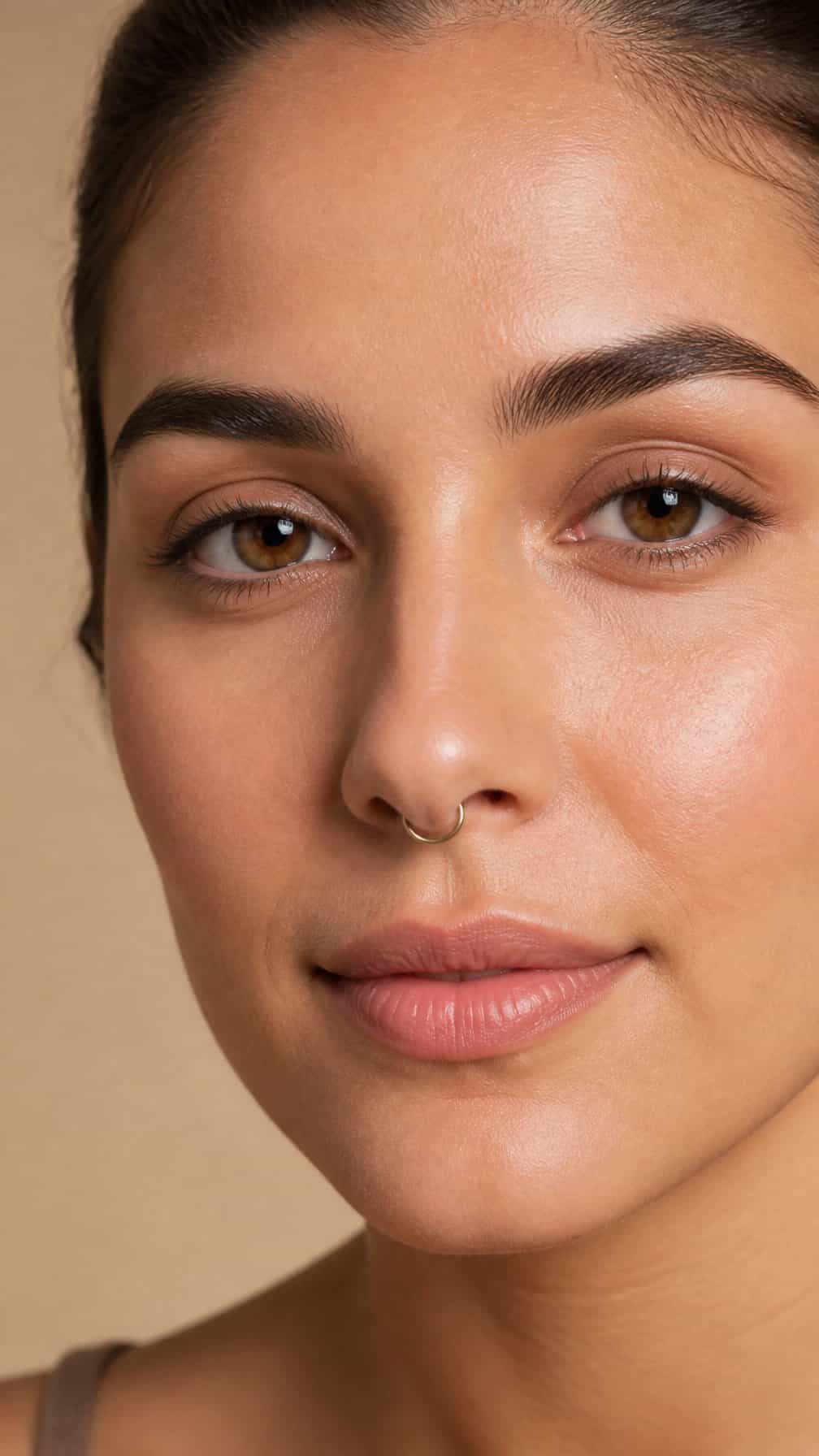
I choose a tiny seamless ring when I want a septum piercing that blends into my features rather than drawing immediate attention. Its smooth, continuous shape creates a clean look without a visible bead or hinge.
I find a narrow ring especially easy to pair with simple earrings, glasses, or everyday makeup. Gold adds warmth, while silver or titanium creates a cooler, more understated finish.
I would check the ring’s diameter and wire thickness with a professional piercer before buying. A secure fit should sit comfortably against the septum without pressing into the nostrils.
2) Polished Titanium Circular Barbell
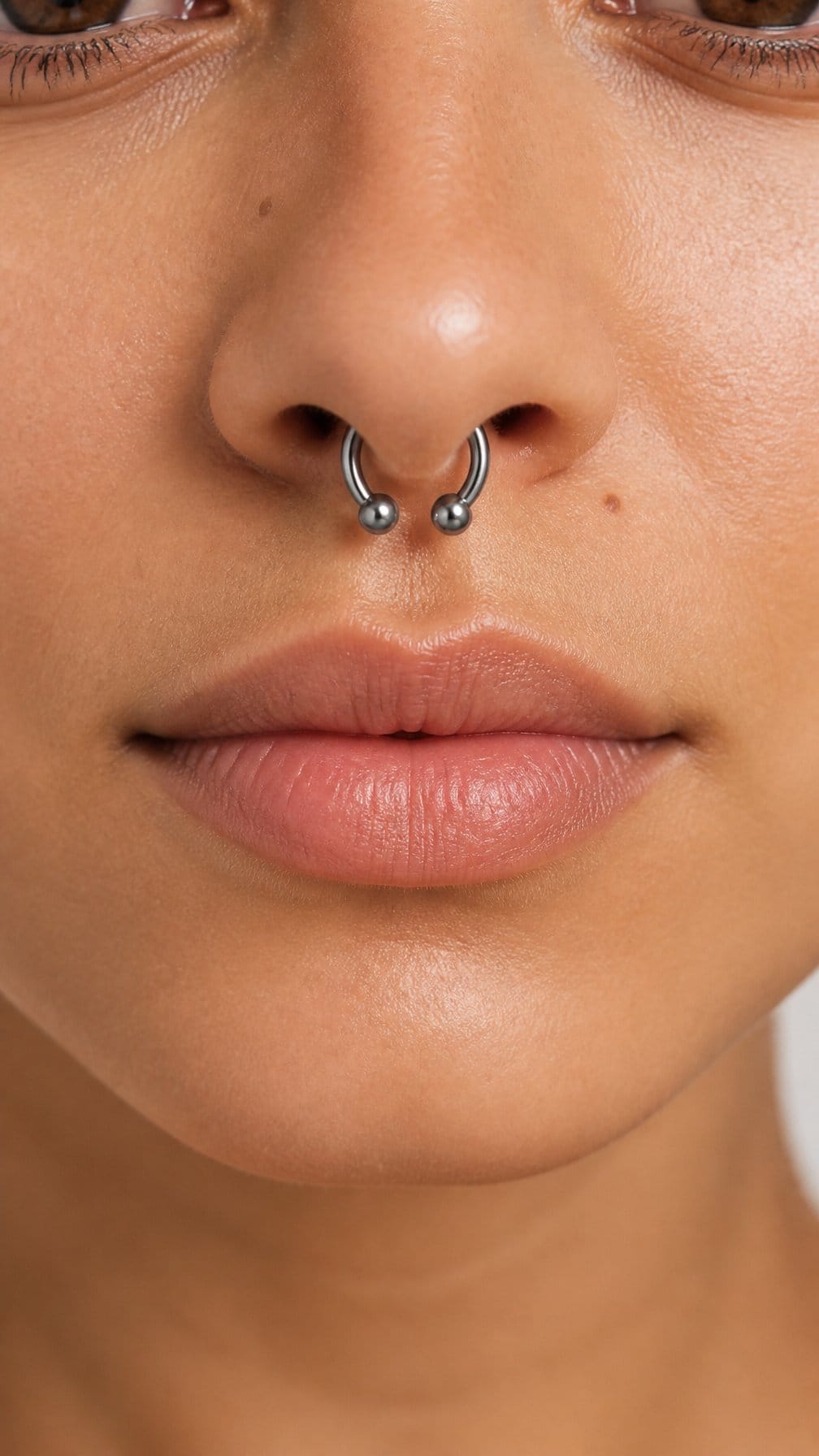
I like a polished titanium circular barbell for its clean shape and subtle shine. The curved bar follows the septum naturally, while the two visible ends create a balanced look without adding much visual weight.
I would choose this style when I want a versatile piece that works with casual or formal clothing. Titanium offers a lightweight option, and its smooth surface makes the jewelry easy to wipe clean. I would confirm the correct gauge, diameter, and material quality with a professional piercer before wearing it.
3) Delicate Gold Clicker Ring
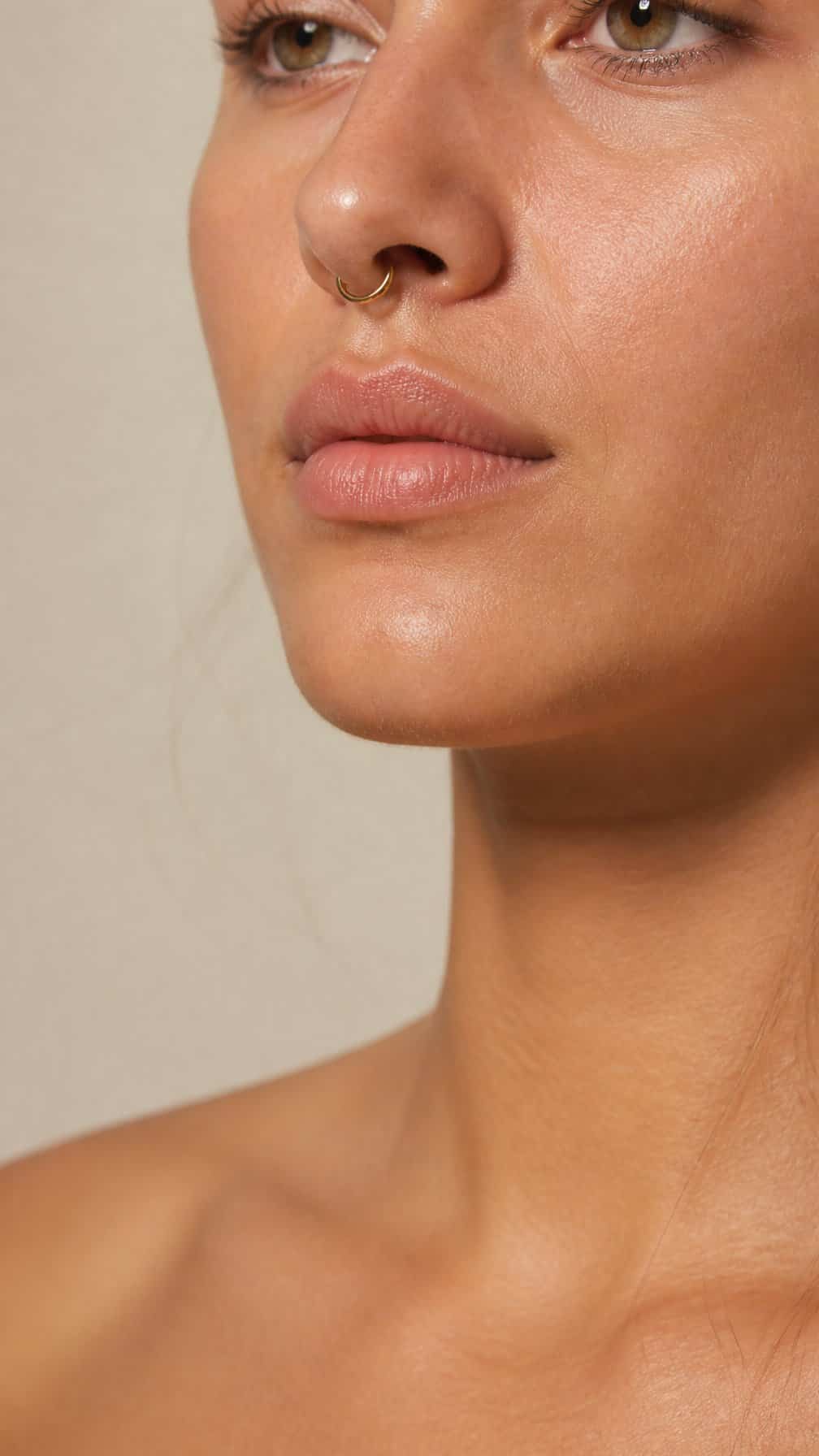
I like a delicate gold clicker ring for its clean profile and warm finish. Its hinged closure creates a smooth, uninterrupted circle, so it looks polished without adding visual bulk.
I would choose a narrow gauge and a diameter that follows the natural curve of the septum without pressing against the nostrils. Solid gold or implant-grade titanium with a gold finish can suit sensitive skin, but I would confirm the metal composition with the piercer before wearing it.
4) Opal-Set Septum Clicker
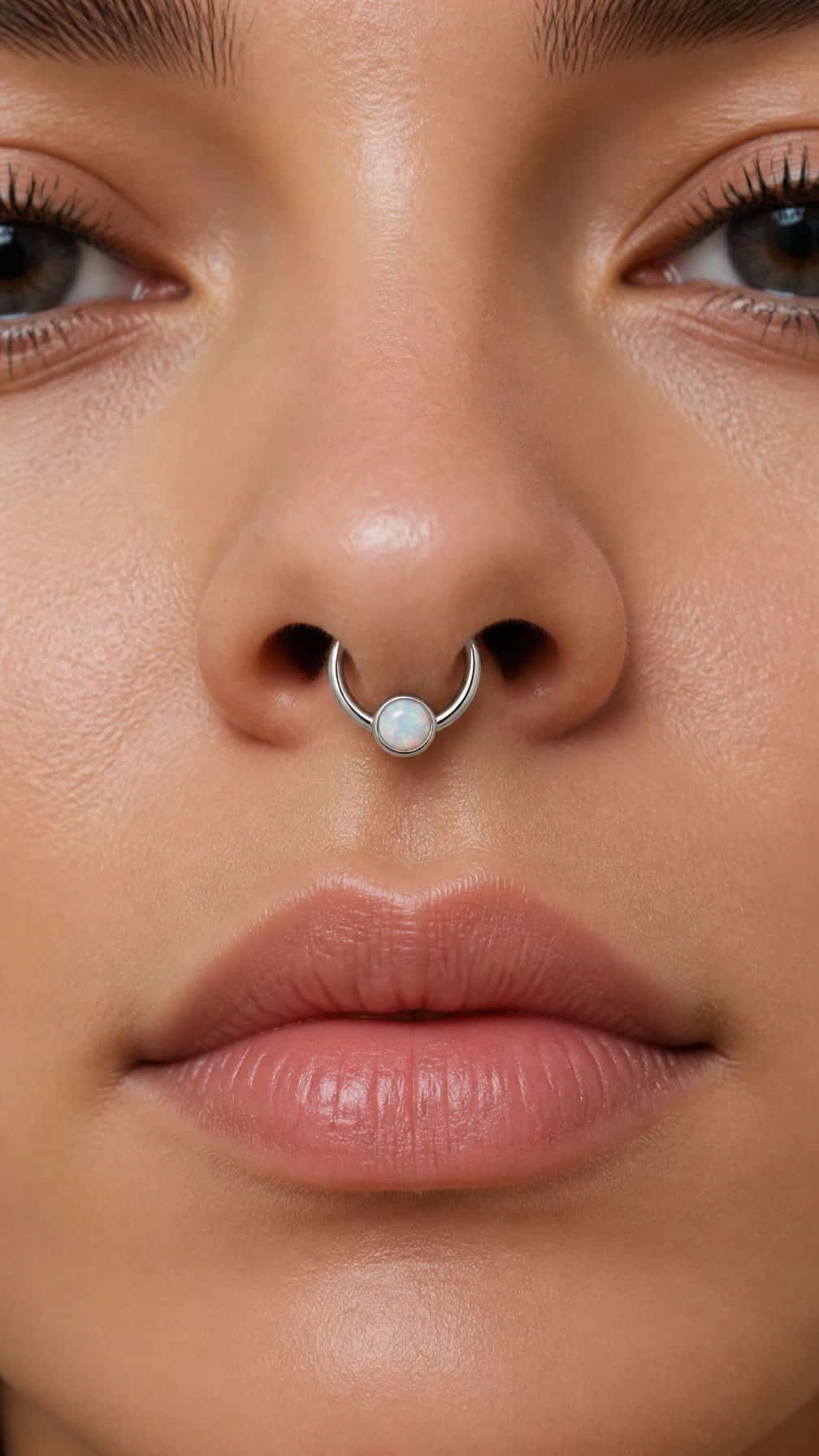
I like an opal-set septum clicker for its soft color and polished shape. The stone can show blue, green, pink, or cream flashes as it catches the light, while the clicker mechanism keeps the ring streamlined and easy to secure.
I would choose a small opal for a subtle look or a larger setting for more visible detail. White, yellow, and rose gold each create a different effect, so I match the metal to my usual jewelry and skin sensitivity. I also check that the piece uses a body-safe material, such as implant-grade titanium or solid gold.
5) Minimalist Horseshoe Barbell

I like a minimalist horseshoe barbell for its clean, balanced shape. The curved design follows the natural line of the septum, while small bead ends add definition without making the jewelry feel heavy or ornate.
I would choose a polished titanium or surgical-steel finish for a simple everyday look. A narrow gauge keeps the piercing understated, while a slightly thicker bar creates more presence without becoming a statement piece.
This style also gives me flexibility when changing outfits or other jewelry. I can wear it alone for a subtle appearance or pair it with small hoops and studs without creating visual clutter.
6) Rose Gold Seamless Hoop
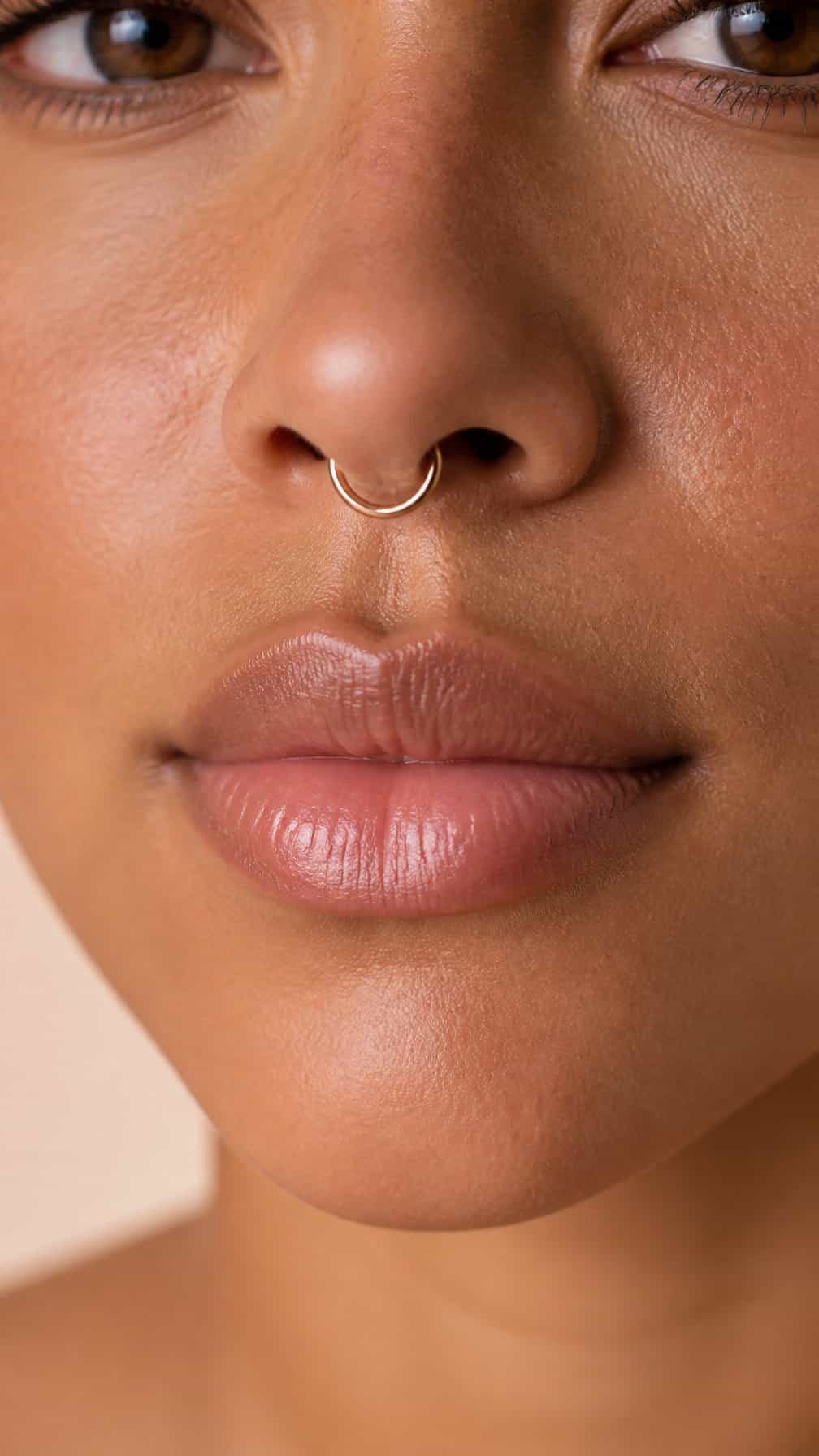
I like a rose gold seamless hoop for its warm tone and clean, uninterrupted shape. The metal adds a softer appearance than bright yellow gold while still giving the septum a refined point of contrast.
I find this style especially versatile with neutral outfits, warm-toned jewelry, and minimal makeup. Its smooth profile sits close to the nose, making it suitable when I want visible polish without a large charm or elaborate detail.
I would check the hoop’s material and finish before choosing one, particularly if my skin reacts to certain metals. A well-fitted diameter keeps the ring comfortable and prevents it from looking crowded.
7) Black PVD Titanium Ring
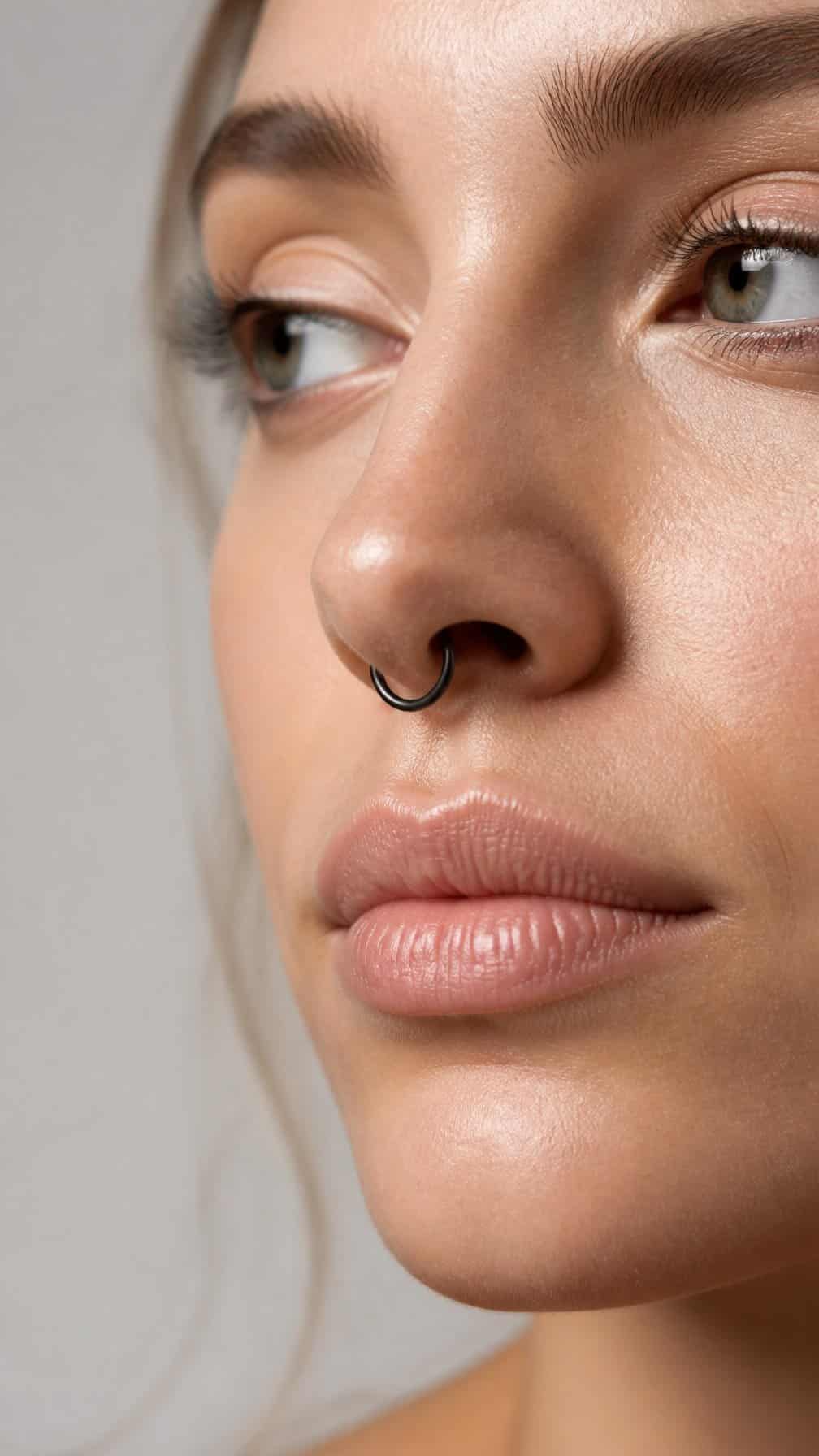
I like a black PVD titanium ring for its clean, understated contrast against the skin. The dark finish gives a standard circular shape a sharper appearance without adding stones, patterns, or extra hardware.
I would choose a smooth, polished ring for a refined look or a matte finish for a softer, more muted effect. Titanium keeps the jewelry lightweight, while the PVD coating provides its black color; I would check the coating regularly for scratches or fading, especially with frequent handling.
8) Floral Engraved Septum Clicker
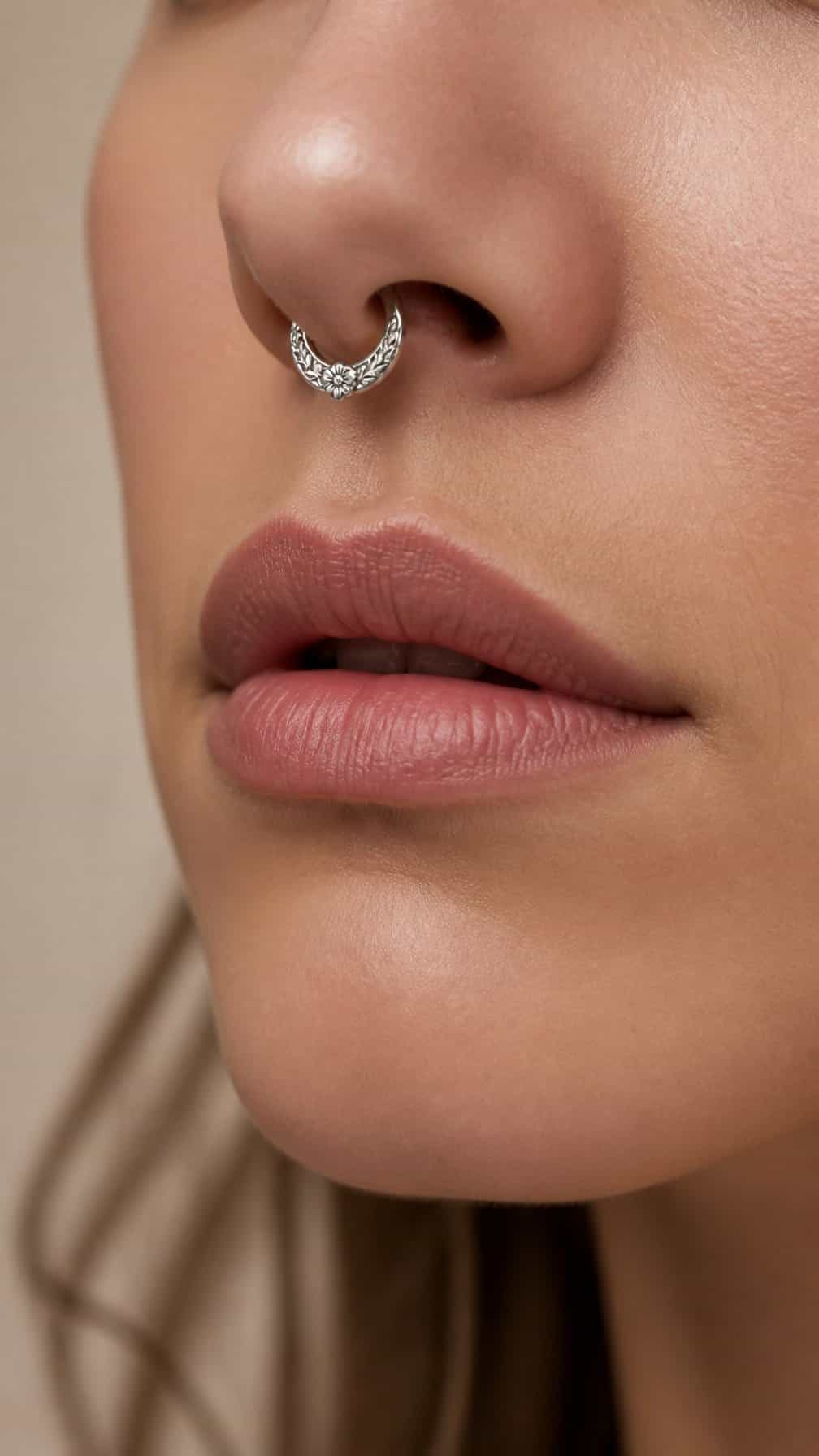
I like floral engraved septum clickers for their detailed finish and easy styling. A small flower pattern adds visual interest without requiring a large, prominent piece, while the clicker mechanism keeps insertion and removal straightforward.
I would choose a narrow design in polished gold, silver, or titanium based on my existing jewelry. Fine engraving suits a subtle look, whereas larger petals create stronger definition around the septum. I would check the material, diameter, and hinge quality before buying to support comfortable, reliable wear.
9) Beaded Circular Barbell
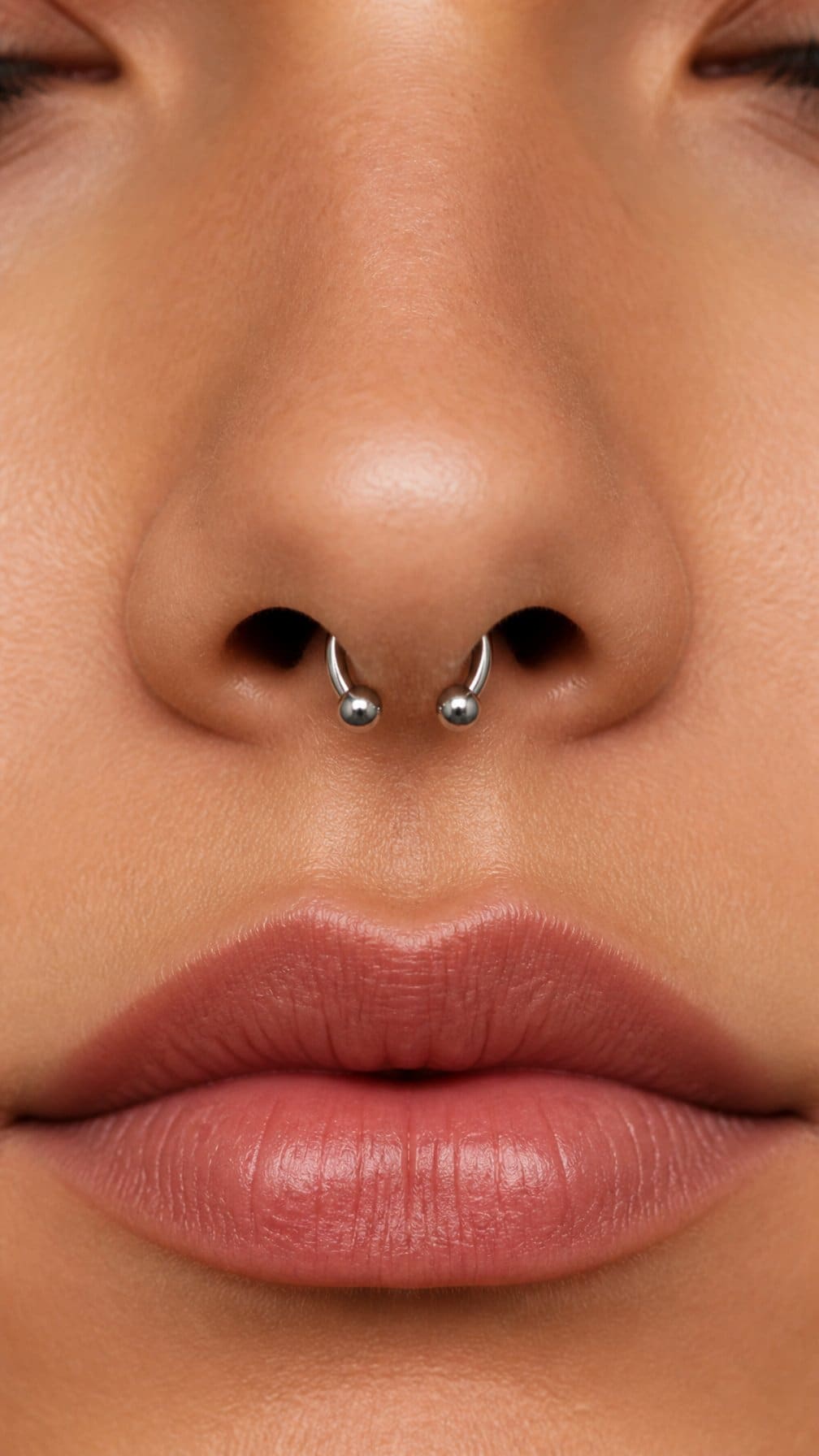
I like a beaded circular barbell when I want a septum piercing with a defined shape and visible detail. Its curved design follows the natural line of the septum, while the beads add small points of contrast without requiring a large centerpiece.
I can choose matching beads for a balanced look or use different finishes to create subtle variation. Stainless steel, titanium, and gold options provide different colors and styling effects, but I would prioritize a body-safe material recommended by a professional piercer.
This style works well for everyday wear because I can rotate it upward when needed, depending on the jewelry’s fit and my anatomy. I would select the diameter carefully so the barbell sits securely without pressing against the surrounding tissue.
10) Moonstone Septum Ring
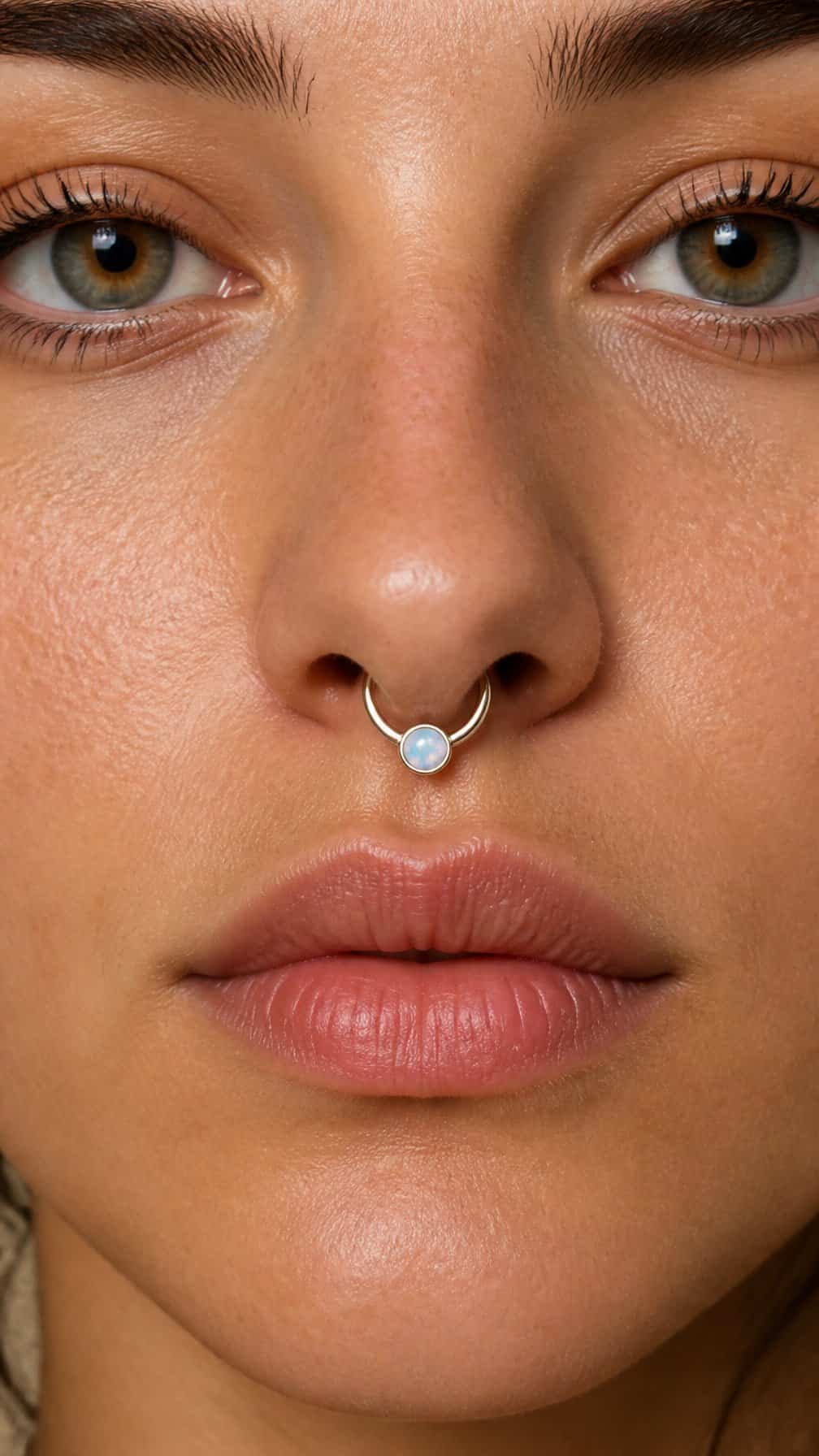
I like a moonstone septum ring for its soft color and understated detail. The stone usually shows a milky white or pale blue tone, which can complement both warm and cool jewelry metals without looking overly bright.
I would choose a small polished setting for a subtle look, or a larger stone for more visible contrast. Because moonstone can scratch more easily than harder gemstones, I would handle the jewelry carefully and follow proper cleaning and aftercare practices.
11) Double Hoop Septum Stack
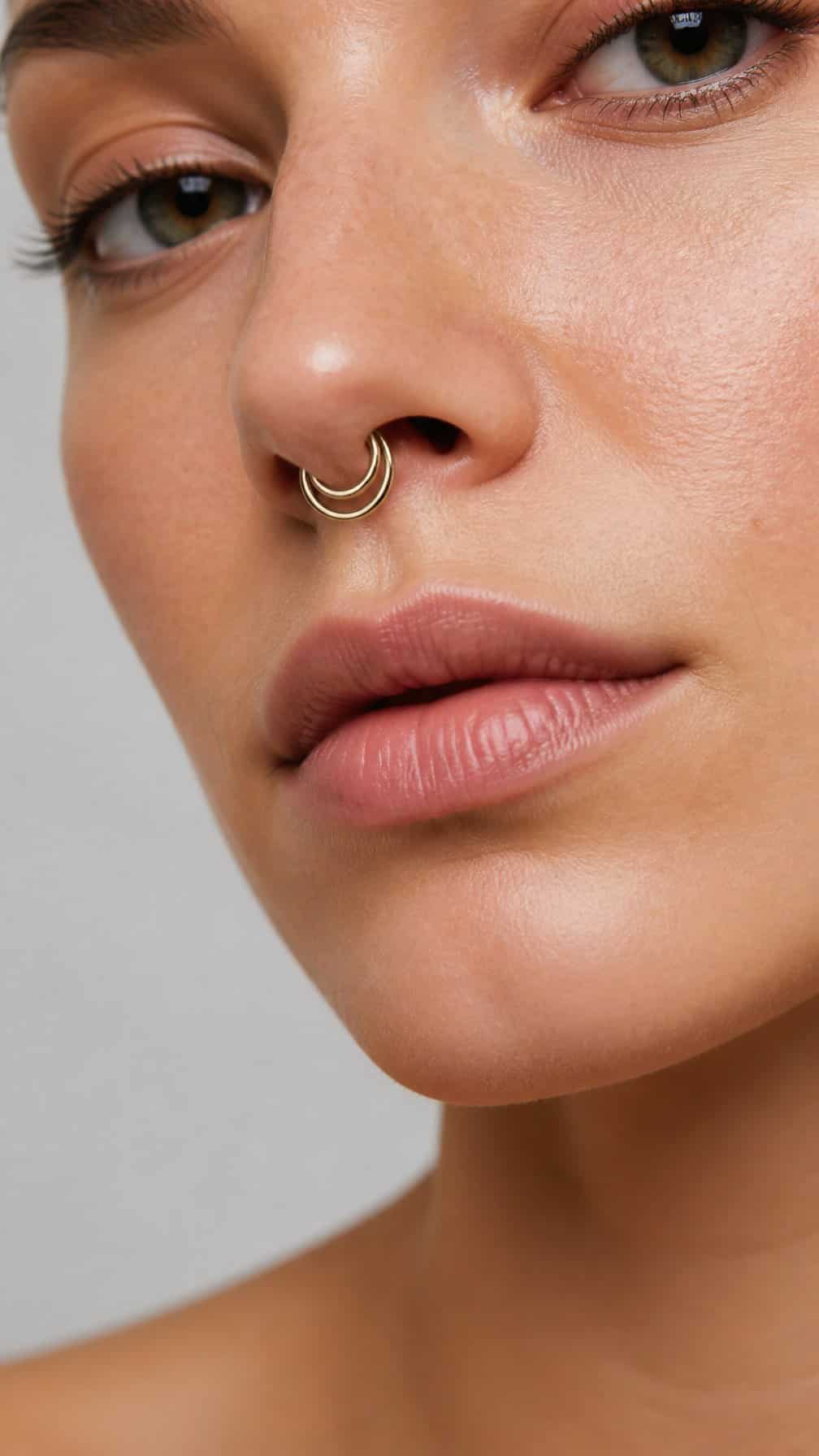
I create a layered look by pairing two slim hoops in the septum, usually with slightly different diameters. I prefer a close fit that keeps the jewelry aligned without making the center of the face feel crowded.
I can use matching metal for a clean, coordinated finish or combine polished and textured hoops for subtle contrast. Small variations in thickness also add definition while keeping the arrangement refined.
I would choose implant-grade titanium, niobium, or solid gold from a reputable piercer. Proper sizing matters, so I would have a professional assess my anatomy before adding a second piece.
12) Hinged Segment Clicker
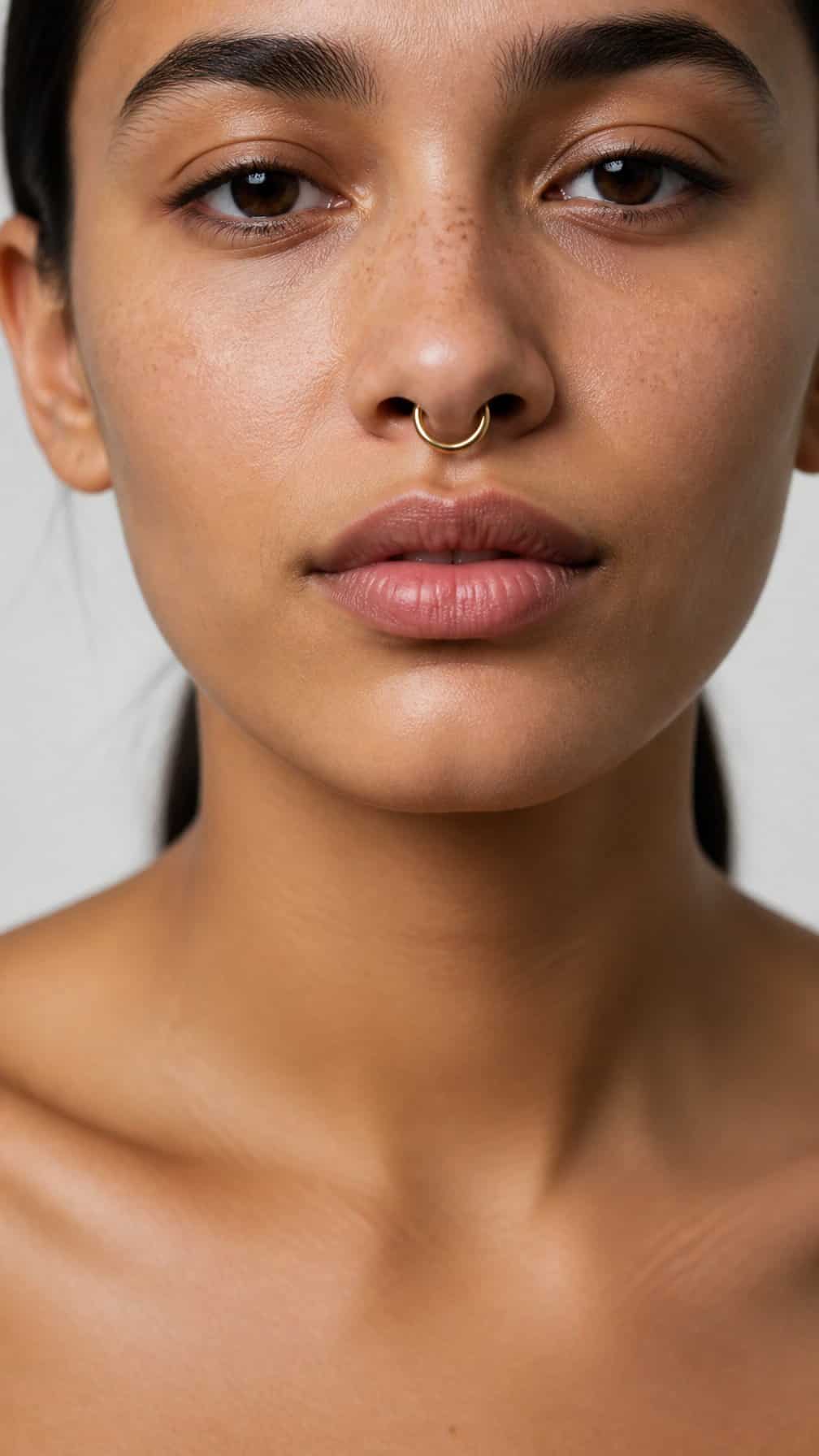
I like a hinged segment clicker for its clean shape and practical closure. The hinged section opens without requiring a separate bead, while the continuous-looking design keeps the jewelry visually streamlined.
I would choose a polished finish for a subtle everyday look or a textured, colored, or gem-set version for more definition. I also check the diameter and wearable width carefully, since a close fit can look refined but should not press against the septum.
13) Diamond-Accent Septum Ring
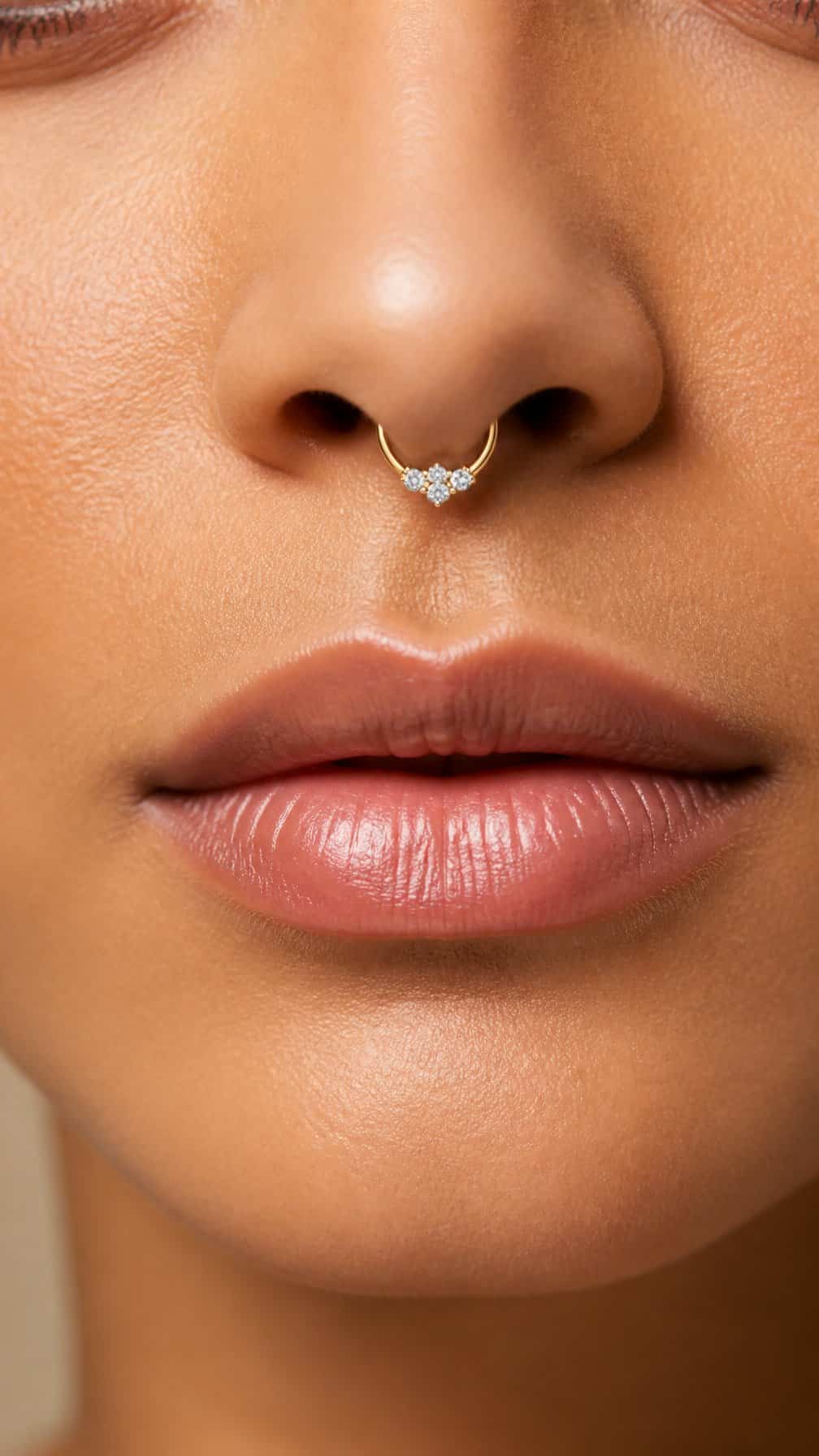
I like a diamond-accent septum ring when I want a polished detail without a large, attention-heavy design. A small stone set into a clicker or seamless ring catches light near the center of the face, while the surrounding metal keeps the look structured and clean.
I would match the setting to my existing jewelry for a coordinated finish. White gold, platinum, or silver creates a cool, understated effect; yellow or rose gold gives the piercing a warmer appearance. I would also check the stone’s setting for smooth edges and choose implant-grade titanium or another body-safe material.
14) Geometric Triangle Clicker
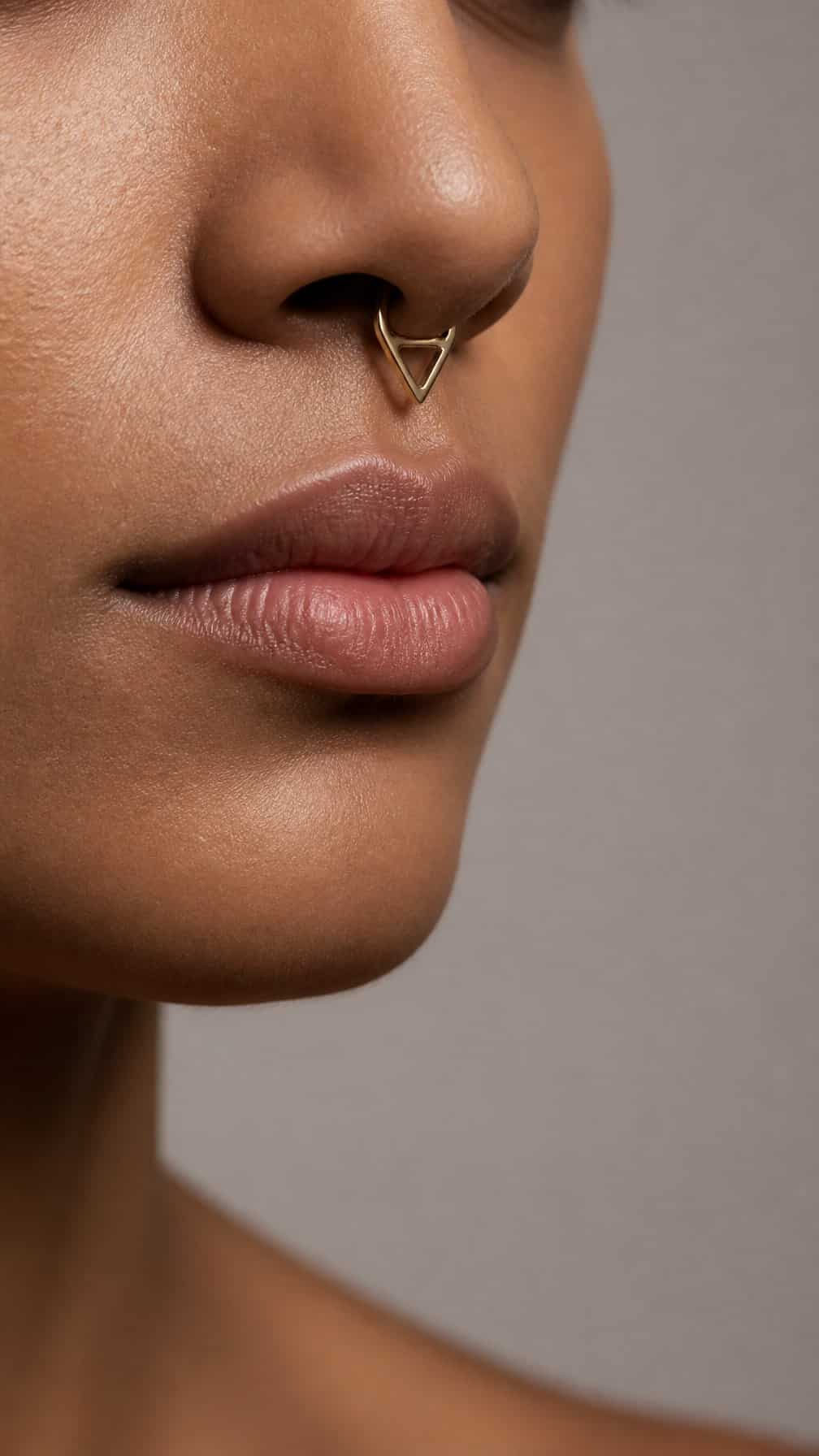
I like a geometric triangle clicker for its clean lines and defined shape. Its angular design adds structure to the center of the face without requiring a large or heavily decorated piece.
I would choose a polished finish for a crisp, modern look or a matte surface for softer contrast. The clicker’s hinged closure keeps the design secure and makes insertion and removal straightforward once the piercing has healed.
This style works well with simple jewelry elsewhere, especially small studs or slim hoops. I would check the triangle’s width and inner diameter carefully so it sits comfortably without pressing against the nose.
15) Hammered Gold Septum Ring
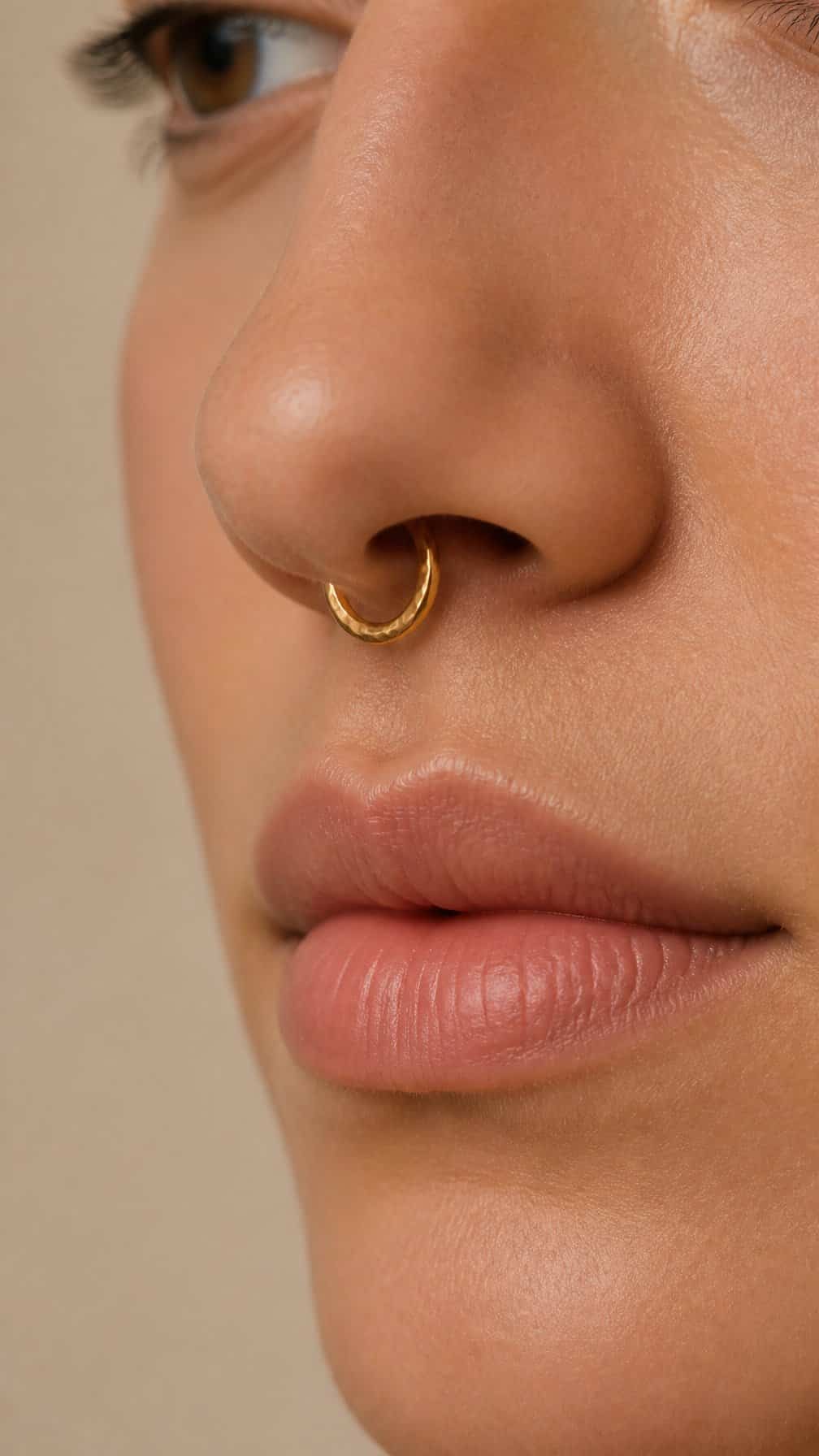
I like a hammered gold septum ring for the texture it adds without relying on a large size. Its uneven surface catches light in small, subtle flashes, giving the jewelry more character than a smooth polished finish.
I would pair it with simple studs or small gold hoops to keep the look coordinated. A warm gold tone can complement many skin tones, while a thinner ring creates a restrained style and a wider one makes the texture more noticeable. I would check the metal composition carefully, especially if my skin reacts to nickel.
16) Pearl-Detailed Septum Clicker
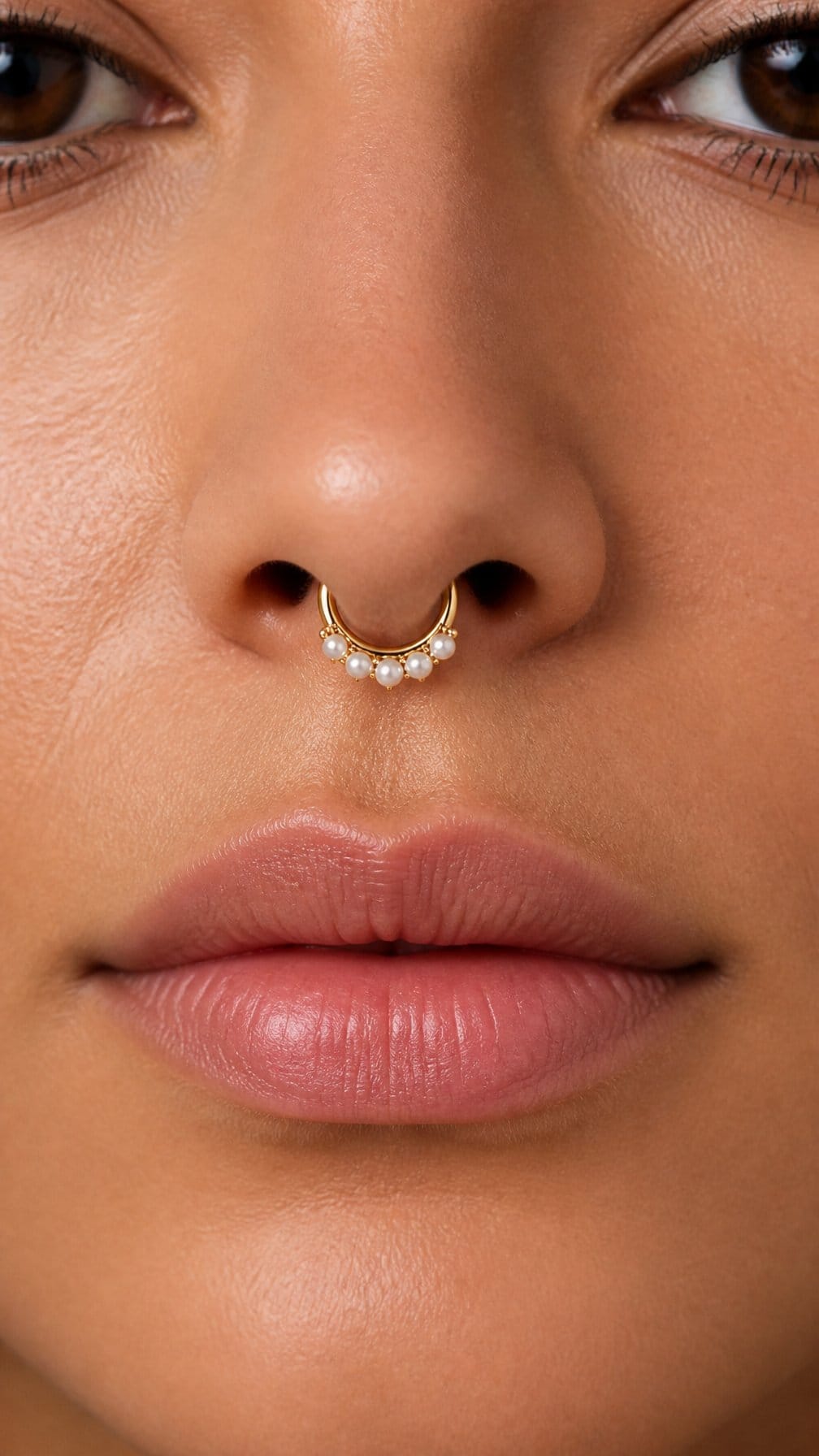
I like pearl-detailed septum clickers for the way they soften the look of a standard ring. Small pearls can create a neat, refined finish, while a larger pearl or clustered design gives the jewelry more visual weight without relying on bright color.
I would choose a clicker with smooth edges and secure hinges for comfortable daily wear. Pearl details work well with simple jewelry elsewhere, especially small studs or delicate hoops, because they add interest without making the overall arrangement feel crowded.
This style suits both subtle and more noticeable piercings. I would match the metal to my existing jewelry and check whether the pearls sit evenly when the clicker closes, since balanced placement keeps the design looking polished.
17) Filigree Mandala Septum Ring
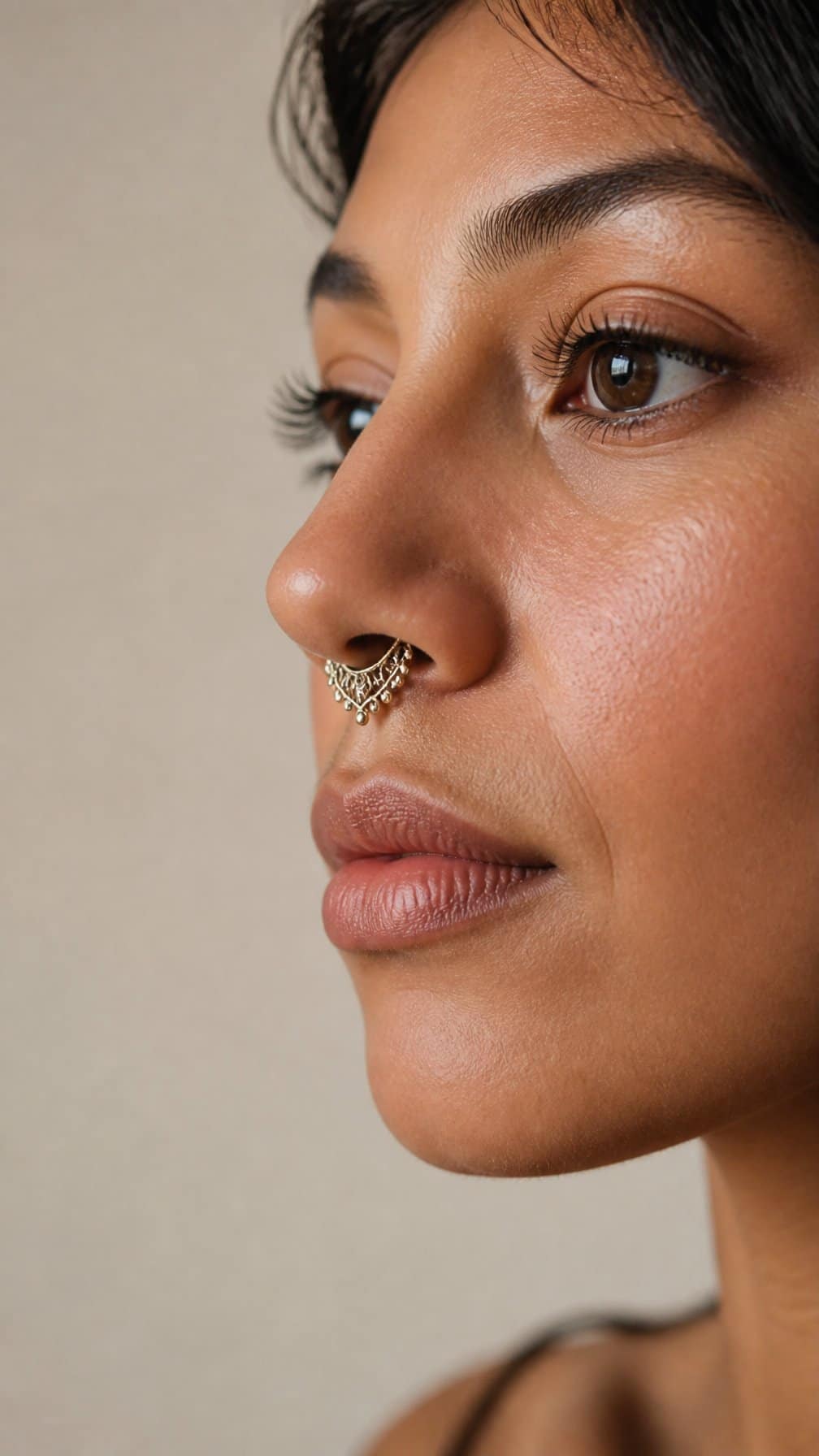
I like a filigree mandala ring for its detailed, symmetrical appearance. Fine metal lines form repeating petals and circular patterns, creating visual interest without requiring a large gauge or oversized design. The openwork also lets the skin remain visible, which keeps the piece from looking too dense.
I would pair this style with simple earrings or a small nostril stud so the mandala remains the main feature. Gold, silver, and black finishes each create a different effect: gold feels warm, silver looks clean, and black emphasizes the pattern. I would check the ring’s dimensions carefully, since intricate edges should sit comfortably without pressing against the septum.
18) Mixed-Metal Septum Stack
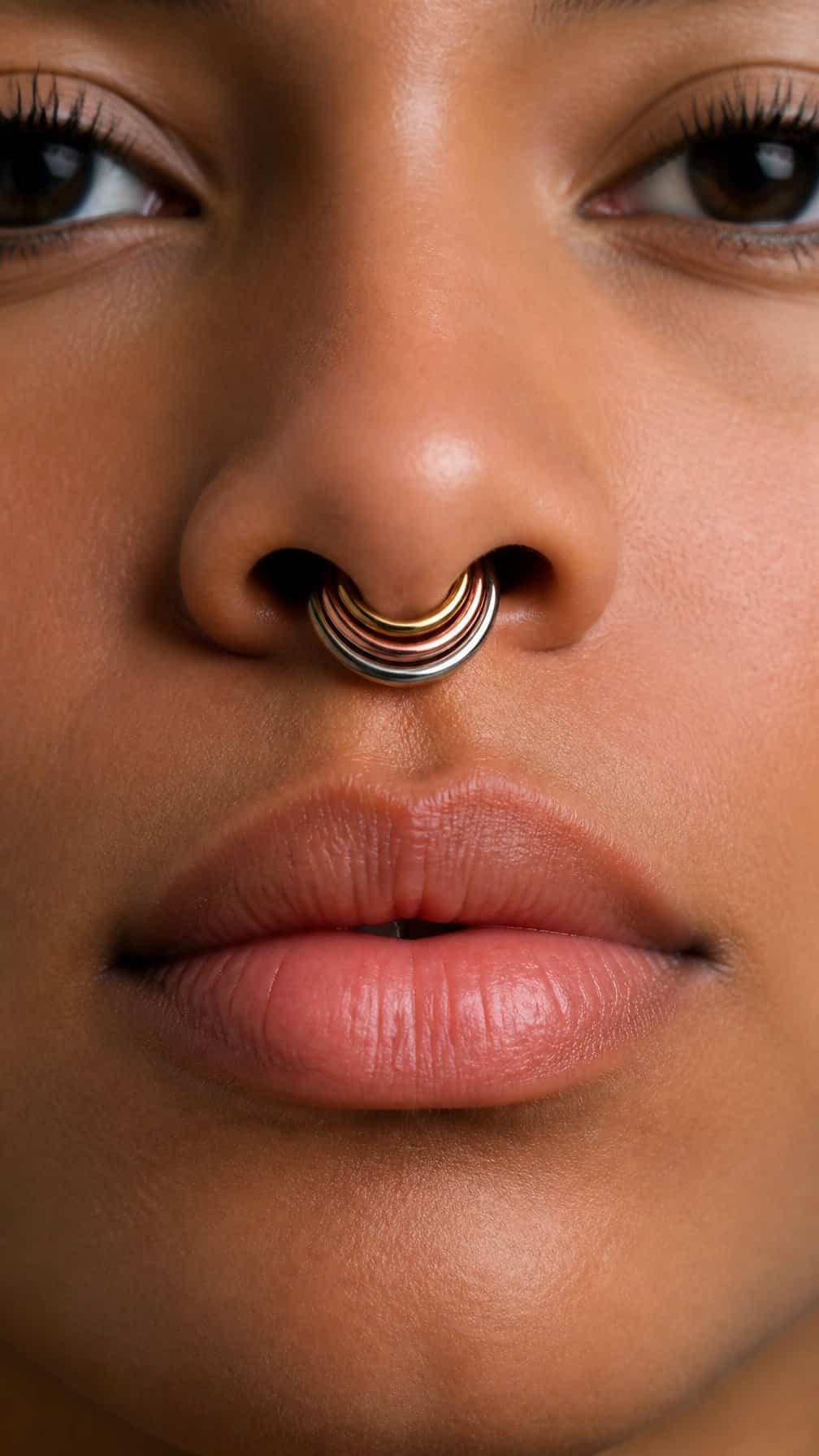
I combine metals such as yellow gold, silver, and rose gold to create visible contrast without relying on oversized jewelry. I usually keep one piece as the focal point, then add slimmer rings or clickers around it so the arrangement looks intentional rather than crowded.
I choose metals with similar finishes when I want a cleaner effect, or mix polished and matte surfaces for more texture. Before stacking, I check that each piece fits comfortably and leaves enough space to avoid pressure or rubbing. A professional piercer can help assess placement, sizing, and safe healing considerations.
19) Snake-Chain Septum Ring
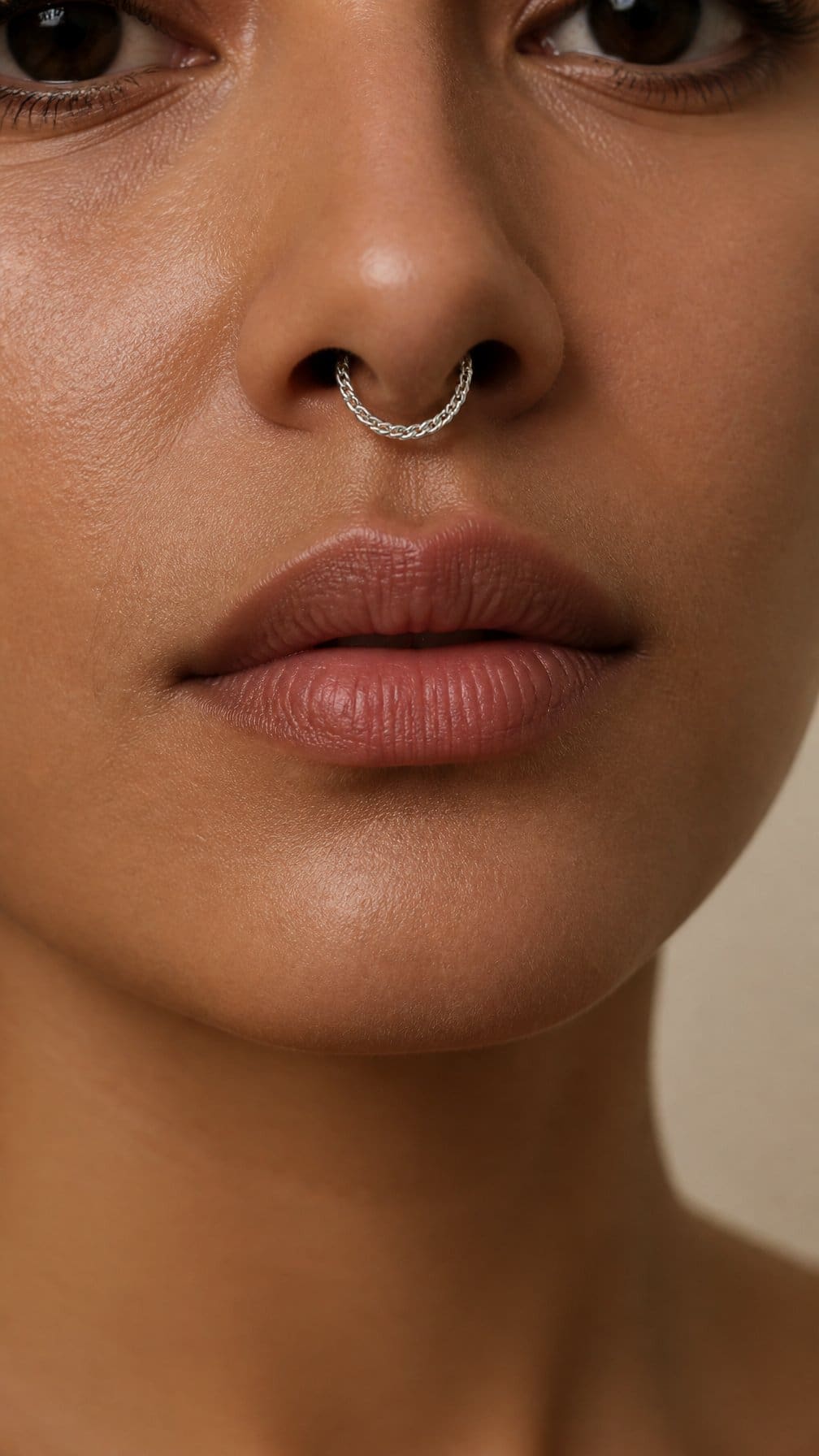
I like a snake-chain septum ring for its fluid, closely linked texture. The flexible-looking design adds movement without relying on large gemstones or oversized shapes, making it suitable for a polished everyday style.
I would choose a slim gauge and a small diameter if I wanted the chain detail to remain subtle. A thicker version creates stronger visual weight, while silver, gold, or black finishes can shift the look from classic to more alternative.
I would check that the ring fits securely and does not pinch the septum. Because the links can catch on clothing or towels, I would handle it carefully during cleaning and choose implant-grade material from a reputable piercer.
Septum Piercing Placement, Anatomy, And Healing

I look for placement that sits in the soft tissue beneath the nasal cartilage, then plan aftercare around gradual healing rather than appearance alone. Anatomy varies, so a professional piercer should assess the tissue before choosing the entry points and jewelry size.
Finding The Sweet Spot
I ask a piercer to identify the thin membrane between the nostrils, often called the sweet spot. It usually sits below the septal cartilage and above the thicker tissue near the nostril base. Placement that feels sharply painful, bleeds heavily, or meets firm resistance may indicate cartilage or unsuitable tissue, so I would stop and request an assessment rather than push through.
A qualified piercer should use sterile, single-use equipment, mark both sides, and check that the marks align when my nose rests naturally. Jewelry should leave enough room for mild swelling without hanging excessively low. I would also disclose allergies, nasal conditions, previous surgery, and medications that affect bleeding or healing.
Healing Timeline And Aftercare Essentials
A septum piercing commonly needs six to eight weeks to heal, although some take several months. I clean it with sterile saline once or twice daily, rinse away residue, and pat it dry with clean disposable gauze. I avoid twisting the jewelry, picking crusts, applying alcohol or peroxide, and using homemade salt mixtures that may be too concentrated.
During healing, I keep makeup, fragranced products, and dirty hands away from the piercing. I avoid swimming in pools, lakes, and hot tubs while the channel remains open. Increasing pain, spreading redness, heat, thick yellow or green discharge, fever, or embedded jewelry warrants prompt medical advice; I do not remove suspected infected jewelry without professional guidance.
Jewelry Materials, Sizing, And Everyday Comfort

I prioritize body-safe materials, accurate sizing, and a secure fit when selecting septum jewelry. These choices affect healing, irritation, cleaning, and whether the ring stays comfortable during sleep, exercise, and daily activities.
Choosing Safe Starter Jewelry
I recommend implant-grade titanium, niobium, or solid 14k or 18k gold without nickel for fresh piercings. I avoid plated jewelry, sterling silver, and unknown alloys because coatings can wear away, while reactive metals may cause irritation or discoloration.
A piercer should measure the distance between your piercing and the bottom of your septum before choosing a diameter. The ring should sit securely without pressing into the skin or hanging low enough to catch on clothing. For initial jewelry, I prefer a simple circular barbell or horseshoe because it allows easier cleaning and controlled movement.
I also check the gauge, which commonly ranges from 16g to 14g. I select internally threaded or threadless ends to reduce scratching during insertion, and I avoid heavy charms until the piercing has healed.
When To Change Your Septum Ring
I wait until the piercing has fully healed before changing jewelry, which commonly takes at least 6–8 weeks but may take longer. Tenderness, crusting, swelling, or discharge means I keep the original jewelry in and ask a qualified piercer to assess it.
For the first change, I choose jewelry with the same gauge and a similar diameter. A smaller ring can create pressure, while a larger one may snag or move excessively. I wash my hands, clean the new piece, and stop if insertion causes resistance or sharp pain.
I have a piercer perform the first jewelry change when possible. Afterward, I remove and replace the ring only when necessary, clean it with sterile saline, and avoid twisting it repeatedly during the day.