A lip piercing can add personality to your everyday look without overwhelming your style. I’ll explore understated placements, refined jewelry shapes, and balanced combinations that work with different features, outfits, and routines.

Save for later
Want to come back to this story? Save it with your email so it is easy to find again.
You can find a wearable lip piercing by matching its placement, jewelry size, and material to your comfort, style, and daily habits. I’ll also cover practical considerations, including healing, aftercare, and how each option may fit into regular activities.
Table of Contents
- 1 1) Classic single lower-lip stud
- 2 2) Subtle Monroe piercing
- 3 3) Minimalist Medusa piercing
- 4 4) Tiny vertical labret
- 5 5) Delicate horizontal labret
- 6 6) Small black lip ring
- 7 7) Slim gold lip hoop
- 8 8) Single snake-bites stud
- 9 9) Symmetrical silver snake bites
- 10 10) Discreet off-center labret
- 11 11) Flat-back lip stud
- 12 12) Tiny gemstone lip piercing
- 13 13) Rose-gold Monroe stud
- 14 14) Small silver vertical labret
- 15 15) Delicate philtrum piercing
- 16 16) Minimal shark-bites arrangement
- 17 17) Single canine piercing
- 18 18) Thin seamless lip ring
- 19 19) Opal lower-lip stud
- 20 Choosing Placement, Jewelry, And Materials
- 21 How Lip Anatomy Influences Placement
- 22 Everyday-Friendly Jewelry Profiles
- 23 Safe Metal And Material Choices
- 24 Healing, Aftercare, And Daily Wear
- 25 Typical Healing Timeline
- 26 Reducing Irration During Meals And Oral Care
- 27 When To See A Professional Piercer
1) Classic single lower-lip stud

I like a single lower-lip stud for its clean, balanced appearance. I usually choose a small flat-back piece in silver, gold, or black so it adds detail without dominating my face.
I find this placement easy to coordinate with everyday clothing, from casual basics to office-appropriate outfits. A discreet stud also gives me flexibility when I want a subtle look, while a larger or brighter piece creates more emphasis.
I would select implant-grade titanium or another material recommended by a qualified piercer. Proper placement, regular aftercare, and suitable jewelry help support comfortable healing.
2) Subtle Monroe piercing

I like a Monroe piercing for its small, deliberate detail above the upper lip. A tiny flat-back stud keeps the look neat and works well with simple jewelry, natural makeup, or no makeup at all. I would choose a polished finish for a sharper accent or a muted metal for a softer effect.
I find placement especially important because even a slight shift changes the balance of the face. I would consult an experienced piercer about anatomy, jewelry size, and healing care before booking. Following cleaning instructions and avoiding unnecessary movement can support a smoother healing process.
3) Minimalist Medusa piercing
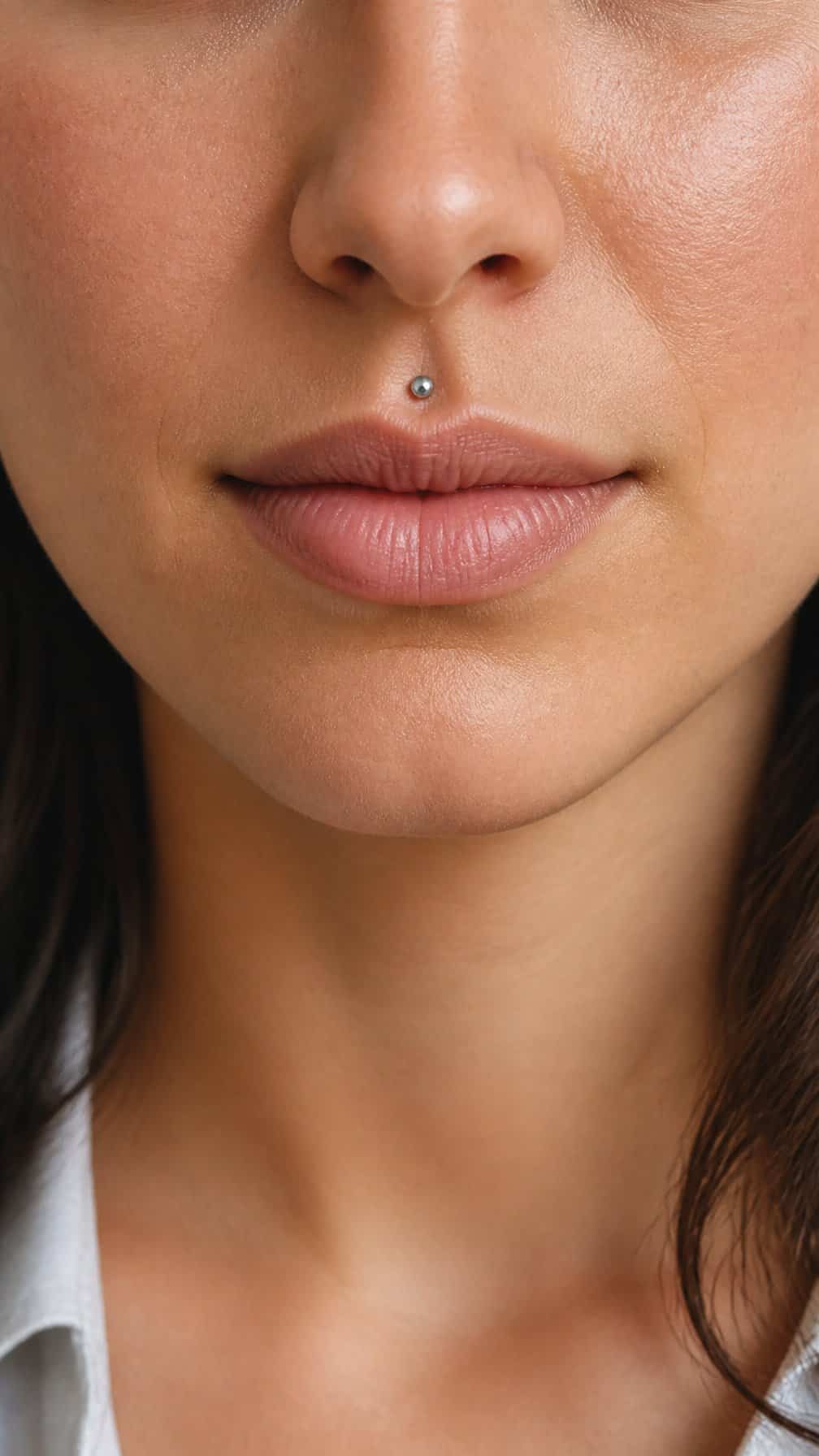
I like a Medusa piercing for its centered placement and clean appearance. A small flat-back stud keeps the look subtle, while silver, gold, or titanium finishes can match everyday jewelry without competing with it.
I would choose a low-profile top for comfort and a neat outline against the upper lip. During healing, I would follow the piercer’s cleaning instructions and avoid changing the jewelry until the site has settled. A professional piercer can also assess anatomy and select an appropriate placement.
4) Tiny vertical labret
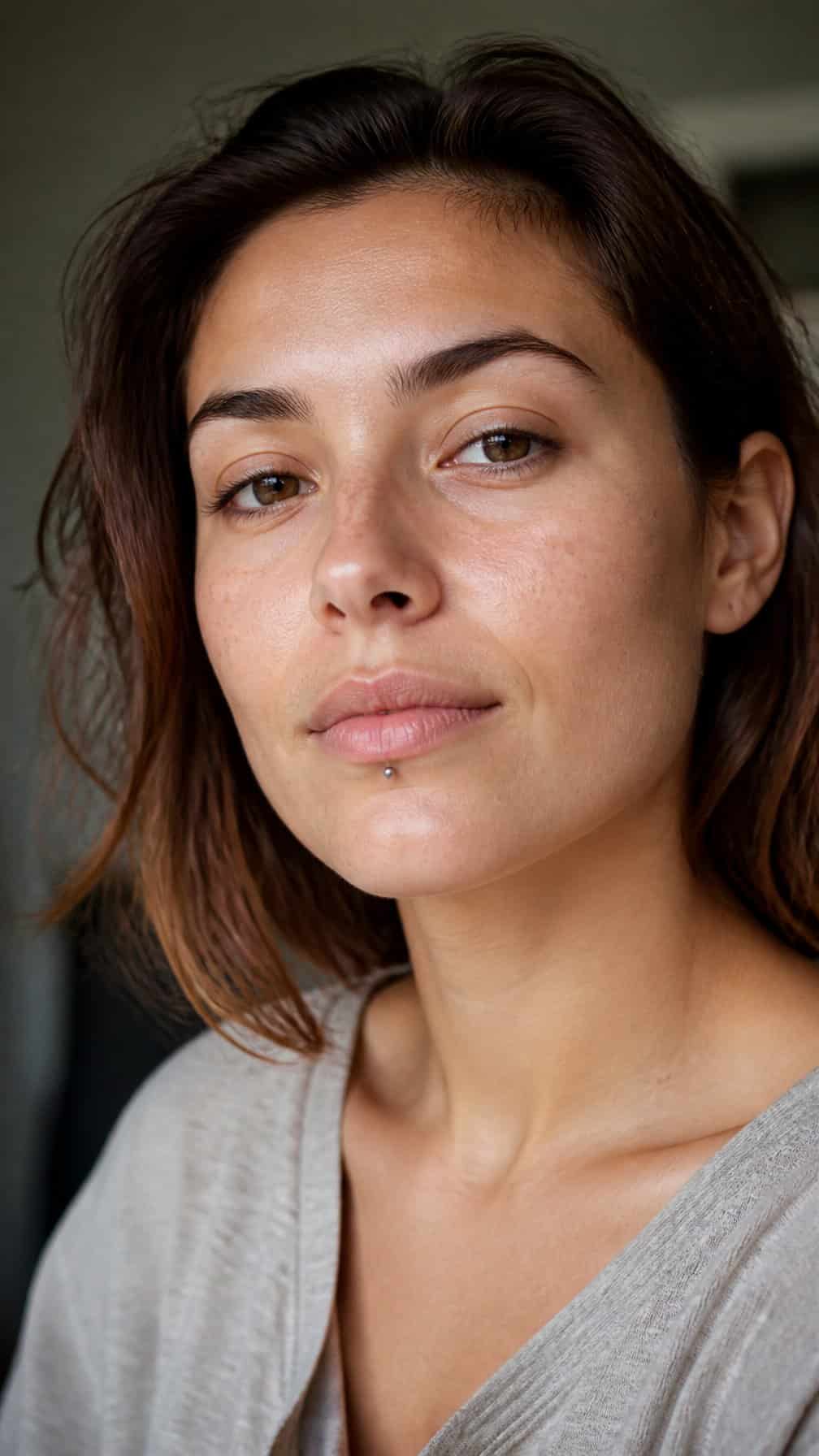
I like a tiny vertical labret for its neat, centered placement and subtle double-ended detail. The jewelry passes through the lower lip rather than sitting inside the mouth, so the visible ends create a clean, balanced look.
I would choose a small curved barbell with plain metal ends for everyday wear. Titanium can offer a lightweight option, while a shorter bar usually looks more understated after swelling has settled and a piercer confirms the fit.
I would keep the styling simple around it, especially with minimal makeup or small facial jewelry. Healing can involve tenderness and swelling, so I would follow professional aftercare guidance and avoid changing the jewelry too early.
5) Delicate horizontal labret
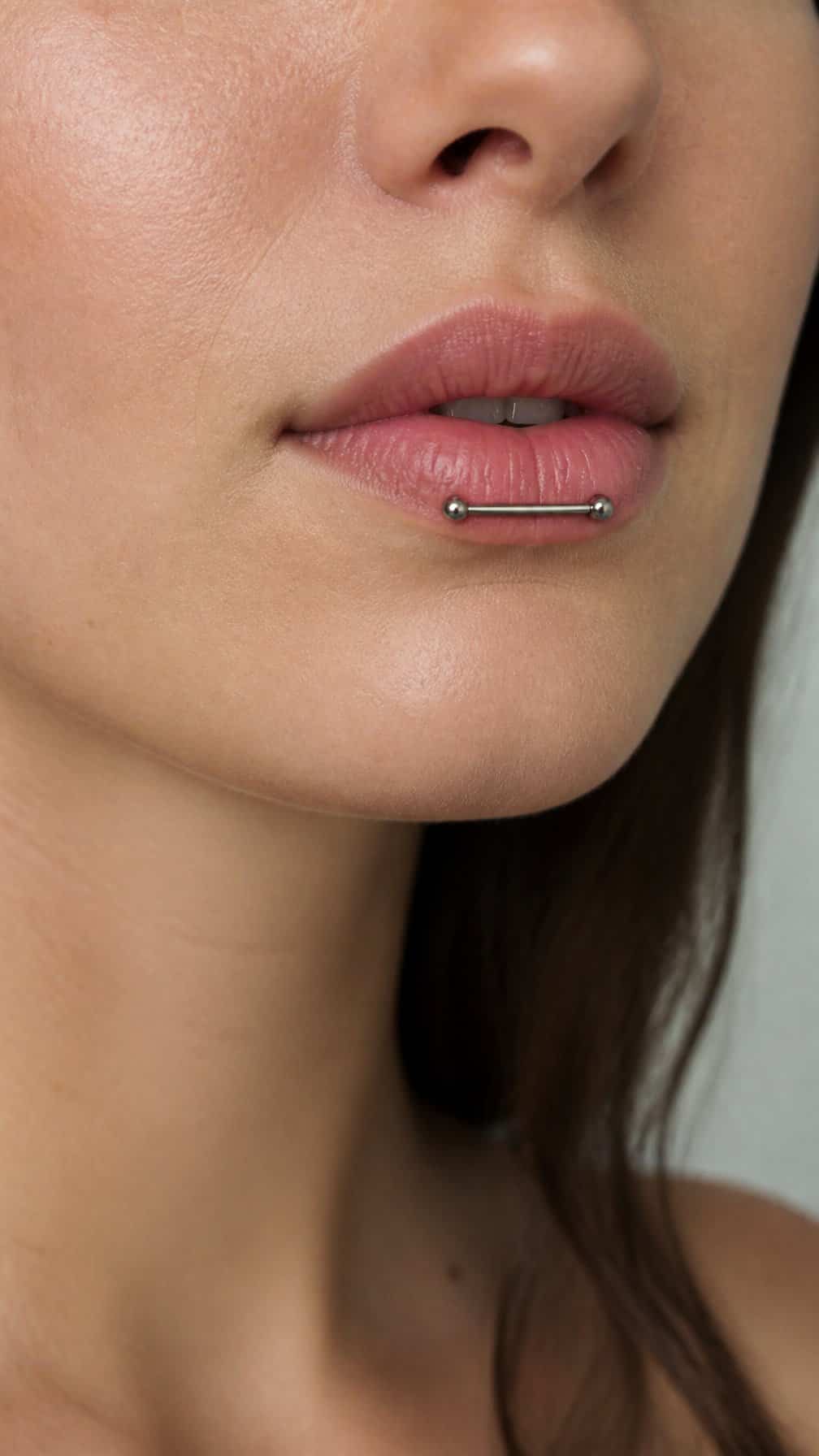
I like a delicate horizontal labret for its clean, understated placement along the lower lip. A small curved barbell or two discreet ends can create a balanced look without competing with everyday jewelry.
I would choose a low-profile piece in titanium, especially for regular wear and easier coordination with neutral outfits. The placement needs careful planning because the jewelry sits through the lip rather than vertically below it, so I would consult an experienced piercer about anatomy, swelling, and proper aftercare.
6) Small black lip ring

I like a small black lip ring for its clean, understated appearance. The dark finish adds definition without making the piercing dominate my face, so it works well with casual clothing and simple accessories.
I would choose a slim ring with a smooth surface for comfortable daily wear. A snug fit keeps the look neat, while a slightly wider diameter creates more visible contrast. I also consider the metal type and finish, especially if my skin reacts to certain materials.
The style pairs easily with neutral colors, denim, and minimal makeup. I can wear it alone for a subtle detail or combine it with small black earrings for a coordinated look.
7) Slim gold lip hoop
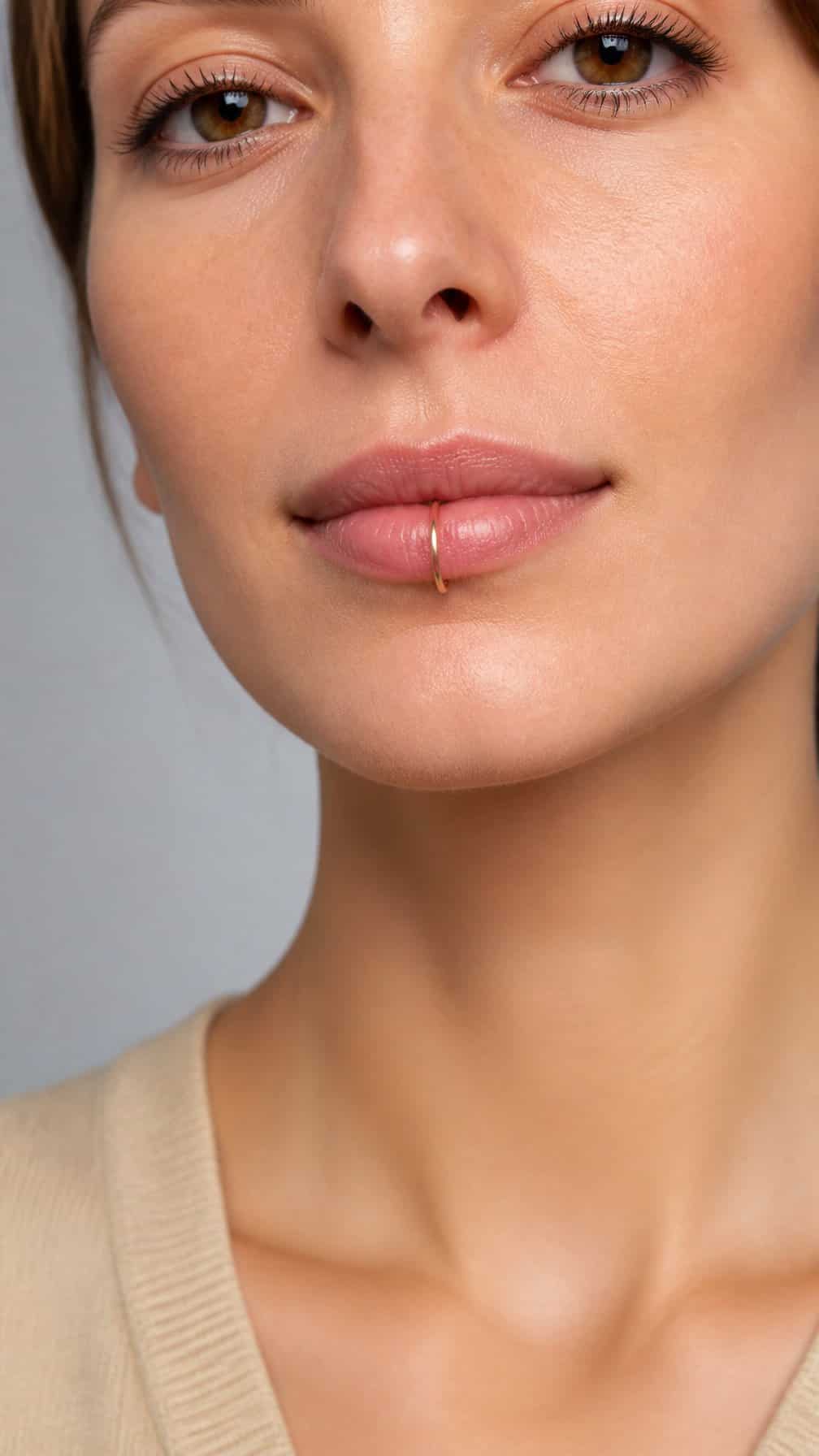
I like a slim gold lip hoop for its clean, understated finish. Its narrow profile adds a small point of contrast without making the piercing dominate my face, which suits casual outfits and simple jewelry.
I usually pair it with small gold studs, a fine chain, or no other facial jewelry for a balanced look. A polished hoop feels neat and classic, while a matte finish creates a softer effect.
I would choose implant-grade titanium or solid gold from a reputable piercer, since plating can wear away and some alloys may irritate the skin. The fit should allow comfortable movement without pressing against the lip.
8) Single snake-bites stud

I like a single snake-bites stud for its balanced placement and understated finish. One small piece sits beneath the lower lip, giving me the visual effect of a paired style without matching jewelry on both sides.
I would choose a flat-back labret in titanium or another body-safe material for comfortable daily wear. A polished silver, gold-tone, or black finish can shift the look from subtle to slightly bolder without dominating my face.
The placement needs careful marking because symmetry affects the result, especially when the piercing sits close to the lip line. I would also leave room for initial swelling and follow the piercer’s aftercare instructions during healing.
9) Symmetrical silver snake bites
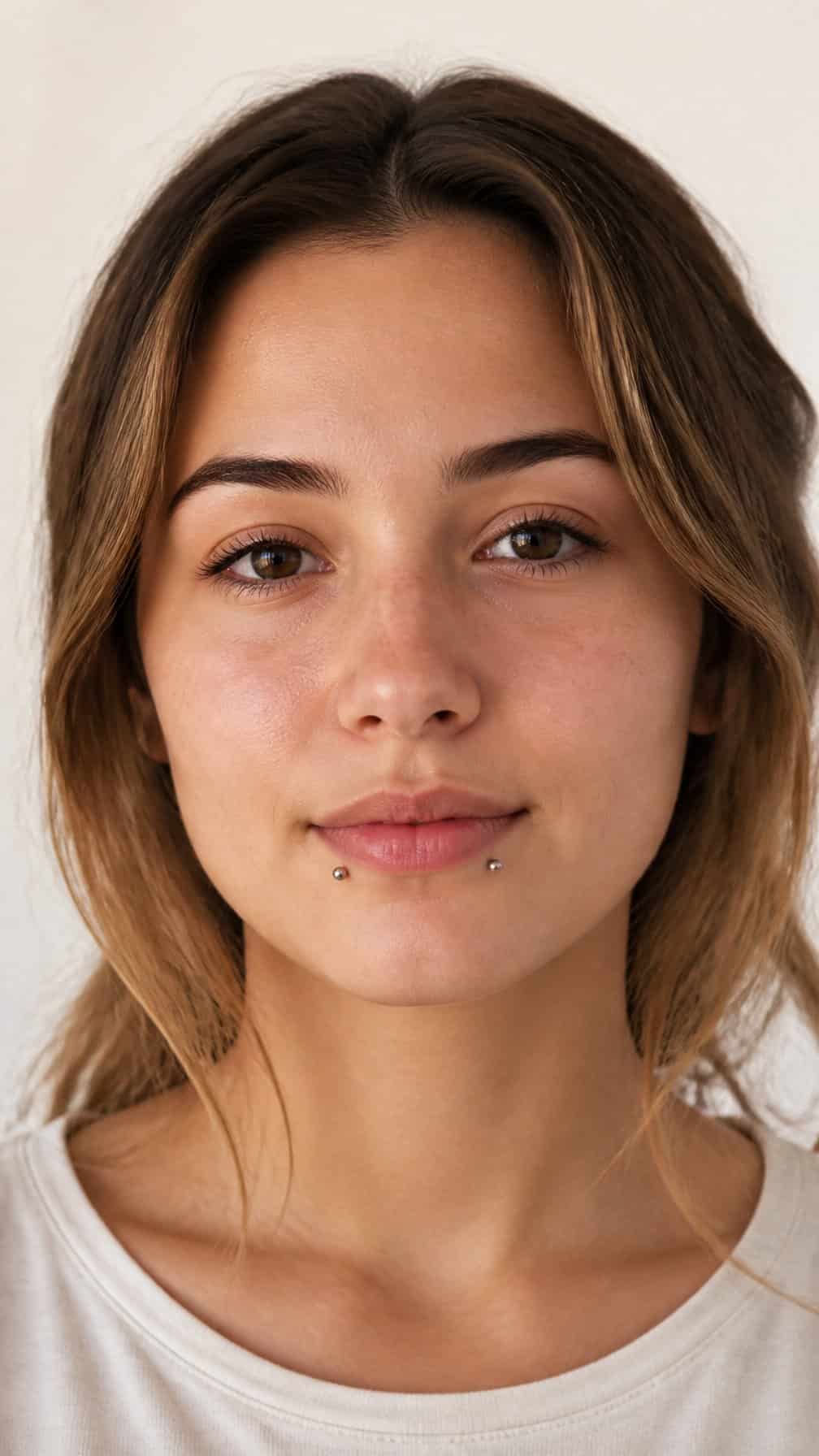
I like silver snake bites for their balanced placement and understated finish. Two small studs sit beneath the lower lip, one on each side, creating a clean look that works with casual clothing and simple jewelry.
I would choose polished silver ends in a small or medium size for everyday wear. The cool metal adds definition without making the piercing feel too bold, while matching pieces keep the arrangement neat.
I would also consider flat-back jewelry for a smoother fit against the mouth. A professional piercer can assess anatomy, mark both sides evenly, and recommend suitable jewelry for healing and daily comfort.
10) Discreet off-center labret
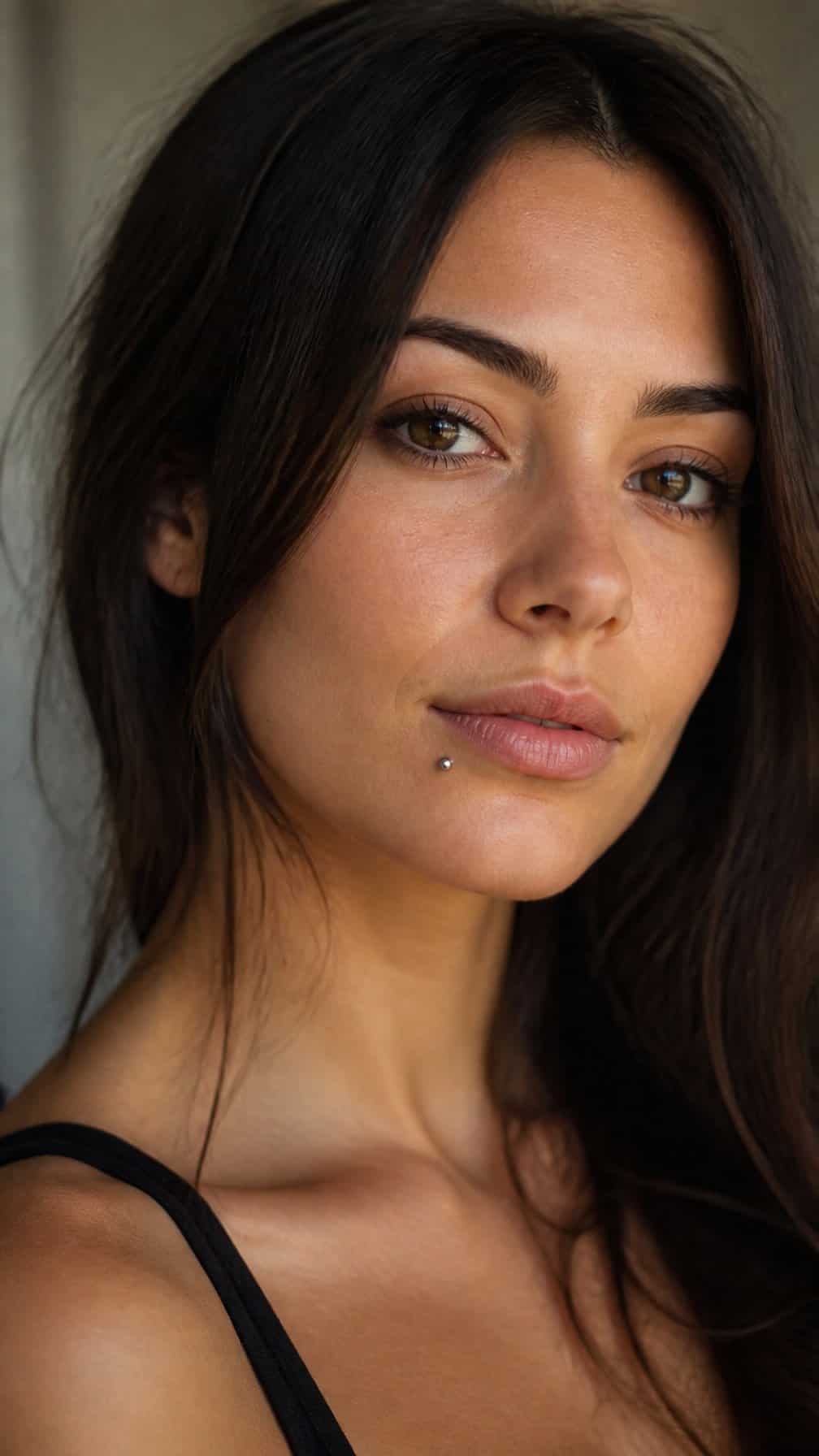
I like an off-center labret for its subtle placement and clean profile. Positioning the stud slightly to one side adds a small detail without making the piercing dominate my face, which suits simple daily outfits and understated jewelry.
I would choose a small flat-back stud in titanium, surgical steel, or solid gold, depending on my budget and skin needs. A plain bead or polished disk keeps the look neat, while a tiny stone adds quiet contrast.
I would also consider how the placement aligns with my smile, lip shape, and existing piercings. A professional piercer can mark several positions first, helping me compare the spacing before committing.
11) Flat-back lip stud

I like a flat-back lip stud for its clean, low-profile appearance. The small front end adds a subtle point of shine, while the smooth backing rests against the inside of my lip without a visible post.
I find this style easy to coordinate with casual clothing and simple jewelry. I can choose a polished metal finish for a classic look or a small gemstone for slightly more color without making the piercing the focus of my outfit.
I would have the jewelry fitted by a professional piercer, since the post needs enough room for normal swelling without feeling loose. After healing, a properly sized flat-back can sit comfortably and maintain a neat everyday profile.
12) Tiny gemstone lip piercing
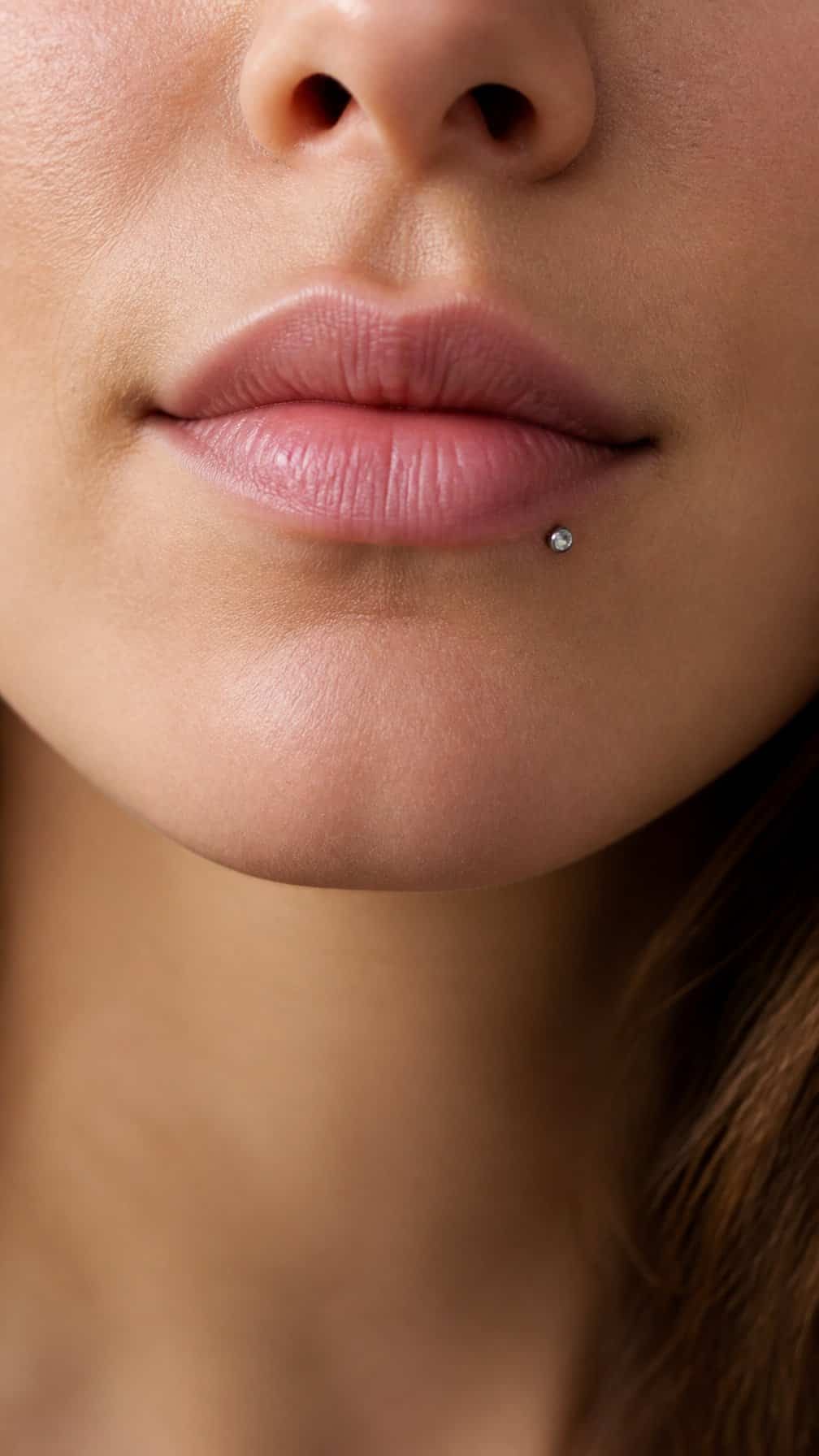
I like a tiny gemstone for its restrained sparkle and neat profile. A small clear or colored stone can add interest without making the piercing dominate my everyday look.
I would choose a flat, low-profile stud with a backing that feels comfortable against my mouth. Titanium or solid gold can suit my preferences, while the jewelry’s size should match my lip shape and personal style.
I keep the rest of my jewelry simple when I want the gemstone to stand out. During healing, I follow my piercer’s cleaning instructions and avoid changing the jewelry until the piercing has healed properly.
13) Rose-gold Monroe stud
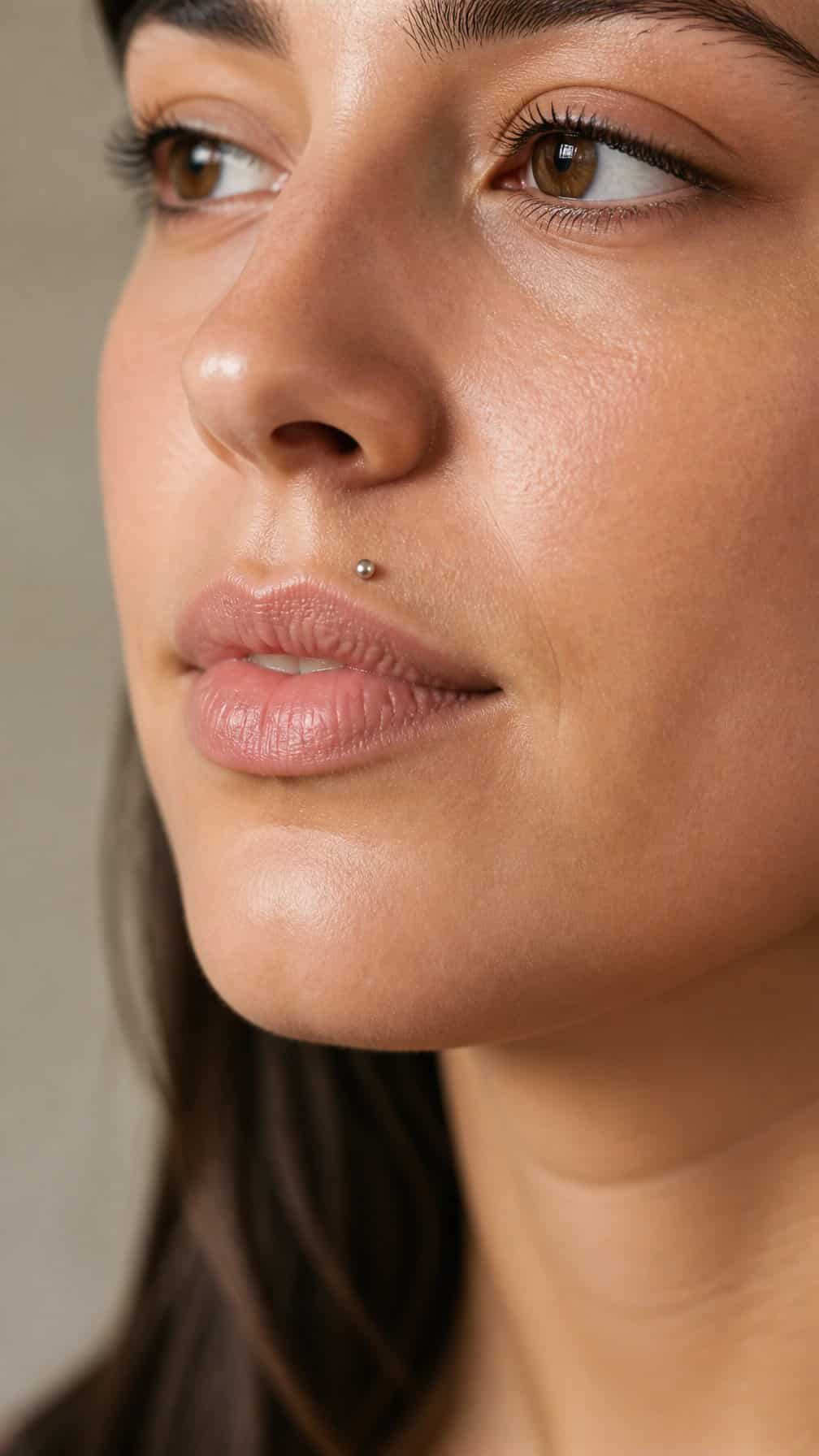
I like a rose-gold Monroe stud for its neat placement above the upper lip and its warm, understated color. The small gem or bead adds a polished detail without making the piercing feel too bold for everyday outfits.
I would pair it with simple jewelry in warm metals, soft makeup, or a bare face for a balanced look. Its size also makes it easy to coordinate with glasses, earrings, or other accessories without creating visual clutter.
Before choosing this style, I would check the piercer’s jewelry options and confirm that the post suits my lip anatomy. Proper placement and professional aftercare help protect the surrounding tissue while the piercing heals.
14) Small silver vertical labret
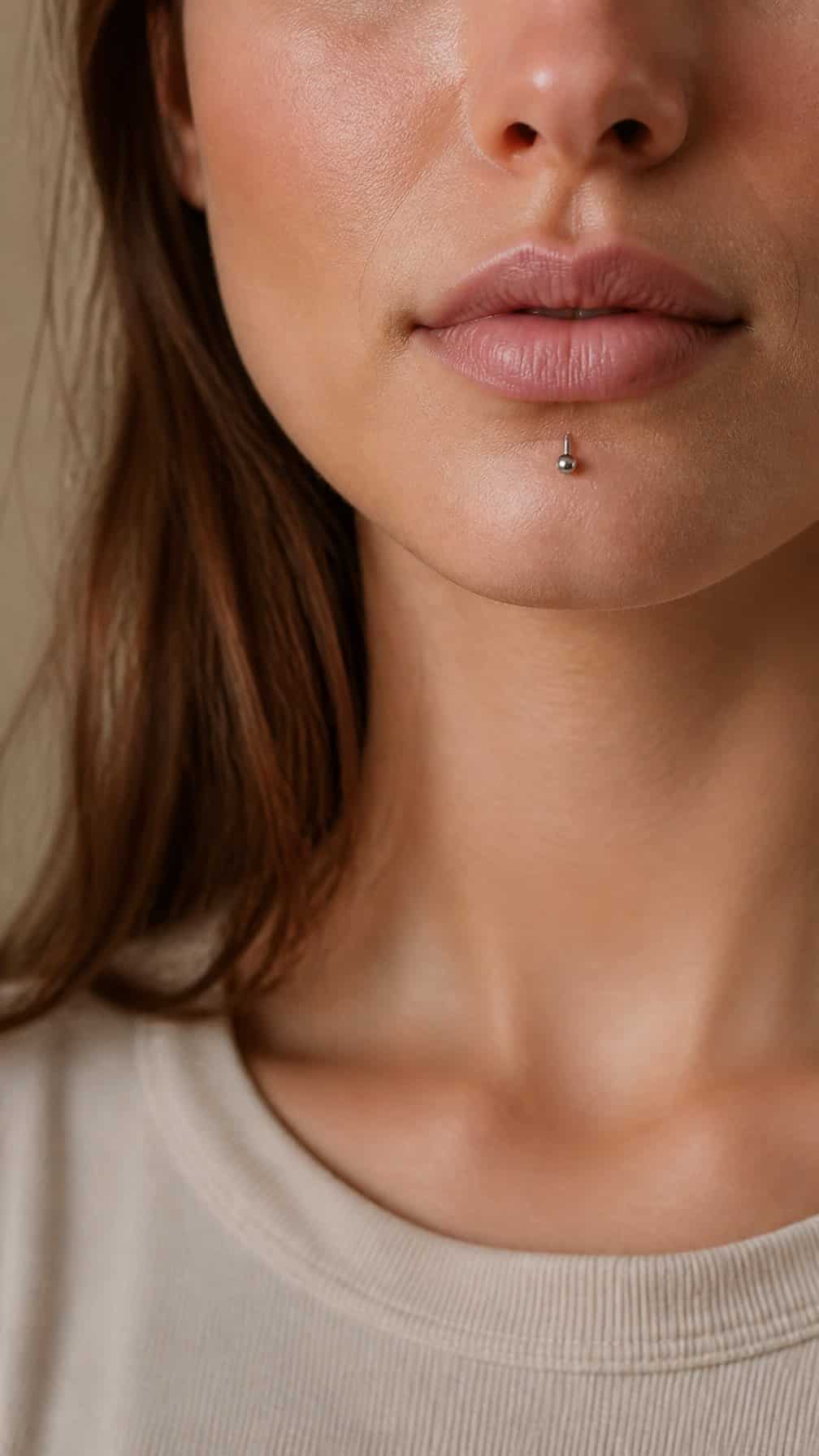
I like a small silver vertical labret for its neat, balanced appearance. The jewelry sits through the lower lip rather than inside the mouth, so the two visible ends create a simple vertical line. A polished silver finish suits casual outfits and works well with other small facial piercings.
I would choose a flat, discreet top and a matching lower bead for an everyday look. The placement remains noticeable without dominating the face, while the silver tone pairs easily with cool-toned jewelry. A qualified piercer can assess your lip shape and recommend suitable jewelry and placement.
15) Delicate philtrum piercing
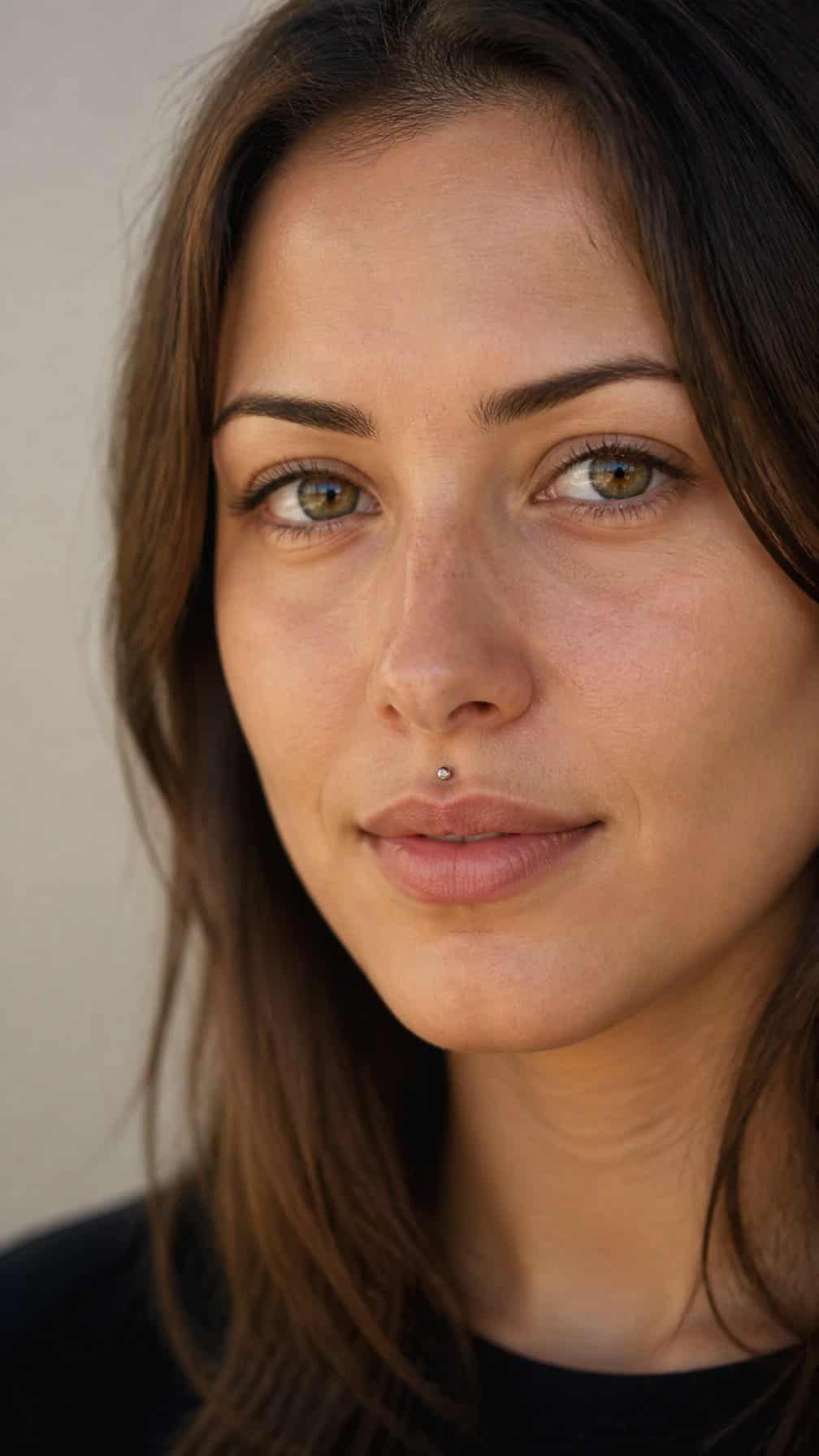
I like a delicate philtrum piercing for its centered placement and restrained look. A small flat-back stud sits above the upper lip, adding a subtle detail without dominating the face.
I would choose a simple metal finish, such as polished titanium or gold, to keep it compatible with everyday clothing and other jewelry. The placement requires careful assessment because anatomy, tooth contact, and gum position can affect comfort and long-term wear.
I would have it fitted by a qualified professional who can select suitable jewelry and explain aftercare. Once healed, I would keep the design minimal and avoid oversized tops that could catch on clothing or interfere with eating.
16) Minimal shark-bites arrangement

I like this paired arrangement because it creates balance without demanding a bold styling choice. Two small piercings sit on each side of the lower lip, while simple studs keep the placement neat and easy to coordinate with everyday jewelry.
I would choose low-profile titanium or gold-tone pieces for a restrained finish. Flat-back jewelry can also feel more comfortable during daily wear, but I would follow a professional piercer’s advice on fit, spacing, and healing. A neutral outfit lets the symmetrical placement add detail without dominating the look.
17) Single canine piercing
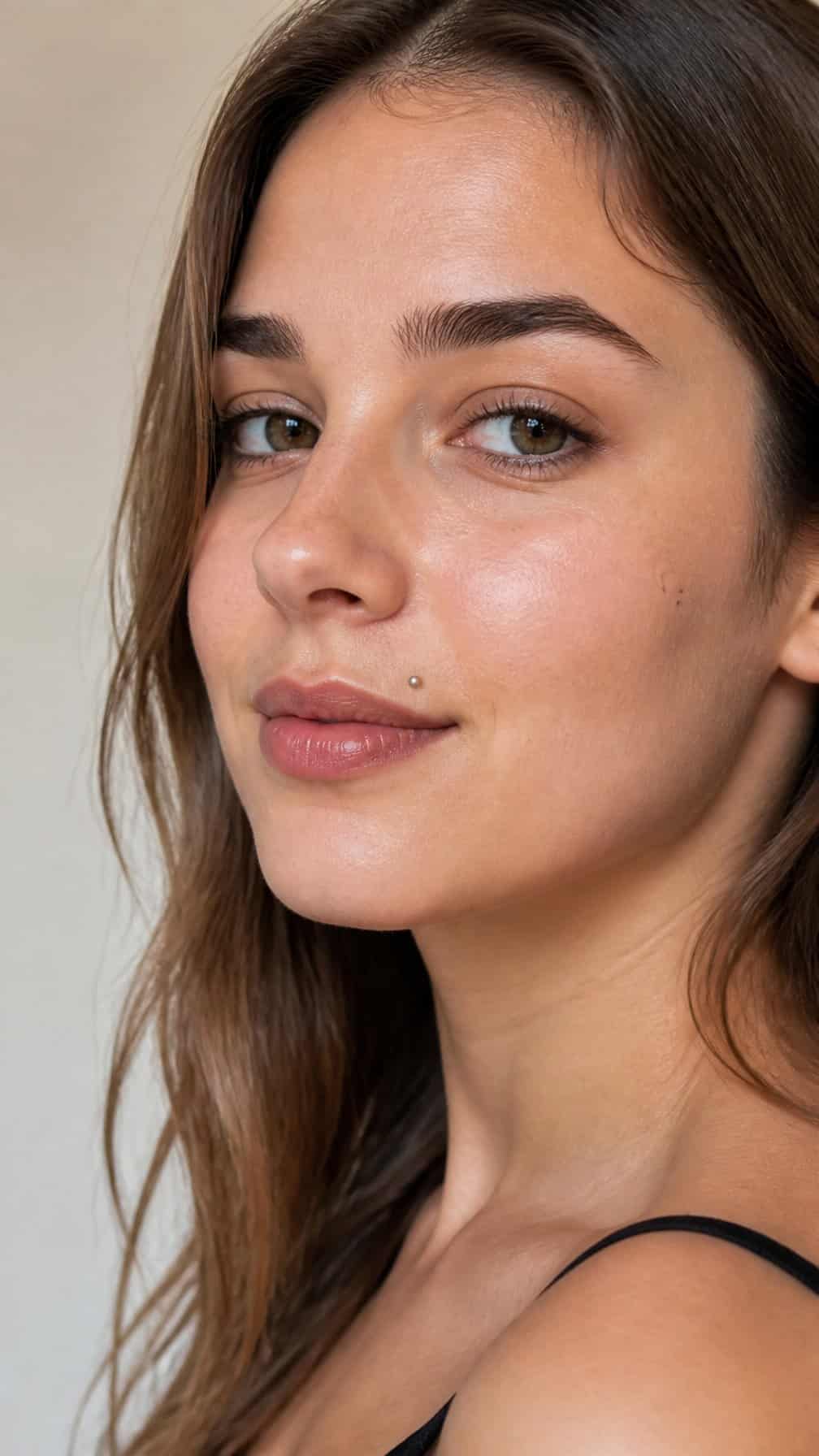
I like a single canine piercing for its small, deliberate detail near the upper lip. I would choose a slim stud or a tiny ring, depending on how visible I want the jewelry to look in daily settings.
I find this placement works well with simple clothing because it adds interest without dominating my face. I would confirm the exact position with a professional piercer, since anatomy and tooth placement can affect comfort, jewelry choice, and healing. I would also follow aftercare instructions carefully and avoid changing the jewelry too soon.
18) Thin seamless lip ring
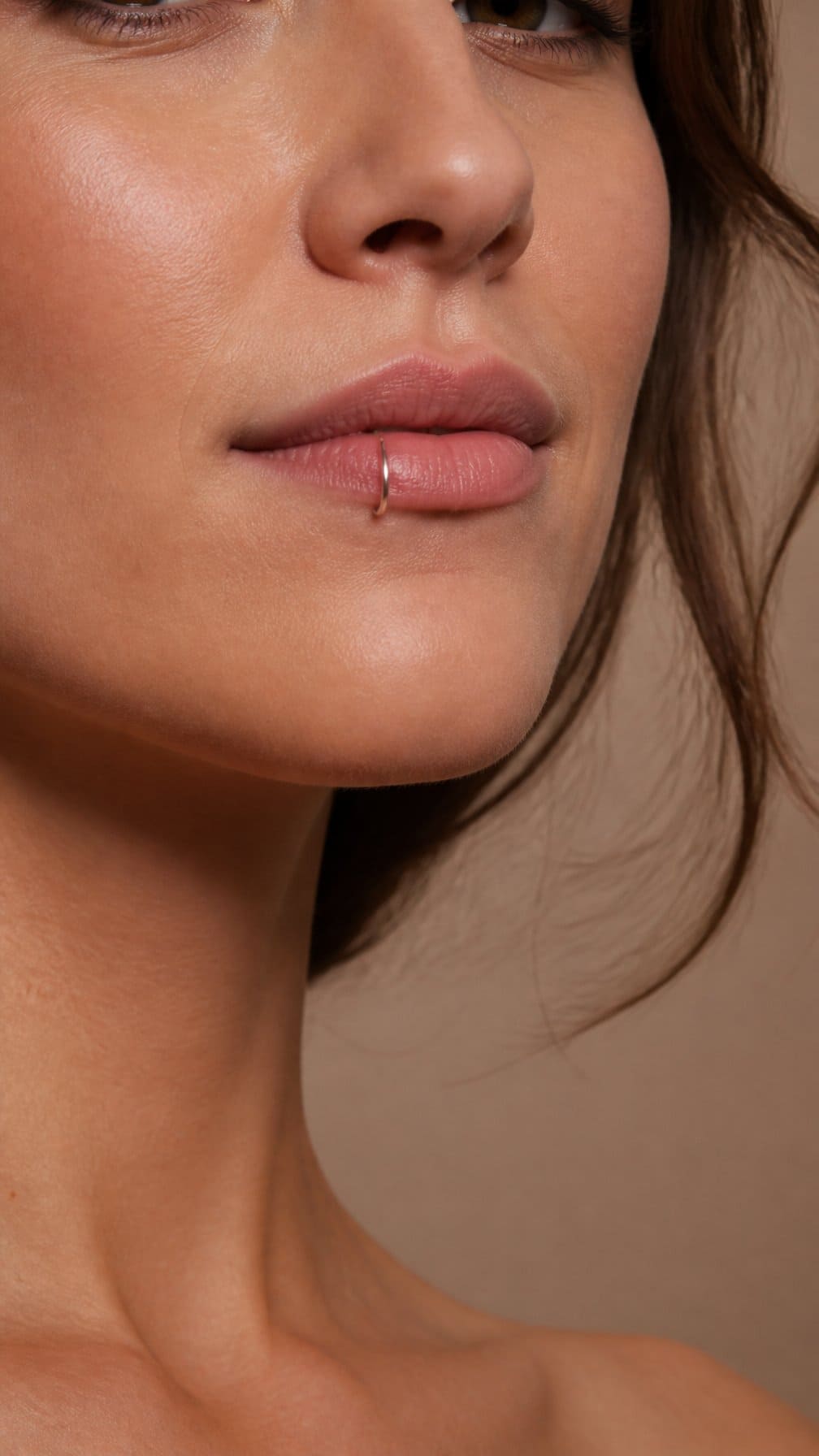
I like a thin seamless lip ring for its clean, understated profile. Its smooth shape sits close to the lip, so it works well with casual clothing, simple jewelry, and everyday makeup.
I would choose a polished finish for a brighter look or a matte finish for a softer effect. The narrow design keeps the piercing visually balanced without competing with other facial jewelry.
I would also check the ring’s diameter and material before wearing it regularly. A properly fitted piece should feel secure without pressing into the lip, and implant-grade titanium can suit people who need a lightweight, body-safe option.
19) Opal lower-lip stud
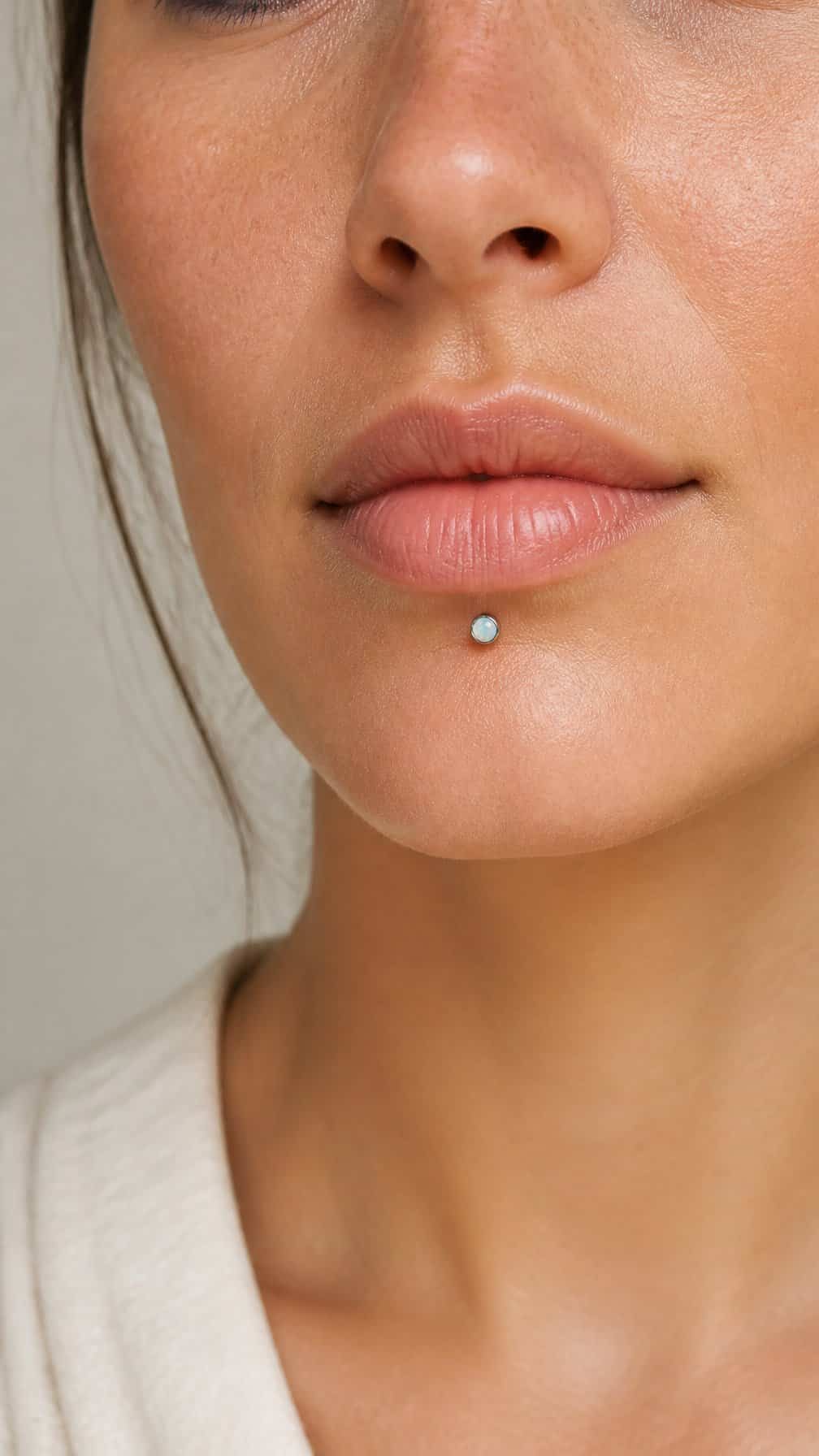
I like an opal lower-lip stud for its small, polished detail. Its milky surface can show subtle blue, green, or pink flashes without making the piercing look too bold for daily wear.
I would choose a low-profile flat-back style with a smooth setting, especially for comfort while speaking and eating. A neutral opal pairs easily with casual clothing, while a colored stone adds a controlled accent. I would also match the metal to my existing jewelry for a more coordinated look.
Choosing Placement, Jewelry, And Materials
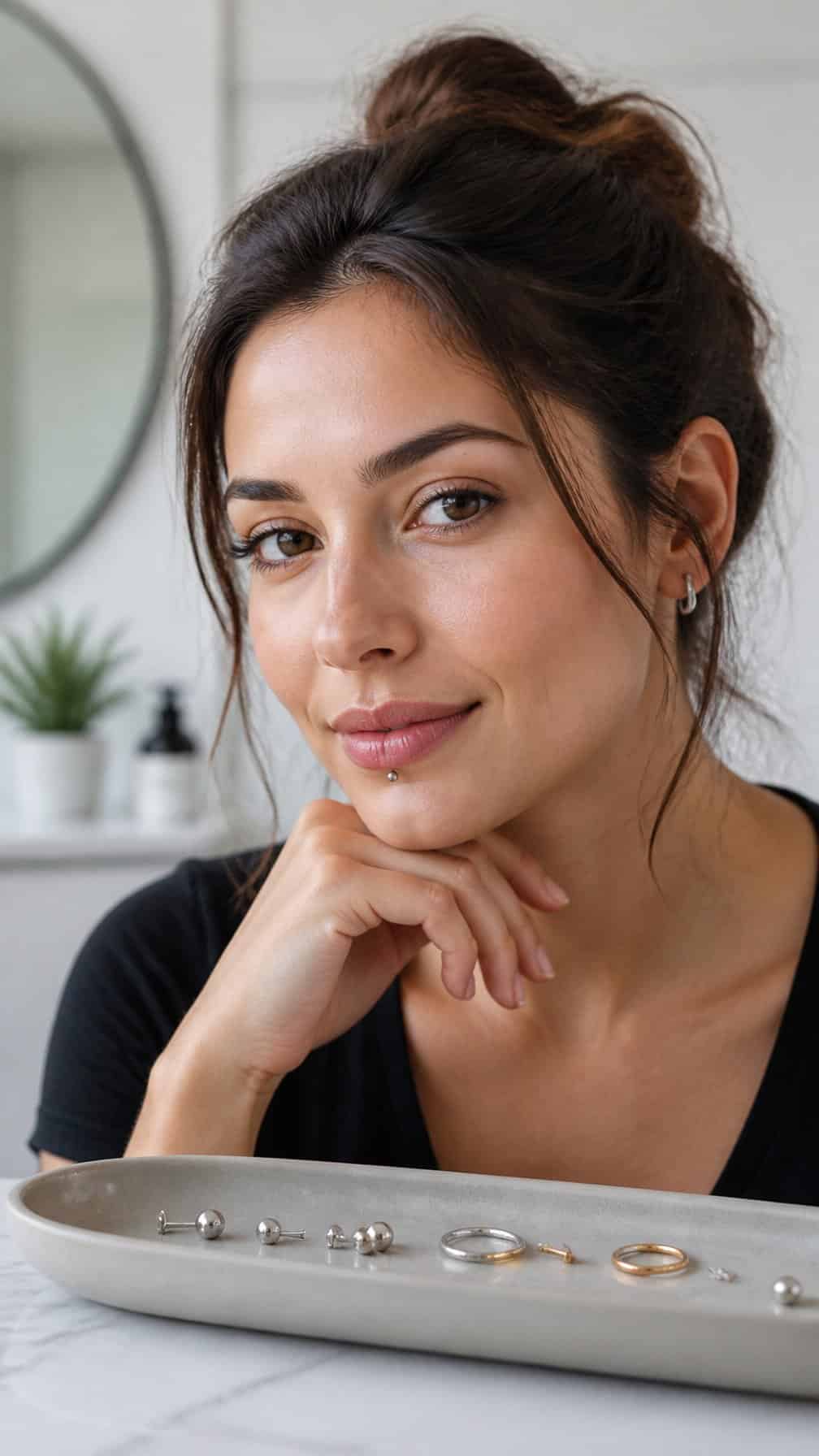
I match the piercing site, jewelry shape, and metal to my anatomy, daily habits, and maintenance routine. A balanced choice should sit comfortably, limit contact with teeth and gums, and suit the way I speak, eat, and sleep.
How Lip Anatomy Influences Placement
I first consider lip thickness, natural folds, frenulum position, and the amount of visible tissue around the mouth. A centered lower-lip placement may look balanced on a fuller lip, while a side placement can follow the natural curve of a narrower lip. My piercer should assess the inside of my mouth as well as the exterior before marking the site.
I also account for teeth and gum contact. Jewelry that repeatedly rubs against enamel or catches on the gums can cause irritation, recession, or chipped teeth. Swelling after piercing requires extra room, but the post should be shortened by a professional once healing reduces the initial swelling.
Facial movement matters, too. I check how the placement shifts when I smile, talk, and eat. A mark that looks centered at rest may appear uneven during expression, so I prefer a placement that remains visually balanced through normal movement.
Everyday-Friendly Jewelry Profiles
For an everyday look, I usually choose a small flat-back labret with a smooth, low-profile end. Its flat interior reduces contact with my teeth and gums, while a simple bead, disk, or petite gemstone keeps the exterior easy to style. I avoid oversized shapes that snag on clothing, towels, or masks.
| Jewelry feature | Practical benefit |
|---|---|
| Flat-back interior | Limits rubbing inside the mouth |
| Small end | Reduces snagging and visual bulk |
| Threadless or internally threaded design | Avoids exposed external threading |
| Correct post length | Prevents excess movement after swelling settles |
I select the post length with a professional rather than guessing. During healing, I follow the piercer’s instructions and return for downsizing when appropriate. Hoops can suit a healed piercing, but I use them only when the channel feels stable and the ring fits without pulling or pressing into the lip.
Safe Metal And Material Choices
I favor implant-grade titanium, especially when I have sensitive skin or a history of metal reactions. Implant-grade niobium can also work well, while solid, nickel-free 14-karat or 18-karat gold may suit a fully healed piercing. I confirm the material standard with the studio instead of relying on vague labels such as “surgical steel.”
I avoid plated jewelry, mystery alloys, sterling silver for a fresh oral piercing, and gold under 14 karats. Plating can wear away, exposing a less suitable base metal; silver may tarnish and irritate tissue. I also choose jewelry with a smooth, polished surface and no sharp edges, cracks, or porous finishes.
My piercer should use sterile, body-safe jewelry sized for the initial swelling. I replace damaged pieces promptly and never force jewelry through a narrowed or irritated channel.
Healing, Aftercare, And Daily Wear
I plan for gradual swelling reduction, careful cleaning, and small adjustments to eating, speaking, and oral care. My jewelry should stay in place during healing unless a qualified professional tells me otherwise.
Typical Healing Timeline
I usually expect noticeable tenderness, swelling, and mild redness during the first several days. A lip piercing often needs about 6–12 weeks to heal, although the exact timeline depends on placement, jewelry fit, general health, and aftercare.
During the first week, I clean the outer area with sterile saline and rinse my mouth with water after eating. I avoid twisting, removing, or repeatedly touching the jewelry because these actions can reopen the channel and prolong irritation.
Swelling may make the flat back feel tight. After the initial swelling decreases, I ask my piercer whether I need a shorter post; wearing an overly long post can catch on teeth and gums. I treat the piercing as unhealed until it stays comfortable, drains no fluid, and no longer develops crusting after routine activities.
Reducing Irration During Meals And Oral Care
I choose small, cool or lukewarm foods during the first few days and chew slowly on the opposite side. I avoid spicy, acidic, salty, crunchy, and very hot foods if they sting the piercing. Alcohol and smoking can also irritate the tissue and slow healing.
After meals, I rinse with plain water and brush gently with a soft-bristled toothbrush. I do not use alcohol-based mouthwash, hydrogen peroxide, or harsh scrubs on the piercing. I keep toothpaste residue from sitting around the jewelry and use clean hands before touching the area.
I avoid biting the jewelry, playing with it, and sharing drinks or utensils. For daily wear, I check that the jewelry does not snag on towels, clothing, or masks, and I keep makeup and skincare products away from the opening.
When To See A Professional Piercer
I contact my piercer if swelling worsens after the first few days, the jewelry presses into the tissue, or the post repeatedly catches on my teeth. A qualified piercer can assess the fit and replace jewelry safely without forcing a partially healed channel.
I seek medical care for spreading redness, severe or increasing pain, marked heat, thick yellow or green discharge, fever, or red streaks. I do not remove the jewelry on my own when I suspect an infection because closing the channel can trap drainage; I ask a healthcare professional for specific instructions.
Persistent bleeding, numbness, cracked teeth, or gum recession also requires prompt evaluation. Regular dental checks help identify damage from jewelry rubbing against teeth or gums.