Growing up in the 1960s meant dinner time was sacred, with rules and expectations that would make today’s kids’ heads spin. Back then, the family dinner table wasn’t just about eating – it was where we learned manners, respect, and family values. Let me take you back to a time when dinner was served promptly at 6:00 PM, and everyone knew their place at the table.
Table of Contents
- 1 1. No TV During Dinner – Period
- 2 2. Clean Your Plate – Think of the Starving Children
- 3 3. No Elbows on the Table
- 4 4. Ask to Be Excused
- 5 5. Set the Table Properly
- 6 6. No Phone Calls During Dinner
- 7 7. Wait Until Everyone Is Served
- 8 8. Children Speak When Spoken To
- 9 9. Proper Napkin Use Required
- 10 10. No Reading Material at the Table
- 11 11. Sunday Dinner Was Extra Special
- 12 12. Say “Please” and “Thank You”
- 13 13. No Reaching Across the Table
- 14 14. Chew With Your Mouth Closed
- 15 15. Help Clear the Table
1. No TV During Dinner – Period
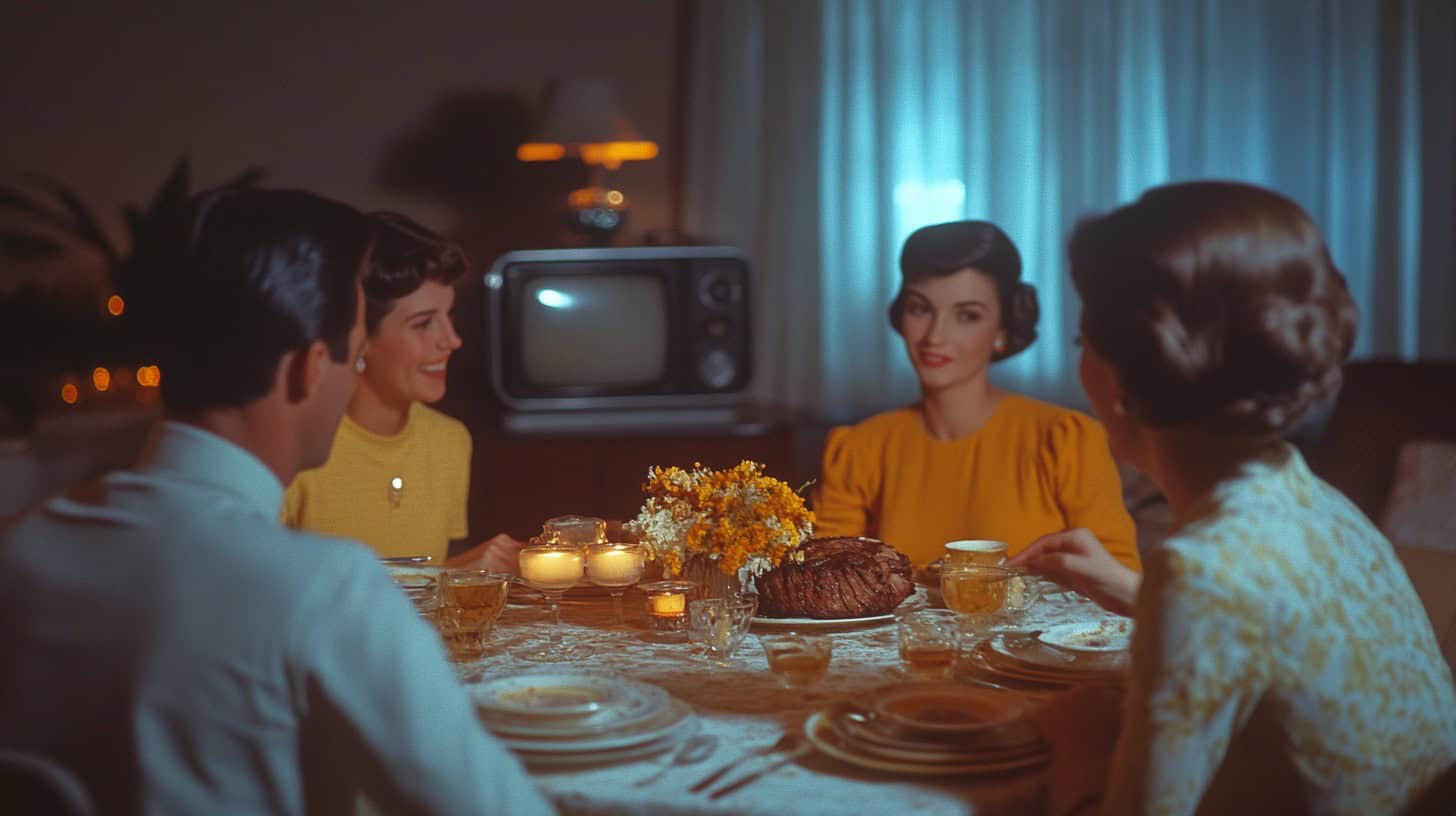
The television was turned off during dinner – no exceptions, even if your favorite show was on. Walter Cronkite himself could have been announcing breaking news, but dinner time was for family conversation only. The only sound you’d hear was the clinking of silverware and family members sharing stories about their day.
Save for later
Want to come back to this story? Save it with your email so it is easy to find again.
2. Clean Your Plate – Think of the Starving Children

Leaving food on your plate wasn’t just discouraged – it was considered downright disrespectful. Parents regularly reminded us about “starving children in Europe” or other far-off places. This rule was non-negotiable, even if Mom had served liver and onions.
3. No Elbows on the Table
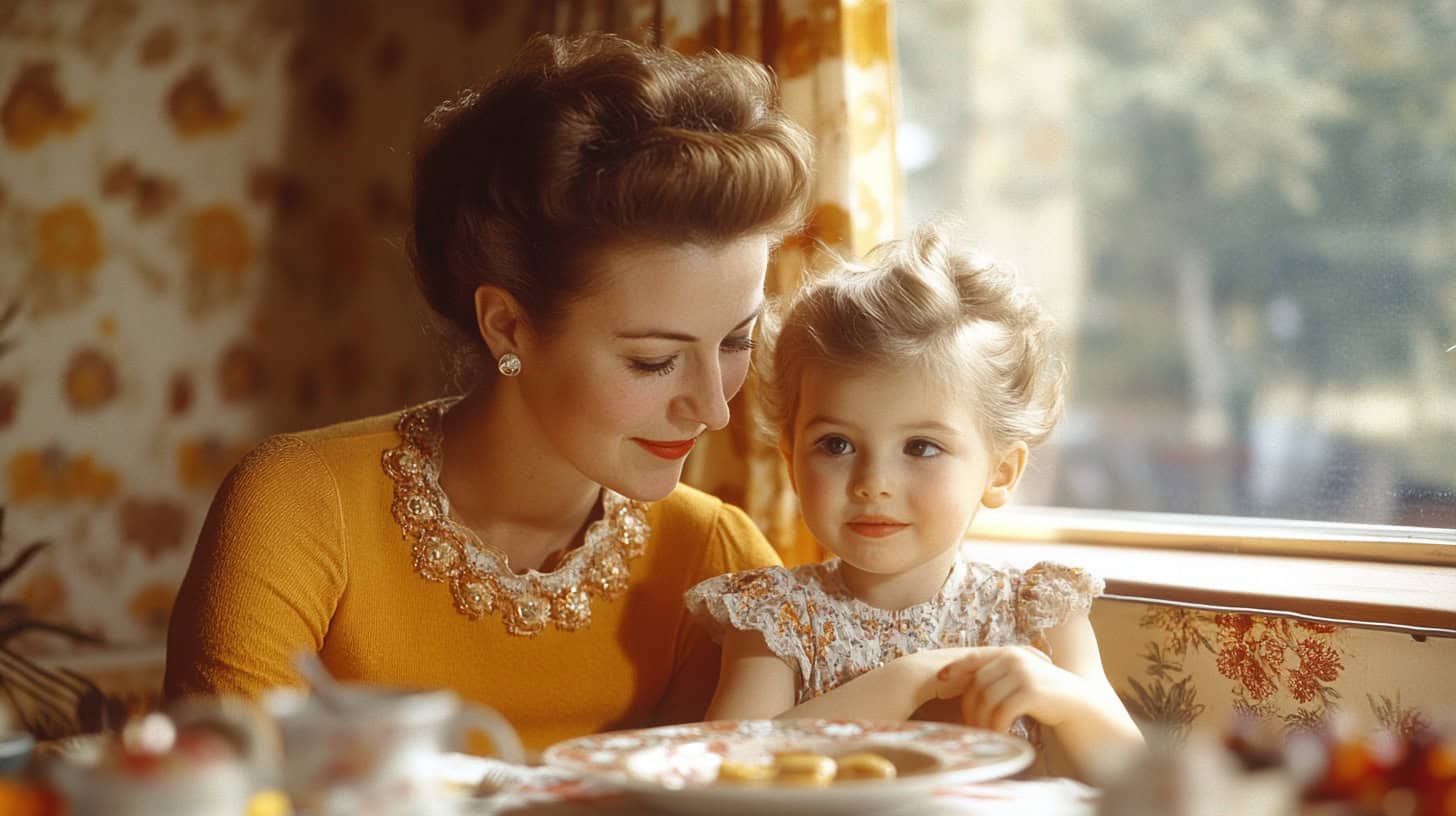
This rule was enforced with military precision. A quick tap on the offending elbow from Mom or Dad would remind you instantly. Good posture at the table wasn’t just about manners – it was about showing respect for the family meal and those who prepared it.
4. Ask to Be Excused
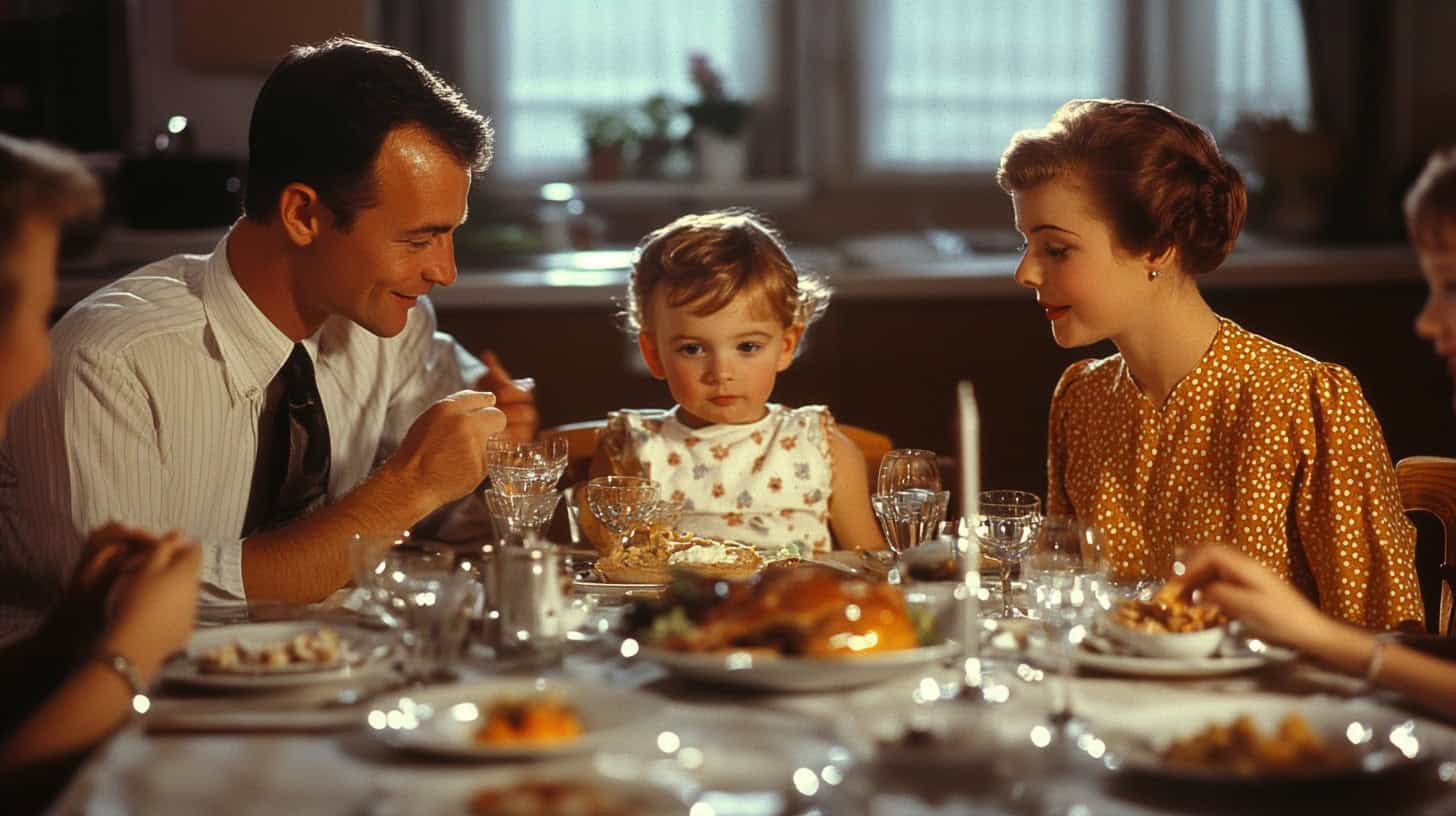
You didn’t just get up and leave when you were finished eating. The proper phrase was “May I please be excused?” and you waited for an actual answer. Leaving the table without permission was considered extremely rude and could result in losing dessert privileges.
5. Set the Table Properly
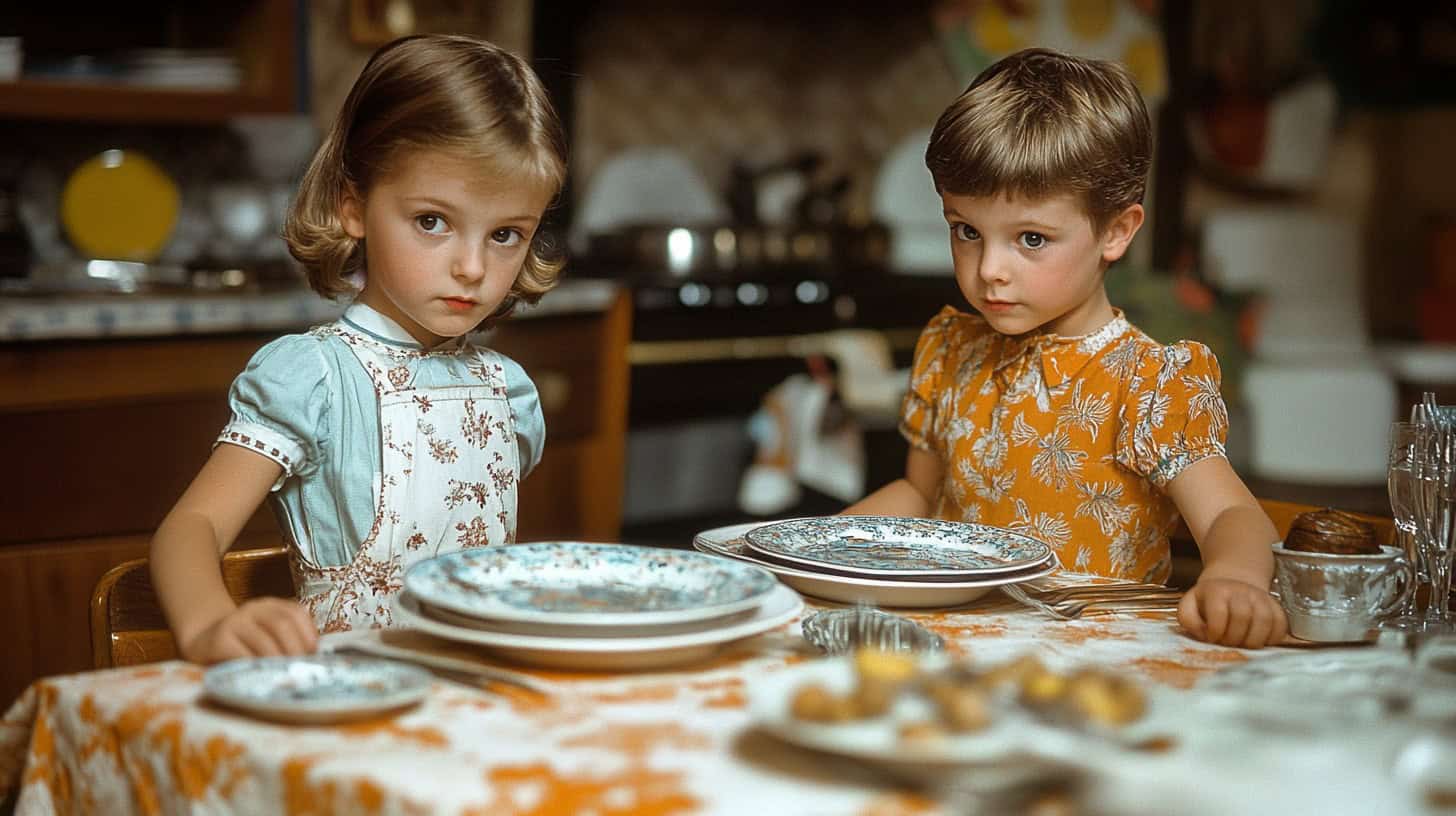
Every place setting had to be perfect – fork on the left, knife and spoon on the right, napkin properly folded. Children took turns learning this important task, and it was considered a privilege to help set the table. Even everyday meals required proper place settings.
6. No Phone Calls During Dinner

If the phone rang during dinner, it went unanswered. The world could wait 30 minutes while a family shared their meal together. Unless it was a true emergency, phone calls were considered an unwelcome interruption to sacred family time.
7. Wait Until Everyone Is Served
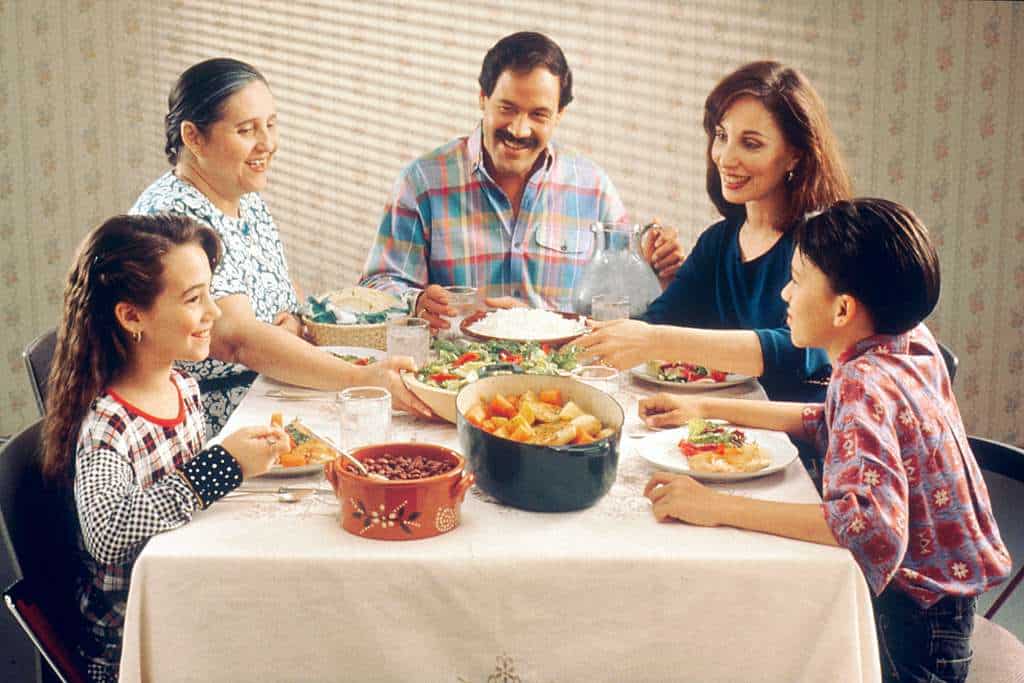
No one took a single bite until everyone, including Mom, was seated and served. Often, we would wait for Dad to take the first bite before starting. This showed respect for both the food and the person who prepared it.
8. Children Speak When Spoken To

Children were expected to be seen and not heard unless directly addressed by an adult. We learned to listen to adult conversations without interrupting. When asked about our day, responses were expected to be polite and concise.
9. Proper Napkin Use Required

The napkin belonged in your lap, not tucked into your collar or left on the table. Using it properly was a sign of good upbringing, and children were constantly reminded to dab, not wipe, their mouths. Napkin rings were often personalized family heirlooms.
10. No Reading Material at the Table

Books, comics, and newspapers were strictly forbidden at the dinner table. Dad couldn’t even bring his evening paper to the table. Mealtime was for family interaction, not solitary pursuits.
11. Sunday Dinner Was Extra Special

Sunday dinner was often served in the dining room using the “good china.” Everyone dressed up, and extended family frequently joined. These meals were longer, more formal affairs that taught children how to behave at special occasions.
12. Say “Please” and “Thank You”
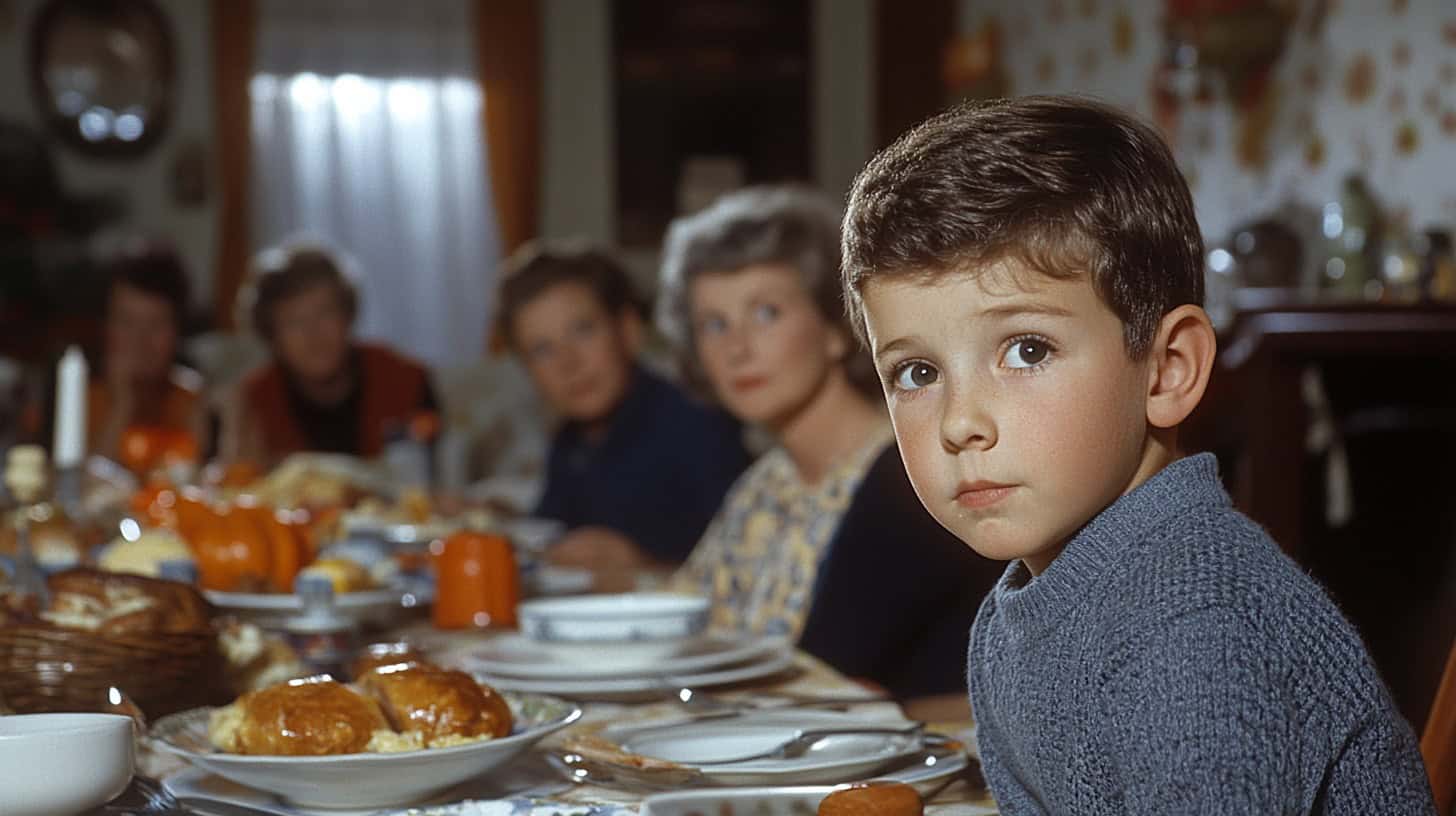
Every request had to include “please,” and every serving was acknowledged with “thank you.” These weren’t optional phrases – they were required elements of dinner table discourse. Parents would wait expectantly until the magic words were spoken.
13. No Reaching Across the Table

If you wanted something, you asked for it to be passed. Reaching across the table was considered rude and could result in a stern look or verbal reminder. This rule taught patience and proper dinner table communication.
14. Chew With Your Mouth Closed

This rule was absolute and non-negotiable. Chewing with your mouth open or talking while eating would earn an immediate correction. We were taught to take smaller bites and chew thoroughly – both for manners and digestion.
15. Help Clear the Table
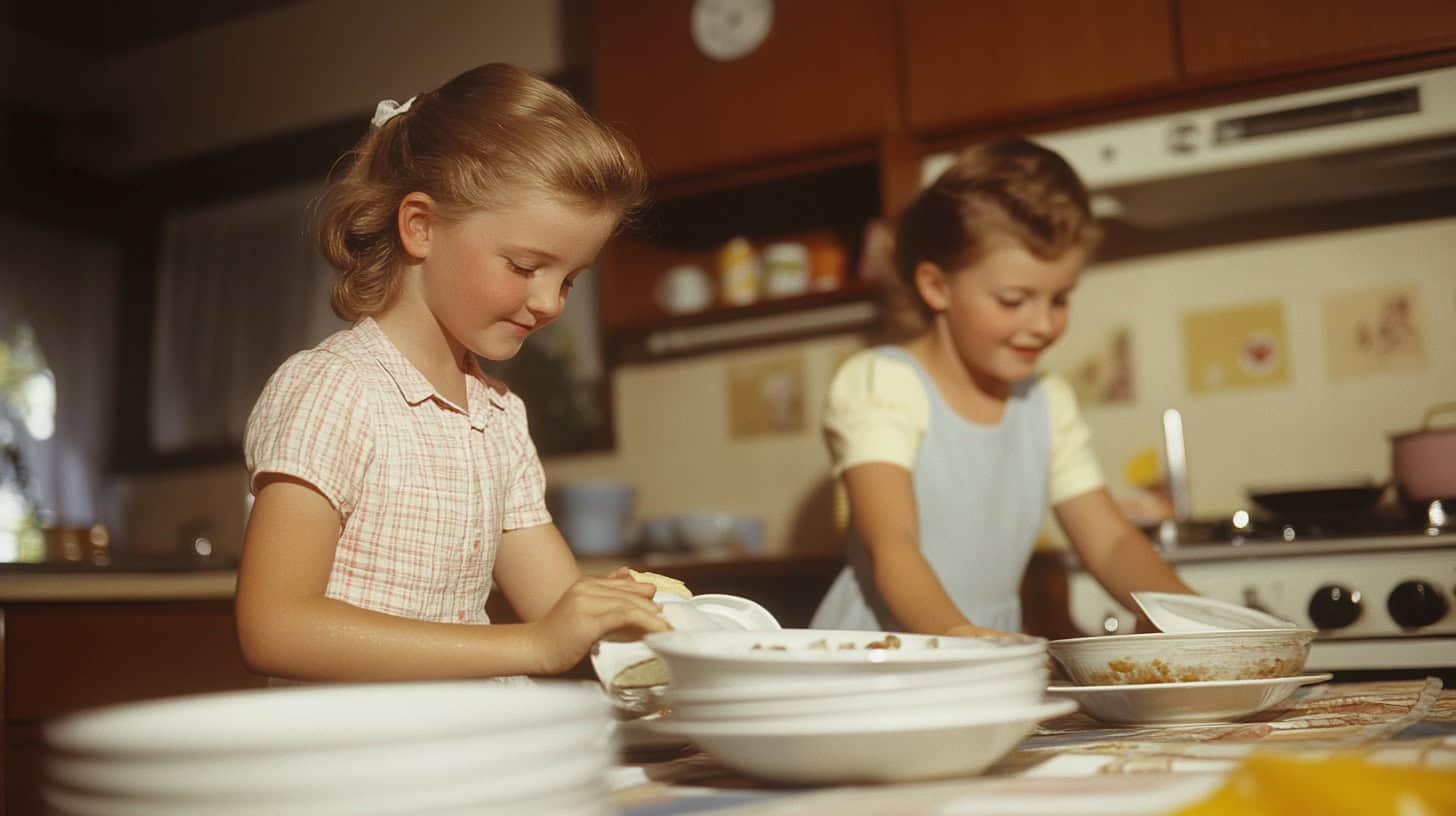
Everyone pitched in to clear the table after meals. This wasn’t optional – it was expected. Children learned responsibility by helping with after-dinner cleanup, and it was considered part of showing appreciation for the meal.