The 1960s weren’t just about groundbreaking films – the soundtracks were often just as revolutionary as the movies themselves. As someone who spent countless hours in record stores during that decade, I can tell you that these albums weren’t just background music; they were cultural touchstones that changed how we thought about film music forever. Let’s revisit some of the most influential movie soundtracks that still get our toes tapping today.
Table of Contents
- 1 1. “The Graduate” (1967)
- 2 2. “A Hard Day’s Night” (1964)
- 3 3. “2001: A Space Odyssey” (1968)
- 4 4. “Easy Rider” (1969)
- 5 5. “Breakfast at Tiffany’s” (1961)
- 6 6. “The Good, The Bad and The Ugly” (1966)
- 7 7. “Goldfinger” (1964)
- 8 8. “Yellow Submarine” (1968)
- 9 9. “Valley of the Dolls” (1967)
- 10 10. “Romeo and Juliet” (1968)
- 11 11. “Doctor Zhivago” (1965)
- 12 12. “Midnight Cowboy” (1969)
- 13 13. “Help!” (1965)
- 14 14. “In Cold Blood” (1967)
- 15 15. “Barbarella” (1968)
1. “The Graduate” (1967)
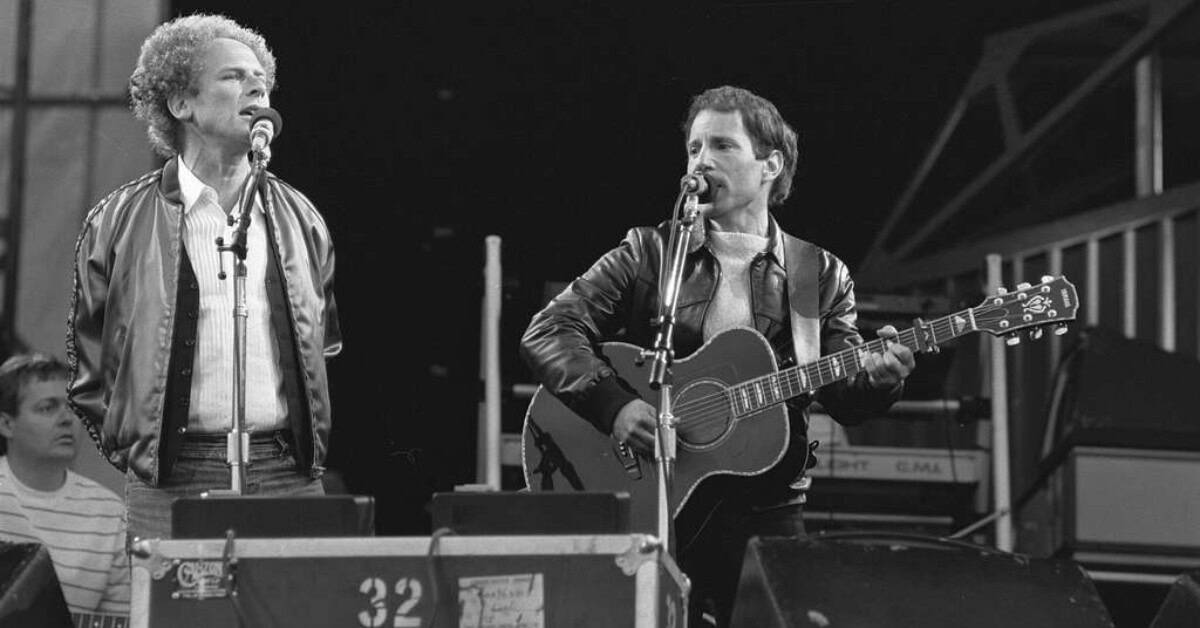
Simon & Garfunkel’s soundtrack revolutionized how popular music could be used in film. “Mrs. Robinson” became the first song from a film to win Record of the Year at the Grammys. The way the songs were integrated into the narrative set a new standard for film soundtracks, influencing countless movies that followed.
Save for later
Want to come back to this story? Save it with your email so it is easy to find again.
2. “A Hard Day’s Night” (1964)
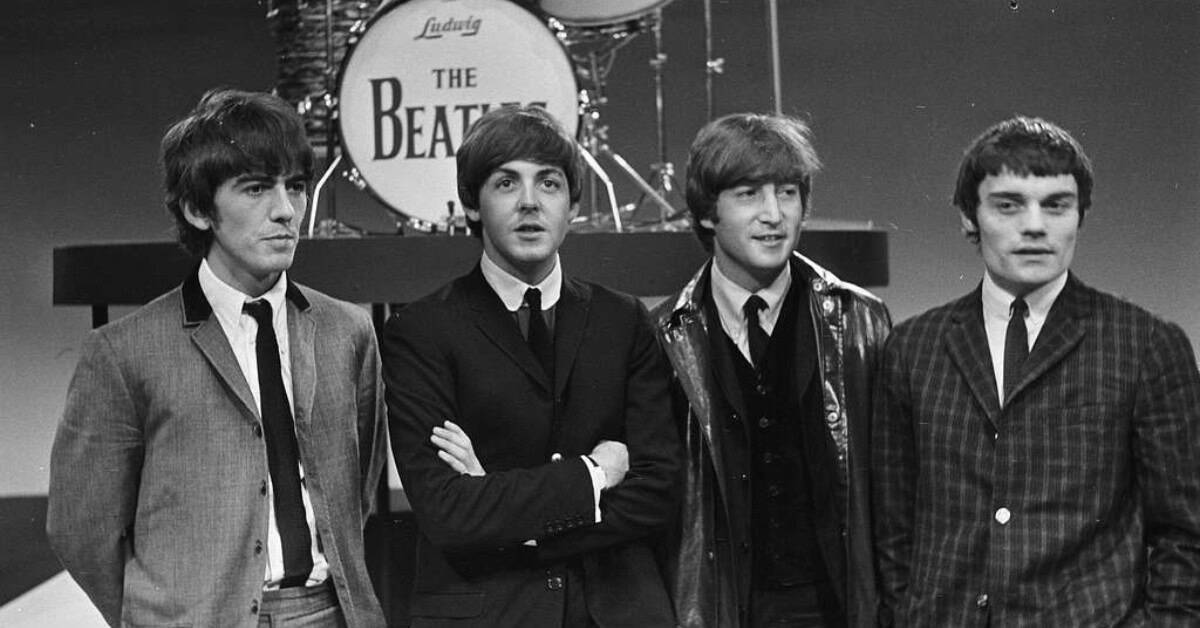
The Beatles’ first film soundtrack proved that rock bands could create sophisticated film music. Every song became a hit, and the title track’s opening chord is one of the most famous in music history. The album showed how a film soundtrack could stand alone as a masterpiece in its own right.
3. “2001: A Space Odyssey” (1968)

Stanley Kubrick’s use of classical pieces like “Also Sprach Zarathustra” redefined how pre-existing music could be used in film. The soundtrack introduced many Americans to classical music and made these pieces forever associated with space travel. It remains a benchmark for classical music in film.
4. “Easy Rider” (1969)
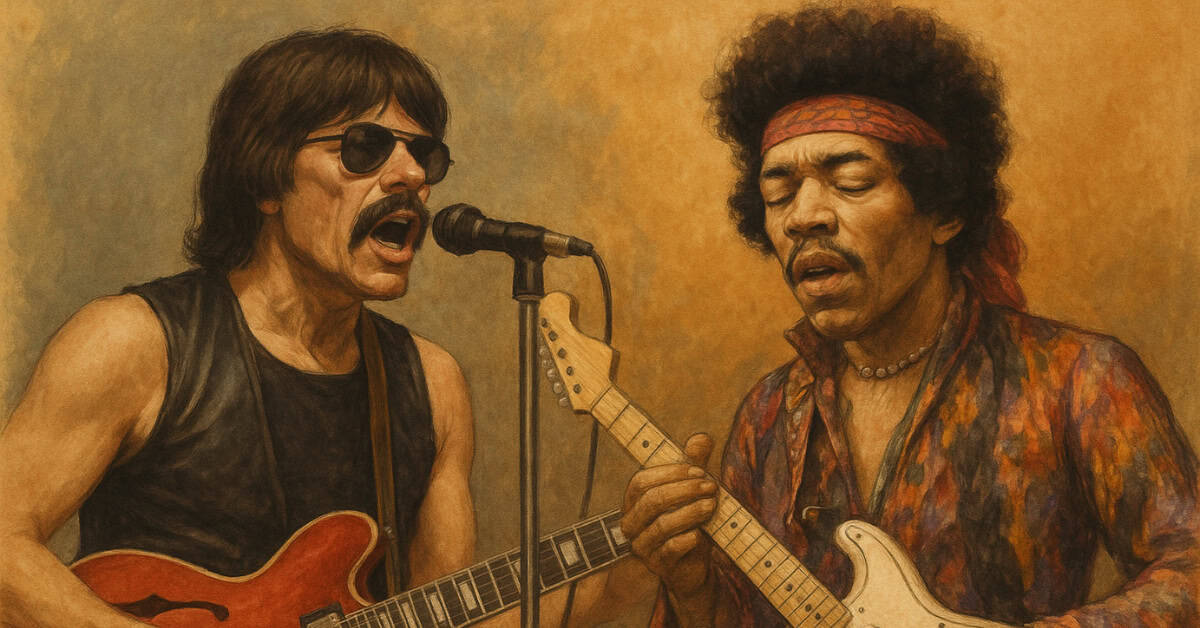
This groundbreaking soundtrack featured Steppenwolf, The Band, and Jimi Hendrix, creating the template for the modern rock soundtrack. “Born to Be Wild” became forever linked with motorcycle culture. The album proved that contemporary rock music could effectively drive a film’s narrative.
5. “Breakfast at Tiffany’s” (1961)

Henry Mancini’s score, featuring “Moon River,” won multiple Academy Awards and defined sophisticated ’60s pop. The soundtrack album became a bestseller, proving that instrumental film music could have commercial appeal. Mancini’s arrangements influenced pop music production for decades.
6. “The Good, The Bad and The Ugly” (1966)
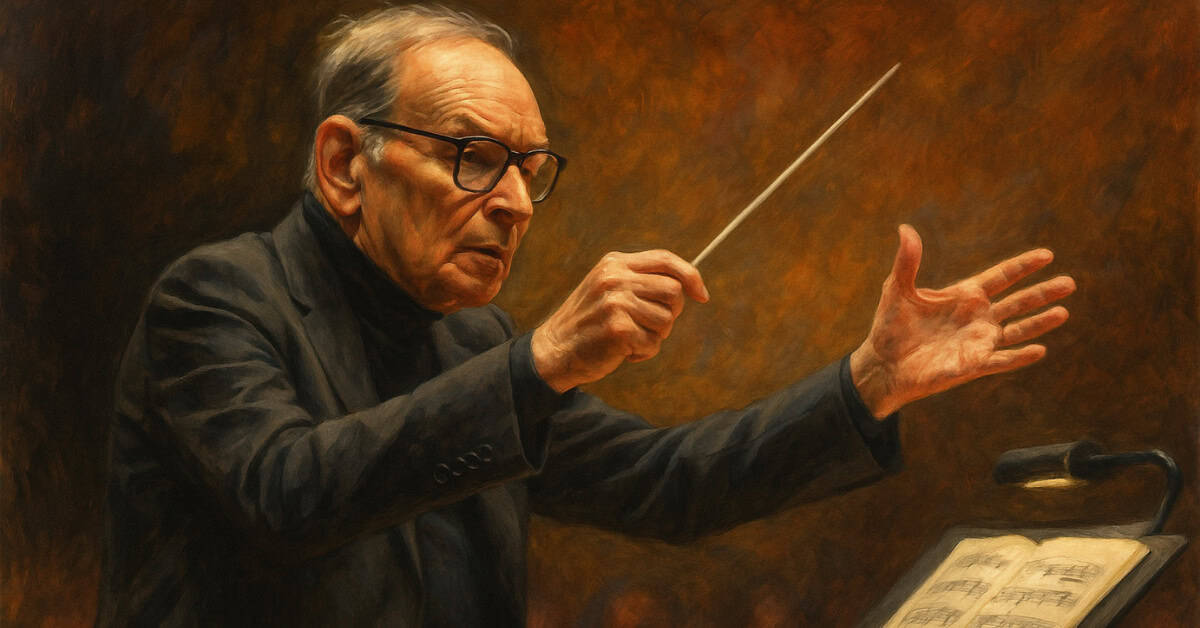
Ennio Morricone’s iconic score revolutionized Western film music with its blend of orchestral and unusual sounds. The distinctive theme, with its whistling and electric guitar, became instantly recognizable worldwide. This soundtrack proved that experimental music could work in mainstream films.
7. “Goldfinger” (1964)

John Barry’s score and Shirley Bassey’s title song set the standard for James Bond themes. The soundtrack album showcased how a film score could combine jazz, pop, and orchestral elements. Every subsequent Bond film would be judged against this musical template.
8. “Yellow Submarine” (1968)
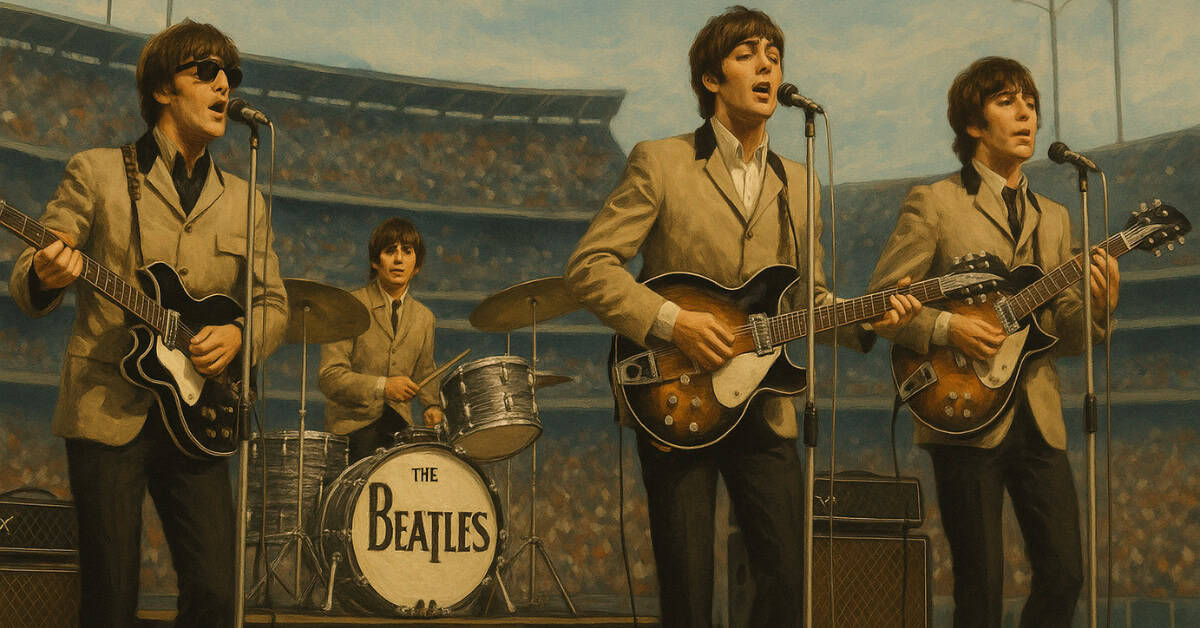
The Beatles’ animated feature soundtrack combined new songs with orchestral pieces by George Martin. The innovative mix of psychedelic rock and experimental orchestration influenced both animation scoring and rock music. It showed how a soundtrack could be both kid-friendly and musically sophisticated.
9. “Valley of the Dolls” (1967)

André Previn’s score and Dionne Warwick’s theme song created a perfect musical backdrop for this controversial film. The soundtrack captured the essence of the ’60s pop sound while addressing adult themes. It became a surprise hit, proving that dramatic films could spawn successful soundtracks.
10. “Romeo and Juliet” (1968)

Nino Rota’s romantic score, particularly “A Time for Us,” became a massive hit. The soundtrack demonstrated how classical-style film music could appeal to young audiences. Many high school proms in the late ’60s featured this music as their theme.
11. “Doctor Zhivago” (1965)

Maurice Jarre’s “Lara’s Theme” became one of the most recognizable film melodies ever written. The soundtrack album spent 233 weeks on the Billboard charts, proving that orchestral film music could have massive popular appeal. Piano sheet music for “Lara’s Theme” sold millions of copies.
12. “Midnight Cowboy” (1969)
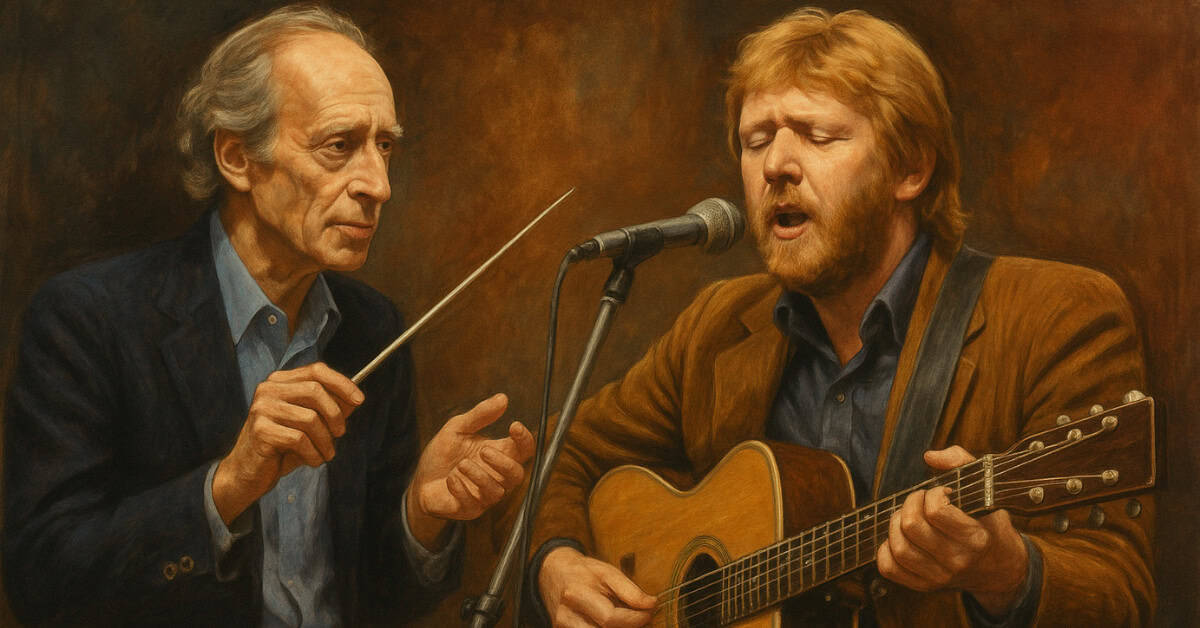
John Barry’s score and Harry Nilsson’s “Everybody’s Talkin'” created a perfect sonic portrait of urban loneliness. The soundtrack’s mix of folk rock and orchestral music helped establish the gritty sound of New Hollywood. Its success showed how darker themes could be enhanced by carefully chosen music.
13. “Help!” (1965)

The Beatles’ second film soundtrack showcased their evolving sound, featuring classics like “Ticket to Ride” and the title track. The album demonstrated how a band could use a film soundtrack to push their musical boundaries. It marked a transition between their early pop sound and more experimental later work.
14. “In Cold Blood” (1967)

Quincy Jones’s groundbreaking jazz score brought a new level of sophistication to crime film music. The soundtrack’s innovative blend of jazz and orchestral elements influenced countless future crime movies. It proved that jazz could effectively underscore serious dramatic films.
15. “Barbarella” (1968)

Michel Magne and Bob Crewe’s psychedelic score defined the sound of space-age pop. The soundtrack’s blend of electronic effects, pop arrangements, and orchestral elements created a unique sonic template for science fiction films. Its influence can still be heard in retro-futuristic film scores today.