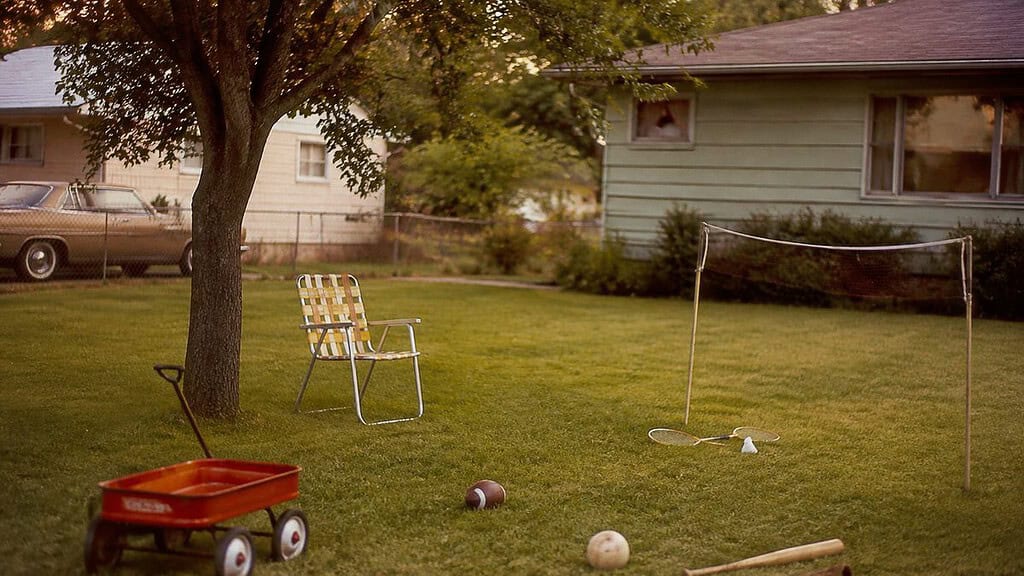
Ah, the 1970s – when summer meant staying outside until Mom called us in for dinner, and then begging for “just five more minutes” until the streetlights came on. Back then, we didn’t need fancy electronics or organized activities to keep us entertained. Armed with nothing more than our imagination and a few simple toys, we created adventures that lasted from dawn till dusk. Let’s take a nostalgic trip back to those carefree days and remember the backyard games that defined our childhood summers.
Table of Contents
1. Jarts (Lawn Darts)
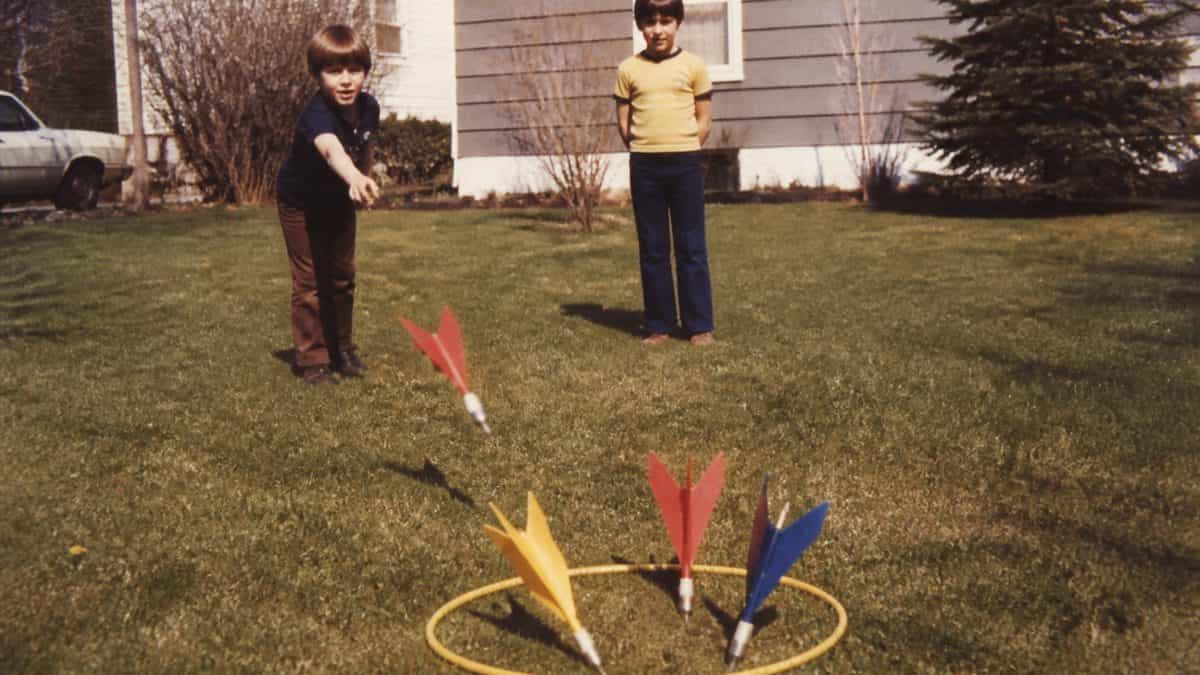
Before they were banned in 1988, Jarts were the ultimate backyard competition game. These weighted metal darts with plastic fins required skill to land them inside plastic rings placed on the lawn. Looking back, it’s amazing we survived playing with what were essentially giant metal spears, but boy, did we have fun trying to master that perfect arc throw!
Save for later
Want to come back to this story? Save it with your email so it is easy to find again.
2. Red Light, Green Light
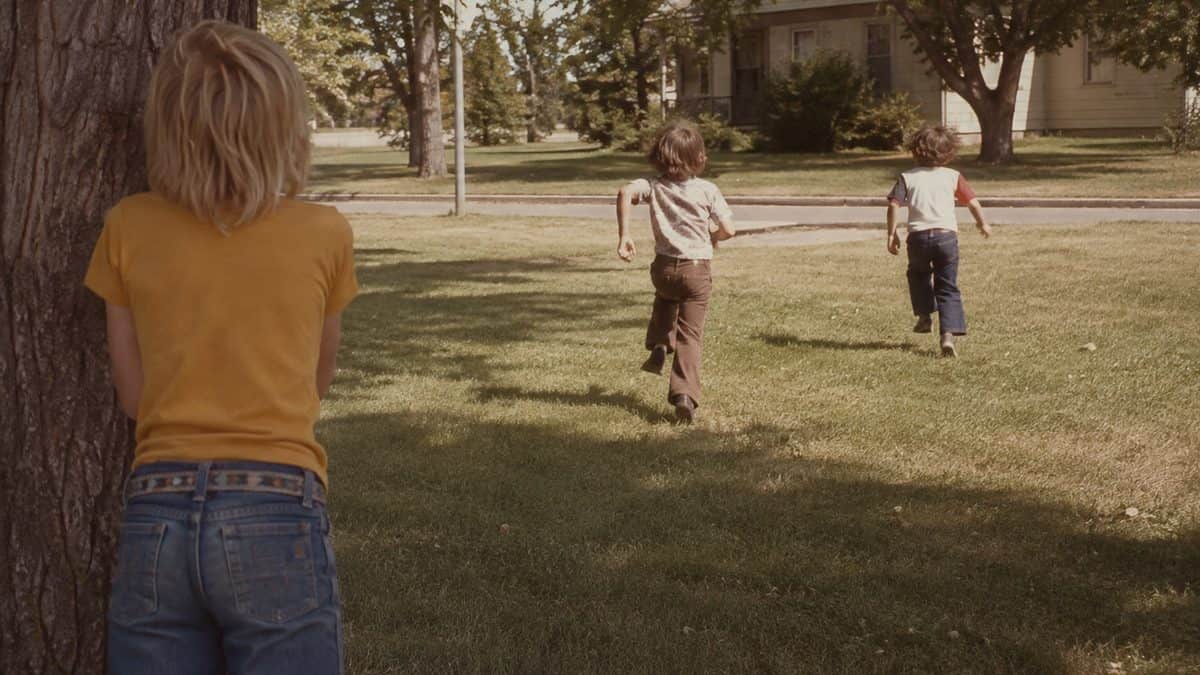
This classic game cost nothing but delivered hours of entertainment. One kid would be “it,” standing at one end of the yard while others tried to sneak up when their back was turned. The tension of freezing mid-step when “Red Light!” was called out made for hilarious poses and plenty of giggles.
3. Slip ‘N Slide
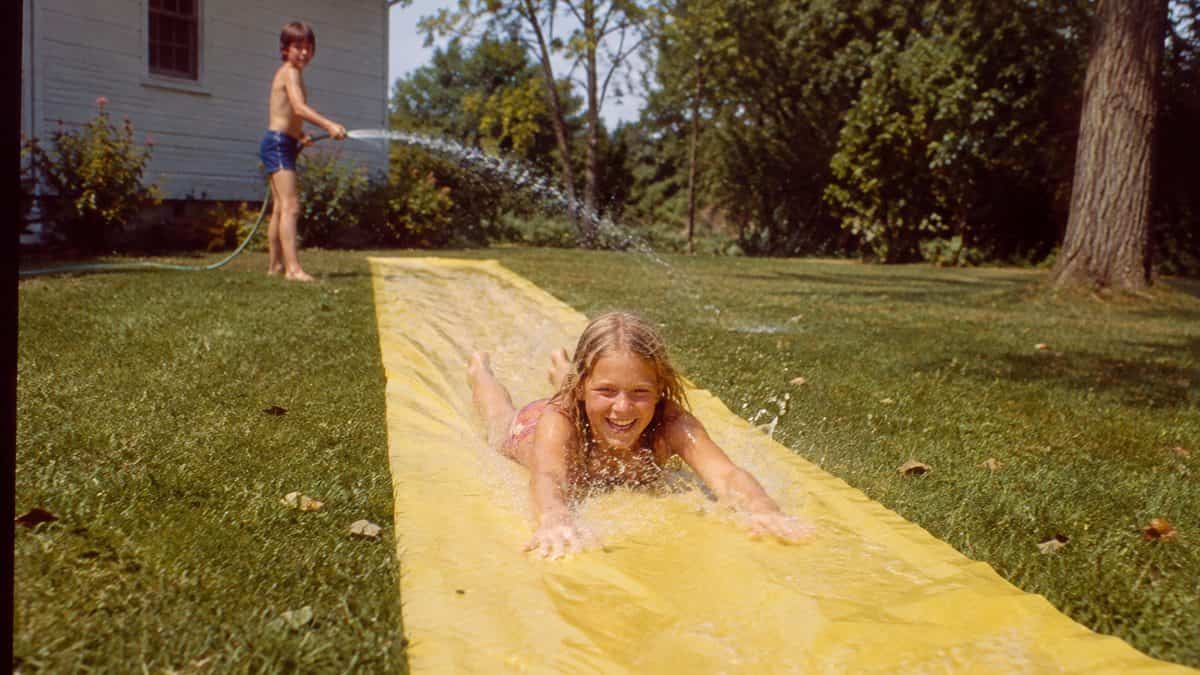
WHAM-O’s greatest summer invention turned any sloped lawn into a water park. We’d spend hours racing down that yellow plastic sheet, never minding the occasional grass burn or muddy puddle at the end. The addition of baby shampoo made it extra slippery – a trick passed down through neighborhood kids like sacred knowledge.
4. Kick the Can
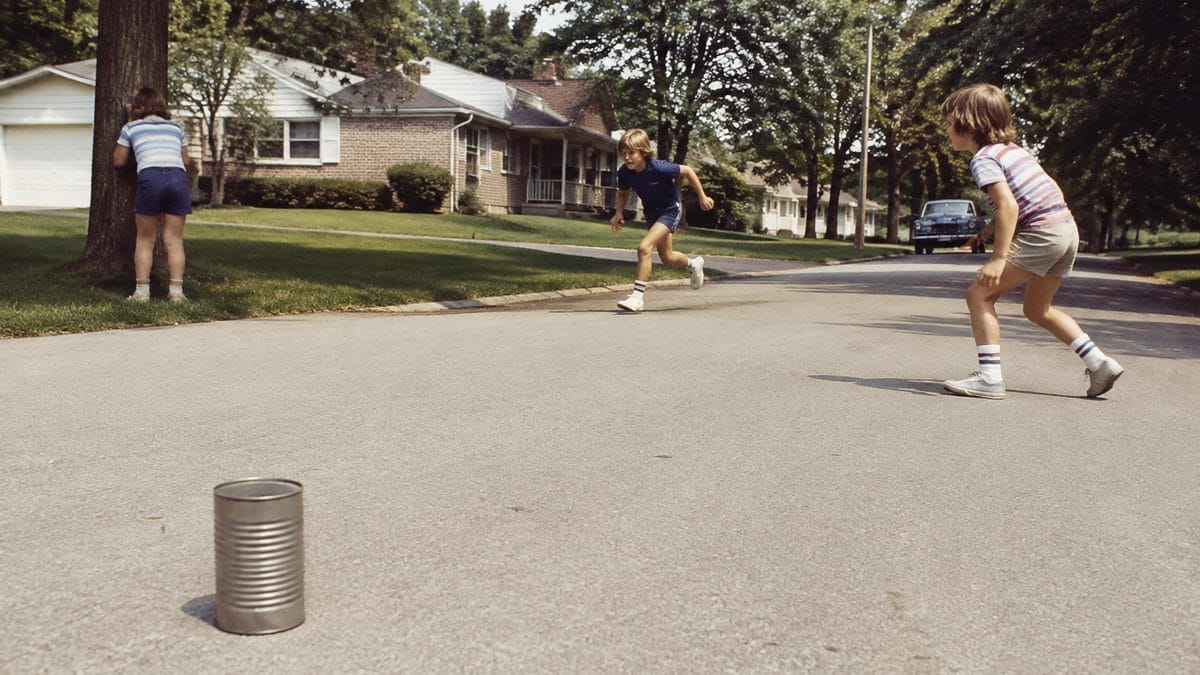
The perfect fusion of hide-and-seek and tag, this game turned the whole neighborhood into a playing field. An old tin can became the centerpiece of epic evening battles, with kids hiding behind trees and bushes, waiting for the perfect moment to make a dash for the can.
5. Hula Hooping
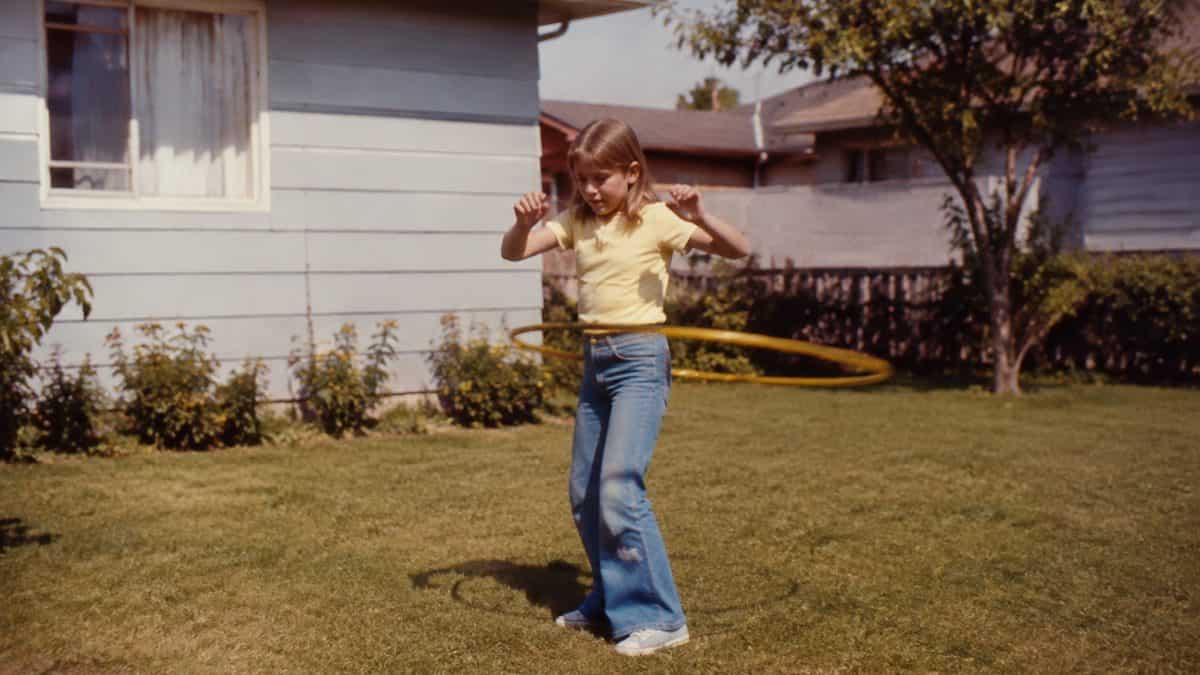
Wham-O’s colorful plastic hoops were everywhere in the ’70s. We’d compete to see who could keep them spinning the longest, try walking while hooping, or create elaborate routines. Some kids could even keep multiple hoops going at once – they were the neighborhood celebrities of summer.
6. Four Square
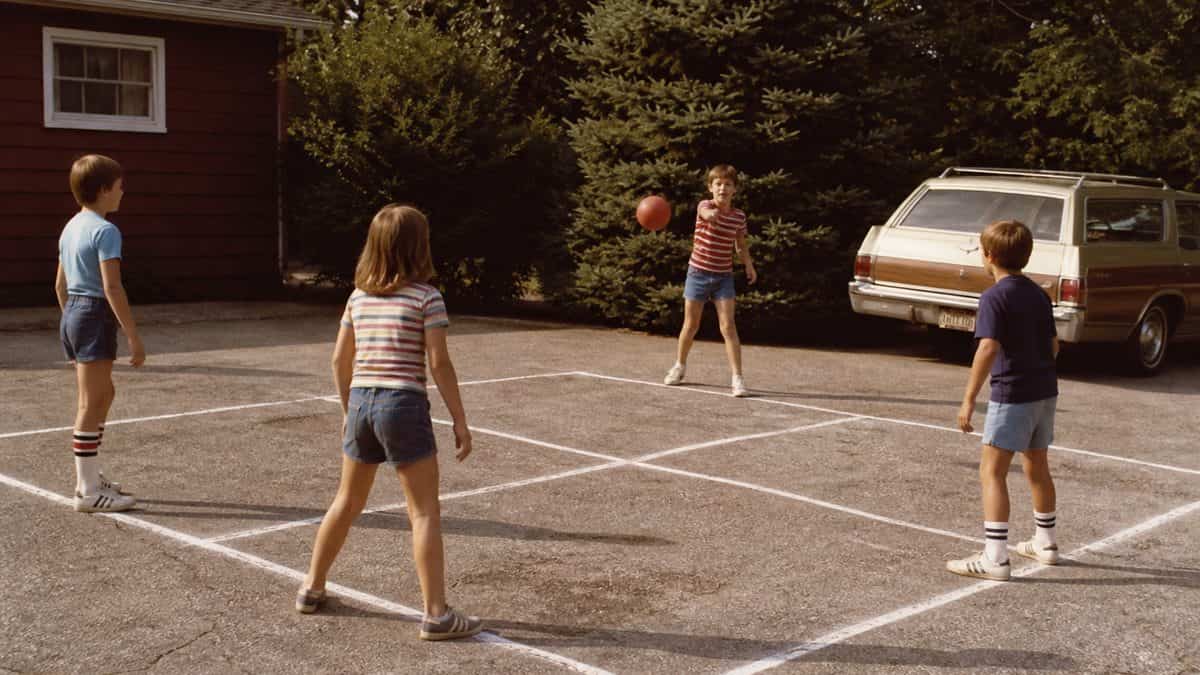
All you needed was chalk, a bouncy ball, and a flat surface to create this playground favorite. Each square had its own ranking, with the “King” square being most coveted. Every neighborhood had its own special rules and trick shots, passed down like local folklore.
7. Chinese Jump Rope
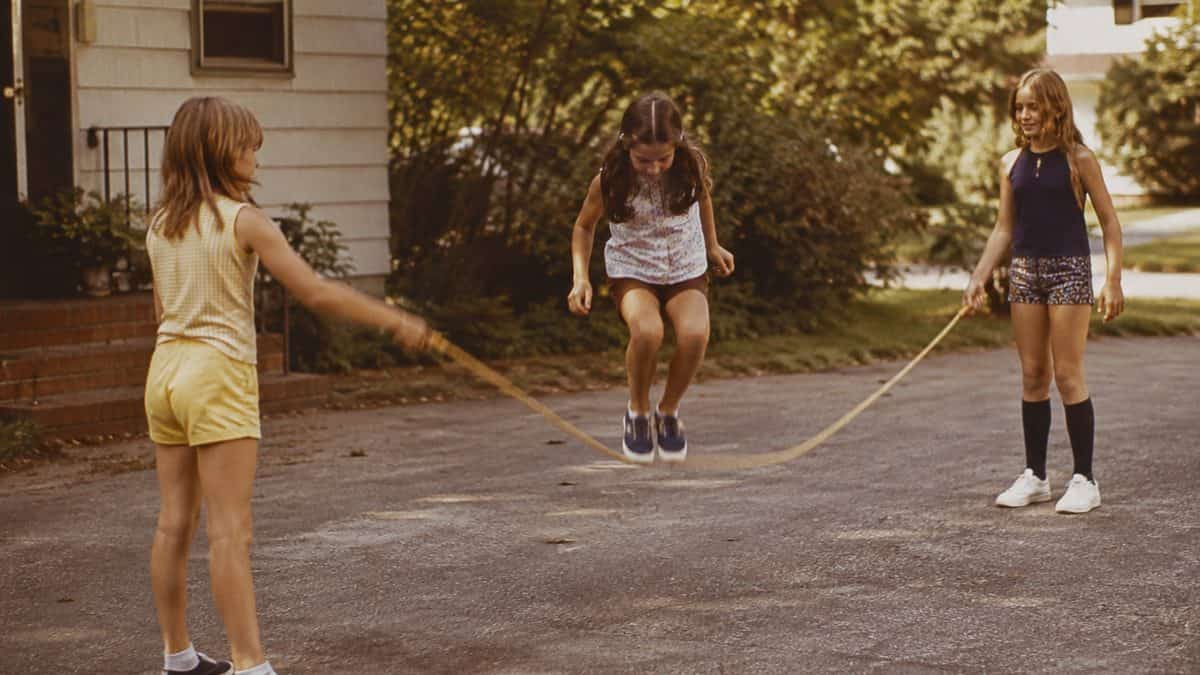
This elastic rope game required skill, rhythm, and flexibility. Two kids would hold the rope while another performed increasingly complex jumping patterns. The chants and rhymes that accompanied the game varied by region, but the challenge of “around the world” was universal.
8. Capture the Flag
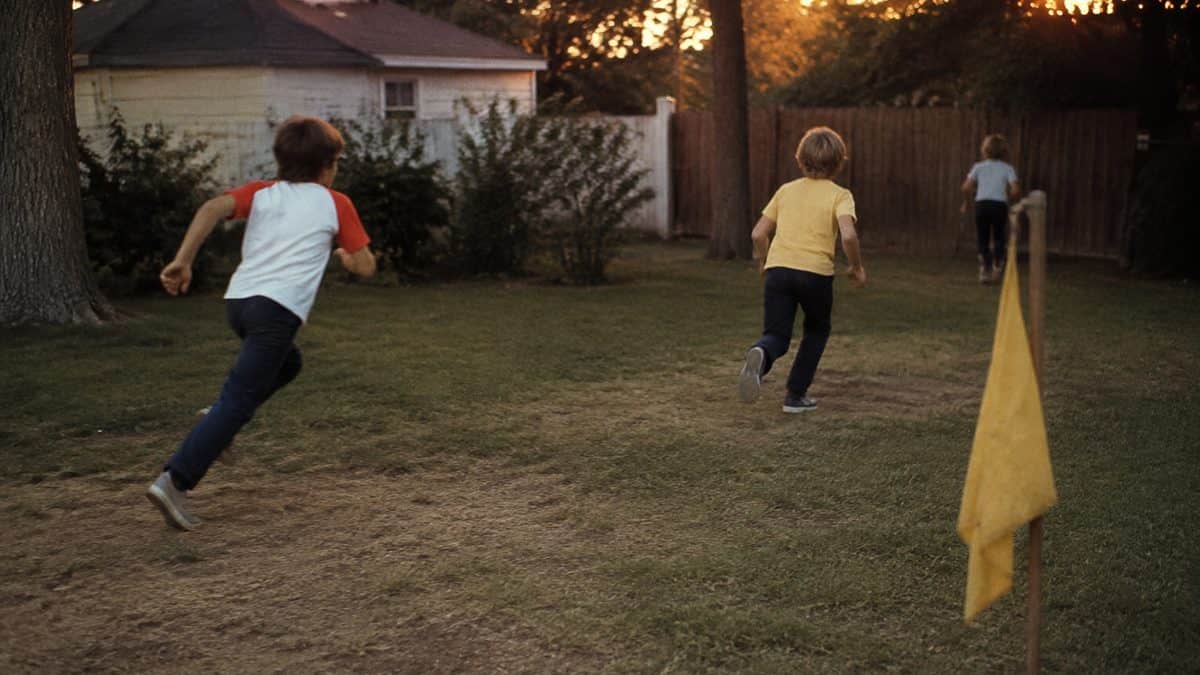
The ultimate team strategy game that turned entire neighborhoods into battlefields. We’d use old shirts or bandanas as flags, establish territory boundaries, and spend hours planning elaborate offensive and defensive maneuvers. It was like living out our own war movie, minus the special effects.
9. Simon Says
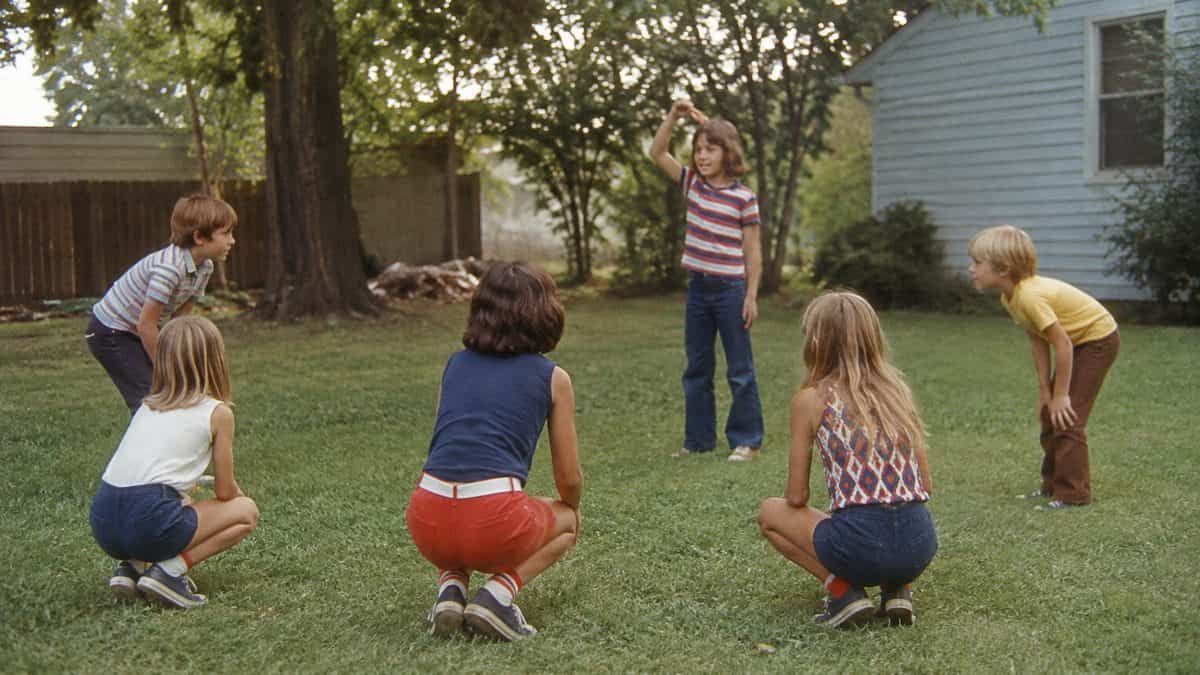
This command-and-response game was perfect for large groups and required zero equipment. The trick was catching someone following a command that didn’t start with “Simon says.” The best “Simons” were masters of misdirection, making it harder than it sounds.
10. Hopscotch
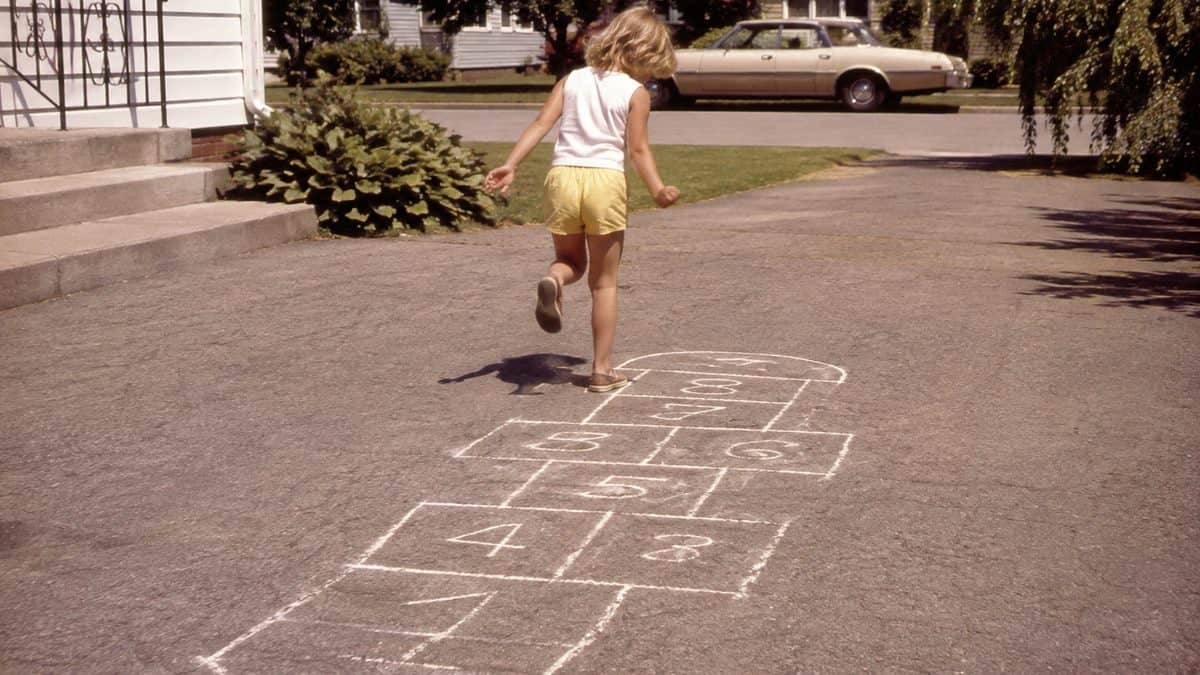
Armed with a piece of chalk and a good throwing stone, we’d spend hours hopping through numbered squares. Each neighborhood had its own variations of the game, but the basic challenge of maintaining balance while hopping on one foot remained the same. Finding the perfect throwing stone was considered an art form.
11. Tether Ball
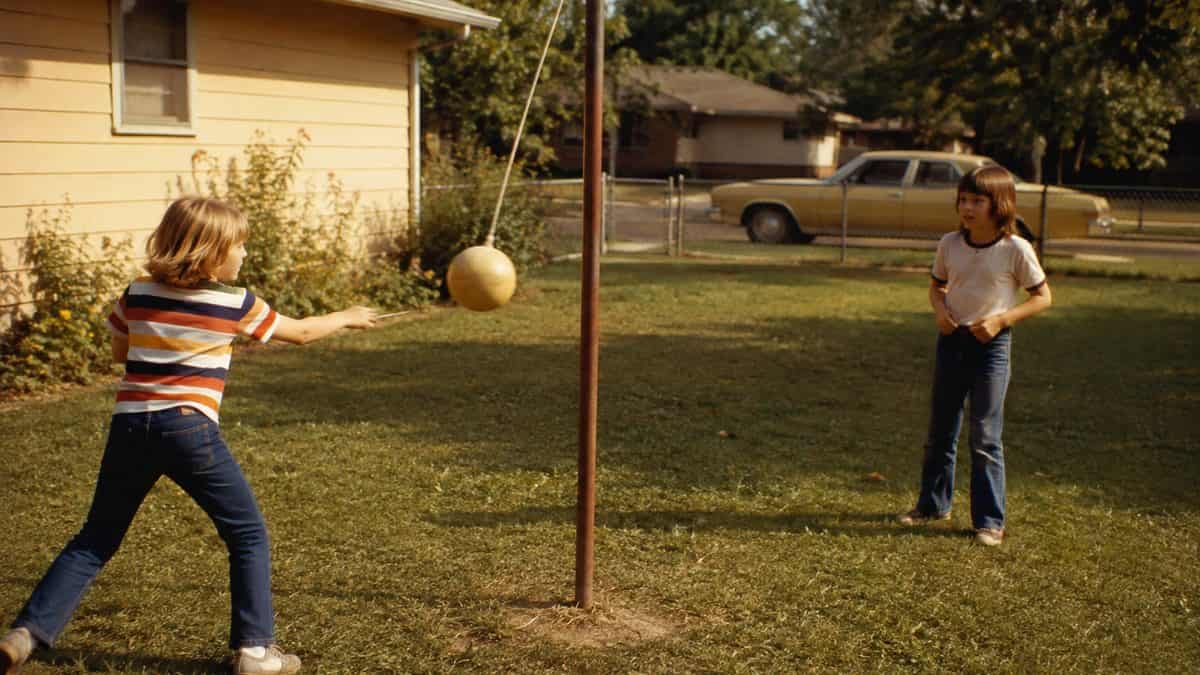
The lucky kids with a tetherball pole in their yard became instant neighborhood celebrities. Matches could get intensely competitive as we tried to wrap the ball around the pole in our chosen direction. The distinct sound of that hollow ball hitting the metal pole still echoes in our memories.
12. Croquet
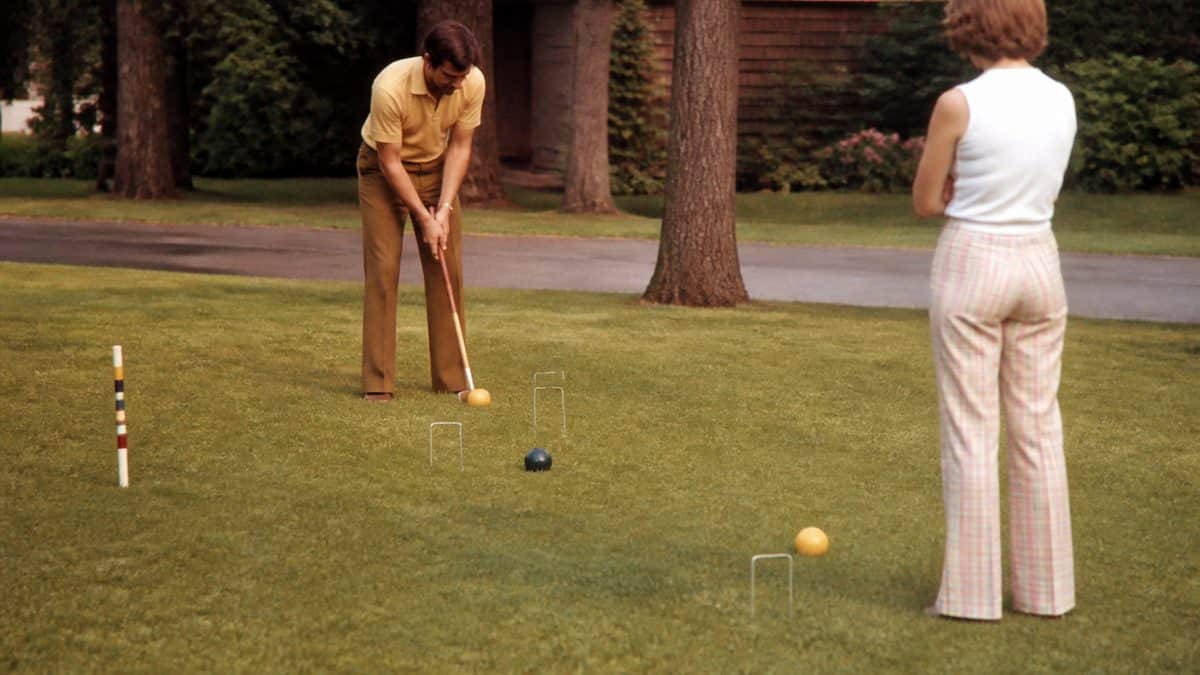
This seemingly genteel lawn game could turn fiercely competitive when someone used their turn to knock an opponent’s ball into the neighbor’s yard. Setting up the wickets was an exact science, and mastering the perfect tap through multiple wickets made you feel like a pro.
13. Ghost in the Graveyard
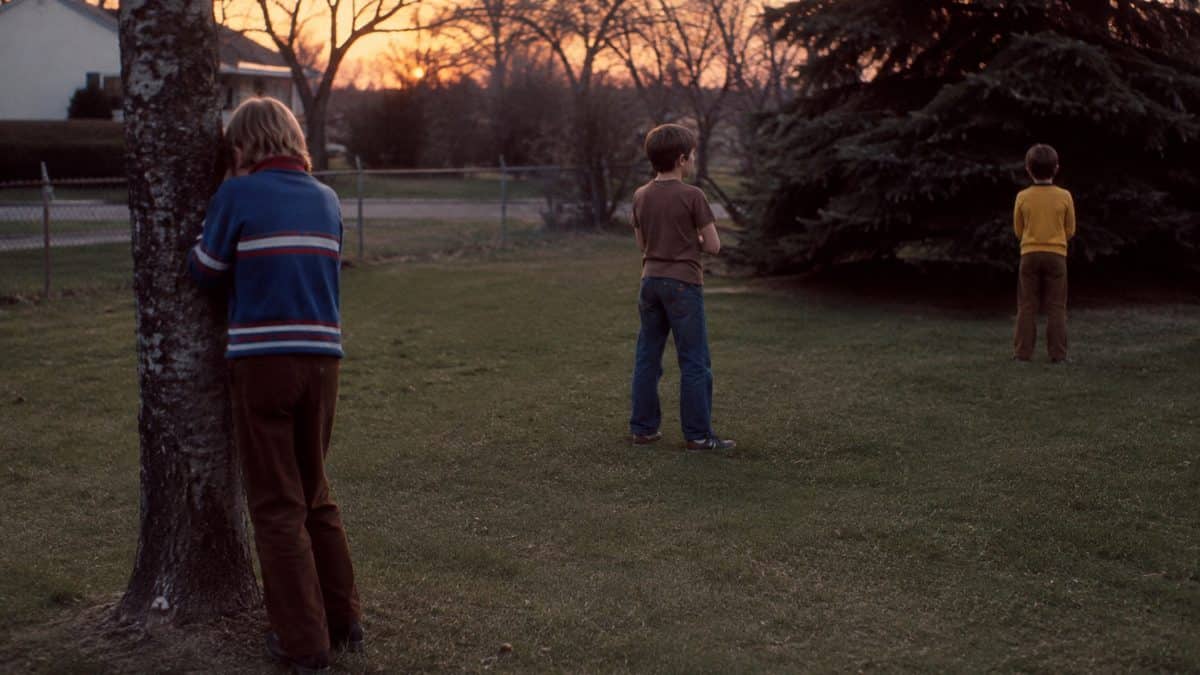
A thrilling combination of hide-and-seek and tag played at dusk. One person would hide while others counted, “One o’clock, two o’clock…” until “midnight!” Then the search began. Finding the “ghost” meant a heart-pounding race back to home base. It was scary, exciting, and the perfect way to end a summer day.