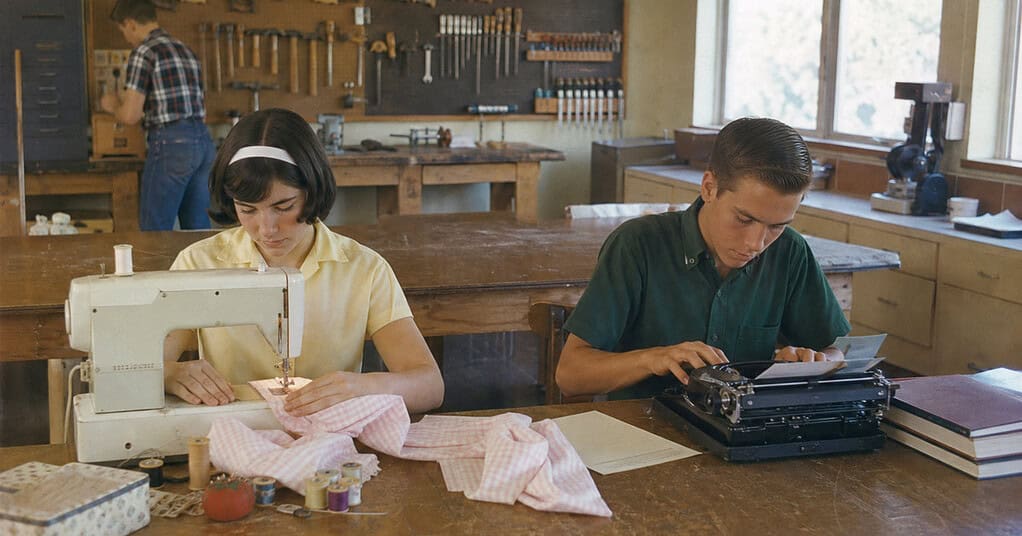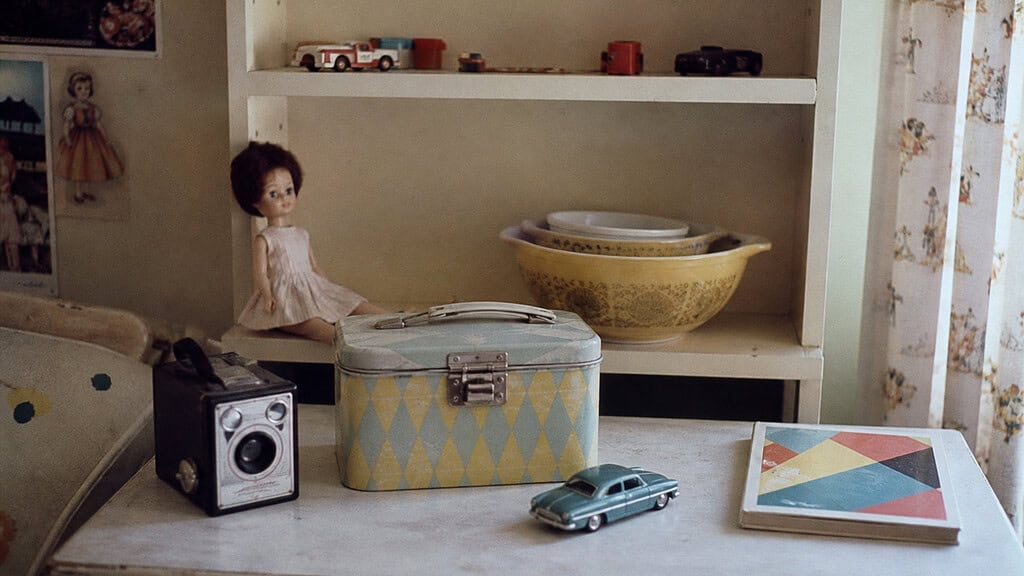
In the days of yore, one could do a lot with a quarter. Starting in 1970, a quarter could purchase a plethora of common goods. Now, those same goods would run someone the price of a lavish meal. Let’s take a trip down memory lane and see the unfortunate examples of our steep decline in purchasing power, where the price of goods has doubled 200 times or more. \
Table of Contents
1. Movie Ticket
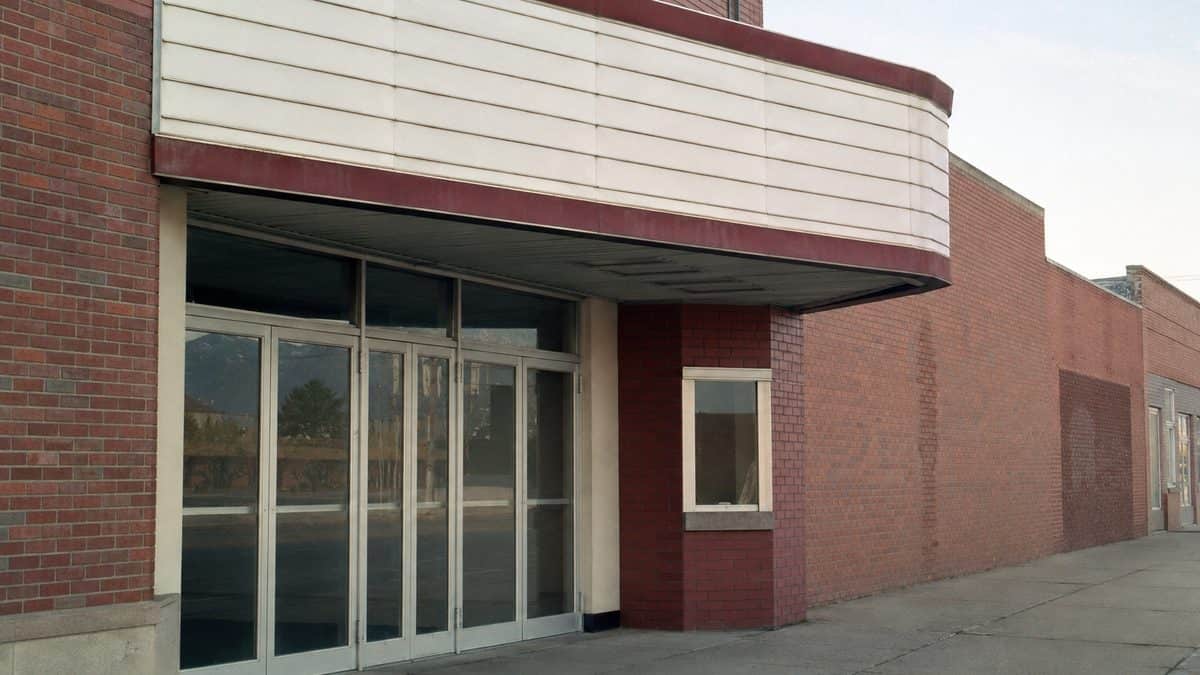
A movie ticket used to cost 25 cents in most theaters, especially during kids’ Saturday morning showings. Now, that same ticket can cost anywhere from $12 to $20, and for special showings like IMAX or 3D tickets, they can be $25 or more. \
Save for later
Want to come back to this story? Save it with your email so it is easy to find again.
2. Gallon of Gas

In 1970, a quarter could almost get you a gallon of gas because gas used to cost around 36 cents per gallon. Now, a gallon of gas can cost anywhere upwards from $3 to $5 and in some places, gas is even over $5, which means the price for gas has increased over 1,000%.\
3. Comic Book
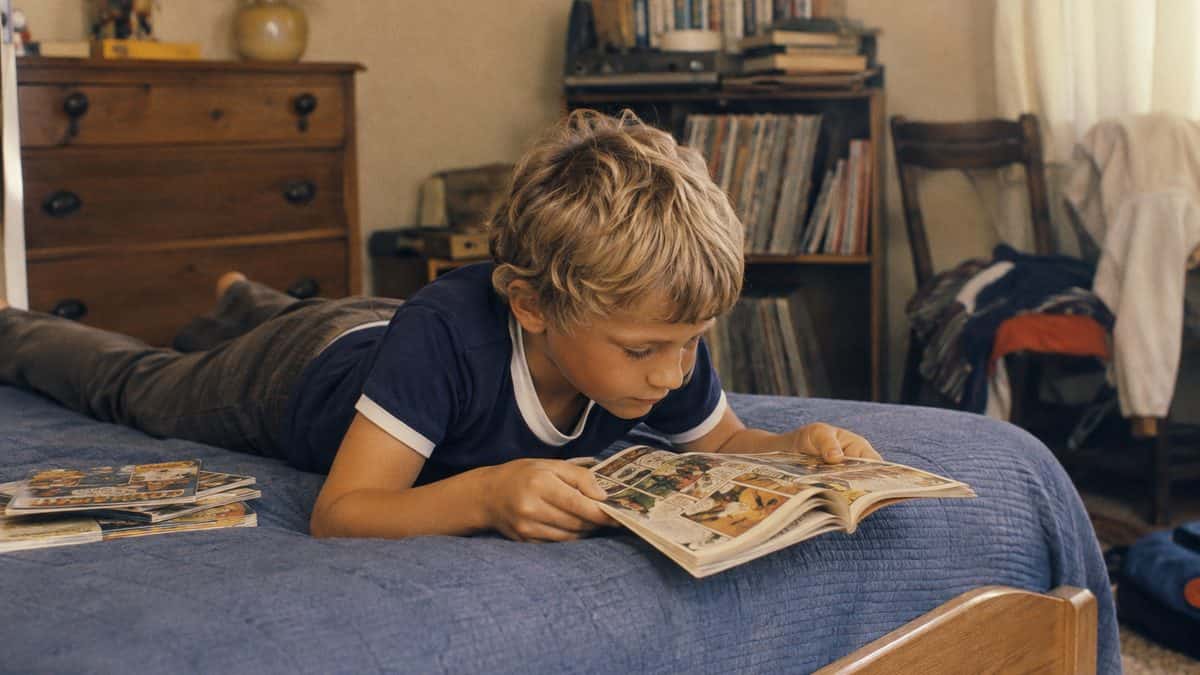
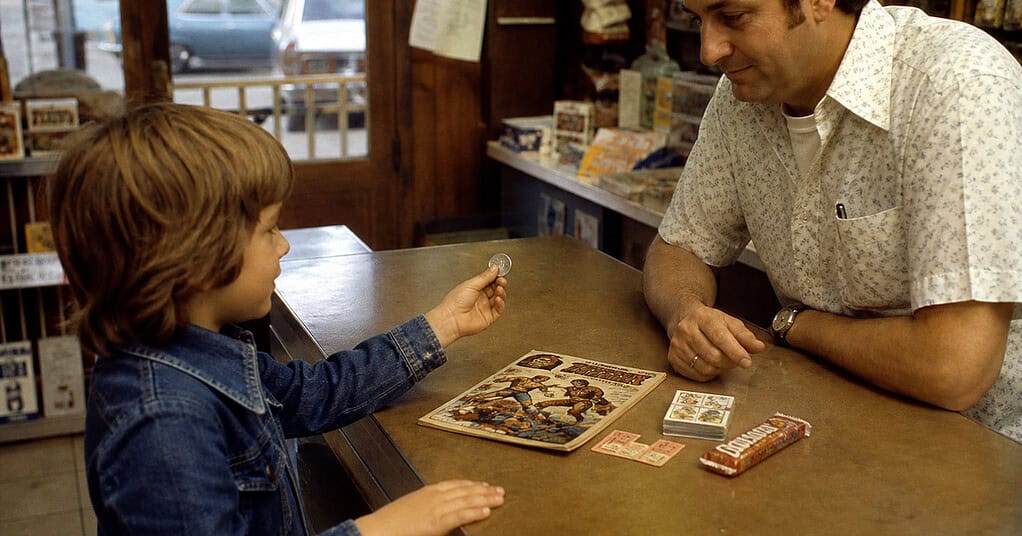
In 1970, new comic books and magazines cost between 15 and 35 cents, but now they can cost upwards of $50. If you have any of those well-preserved original comics from the 70s, they could be worth thousands.
4. McDonald’s Hamburger
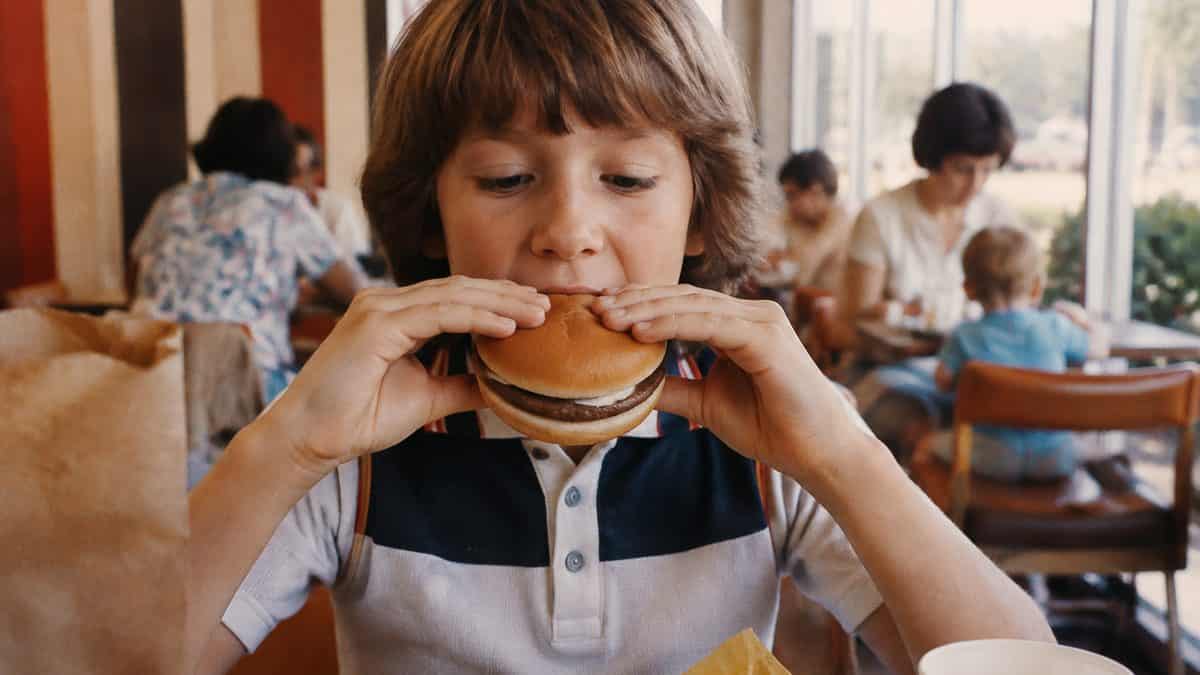
Finally, in 1970, you could buy a basic burger from McDonald’s for 25 cents. Now, you can expect to pay around $2.49 for a basic burger, with some specialty burgers going for over $6. If you want a full meal with fries and a drink, expect to pay over $10.
5. Phone Call
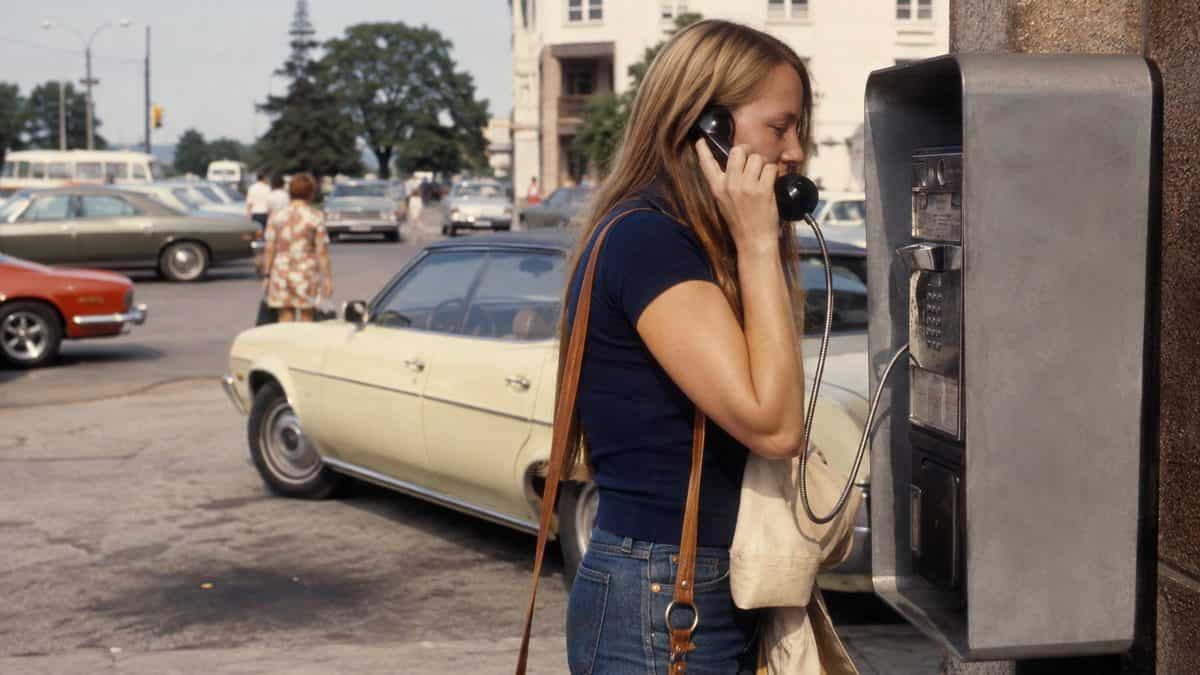
In the past, it only cost a quarter to make a call on a payphone and the call would last multiple minutes. Now, when you can even find a payphone, they charge multiple dollars, and mobile phone plans cost $50-100 a month on average.
6. Dozen Eggs
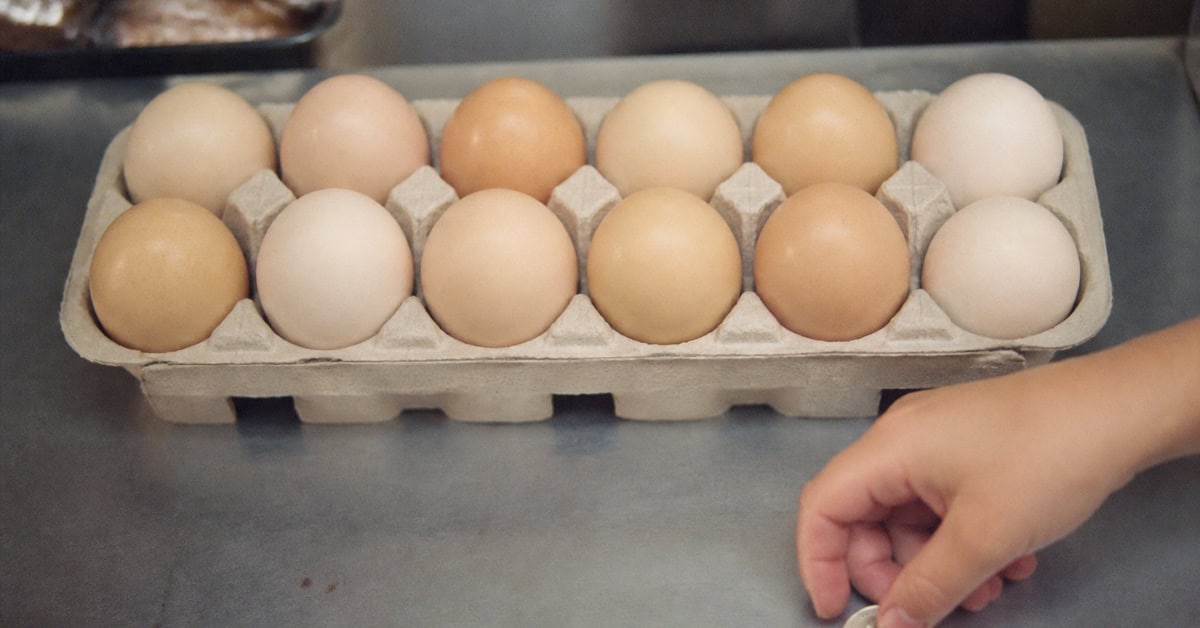
In the 1970s, a dozen eggs cost approximately 25 cents. Now it can cost between $3 to $7 for a dozen eggs depending on the store and the type of eggs. Organic and specialty eggs can even go over $8.
7. Baseball Cards (Pack)
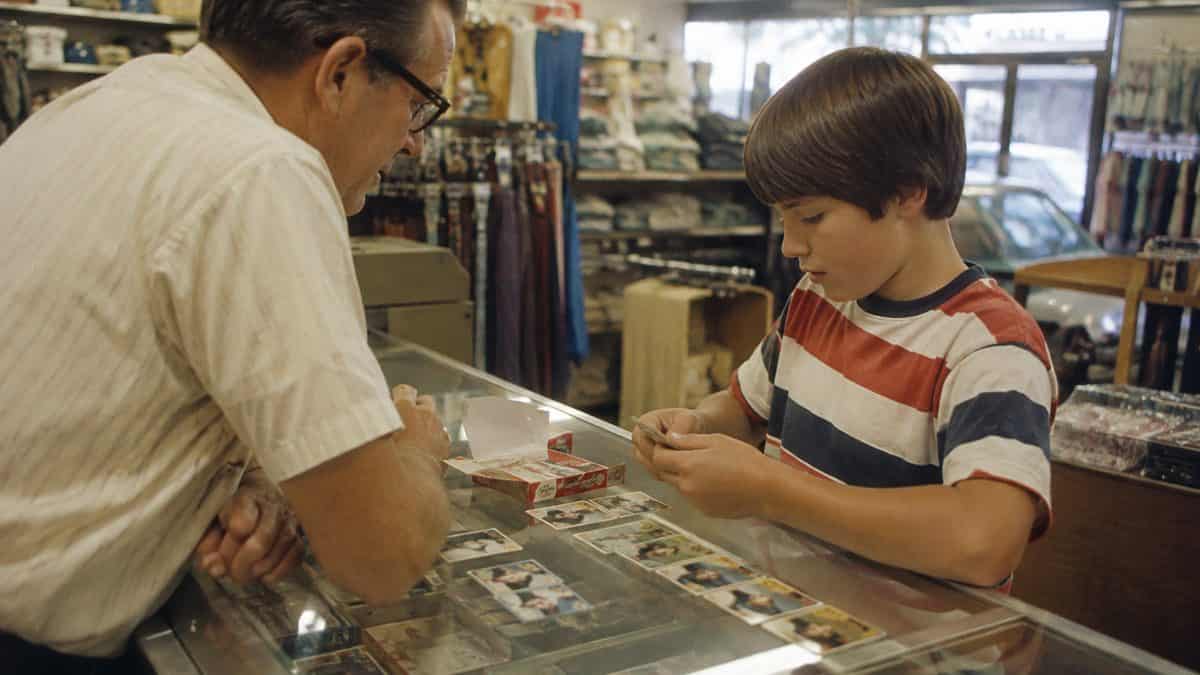
Baseball cards and gum used to cost 25 cents in 1970. Today, packs of cards start at $5-$10. Premium cards can cost $50+. Vintage unopened packs from 1970 can sell for hundreds of dollars.
8. Candy Bar
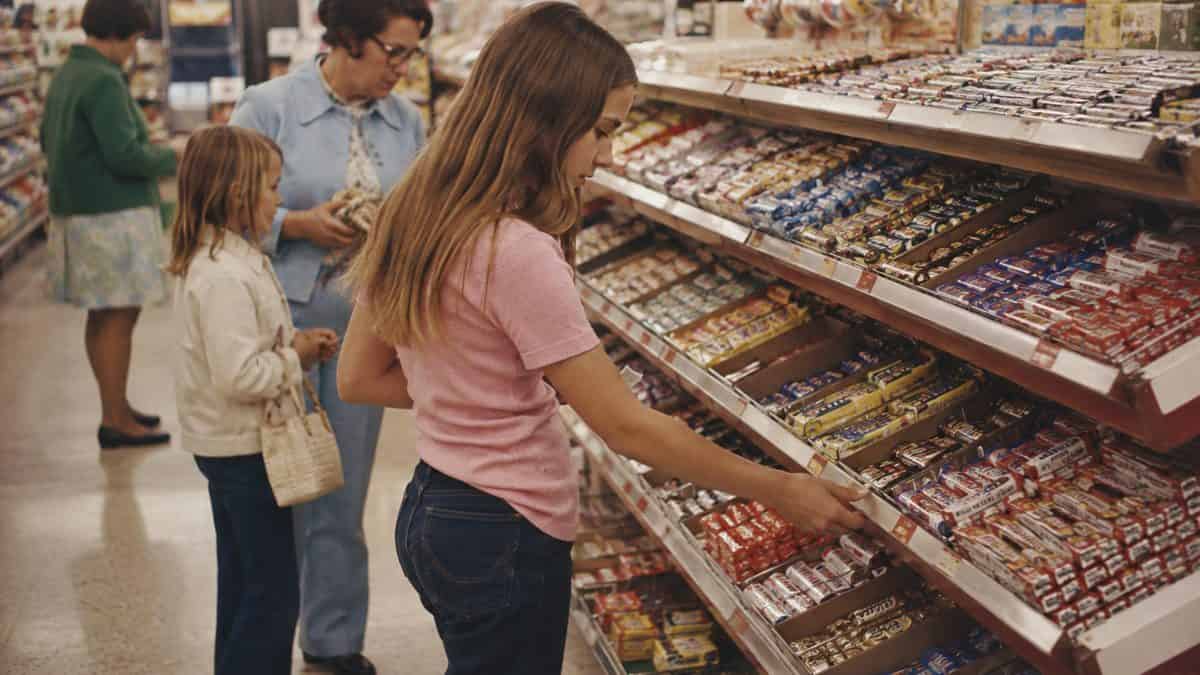
Candy bars used to cost 25 cents in 1970. Now candy bars cost $1.50-$2.50. King-size versions cost even more than $3.
9. School Lunch

In the 1970s, a complete school lunch would cost 25 cents. Today, lunch at school without subsidies costs between $3 and $5. Some private schools even charge over $7 for lunch.
10. Loaf of Bread

In the 1970s, a loaf of white bread cost roughly 25 cents. Now the average cost of a loaf of bread is $3-$4. Artisan loaves sometimes cost more than $7.
11. Public Transit Fare

In the 1970s, a bus ride used to cost 25 cents. A bus ride today costs $2.50 to $3.50 depending on the city. Some cities charge over $5 for longer trips.
12. Ice Cream Cone
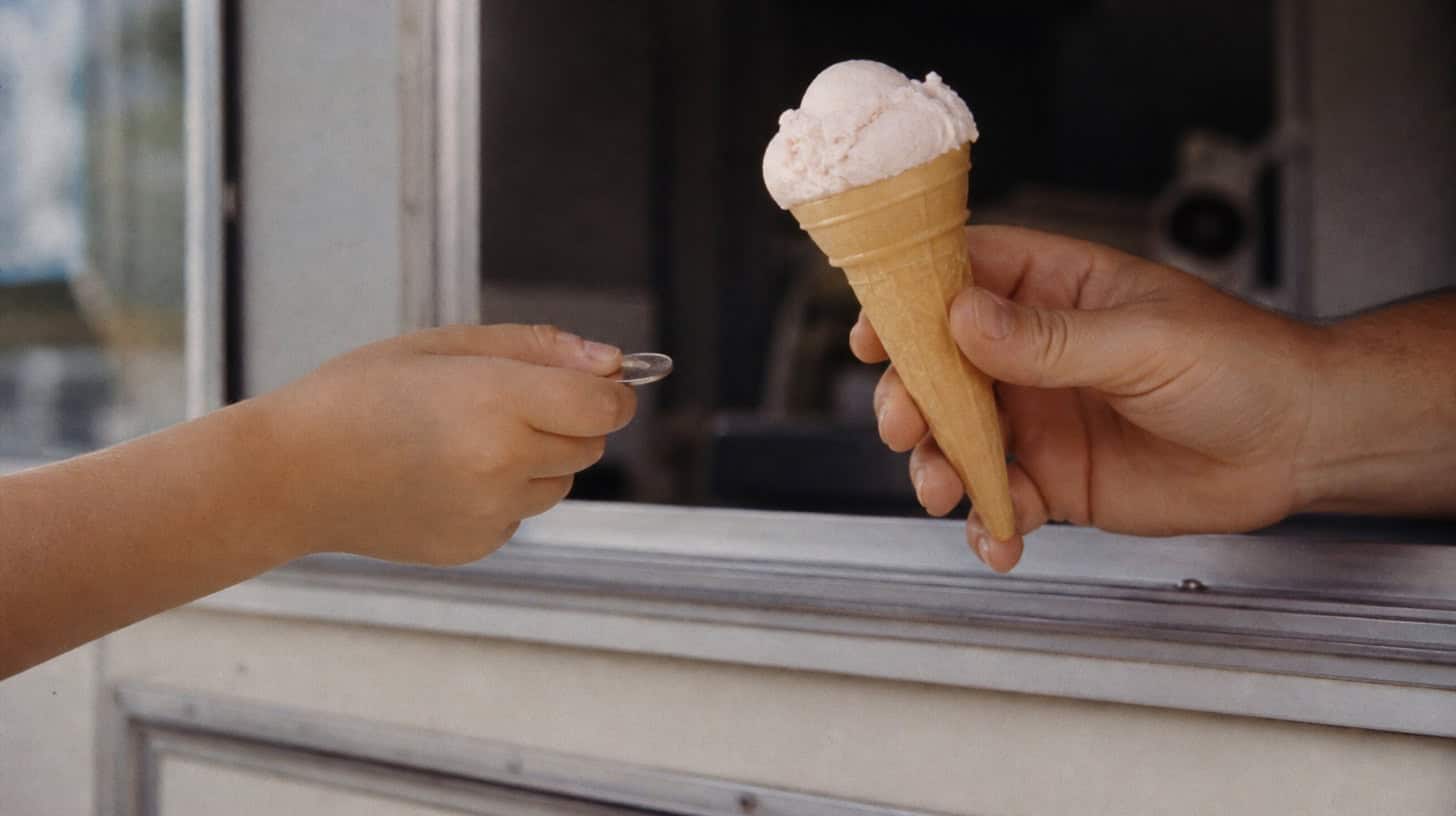
Most shops in 1970 would sell a single-scoop ice cream cone for 25 cents. Now, a basic single scoop starts at $3-$4, while premium or specialty ice cream shops charge $6-$8 per scoop.
13. Coffee (Cup)
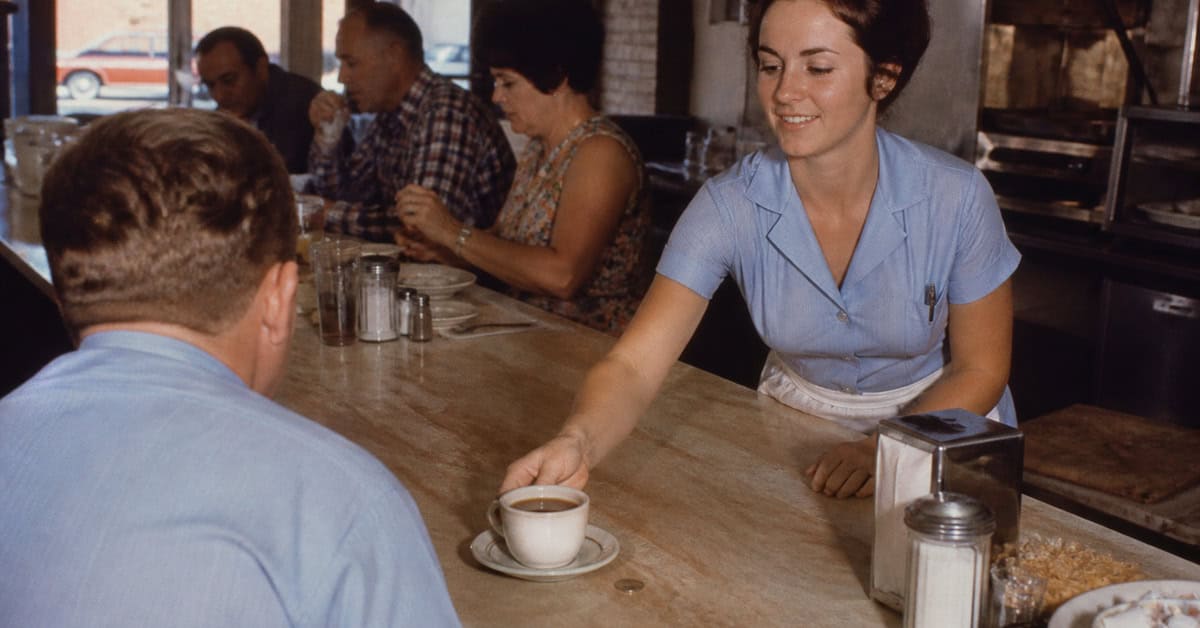
In 1970, coffee at a local diner cost 25 cents (with free refills!). Now, basic coffee is priced between $2-3, while specialty drinks go for $5-6 or more.
14. Newspaper

In 1970, daily newspapers were around 25 cents or less. Today, daily print newspapers cost $2-3, and Sunday editions go for more than $6. A digital subscription can cost more than $50 a month.
15. Postage Stamp
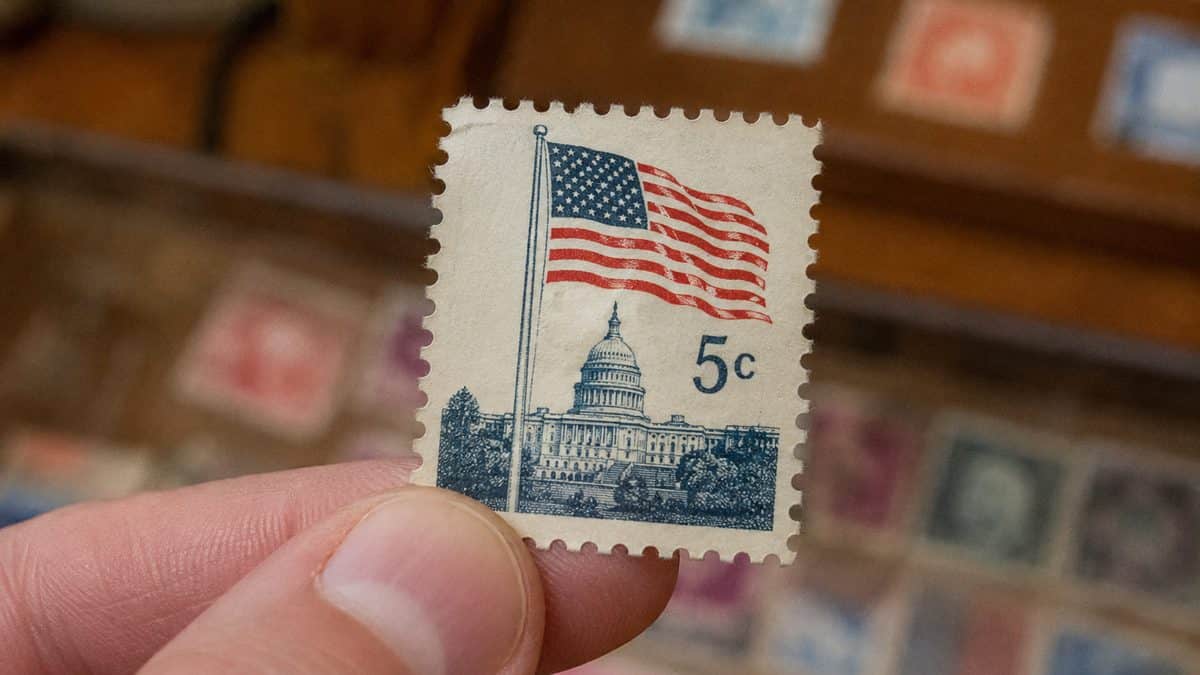
In 1970, a first-class postage stamp cost 5 cents. Today, first-class stamps cost 66 cents, while international stamps cost more than $1.50.