Back in the 1960s, cigarette advertising was everywhere – magazines, billboards, TV shows, even doctors’ offices! Looking at these ads today, it’s hard to believe what Madison Avenue got away with. From doctors recommending specific brands to claims about weight loss and stress relief, these advertisements represent a different era in American marketing history. Let’s take a look at some of the most outrageous examples that would never make it past today’s advertising standards.
Table of Contents
- 1 1. The “Blow in Her Face” Tipalet Ad
- 2 2. Winston’s “Tastes Good Like a Cigarette Should” Campaign
- 3 3. The Flintstones Pushing Winston Cigarettes
- 4 4. The “More Doctors Smoke Camels” Campaign
- 5 5. Virginia Slims’ “You’ve Come a Long Way, Baby”
- 6 6. Kent’s “Micronite” Filter Claims
- 7 7. Marlboro’s “Mild as May” Campaign
- 8 8. L&M’s “Just What the Doctor Ordered”
- 9 9. Kool’s “Switch from Hots to Kools”
- 10 10. Pall Mall’s “Guard Against Throat-Scratch”
- 11 11. Salem’s “Springtime Fresh” Campaign
- 12 12. Chesterfield’s “21 Great Tobaccos Make 20 Wonderful Smokes”
- 13 13. Benson & Hedges “Oh! The Disadvantages!”
1. The “Blow in Her Face” Tipalet Ad
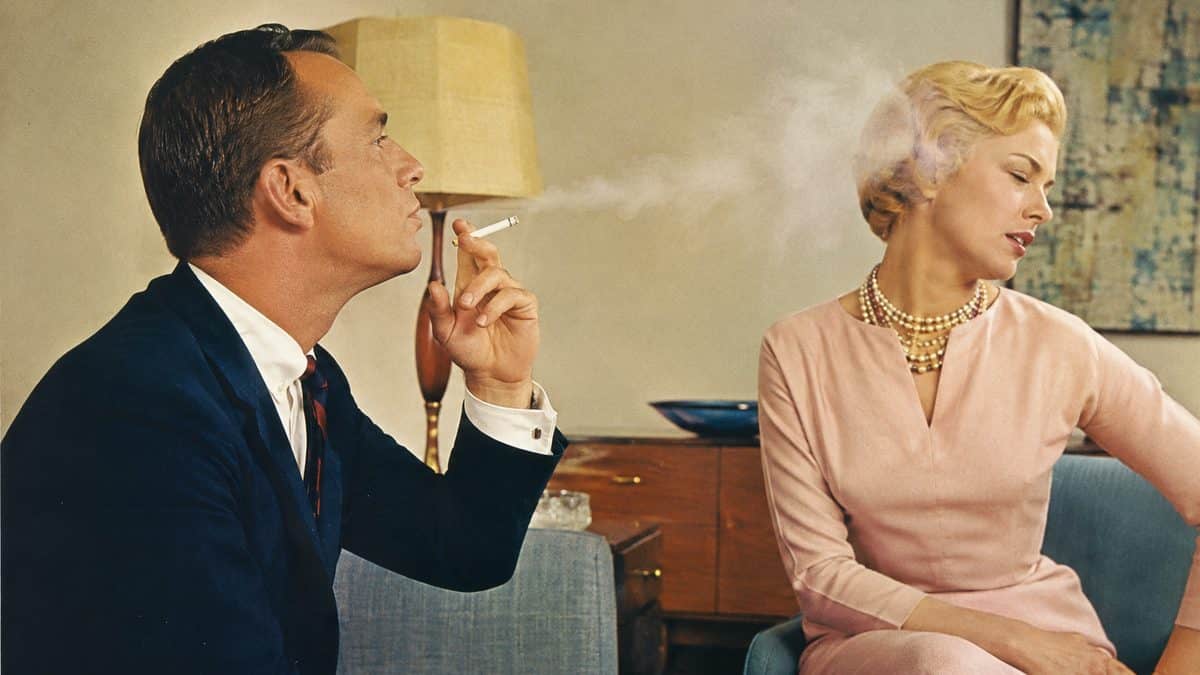
This 1969 advertisement for Tipalet cigarettes suggested that blowing smoke in a woman’s face was a form of flirtation. The tagline read, “Blow in her face and she’ll follow you anywhere.” The ad perfectly encapsulates the casual sexism of the era and the way tobacco companies tried to link smoking with romance and attraction. It’s a stark reminder of how much both advertising standards and social norms have changed.
Save for later
Want to come back to this story? Save it with your email so it is easy to find again.
2. Winston’s “Tastes Good Like a Cigarette Should” Campaign
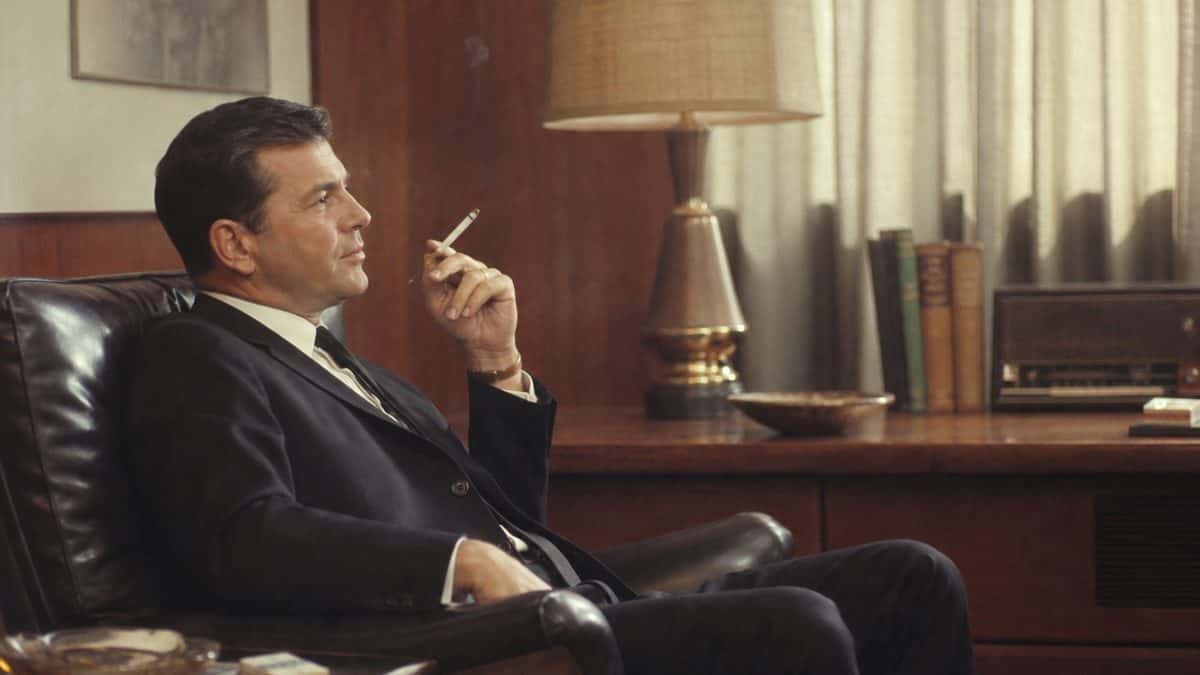
This famous campaign deliberately used incorrect grammar to appear more approachable and casual. English teachers across America were outraged, but the public loved it. The ads featured attractive young couples in everyday situations, suggesting that grammatical errors were perfectly fine if they helped sell cigarettes. The campaign ran successfully for years, proving that sometimes breaking the rules could lead to marketing gold.
3. The Flintstones Pushing Winston Cigarettes
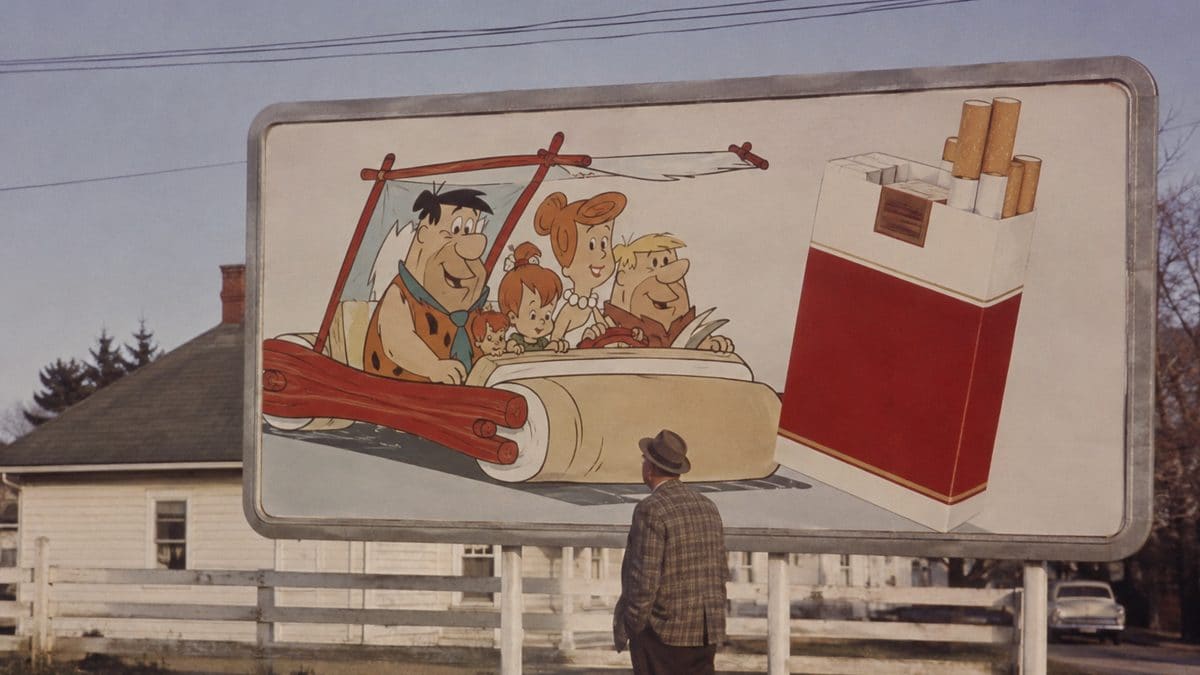
Yes, you read that right – Fred and Wilma Flintstone were once cigarette spokespeople! In the early 1960s, The Flintstones was sponsored by Winston cigarettes, and the characters actually appeared in animated commercials smoking and promoting the brand. The idea of cartoon characters selling cigarettes today seems unthinkable, but back then, it was just another prime-time advertising strategy.
4. The “More Doctors Smoke Camels” Campaign
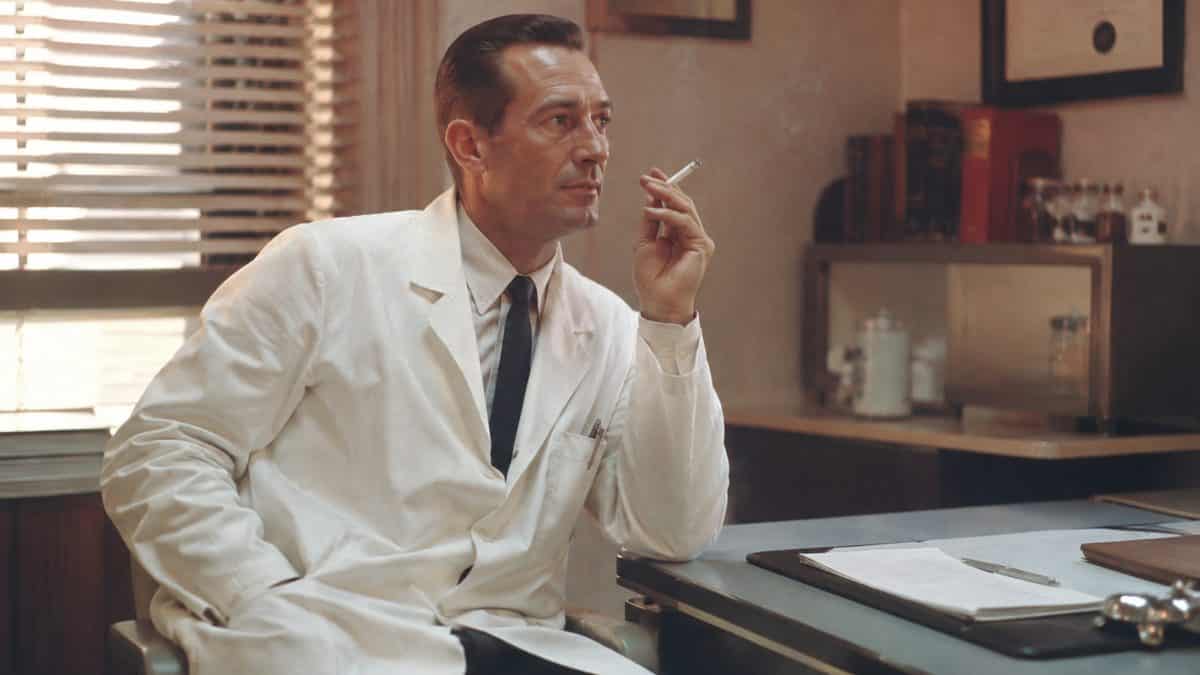
Camel’s infamous campaign claimed that according to a nationwide survey, more doctors smoked their brand than any other cigarette. The ads featured actors in white coats with stethoscopes, lending an air of medical authority to their product. It’s a perfect example of how tobacco companies manipulated public trust in medical professionals to promote their products.
5. Virginia Slims’ “You’ve Come a Long Way, Baby”

Launched in 1968, this campaign cynically co-opted the women’s liberation movement to sell cigarettes. The ads contrasted images of oppressed women from the past with modern, liberated women enjoying their Virginia Slims. The message was clear: smoking wasn’t just a habit, it was a feminist statement. The campaign successfully linked smoking with independence and empowerment.
6. Kent’s “Micronite” Filter Claims
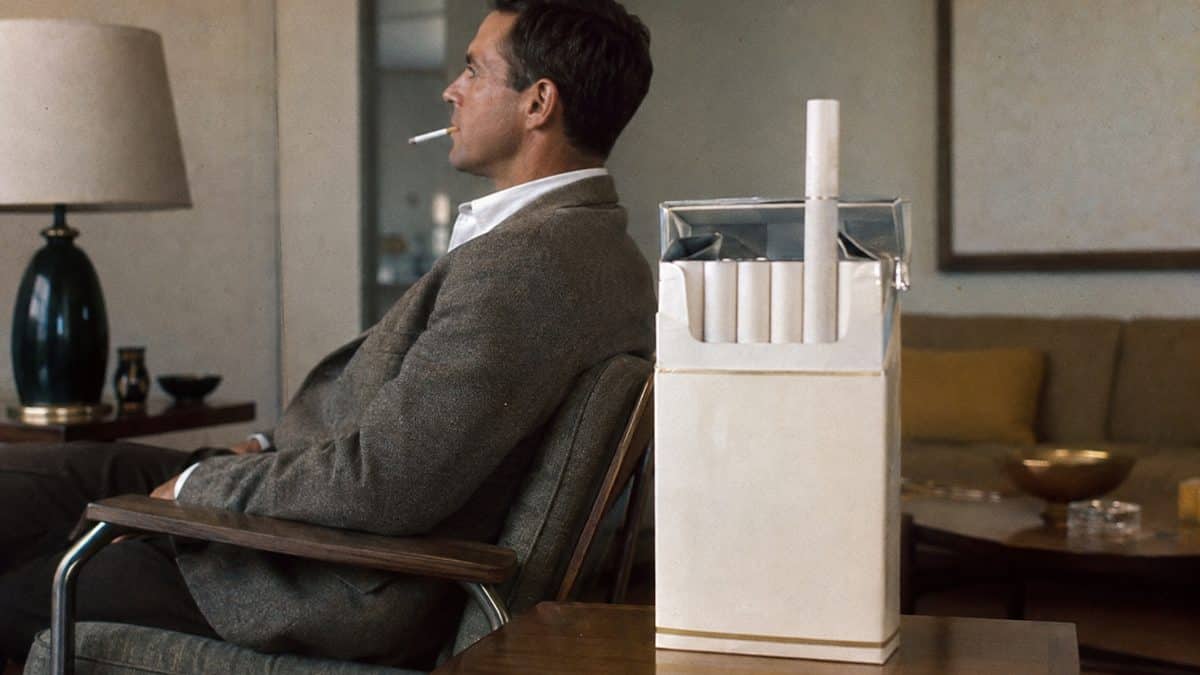
Kent advertised their “Micronite” filter as a scientific breakthrough in health protection. What they didn’t mention was that the original version contained asbestos. The ads featured complex diagrams and pseudo-scientific jargon to convince smokers they were choosing a safer cigarette. It’s perhaps the most egregious example of how tobacco companies used science to mislead consumers.
7. Marlboro’s “Mild as May” Campaign

Before the Marlboro Man, the brand was marketed as a women’s cigarette with the slogan “Mild as May.” The ads featured soft, feminine imagery and promised a gentler smoking experience. This complete brand transformation from feminine to masculine shows how tobacco companies could completely reinvent their products through advertising alone.
8. L&M’s “Just What the Doctor Ordered”
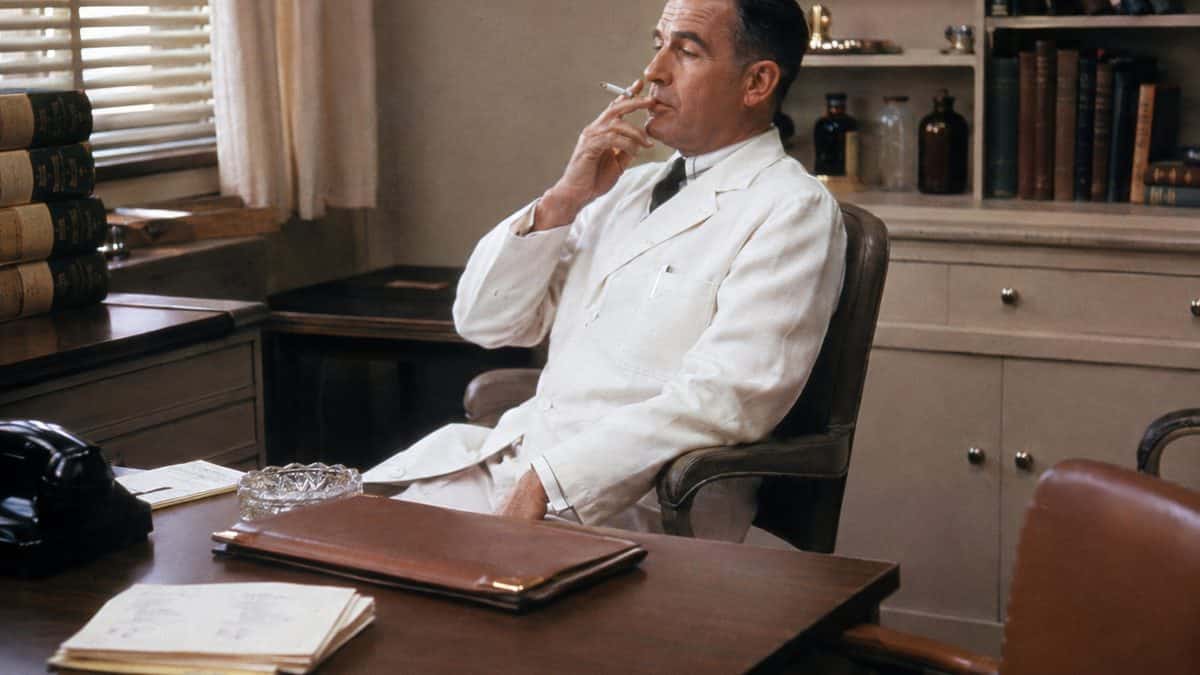
L&M went all-in on medical imagery with their “Just What the Doctor Ordered” campaign. The ads featured testimonials from supposed medical professionals and claimed their cigarettes were scientifically proven to be better for your health. It’s a shocking example of how companies could make completely unsubstantiated health claims in advertising.
9. Kool’s “Switch from Hots to Kools”
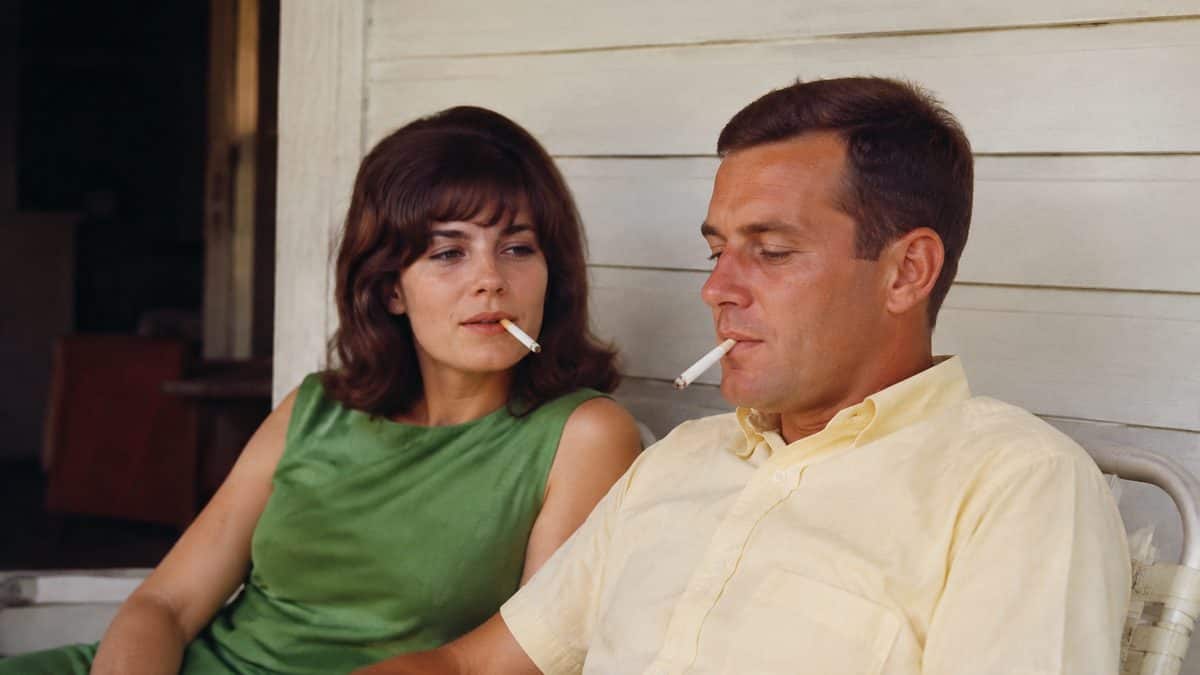
Kool’s marketing suggested their menthol cigarettes were somehow better for your throat than regular cigarettes. The ads featured people with sore throats finding relief by switching to Kools. They even suggested that smoking their cigarettes could help with winter colds – a claim that seems almost comically dangerous by today’s standards.
10. Pall Mall’s “Guard Against Throat-Scratch”
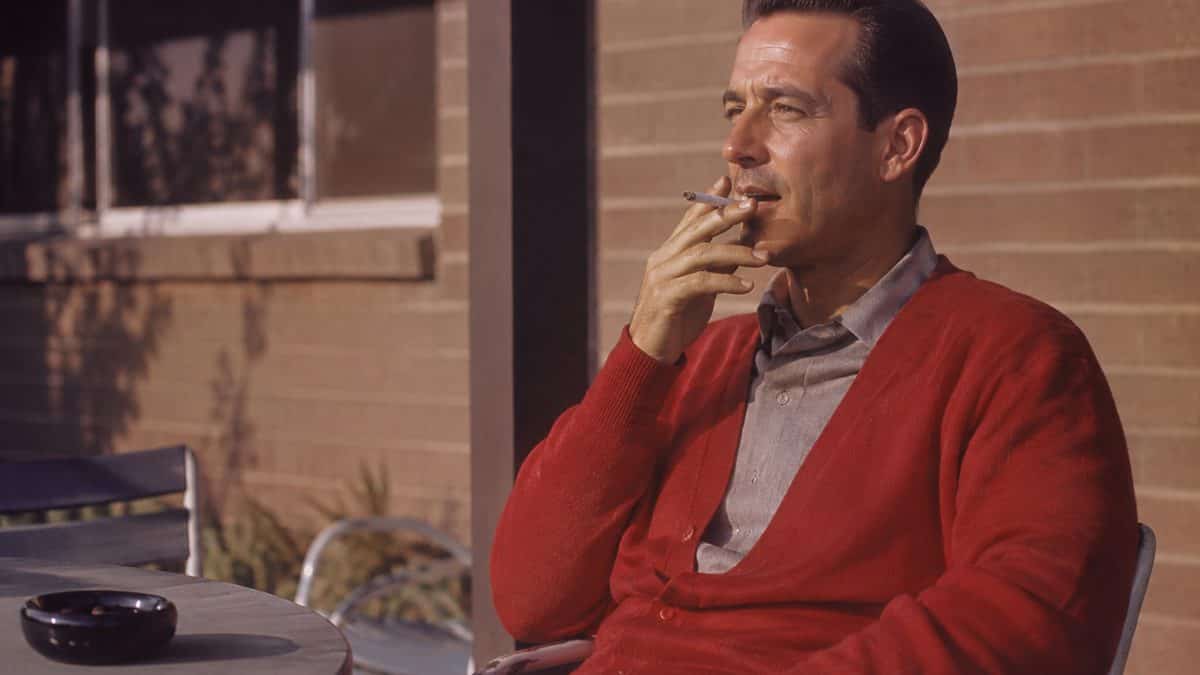
Pall Mall’s ads claimed their longer cigarettes protected against throat irritation because the smoke had more time to cool. They used scientific-looking diagrams to “prove” their point, complete with arrows showing how the smoke traveled through the extra length. It’s a masterclass in using pseudo-science to make outrageous health claims seem plausible.
11. Salem’s “Springtime Fresh” Campaign

Salem’s advertising campaign tried to convince smokers that their menthol cigarettes were as fresh as a spring morning. The ads featured young couples frolicking in meadows full of flowers, suggesting that smoking their brand was somehow connected to clean air and nature. The irony of comparing cigarette smoke to fresh air seems almost satirical now, but it was a hugely successful campaign at the time.
12. Chesterfield’s “21 Great Tobaccos Make 20 Wonderful Smokes”

Chesterfield’s campaign focused on the supposedly scientific precision of their tobacco blending process. The ads featured men in white lab coats carefully selecting and measuring tobacco leaves, implying that cigarette making was a precise science rather than a commercial enterprise. They even included detailed charts and graphs showing their “quality control” process, lending a false sense of safety to their product.
13. Benson & Hedges “Oh! The Disadvantages!”

This clever campaign took a humorous approach by showing the “disadvantages” of smoking their extra-long cigarettes, like getting caught in elevator doors or burning holes in newspapers. It was a masterpiece of reverse psychology that turned a product’s potential negative (being awkwardly long) into a selling point. The campaign made smoking seem sophisticated and funny rather than addressing any health concerns.