Our social media feeds are packed with viral life hacks, but our grandmothers spent years fine-tuning real tricks for everyday problems. Thrifty, simple, and often just plain better than the life hacks sold to us today. Let’s dive into some of grandma’s timeless hacks.
Table of Contents
- 1 1. Cast Iron Pan Maintenance
- 2 2. Natural Stain Removal
- 3 3. Vinegar for Everything
- 4 4. Newspaper for Windows
- 5 5. Coffee Ground Gardens
- 6 6. Baking Soda Deodorizer
- 7 7. Potato Peeler Trick
- 8 8. Bread Freshness Test
- 9 9. Natural Air Fresheners
- 10 10. Wooden Spoon Test
- 11 11. Egg Freshness Float Test
- 12 12. Sock Rice Pack
- 13 13. Apple Storage Trick
- 14 14. Salt for Cast Iron Cleaning
- 15 15. Wooden Butter Paddle Trick
1. Cast Iron Pan Maintenance
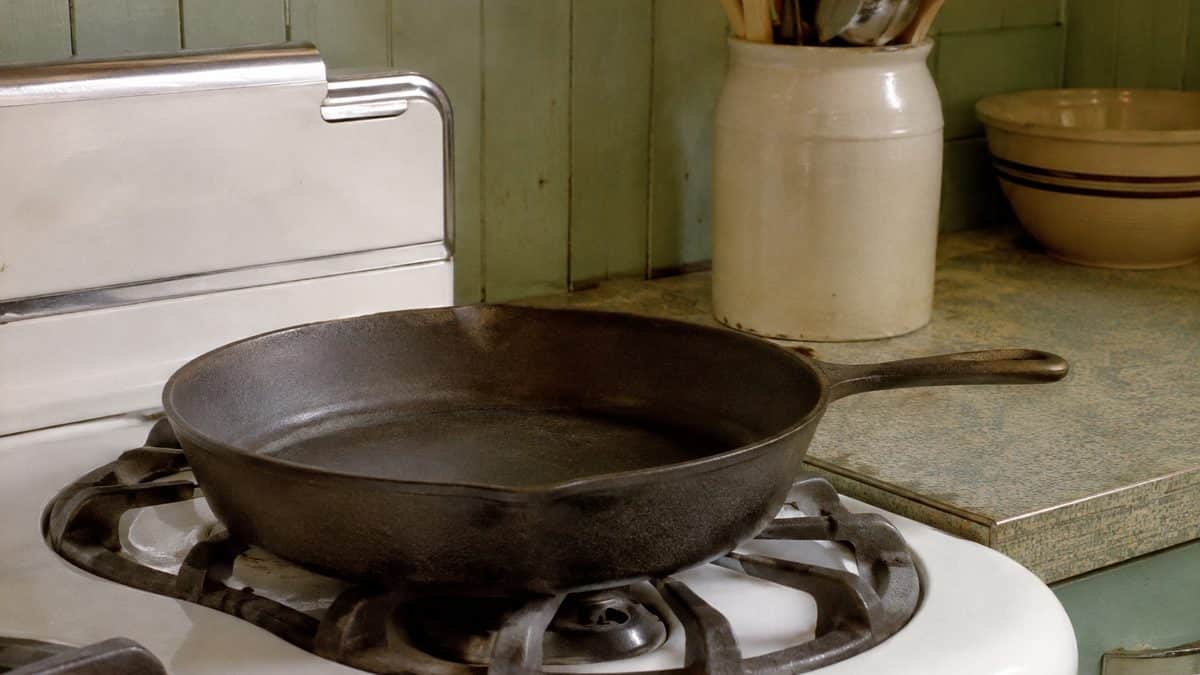
Grandma had a cast-iron pan, and she NEVER washed it with soap. She kept the seasoning of the pan by cleaning it with coarse salt, and oil. After every meal, she’d wipe it clean, heat it on the stove, and wipe on a thin layer of oil. Not only did this method preserve the pan, it improved it each time.
Save for later
Want to come back to this story? Save it with your email so it is easy to find again.
2. Natural Stain Removal
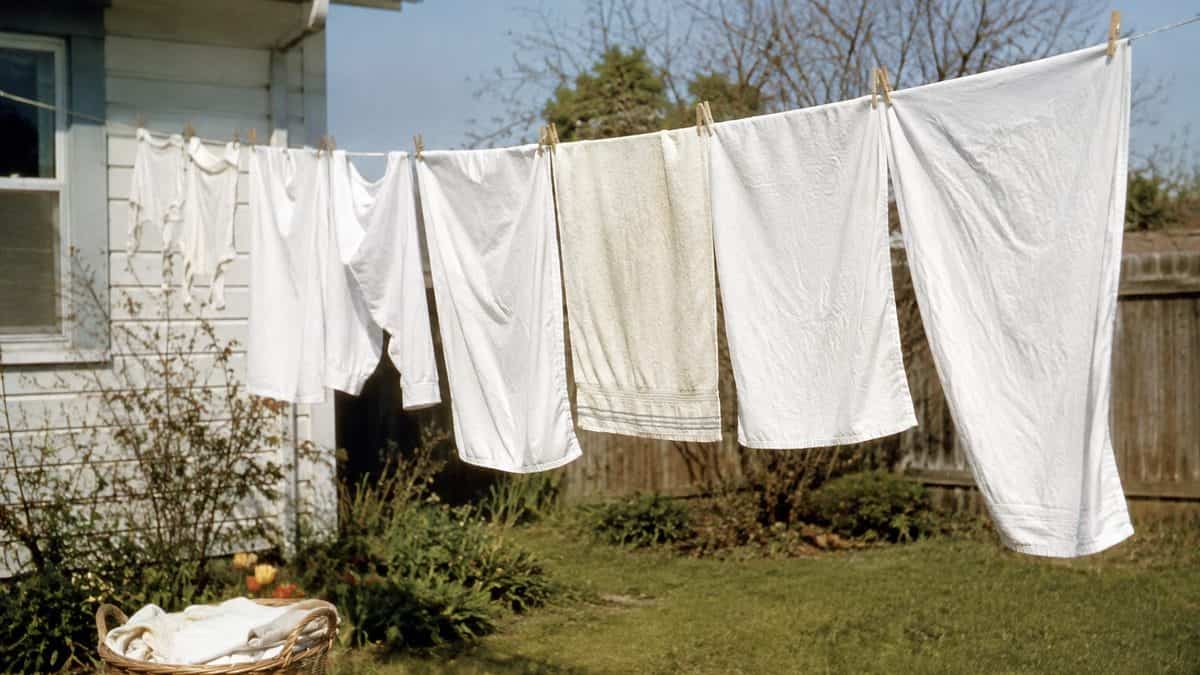
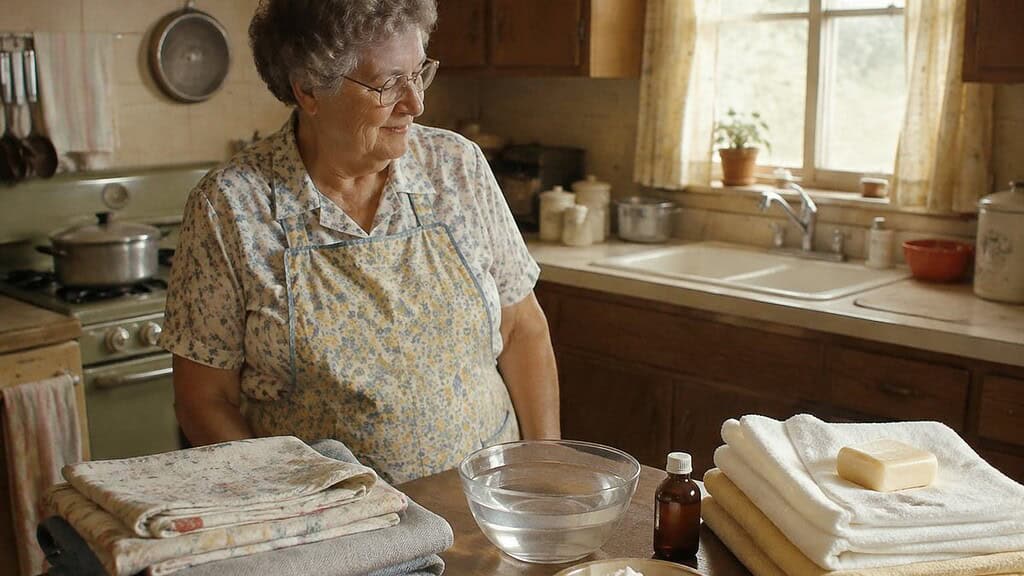
To fight stains, Grandma relied on sunlight and lemon juice instead of steamy, chemical warfare. She’d spritz white linens with lemon juice and lay them out in the sun. Nature did the rest. This hack kept fabrics safe from chemicals, and it left everything smelling fresh and clean.
3. Vinegar for Everything
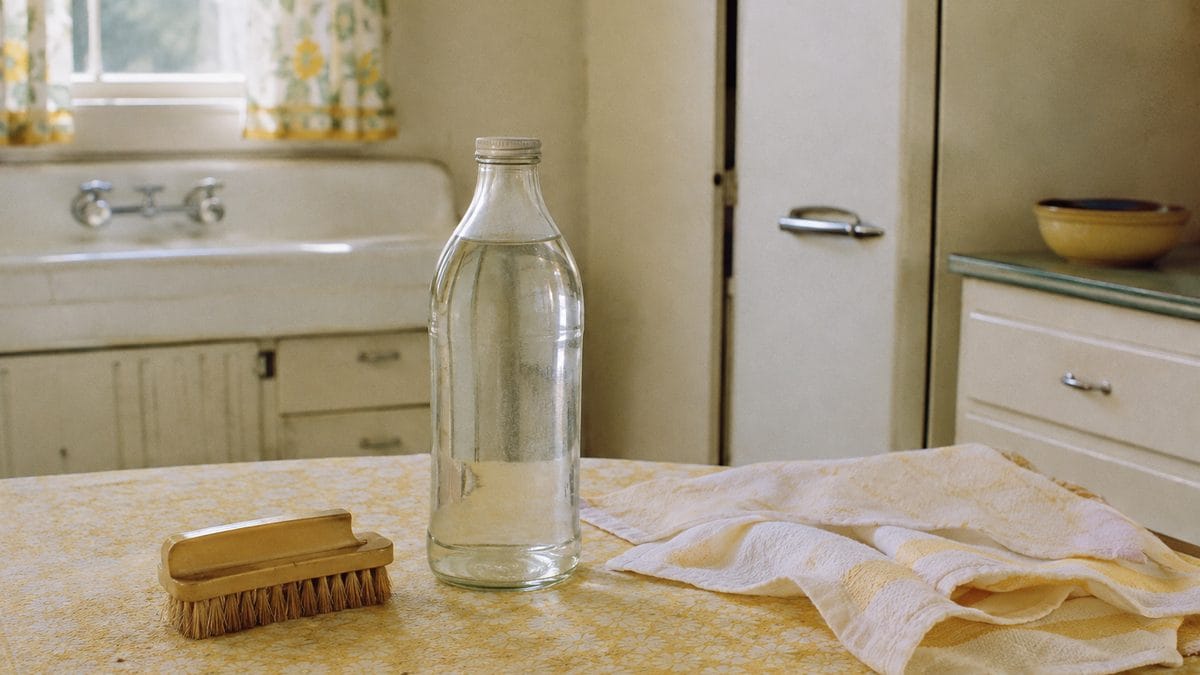
Grandma’s miracle solution was white vinegar. It cleaned her windows, descaled her kettles, and even freshened her drains. She understood that with a spray bottle of diluted vinegar, she could replace a whole cabinet of modern cleaning products.
4. Newspaper for Windows
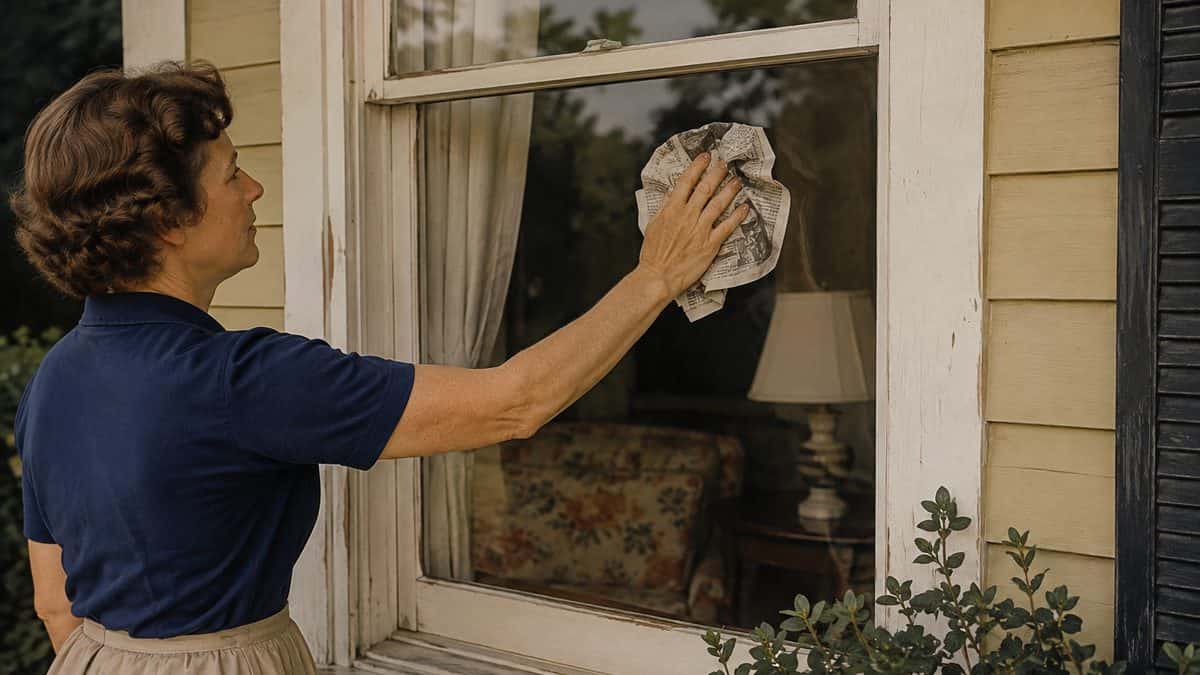
Grandma was the queen of recycling. She cleaned her windows with newspapers. Her special vinegar cleaning solution kept the windows ultra shiny and free of lint and streaks. The ink on the newspaper provided just the right touch for shiny windows, and it helped Grandma recycle.
5. Coffee Ground Gardens
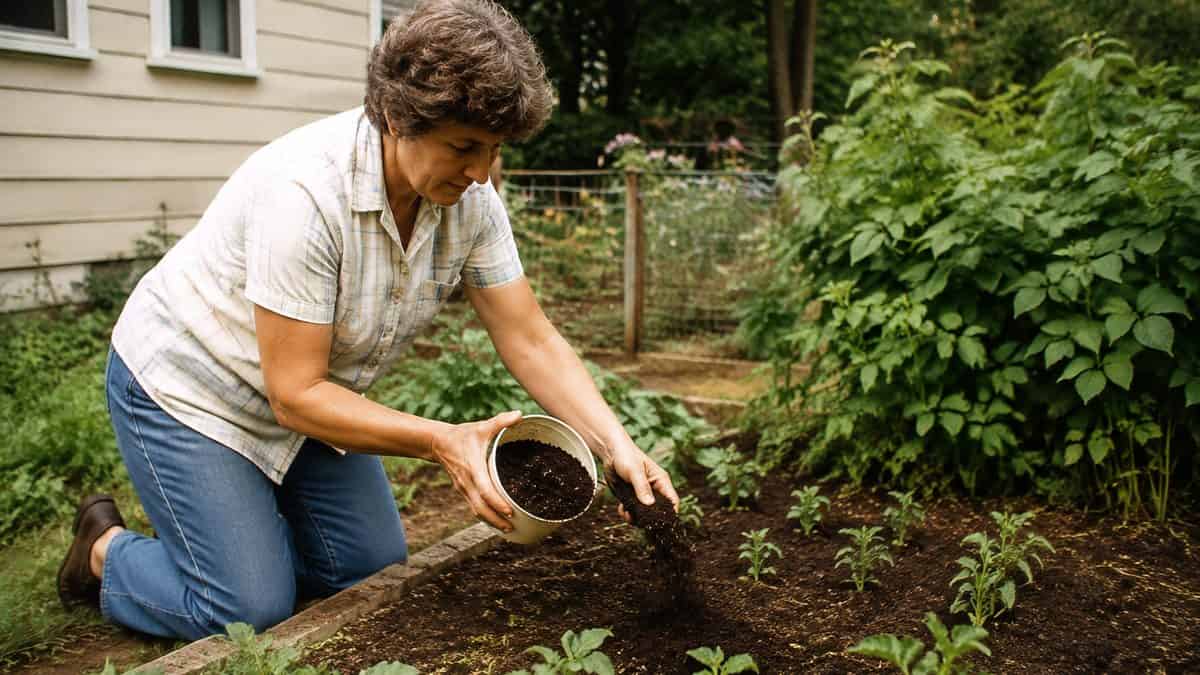
Grandma also didn’t throw out used coffee grounds. She used them in the garden, adding them to the compost, keeping pests away, and feeding acid-loving plants. Used coffee grounds helped Grandma recycle, improved soil, and grew better plants.
6. Baking Soda Deodorizer
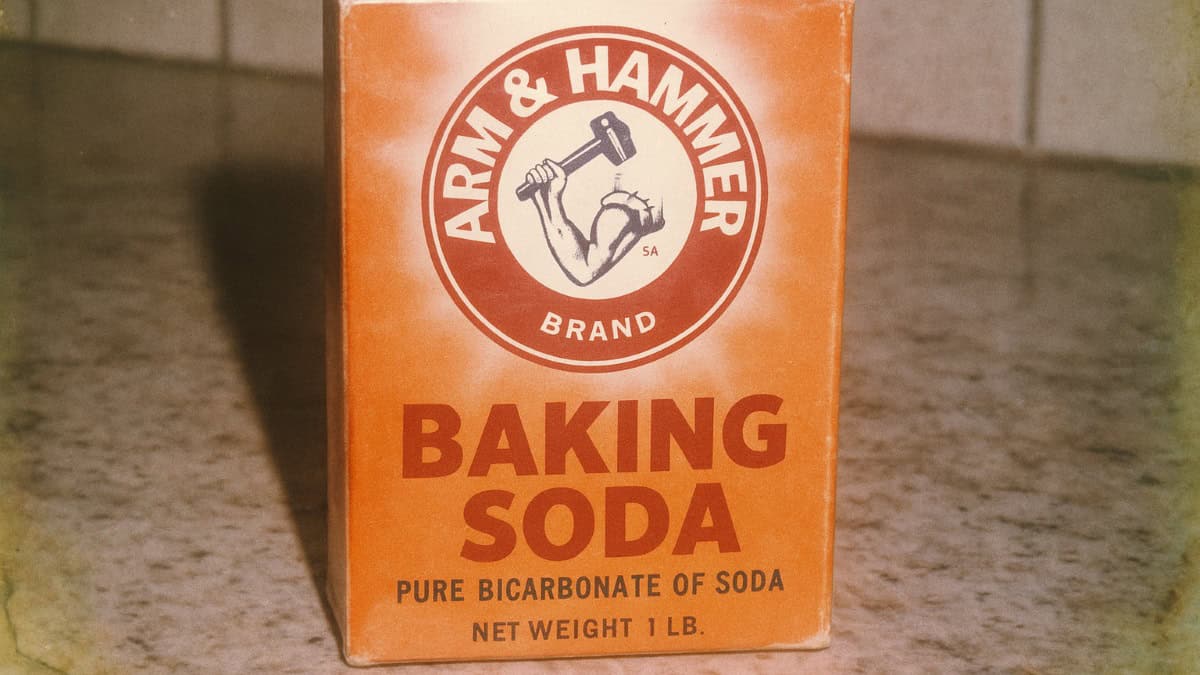
Grandma used an open box of baking soda to help eliminate bad smells. It worked in the fridge, the garbage can, and anywhere else there was a smell. She also used it when she vacuumed to deodorize her carpets and freshen her mattress. This showed that simple solutions are sometimes the best.
7. Potato Peeler Trick
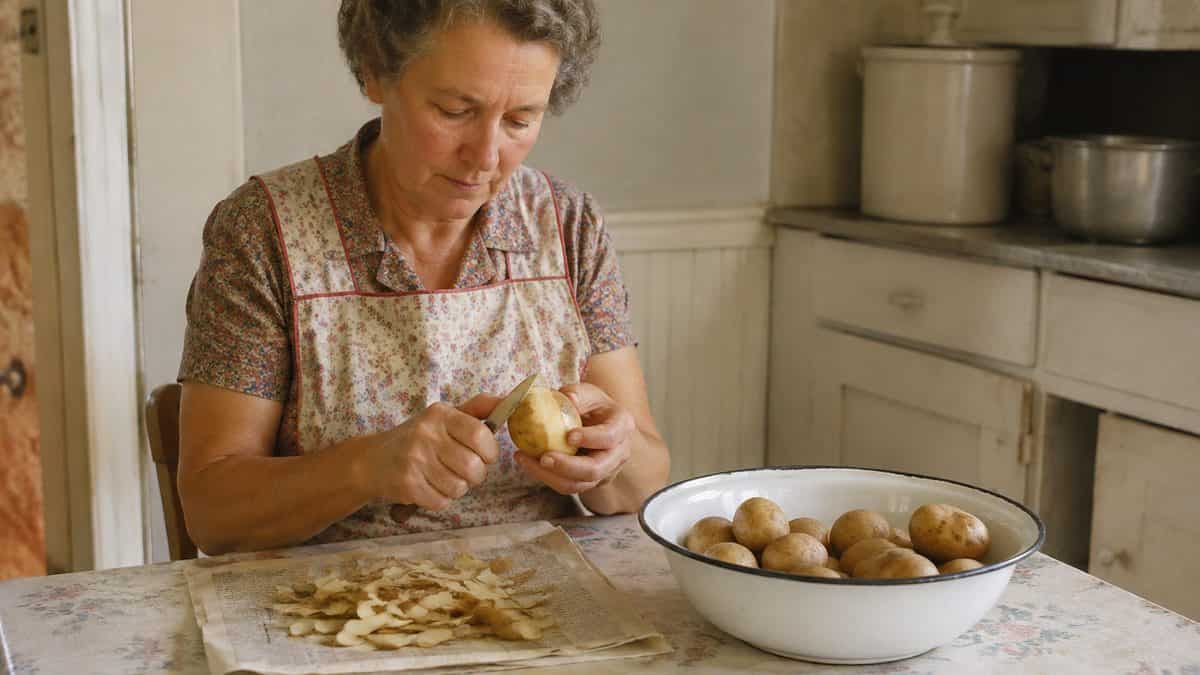
Grandma also had some creative cooking tricks. To avoid peeling potatoes, she would boil them with the skins on. This trick kept nutrients in the potatoes, avoided the gummy texture (and that dreaded mashed potato sticky mess) and made it super easy to remove the skins, as they would just slip off.
8. Bread Freshness Test
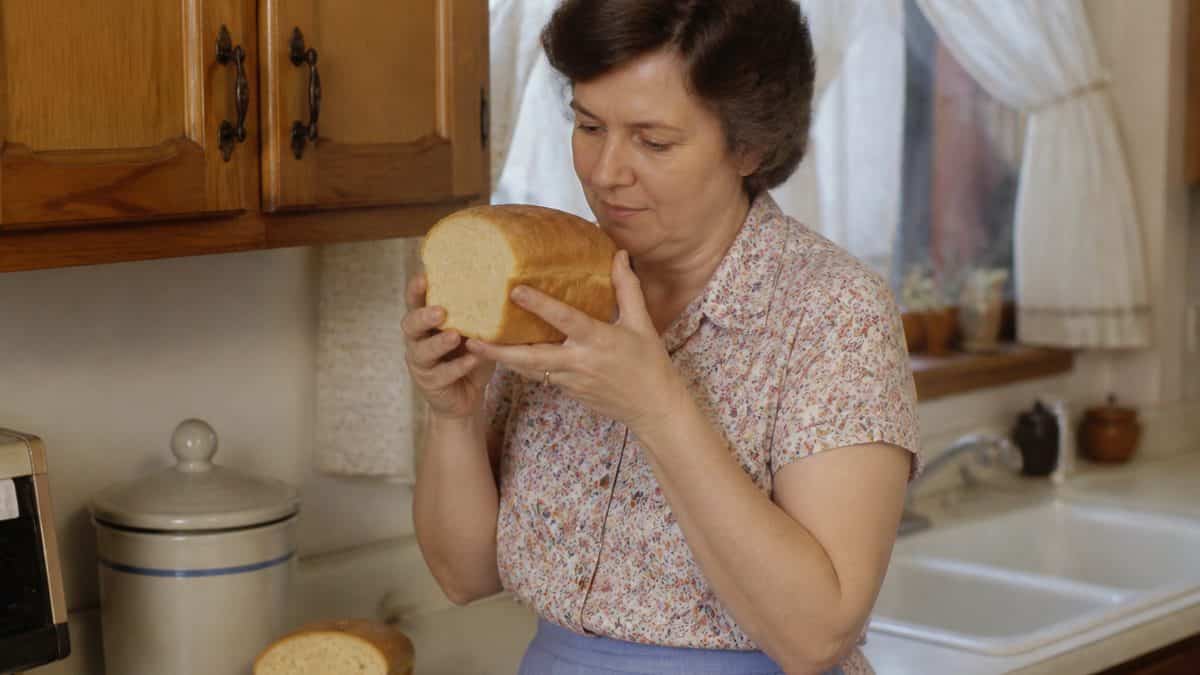
To check if her bread was fresh enough to serve guests, she would gently press it. If it bounced back, it was fresh. Grandma also knew to keep bread out of the fridge. She used a bread box because storing it in the fridge actually made it stale faster.
9. Natural Air Fresheners
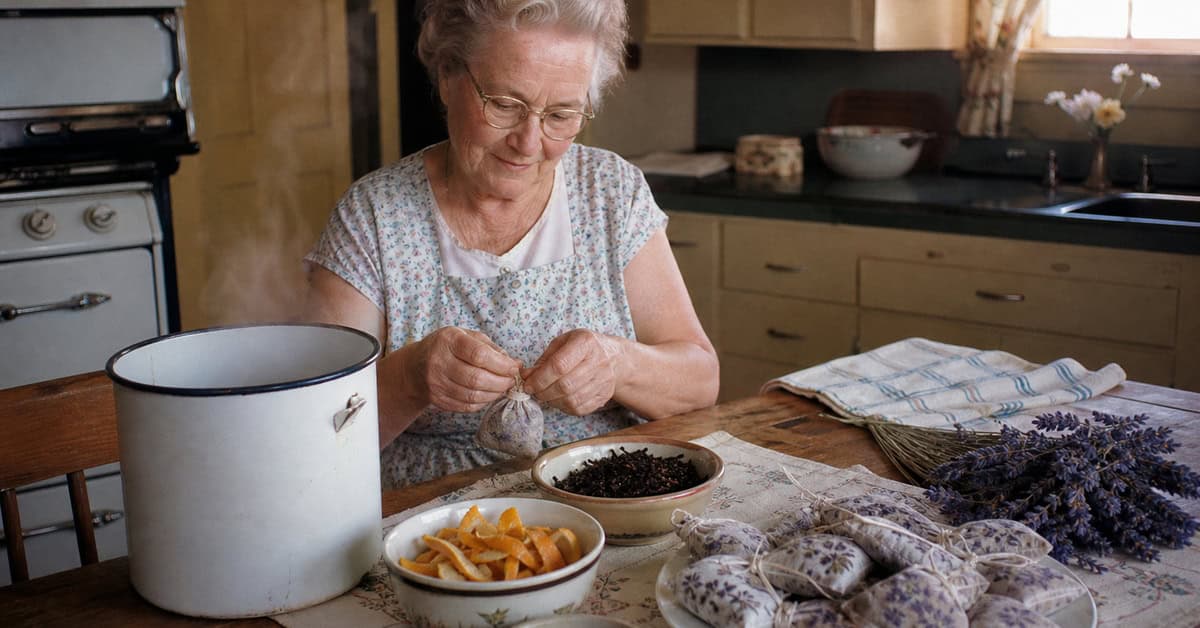
Grandma didn’t use fake spray air fresheners. She would take cinnamon sticks, orange peels, and cloves, and let them simmer in a pot of water on the stove. This created a beautiful aroma and helped add moisture to the dry winter air. It also helped to use up some kitchen scraps instead of throwing them away and helped to avoid using chemical air fresheners.
10. Wooden Spoon Test
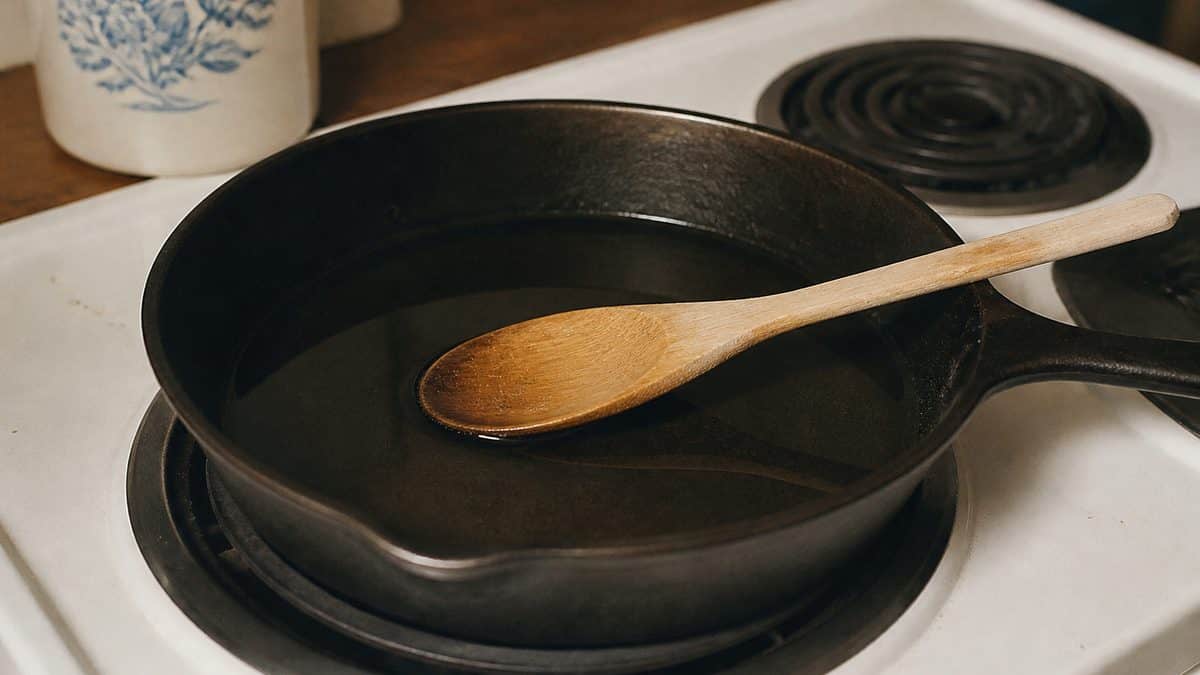
If Grandma thought the frying oil was hot enough, she used a wooden spoon to test the oil. If the oil was bubbling, she knew it was ready to go. This trick worked better than any thermometer.
11. Egg Freshness Float Test
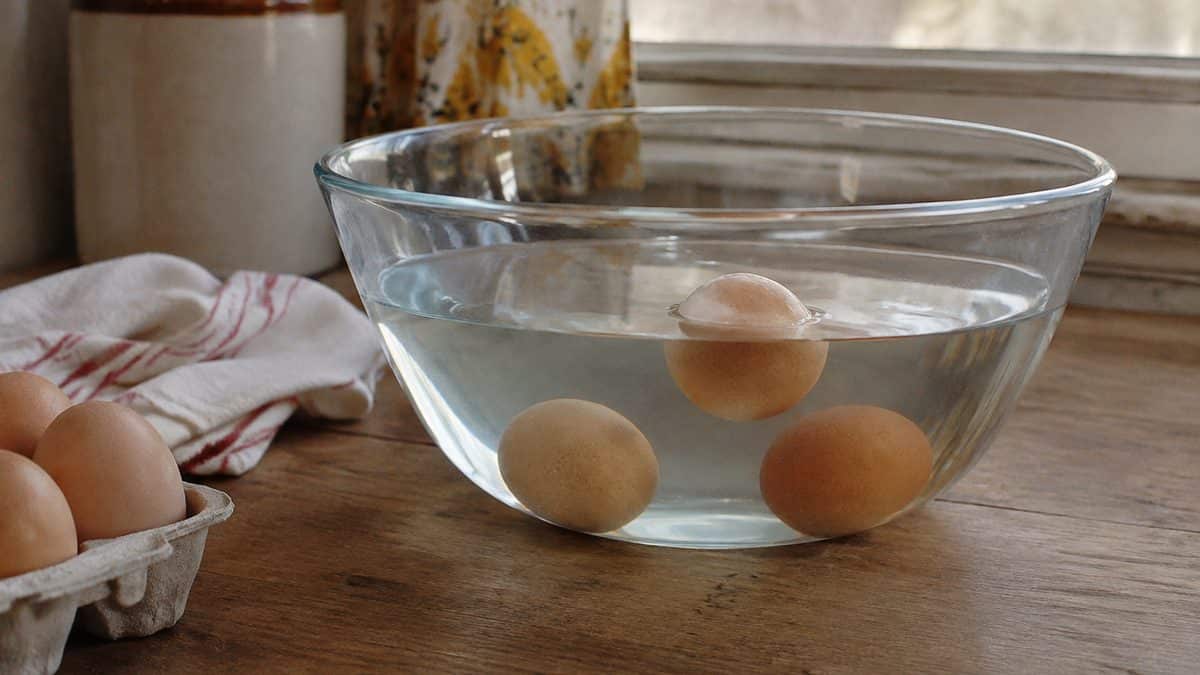
Instead of going off expiration dates, Grandma tested egg freshness by placing the eggs in a bowl of water. If the egg sank and stayed on the bottom, it was fresh; if the egg stood up or floated, it was older. This trick helped her prevent food waste.
12. Sock Rice Pack
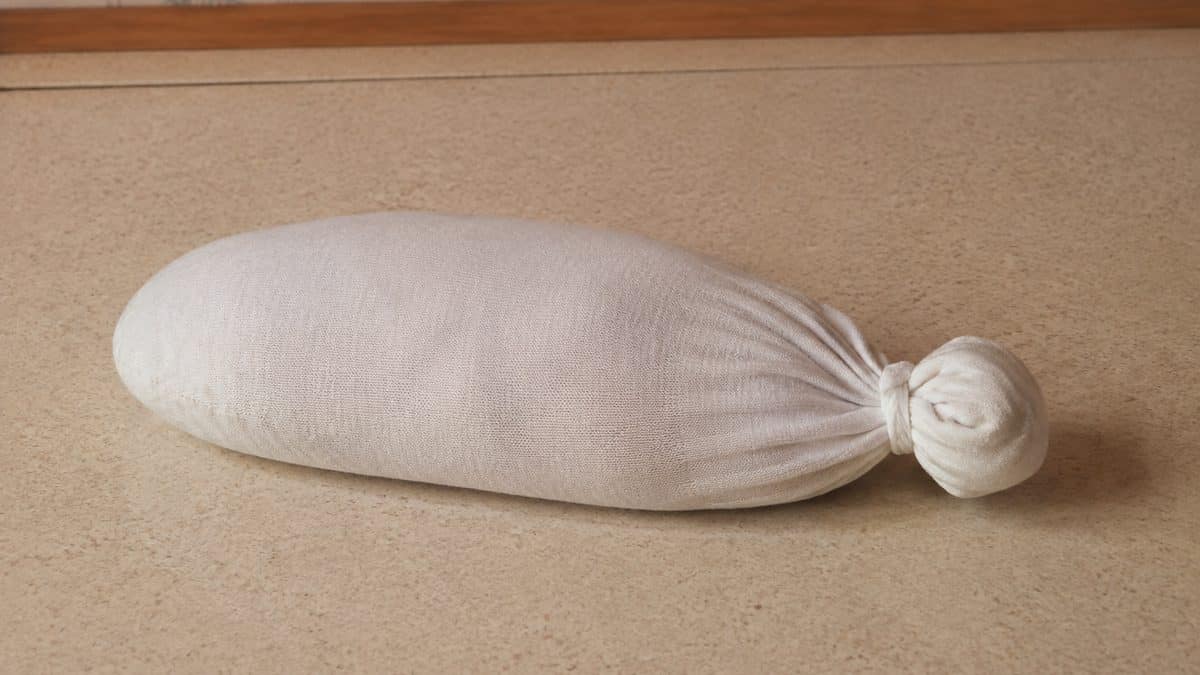
Instead of heating pads, Grandma used to make rice packs out of clean socks and dry rice. They provided pain relief whether heated in the microwave or chilled in the freezer. They were reusable, moldable, and almost free to make.
13. Apple Storage Trick
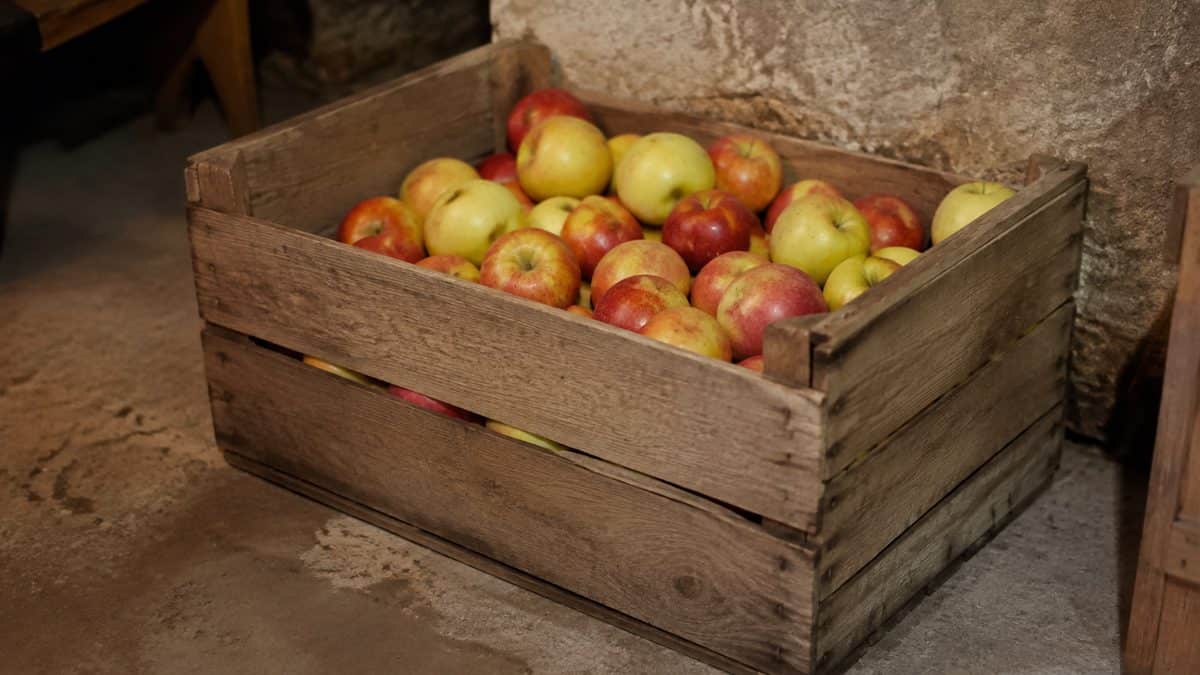
Grandma knew that one rotten apple spoils the whole barrel. She would look at apples for bruises and then store them separately from the other fruits. This is because apples release a gas that causes other fruit to rot.
14. Salt for Cast Iron Cleaning
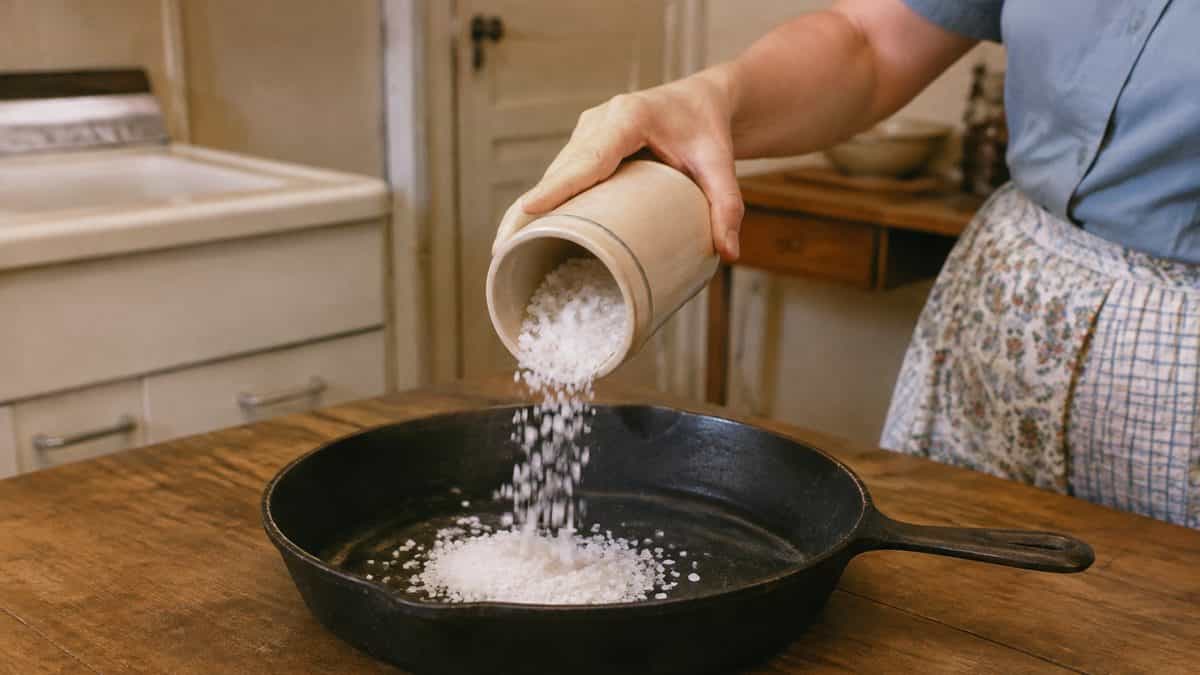
Grandma also knew the best method for cleaning cast iron was sprinkling coarse salt on the pan and scrubbing it with a cloth. This preserved the seasoning and showed that some old methods are the best.
15. Wooden Butter Paddle Trick
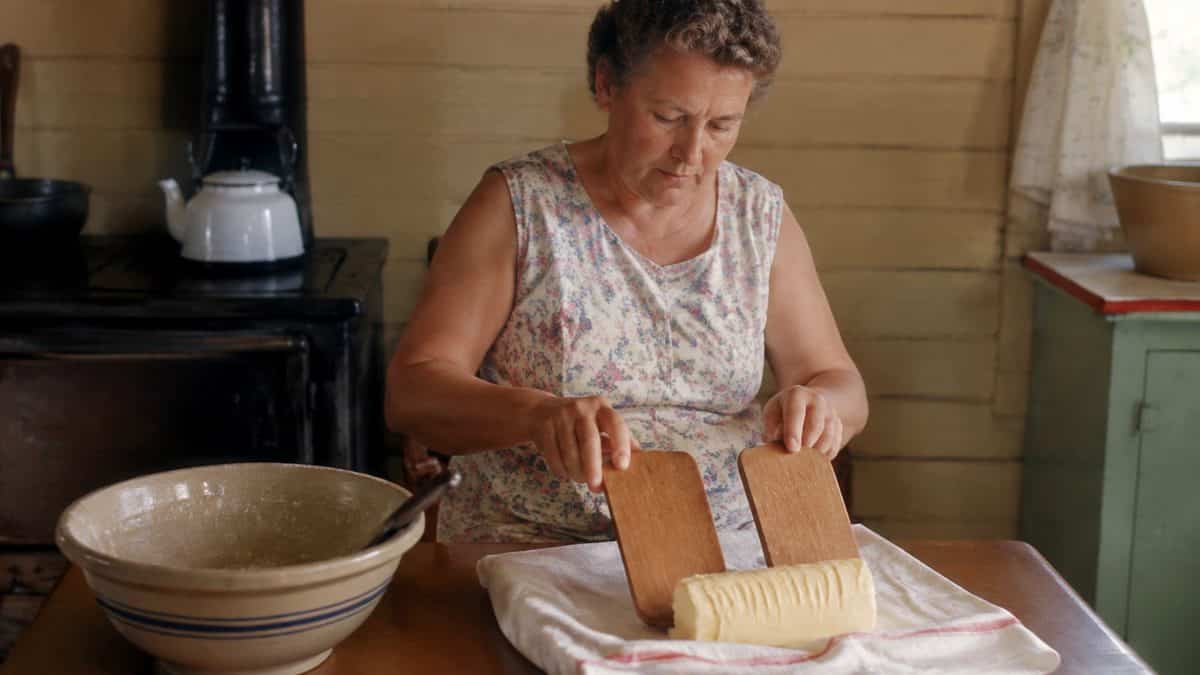
Grandma shaped and served butter using wooden butter paddles. These were soaked in cold water, which meant that butter wouldn’t stick to the paddle. This made it easier to handle the butter and look nice on the table. For special occasions, Grandma would use the same paddles to make decorative butter pats.