I remember the thrill of driving back in the 1960s. The skill, knowledge, and patience to operate the automobile was a hobby in itself and passion for engineering. Let me take you through some features of driving that today’s drivers have never experienced.
Table of Contents
- 1 1. The Floor-Mounted High Beam Switch
- 2 2. Manual Choke
- 3 3. Vent Windows
- 4 4. Three-on-the-Tree Manual Transmission
- 5 5. Pop-Out Windshield
- 6 6. Pull-Out Dashboard Lights
- 7 7. Non-Canceling Turn Signals
- 8 8. Metal Dashboards
- 9 9. Generator Light Instead of Alternator Warning
- 10 10. Foot-Operated Windshield Washer
- 11 11. Push-Button AM Radio
- 12 12. Vacuum-Powered Windshield Wipers
- 13 13. Full-Size Spare Tire
- 14 14. Manual Steering
- 15 15. Dash-Mounted Rear View Mirror
- 16 16. Hood Ornaments with Purpose
1. The Floor-Mounted High Beam Switch

Do you remember the circular button on the floor of the car for high beam lights? You would tap it with your left foot to switch from high beam to low beam to get a satisfying click. That was back when floor buttons were a thing.
Save for later
Want to come back to this story? Save it with your email so it is easy to find again.
2. Manual Choke
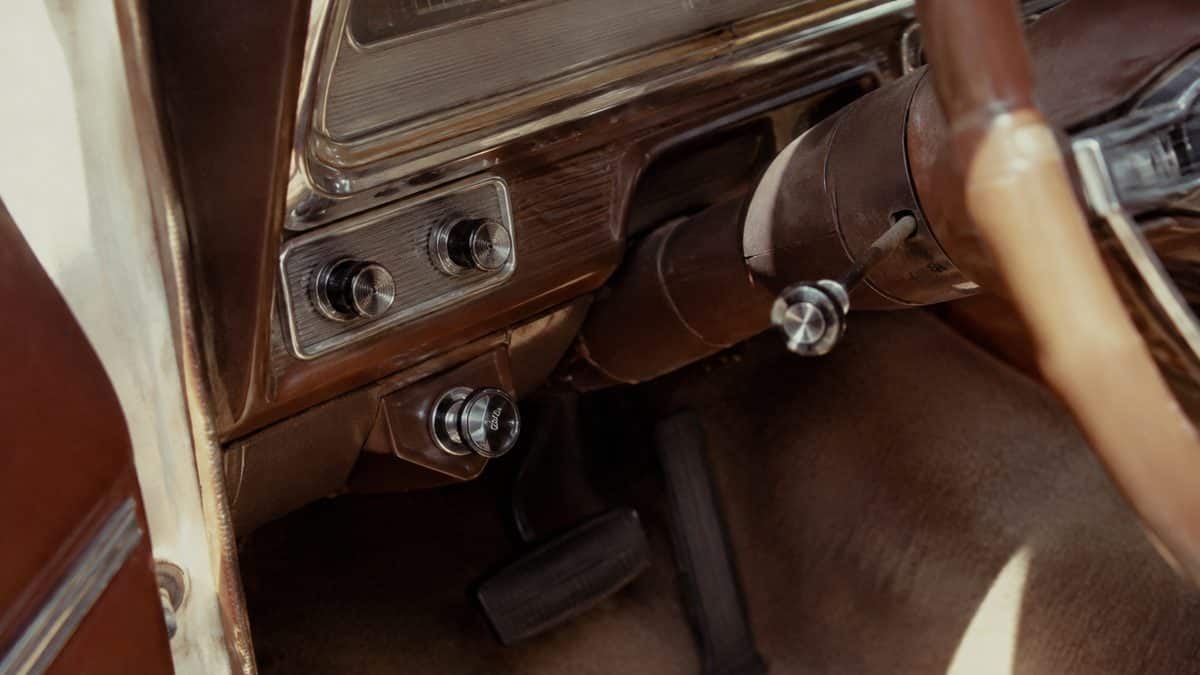
Starting the car is also a different experience than simply turning a key. When you pulled the choke out, it made the right fuel mixture for cold mornings (so you didn’t accidentally flood the engine). This had to be done because of the manual choke used in carbureted engines.
3. Vent Windows
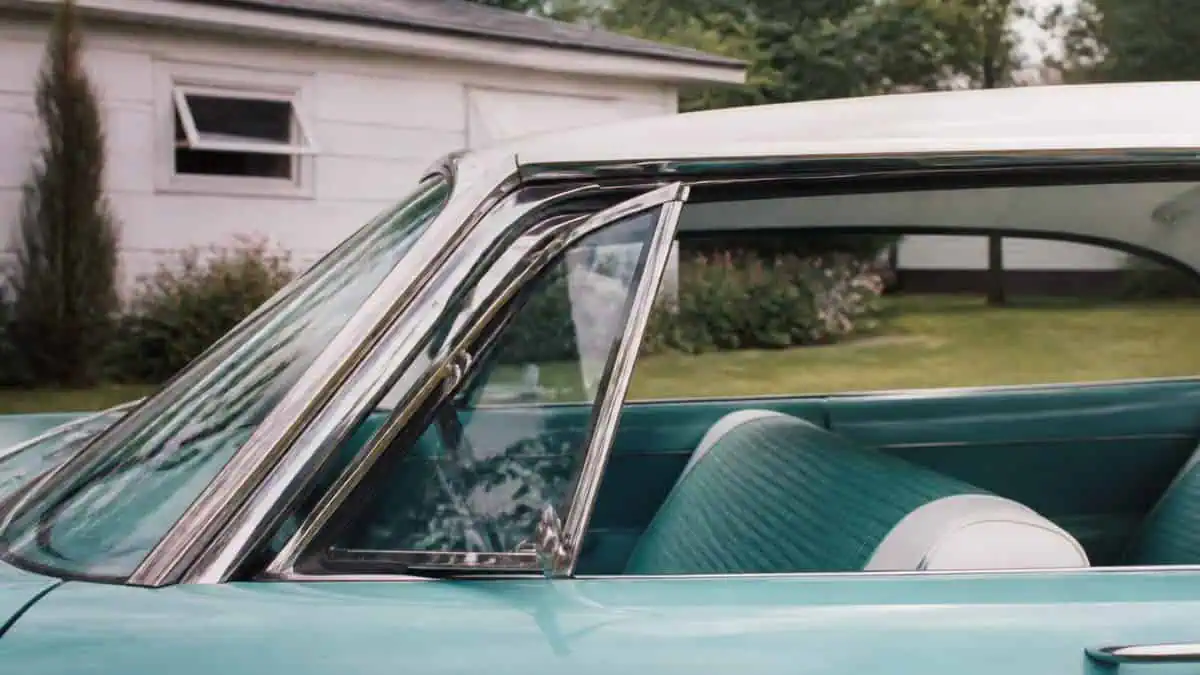
Wing windows were also an older version of air conditioning. They were also adjustable to direct a nice steady stream of air into the vehicle without the annoying gusts that come with modern windows.
4. Three-on-the-Tree Manual Transmission
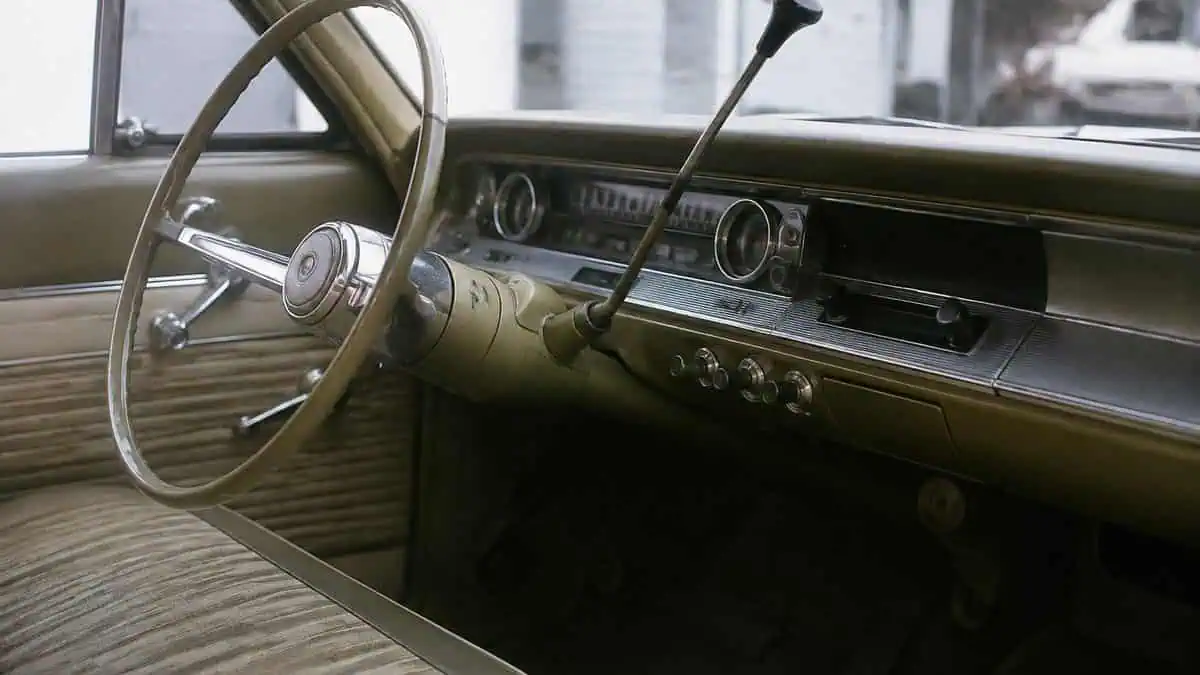
Column shifters were also a thing before floor mounted shifters became a thing. This 3 on the tree column shift pattern was a real right of passage for many drivers. It also required a ton of coordination to get the changing of the gears smooth.
5. Pop-Out Windshield
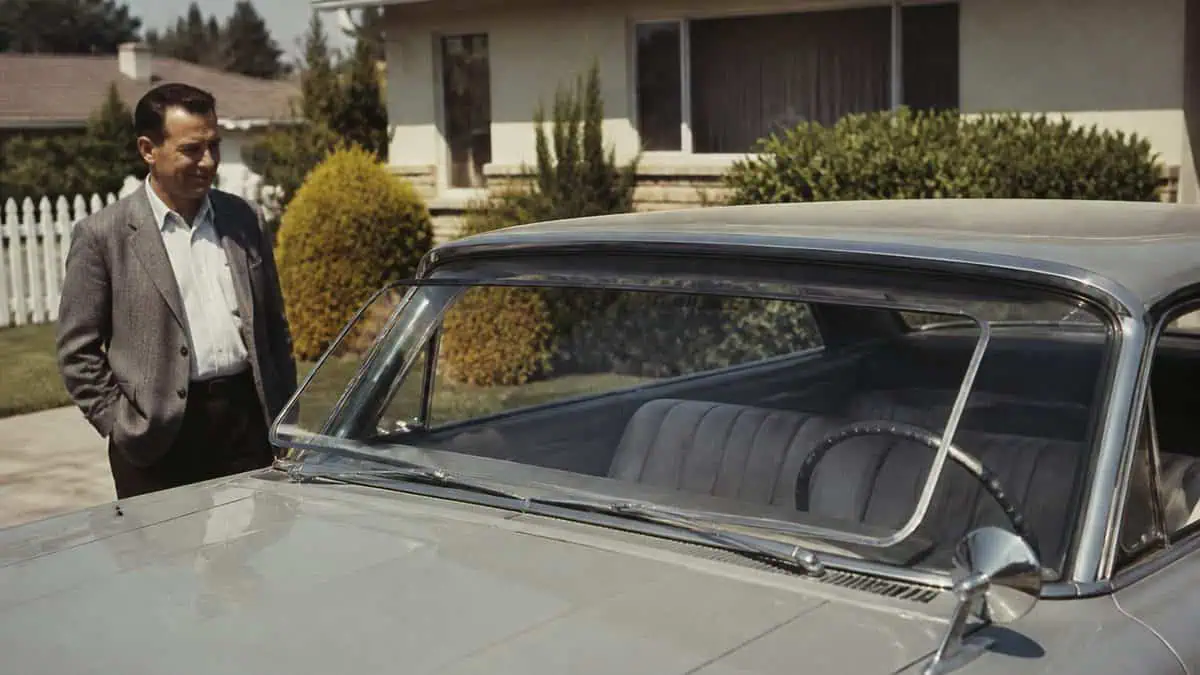
Some 1960s cars featured pop-out windshields. While modern safety standards have evolved, this feature was created to help reduce the chance of occupants being trapped in the car as they could easily pop off the windshield in a crash.
6. Pull-Out Dashboard Lights
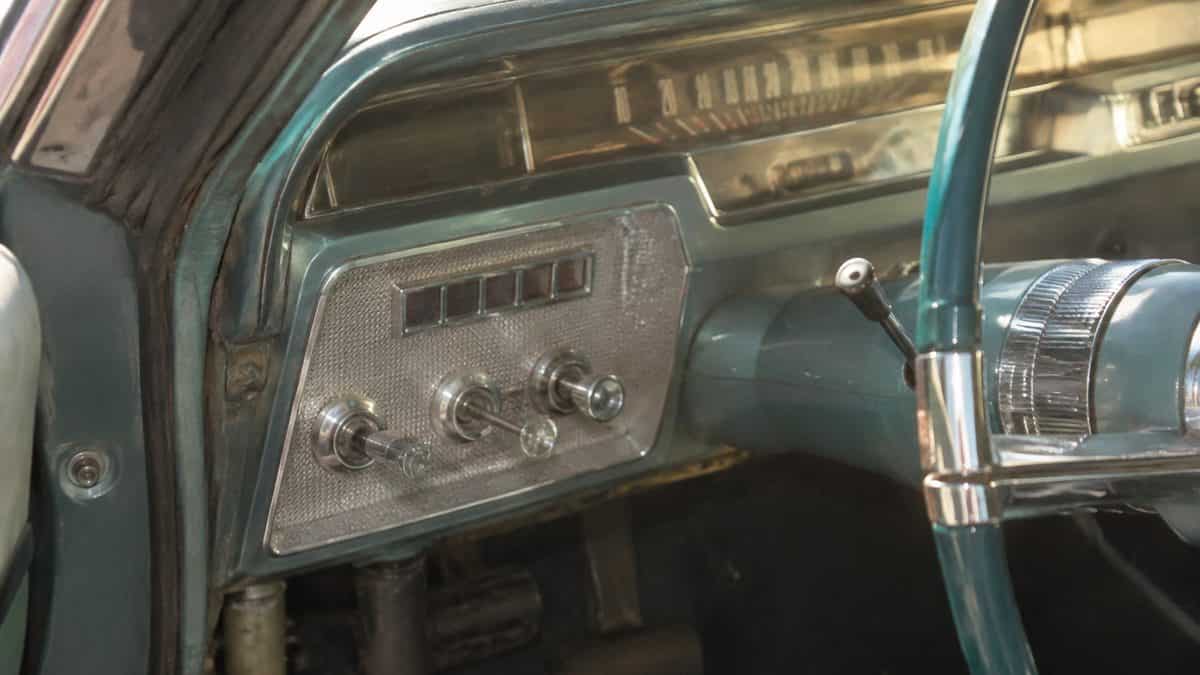
To turn on the dashboard lights, you would have to pull a knob on the dashboard. The farther you pulled, the brighter the lights. This design was simple and allowed the driver to make the change without looking down.
7. Non-Canceling Turn Signals
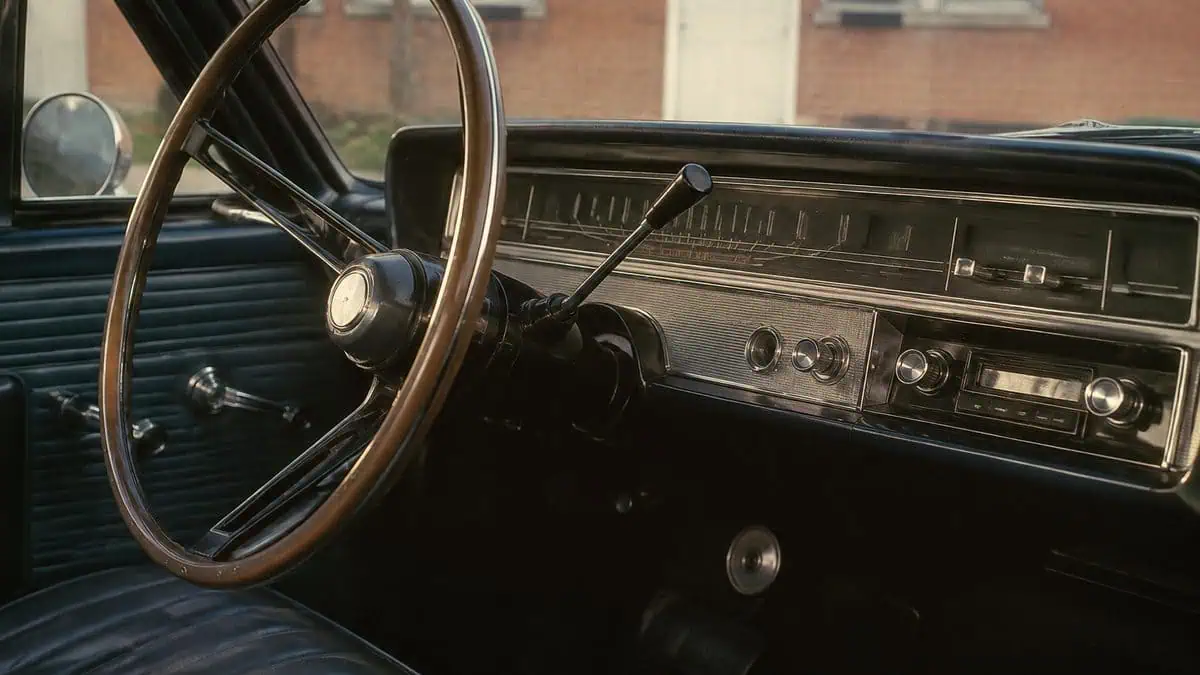
Most cars of the 1960s did not have self-cancelling turn signals. Once you made a turn, you would have to pull the lever back into the off position yourself. This meant more engagement in the driving process, which is quite different to how driving is done today.
8. Metal Dashboards
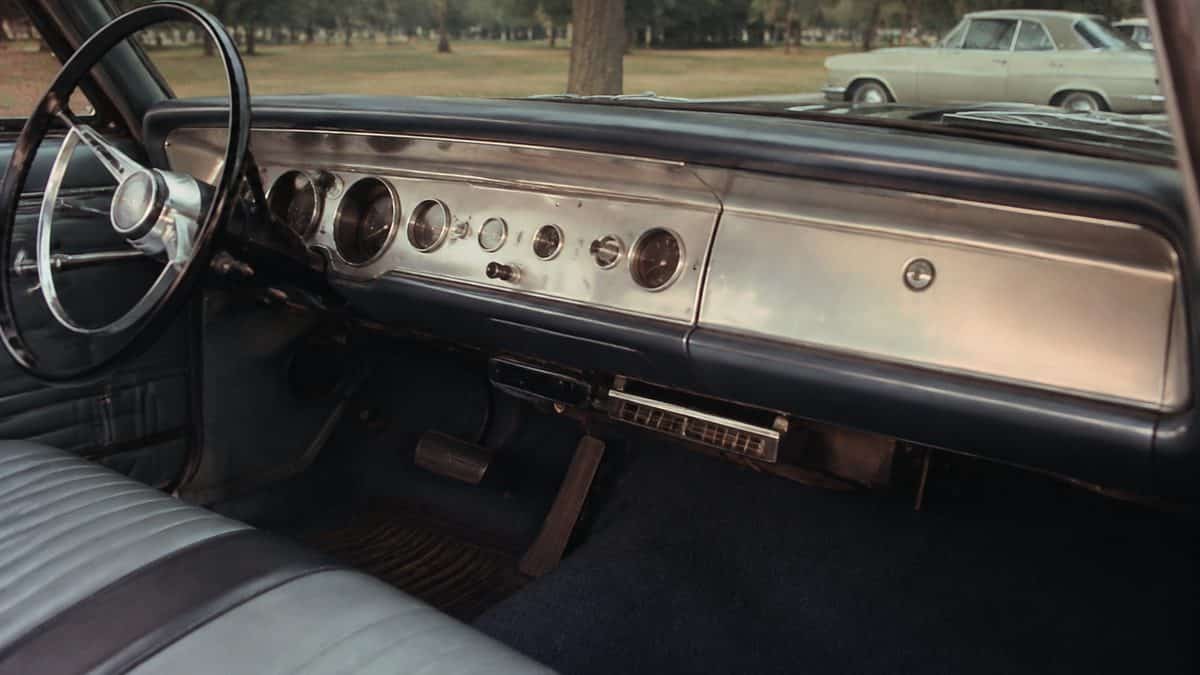
Before cars had lifted safety designs, stunning painted designs for the dash were featured in a lot of cars. The trim was made of chrome. Designs of the dash were done as if they were a work of art to the extent of the designs included for the overall aesthetic of the car. Before padding designs were used as safety features, these designs complemented built in padding to the dash.
9. Generator Light Instead of Alternator Warning
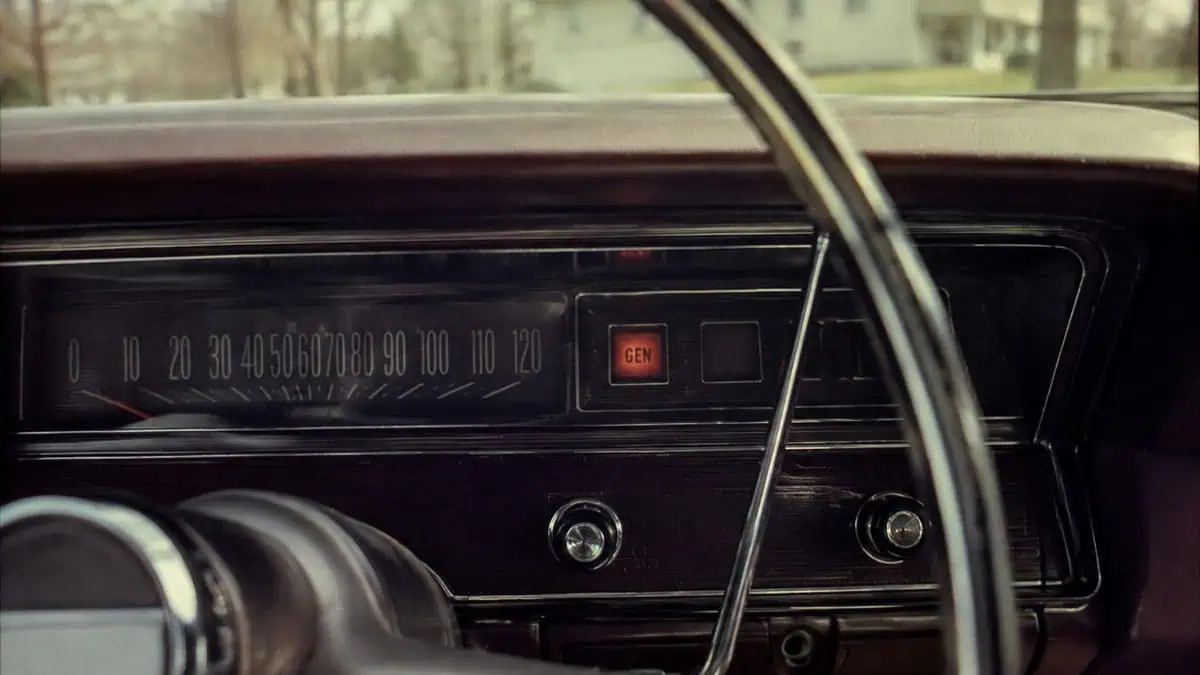
Cars used generators to charge the battery before standards switched to alternators. Instead of the battery light we have now, cars had a “GEN” light to signal and alert the driver. This would prompt the driver to attend to the charge of the battery before being stuck somewhere because the battery was dead.
10. Foot-Operated Windshield Washer
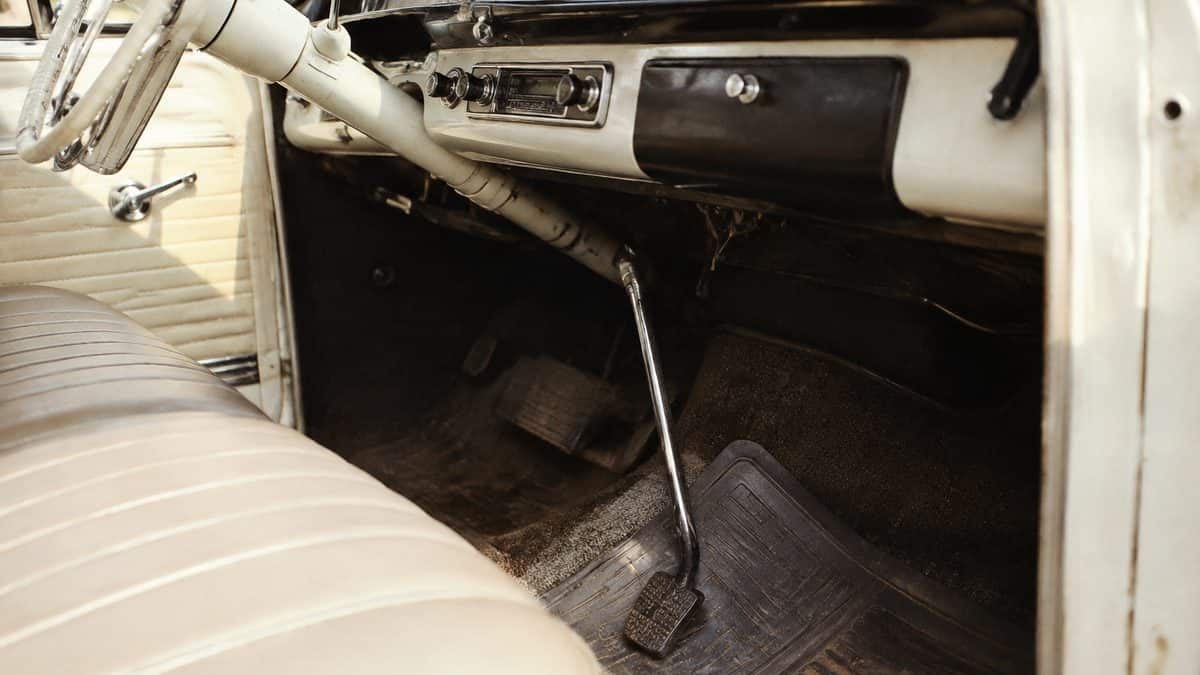
In earlier cars, if you wanted to squirt windshield washer fluid, you would push a rubber button down on the floor. This also meant that you had to pump the fluid system a few times for the button to work. You would basically pump it for an arm workout but at least got to clear your view while driving on a dusty road.
11. Push-Button AM Radio
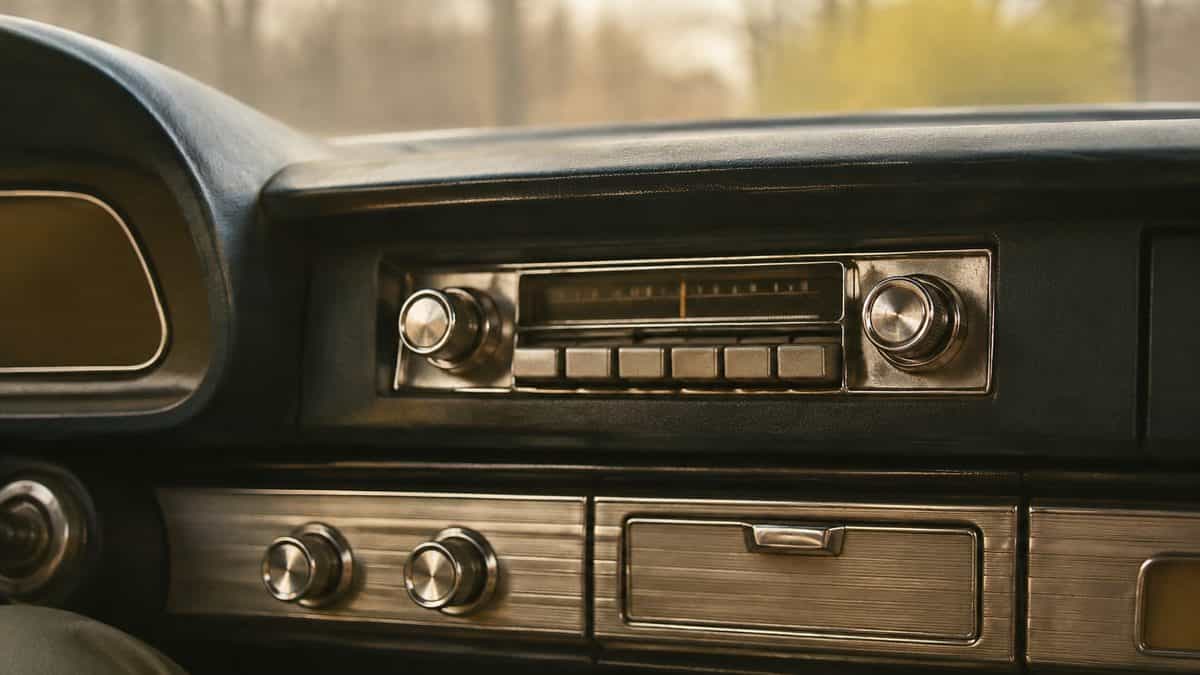
Those chunky push button radios were also a feat. Each push of a button would tune to the station corresponding to the pushed button, which meant you had to go and tune the radio for every single station you set.
12. Vacuum-Powered Windshield Wipers
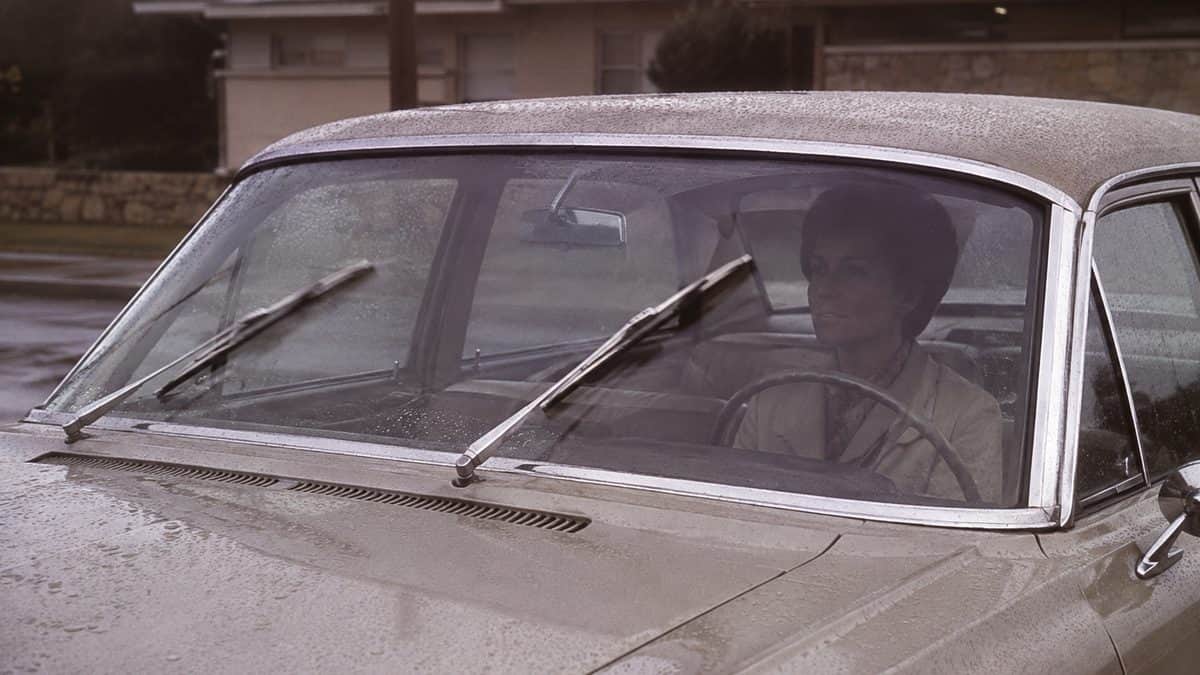
For some time, there were cars that still ran their windshield wipers off the engine’s vacuum and used a vacuum system. An odd feature of this system is that during acceleration the wipers would slow down due to a lack of vacuum. This would act as a reminder during wet weather to ease off the gas.
13. Full-Size Spare Tire
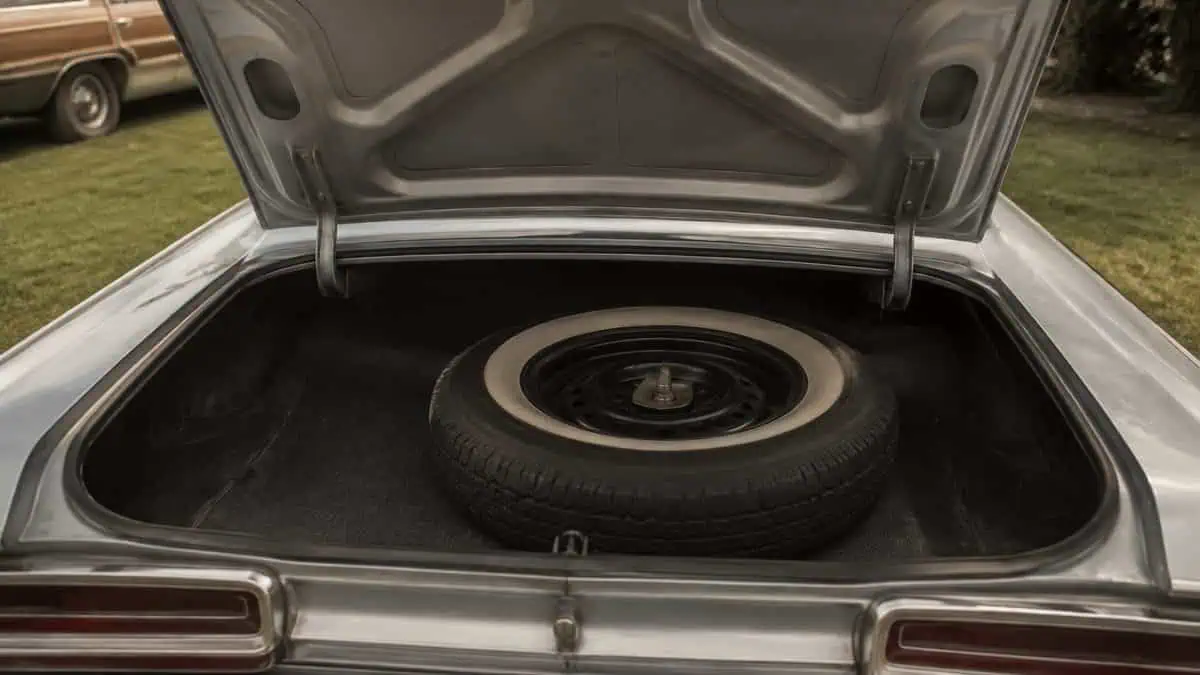
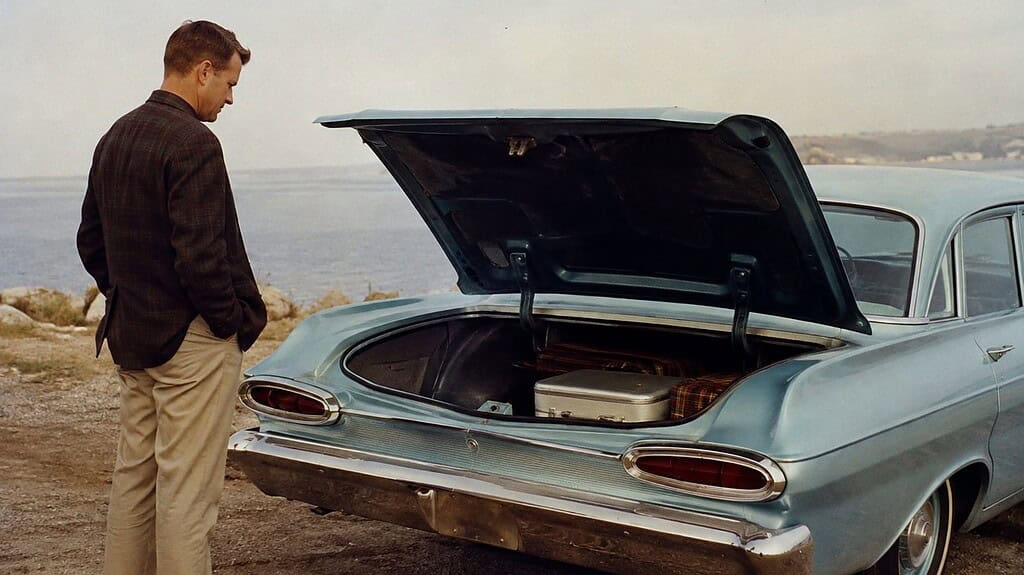
Cars from the 60s also had the added benefit of a full-size spare tire that matched the ones on the car. You could drive for long distances without the worry that you would run out of spares like you have to do with the modern-day cars that carry space-saving spare tires. Although it did mean that the trunk would use up more space.
14. Manual Steering
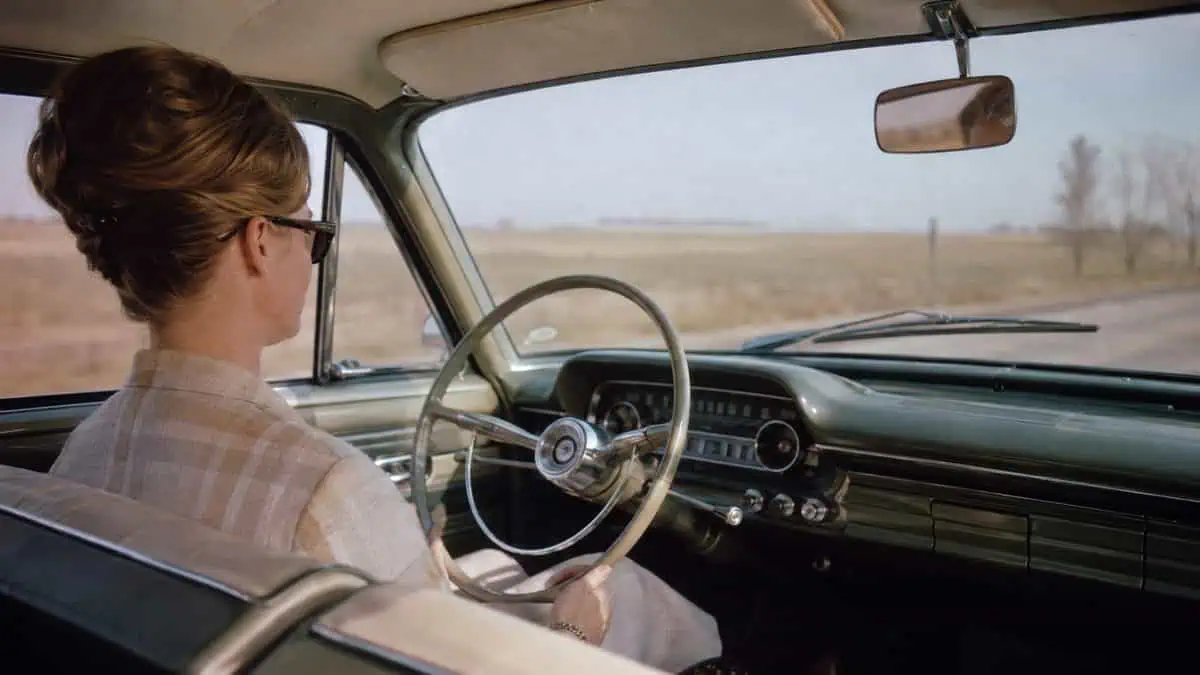
The driving experience was elevated through the direct connection with the road that was provided without the use of power steering to cars from the 60s. It was also a workout to do a lot of manuvering at low speeds while turning to steer.
15. Dash-Mounted Rear View Mirror
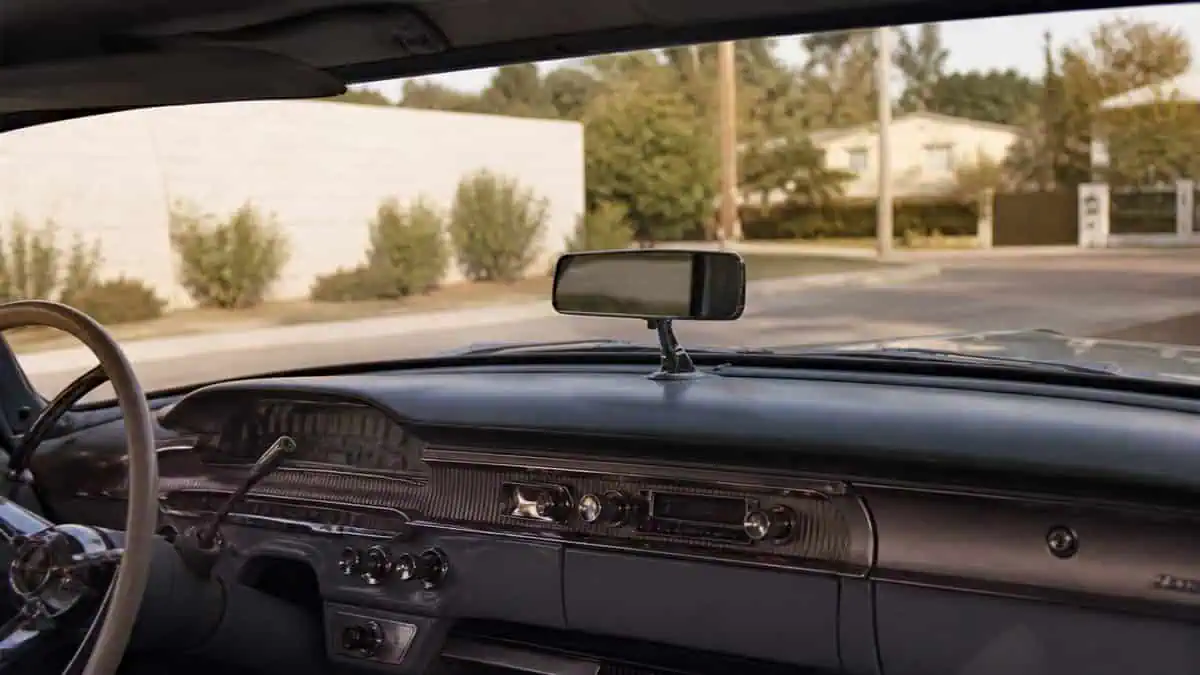
Certain cars had rear-view mirrors that sat atop the dashboard instead of on the windshield. This design made sense as it didn’t need replacing if the windscreen was damaged, and it also provided an interesting view of the road behind.
16. Hood Ornaments with Purpose
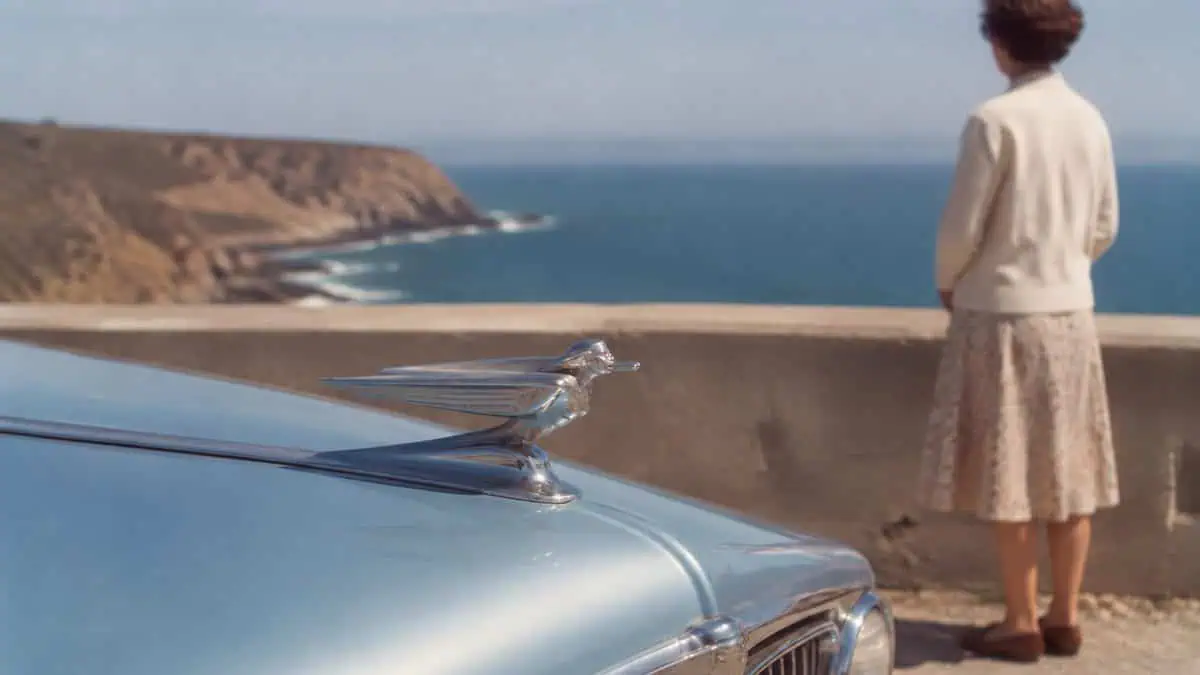
Hood ornaments in the ’60s were not just decorative; they provided sight lines to tell you where the front of your car was. Some also had temperature gauges that could be seen from the driver’s seat, making them both useful and beautiful.