When I think back to my school days in the 1950s and ’60s, it’s amazing how different discipline was compared to today. What we considered normal disciplinary measures would now be considered completely unacceptable, even criminal in many cases. Let’s take a look back at some of these once-common school punishments that would land educators in serious trouble today.
Table of Contents
- 1 1. Corporal Punishment with Wooden Paddles
- 2 2. Extended Isolation in Closets or Small Rooms
- 3 3. Writing Lines Until Hand Cramping
- 4 4. Public Humiliation with Dunce Caps
- 5 5. Forced Physical Labor
- 6 6. Ruler Strikes on Knuckles
- 7 7. Extended Kneeling on Grains
- 8 8. Washing Mouths with Soap
- 9 9. Withholding Bathroom Privileges
- 10 10. Standing for Hours
- 11 11. Forced Food Consumption
- 12 12. Hair and Dress Code Violations
- 13 13. Group Punishment
- 14 14. Forced Public Apologies
- 15 15. Desk Isolation
- 16 16. Exercise as Punishment
- 17 17. Academic Punishment
1. Corporal Punishment with Wooden Paddles
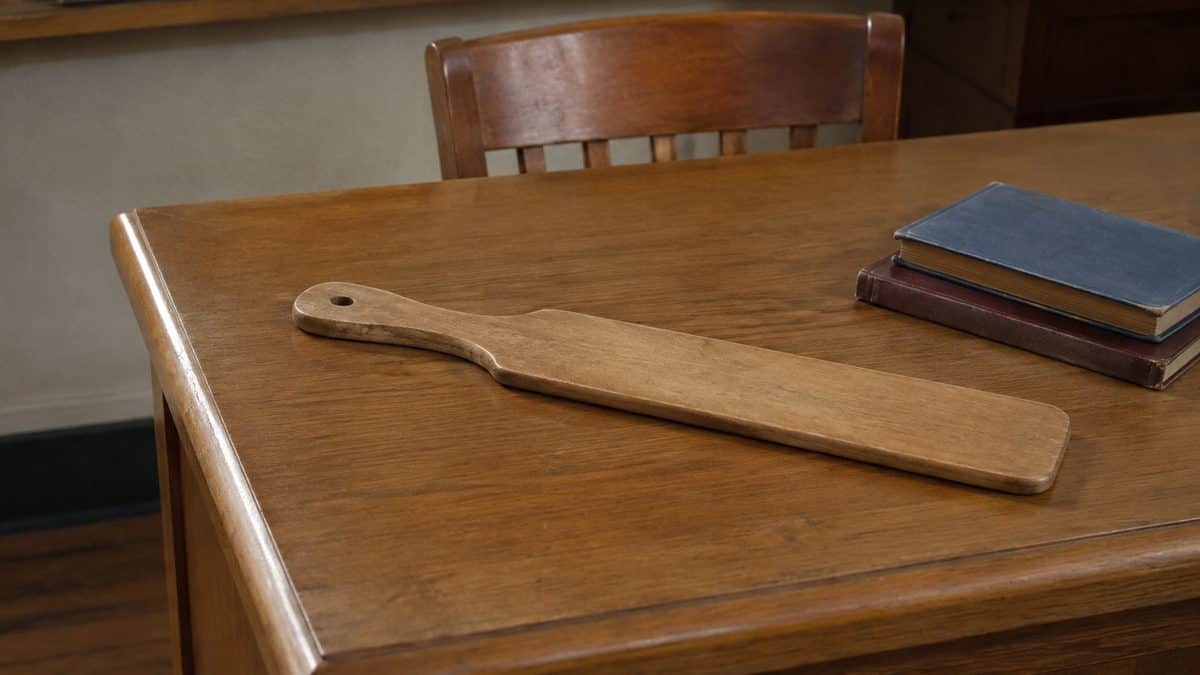
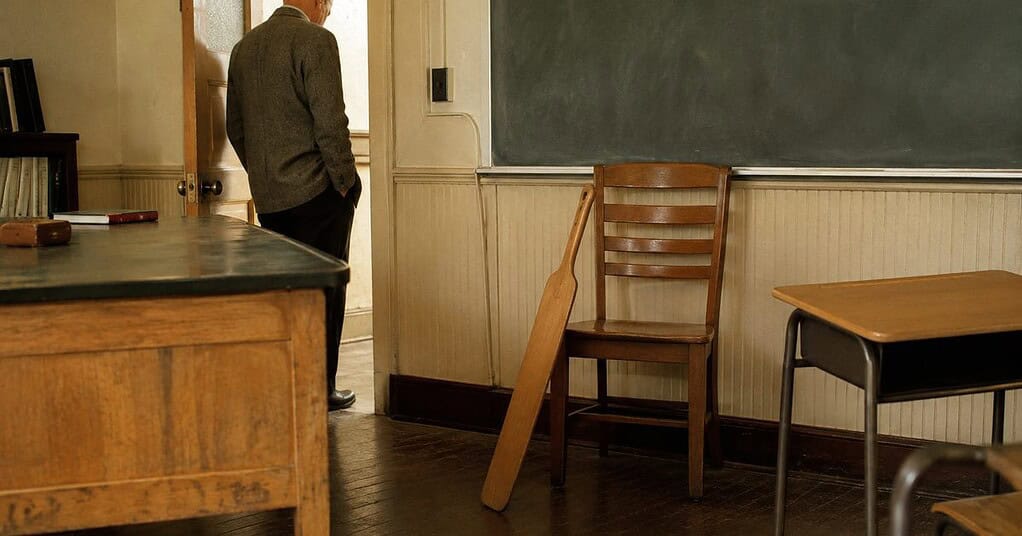
The wooden paddle was as common in principals’ offices as American flags and portraits of George Washington. These implements of discipline, often drilled with holes to reduce air resistance, were used regularly for infractions ranging from talking in class to more serious behavioral issues. Many schools even had specific rules about the size and construction of these paddles.
Save for later
Want to come back to this story? Save it with your email so it is easy to find again.
2. Extended Isolation in Closets or Small Rooms

Teachers would sometimes place misbehaving students in dark supply closets or empty rooms for hours at a time. This practice was seen as a way to give troublemakers time to “think about what they’d done.” No supervision, no schoolwork – just isolation in a confined space that would today be considered false imprisonment.
3. Writing Lines Until Hand Cramping

Students were often required to write the same sentence hundreds or even thousands of times, frequently staying after school until the task was completed. This punishment could last for hours, causing physical pain and potential long-term hand problems. Teachers would often check each line to ensure it was legible, making students start over if the writing quality decreased.
4. Public Humiliation with Dunce Caps

While more common in the 1950s, some schools continued the practice of making students wear dunce caps well into the 1960s. Children would be forced to stand in the corner wearing these cone-shaped hats, often with the word “DUNCE” written on them. This form of public shaming was meant to motivate better behavior but often led to lasting emotional trauma.
5. Forced Physical Labor

Students who misbehaved were often assigned physical tasks like cleaning the school grounds, scrubbing floors, or moving heavy equipment. This punishment could last for hours after school, regardless of weather conditions or the student’s physical capabilities. Some schools even had students doing maintenance work that would today require professional contractors.
6. Ruler Strikes on Knuckles
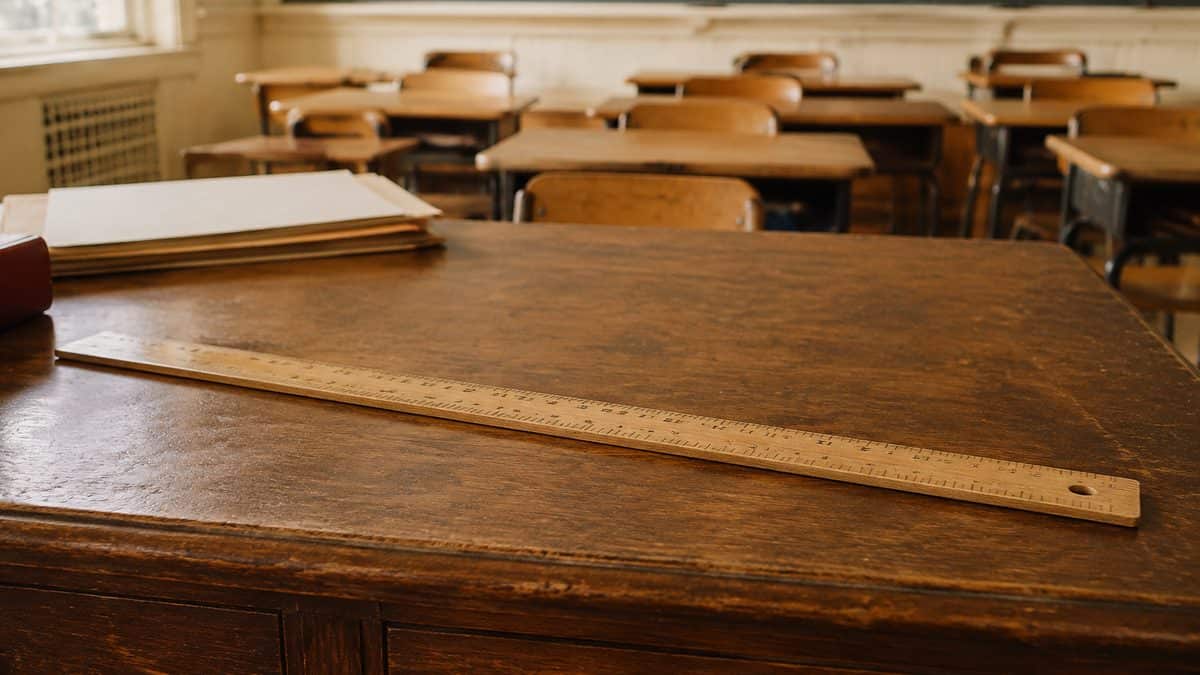
Teachers would strike students’ knuckles with wooden rulers or yardsticks for minor infractions like spelling errors or poor penmanship. This practice was especially common in Catholic schools but existed in public schools as well. The strikes were meant to be painful enough to serve as a deterrent but not cause lasting damage.
7. Extended Kneeling on Grains

Particularly in religious schools, students were sometimes forced to kneel on dried corn, rice, or gravel for extended periods. This painful punishment could last anywhere from several minutes to over an hour. The practice was seen as building character while causing significant physical discomfort without leaving visible marks.
8. Washing Mouths with Soap

For using “inappropriate language” or talking back, students might have their mouths washed out with soap. Teachers would either force students to hold a bar of soap in their mouths or actually scrub their tongues with it. This practice, now considered a form of poisoning and assault, was viewed as an appropriate response to “dirty” language.
9. Withholding Bathroom Privileges

Teachers routinely denied bathroom access as punishment or simply because they didn’t believe students really needed to go. This could lead to humiliating accidents and medical issues. The practice was so common that many adults today still recall the anxiety of having to “hold it” for hours.
10. Standing for Hours
Students were often made to stand facing a wall, sometimes holding books or with arms raised, for extended periods. This punishment could last entire class periods or even full school days. No breaks were allowed, and any movement usually resulted in additional time being added to the punishment.
11. Forced Food Consumption
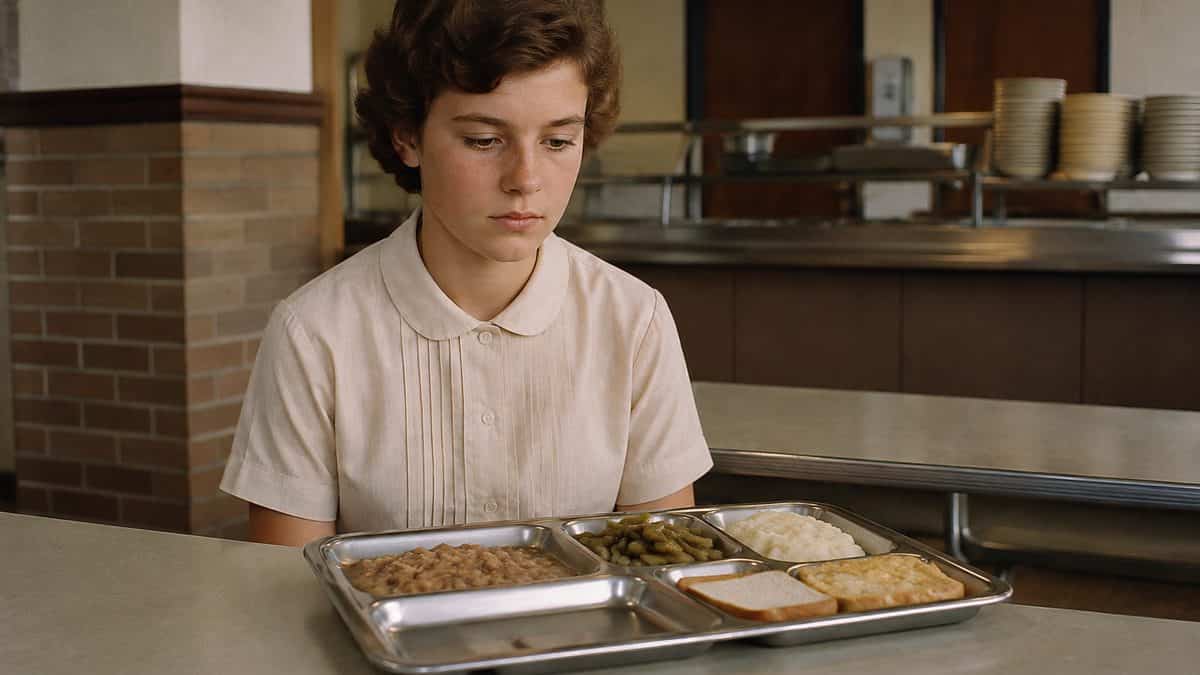
In school cafeterias, students were sometimes forced to eat everything on their plates, even if they were allergic or physically ill. Teachers would stand over students, making them finish meals long after everyone else had left. This practice, now recognized as a form of force-feeding, was considered a normal form of dietary discipline.
12. Hair and Dress Code Violations
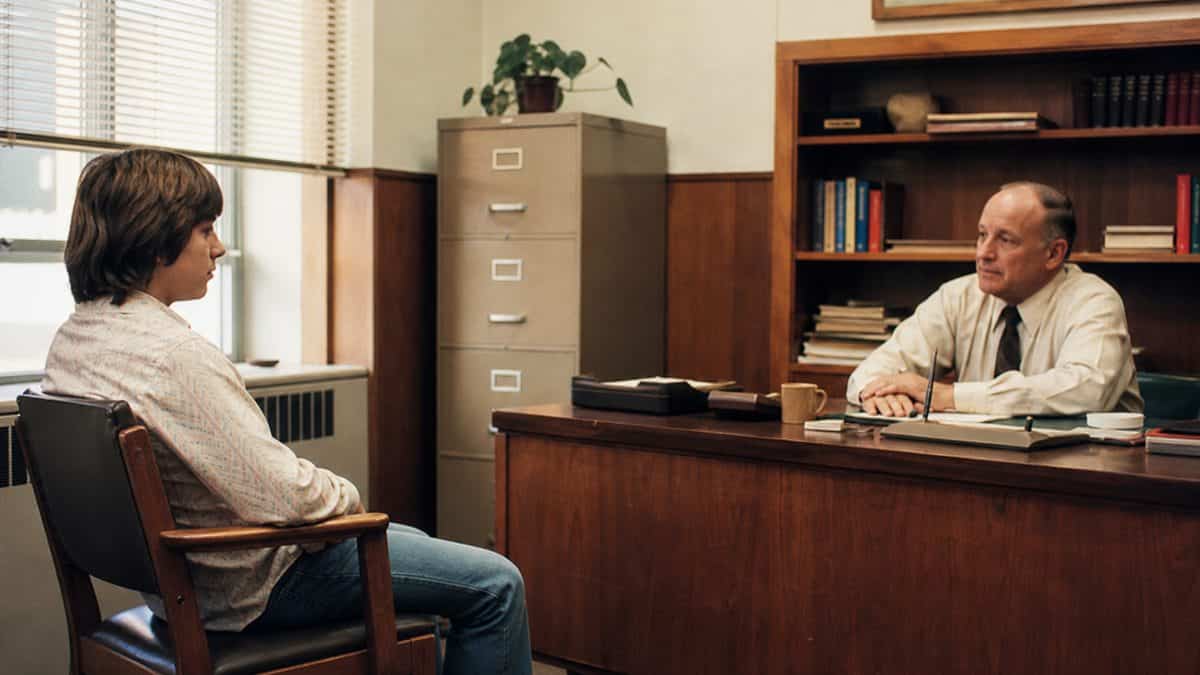
Schools would often physically alter students’ appearance without parental consent, cutting boys’ hair that was deemed too long or removing girls’ makeup with harsh soap. Some schools would even measure skirt lengths and send girls home if they were deemed inappropriate, regardless of weather conditions or transportation availability.
13. Group Punishment
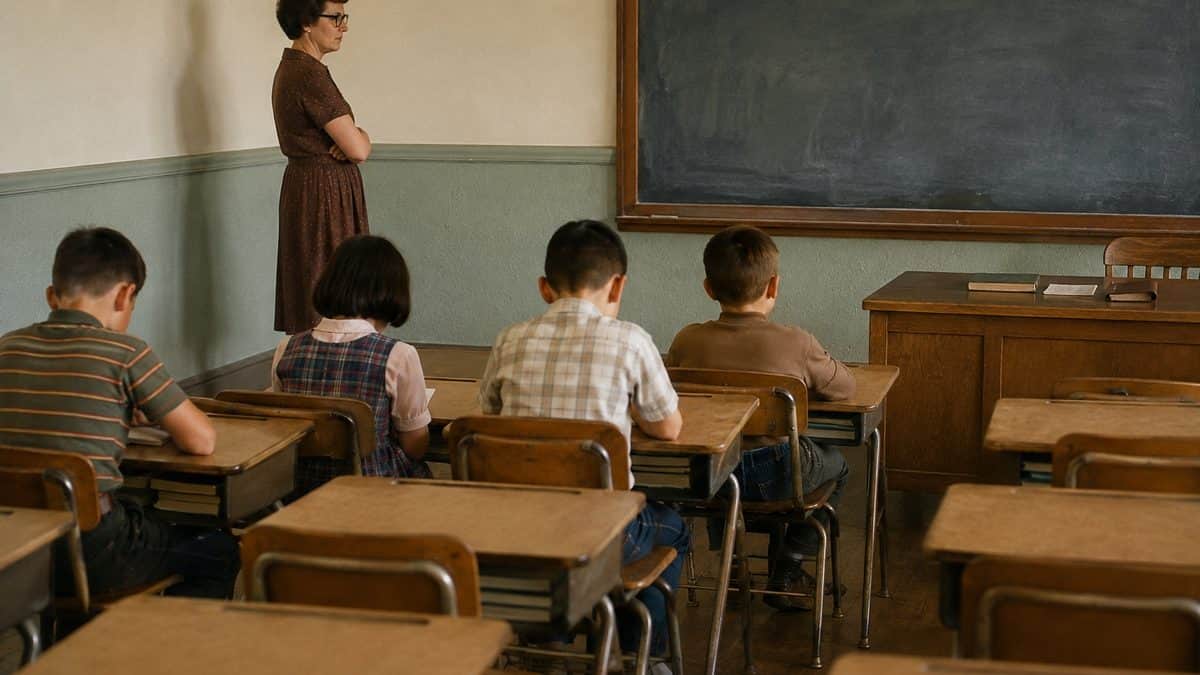
When one student misbehaved, teachers would often punish the entire class. This could involve keeping everyone after school, canceling recess for the whole group, or assigning extra homework to the entire class. The practice was intended to create peer pressure but often resulted in bullying and social isolation.
14. Forced Public Apologies
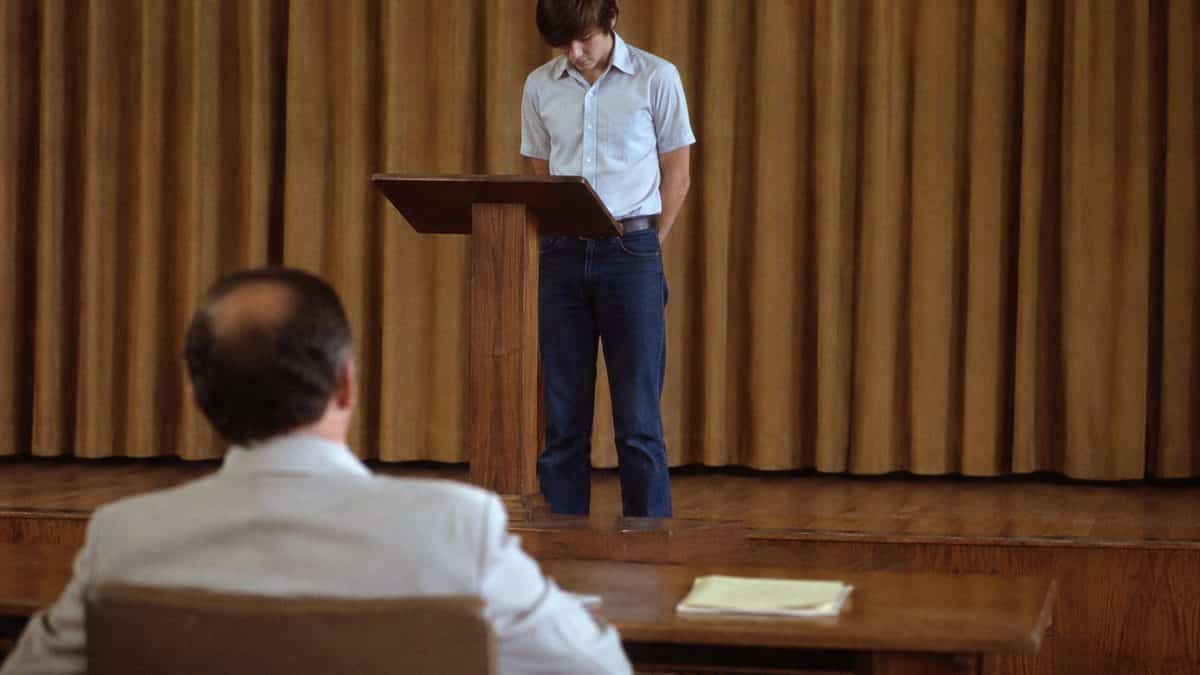
Students were sometimes required to apologize in front of the entire school during assemblies or over the PA system. These forced confessions often included detailed accounts of their misconduct and expressions of shame, regardless of whether the student was truly at fault or not.
15. Desk Isolation
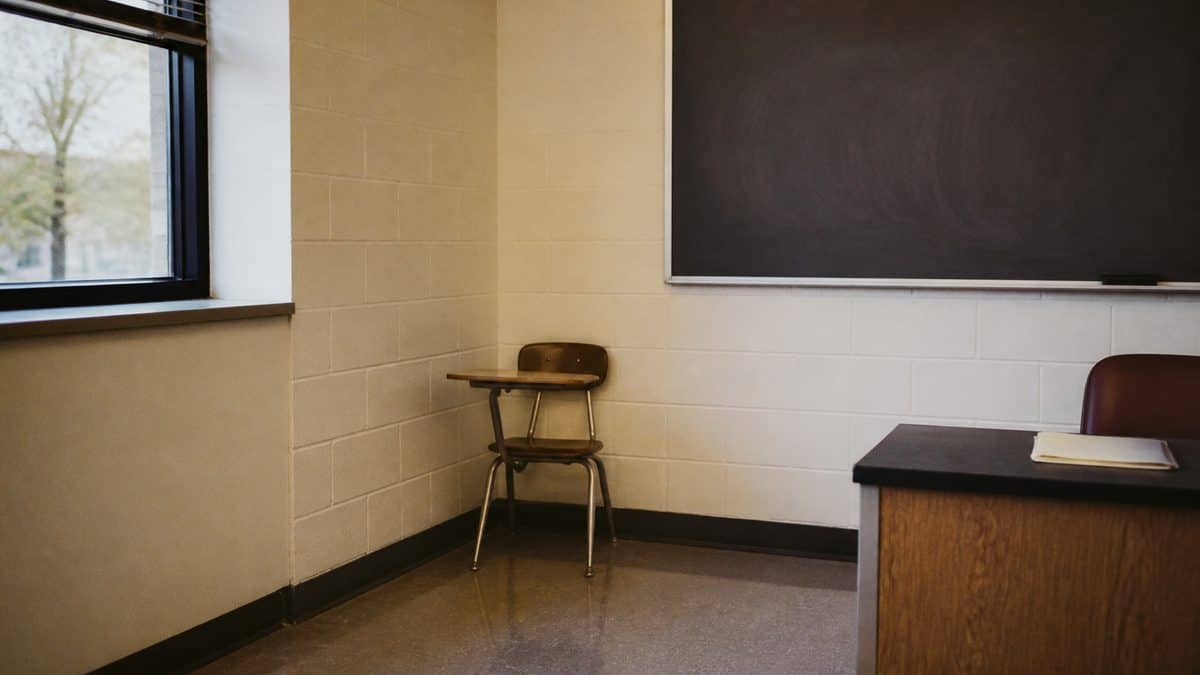
Teachers would often isolate “problem” students by placing their desks facing corners or in hallways, sometimes for weeks at a time. This practice effectively cut students off from the learning process and subjected them to ongoing public humiliation. Some students spent more time in isolation than they did participating in regular classroom activities.
16. Exercise as Punishment
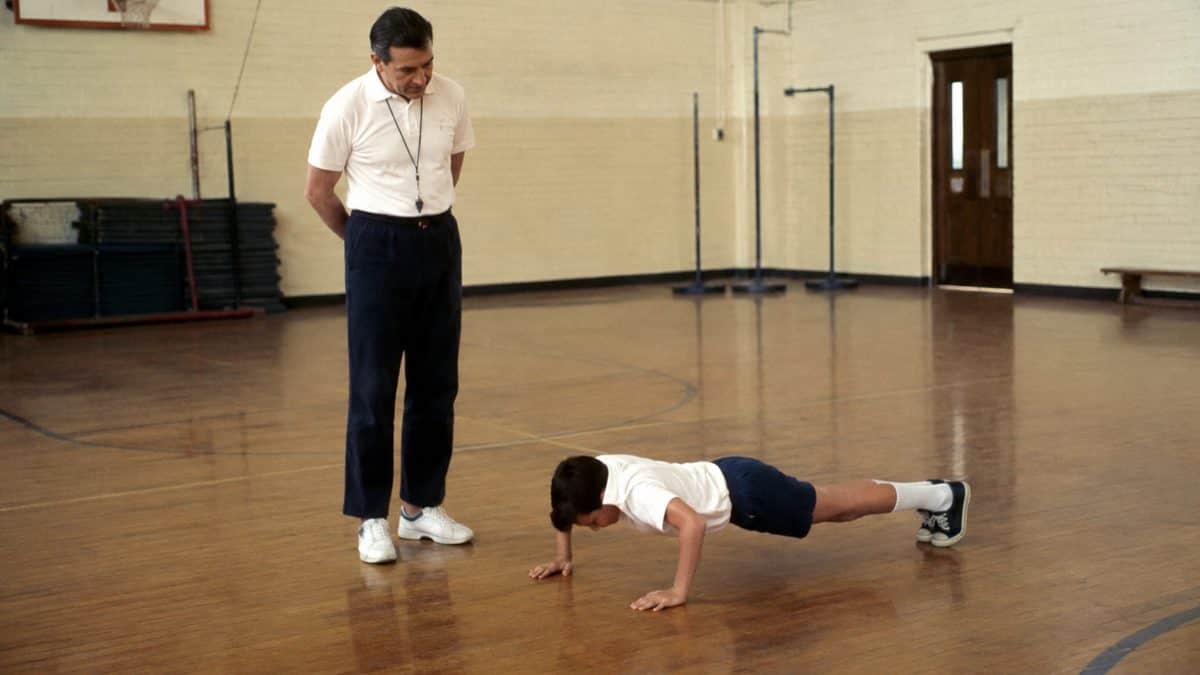
Physical education teachers would often force students to do excessive exercises as punishment, regardless of their physical condition or the weather. This could include running laps until exhaustion, doing push-ups until collapse, or holding stress positions for extended periods. The practice often led to heat exhaustion and injuries.
17. Academic Punishment
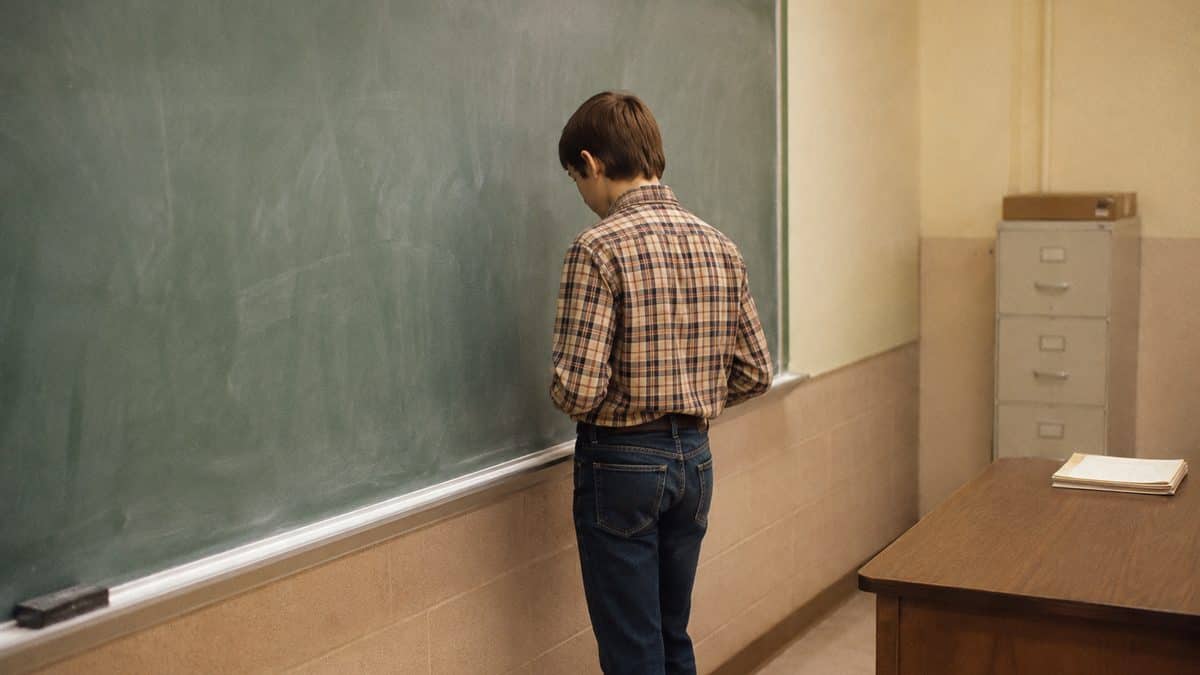
Teachers would sometimes lower grades or give failing marks as punishment for behavioral issues unrelated to academic performance. This practice could have lasting effects on students’ academic records and future opportunities, essentially using their educational future as a disciplinary tool.