
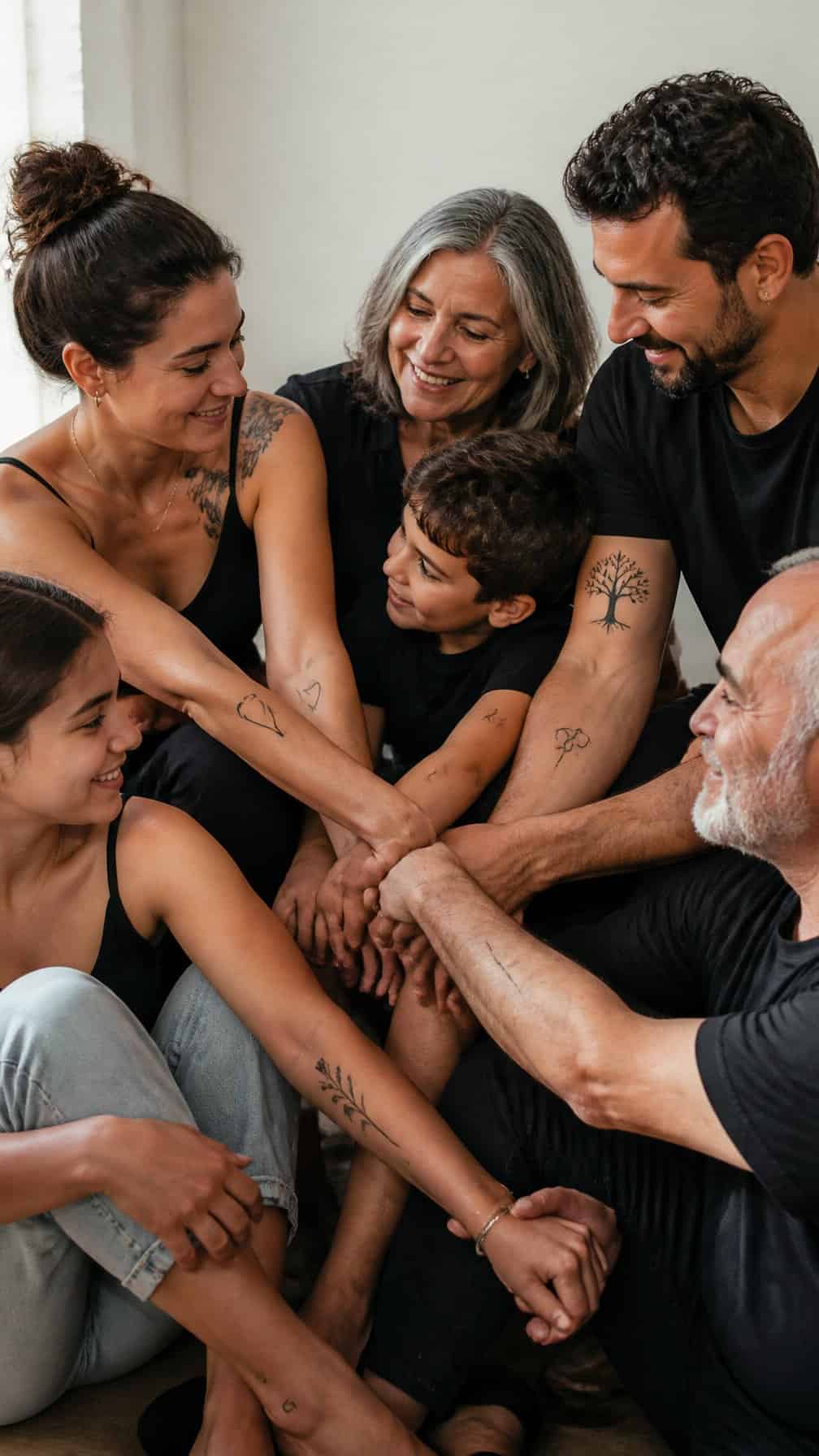
Family tattoos can turn shared memories, relationships, and values into personal symbols you carry every day. Whether you want a subtle design or a more detailed piece, the right choice should reflect what your family means to you.
Save for later
Want to come back to this story? Save it with your email so it is easy to find again.
You can find meaningful inspiration by exploring designs tied to family milestones, shared places, personal handwriting, guiding symbols, and lasting memories. This collection covers thoughtful options for different family structures, styles, and stories while helping you consider how to plan a design together.
Table of Contents
- 1 1) Birthdate constellation of each family member
- 2 2) Coordinates of the family home
- 3 3) Matching heartbeat line tattoos
- 4 4) Family tree with meaningful initials
- 5 5) Roman numeral family milestone date
- 6 6) Birth flowers for each child
- 7 7) Shared favorite animal symbol
- 8 8) Minimalist family portrait line art
- 9 9) Handwritten note from a parent
- 10 10) Matching puzzle-piece tattoos
- 11 11) Family surname in the original handwriting
- 12 12) Sun, moon, and stars representing family roles
- 13 13) Celtic knot symbolizing an unbreakable bond
- 14 14) Fingerprint heart combining family members
- 15 15) Soundwave of a loved one’s voice
- 16 16) Matching compass tattoos for family guidance
- 17 17) Birthstone symbols for each relative
- 18 18) Family motto in a shared script
- 19 19) Three-generation tree silhouette
- 20 20) Memorial tattoo with a loved one’s signature
- 21 21) Matching anchor tattoos for stability
1) Birthdate constellation of each family member
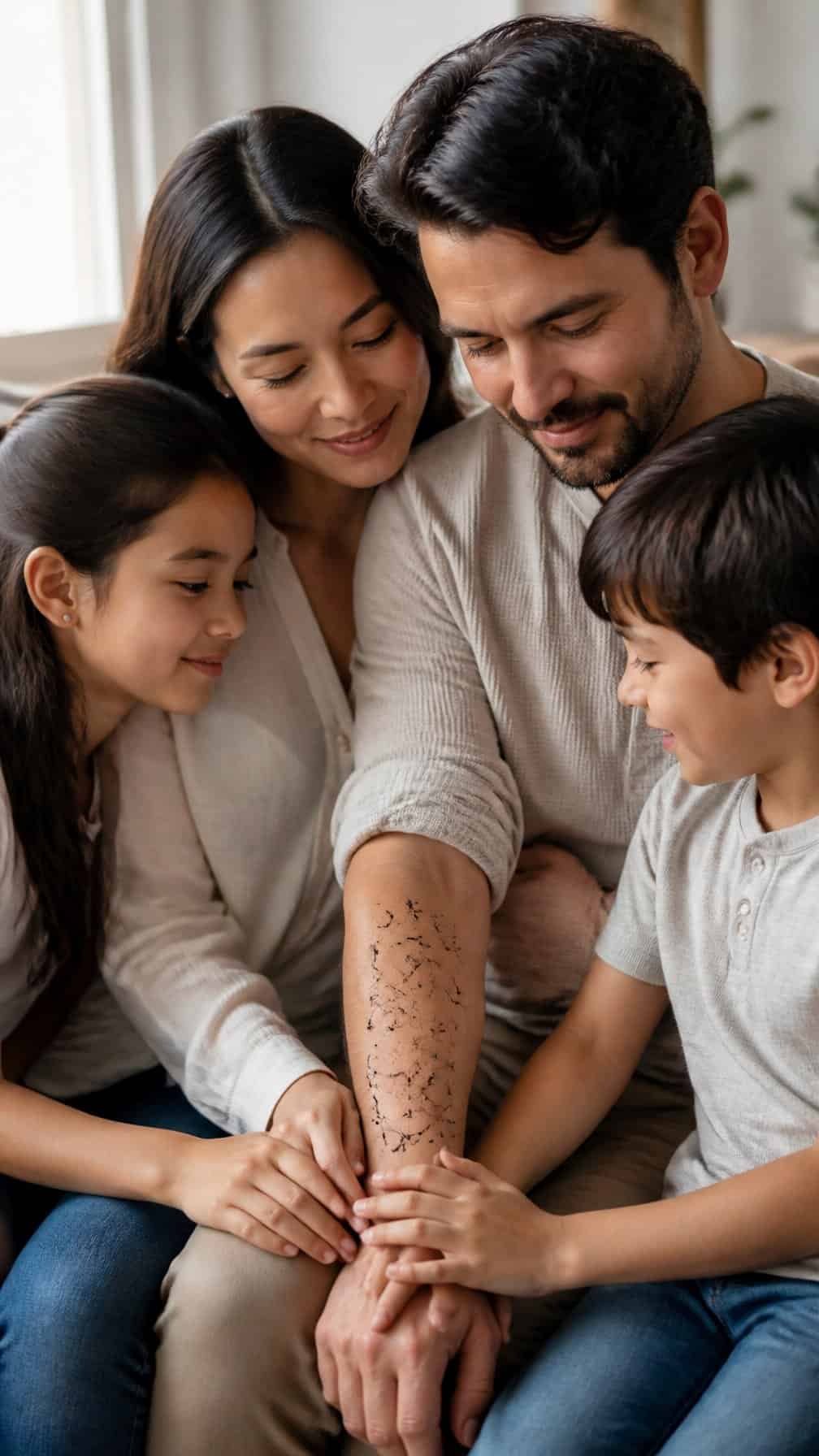
I can represent each family member with the constellation associated with their birth date, creating a design tied to individual identity. I might arrange the constellations in a row, circle, or connected pattern, using small stars and fine lines for a clean result.
I can personalize each constellation with initials, birth flowers, or subtle dates. This approach lets me honor family members without using identical symbols, while the shared style keeps the tattoo visually unified. I would choose the layout and scale carefully so the smallest details remain legible over time.
2) Coordinates of the family home
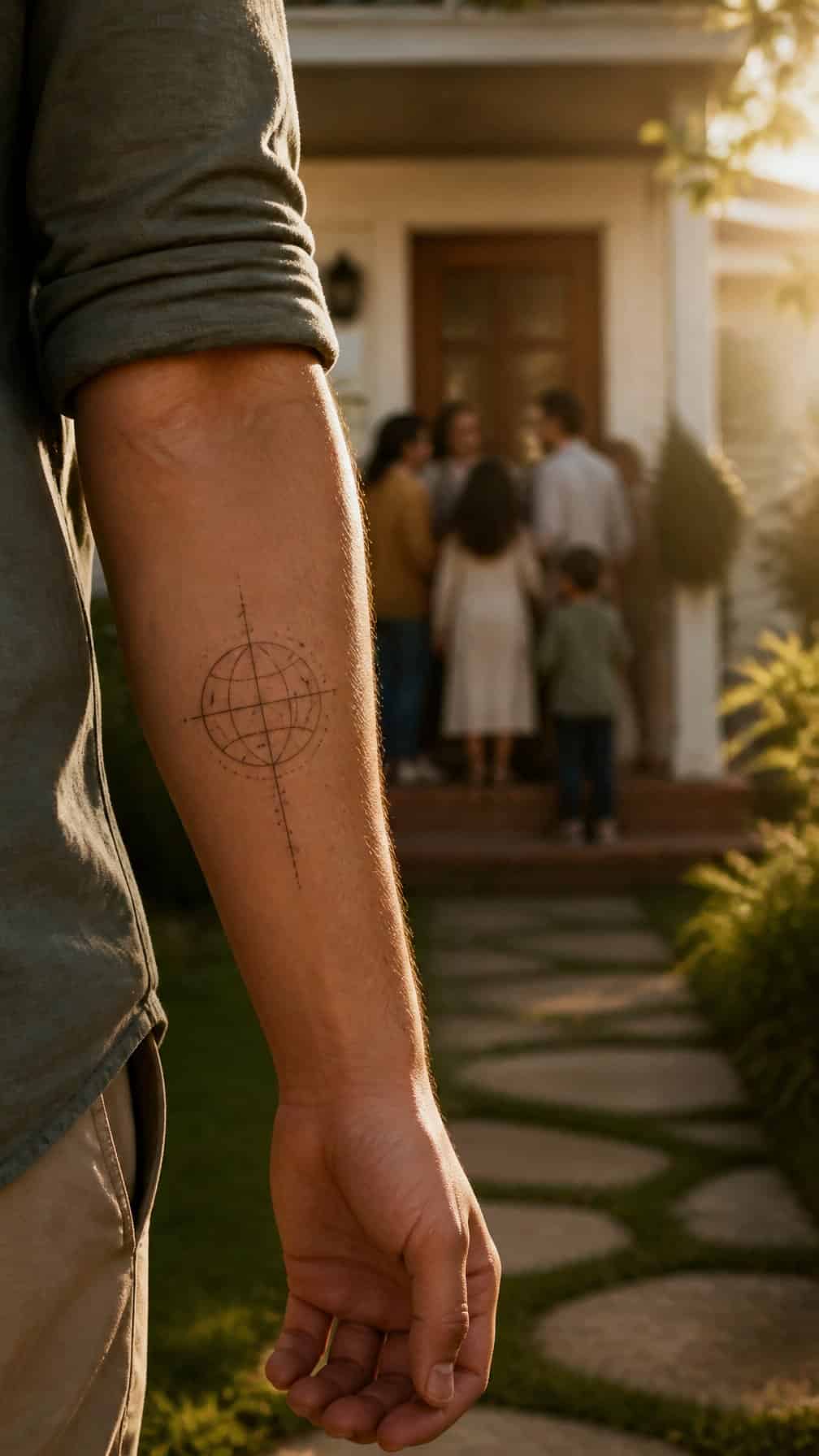
I can turn the latitude and longitude of my childhood home into a small, meaningful tattoo. The numbers may look simple, but they identify the place where my family built routines, shared milestones, and created lasting memories.
I might add the coordinates beneath a roofline, beside a house outline, or in a clean typewriter-style font. Choosing the original family home gives the design a specific connection, while using a current shared address can represent where my family gathers today.
I would verify the coordinates carefully before the appointment, including the formatting and hemisphere symbols. A discreet placement on my forearm, ribs, upper arm, or ankle can keep the tattoo personal without making the design difficult to read.
3) Matching heartbeat line tattoos
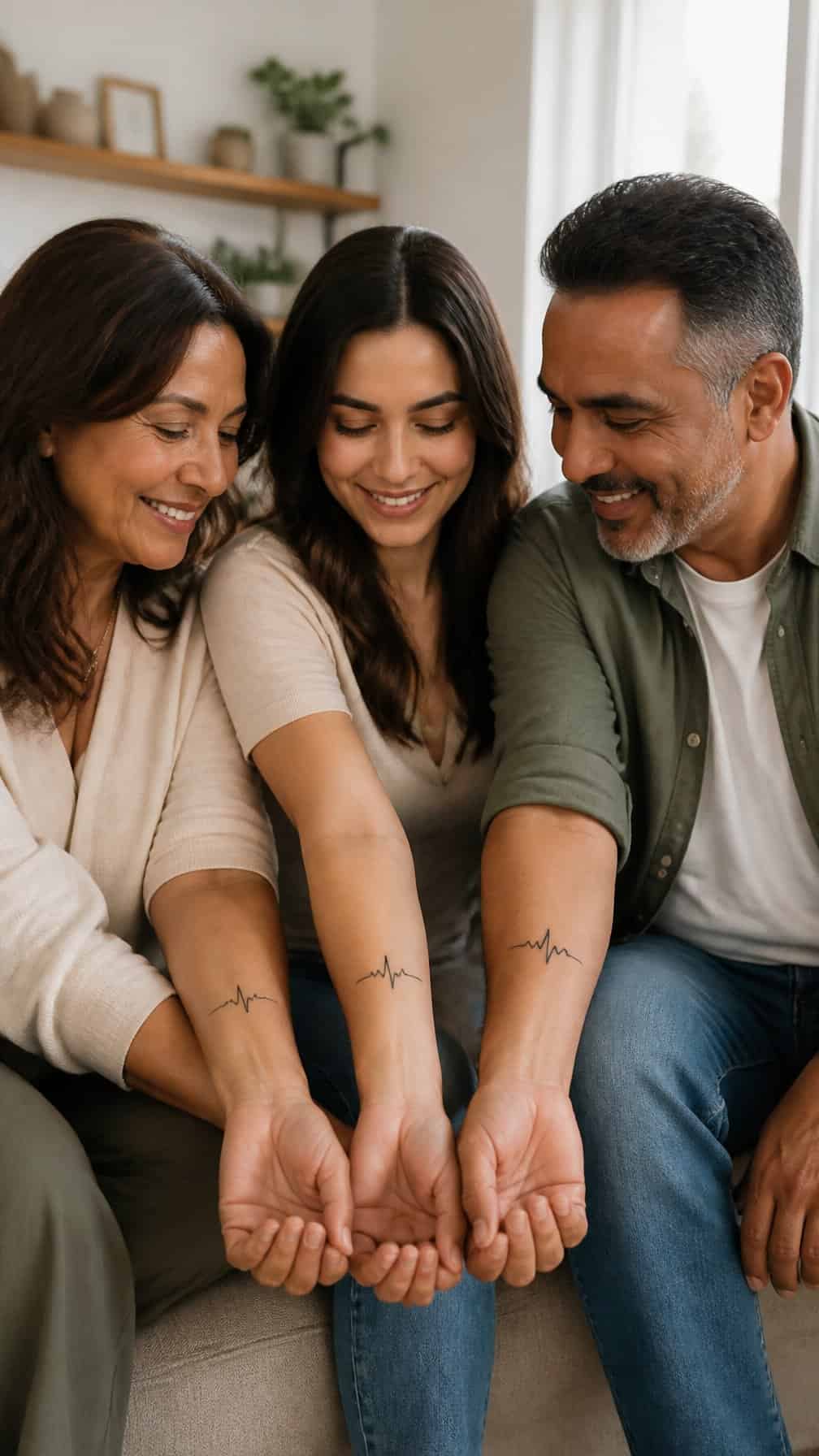
I like heartbeat line tattoos because they connect family with care, presence, and life. I can keep the design simple with a single ECG-style line, or add initials, dates, or small symbols at meaningful points.
My family members could choose identical versions or personalize each tattoo with different details. For example, one person might include a birth flower while another adds a birth date, keeping the shared line consistent without making every tattoo exactly the same.
I would place this design on the wrist, forearm, chest, or ribs, depending on how visible I want it to be. A fine-line style creates a subtle result, while a thicker line may hold its shape more clearly over time.
4) Family tree with meaningful initials
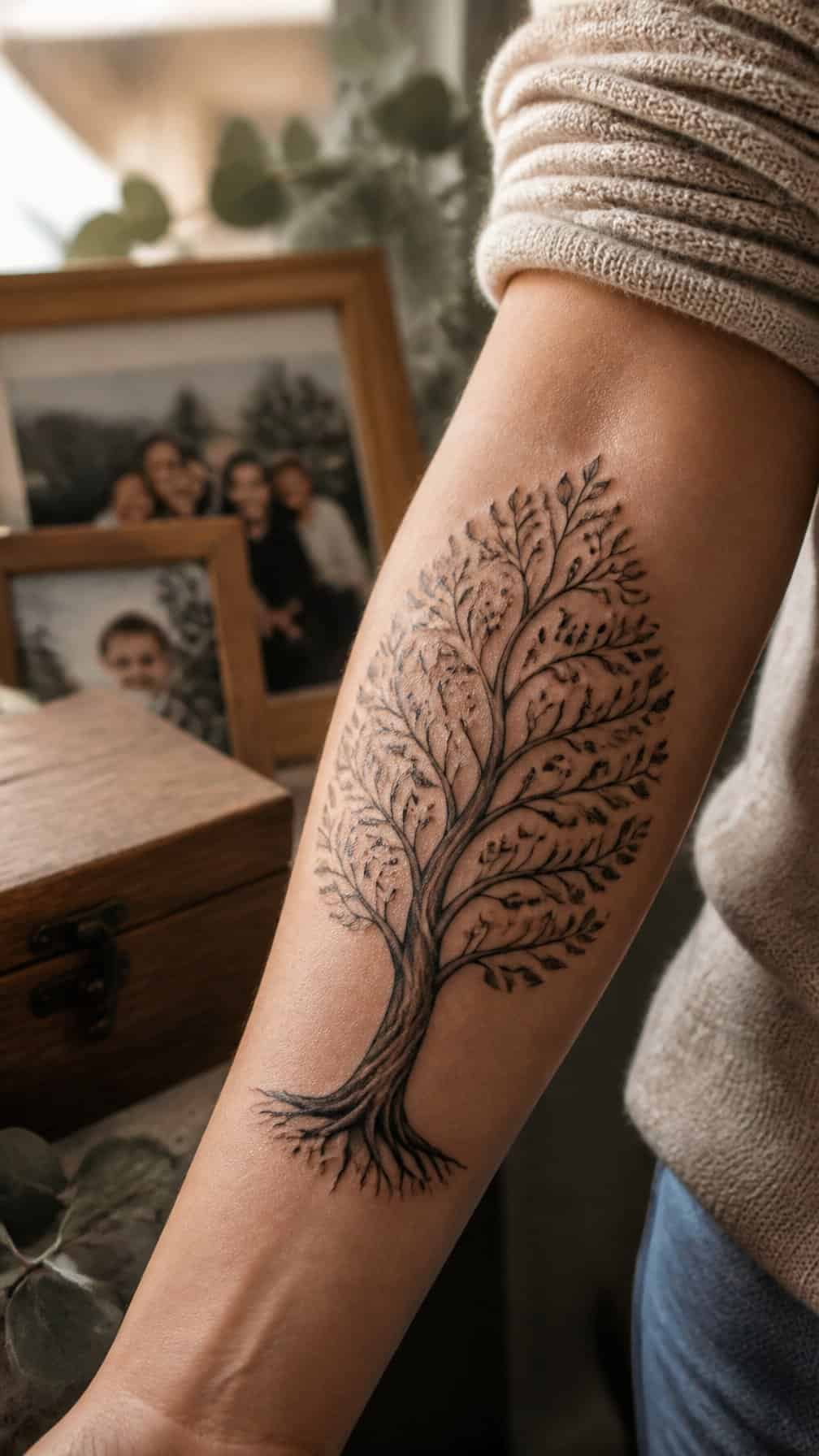
I can represent my family’s connections with a branching tree, placing each person’s initials along the limbs or beside the roots. The design can include birth years, small symbols, or different line styles to show relationships without overcrowding the tattoo.
I might use the trunk for a shared family initial and add individual initials to the branches. A fine-line style keeps the layout readable, while bolder lettering works better for larger tattoos or older skin.
I can personalize the tree with a meaningful detail, such as a favorite flower, a hometown symbol, or a date connected to a family milestone. Before choosing the final design, I should confirm every initial, spelling, and placement.
5) Roman numeral family milestone date
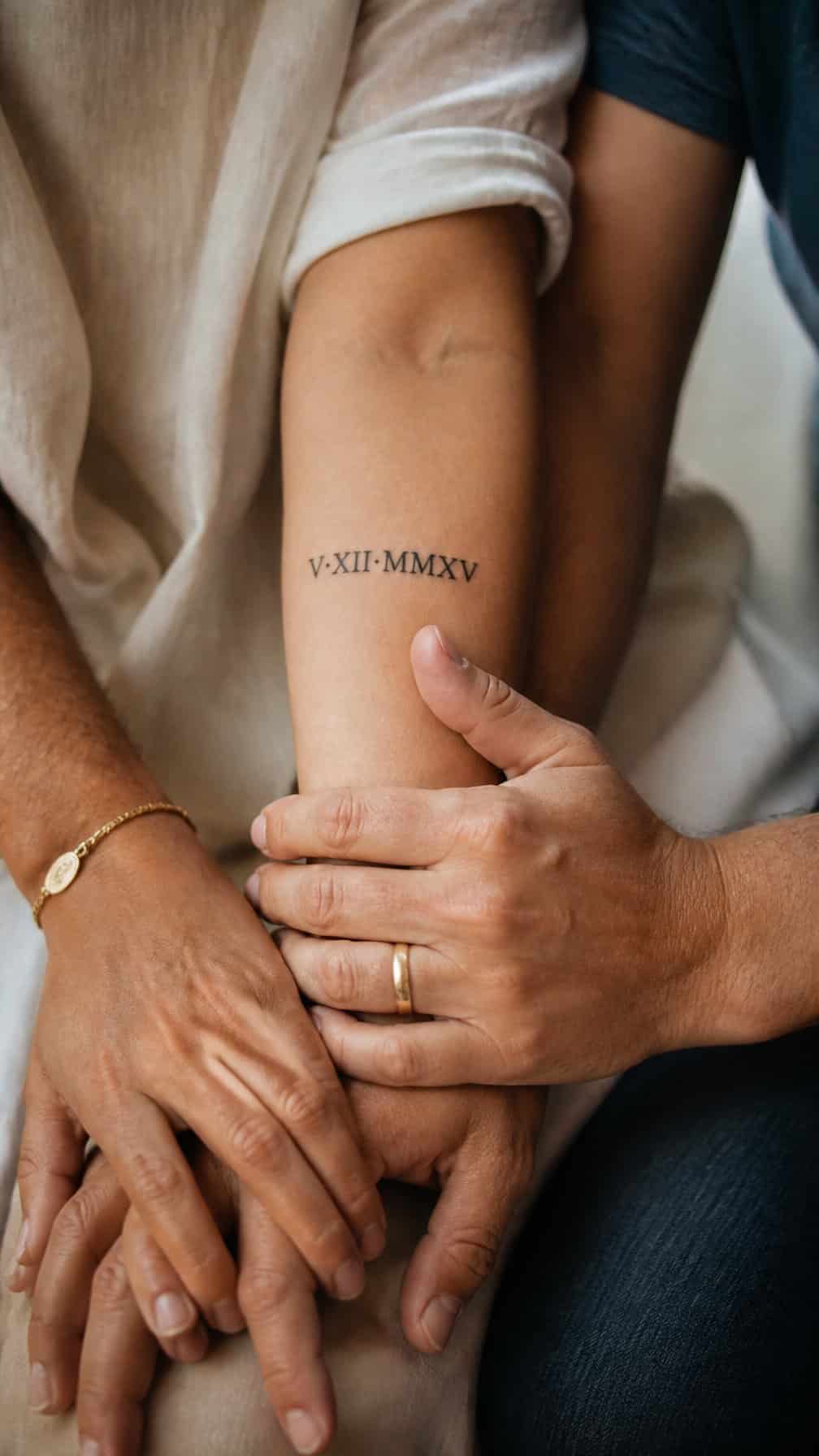
I can mark a meaningful family date in Roman numerals, such as a wedding, adoption, birth, or the day my family moved into a shared home. The format gives the tattoo a classic appearance while keeping the meaning private and personal.
I prefer dates that represent a lasting change rather than a routine anniversary. I can place the numerals along my forearm, collarbone, ribs, or inner wrist, depending on whether I want the design visible or discreet.
A small divider, dot, or fine line can separate the day, month, and year without making the tattoo feel crowded. I can also add a tiny initial or birth flower, but the date should remain the main feature.
6) Birth flowers for each child
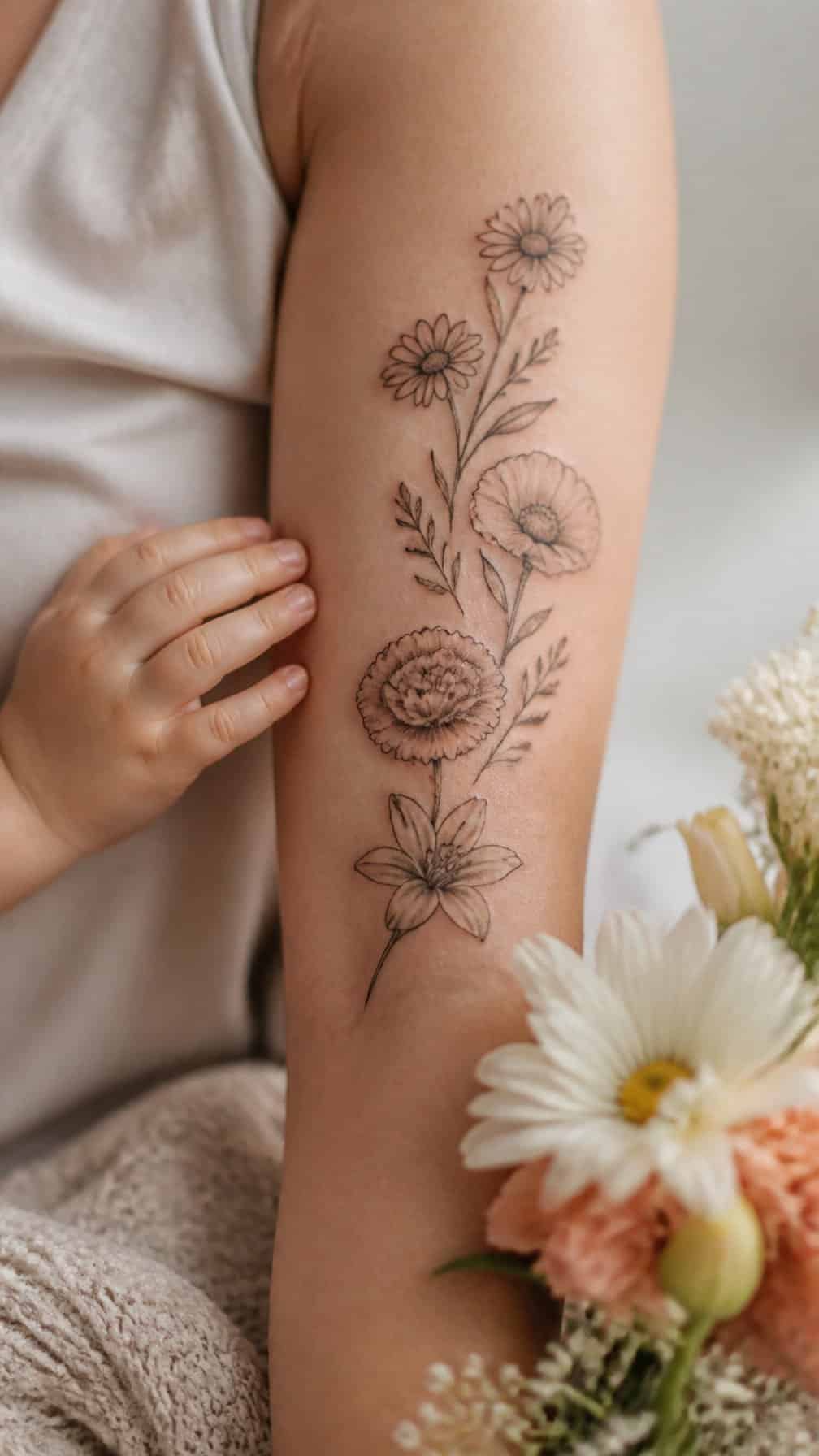
I can represent each child with their birth flower, using one stem, bloom, or small botanical outline per design. I like this approach because it keeps the tattoo personal without relying on names or dates. A shared placement, such as the forearm or rib area, can make the group feel connected.
I would choose matching line weight and scale so the flowers look intentional as the family grows. Adding each child’s initial or birth year remains optional; the flowers can carry the meaning on their own.
For a more natural arrangement, I could combine the blooms into a small bouquet or let each flower stand separately. Different colors can reflect each child’s personality, while black ink creates a simpler, more consistent style.
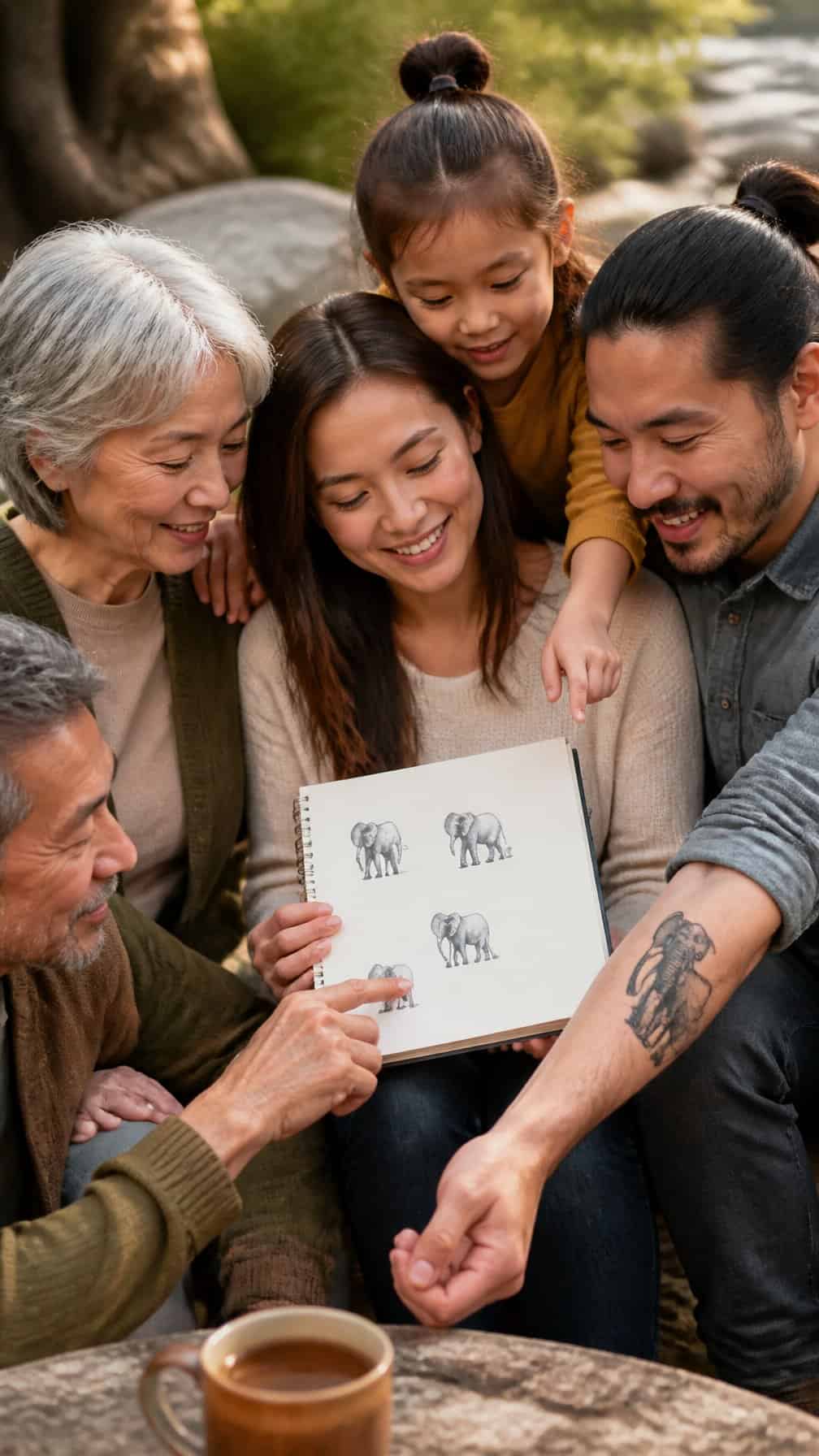
I would choose an animal that reflects a quality my family values, such as loyalty, patience, protection, or independence. A small fox, whale, bird, or bear can represent that shared connection without requiring identical designs.
I could give each person a slightly different version based on their personality. One family member might choose a realistic style, while another prefers a simple outline, watercolor detail, or geometric interpretation.
I would also consider adding a meaningful detail, such as a birth flower, initial, or small date. Matching placement can make the tattoos feel connected, but different locations allow each person to keep the design personal.
8) Minimalist family portrait line art
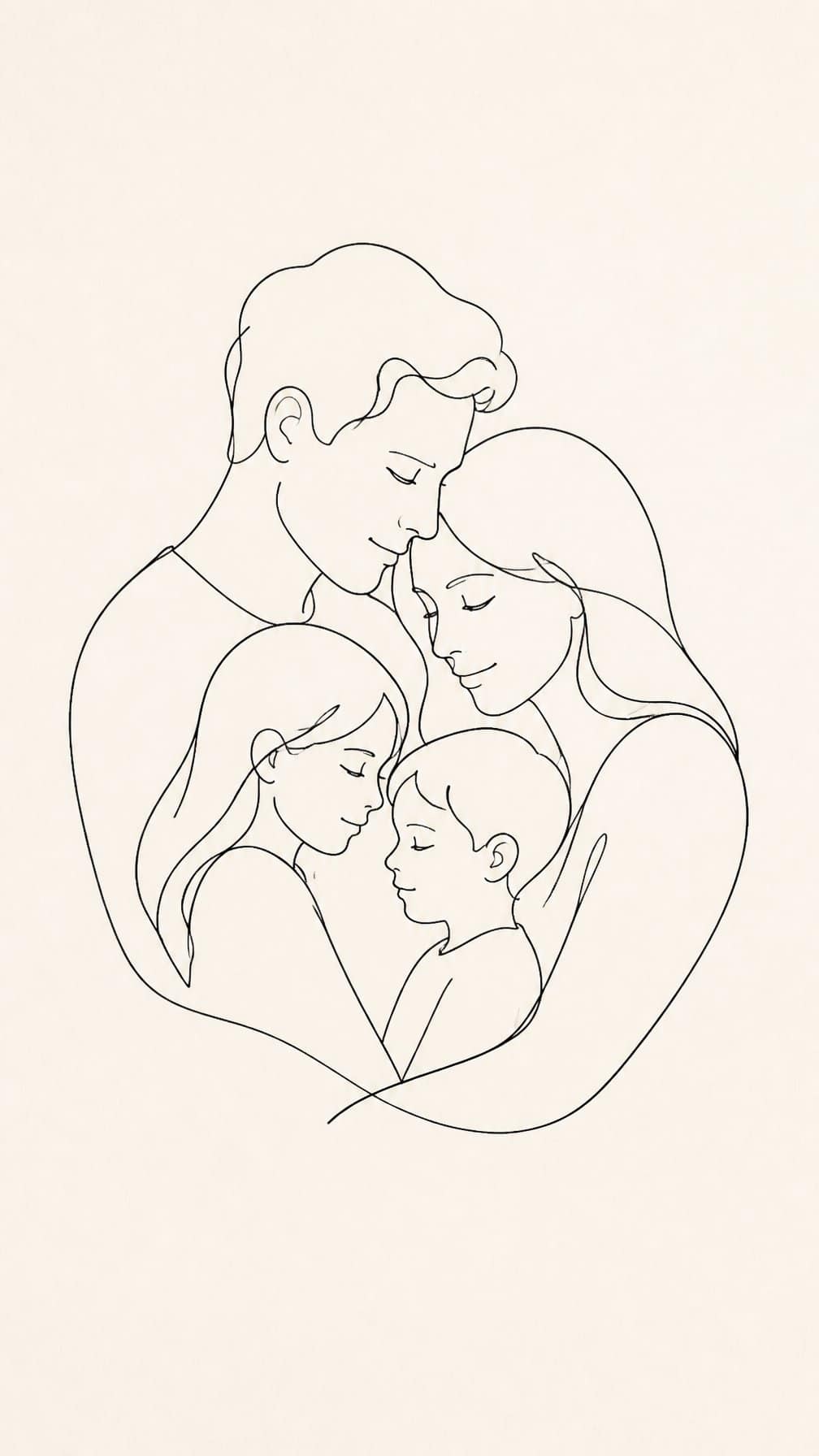
I like minimalist family portraits because a few continuous lines can capture recognizable features without creating a detailed, realistic image. I can base the design on a shared photograph, showing faces in profile, linked hands, or figures standing together.
I would keep the composition simple and choose placement based on the shape of the artwork. A narrow design can fit along my forearm or ribs, while a wider outline may suit my shoulder blade or upper back.
Small details can add personal meaning without cluttering the tattoo. I might include initials, birth flowers, a meaningful date, or subtle differences in hairstyles to represent each family member.
9) Handwritten note from a parent
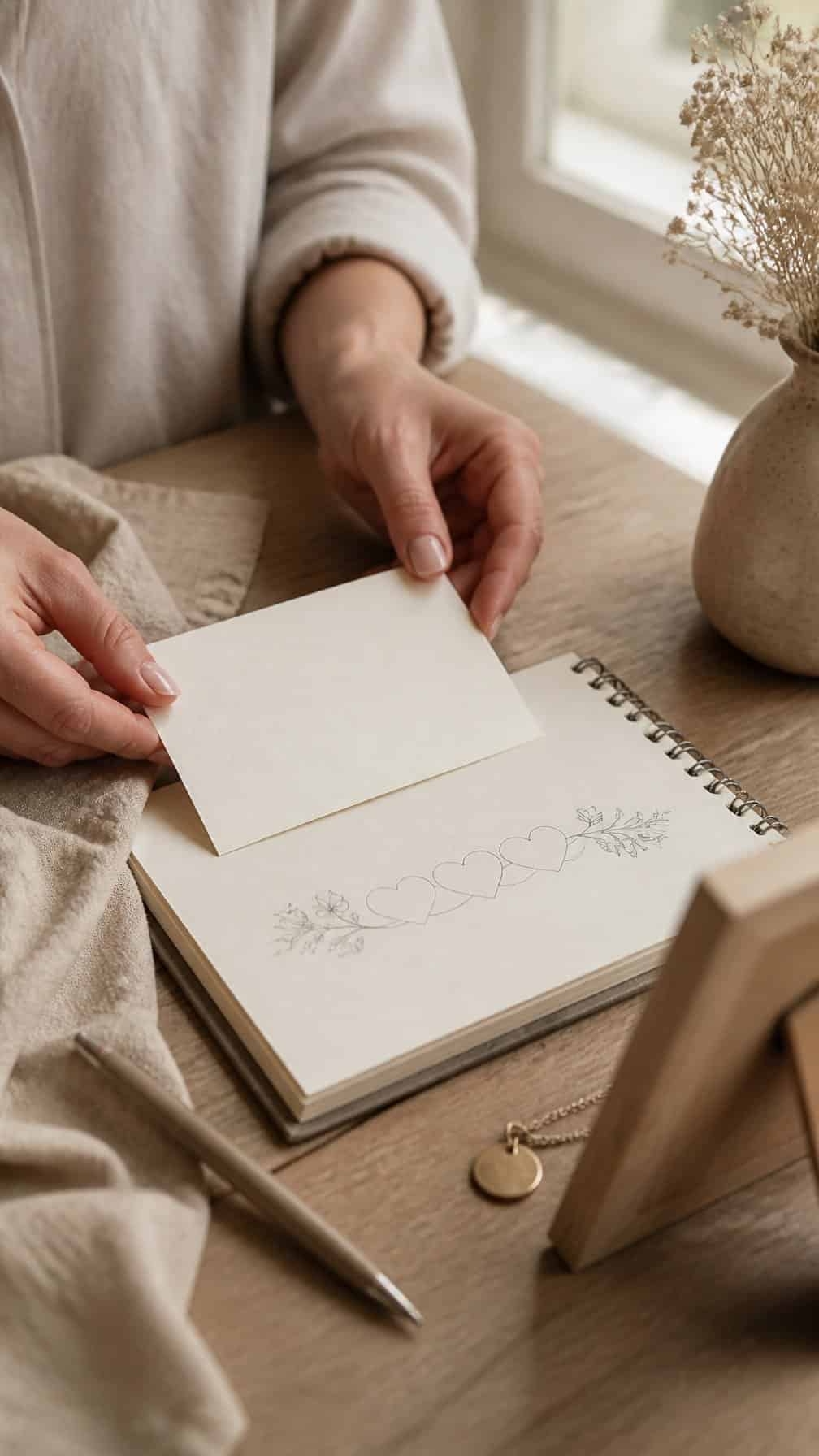
I can turn a parent’s handwritten note into a tattoo that preserves both the message and the writer’s personal touch. A short phrase such as “Love, Mom,” a signature, or a familiar reminder can carry strong meaning without needing added symbols.
I would use a clear scan or photograph of the original handwriting so the tattoo artist can reproduce its spacing, letter shapes, and natural imperfections. A wrist, forearm, ribs, or upper chest can provide enough space for the words to remain readable.
I might include the note’s date or a small heart if it belongs naturally to the original message. Keeping the design close to the source makes the tattoo feel personal rather than overly stylized.
10) Matching puzzle-piece tattoos
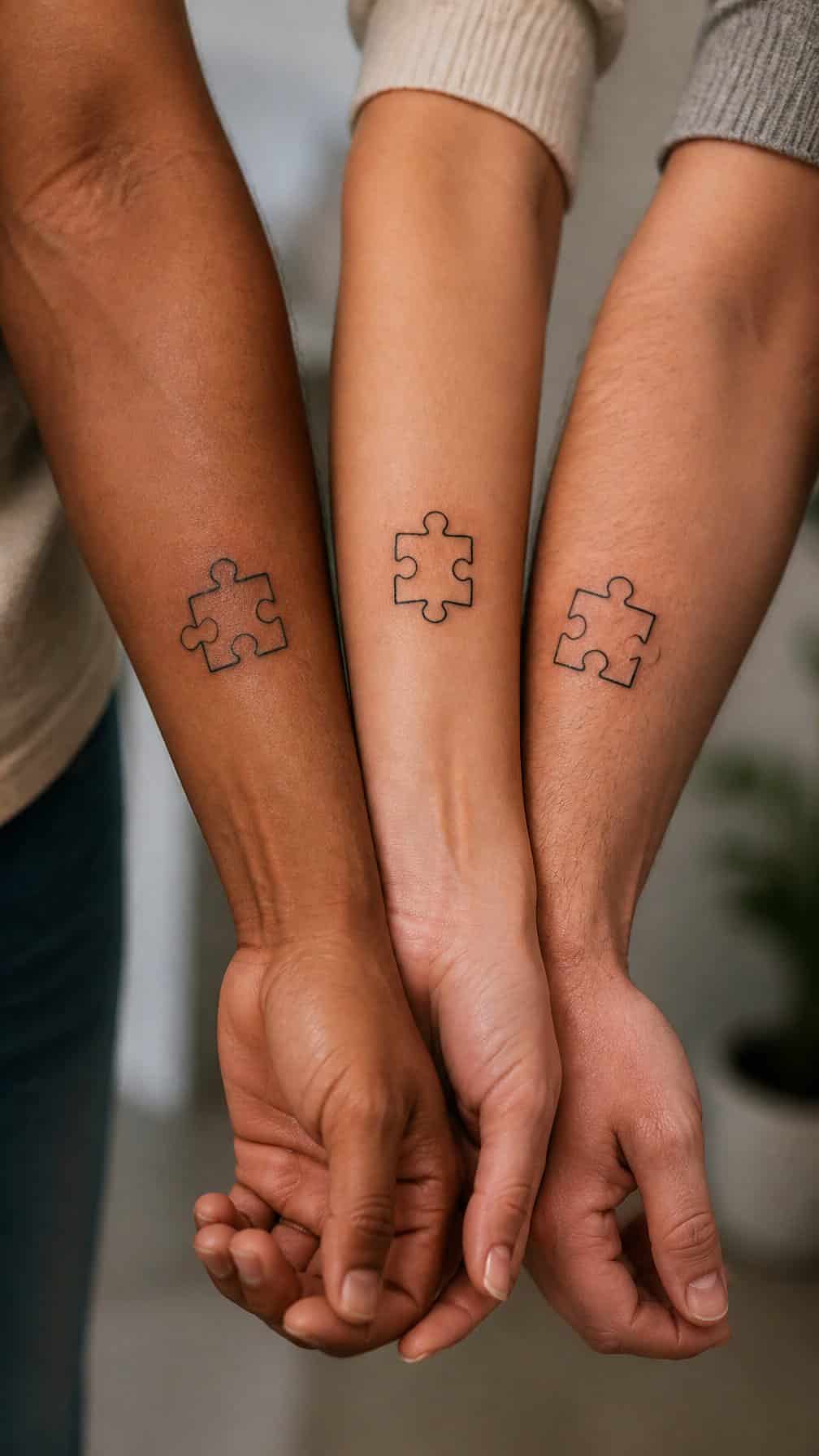
I can use interlocking puzzle pieces to represent how family members fit into one another’s lives without losing their individual identities. Each person might choose a separate piece, then add a shared detail such as initials, birth flowers, or a meaningful date.
I would keep the designs coordinated rather than identical. One relative could choose a simple outline, while another adds color or a small symbol connected to their role in the family. The tattoos can also work as a pair or expand over time as new family members join the design.
11) Family surname in the original handwriting

I would use a family surname written in a parent’s, grandparent’s, or partner’s actual handwriting. The uneven letter shapes preserve a personal connection that a standard font cannot reproduce.
A scanned note, recipe card, or signed letter can provide the source. I would ask a tattoo artist to clean up only obvious marks while keeping the original spacing, pressure, and quirks intact.
I might place the name along my ribs, forearm, collarbone, or upper back, depending on its length. Adding a small date or initials can identify the person who wrote it without making the design feel crowded.
12) Sun, moon, and stars representing family roles
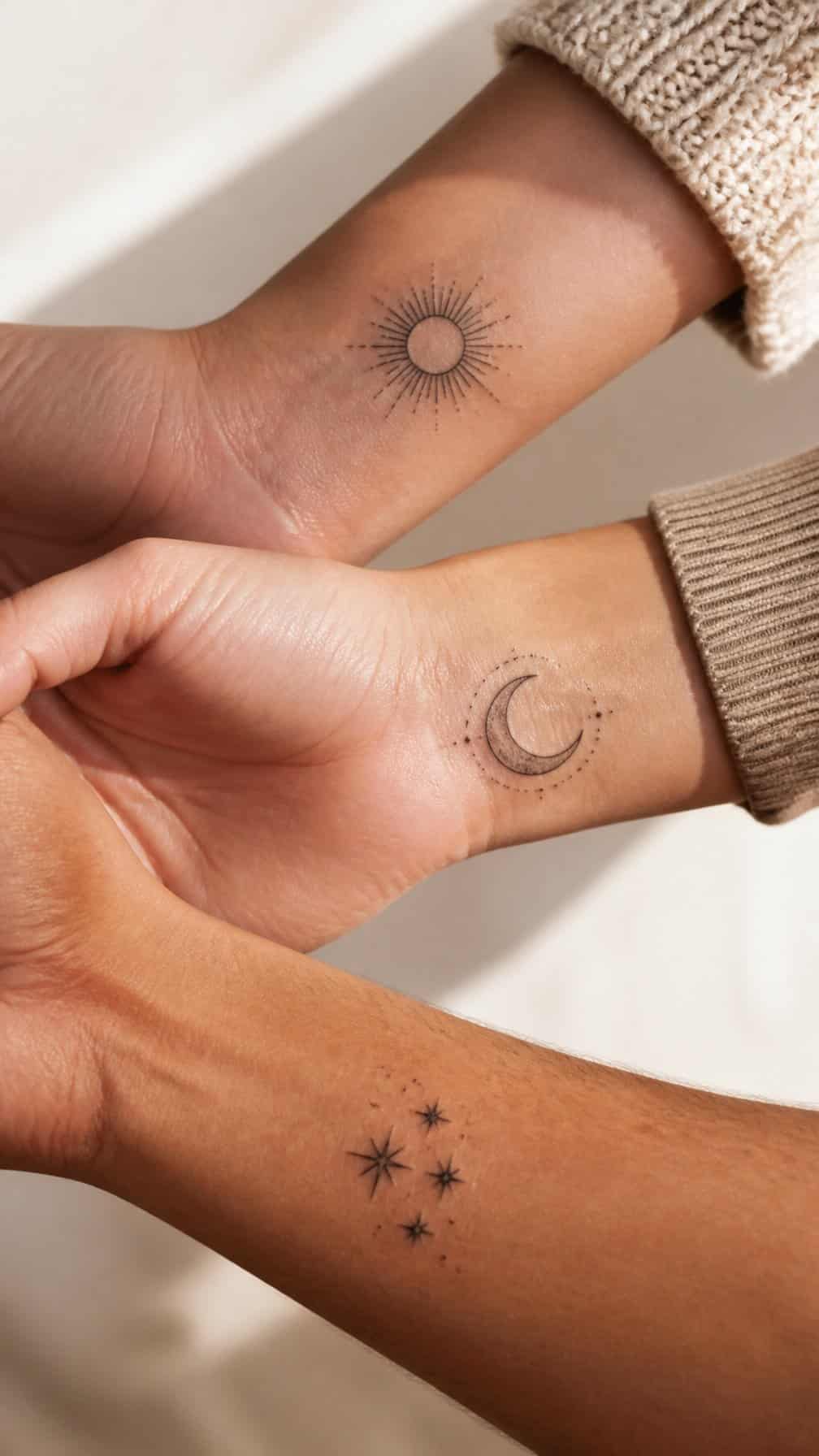
I can use the sun, moon, and stars to represent different family roles in one balanced design. The sun may symbolize a parent who provides warmth and direction, while the moon can reflect another caregiver’s steady presence. Smaller stars can represent children, siblings, or relatives who remain connected across distance.
I would personalize each element through size, placement, or detail rather than assigning fixed meanings. A birth month, constellation, initial, or meaningful date can add private significance without making the tattoo too literal.
This design works well as a shared family tattoo because each person can choose one symbol or wear the complete arrangement. I might place the elements along the forearm, shoulder, or ribs, depending on whether I want the relationship to stay visible or personal.
13) Celtic knot symbolizing an unbreakable bond
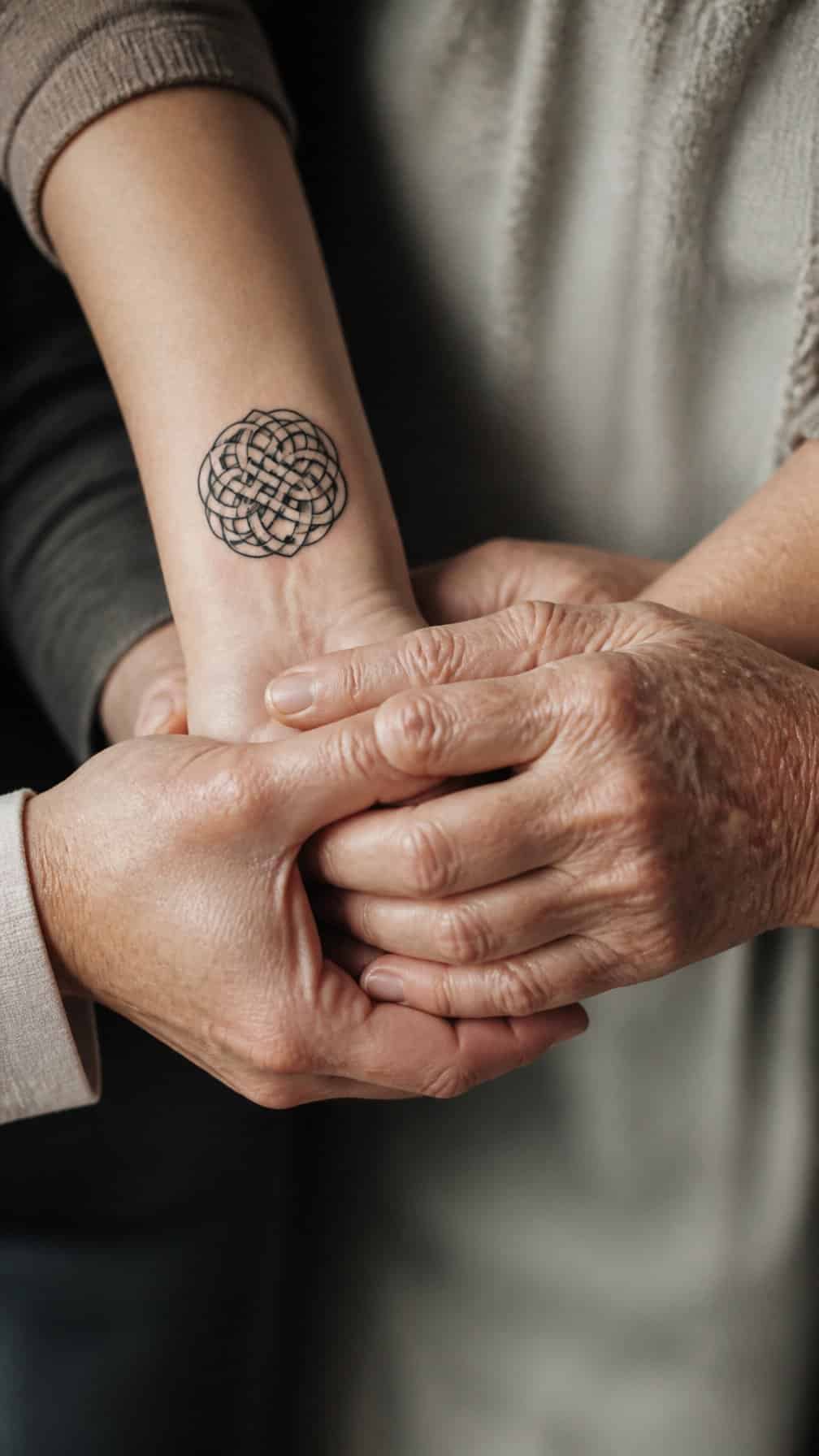
I see the Celtic knot as a meaningful choice for family members who want to represent continuity, loyalty, and connection. Its interwoven lines have no clear beginning or end, which can reflect a bond that continues through different stages of life.
I would personalize the design with initials, birth dates, or a small family symbol. A simple black knot suits a subtle placement, while adding birthstone colors or matching accents can give each relative a distinct detail. The wrist, forearm, shoulder, and upper back all provide enough space for its shape to remain clear.
14) Fingerprint heart combining family members
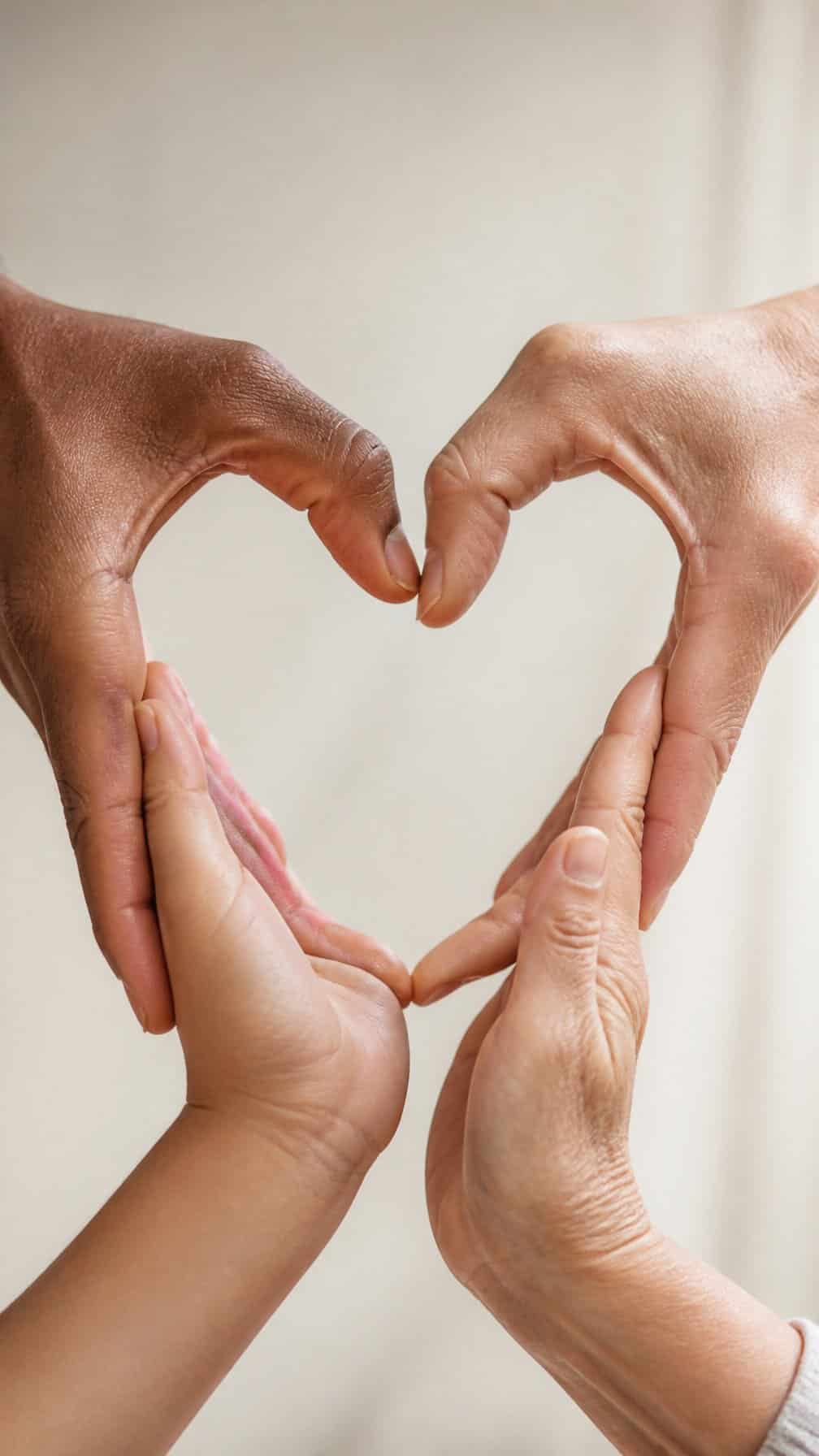
I would create the heart from real fingerprints, using one print from each family member to form the outline or fill its curves. The design keeps everyone represented without relying on names, dates, or matching symbols.
I could add initials, birth years, or small dots beside each print, but I would keep those details subtle so the fingerprints remain the focus. A black-and-gray version preserves the natural ridge patterns, while a small color accent can distinguish each person.
I would place this tattoo on the chest, inner forearm, or upper arm, depending on how visible I want it to be. Since fingerprints contain fine lines, I would choose an experienced tattoo artist and allow enough space for the details to remain readable over time.
15) Soundwave of a loved one’s voice
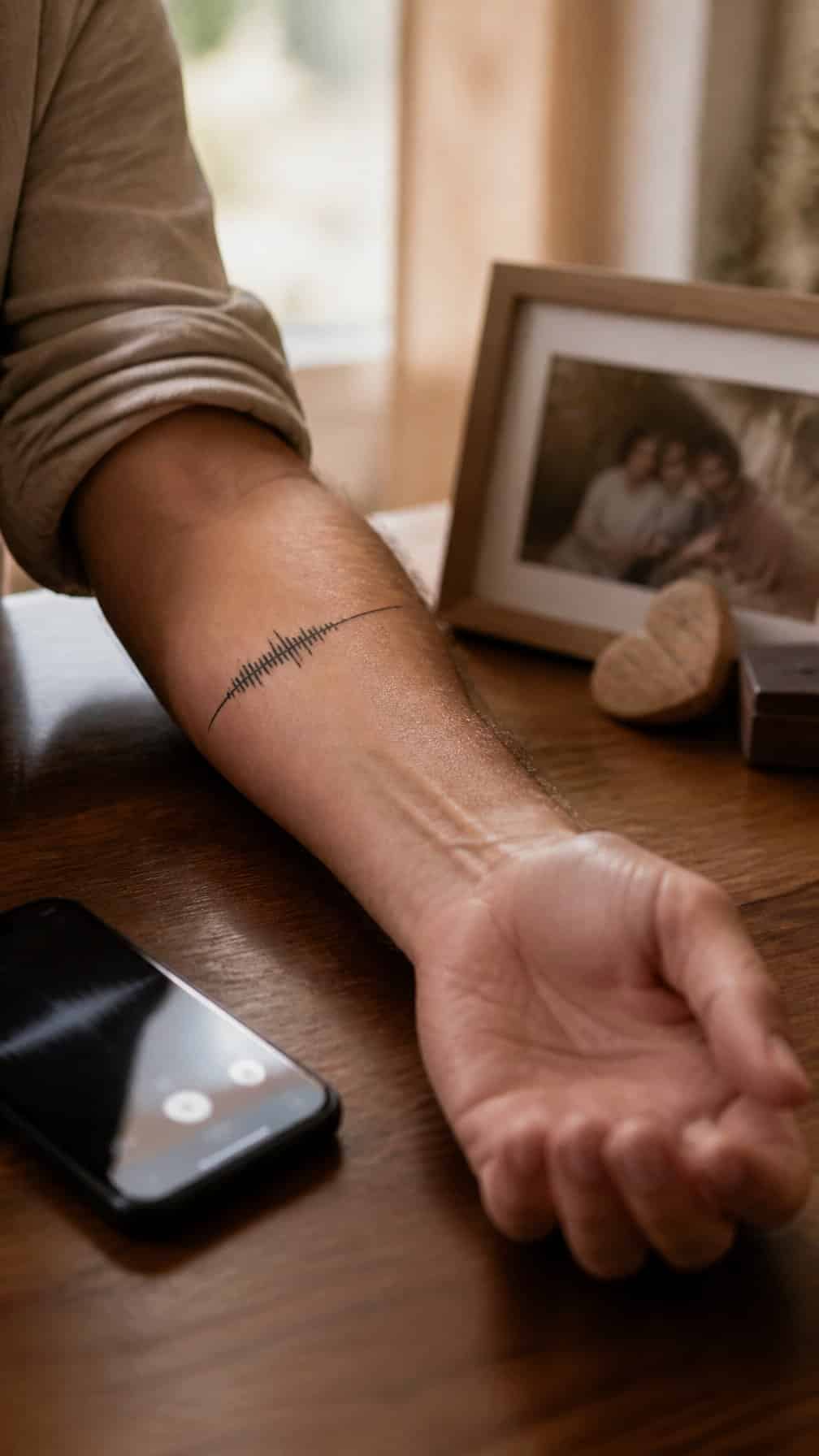
I can turn a short recording of a loved one’s voice into a soundwave tattoo, using words such as “I love you,” a birthday message, or a familiar greeting. The design preserves the visual pattern of their speech while giving the memory a personal meaning.
I would pair the waveform with a small date, initial, or discreet scannable code that links to the original recording. Before committing, I would test the image at the intended size and choose a tattoo artist who can keep the lines clean and readable over time.
16) Matching compass tattoos for family guidance
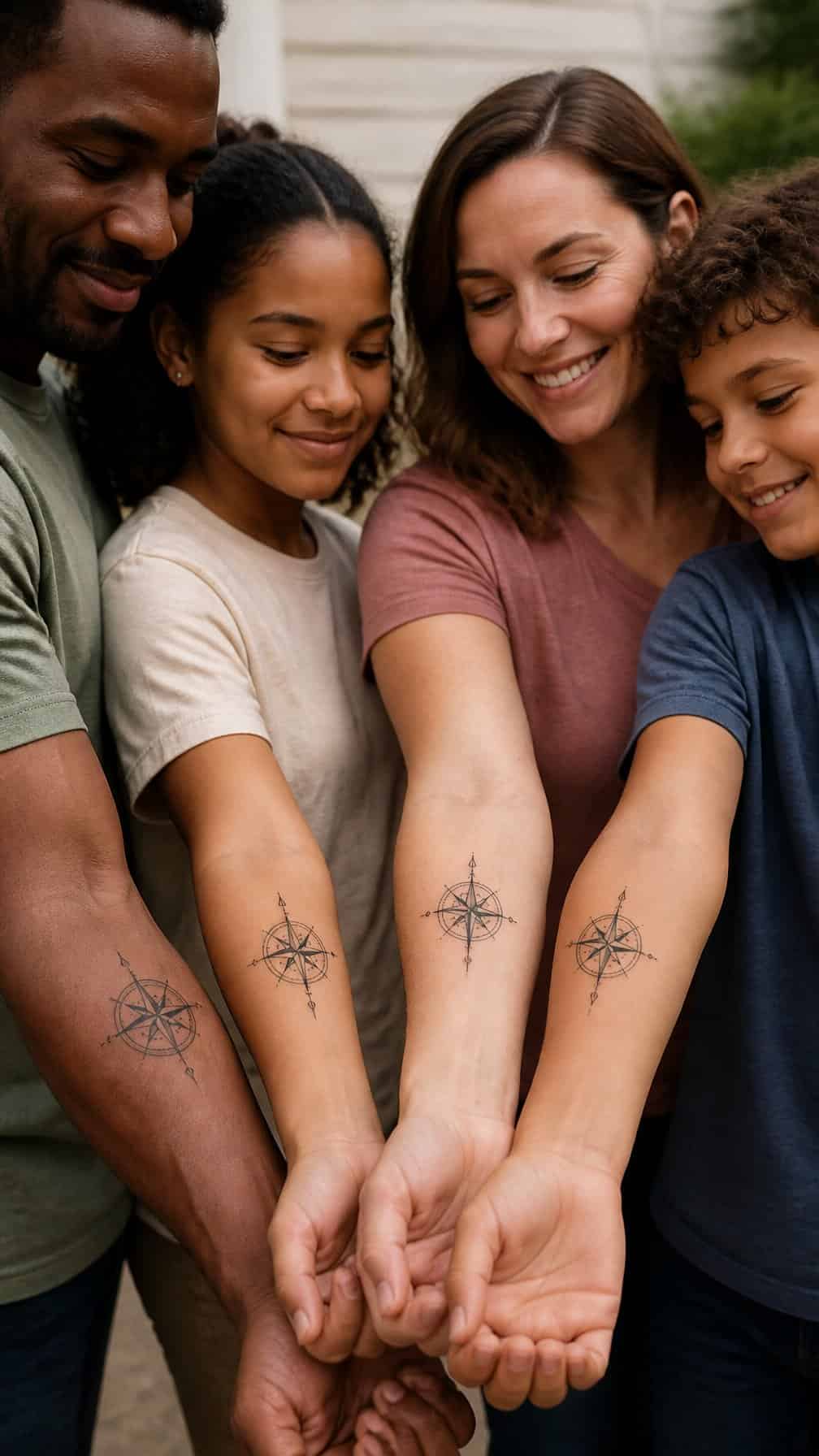
I see matching compass tattoos as a practical symbol of family guidance. Each person can choose the same compass design while adding a small detail, such as initials, birthstones, or coordinates linked to a meaningful place.
The compass can represent shared values without suggesting that family members must follow identical paths. I would keep the design simple, using clear directional points and consistent placement so the tattoos remain connected while each person retains a personal version.
A parent might choose coordinates beneath the compass, while a child adds a meaningful date or tiny star. This approach gives the matching tattoos a common foundation and lets each family member express what guidance means to them.
17) Birthstone symbols for each relative
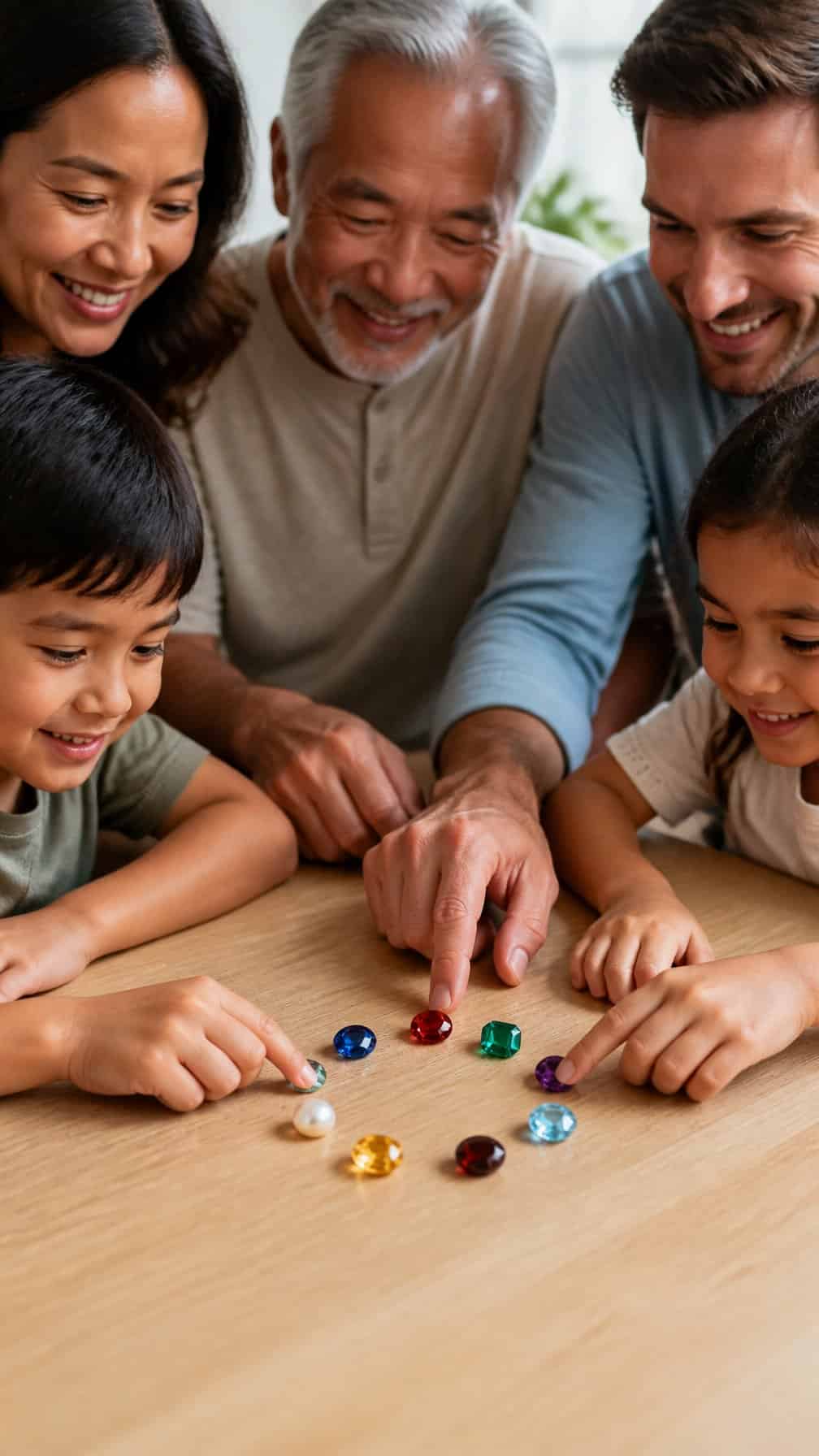
I can represent each relative with their birthstone, using small gemstones, colored shapes, or simplified mineral patterns. This approach lets me include several family members without repeating names or dates, while each symbol retains a personal connection.
I might arrange the stones in birth order, place them around a shared center, or connect them with fine lines. I can also choose realistic colors or use a blackwork style if I want the design to age consistently and remain easy to read.
For a private detail, I could add initials or discreet dates beside each stone. I would verify the birthstone list first, since some months have multiple accepted stones and family traditions may favor one choice over another.
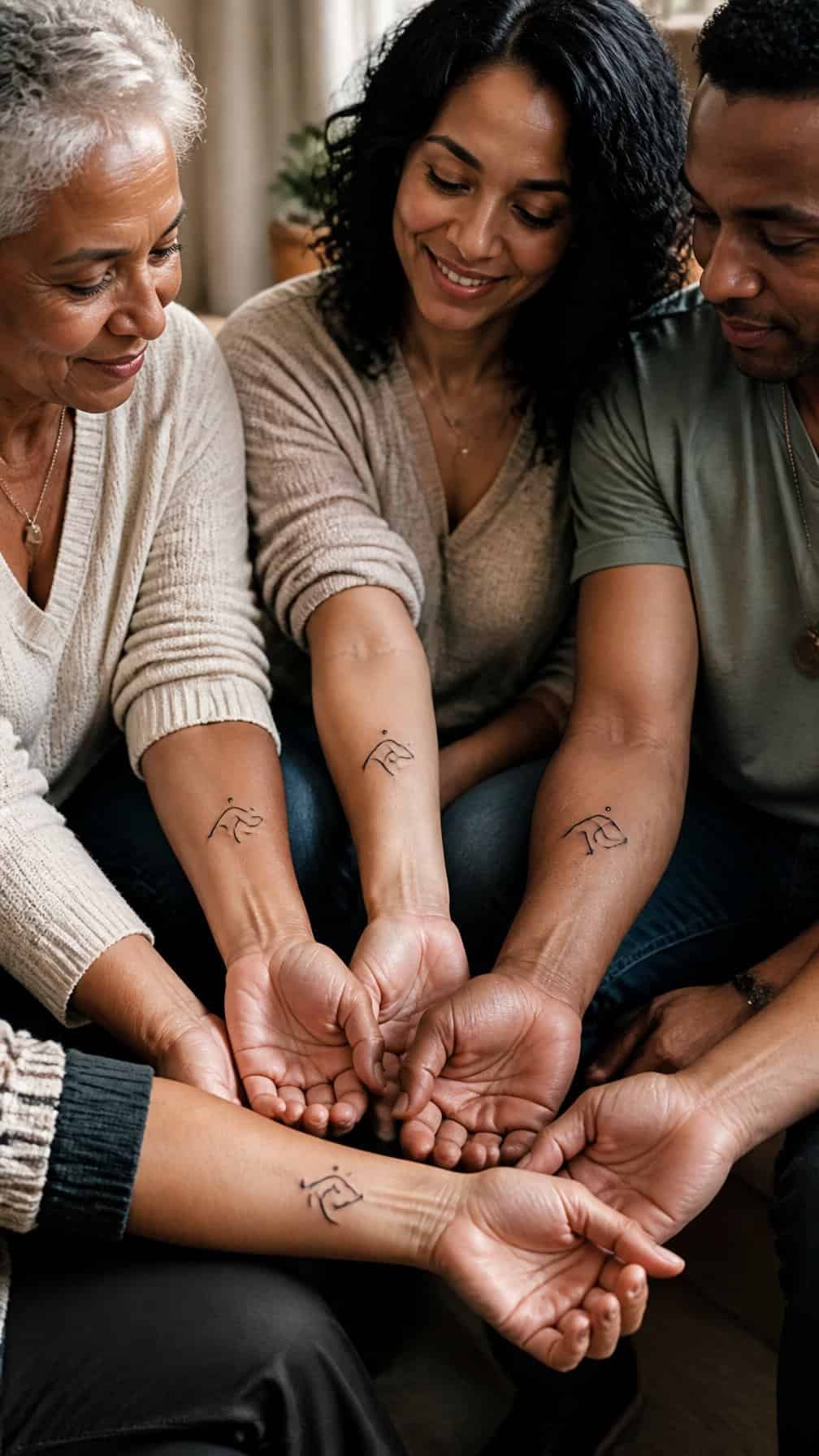
I can choose a short family motto and have each relative tattoo it in the same script. The wording might express loyalty, patience, faith, or mutual support, while the matching lettering creates a clear connection across different designs.
I would consider a phrase that remains meaningful as family circumstances change. A shared script can be handwritten by one relative, adapted from an heirloom note, or selected for cultural significance. Before tattooing, I would verify the spelling, translation, and direction of any non-Latin text.
Each person can place the motto differently, such as along the forearm, ribs, collarbone, or upper back. I might add a small personal detail, including an initial, date, or symbol, while keeping the lettering consistent.
19) Three-generation tree silhouette

I can use a tree silhouette to represent grandparents, parents, and children within one family design. The roots can symbolize ancestry, while the trunk and branches reflect the generations that continue to grow from it.
I might add three subtle figures, initials, birth years, or distinct branches to personalize the image. A simple black silhouette works well on the forearm, upper arm, or shoulder, where the details remain clear as the tattoo ages.
20) Memorial tattoo with a loved one’s signature
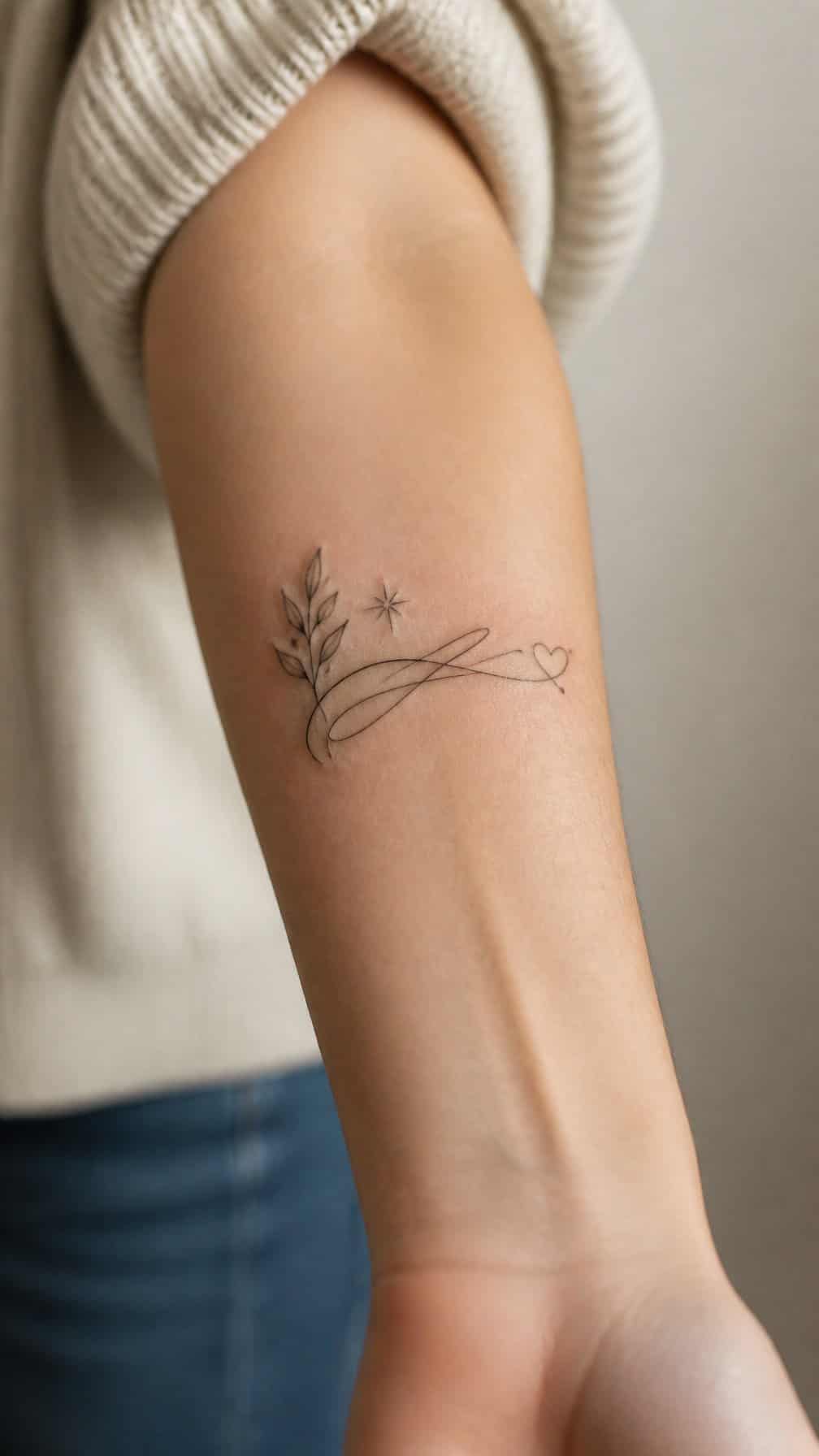
I can preserve a loved one’s handwriting by using their actual signature as the central design. A name, short note, or signed card can provide a personal reference that feels more intimate than a standard memorial font.
I would scan the original writing and work with a tattoo artist to keep its natural proportions and uneven details. Those small imperfections often make the tattoo feel authentic, while fine-line ink keeps the design understated.
I might add a meaningful date, a small symbol, or the person’s birth flower if the signature needs context. I would also choose a placement that suits the scale, since handwriting can blur when reduced too much.
21) Matching anchor tattoos for stability
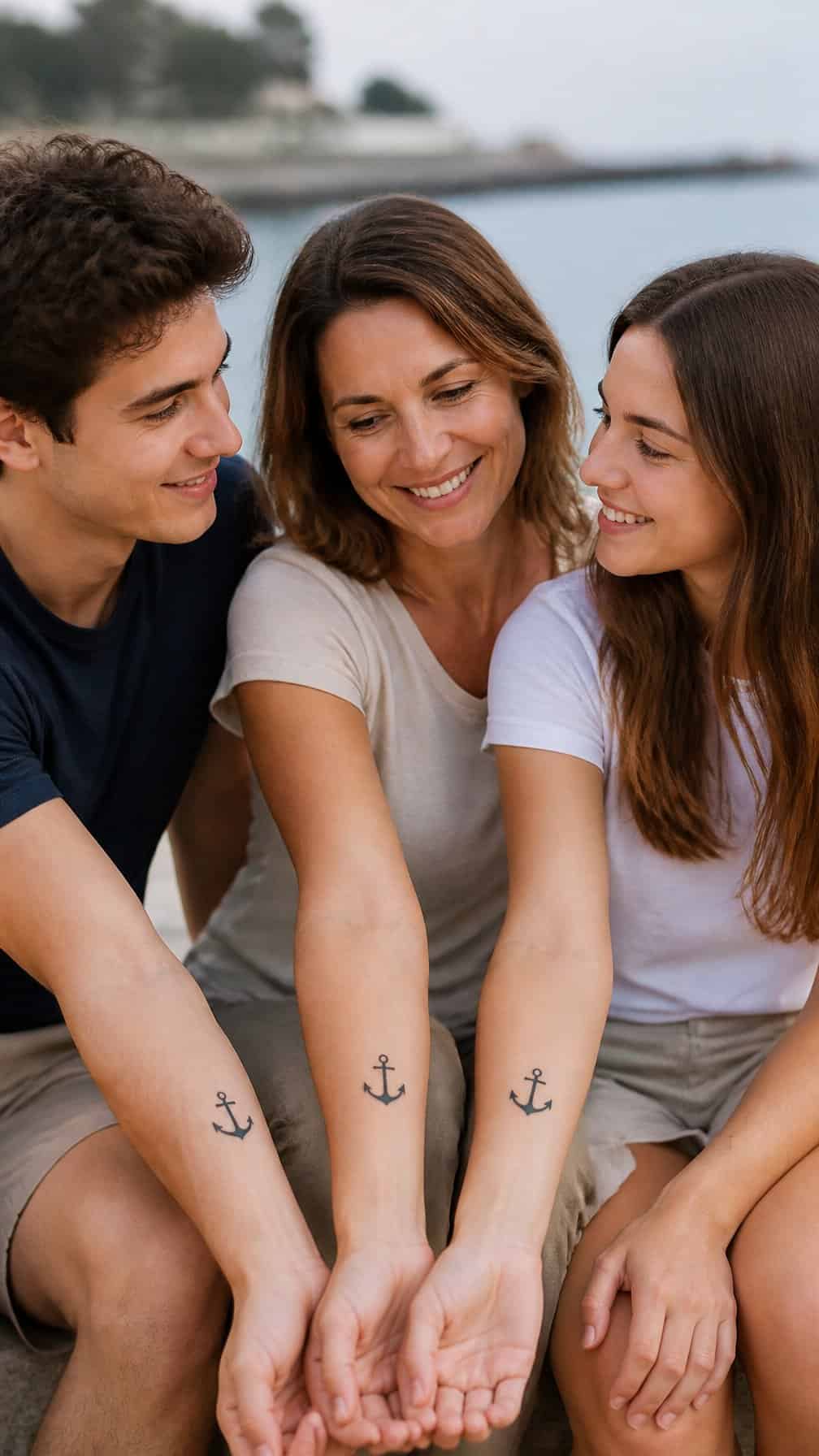
I see matching anchor tattoos as a practical symbol of steadiness, support, and family connection. An anchor can represent the people who help me stay grounded during difficult changes, while its simple shape remains easy to personalize.
I might choose the same anchor design for each family member or vary the details while keeping the central outline. Adding initials, birth dates, coordinates, or a short line from a shared phrase can make each tattoo more personal without losing the connection.
Placement can also carry meaning. I could choose the wrist or forearm for a visible reminder, while a rib, shoulder, or ankle placement keeps the design more private. Small rope details, waves, or a family birthstone color can reflect shared experiences.