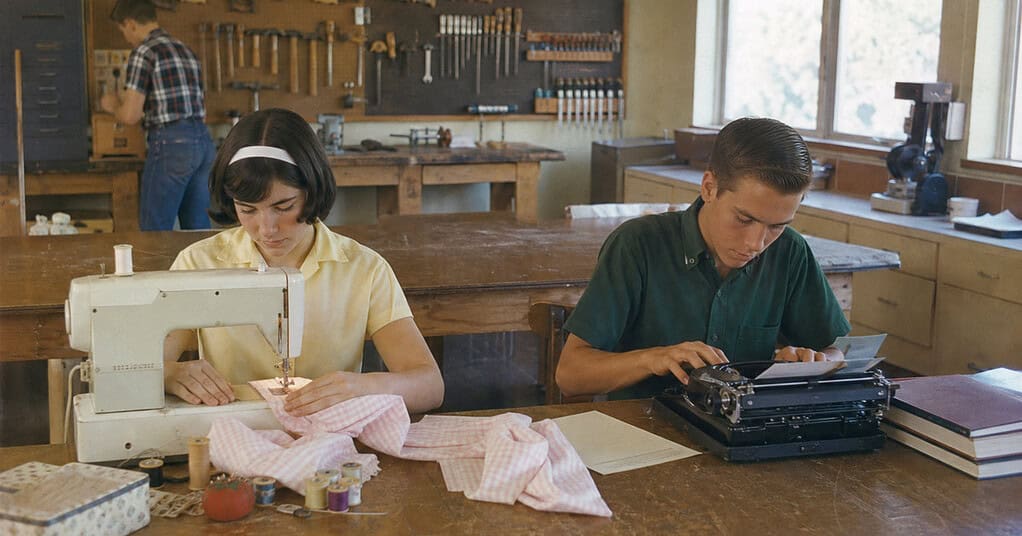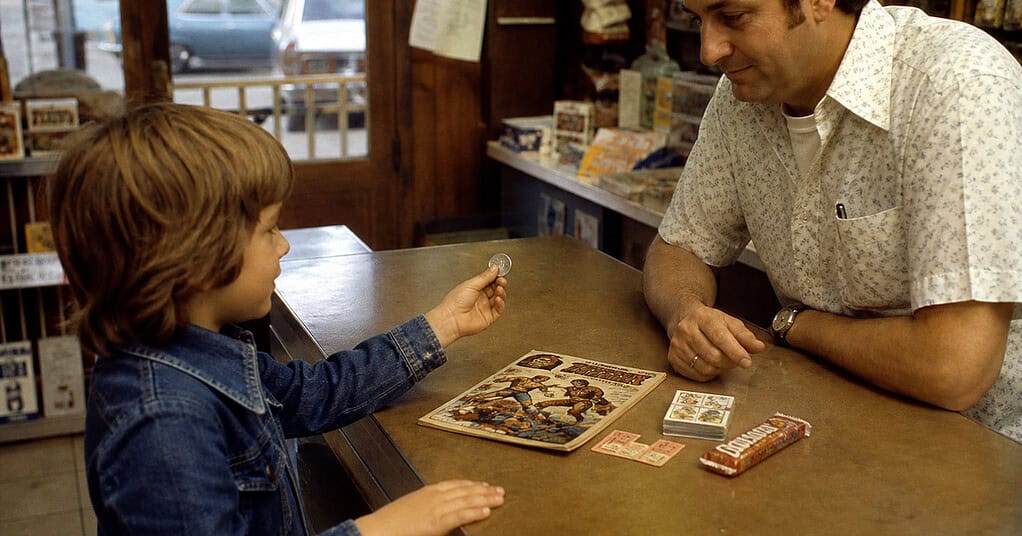

Think back to a time when using Google and YouTube were not options. We had to learn skills the old fashioned way – from trial and error, from our parents, or from getting dirty. These skills not only helped us become more competent, but also shaped us into independent and resourceful thinkers.
Table of Contents
- 1 1. Reading a Paper Map and Navigation
- 2 2. Handwriting and Cursive
- 3 3. Mental Math and Making Change
- 4 4. Basic Car Maintenance
- 5 5. Face-to-Face Communication
- 6 6. Cooking Without Recipes
- 7 7. Research Using Library Resources
- 8 8. Memorizing Phone Numbers
- 9 9. Writing Letters
- 10 10. Basic Home Repairs
- 11 11. Time Management Without Digital Reminders
- 12 12. Entertaining Ourselves Without Screens
- 13 13. Weather Reading
- 14 14. Social Networking in Person
- 15 15. Budgeting with Paper and Pencil
- 16 16. Remembering Historical Facts Without Wikipedia
- 17 17. Photography with Film Cameras
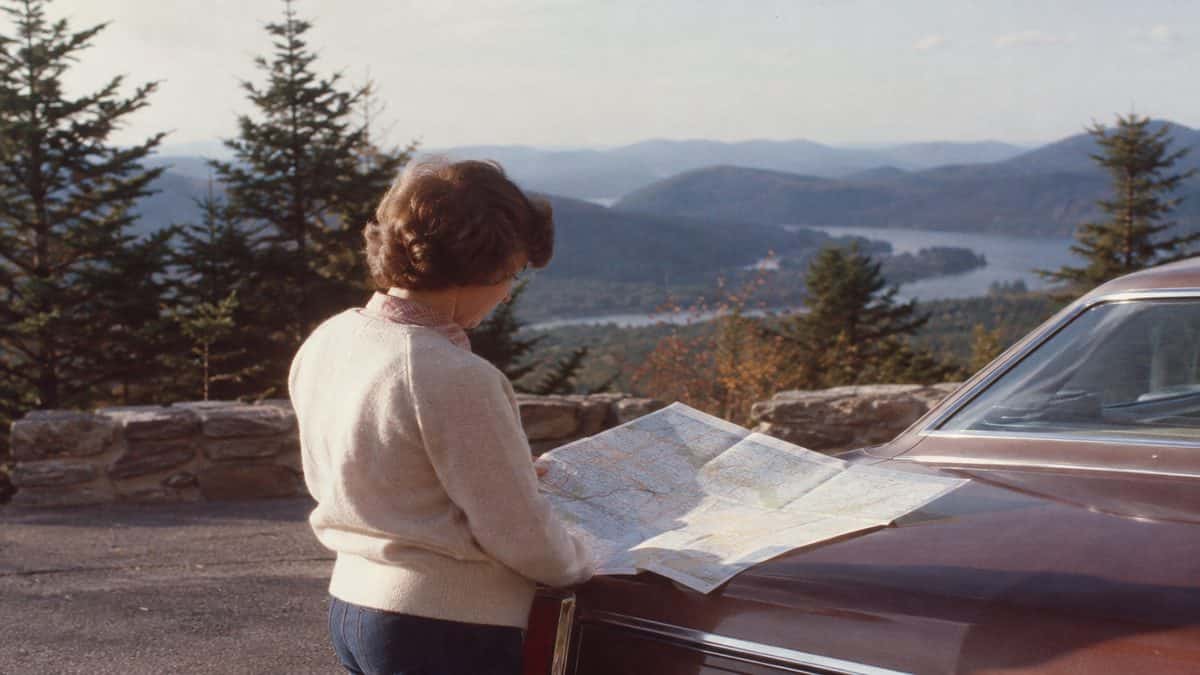
Long before smartphones and GPS systems became ubiquitous, we had to learn how to interpret and read paper maps so that we could determine routes to our destination. We learned how to navigate using landmarks, street signs, and our own sense of direction. The combination of these skills was very beneficial before the advent of modern technology, not to mention, it also taught us how to plan ahead and evaluate situations.
Save for later
Want to come back to this story? Save it with your email so it is easy to find again.
2. Handwriting and Cursive
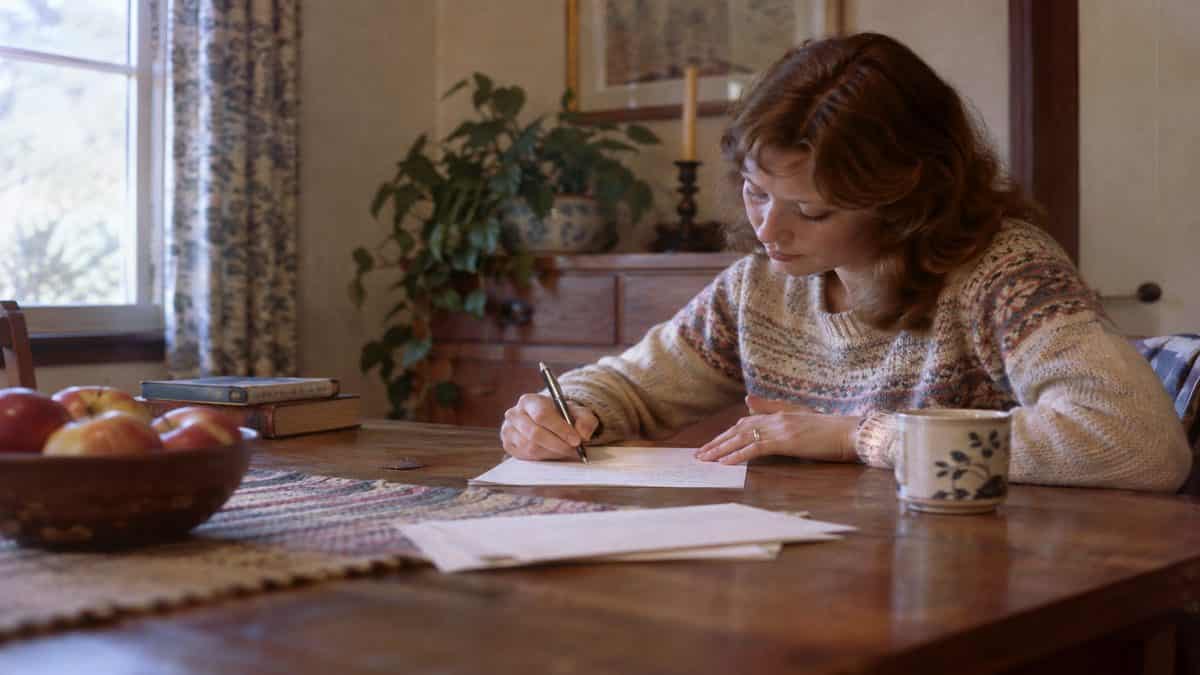
We also learned the art of penmanship before typing took over. This meant countless hours of practice for us as we progressed from basic printing to graceful cursive, but the benefits were worth it. The practice helped us develop fine motor skills, cognitive skills, and even memory. Research has proven that memory retention as well as creative thought are greatly improved when writing by hand rather than typing.
3. Mental Math and Making Change
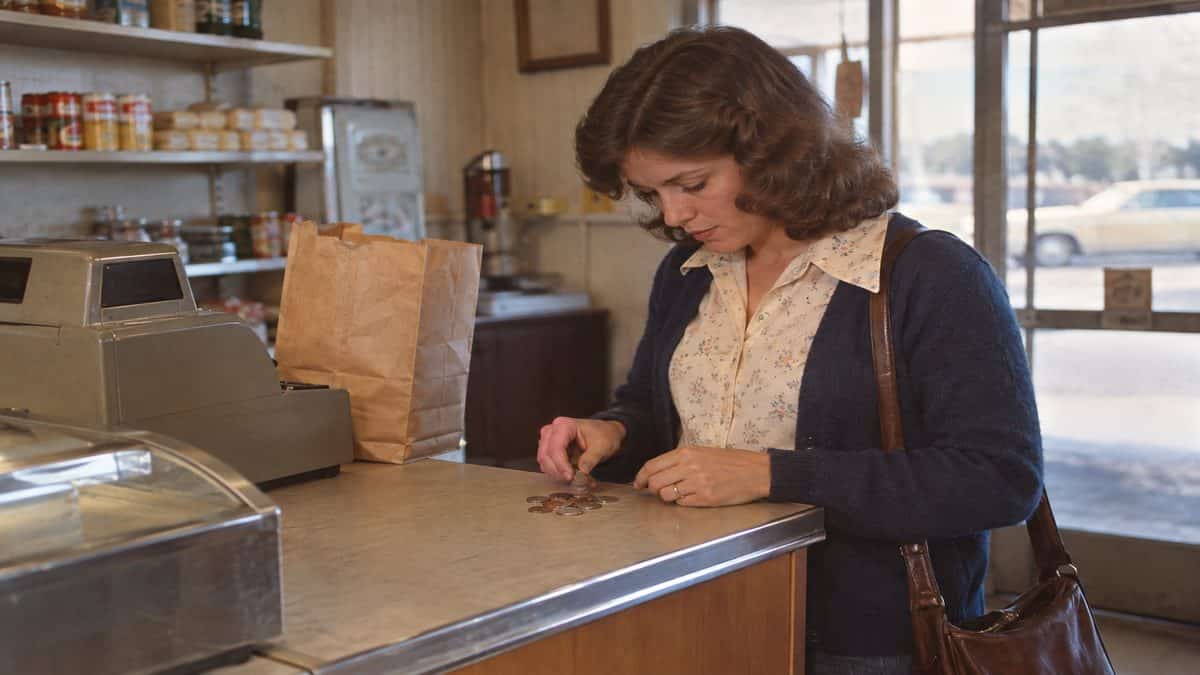
Mental math is also a skill we acquired long before calculators were common. Helping out at family businesses and working at local shops taught us how to count up a total and quickly return the correct amount of change without the use of a digital assistant. This kept our minds sharp and helped us solve problems more quickly in everyday situations.
4. Basic Car Maintenance
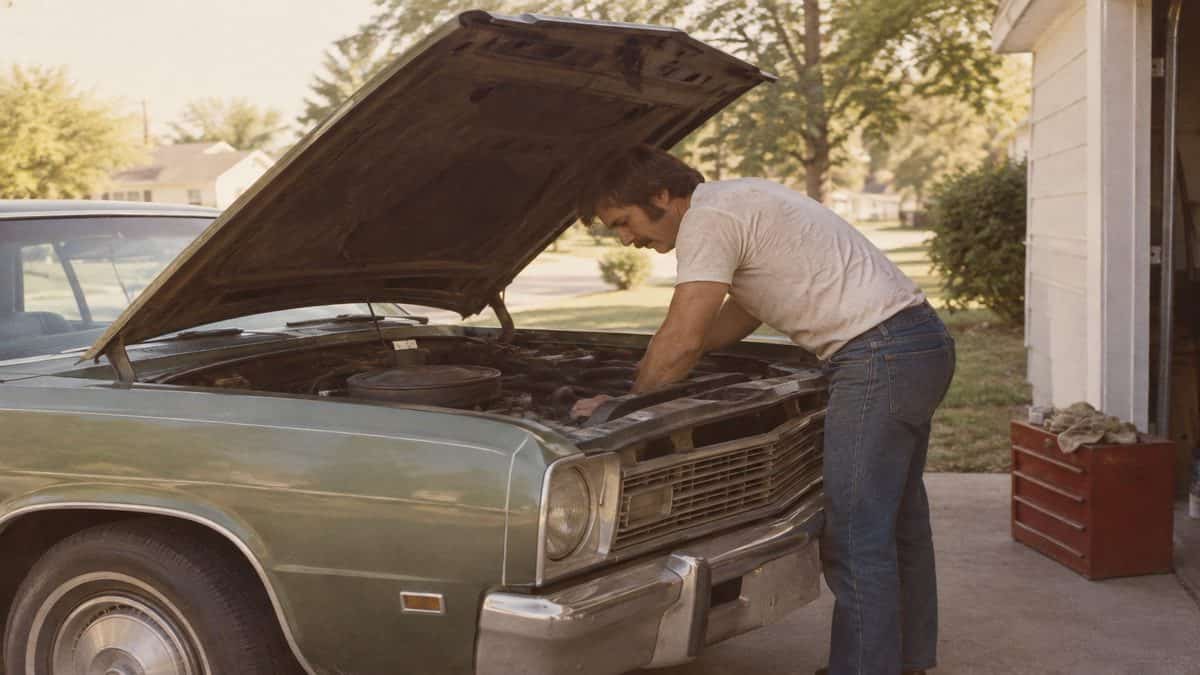
We remember spending time with our dads and uncles in their driveways and learning how to do various car maintenance tasks, such as changing oil, cleaning spark plugs, and changing tires. This knowledge saved us money, but it also helped us gain the confidence and the independence to drive.
5. Face-to-Face Communication

When technology failed us, we were forced to learn communication skills and complex social interactions face to face. Dating was easy for some, and other relationships and conversations were difficult. Disagreements were easy in a business context, but difficult in a non-business context. These skills aided us throughout life in building relationships.
6. Cooking Without Recipes

By observing our parents and grandparents cook, we learned cooking without the use of a phone. We experimented and created recipes instead of using Google or other similar sites. We learned to be creative, adaptable, and to trust our instincts.
7. Research Using Library Resources
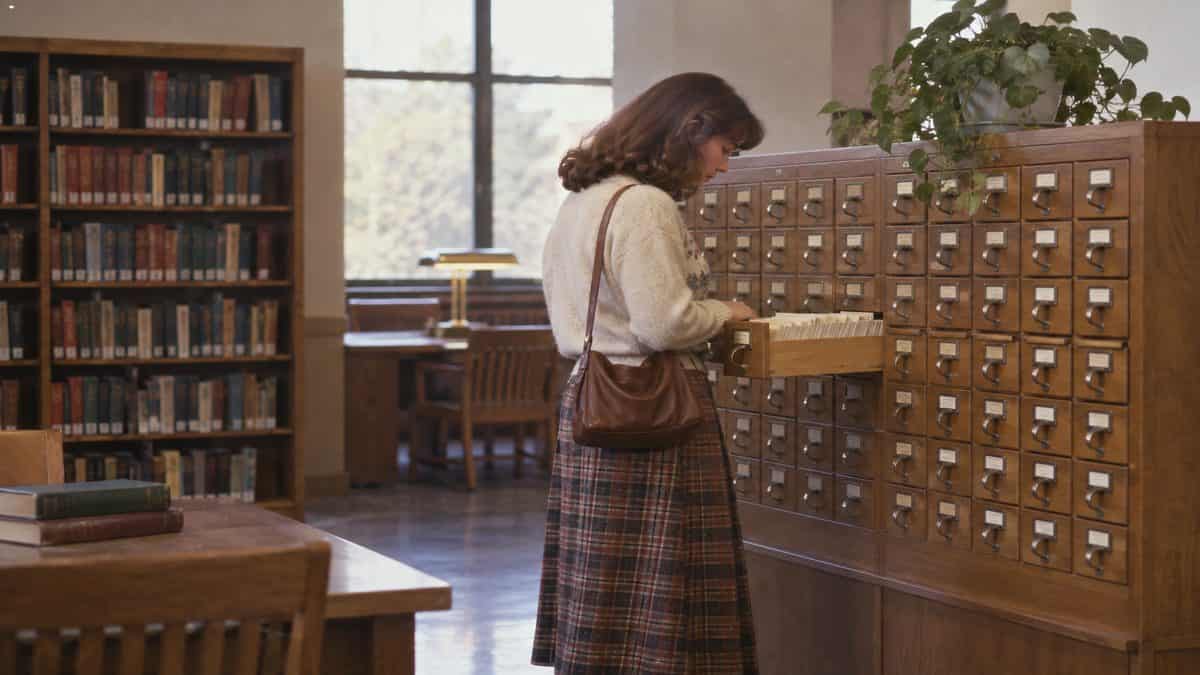
We learned research before using the Internet. We used the card catalog system along with the Dewey Decimal System. Books, encyclopedias, documents, periodicals, and outdated sources aided us in building critical thinking.
8. Memorizing Phone Numbers

In the days of smartphones, people had to memorize numbers for easy access. This was a great method for exercising memory, since you could contact friends and relatives outside of your address book and emergency contacts.
9. Writing Letters
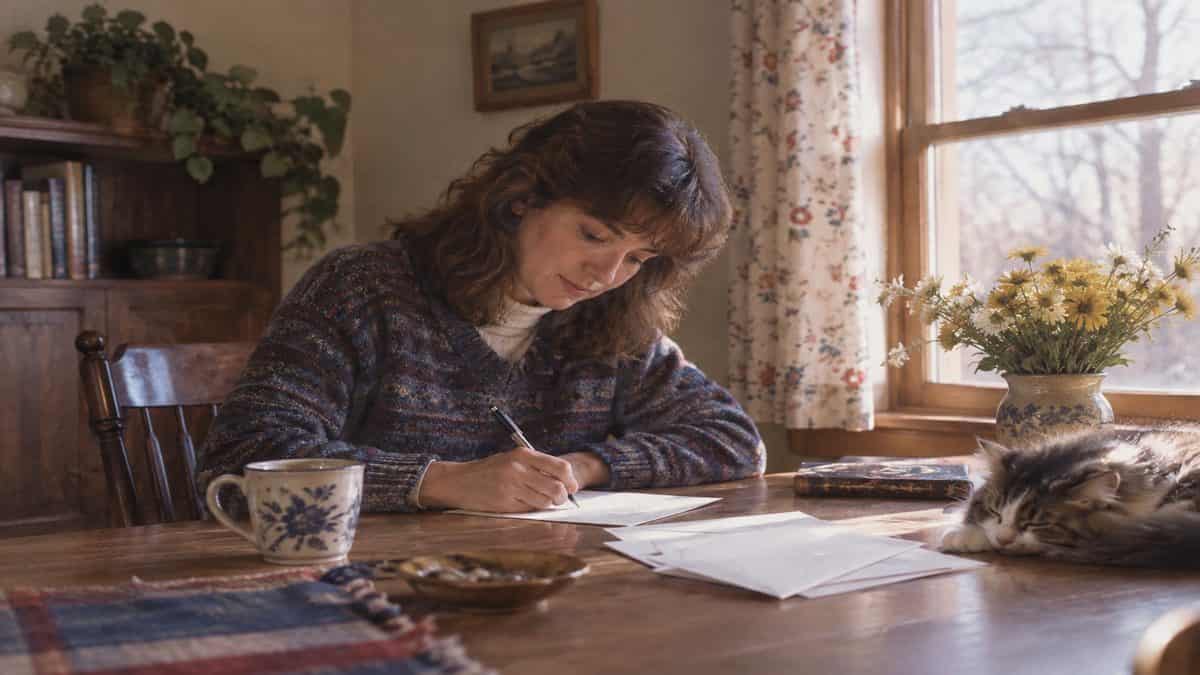
We learned the art of letter writing, which helped us become patient and taught us how to organize communication. Responding took days to weeks, but writing practice helped develop communication skills and emotional intelligence.
10. Basic Home Repairs

Draining unclogging, carpentry, and other skills have helped us become self reliant and taught us to maintain our homes. We learned these skills from guiding hands and experience, with the older generation, to fix things around the house.
11. Time Management Without Digital Reminders
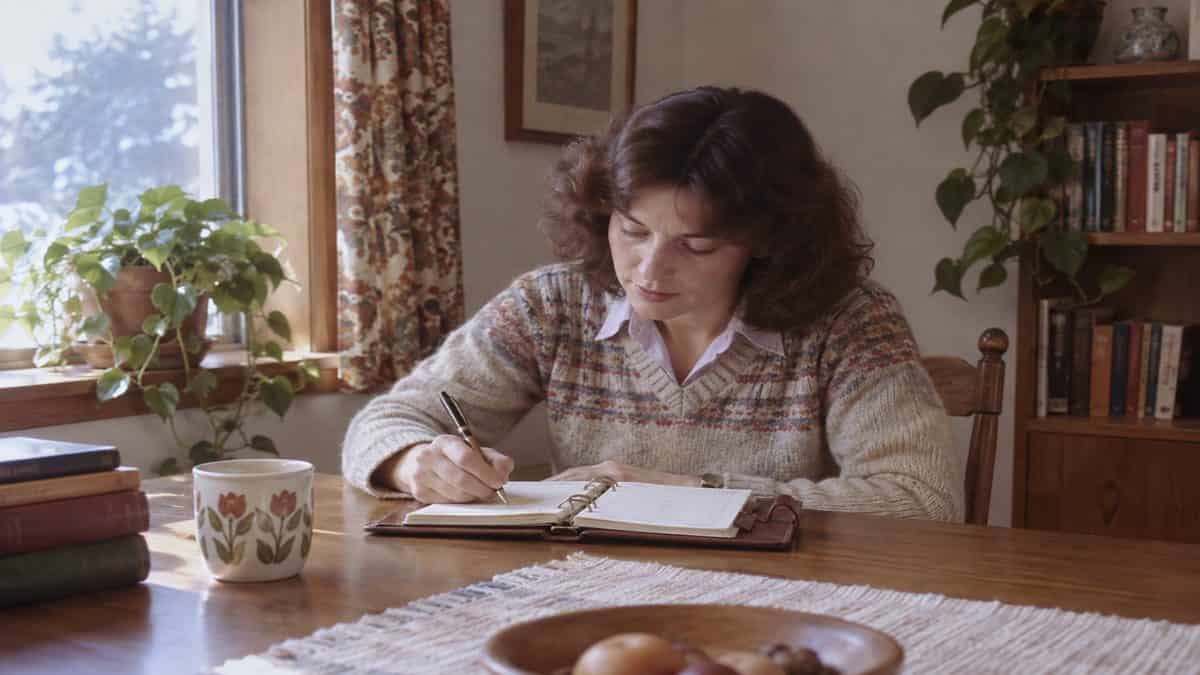
Managing our time without digital reminders helped us develop our intrinsic sense of time, responsibility, punctuality and organization. To do this we used paper calendars and our personal internal clocks. We figured out that self-discipline, instead of relying on external systems, was the most important factor in successfully managing our time.
12. Entertaining Ourselves Without Screens

Our creativity and problem-solving skills blossomed as we built our own forts and made our own games. Out social interactions also developed as we played kick-the-can and formed clubs in our neighborhoods.
13. Weather Reading

In order to plan activities outside we had to learn to read nature’s signs instead of looking at a weather app. This knowledge connected us to nature and helped planned outdoor activities.
14. Social Networking in Person
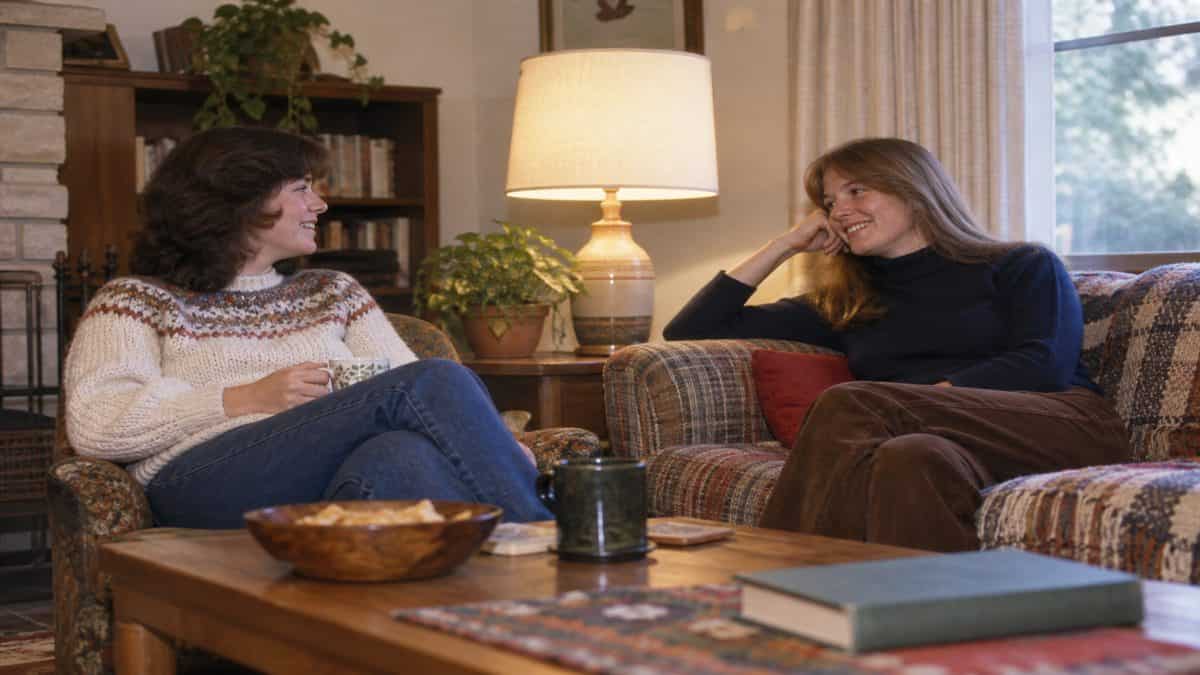
Our professional and social networks were built by having real-life meetings, community events and personal introductions. We didn’t develop these relationships through digital means. We learned to read body language, leave a mark and build meaningful relationships.
15. Budgeting with Paper and Pencil

Balanced checkbooks and ledgers taught us the true value of money because we had hands-on experiences and this careful thought process taught us the importance of planning. Financial management also taught us the importance of tracking.
16. Remembering Historical Facts Without Wikipedia
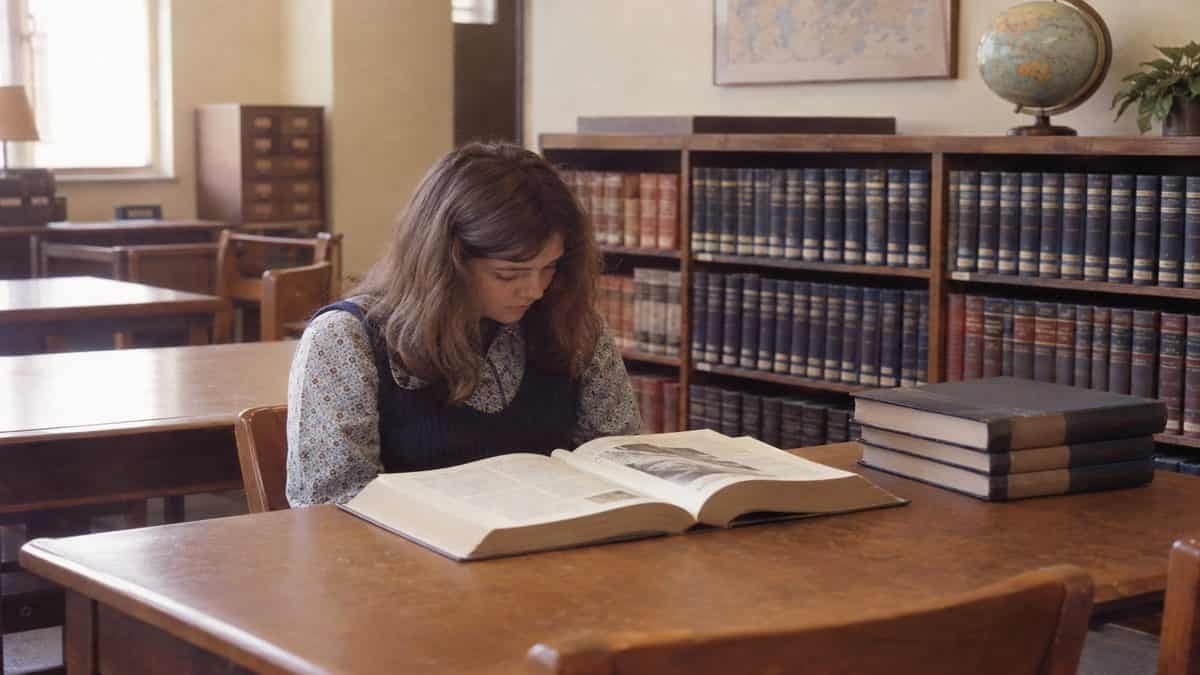
Because we had no access to instant internet searches we had to learn and memorize important dates, figures and facts. This created deep knowledge on the subject rather than a shallow understanding. Historical events were linked in our mind and we learned how to understand their significance in a way that lazy searching won’t replicate.
17. Photography with Film Cameras

Understanding light, timing, and composition were critical elements for taking photographs because you could not preview the images to delete unwanted shots. We also learned the virtues of patience and accuracy as we carefully selected shots because film and the developing process were costly. Our film photography experience allowed us to learn to appreciate the moment rather than looking at life passing by in front of a camera.