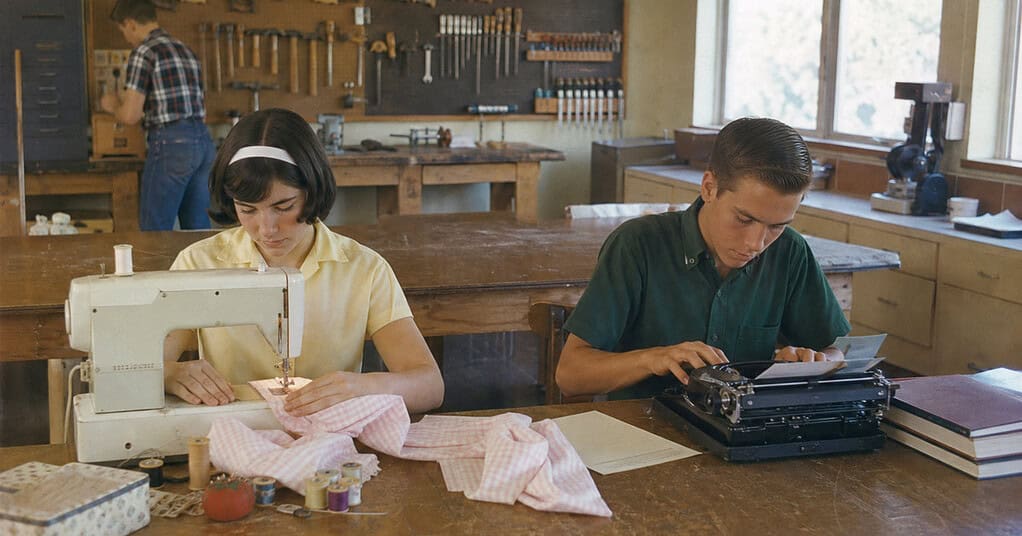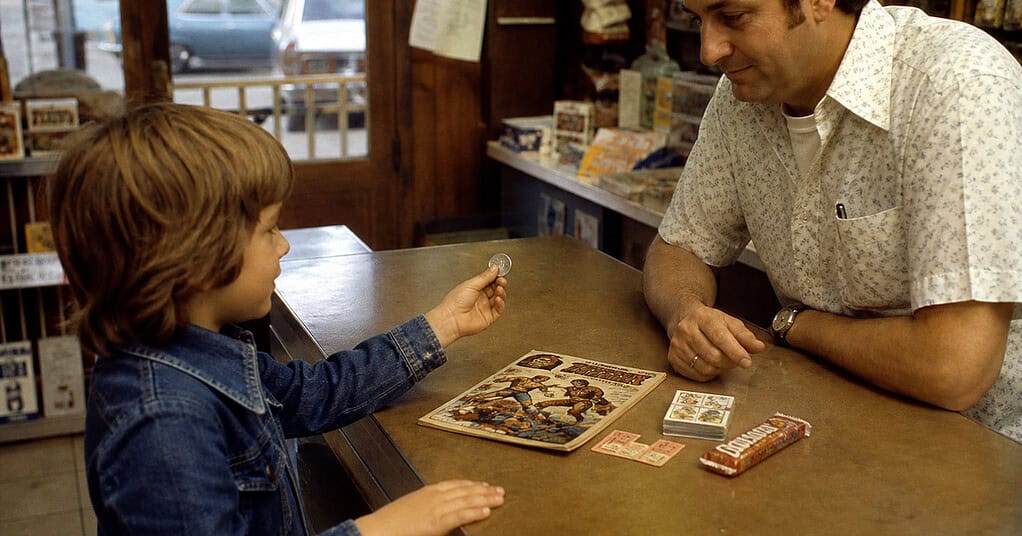

Boy, how times have changed when it comes to raising kids! Growing up in the 1960s was a whole different ballgame – we survived and thrived under parenting practices that would make today’s helicopter parents faint. From riding in cars without seatbelts to roaming the neighborhood until dark, here’s a look back at how Mom and Dad raised us back then. While we wouldn’t recommend these practices today, they sure make for some interesting memories!
Table of Contents
- 1 1. Kids Roaming Free All Day
- 2 2. Smoking Around Children
- 3 3. Lead Paint Everywhere
- 4 4. No Sunscreen Required
- 5 5. Playground Equipment of Death
- 6 6. Riding in the Back of Pickup Trucks
- 7 7. Second-Hand Bike Helmets? What’s That?
- 8 8. Aspirin for Everything
- 9 9. Drinking from the Garden Hose
- 10 10. Babysitting at Age 11
- 11 11. No Child-Proof Anything
- 12 12. DIY Dinner at Age 7
- 13 13. Walking to School Alone
- 14 14. Toy Guns Everywhere
- 15 15. Candy Cigarettes
- 16 16. Babies Riding Without Car Seats
1. Kids Roaming Free All Day
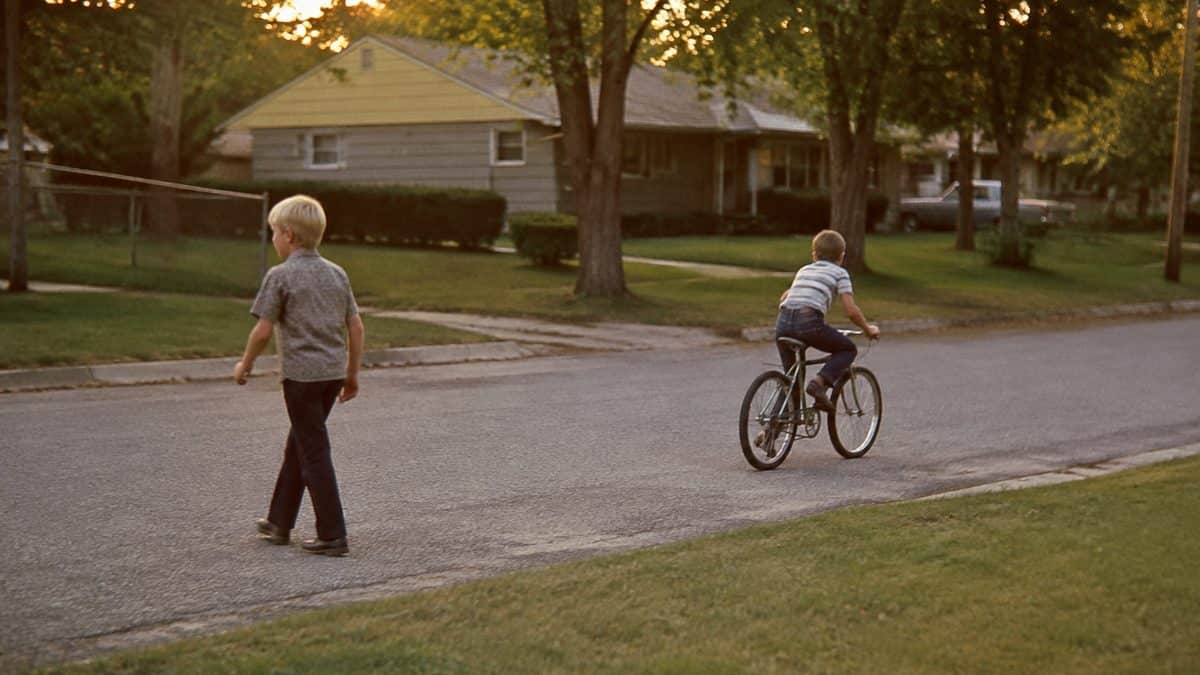
The only rule was “be home when the street lights come on.” We’d leave after breakfast and spend the whole day exploring, riding bikes, or playing at construction sites. The whole neighborhood watched out for everyone’s children, and it was a different era of community trust and freedom.
Save for later
Want to come back to this story? Save it with your email so it is easy to find again.
2. Smoking Around Children
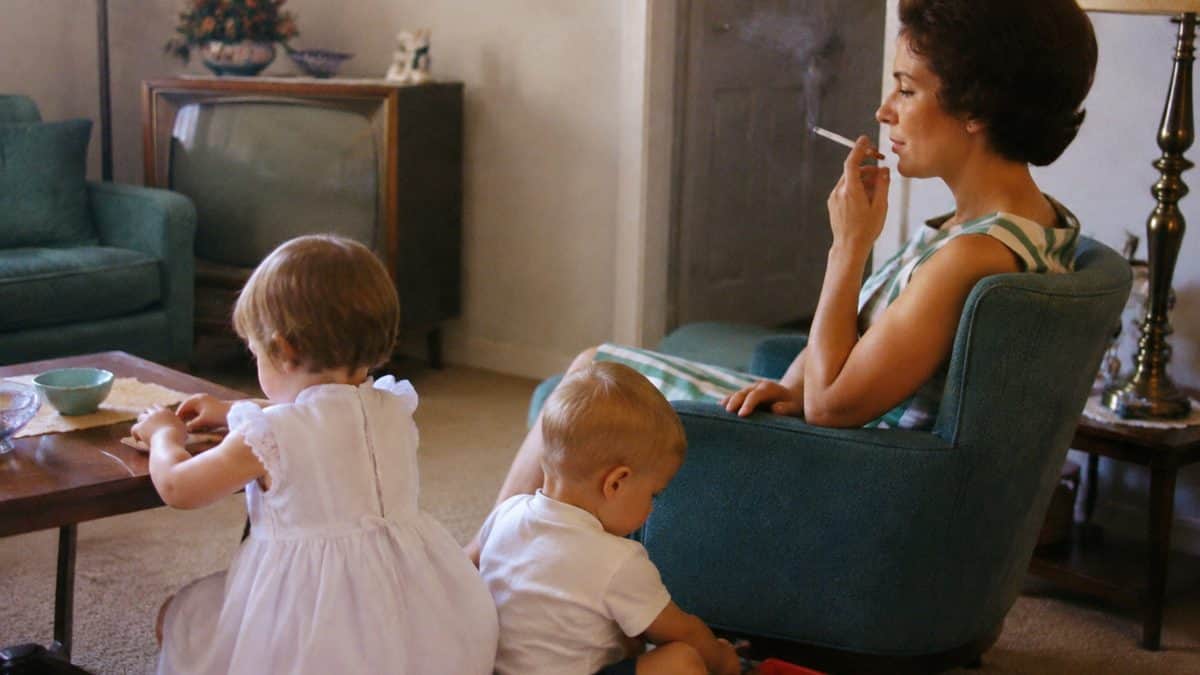
Parents smoked in cars with the windows up, in houses, and even in hospitals. It was a socially accepted part of life, despite mounting evidence of health risks. By the late 1960s, some hospitals began restricting smoking, but it took decades for comprehensive bans to take hold.
3. Lead Paint Everywhere
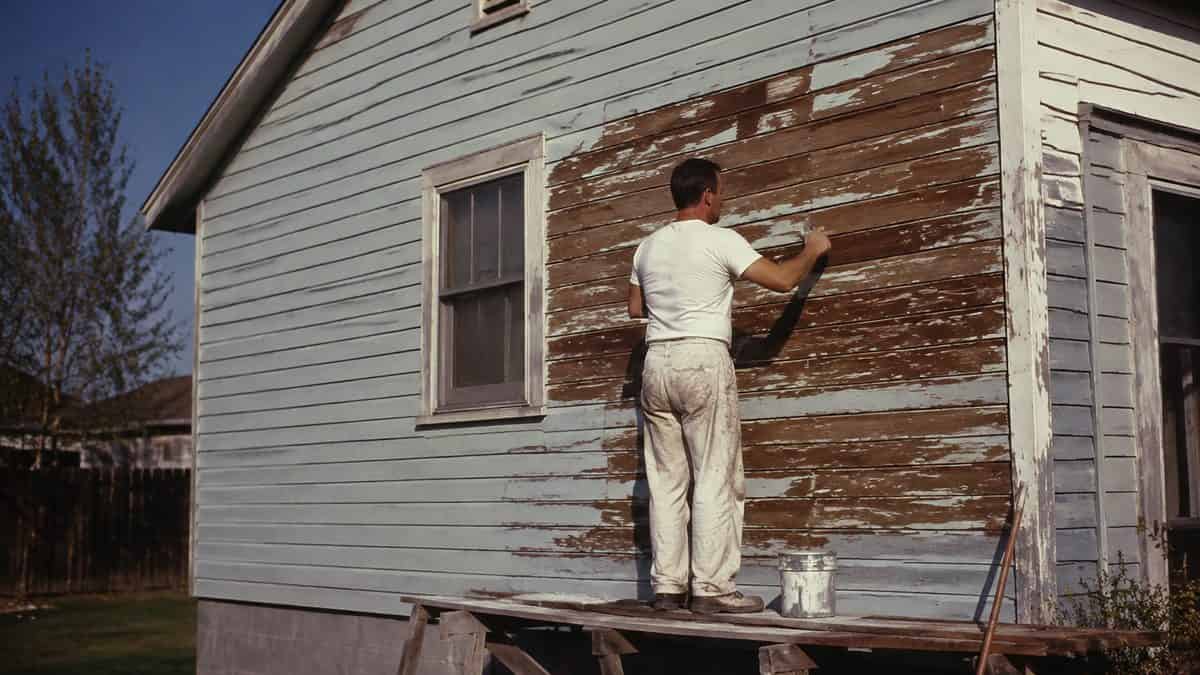
Our homes were often covered in lead paint, which was commonly used on cribs and toys. The dangers weren’t fully understood until later, leading to a federal ban in 1978. Some cities, however, had earlier restrictions, responding to growing health concerns.
4. No Sunscreen Required
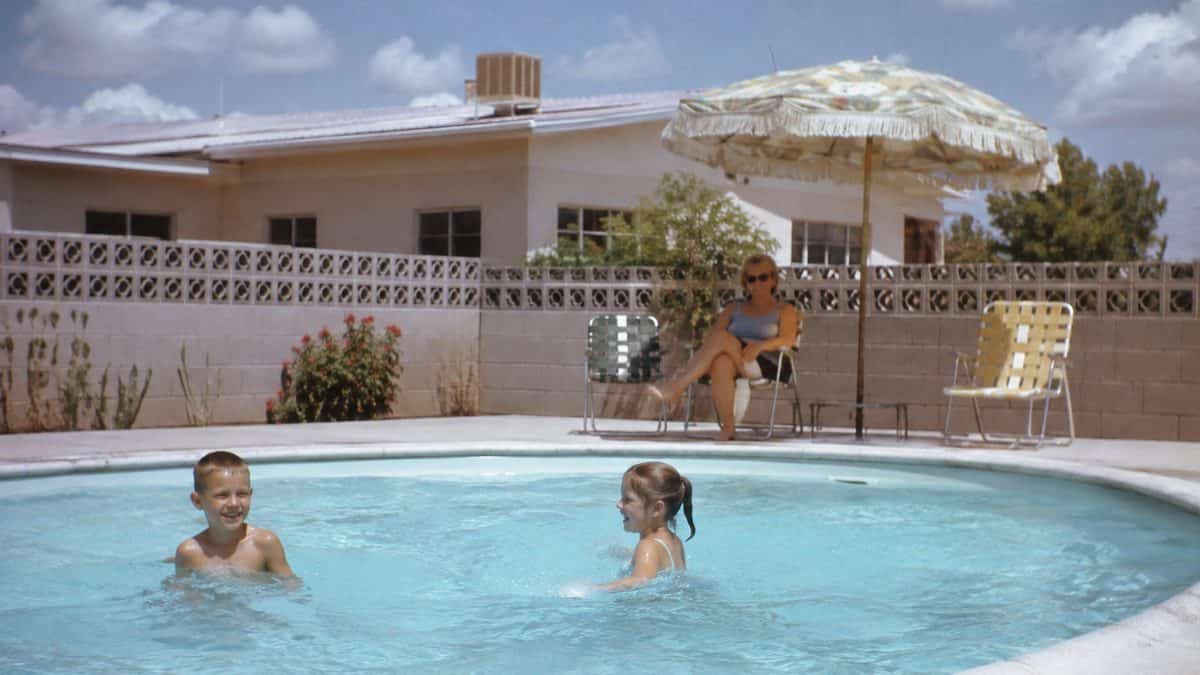
Sunburns were a badge of honor in the summer. Parents used baby oil to enhance tans, unaware of the risks associated with UV exposure. Sunscreen was not widely used until the late 1970s, as awareness of skin cancer began to increase.
5. Playground Equipment of Death
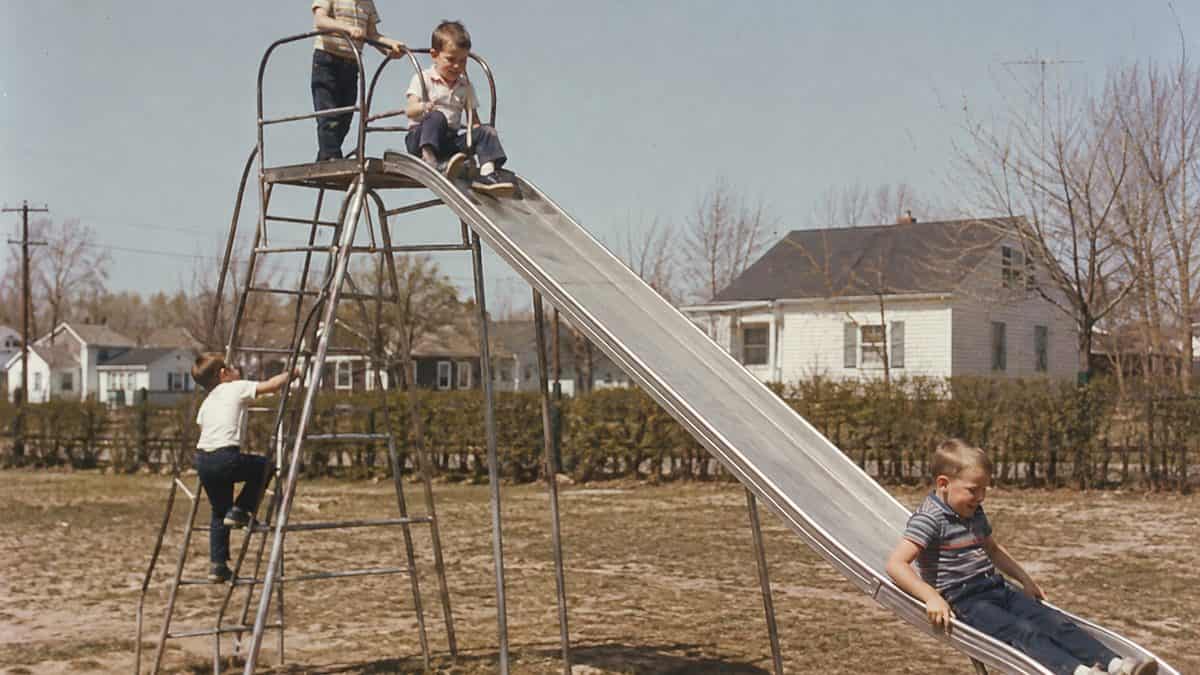
Playgrounds featured tall metal slides, merry-go-rounds, and jungle gyms over concrete. Safety standards were minimal, and injuries were common. Despite the risks, these playgrounds were beloved and taught many kids the importance of resilience and caution.
6. Riding in the Back of Pickup Trucks
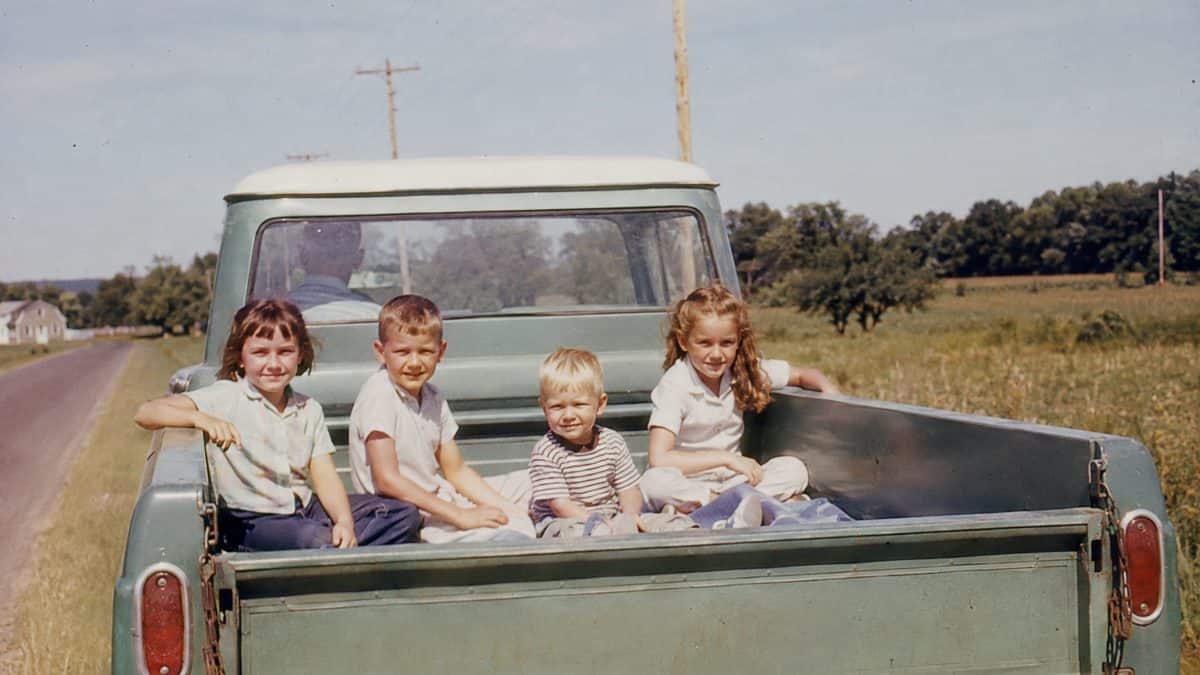
It was a thrill to ride in the back of a pickup truck, feeling the wind in your hair on a summer day. This practice was common and legal in many places until safety concerns led to restrictions in later decades.
7. Second-Hand Bike Helmets? What’s That?
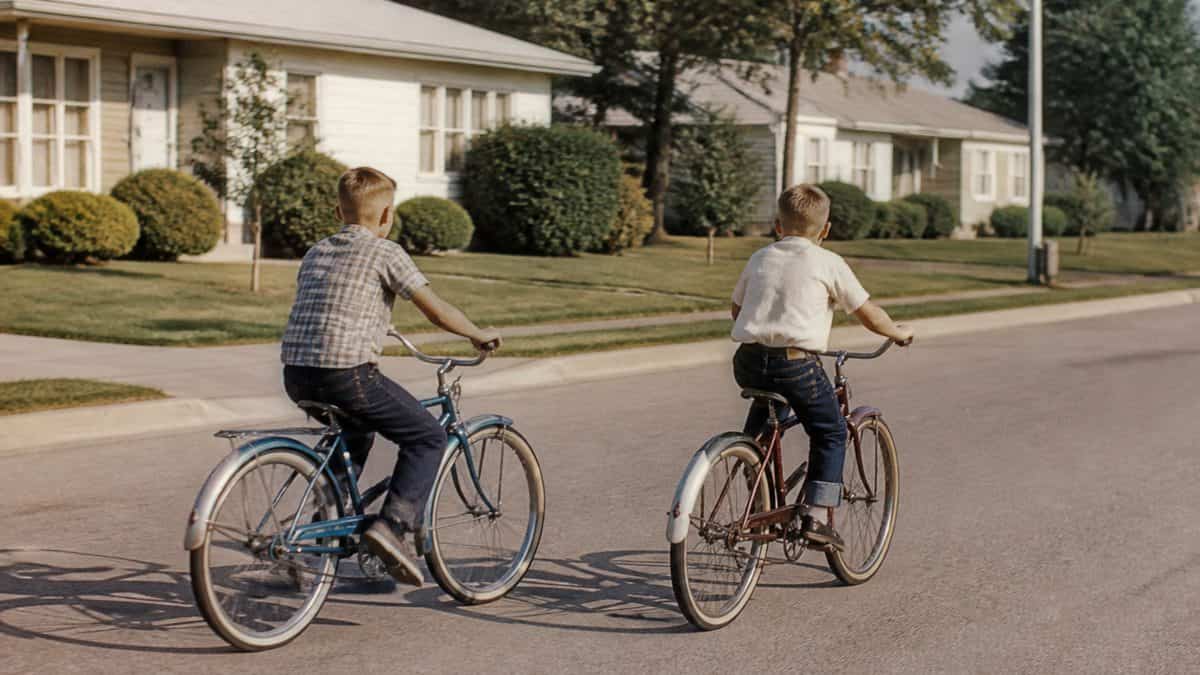
Bike helmets weren’t on anyone’s radar. Kids rode bikes everywhere, performed stunts, and rarely wore any protective gear. The focus on helmet safety didn’t gain momentum until the late 1980s, reflecting a shift towards broader safety awareness.
8. Aspirin for Everything
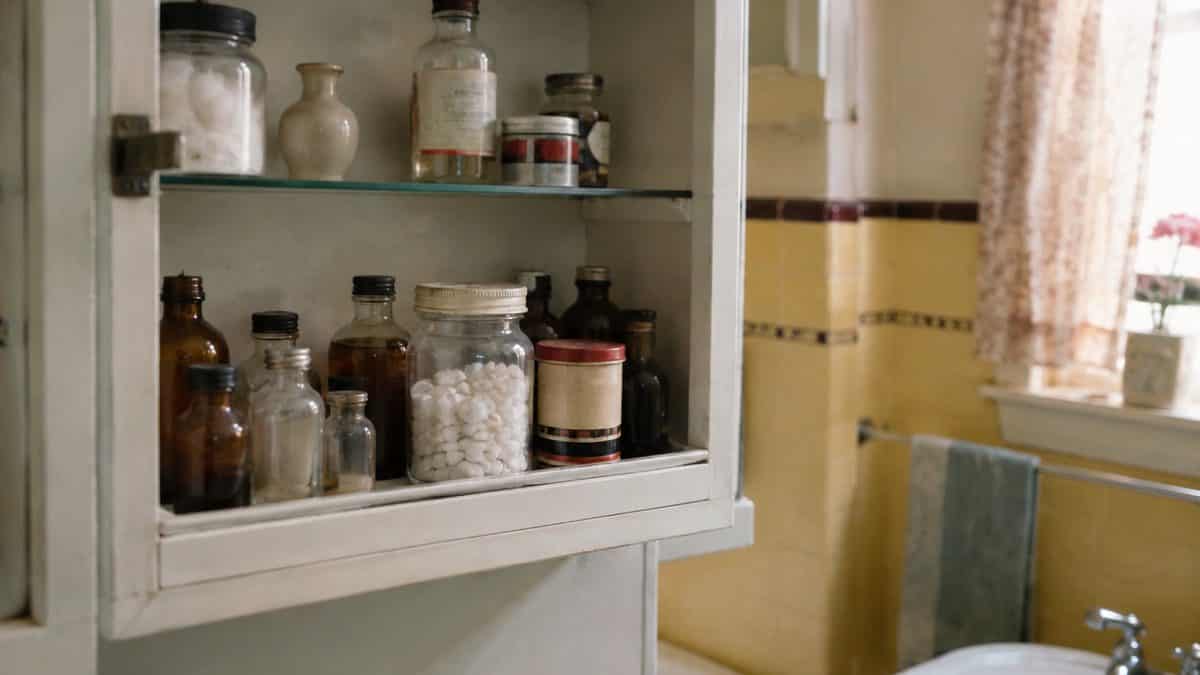
Aspirin was the go-to remedy for many ailments, including for children. The link between aspirin and Reye’s syndrome wasn’t established until the 1980s, leading to increased caution in pediatric use.
9. Drinking from the Garden Hose

The garden hose was our summer drinking fountain. Despite the warm, rubbery taste, it was convenient and refreshing after playing outside. Concerns about contaminants and materials in hoses weren’t widely discussed at the time.
10. Babysitting at Age 11
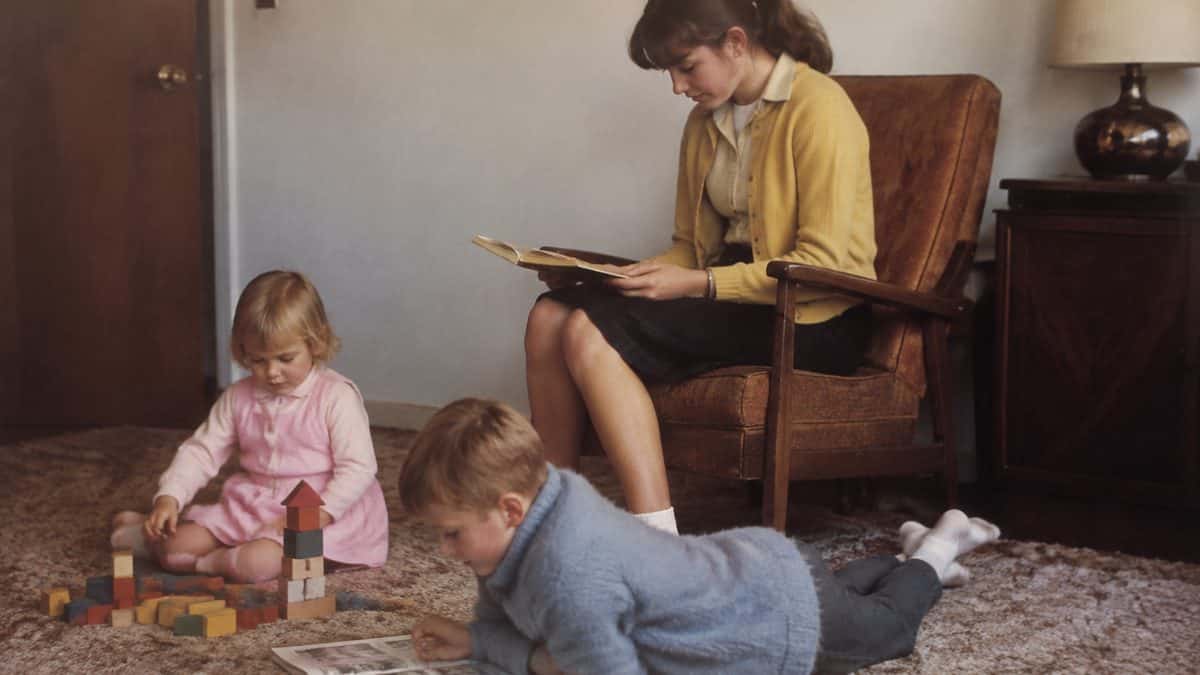
Pre-teens were often left in charge of younger siblings and neighborhood kids. Babysitting was seen as a rite of passage and a way to earn pocket money. Formal training became more prevalent in later years as expectations for childcare evolved.
11. No Child-Proof Anything

Homes were filled with hazards such as unlocked cabinets, accessible medications, and sharp corners. Childproofing was not a common practice, and many children learned through bumps and bruises. The introduction of child safety products in the 1980s marked a shift towards proactive prevention.
12. DIY Dinner at Age 7

With many moms entering the workforce, kids learned to prepare their own meals early on. This independence was part of growing up in the 60s, with simple tasks like making sandwiches or heating soup seen as essential skills.
13. Walking to School Alone

It was common for young children to walk to school unaccompanied, sometimes over a mile. This practice persisted into the 1970s, reflecting a period when neighborhoods were perceived as safe and community-oriented.
14. Toy Guns Everywhere
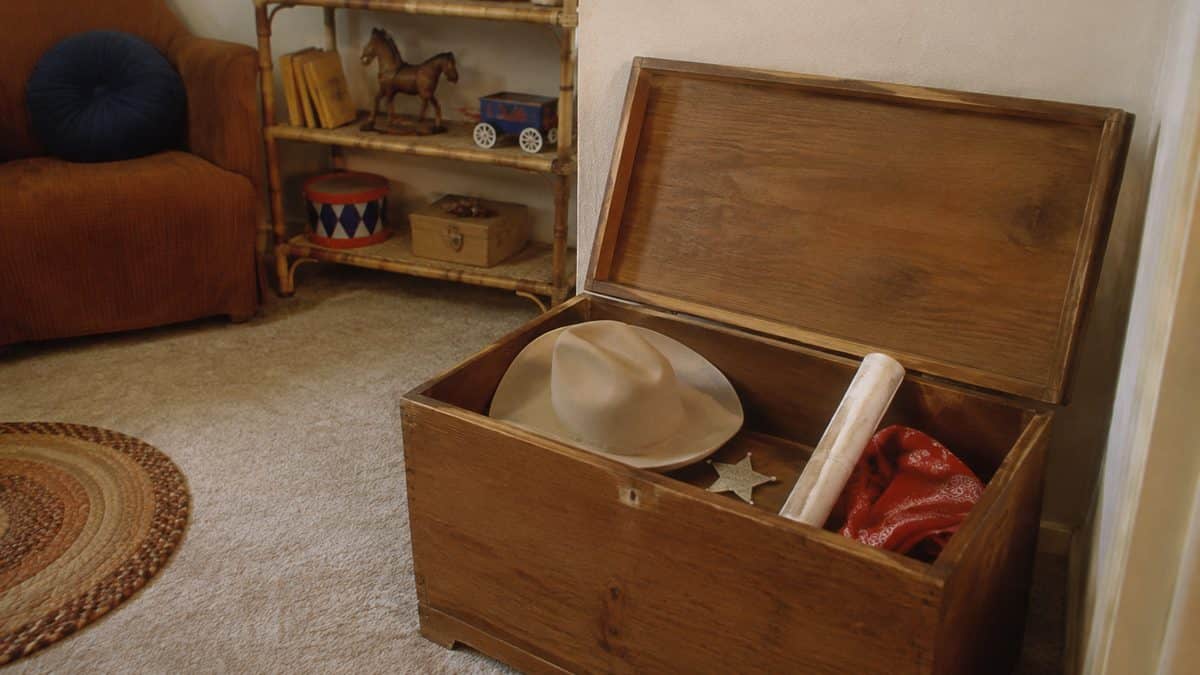
Cap guns, BB guns, and toy rifles were standard play equipment, and games like Cowboys and Indians were popular. The realistic look of toy guns was accepted until rising concerns about gun safety led to significant changes in toy design.
15. Candy Cigarettes
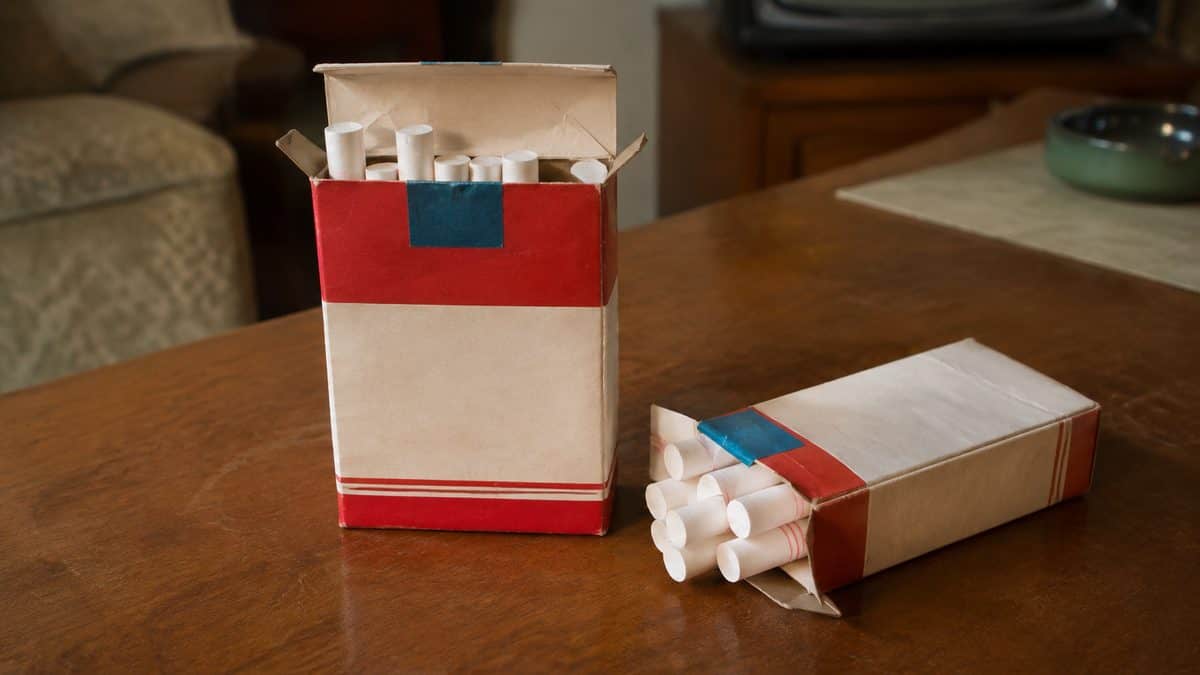
Candy cigarettes mimicked the real thing, complete with powdered sugar “smoke.” Popular among kids, they were seen as harmless fun. It wasn’t until later years that their influence on smoking habits was questioned, leading to decreased popularity.
16. Babies Riding Without Car Seats

Back then, babies would ride in Mom’s lap or in simple metal car seats that hooked over the front bench seat. The first car seat safety standards were introduced in 1971, but they weren’t mandatory until much later. Many families made do with what they had, and road trips were an adventure of their own!