Parenting standards have evolved dramatically over the decades, reflecting changing attitudes about child safety, development, and rights. What was once considered normal child-rearing practice might result in visits from Child Protective Services today. While we survived these approaches, modern understanding of child development has led to significant changes in parenting practices and legal protections for children.
Table of Contents
- 1 1. Kids Riding in Truck Beds
- 2 2. Leaving Kids in Cars While Shopping
- 3 3. Sending Kids to Buy Cigarettes
- 4 4. Physical Discipline in Public
- 5 5. Unsupervised Play Until Dark
- 6 6. Babies Sleeping on Their Stomachs
- 7 7. Kids Working on Family Farms
- 8 8. Hitchhiking to School Events
- 9 9. No Car Seats or Seat Belts
- 10 10. Sending Kids Door-to-Door Selling
- 11 11. Smoking Around Children
- 12 12. Underage Driving on Private Property
1. Kids Riding in Truck Beds
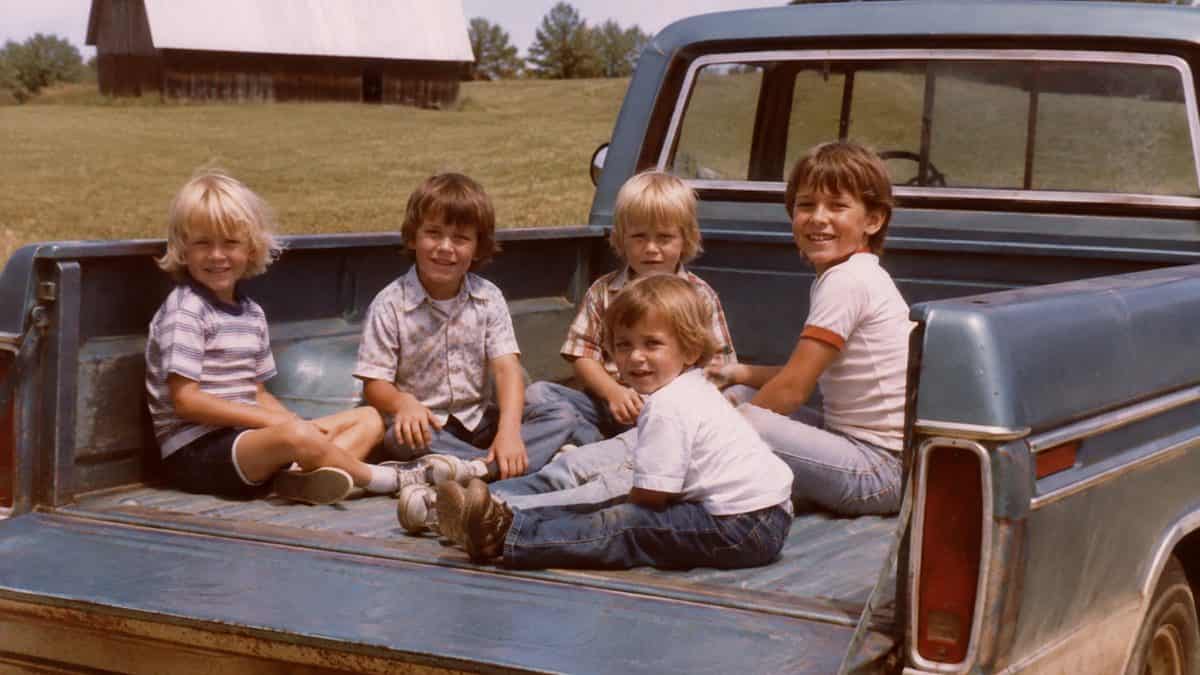
Children regularly rode in the back of pickup trucks, especially during summer outings. No seatbelts, no safety measures – just kids enjoying the wind in their hair. Today, this practice would result in immediate traffic violations and potential child endangerment charges.
Save for later
Want to come back to this story? Save it with your email so it is easy to find again.
2. Leaving Kids in Cars While Shopping
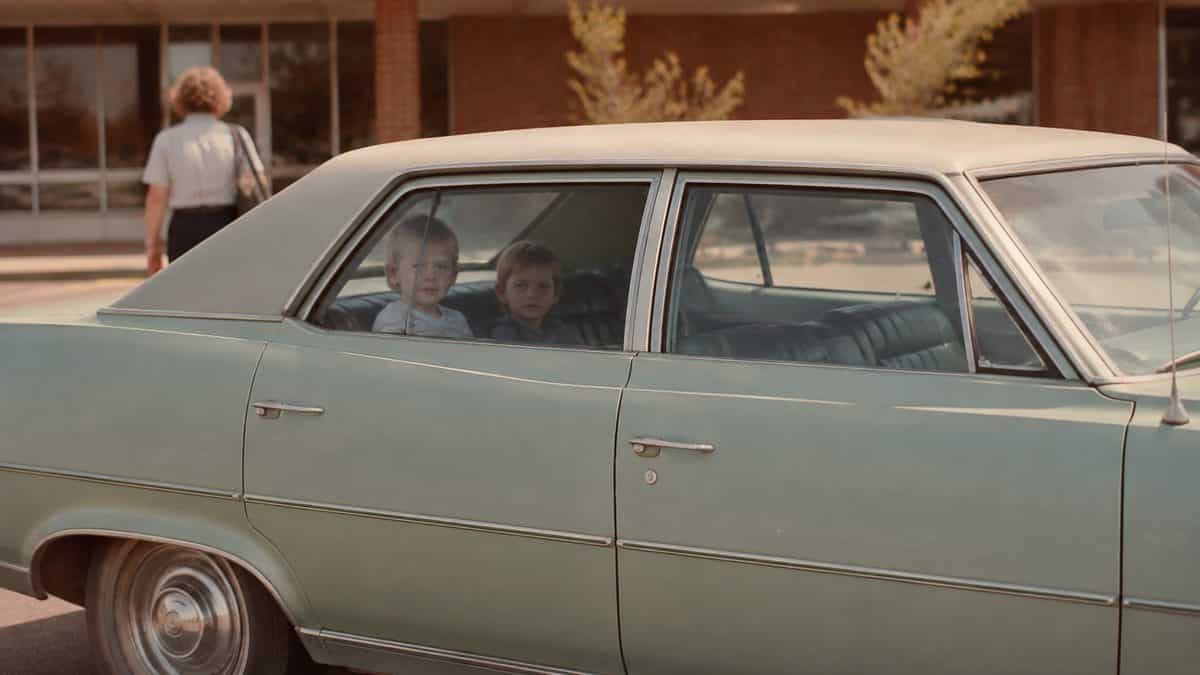
Parents regularly left children in cars while running errands. Windows cracked, maybe a comic book to read, and off they’d go to shop. What was once considered perfectly normal would now result in immediate police involvement and potential criminal charges.
3. Sending Kids to Buy Cigarettes
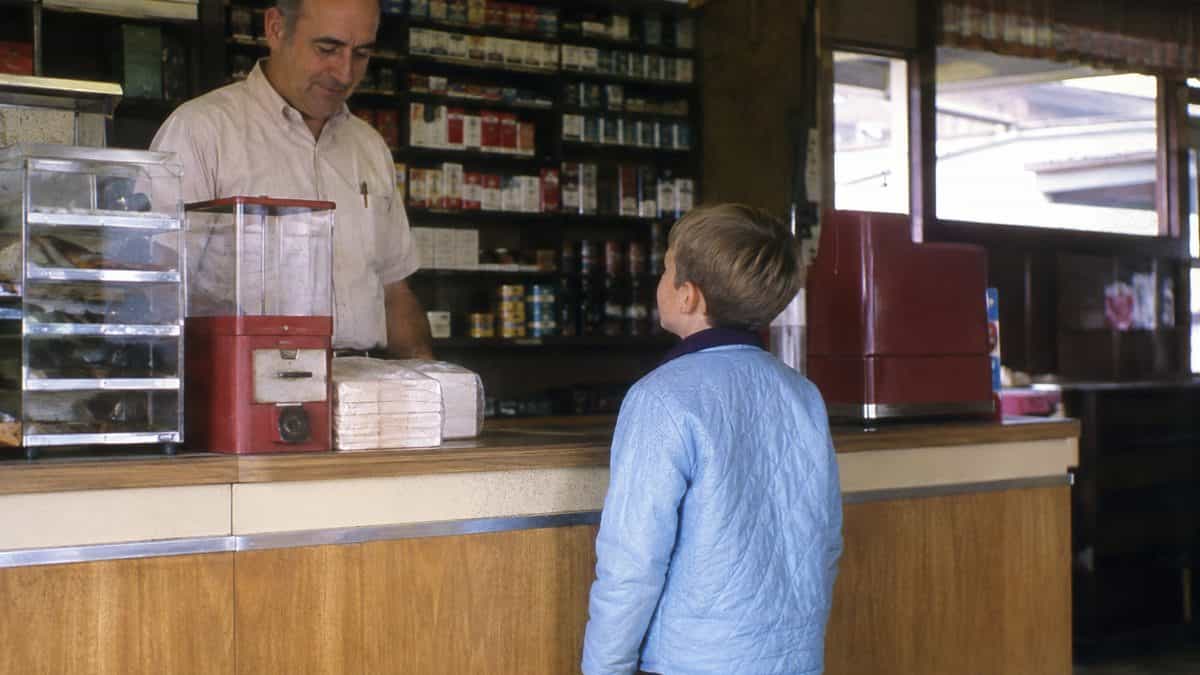
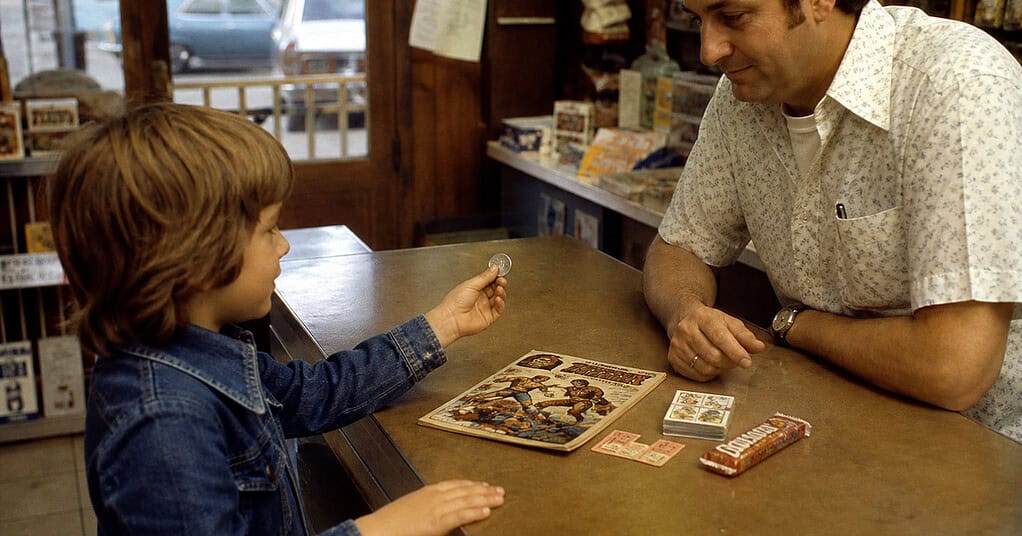
Children were often sent to the store with a note to buy cigarettes for their parents. Shopkeepers would hand them over without question, often adding candy to the purchase. Today, this would result in serious legal consequences for both the parent and the store owner.
4. Physical Discipline in Public
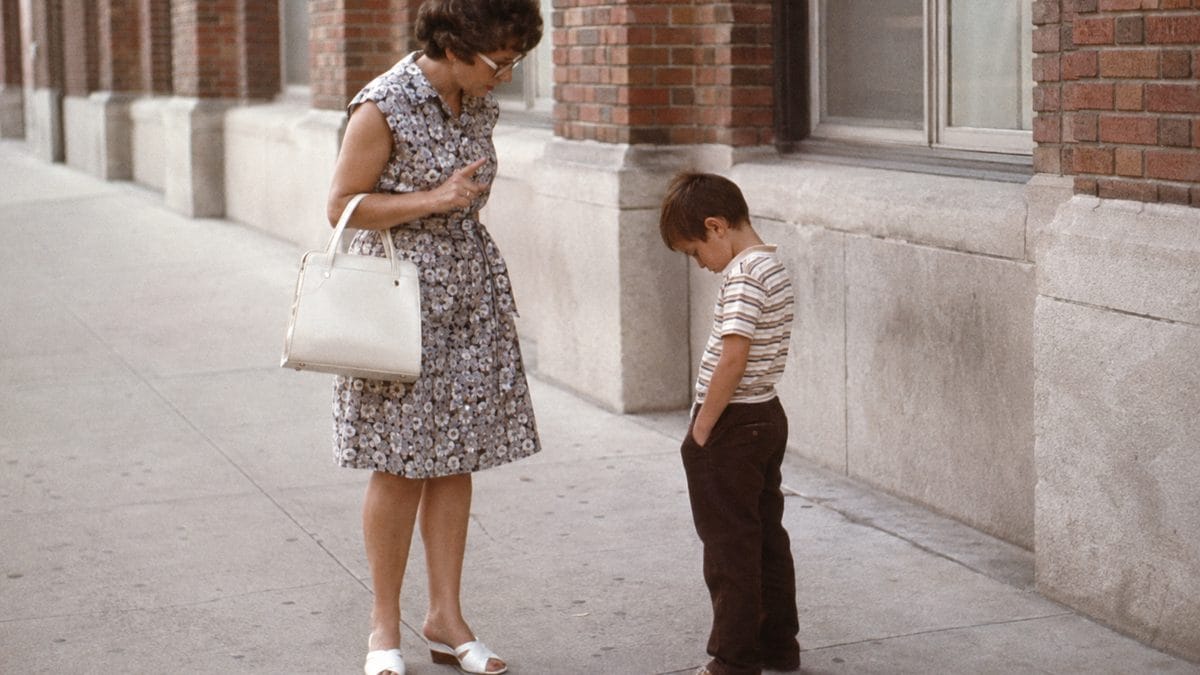
Corporal punishment in public spaces was common and socially accepted. Other adults would often comment approvingly on parents maintaining discipline. Today, such actions could result in immediate intervention by authorities and potential assault charges.
5. Unsupervised Play Until Dark
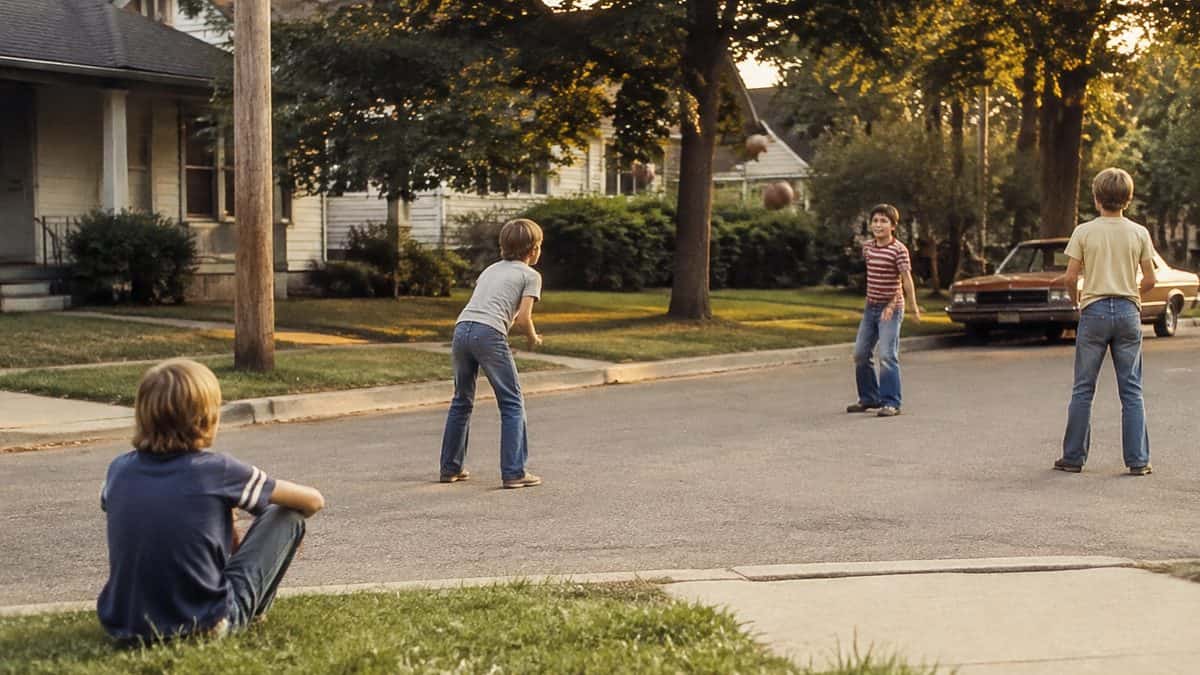
Children would leave home after breakfast and roam freely until dinner time. No cell phones, no GPS tracking, just the rule to be home when the street lights came on. Modern parents attempting this could face charges of neglect.
6. Babies Sleeping on Their Stomachs
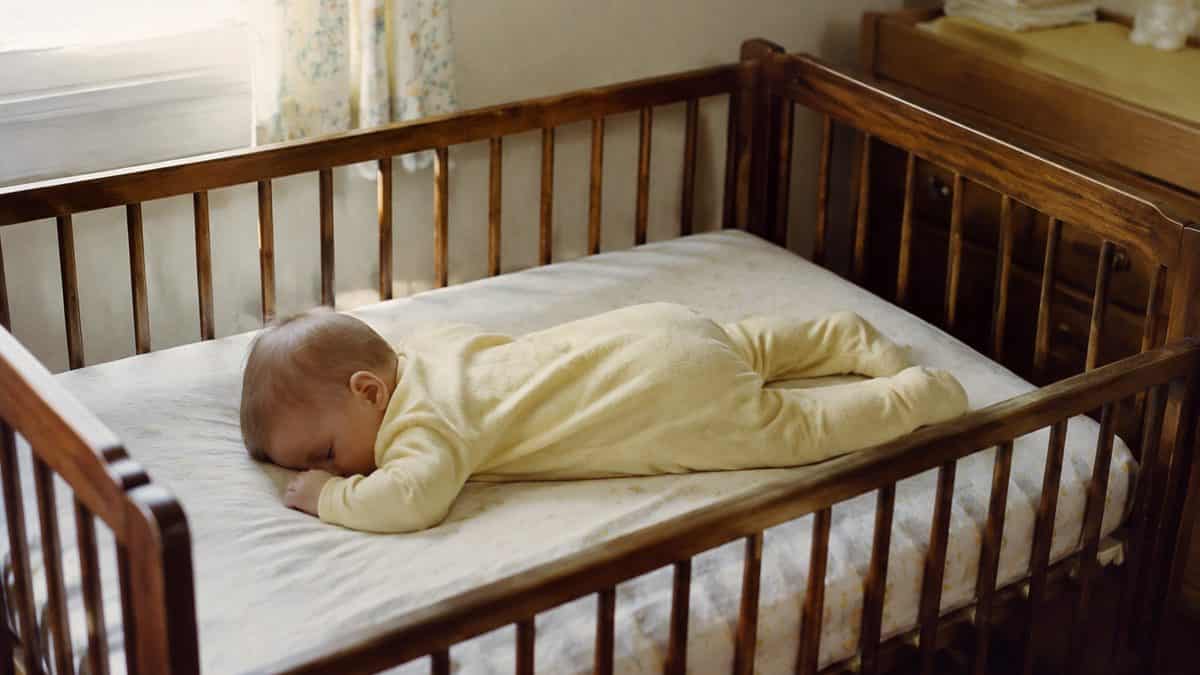
Parents were actively encouraged to place infants on their stomachs for sleep, often with soft bedding and bumpers. Today, such practices would violate every safe sleep guideline and could result in medical neglect allegations if advised by a caregiver.
7. Kids Working on Family Farms
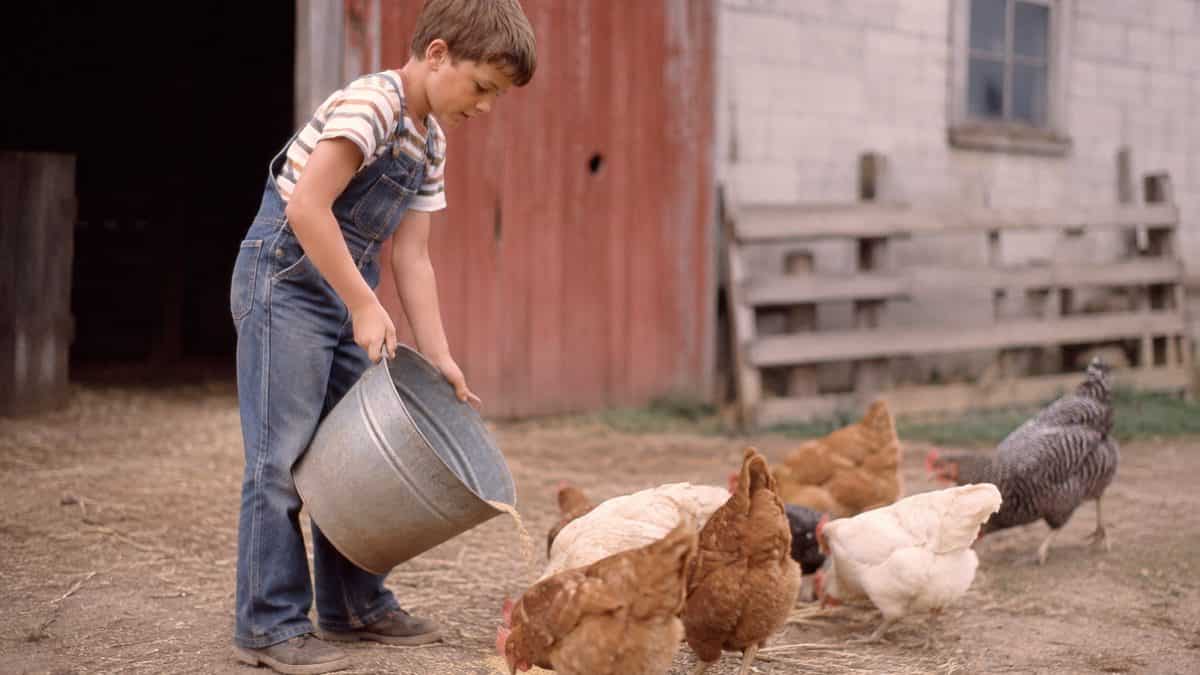
Children as young as six operated machinery and handled livestock on family farms. This was considered normal training for farm life. Modern child labor laws would prohibit many of these practices, regardless of family ownership.
8. Hitchhiking to School Events

Teenagers regularly hitchhiked to football games or practice when parents couldn’t drive. Parents even encouraged it as a practical solution. Today, allowing minors to hitchhike could result in endangerment charges.
9. No Car Seats or Seat Belts

Babies rode in mothers’ laps, kids sprawled across the back seat, and some even napped in the rear window shelf. Seat belts were optional, and car seats were basic at best. This casual approach to car safety would result in multiple violations today.
10. Sending Kids Door-to-Door Selling

Children regularly went door-to-door selling everything from magazines to cookies, often alone and into the evening. Today’s concerns about child safety would make this practice not just inadvisable but potentially illegal.
11. Smoking Around Children
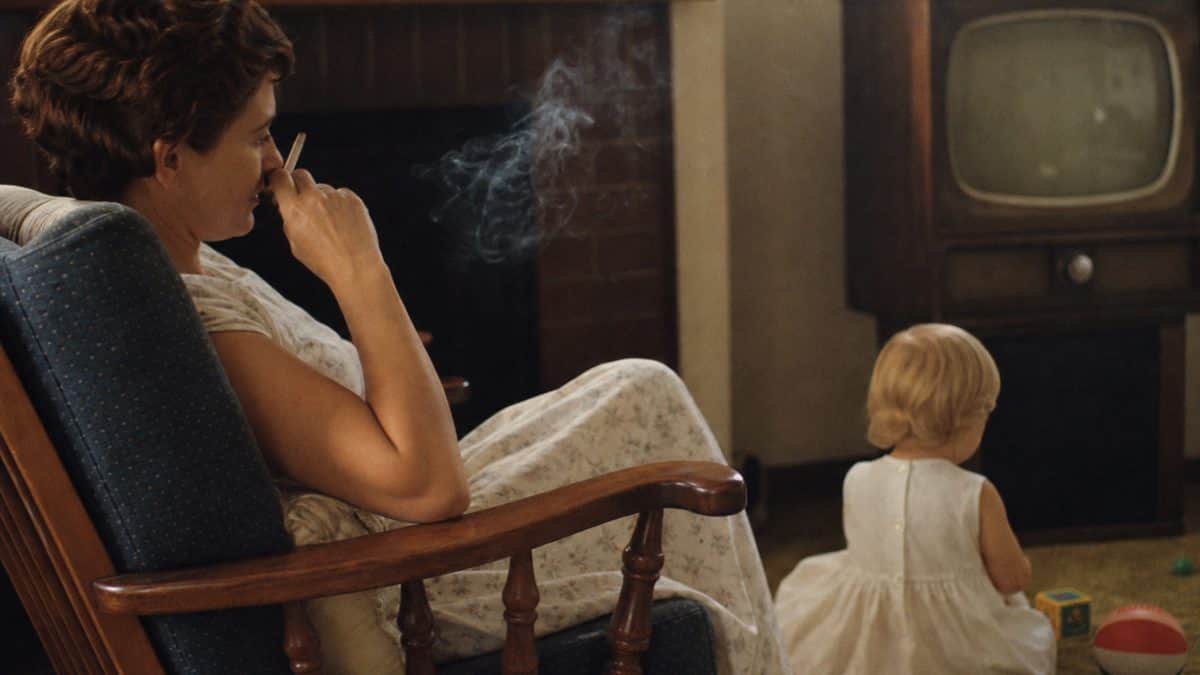
Adults routinely smoked in cars and homes with children present. In some jurisdictions today, smoking in a car with minors is illegal, and exposure to second-hand smoke could be considered in custody decisions.
12. Underage Driving on Private Property

Children as young as ten would drive cars and tractors on private property, often sitting on parents’ laps to steer. This common practice of teaching early driving skills would now be considered reckless endangerment.