In the 1950s, dinner wasn’t just another meal, but a sacred family ritual. As someone who grew up in the 1950s, I can tell you that dinnertime was something special – a daily celebration of family, food, and togetherness. Let’s take a walk down memory lane and explore why dinner in the ’50s was such a unique experience that many of us still miss today.
Table of Contents
- 1 1. Everyone Ate at 6 PM Sharp
- 2 2. Mom Spent Hours Preparing the Meal
- 3 3. The TV Was Never On
- 4 4. Everyone Had Assigned Seats
- 5 5. Children Set and Cleared the Table
- 6 6. Grace Was Said Before Every Meal
- 7 7. Casseroles Reigned Supreme
- 8 8. Dessert Was Served Every Night
- 9 9. No One Left the Table Early
- 10 10. Proper Table Settings Were Used Daily
- 11 11. Seconds Were Always Available
- 12 12. Children Were Expected to Try Everything
- 13 13. Milk Was the Beverage of Choice
- 14 14. Dinner Conversations Were Mandatory
- 15 15. Sunday Dinner Was Extra Special
1. Everyone Ate at 6 PM Sharp
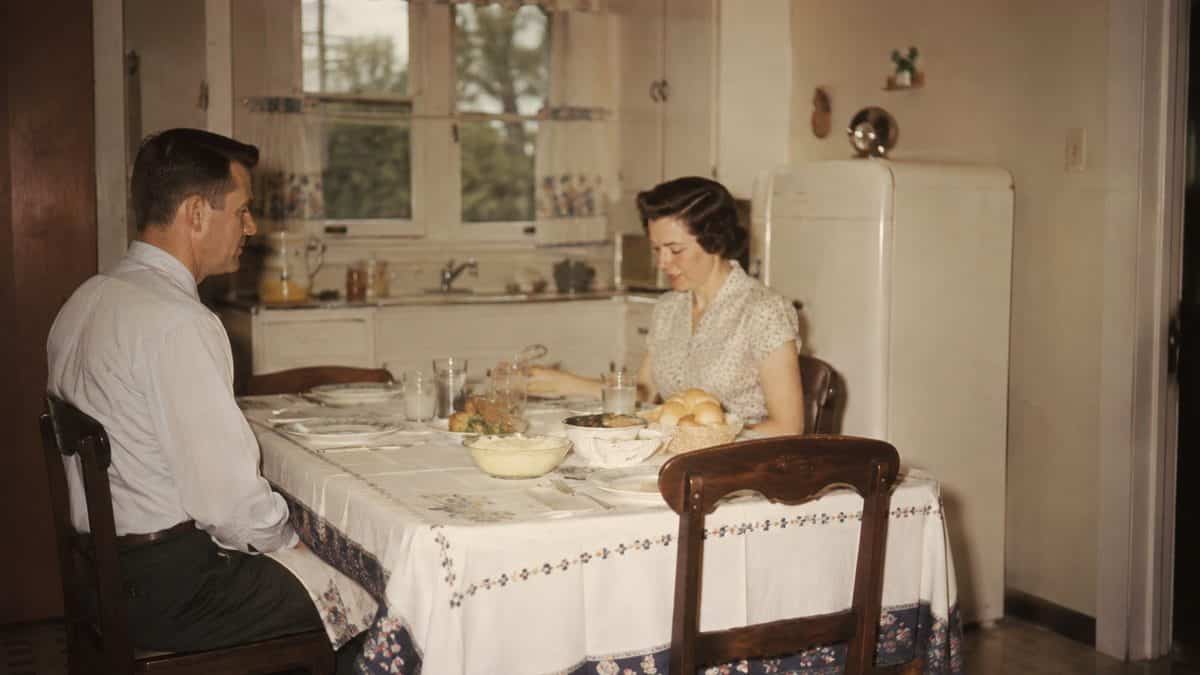
In the 1950s, dinner was served at the same time every day, usually right after Dad got home from work. This wasn’t just a habit – it was a cornerstone of family life that everyone could count on. With most mothers at home and fathers working traditional 9-to-5 jobs, this predictable schedule helped create structure and stability in family life, something many modern families find hard to achieve with today’s varied work schedules and activities.
Save for later
Want to come back to this story? Save it with your email so it is easy to find again.
2. Mom Spent Hours Preparing the Meal

Dinner preparation was an all-day affair, with mothers starting to plan and prep in the morning. Everything was made from scratch, from the main course to the sides and dessert. While convenience foods were beginning to appear, most meals were still crafted entirely by hand, using fresh ingredients and family recipes passed down through generations.
3. The TV Was Never On

Even though television was becoming popular in the 1950s, most families had strict rules about keeping it off during dinner. The focus was entirely on family conversation and connection. This dedicated time for sharing stories about your day and discussing current events helped strengthen family bonds in ways that many modern families struggle to replicate.
4. Everyone Had Assigned Seats

Each family member had their designated spot at the table, with Dad at the head and Mom closest to the kitchen. This seating arrangement wasn’t just tradition – it served practical purposes, making serving easier and maintaining order. These assigned seats became so ingrained that many of us can still picture exactly where everyone sat decades later.
5. Children Set and Cleared the Table
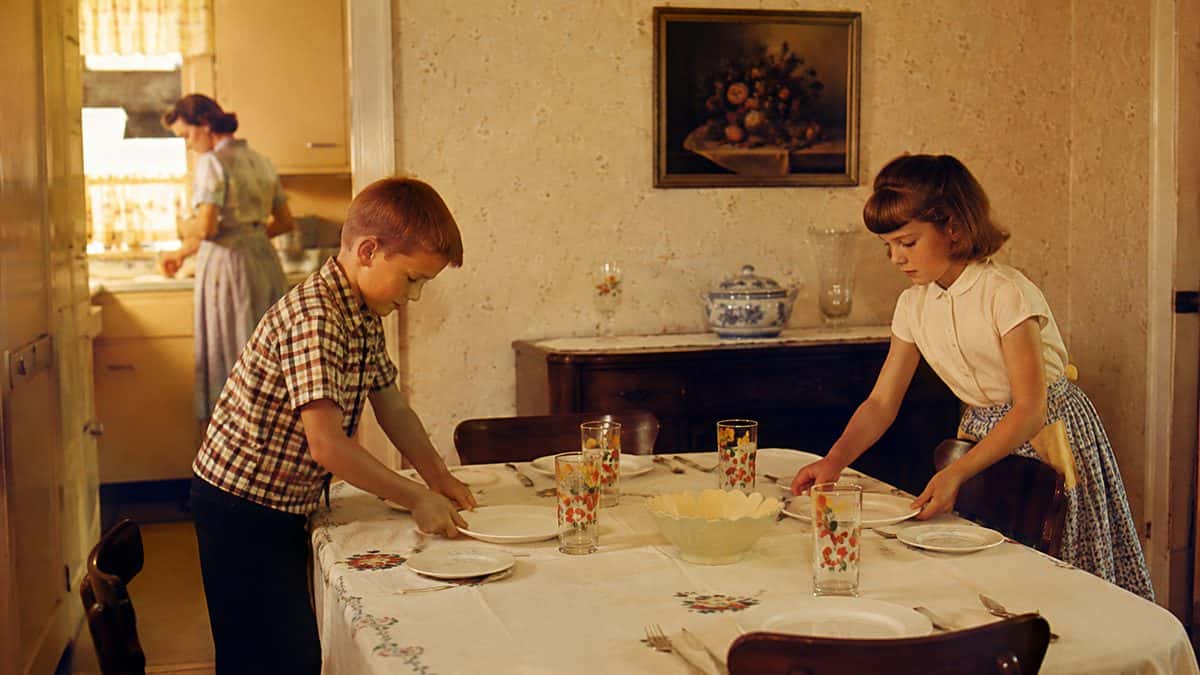
Setting and clearing the table was a crucial part of children’s daily responsibilities. We learned proper place setting, including which side the fork went on and how to fold napkins. This wasn’t just about helping out – it was about learning responsibility, teamwork, and the importance of contributing to family life.
6. Grace Was Said Before Every Meal
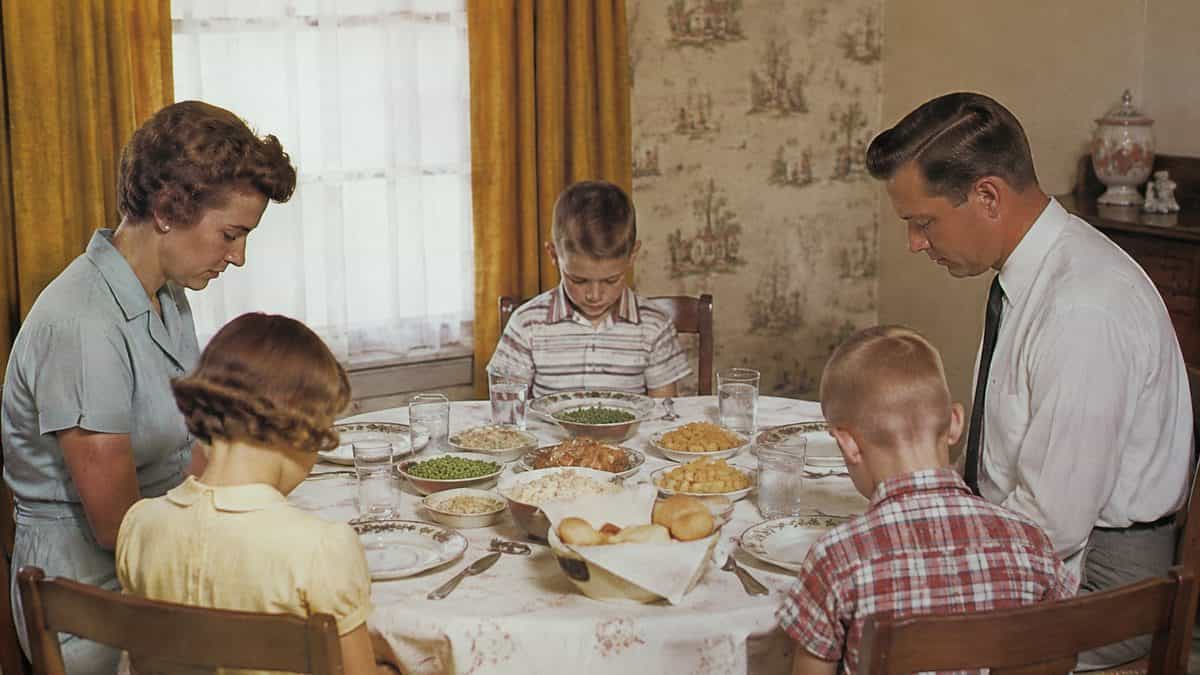
Whether it was a quick blessing or a longer prayer, most families paused to give thanks before eating. This moment of gratitude and reflection set a reverent tone for the meal, regardless of religious beliefs. It was a time to acknowledge our blessings and the effort that went into preparing the food, creating a meaningful transition from busy day to family time.
7. Casseroles Reigned Supreme

The 1950s was the golden age of casseroles, with new recipes appearing in women’s magazines monthly. These one-dish wonders, often featuring Campbell’s Soup as a base, became family favorites. From tuna noodle to green bean casserole, these dishes represented the era’s love of combining convenience products with home cooking to create hearty, filling meals.
8. Dessert Was Served Every Night
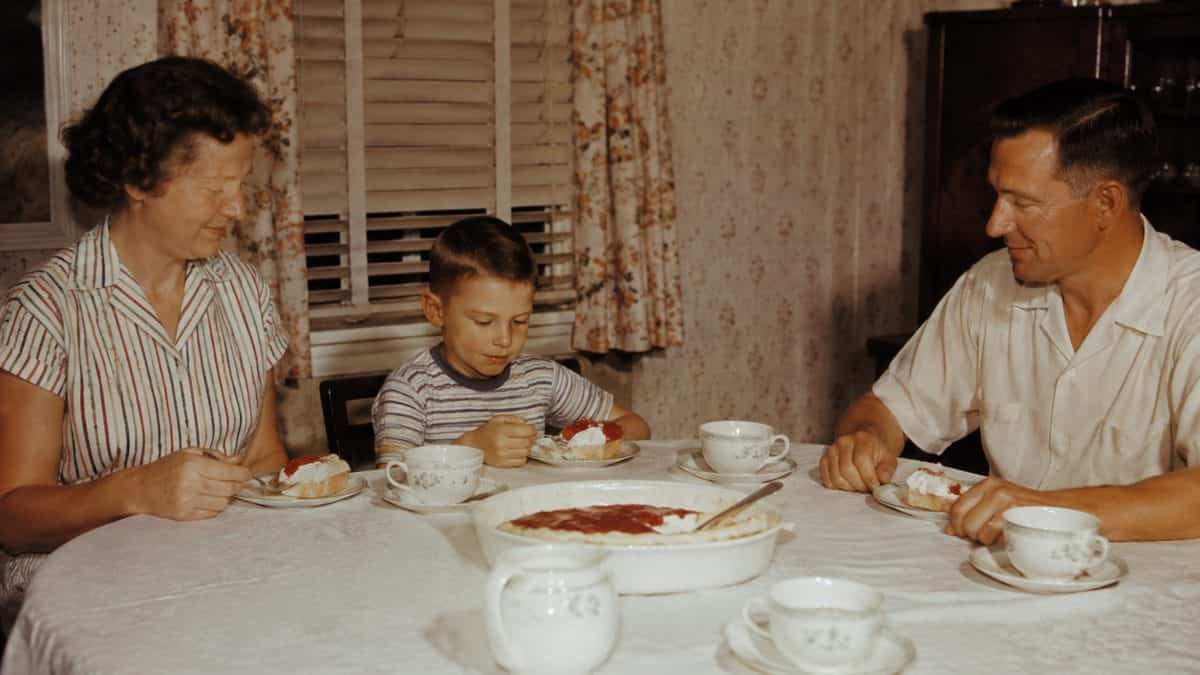
A home-baked dessert was the crowning glory of dinner, served as a regular part of the meal rather than a special treat. From Jell-O molds to freshly baked pies and cakes, these sweet endings weren’t considered optional extras but essential parts of a complete dinner. The promise of dessert also encouraged children to finish their vegetables!
9. No One Left the Table Early

Leaving the table before everyone was finished was simply not allowed. This rule taught patience and respect for others, ensuring that mealtime remained a shared experience from start to finish. Children learned to participate in adult conversations and developed better table manners through this extended family time.
10. Proper Table Settings Were Used Daily
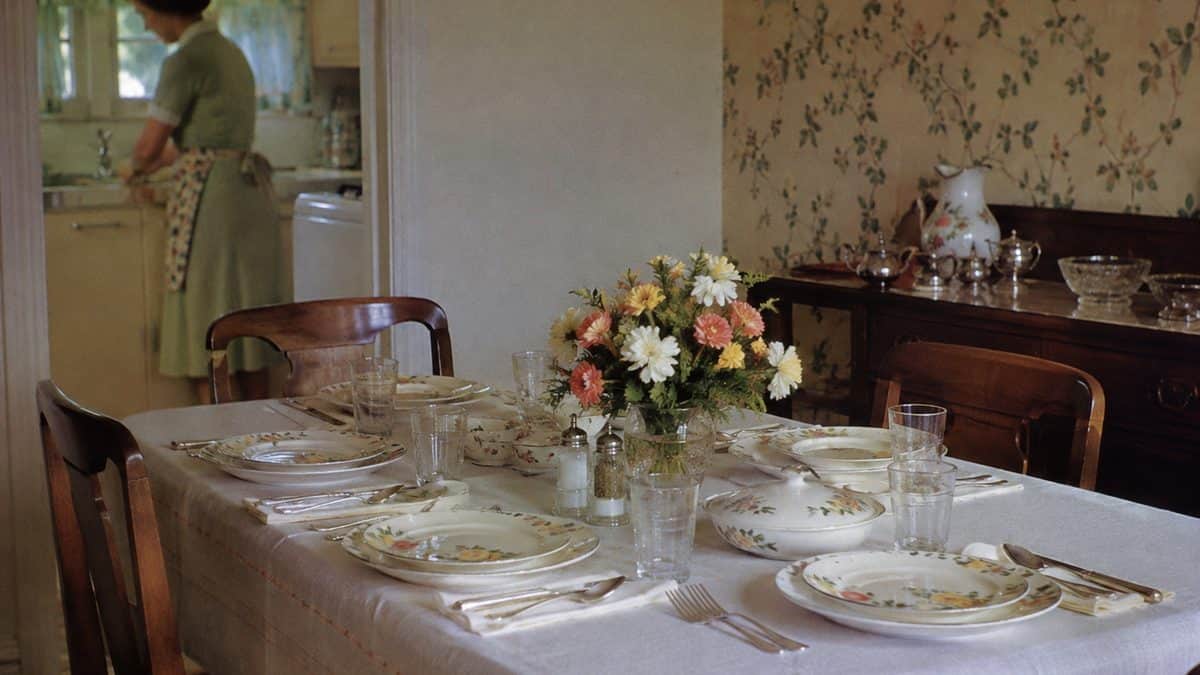
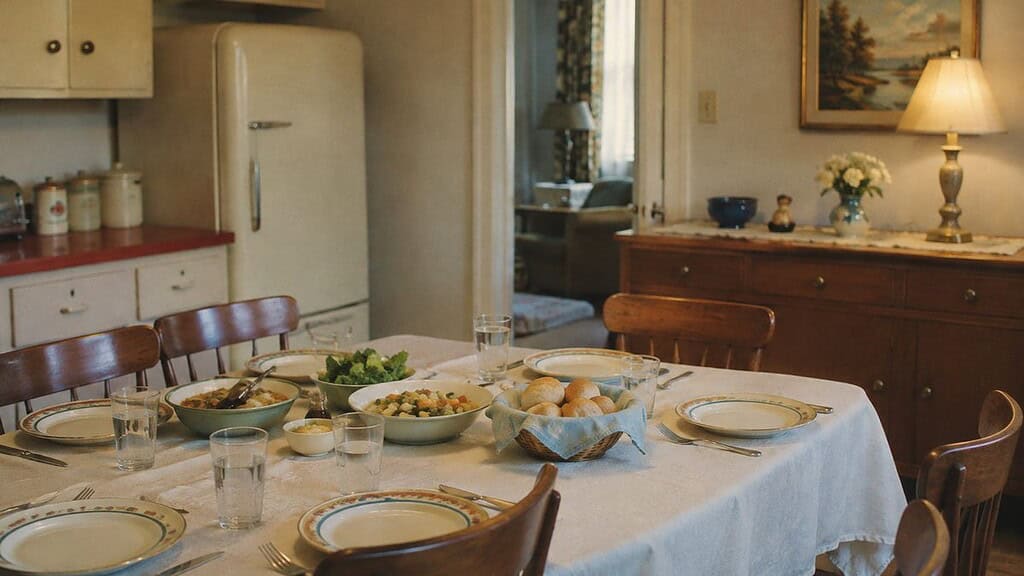
Every night, the table was set with proper plates, silverware, and cloth napkins – paper napkins were for picnics only! Many families used their “good china” regularly rather than saving it for special occasions. This attention to detail made every dinner feel special and taught children the importance of presenting meals beautifully.
11. Seconds Were Always Available

Mothers always cooked enough for seconds or even thirds, ensuring nobody left the table hungry. This abundance reflected the postwar prosperity and the value placed on providing filling, nutritious meals. The serving dishes remained on the table throughout the meal, making it easy for anyone to help themselves to more.
12. Children Were Expected to Try Everything
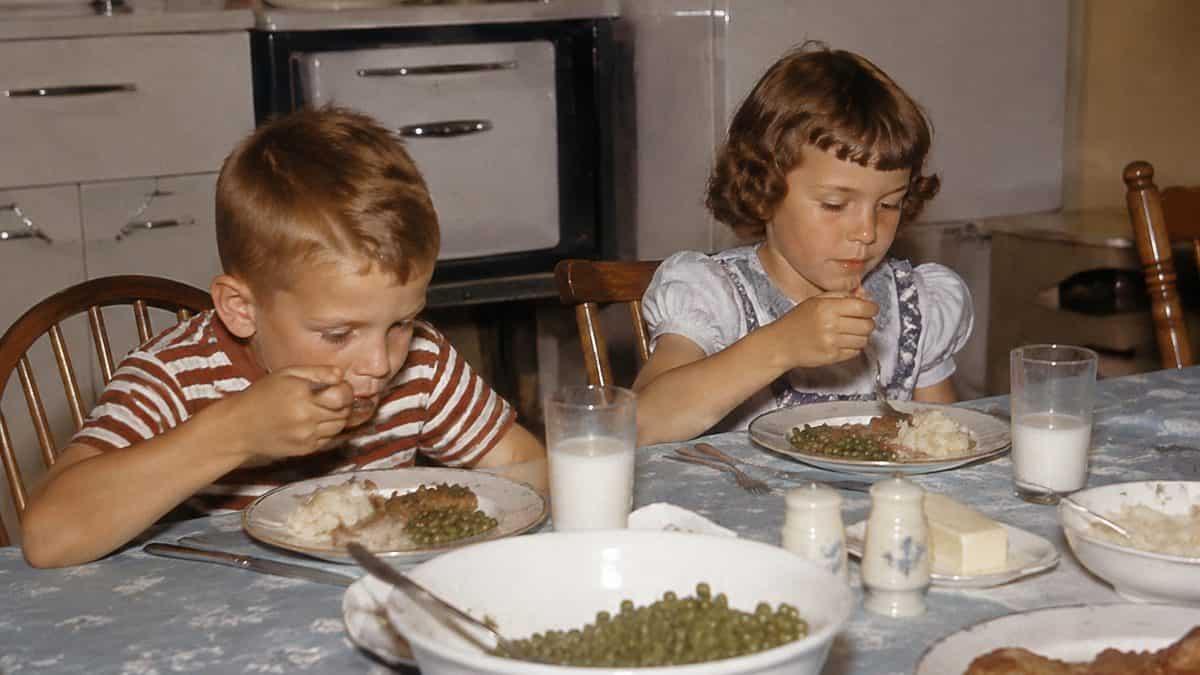
The “clean plate club” was a real thing, and children were expected to at least try everything served. This rule, while sometimes strict, helped develop diverse palates and taught appreciation for different foods. The familiar phrase “there are starving children in Europe” was often used to discourage waste and encourage gratitude.
13. Milk Was the Beverage of Choice
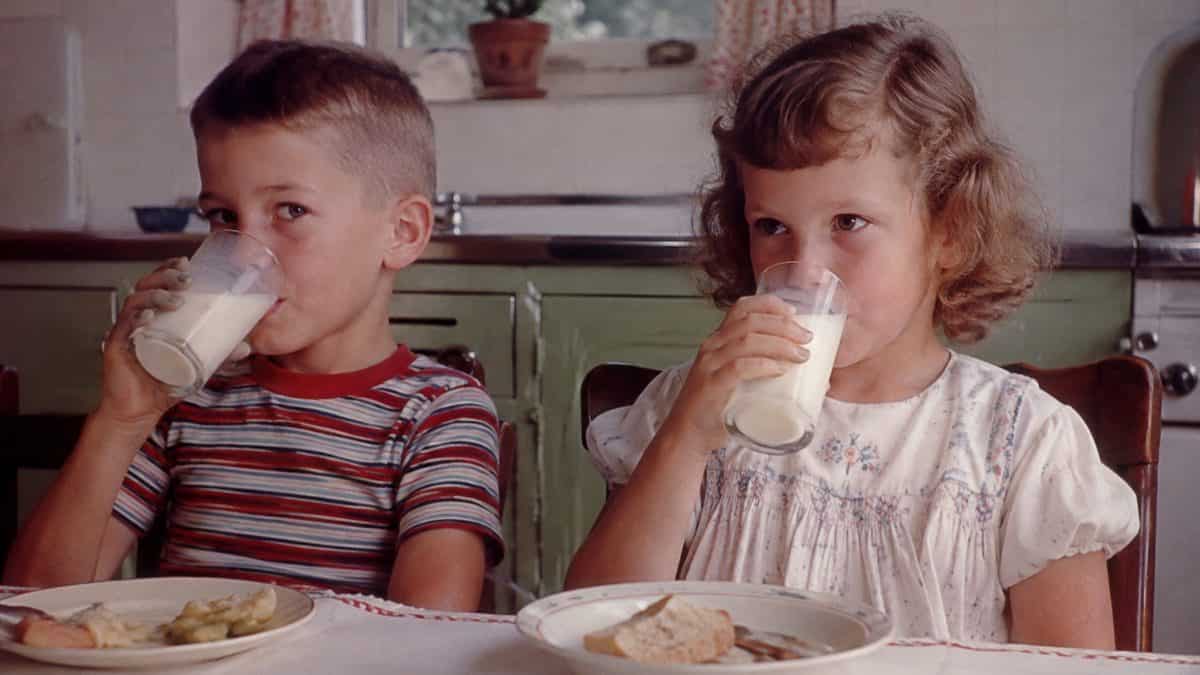
Children were required to drink milk with dinner, served in special glasses or colorful plastic tumblers. This wasn’t negotiable – milk was seen as essential for growing strong bones and teeth. Adults might have coffee or water, but for kids, dinner meant a full glass of milk, and it had to be finished.
14. Dinner Conversations Were Mandatory
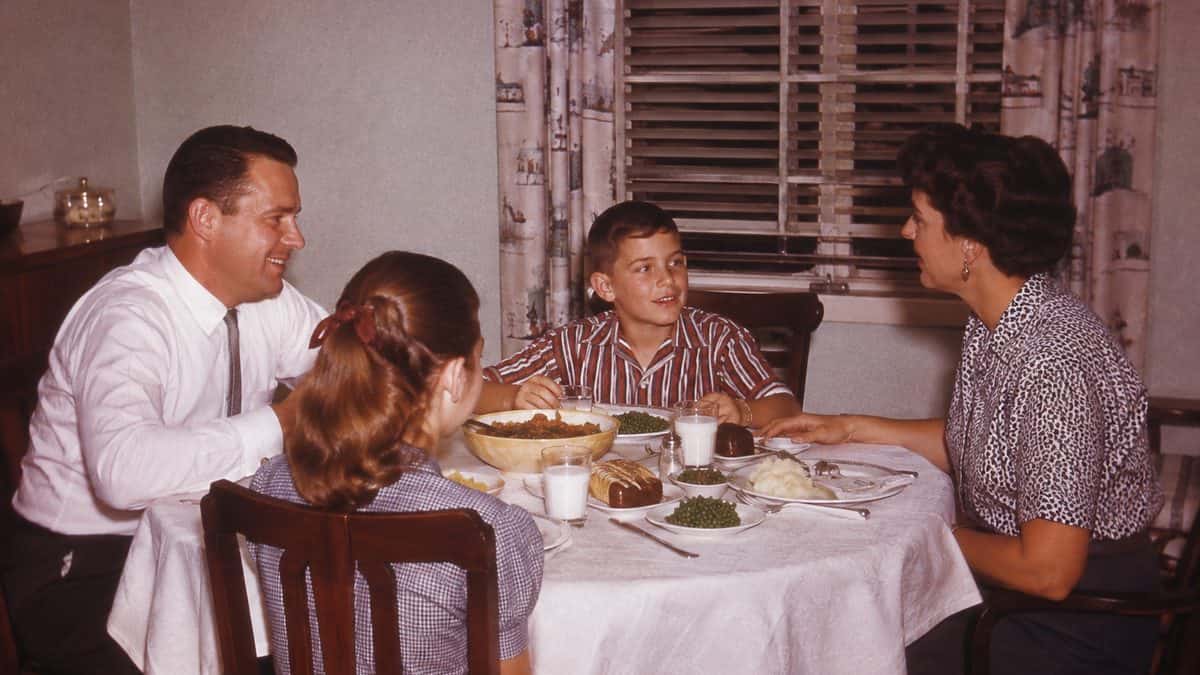
Everyone was expected to contribute to dinner conversation, sharing news about their day or discussing current events. Children learned the art of conversation and proper speaking etiquette, including not interrupting and waiting their turn. These daily discussions helped develop social skills and kept family members connected to each other’s lives.
15. Sunday Dinner Was Extra Special
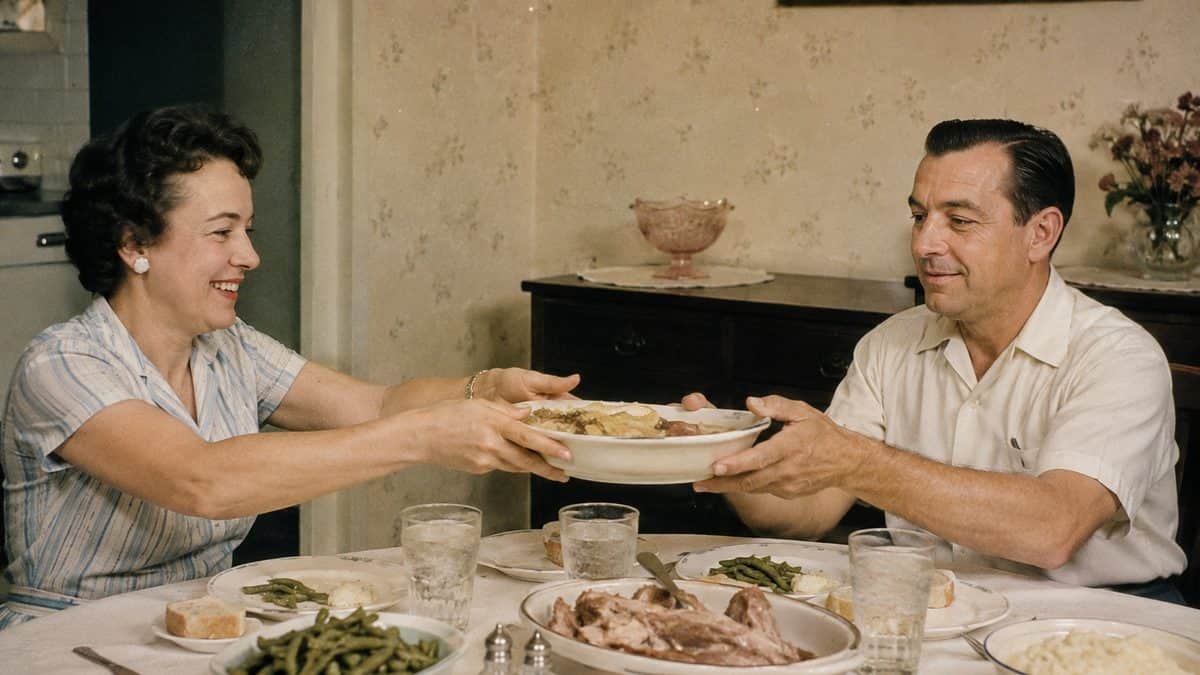
Sunday dinner was the pinnacle of the week’s meals, often featuring a pot roast or whole chicken with all the trimmings. Extended family members frequently joined, and the best china and linens were used. These weekly gatherings created lasting memories and strengthened family bonds across generations, a tradition many families today are trying to revive.