
Looking back at school rules from the 1960s and early 1970s feels like peering into a different universe. What seemed perfectly normal then would shock parents and students today. These regulations reflected the values and concerns of the era, but they also remind us how much our educational system has evolved over the decades.
Table of Contents
- 1 1. Boys Couldn’t Have Long Hair
- 2 2. Girls Had to Wear Skirts or Dresses
- 3 3. Smoking Areas for Students
- 4 4. Left-Handed Writing Restrictions
- 5 5. Mandatory Duck and Cover Drills
- 6 6. Corporal Punishment
- 7 7. Girls Couldn’t Wear Makeup
- 8 8. Mandatory Home Economics for Girls
- 9 9. No Calculators Allowed
- 10 10. Daily Prayer and Bible Reading
- 11 11. No Water Bottles in Class
- 12 12. Strict Silence in the Library
1. Boys Couldn’t Have Long Hair
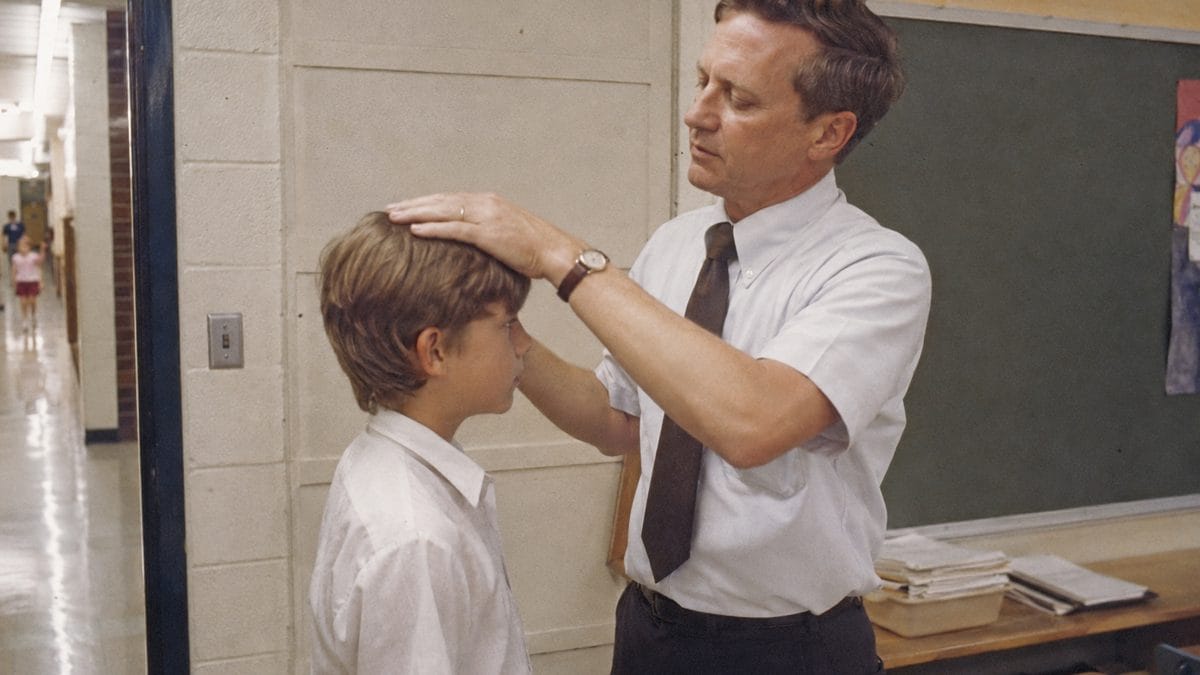
Hair length was a serious issue in schools during the 1960s. Boys could be sent home if their hair touched their collar or covered their ears. The Beatles’ influence had administrators worried that long hair would lead to rebellion and disrespect for authority. Some schools even kept rulers handy to measure boys’ hair length.
Save for later
Want to come back to this story? Save it with your email so it is easy to find again.
2. Girls Had to Wear Skirts or Dresses
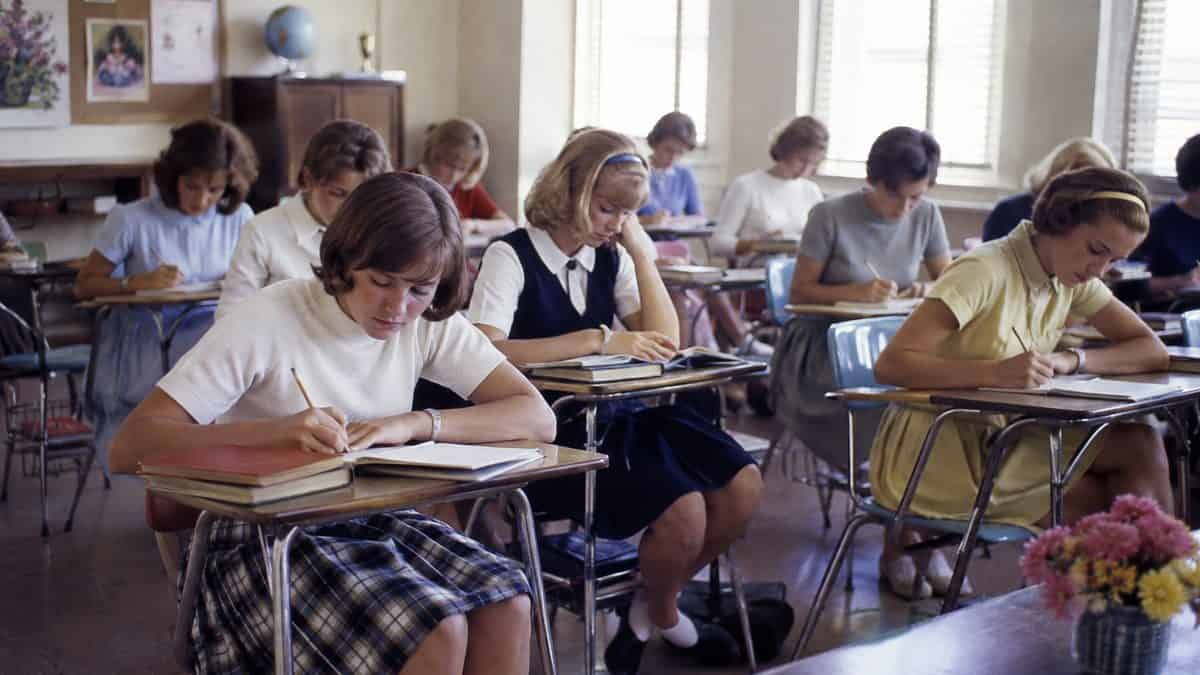
Pants were strictly forbidden for girls, even in winter. The dress code required skirts or dresses that hit the knee or below. Some resourceful girls would roll their skirts up at the waist after leaving home, only to quickly unroll them if a teacher approached.
3. Smoking Areas for Students
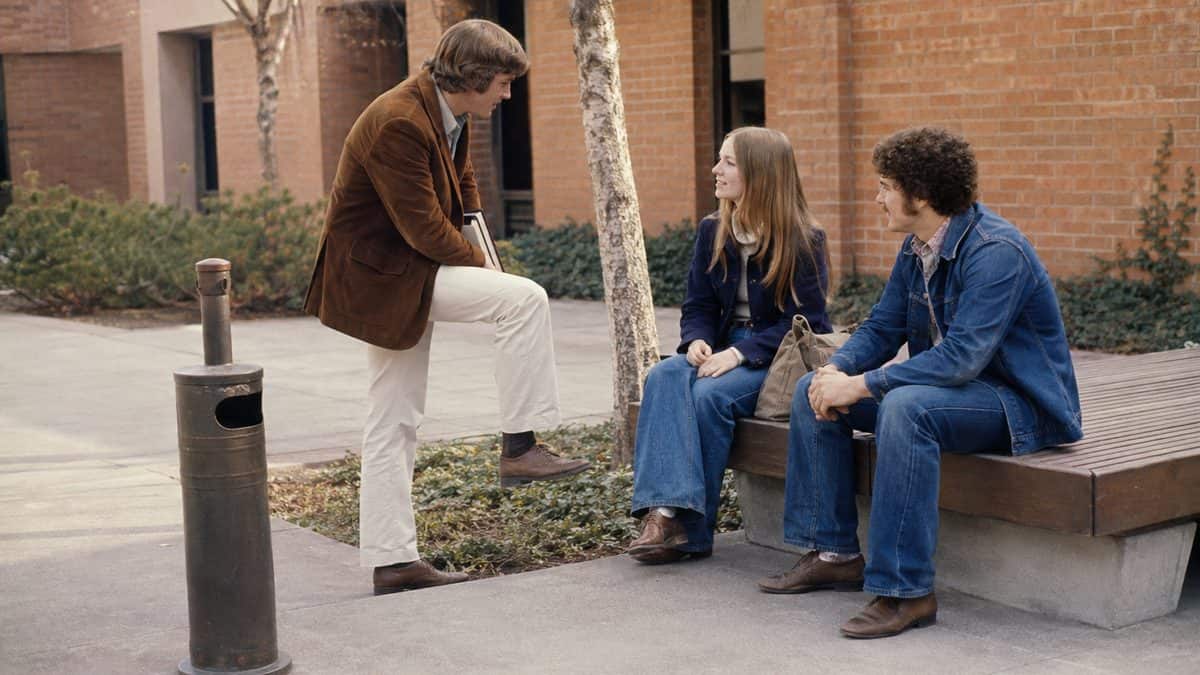
Many high schools had designated smoking areas for students, complete with ashtrays and benches. Permission slips from parents were required, and smoking was treated as a privilege that could be revoked for bad behavior. Teachers and students often shared these spaces, creating an oddly casual social dynamic.
4. Left-Handed Writing Restrictions

Left-handed students were often forced to write with their right hands. Teachers would tie the left hand down or slap it with a ruler if used for writing. This practice was based on outdated beliefs about left-handedness being associated with evil or rebellion.
5. Mandatory Duck and Cover Drills
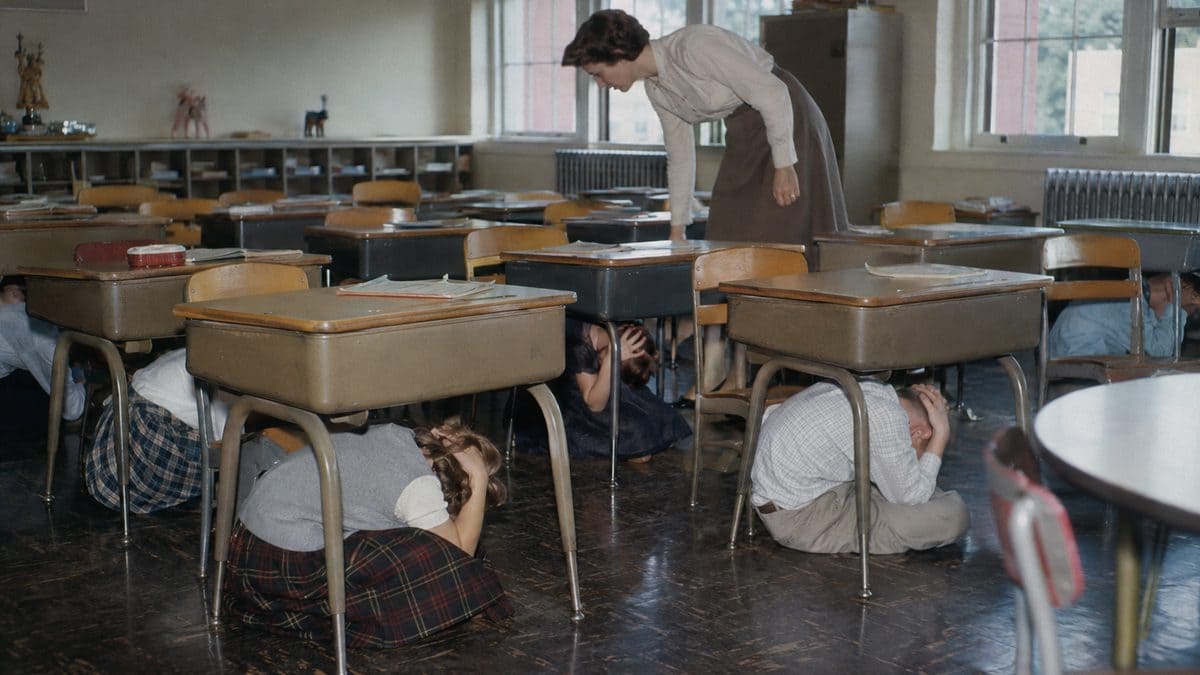
Regular air raid drills were part of the school routine during the Cold War. Students practiced diving under their desks and covering their heads, supposedly to protect themselves from nuclear attack. These drills were taken very seriously, with grades sometimes given for proper technique.
6. Corporal Punishment

Paddling was a common disciplinary method, with many schools keeping a wooden paddle in the principal’s office. Parents often signed permission slips at the start of the year allowing this form of punishment. Some schools even had specific rules about the size and thickness of the paddle.
7. Girls Couldn’t Wear Makeup

Makeup was strictly forbidden for girls in most schools. Teachers would make girls wash their faces if they suspected makeup use. Even light lipstick or mascara could result in detention or being sent home to clean up.
8. Mandatory Home Economics for Girls
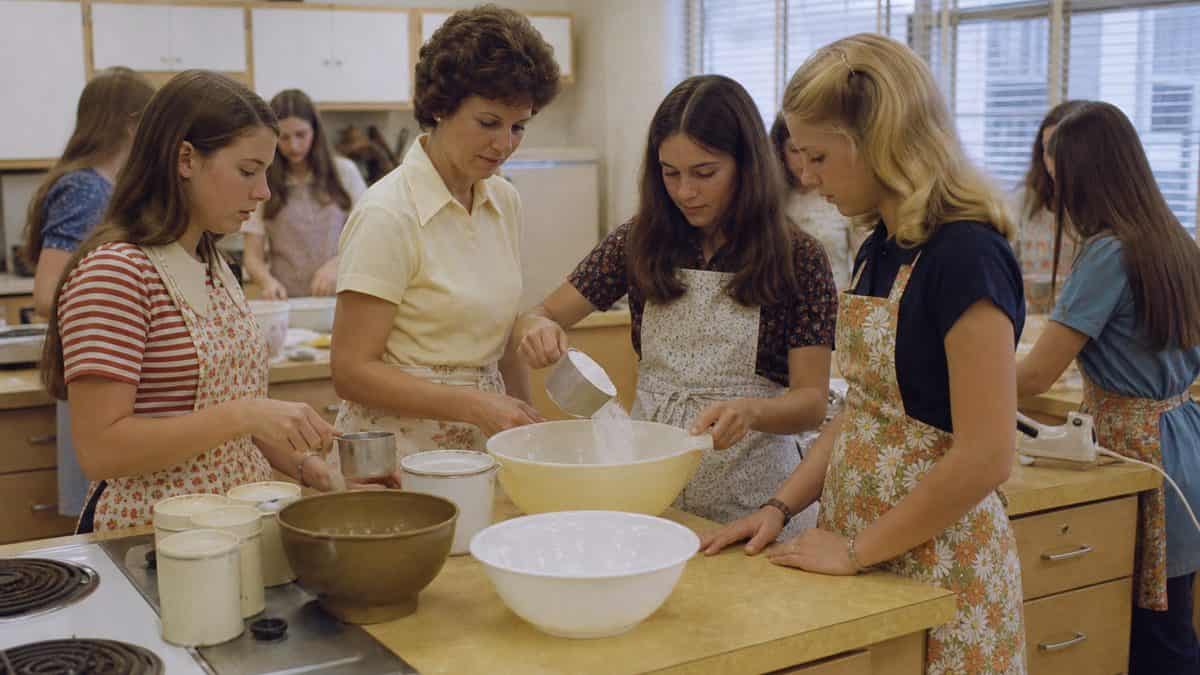
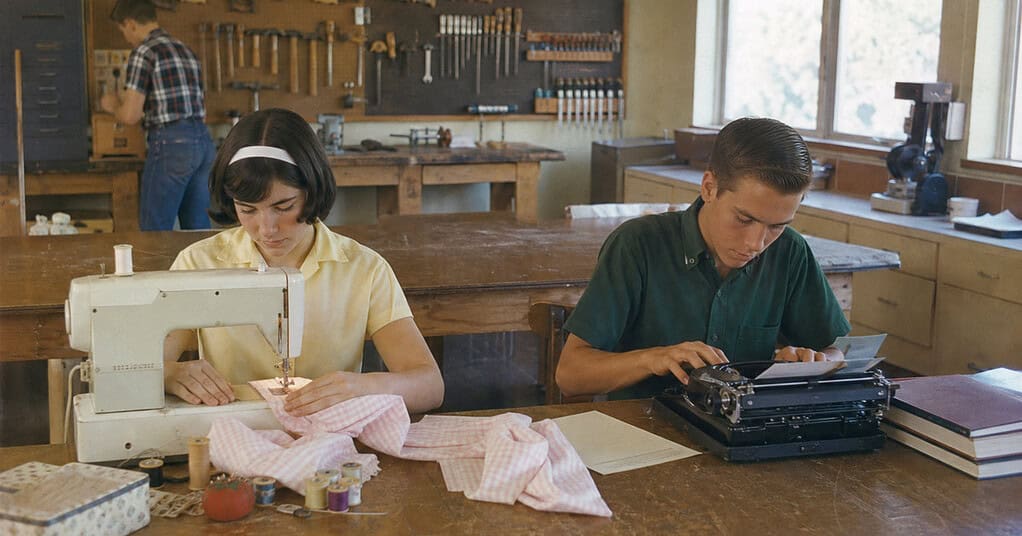
Girls were required to take home economics while boys took shop class. There was no crossing over between these classes. The curriculum focused on preparing girls for running a household, including cooking, sewing, and proper etiquette.
9. No Calculators Allowed
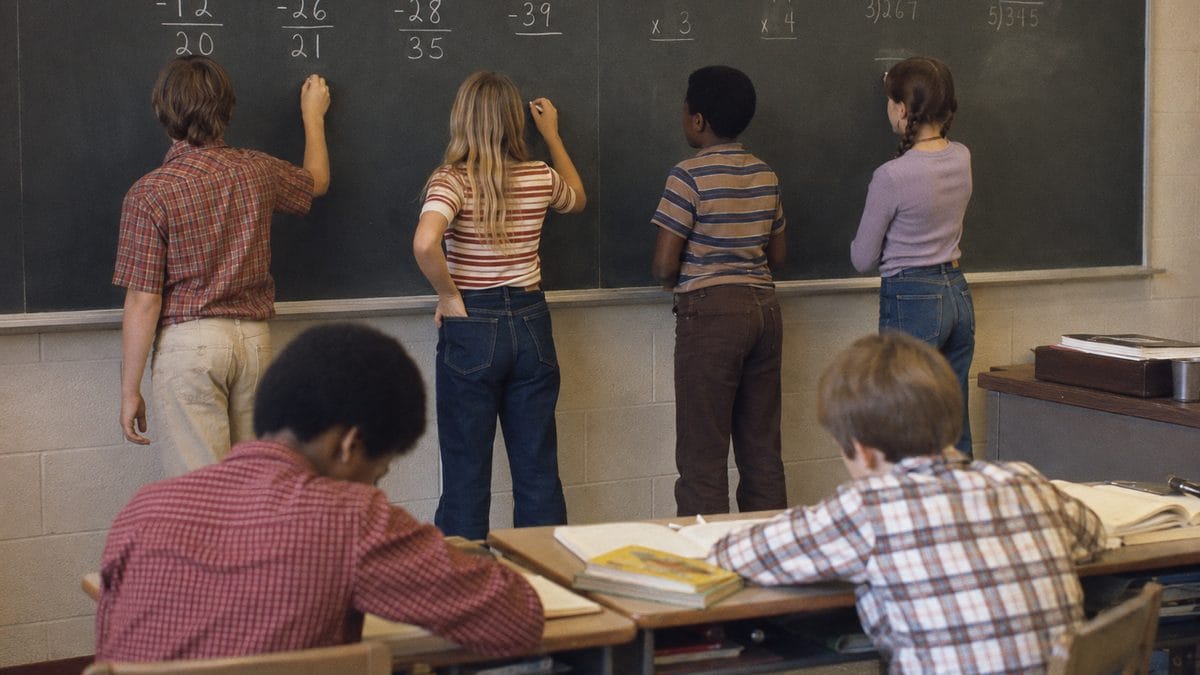
Calculators were strictly forbidden in math classes, even for complex calculations. Teachers insisted that reliance on calculators would weaken mathematical ability. Students had to show all their work, including long division and multiplication tables, by hand.
10. Daily Prayer and Bible Reading
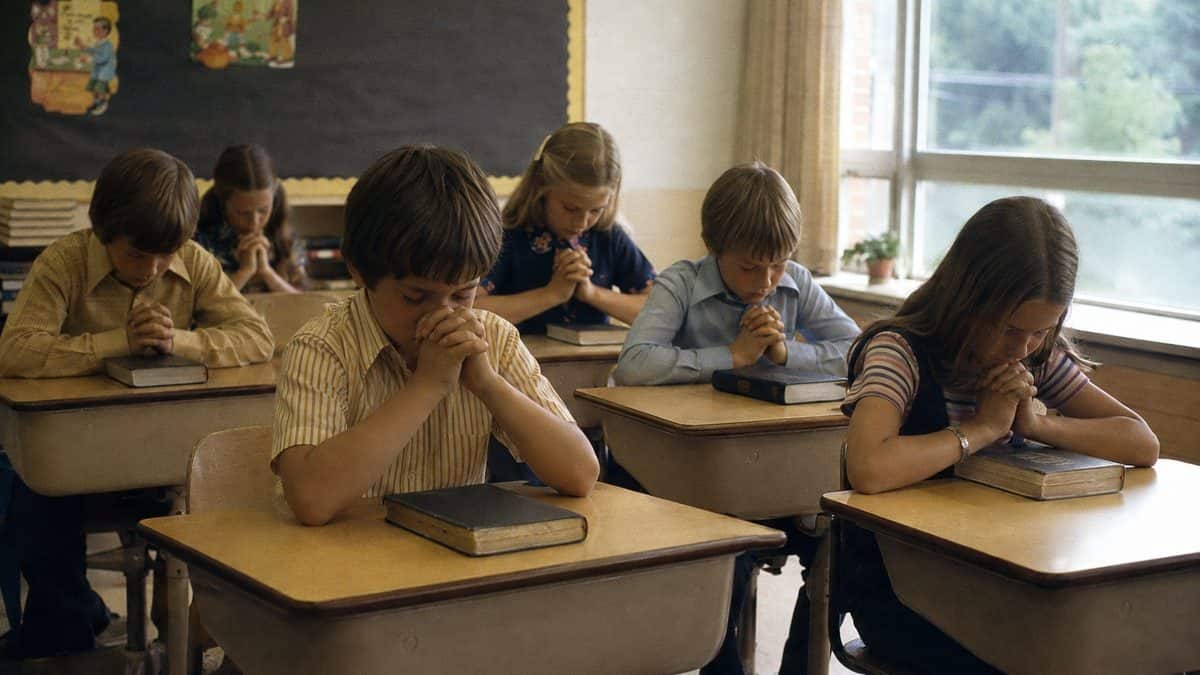
Many schools started each day with a prayer and Bible reading over the intercom. This practice continued even after the Supreme Court ruled against it in 1962, with some schools maintaining the tradition well into the 1960s.
11. No Water Bottles in Class
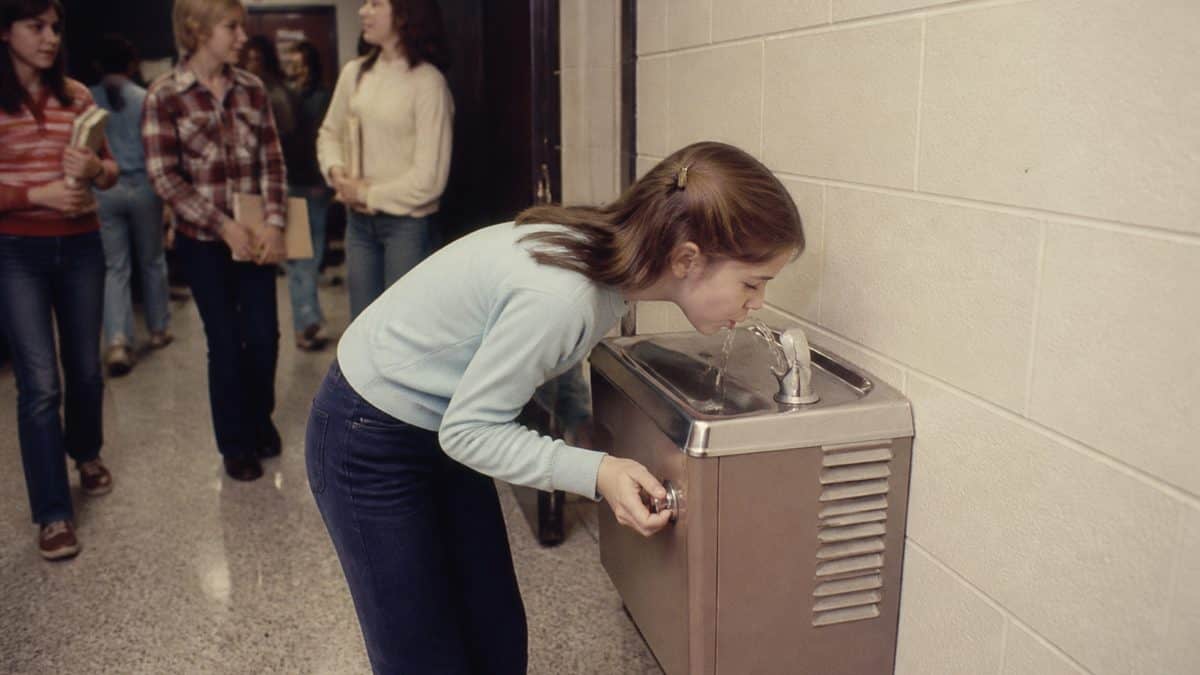
Students weren’t allowed to keep water at their desks. If you were thirsty, you had to ask permission to leave class and use the drinking fountain. Teachers worried that allowing drinks would lead to spills and disruptions.
12. Strict Silence in the Library

Libraries maintained absolute silence policies, with even whispering forbidden. Librarians would send students to the principal’s office for the slightest noise. Group work or collaborative studying was not allowed – the library was for silent, individual study only.