Some Christmas decorations fade quietly out of stores and attics, replaced by newer materials and safer wiring, while the memory of their particular glow lingers longer than the objects themselves. The pieces below were common in American living rooms from roughly the 1950s through the 1970s, and looking at them now says as much about mid-century manufacturing and dime-store economics as it does about nostalgia.
Table of Contents
- 1 Bubble Lights
- 2 Silver Aluminum Christmas Tree
- 3 Glass Shiny Brite Ornaments
- 4 Tinsel Icicles
- 5 Ceramic Light-Up Christmas Tree
- 6 Flocked Christmas Tree
- 7 Paper Honeycomb Bells
- 8 Cotton Batting Santa Figurines
- 9 Big C7 Bulb Lights
- 10 Plastic Light-Up Blow Mold Santa
- 11 Cardboard Fireplace Mantel Houses
- 12 Candle Choir Figures
- 13 Popcorn and Cranberry Garland
- 14 Felt Stockings with Names
- 15 Glass Pickle and Beaded Ornaments
- 16 Angel Tree Topper
- 17 Musical Revolving Tree Stand
- 18 Christmas Cards Strung on the Wall
Bubble Lights
Save for later
Want to come back to this story? Save it with your email so it is easy to find again.
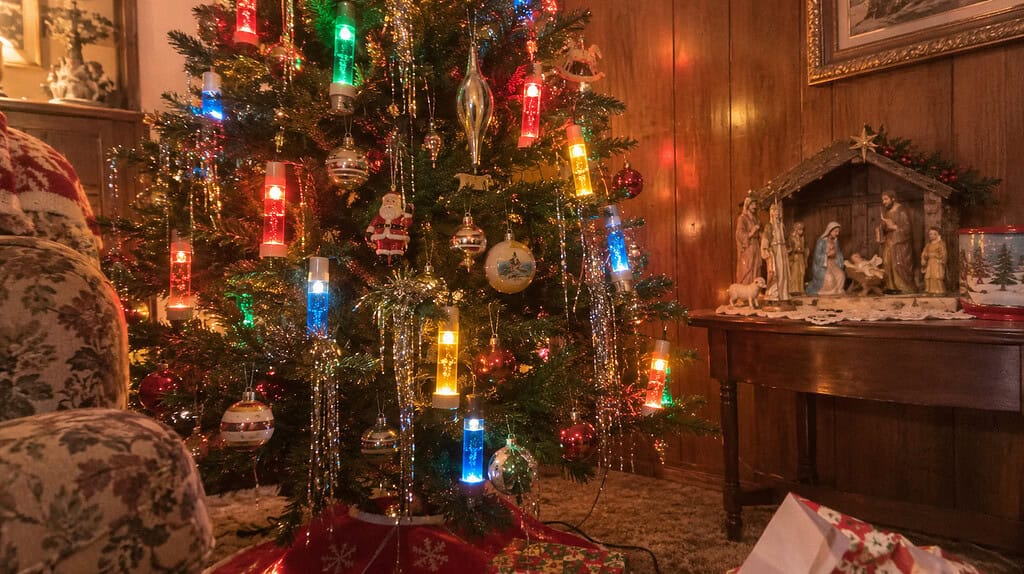
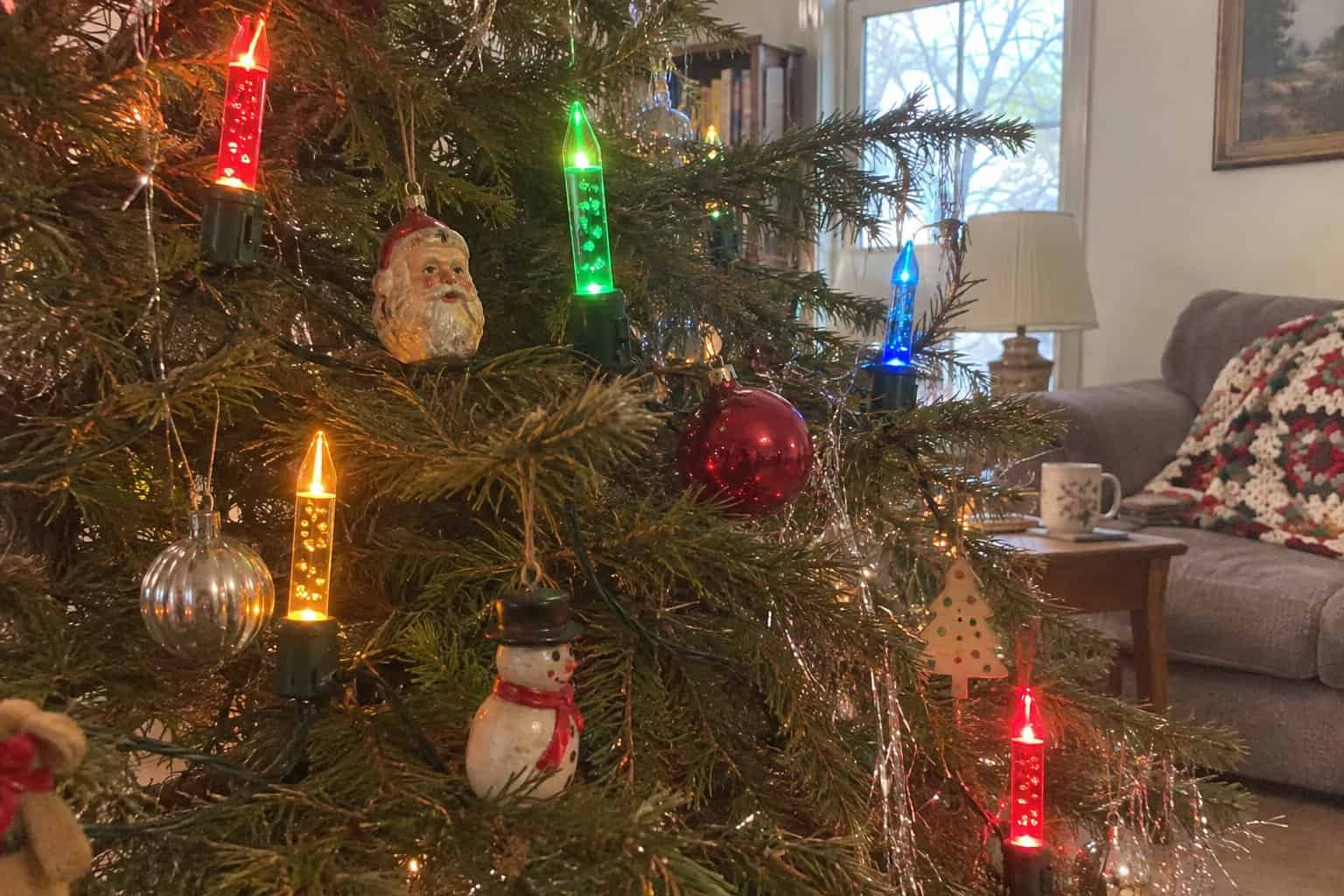
A strand of bubble lights gave a Christmas tree a small, moving glow. Each upright bulb held colored liquid that bubbled as its lamp warmed, creating a candlelike effect in bright reds, greens, and blues.
The slow motion drew the eye in a 1960s or ’70s living room, where the decorated tree might stand near a sofa and a folded afghan. Children could watch the bubbles rise while the television played nearby. The lights offered a quiet point of focus in a room otherwise full of noise and wrapping paper.
Silver Aluminum Christmas Tree
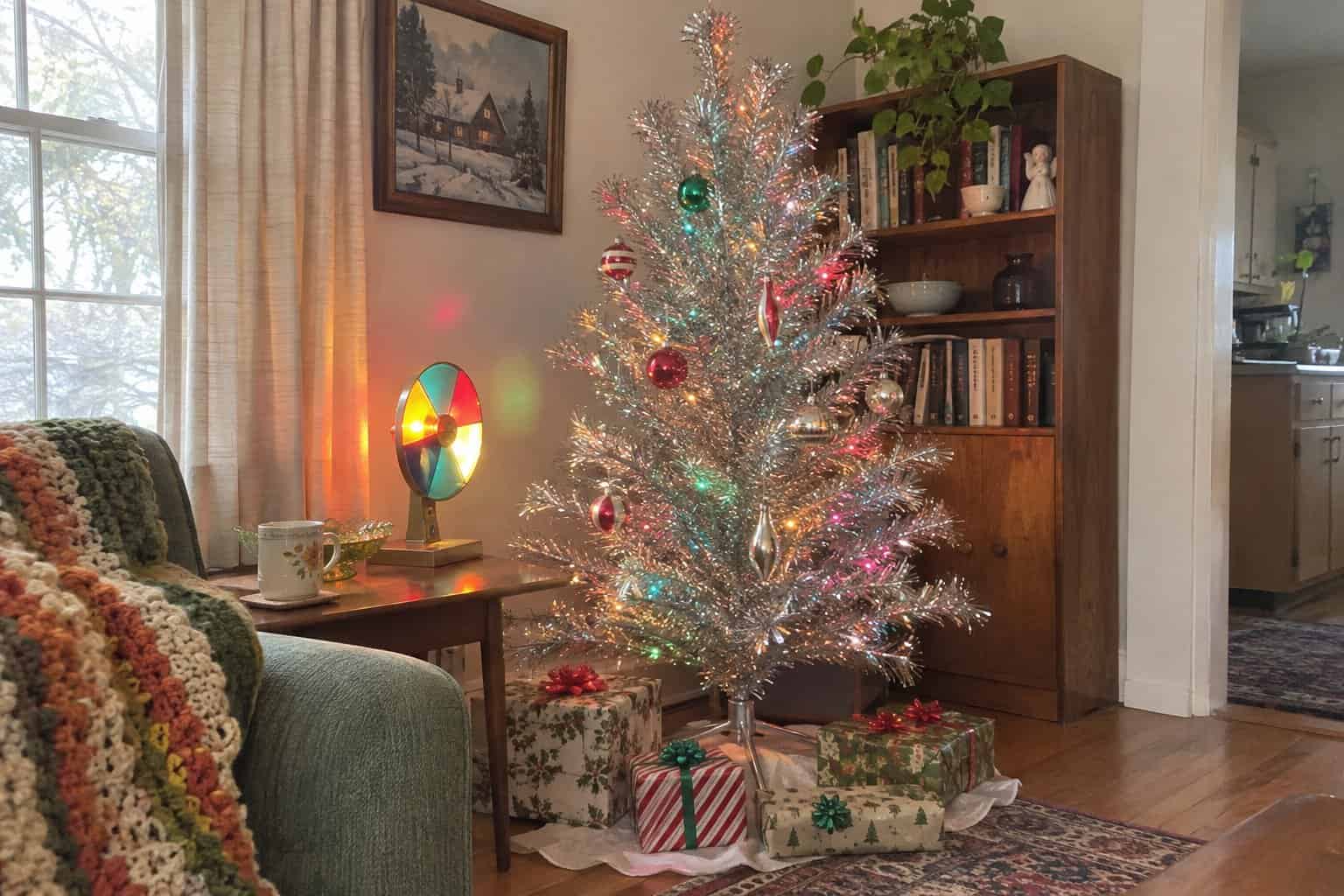
Its silver branches caught room light and reflected it in fine, cool highlights. Sold as a fireproof tree in the late 1950s and 1960s, the aluminum design brought a distinctly modern surface to holiday rooms, often set against paneled walls and a shag rug.
A rotating color-wheel lamp sat on the floor beside the tree, washing the metallic needles with changing hues. Families used the lamp because string lights wired directly onto the metal branches posed a shock hazard. The simple arrangement made the tree’s appearance shift as the wheel turned, which is part of why the look still reads as futuristic decades later.
Glass Shiny Brite Ornaments
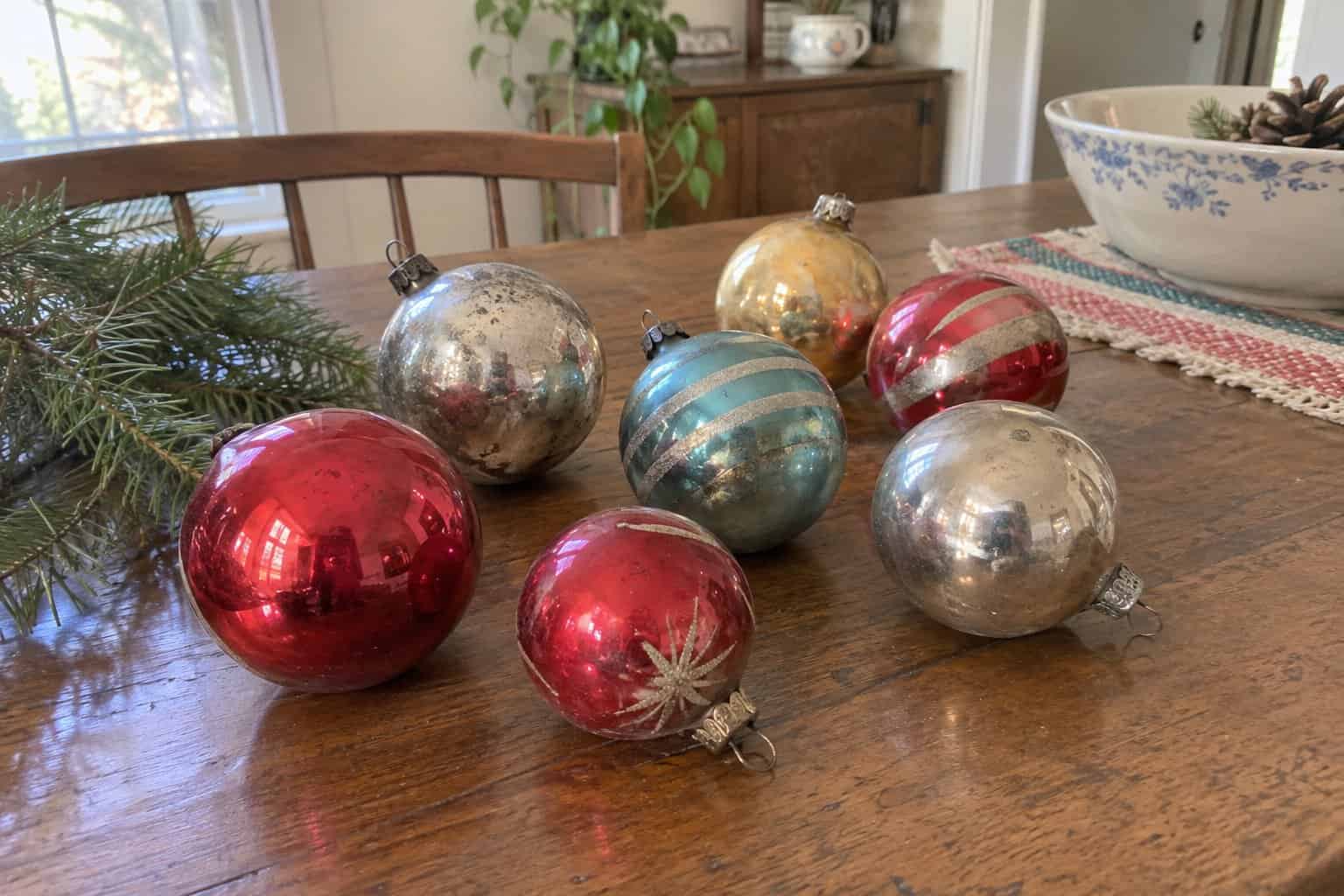
Teal, pink, and silver Shiny Brite ornaments bring small flashes of color to a green tree. Their thin glass catches the lamplight, while a fine painted stripe adds a neat, simple detail. Hung among the branches, they suit the warm, softly lit rooms of the 1960s and ’70s, with a wrapped gift resting beneath the tree.
Each ornament weighs very little, so a branch can hold several without bending. The glass also needs careful handling: a fall onto the floor can leave it in pieces. For storage, tissue paper and a sturdy box help protect the delicate finish between holiday seasons.
Tinsel Icicles
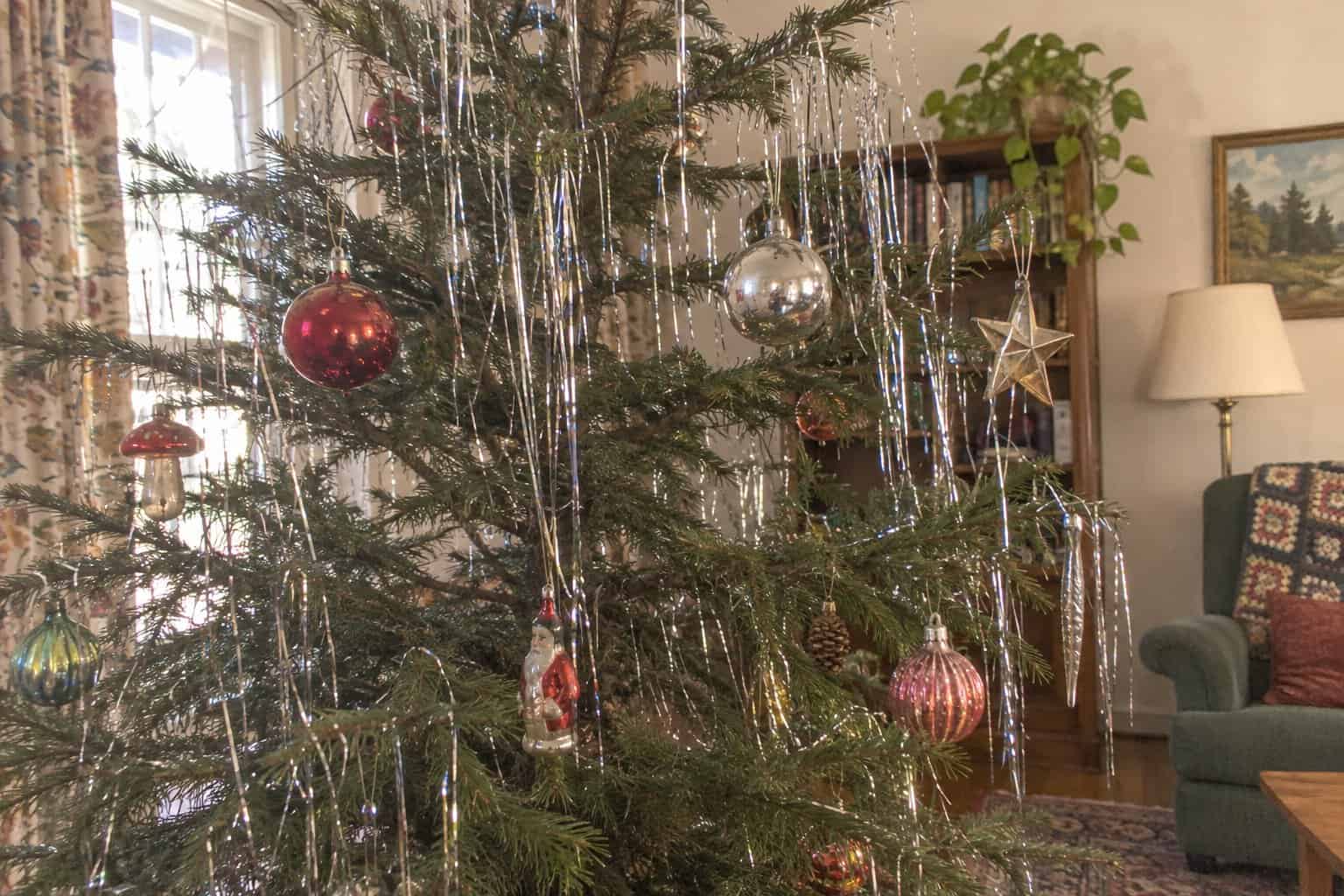
Silver strands caught the light between the green branches, adding a bright, delicate finish to a Christmas tree. In many 1960s and 1970s living rooms, decorators placed each icicle separately, a careful task that could occupy an evening.
The strands shifted when ornaments were hung or branches were touched. After the holidays, a few could linger in the carpet and turn up in the vacuum cleaner months later, small traces of decorating season that outlasted the tree itself.
Ceramic Light-Up Christmas Tree
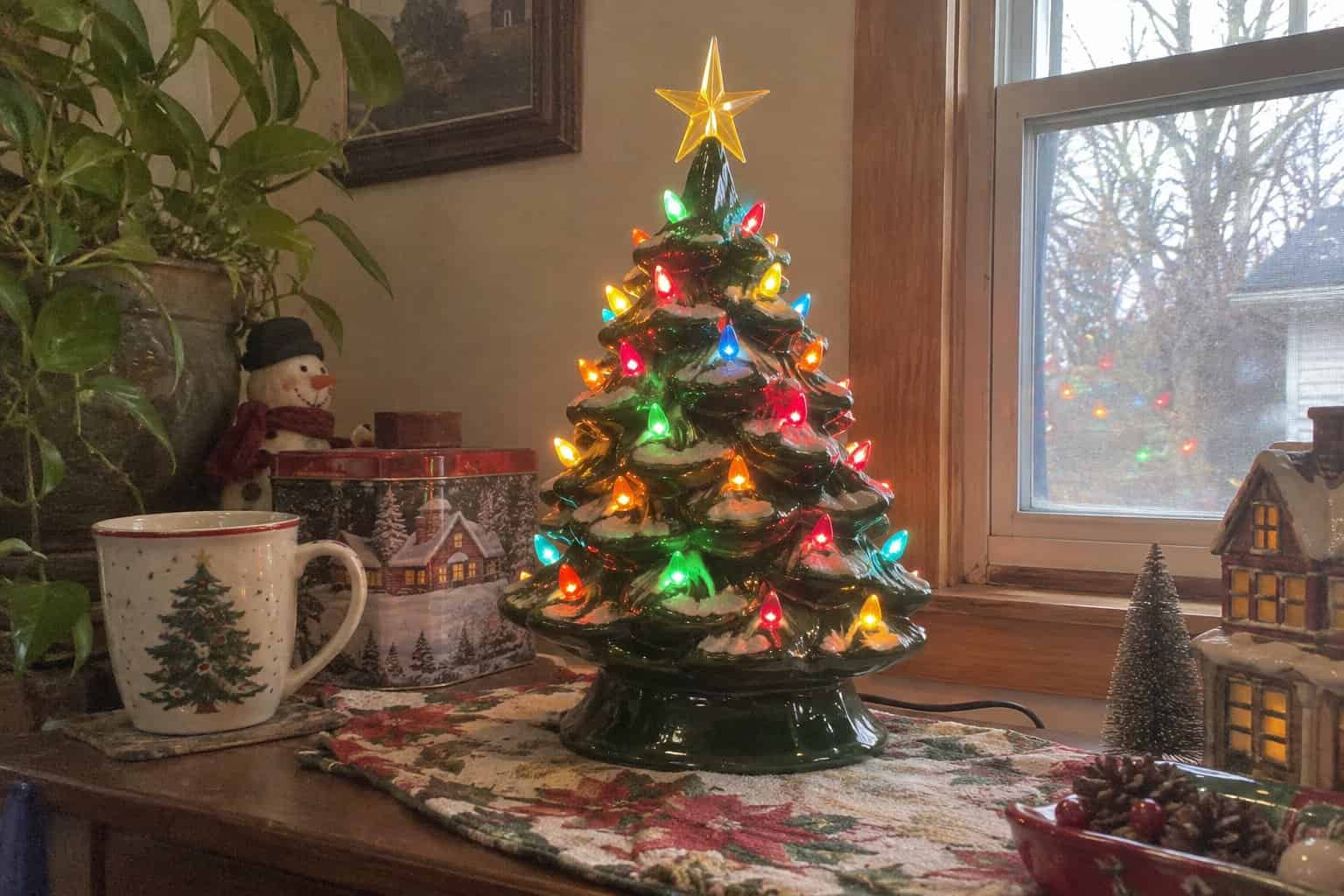
A glazed ceramic tree brought a small pool of color to a living room sideboard. Its molded branches held plastic bulbs, lit from within by a small lamp in the base. The warm glow picked out the glaze and nearby details, such as a lace doily or polished wood.
Many were made by relatives in ceramics classes, then brought out for the same spot each December. Their handmade finish gave each tree subtle differences in shape and color, and the familiar setup turned it into part of the household’s seasonal routine rather than a purchase repeated from a catalog.
Flocked Christmas Tree
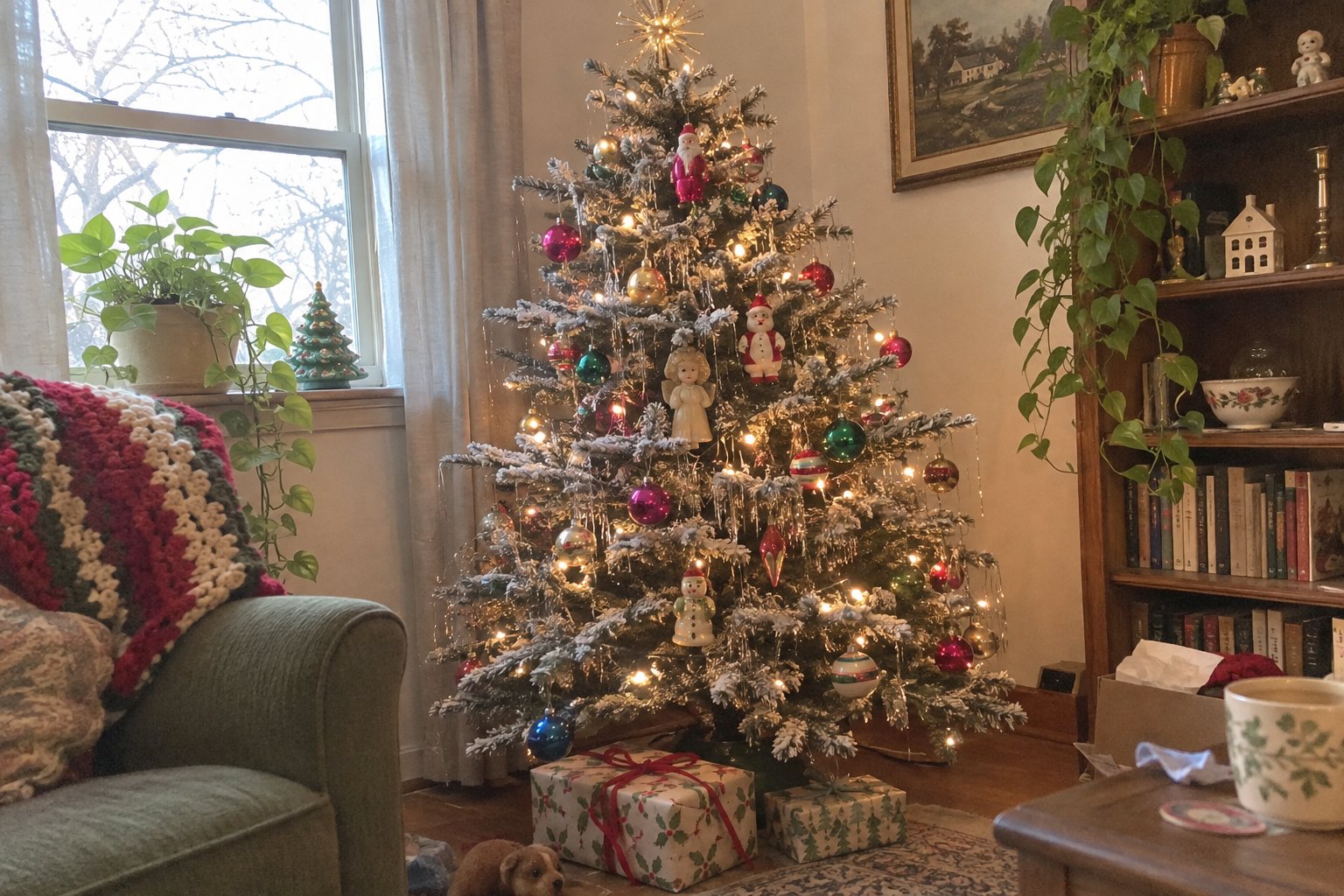
A soft coating of artificial snow gave a Christmas tree a pale, frosted surface. The flocking came in white and pastel shades, lending the branches a gentle color even before the ornaments went on.
Pink glass ornaments made a coordinated display against pink flocking, especially in a 1960s or 1970s living room with warm, film-like light. The matching shades created a unified look, while the glass caught small points of light from nearby bulbs.
Flocking could shed as the season went on, leaving fine particles on the carpet beneath the tree. That small bit of upkeep was part of living with the decoration, along with arranging the branches and ornaments for an even finish.
Paper Honeycomb Bells
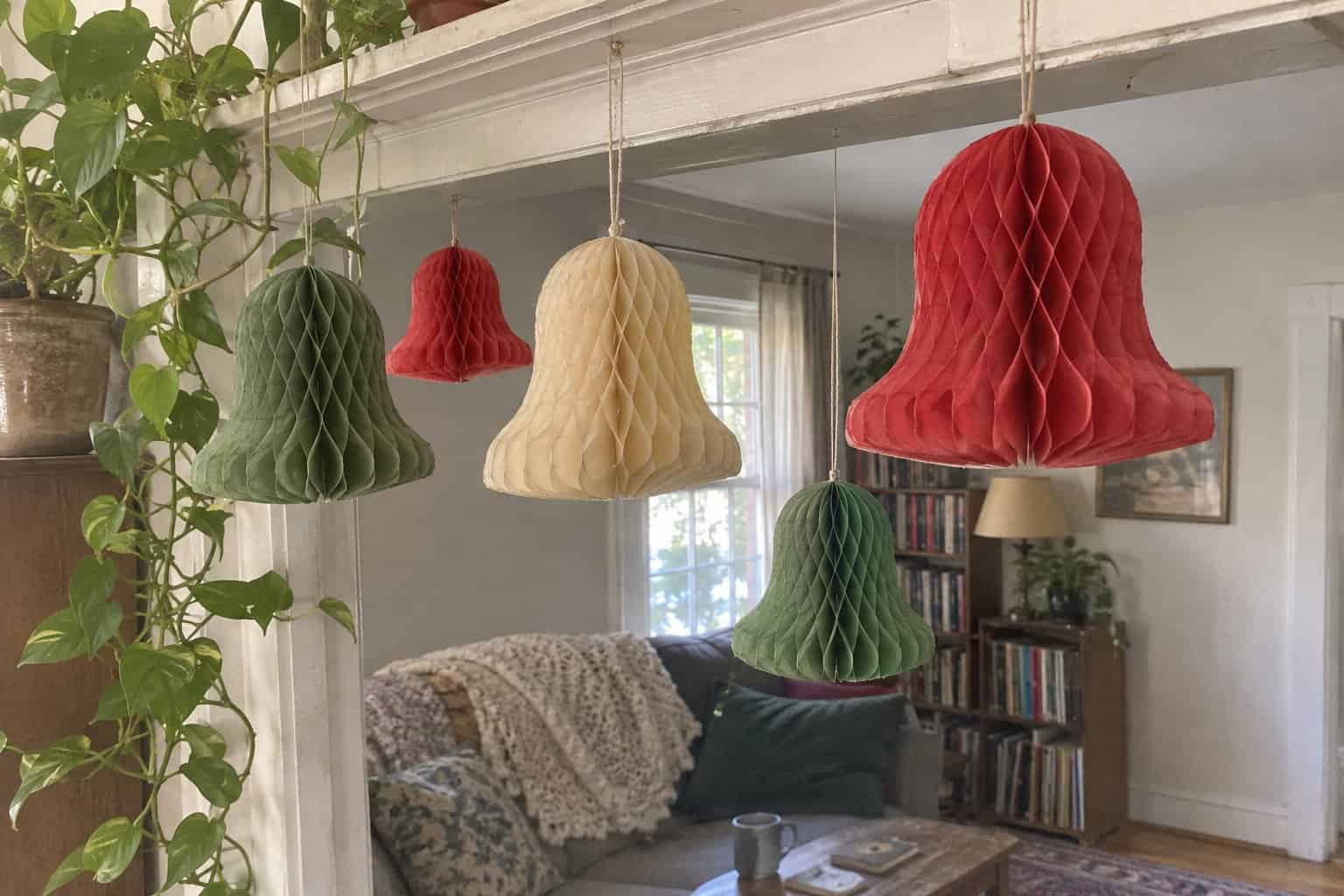
Red paper bells brought a bright, simple shape to a doorway or Christmas tree. Their folded layers stayed flat in storage, then opened into rounded forms when the edges were pulled apart and fastened.
Sold through dime stores, these decorations offered an inexpensive way to add color to a room. In a 1960s or ’70s living room, a cluster hanging in a doorway could catch the warm light and sway as people passed beneath it.
Cotton Batting Santa Figurines
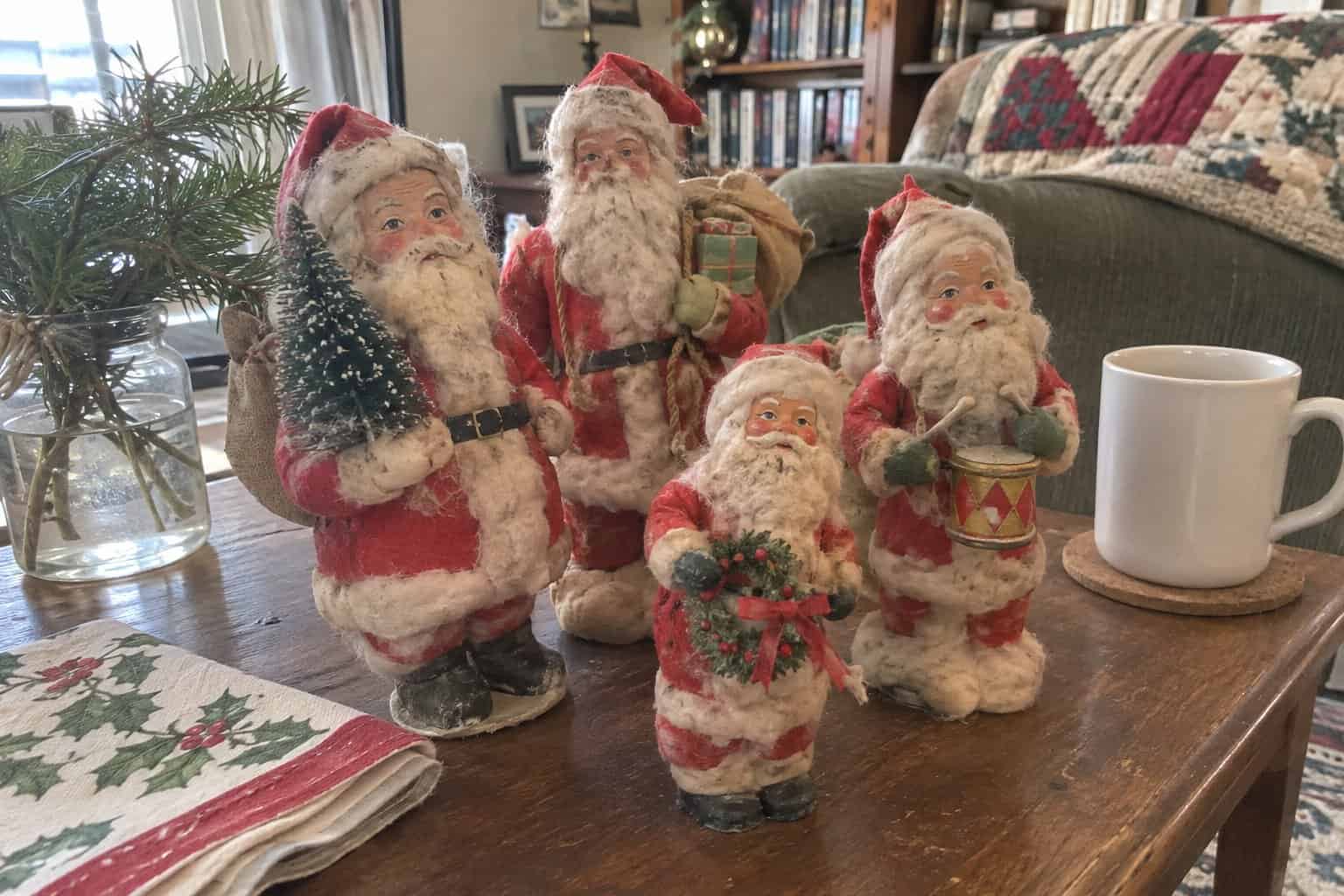
A small cotton-batting Santa brings a soft, handmade texture to a holiday display. His painted paper face gives the figure its expression, while the batting forms a light, slightly uneven body that feels different from molded plastic or ceramic.
Japanese-made examples entered the United States through bargain shops, and some still surface at estate sales. On a mantel, one can sit beside a stocking, where its compact size suits the narrow space and its pale cotton catches the warm light of a living room.
A large share of the small Santa figures, cardboard houses, and paper bells sold in American five-and-dimes during the postwar decades were imported from Japan, where factories had shifted from wartime manufacturing to inexpensive holiday goods almost overnight. The shift from metal rationing to novelty exports happened faster than most households noticed.
Big C7 Bulb Lights
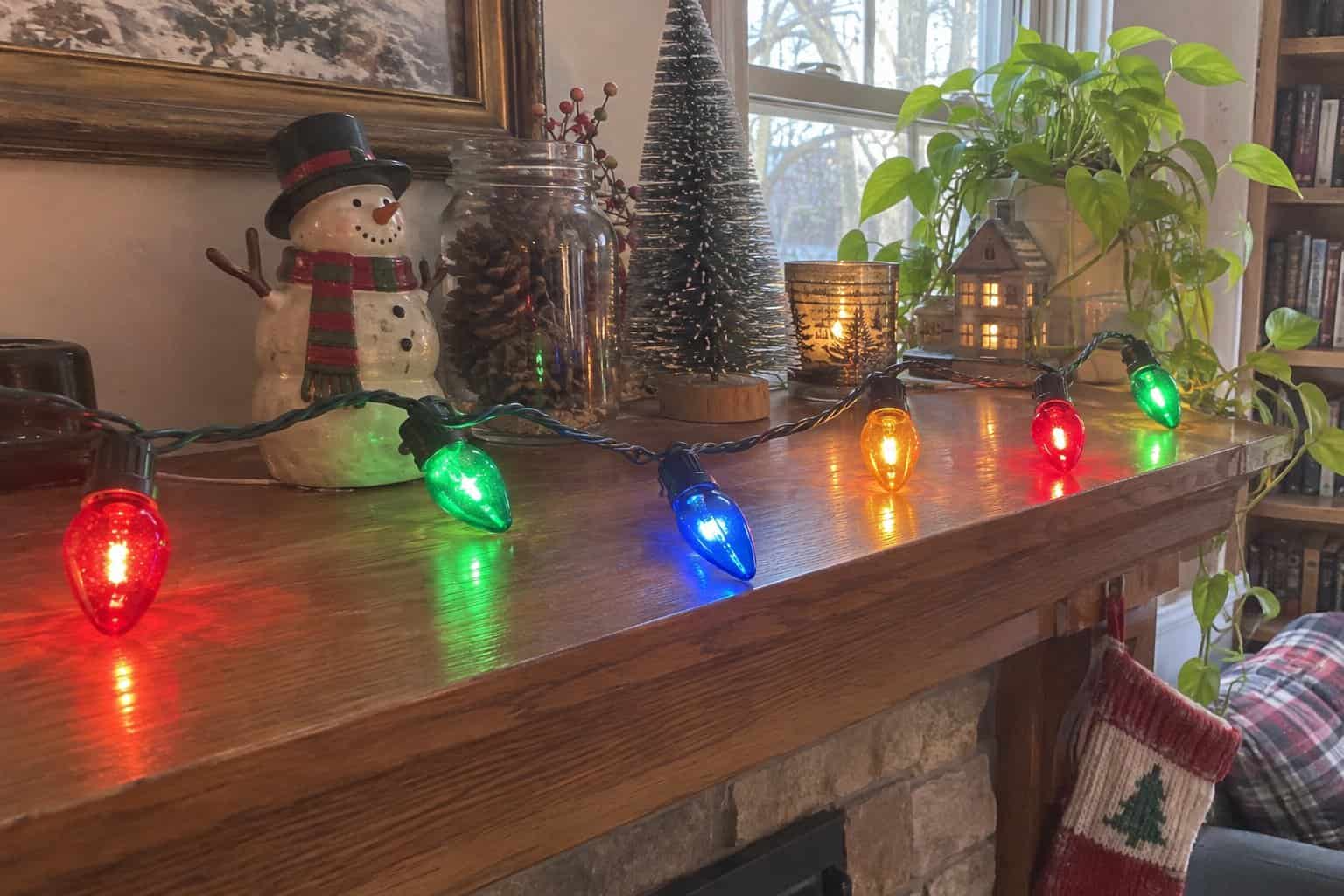
Large C7 bulbs gave a mid-century Christmas tree a strong, colored glow. Their rounded glass shapes stood out against the branches, while the light spread across the nearby room and sofa. In a 1960s or ’70s living room, the effect paired naturally with simple furnishings and warm evening light.
The bulbs’ saturated colors created a softer, more varied look than the crisp points of many modern LED strands. On an indoor tree, that glow could make ornaments and needles appear warmly lit, with each bulb visible as its own bright detail rather than disappearing into a uniform string.
Plastic Light-Up Blow Mold Santa
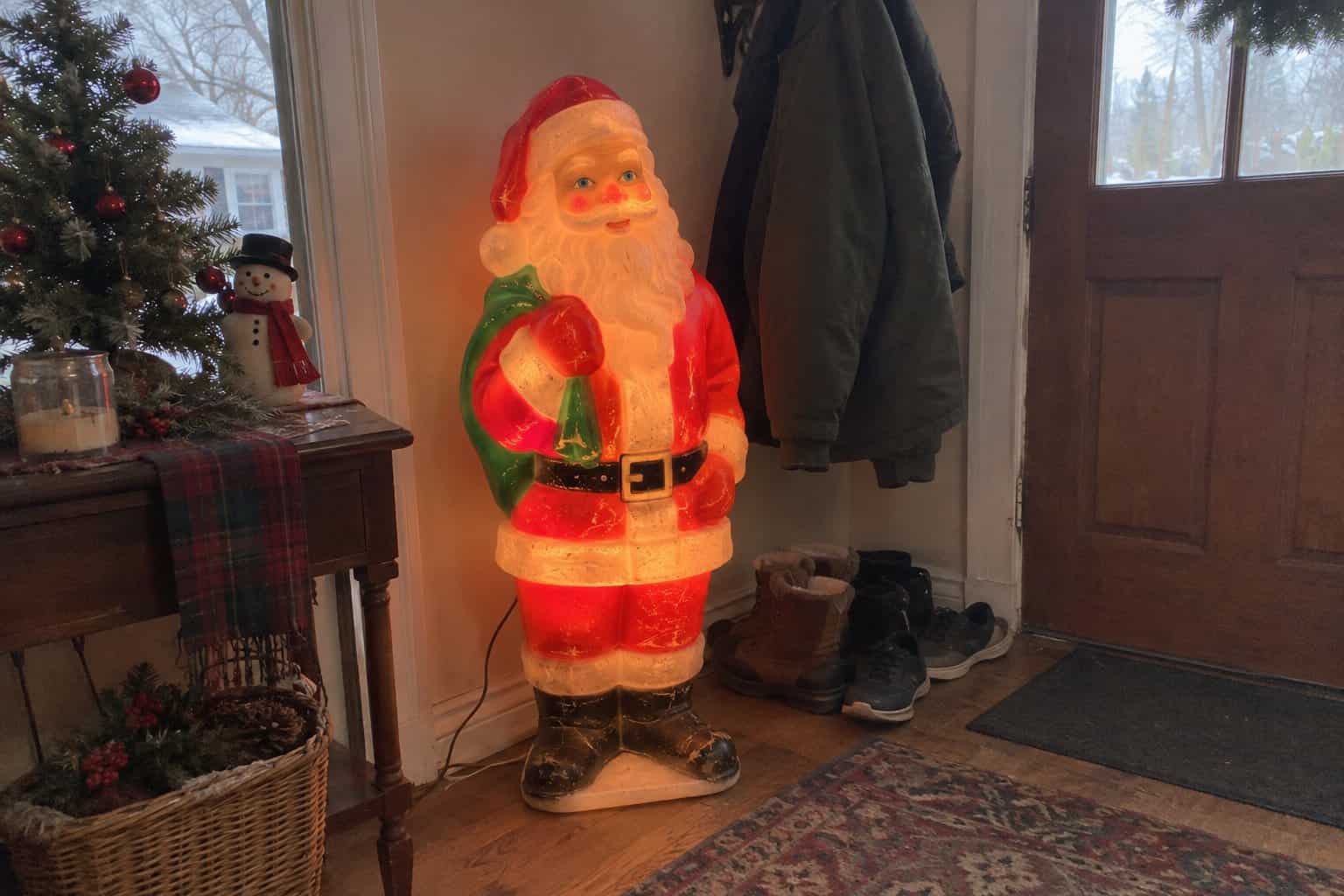
A molded plastic Santa brought a warm point of light to a living room or front entry. The hollow figure held a bulb inside, which illuminated its face and suit when switched on. Beside a fireplace, its glow added a small, steady accent to the room.
The figure’s simple shape and built-in lighting suited the practical holiday decorating of the 1960s and ’70s. For households that kept one year after year, setting Santa near the door or hearth could become part of the seasonal routine, the kind of object nobody questions until it’s missing one December.
Cardboard Fireplace Mantel Houses
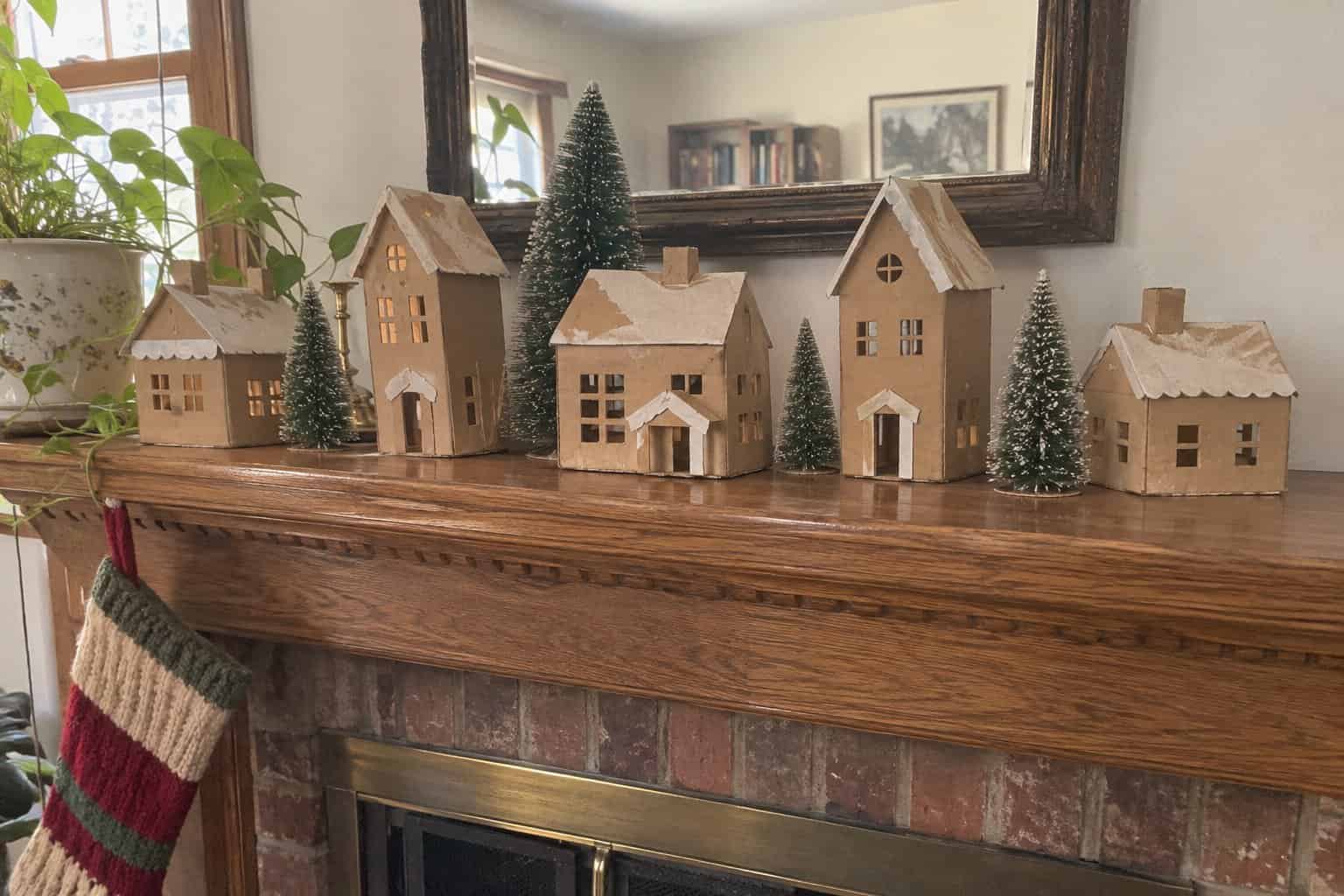
Small cardboard houses arranged on cotton batting created a miniature winter scene beneath the Christmas tree. Their glittered roofs caught the lamplight, while the soft white base suggested snow around the village.
In a 1960s or 1970s living room, the display added a handmade touch to the tree’s lower branches. The houses were light and easy to group close together, forming a compact scene that could be set out with familiar holiday decorations year after year.
Candle Choir Figures
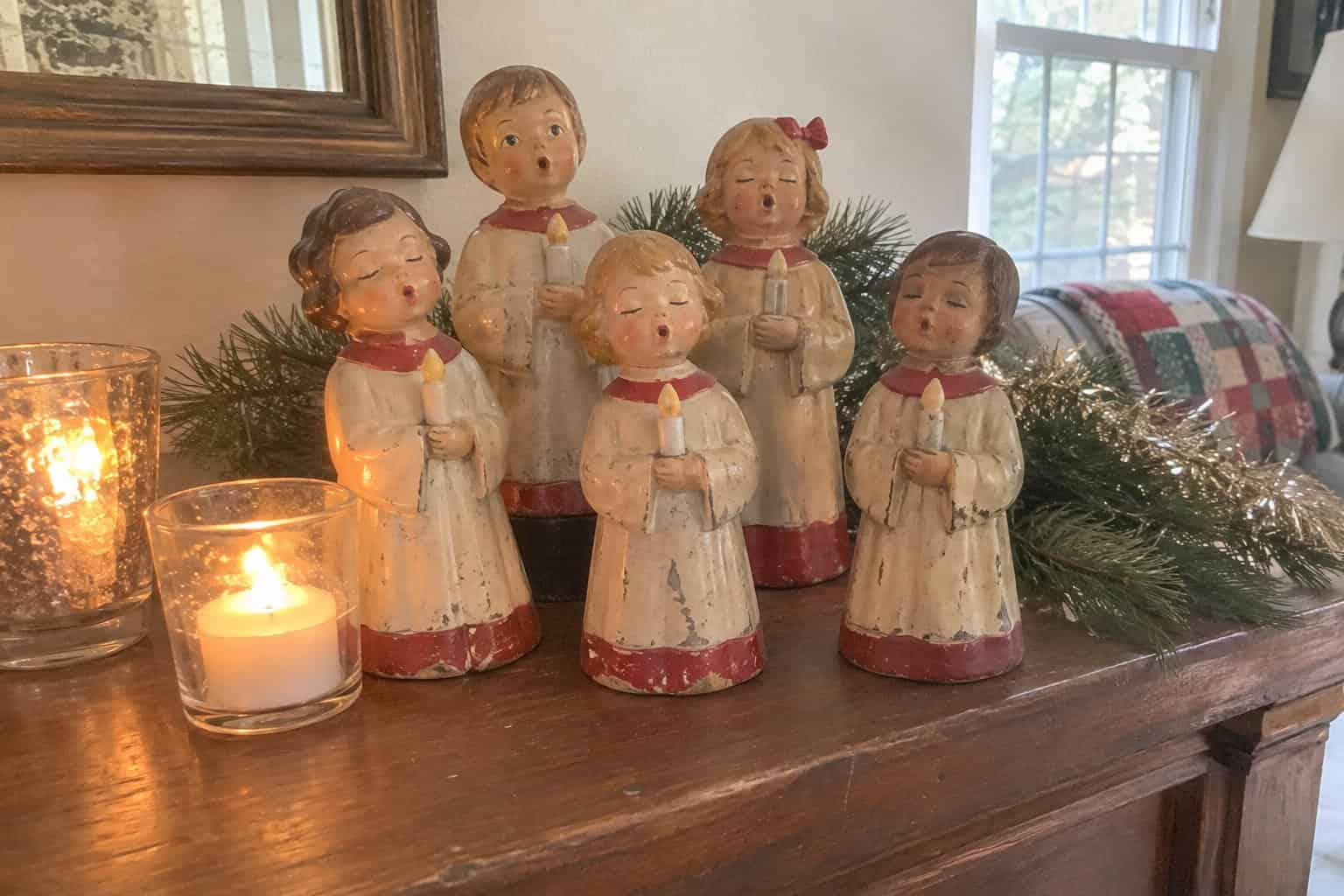
A row of plastic carolers holding small candles brought a steady glow to a holiday table. A bulb inside each figure lit the molded plastic, giving the group a simple, unified look beside a bowl of ribbon candy.
On a mantel or tabletop, the figures kept the same arrangement from one Christmas to the next. Their matching poses and warm light made them easy to recognize as part of a household’s seasonal routine, especially in living rooms furnished with the colors and textures of the 1960s and ’70s.
Not every vintage decoration relied on electricity or molded plastic. Some of the most memorable ones were made by hand, at the kitchen table, with whatever materials happened to be on the counter.
Popcorn and Cranberry Garland
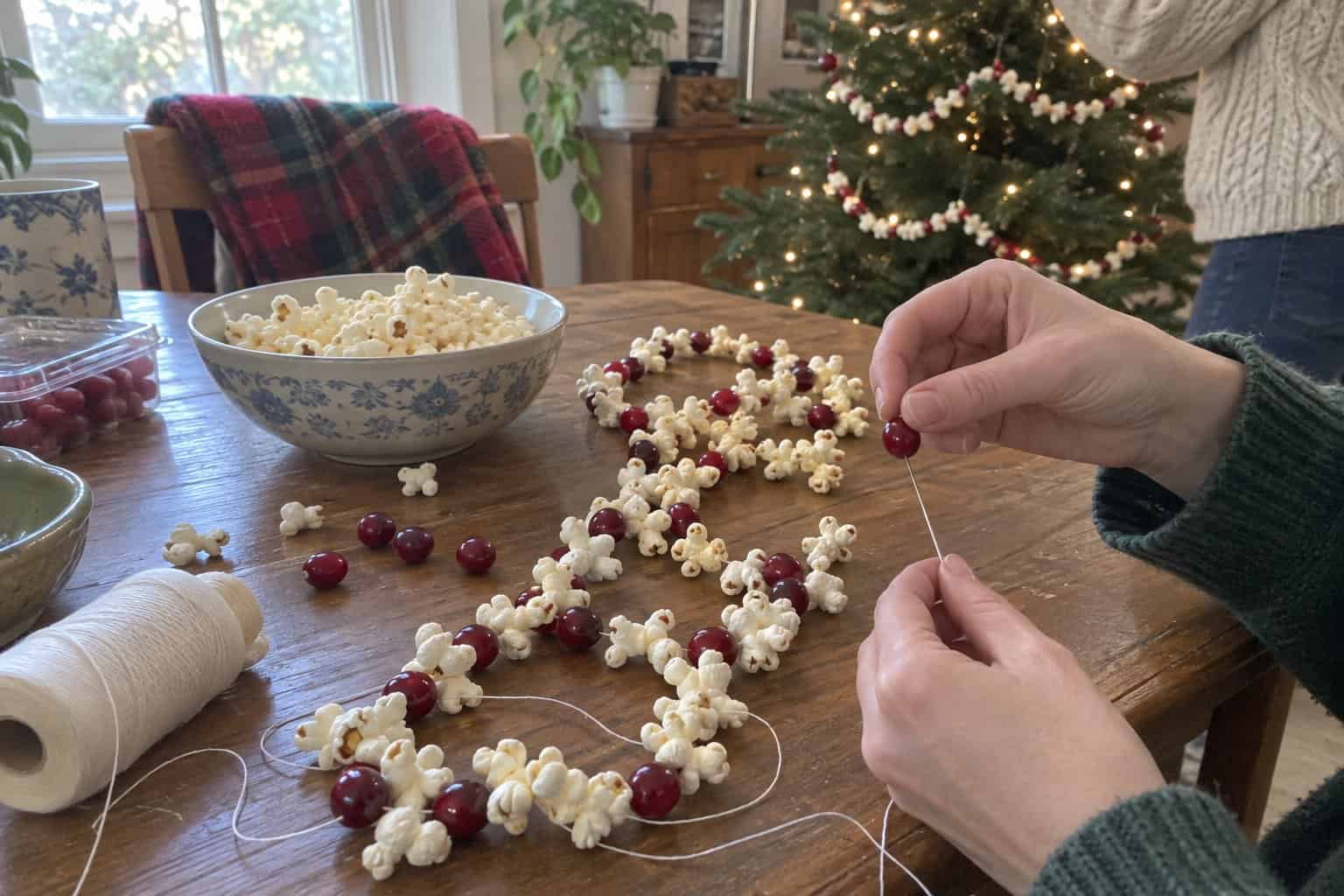
A strand of white popcorn and bright cranberries brought a handmade detail to the Christmas tree. In some households, family members threaded each piece with a needle, working the two colors into a simple pattern. The popcorn supply could shrink during the work, making the finished garland a record of the process as well as a decoration.
Draped around a live tree, the garland catches warm lamplight against green branches. Its uneven spacing and natural materials suit a 1960s or 1970s living room, where ornaments and tinsel shared space with this quiet, homemade touch.
Many mid-century decorating guides suggested roughly one foot of garland for every foot of tree height, a ratio some decorators still follow today, whether the garland is popcorn, beads, or tinsel rope.
Felt Stockings with Names
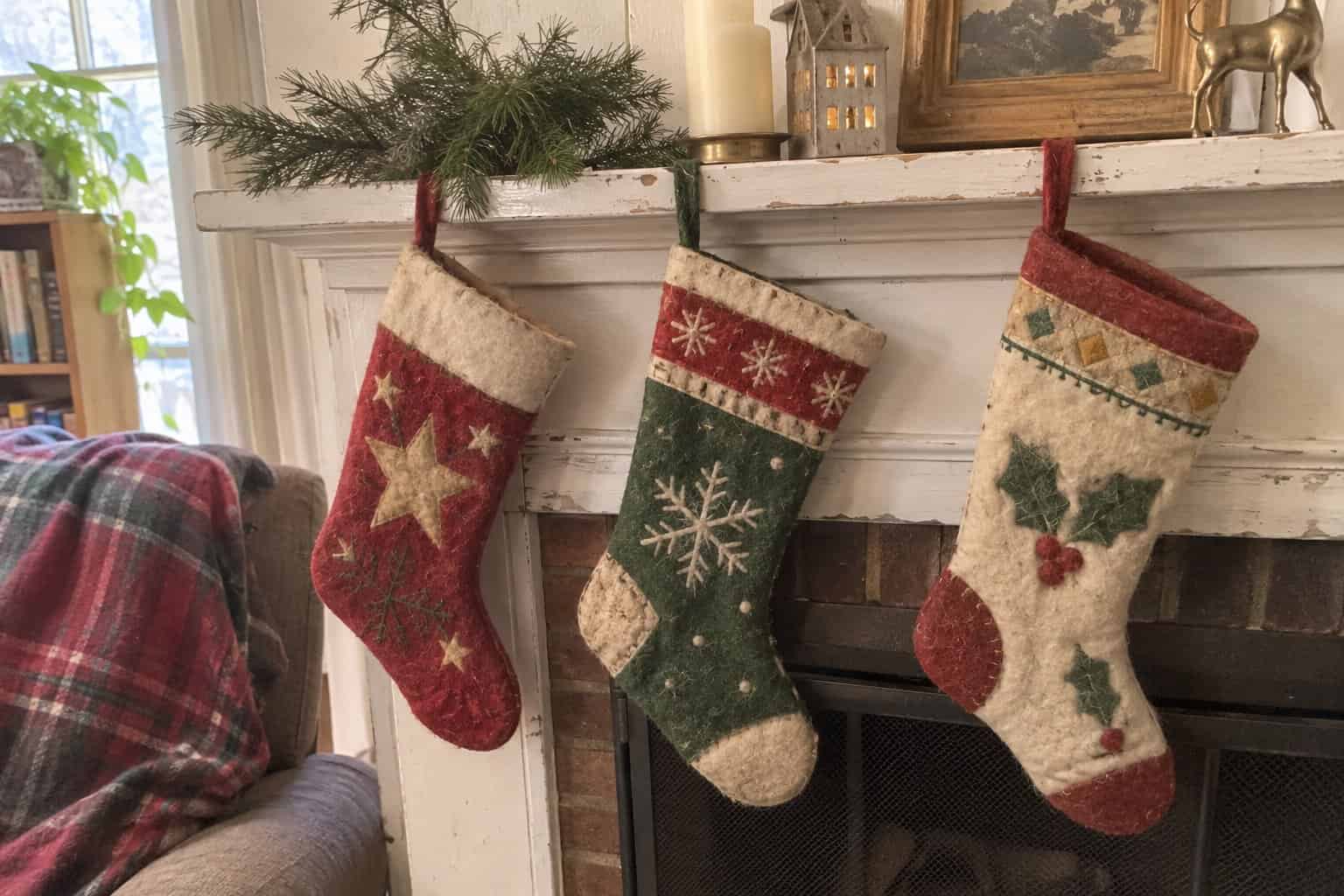
Handmade felt stockings gave each family member a place at the mantel. Names in glitter glue made them easy to tell apart, with uneven lettering and sparkling strokes adding a personal touch.
On Christmas morning, families filled the stockings with an orange and nuts. The simple treats paired with the bright felt and handwritten names, making each stocking part of a familiar household routine rather than a store-bought accessory.
Glass Pickle and Beaded Ornaments
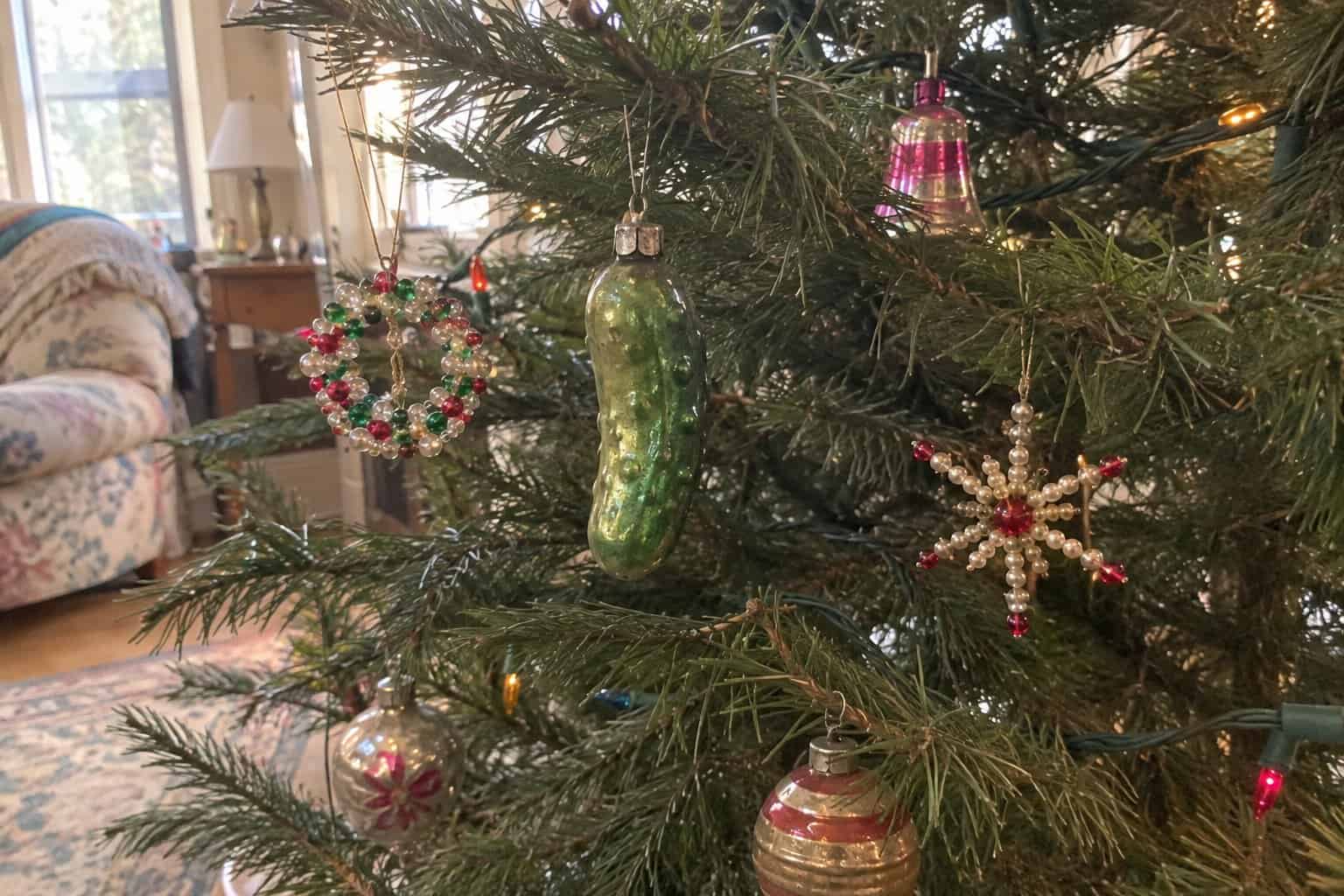
Tiny glass beads catch the light across pickle- and fruit-shaped ornaments, adding texture to their glossy surfaces. Their delicate construction calls for careful handling, especially when removing them from a branch or packing them away.
Some families kept these ornaments for years, passing them from grandparents to younger generations. On a green tree, their small shapes and beadwork stand out in the soft, warm light of a 1960s or 1970s living room.
Angel Tree Topper
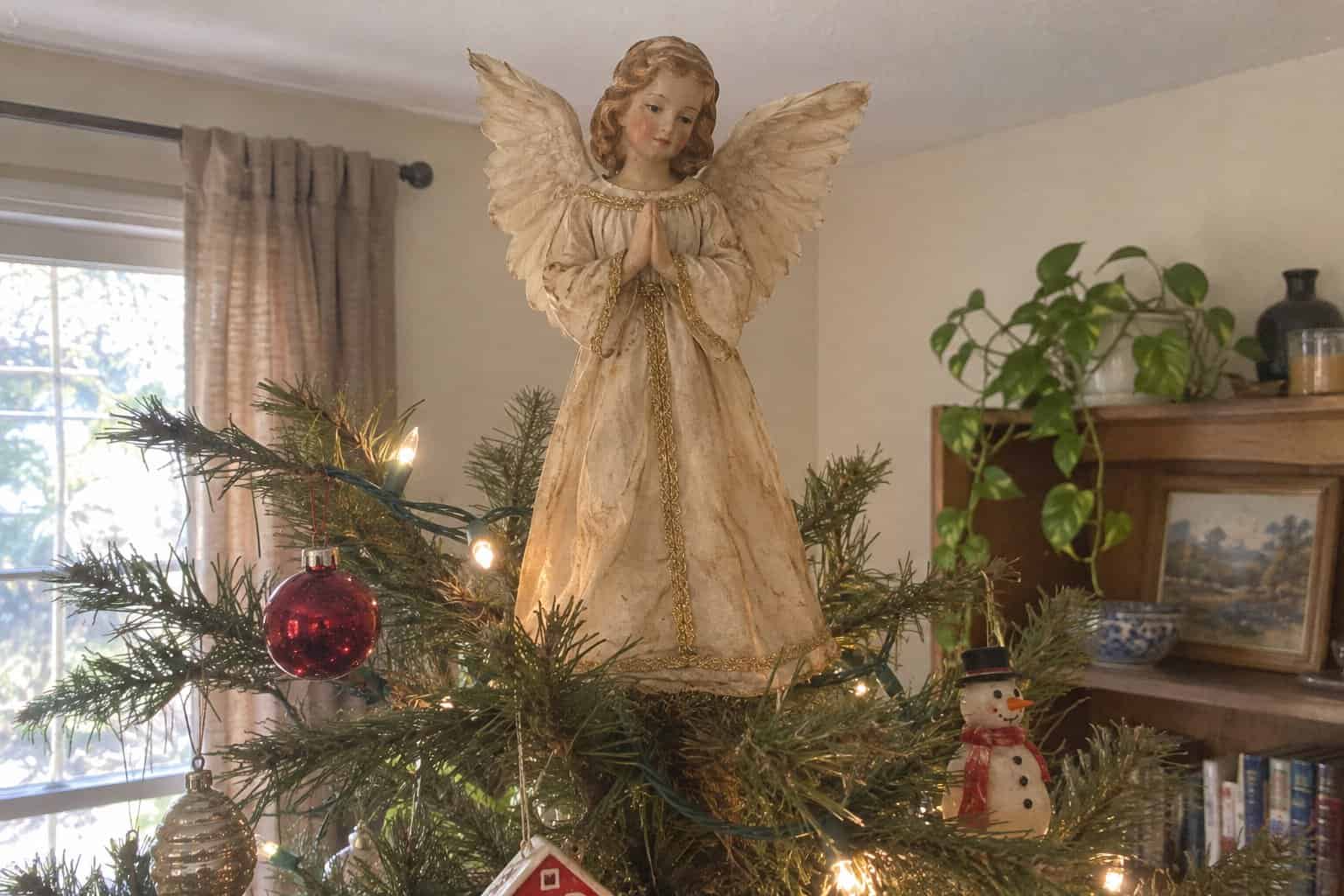
Paper wings and a firm, pleated taffeta gown give this angel a distinctly mid-century presence. Her plastic face sits above the fabric collar, while the wings catch the light against the green branches. On a tree in a 1960s or ’70s living room, she makes a small, carefully placed focal point.
The topper’s materials show how a familiar holiday figure could combine delicate-looking details with practical construction. The wings hold their shape, and the stiff skirt helps the angel stay upright at the top of the tree. Warm room light softens the plastic face and brings out the gown’s folds.
Musical Revolving Tree Stand
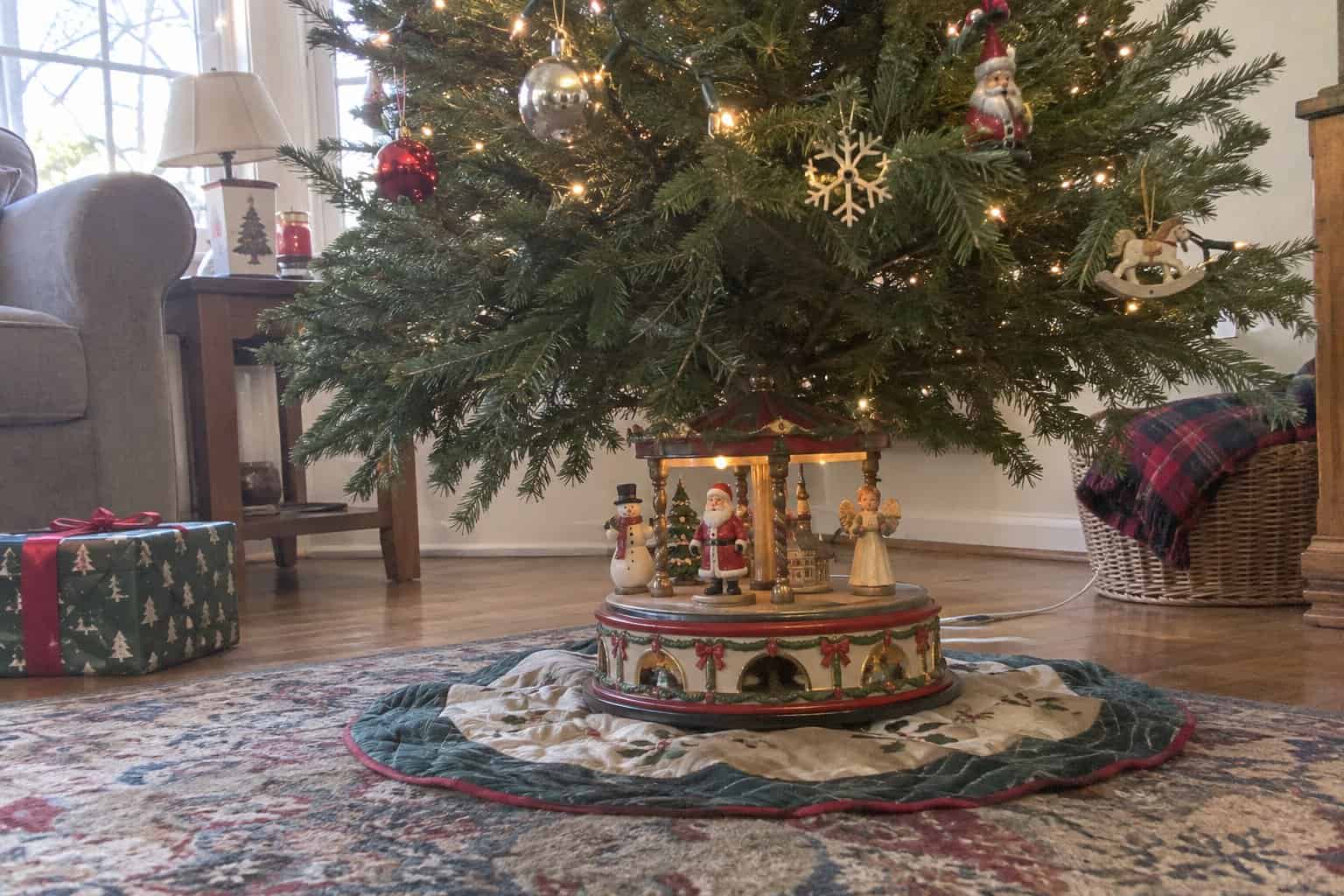
A metal stand gave the Christmas tree a slow turn while a small music box beneath it played carols. The motion carried ornaments and branches through the room’s lamplight, adding a quiet sense of movement to a familiar holiday corner.
In a 1960s or ’70s living room, the stand might sit beside wrapped gifts, with the tree’s rotation revealing different ornaments over time. Its mechanical parts made the display both practical and decorative: a stable base, a gentle spin, and music close to the floor.
Christmas Cards Strung on the Wall
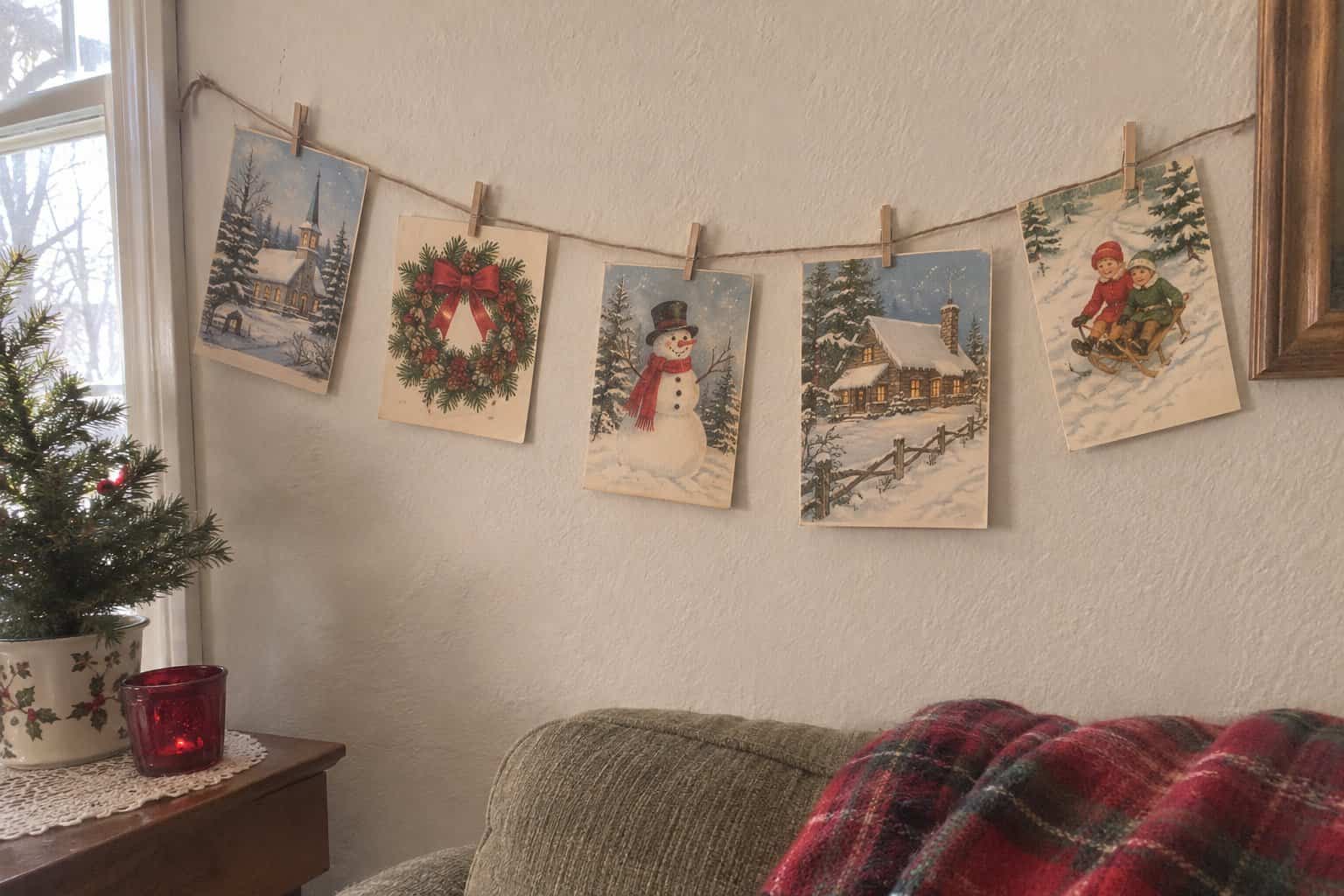
A ribbon stretched across a living room wall turned holiday greetings into a seasonal display. Cards clipped along its length added color above the sofa, where visitors could pause to look at painted winter scenes, familiar names, and handwritten addresses.
The display kept each card in view after it arrived. Families could take one down to reread its message, then clip it back among the others as December went on.
By the end of the month, the collection held small records of the season: who had sent a greeting, what the front pictured, and what a note inside had said. Warm room light softened the paper and made the wall feel lived in, which is probably why so many people remember the string of cards more clearly than the ornaments underneath it.