Do you all recall those mandatory classes where the teachers told us we would need skills “in the real world”? Well, it’s been decades since and some of those “skills” are about as useful as a screen door on a submarine. In this article, we’re going to revisit the school skills that were taught to us that we look back on and wonder what purpose they served.
Table of Contents
- 1 1. Writing in Cursive
- 2 2. Diagramming Sentences
- 3 3. Slide Rule Calculations
- 4 4. Library Card Catalog System
- 5 5. Memorizing Phone Numbers
- 6 6. Using a Typewriter
- 7 7. Converting Metric Units
- 8 8. Using a Compass and Protractor
- 9 9. Writing Checks
- 10 10. Using a Physical Encyclopedia
- 11 11. Using a Map and Compass
- 12 12. Making Change Without a Calculator
- 13 13. Using a Microfiche Reader
- 14 14. Learning Latin
1. Writing in Cursive

We can all recall how teachers taught us to write in cursive. They were adamant that we would need them to write letters and sign contracts. Now, we are lucky to even be able to read letters that our grandparents wrote, not to mention our own flowing script. Even our signatures have collapsed into squiggles.
Save for later
Want to come back to this story? Save it with your email so it is easy to find again.
2. Diagramming Sentences
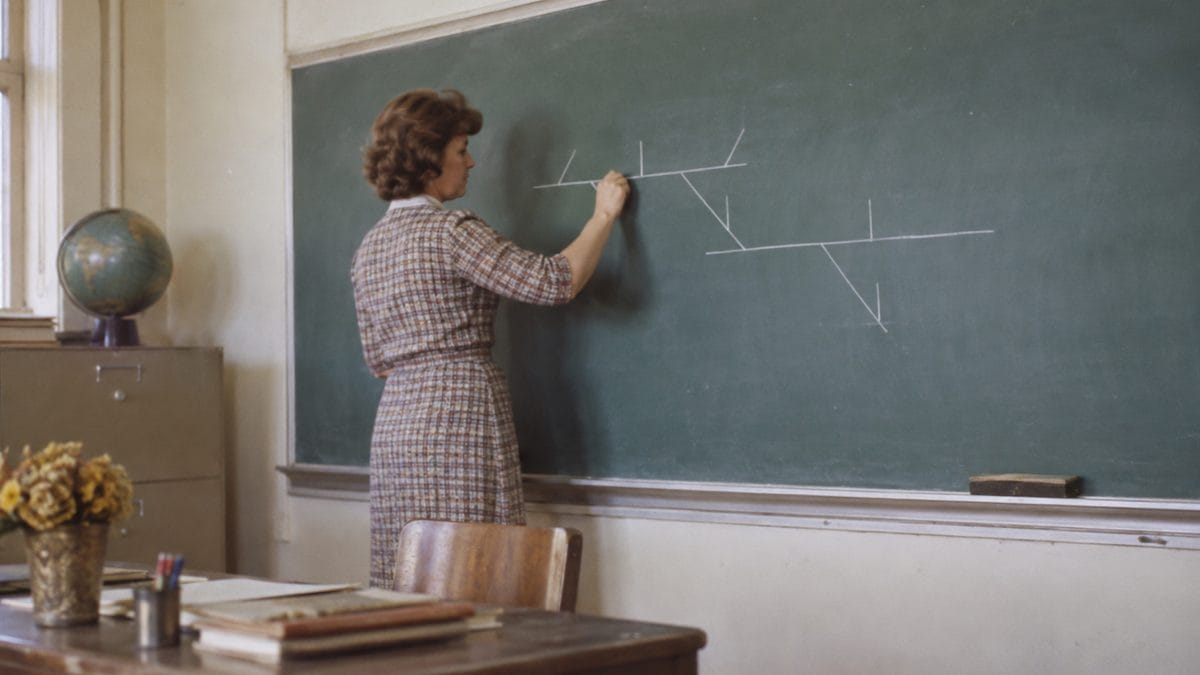
We had to deal with grammar teachers that had us draw these insane “family trees” of subjects, predicates, and modifiers. They were adamant that teaching us this would make us better workers. Yet look what we have done with all these skills. Not once has anyone asked us to do this in a business meeting.
3. Slide Rule Calculations
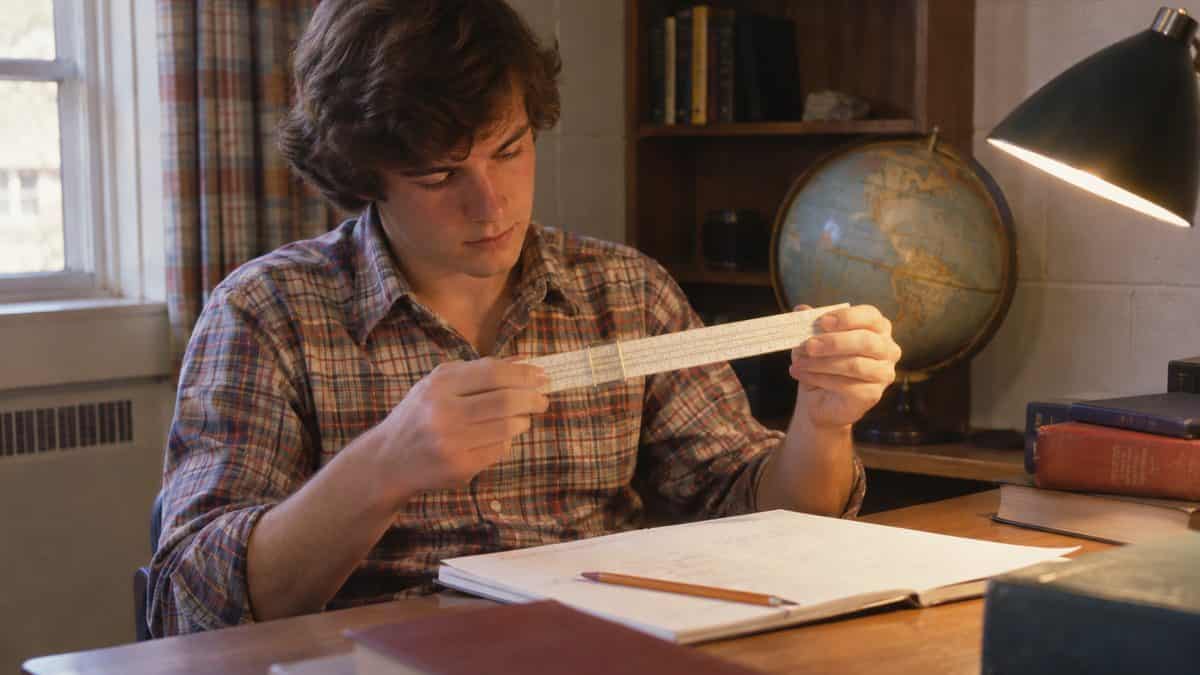
Math teachers worshipped these strange rods that seemed like rulers on steroids. They told us that they were our ticket to achieving higher level mathematics. Now they’re collecting dust in the places we put them, and all the other teachers lied to us about calculators.
4. Library Card Catalog System
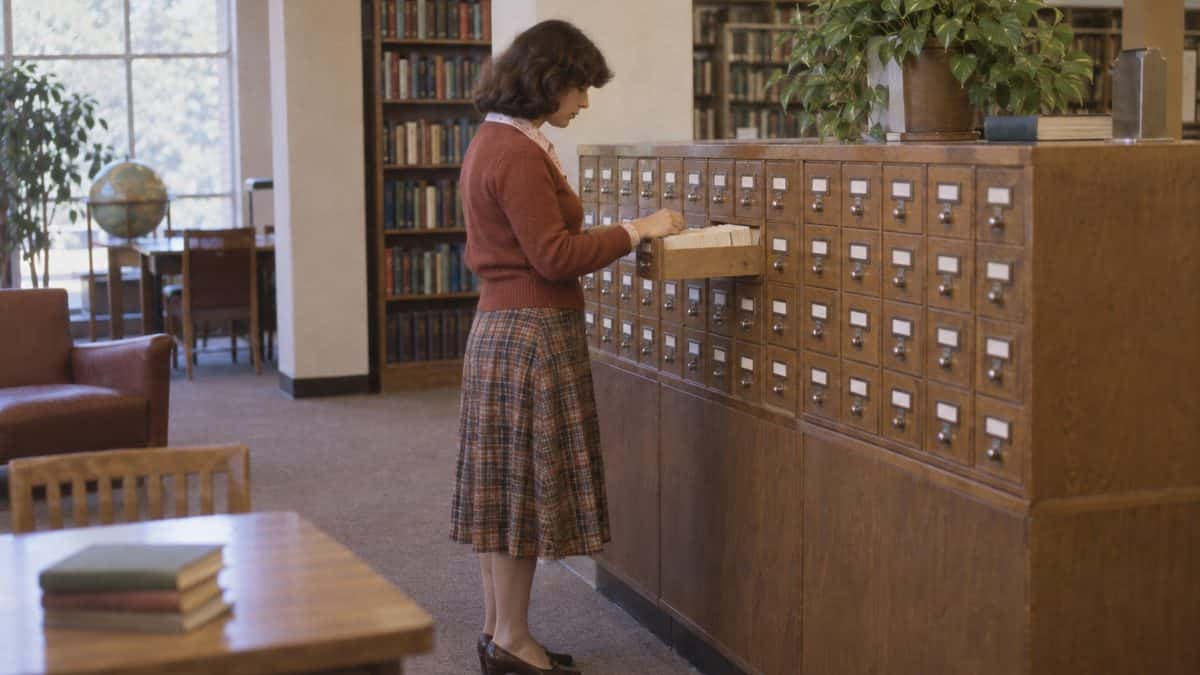
Remember learning the Dewey Decimal System? Our teachers always made us believe it was an important skill for our future, especially for college. Little did they know that we would have such a resource like Google. Card catalogs are a thing of the past, and now we have a much easier and efficient way of source finding. If those index cards are still in use today, I wonder if they were ever made.
5. Memorizing Phone Numbers
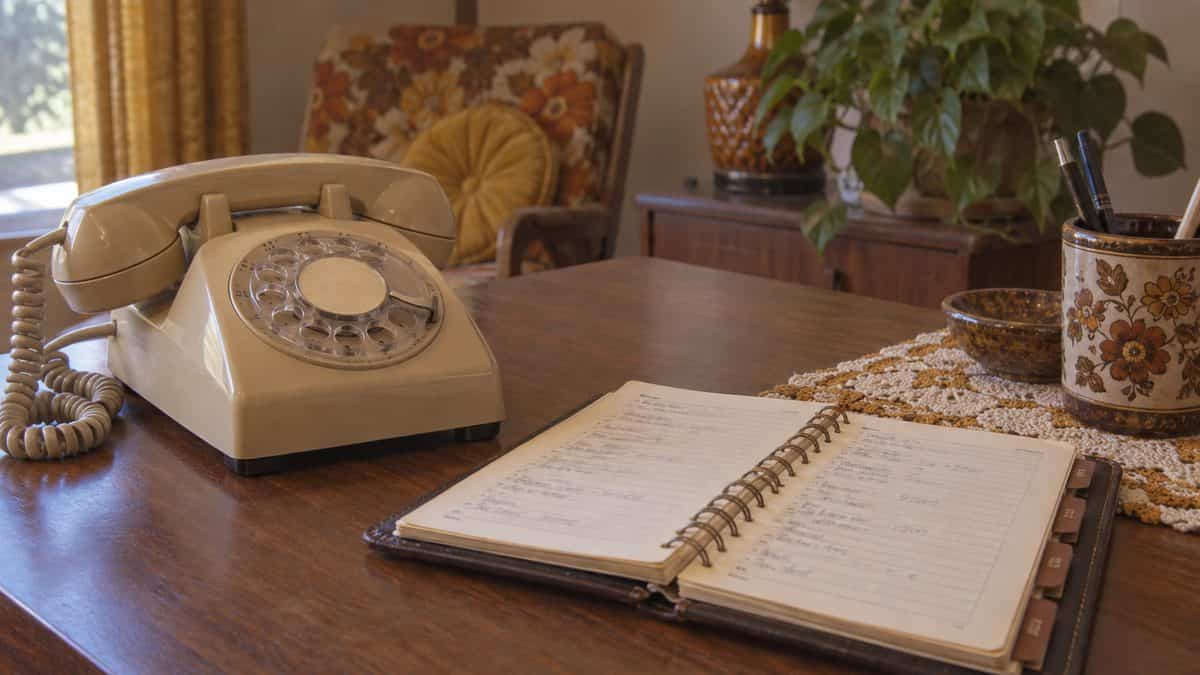
i Remember phone books and being told to memorize phone numbers? Teachers said we had to take notes on a piece of paper instead of a digital one, thinking that we would rely on a phone or a digital planner to keep our appointments. Who can even remember there kids phone numbers nowadays? If they have to resort to checking their contacts, they have everything saved in a device.
6. Using a Typewriter
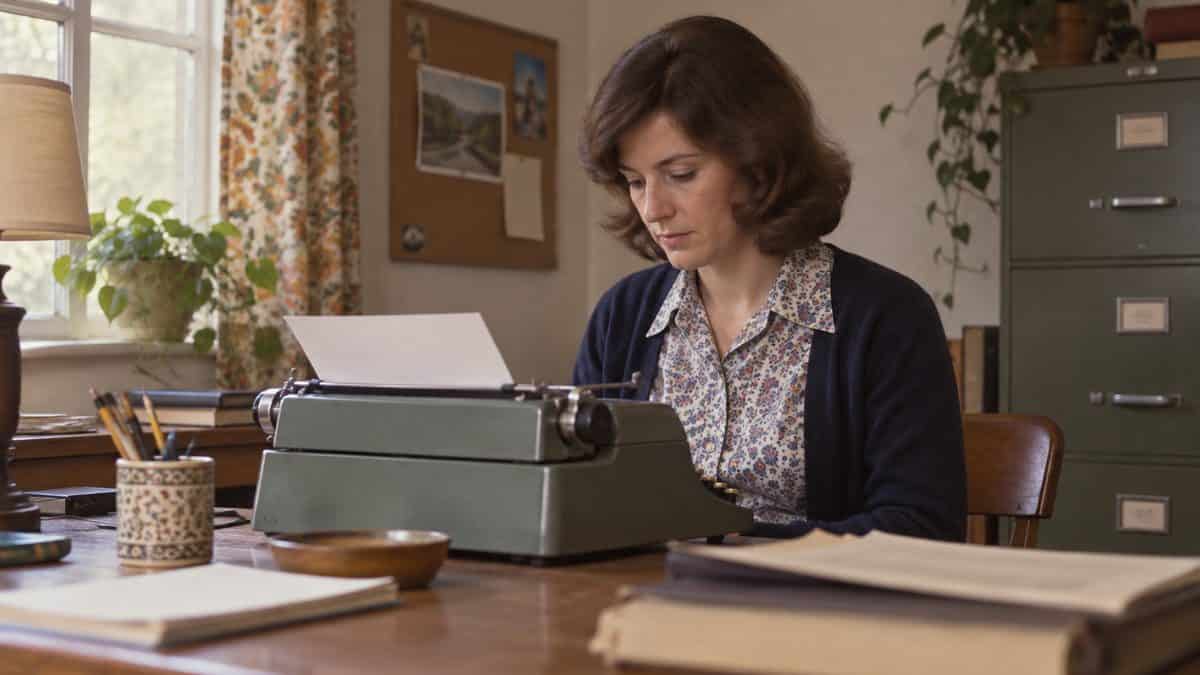
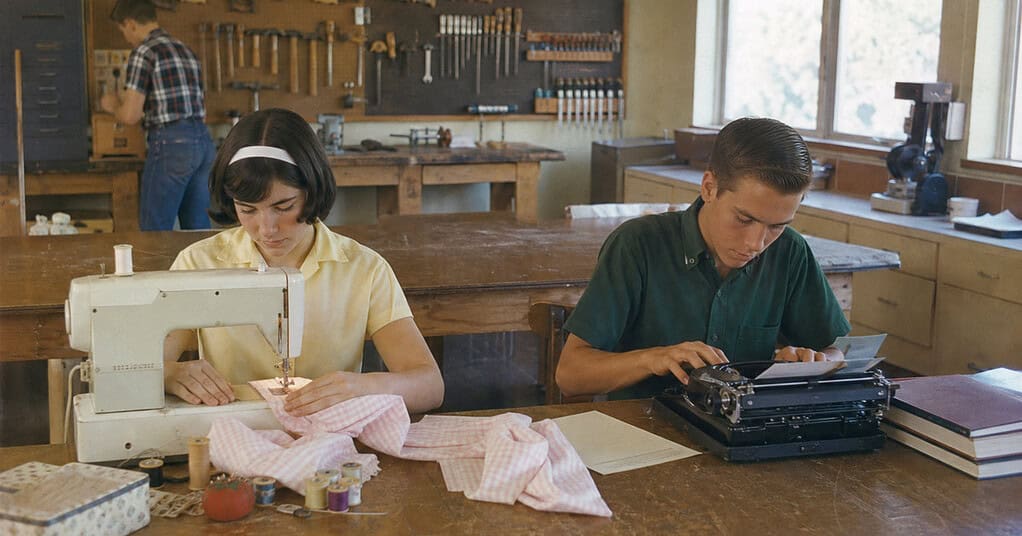
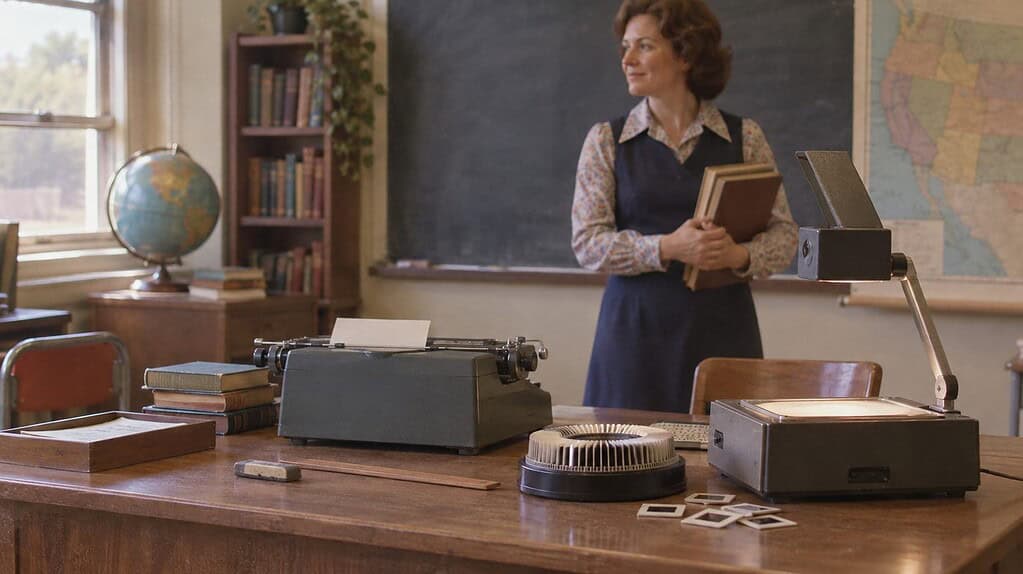
Typing classes. Ugh. No backspace and no mistakes to be allowed to type again. What’s the point in learning that so much is done on computers now. Who remembers the last time they had to replace a typewriter ribbon? type correction fluid? or even spell check? Teachers taught us what they thought would be useful life skills, but they were wrong.
7. Converting Metric Units
America has been built on the old, outdated imperial system since the 1970s. Learning centimeters and meters was just a waste of time because we have systems to convert measurements. The endless memorization of conversion tables in our head has all been for nothing.
8. Using a Compass and Protractor
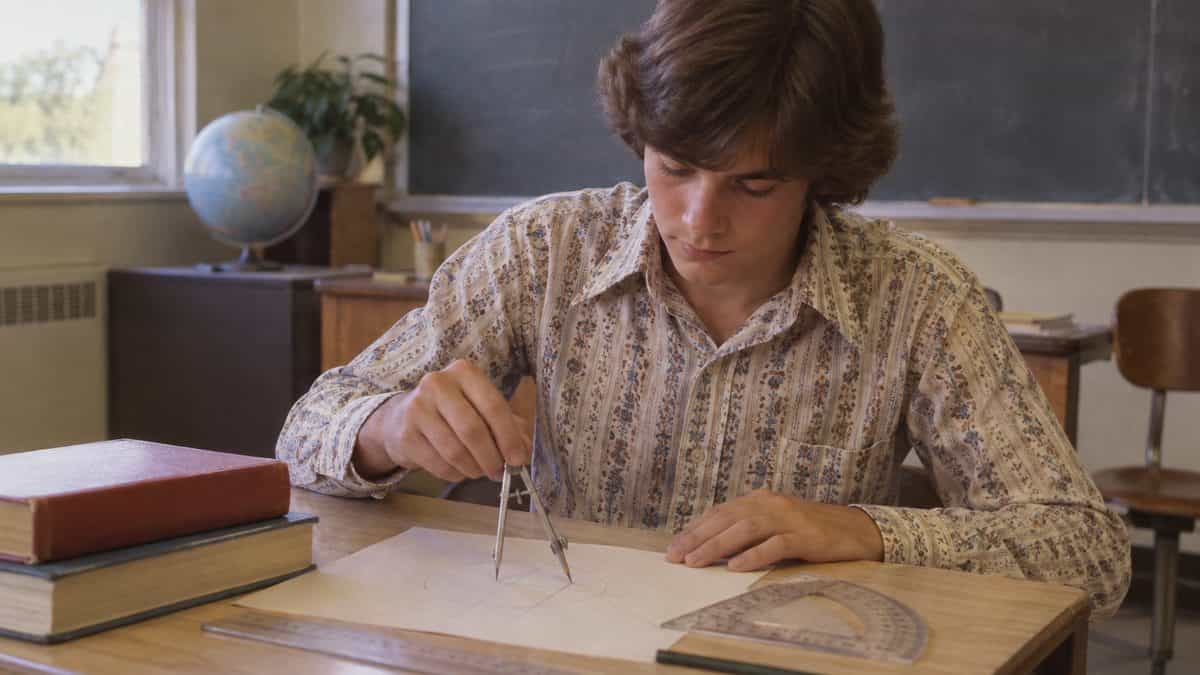
They always seemed to vanish right when you needed them the most. You drew countless circles and measured endless angles all to only be told that these skills were going to be invaluable in future professions. Unless you became an architect or engineer, it’s likely these tools have not been out of your bag since high school.
9. Writing Checks
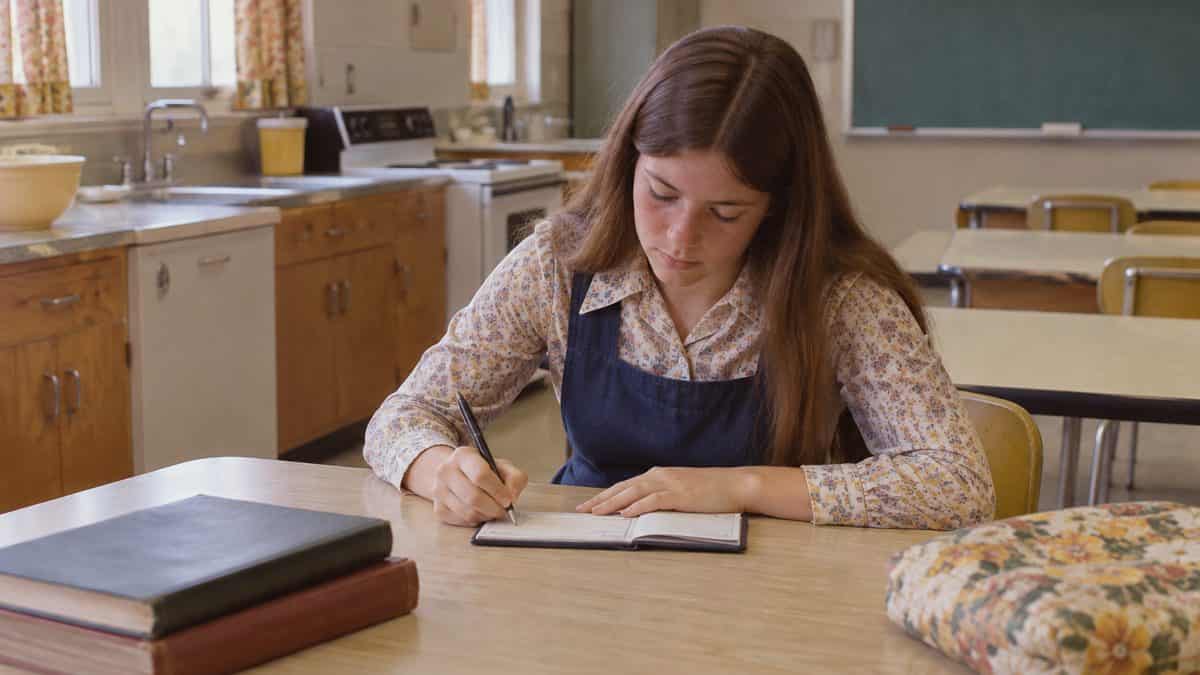
Think back to your math class and those pretend checkbooks? Balancing checkbooks and writing them out was a huge hype, but now the only checks most people write are for wedding gifts or the one landlord who hasn’t gone electronic. Oh, and maybe the court.
10. Using a Physical Encyclopedia
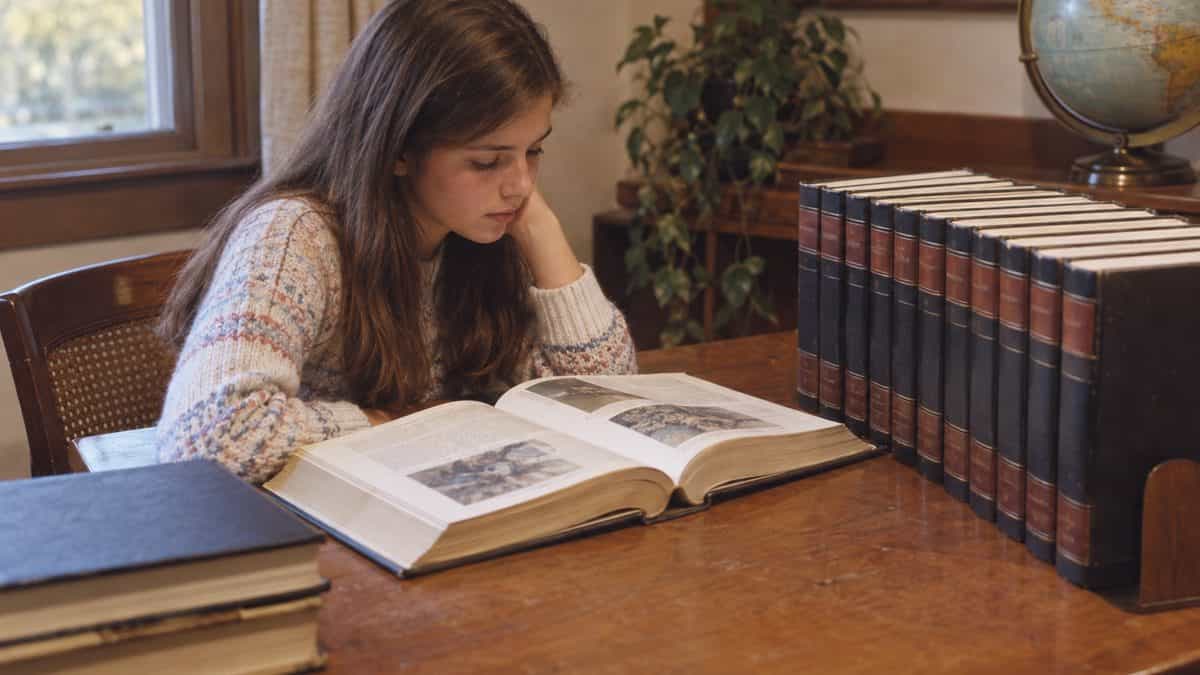
The giant, multivolume, World Books and Brittanicas that we got told were the only reliable sources of information? We learned how to properly cite them and were told they were going to be invaluable for our research papers. Now, they’re just decorative items collecting dust while the world’s knowledge is literally in our pockets.
11. Using a Map and Compass
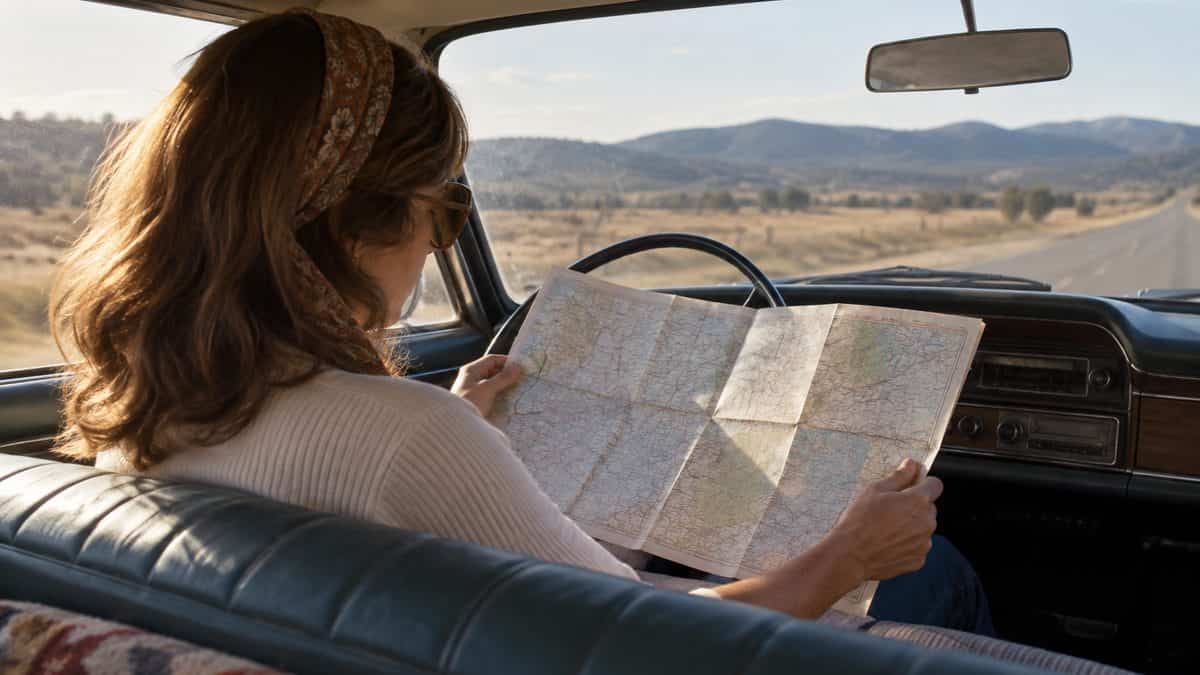
We learned to read topographic maps and would also have to learn compass navigation. We were each warned that directions would not be available. As long as there are GPS systems and smartphones, most people have stopped using paper maps. I have to admit, there was some joy in mastering folding the maps.
12. Making Change Without a Calculator
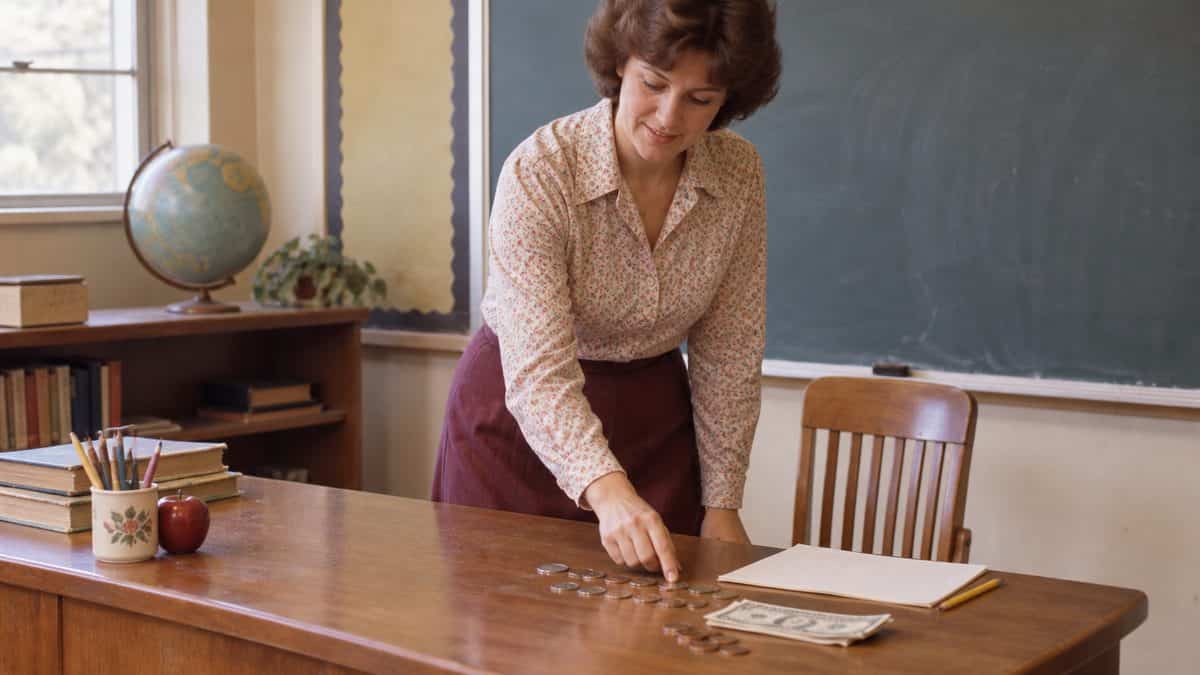
We spent so much time counting back change to practice for our first jobs. Teachers told us we’d need these skills for the cash register jobs. Now registers do all the work so not many stores take cash. Have you seen a teenage cashier count change back in the old days?
13. Using a Microfiche Reader
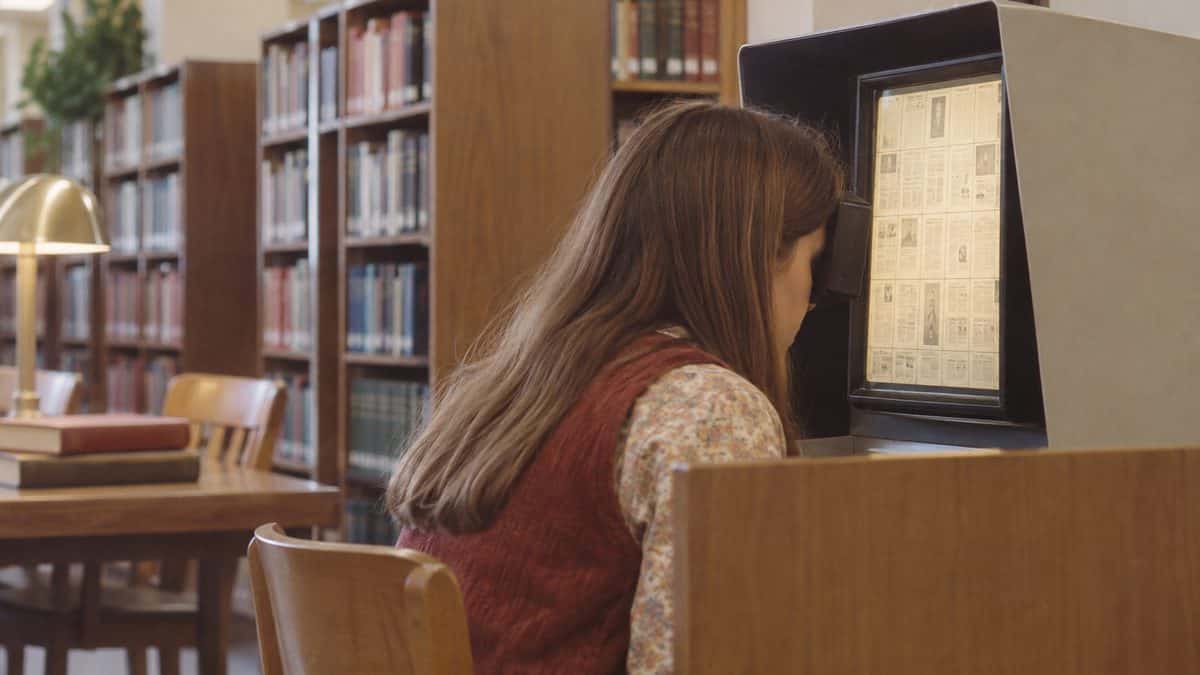
Those days are long gone where we had to look through the clunky machines to see documents and newspapers. Many thought that was the future of research. Now everything is online and digitized. Those machines are probably stored in a museum now along with card catalogs.
14. Learning Latin
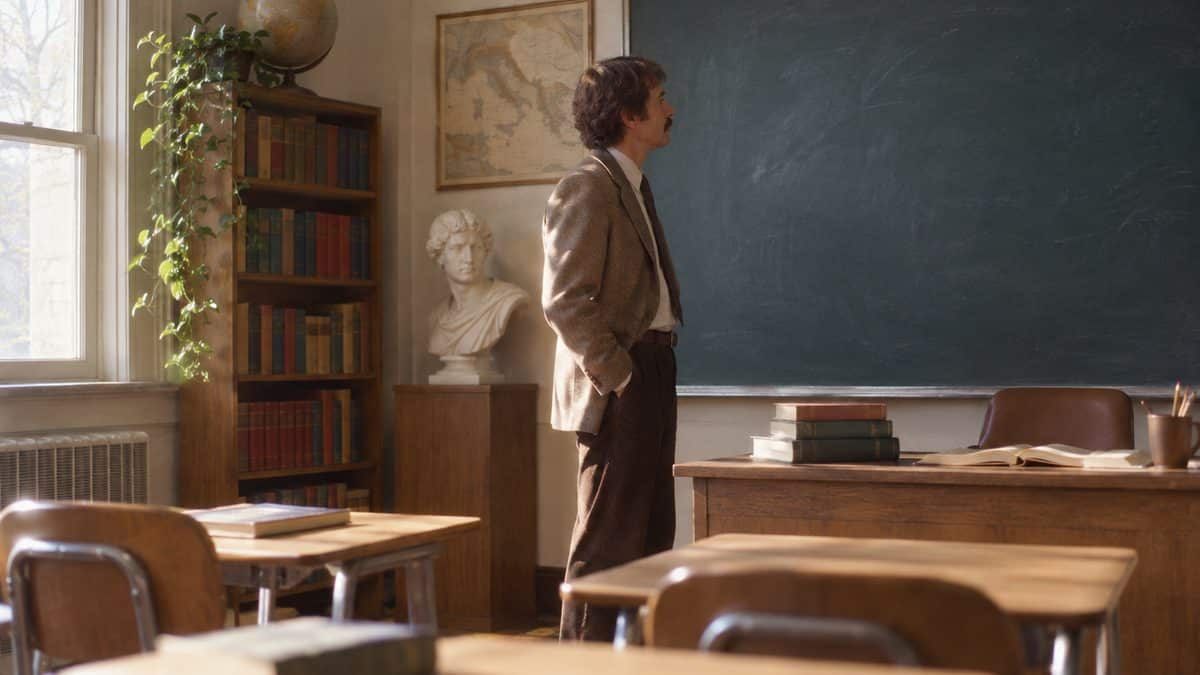
Years of translating Caesars Gallic Wars copy and conjugating Latin verbs were supposed to get us ahead of the game. Teachers would say it would help with everything from law to medicine. Unless you became a Catholic priest or classic professor, those tables are probably still collecting dust in your head.