
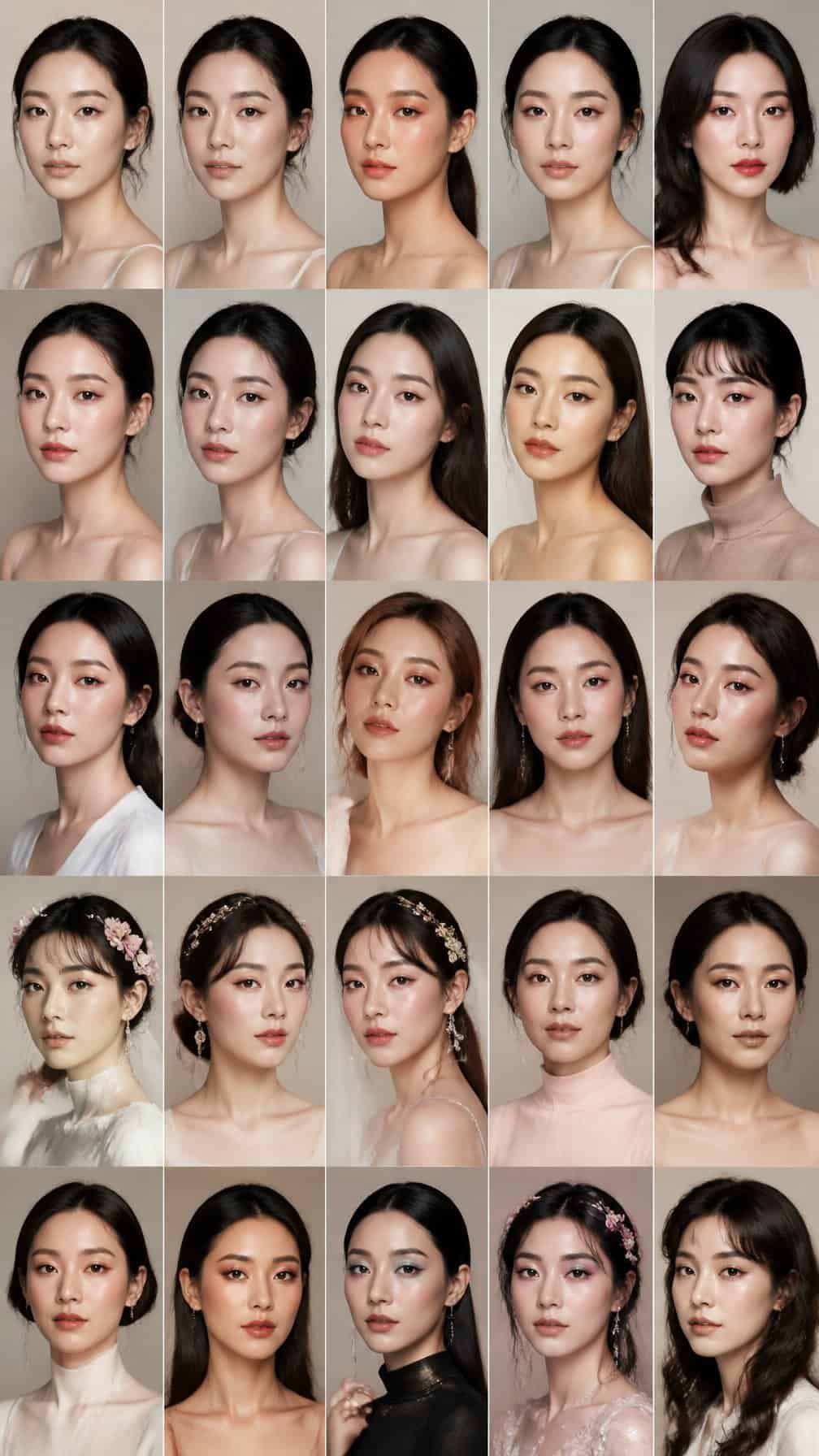
Chinese-inspired makeup combines deliberate placement, balanced color, and careful control of shape. I’ll guide you through 21 distinct looks, showing how each technique changes the eyes, cheeks, lips, or overall finish without losing cohesion.
Save for later
Want to come back to this story? Save it with your email so it is easy to find again.
You’ll learn how to recreate each look by understanding the placement, texture, and blending choices that define it. I’ll also connect these approaches to broader core techniques and modern cultural adaptation, so you can choose methods that suit your features, style, and occasion.
Table of Contents
- 1 1) Douyin blush with under-eye color placement
- 2 2) Douyin fox-eye liner with lifted outer corners
- 3 3) Douyin glossy red lips with blurred edges
- 4 4) Douyin high-nose blush across the bridge
- 5 5) Douyin aegyo-sal highlighting beneath the eyes
- 6 6) Douyin straight brows with a soft arch
- 7 7) Douyin inner-corner liner for enlarged eyes
- 8 8) Douyin doll-eye lashes with concentrated center volume
- 9 9) Douyin heart-shaped lips with a defined cupid’s bow
- 10 10) Douyin cold-girl makeup with flushed cheeks and nose
- 11 11) Douyin peach makeup with monochromatic coral tones
- 12 12) Douyin strawberry makeup with red freckles
- 13 13) Douyin sugar-plum makeup with mauve blush
- 14 14) Douyin clean-girl base with strategic highlighting
- 15 15) Douyin siren eyes with elongated smoky liner
- 16 16) Douyin puppy-eye liner with lowered outer corners
- 17 17) Douyin smoky red eyeshadow with diffused edges
- 18 18) Douyin cut-crease shimmer with a bright center lid
- 19 19) Douyin halo eye with contrasting inner and outer corners
- 20 20) Douyin waterline brightening with beige pencil
- 21 21) Douyin gradient lips with a darker inner stain
1) Douyin blush with under-eye color placement
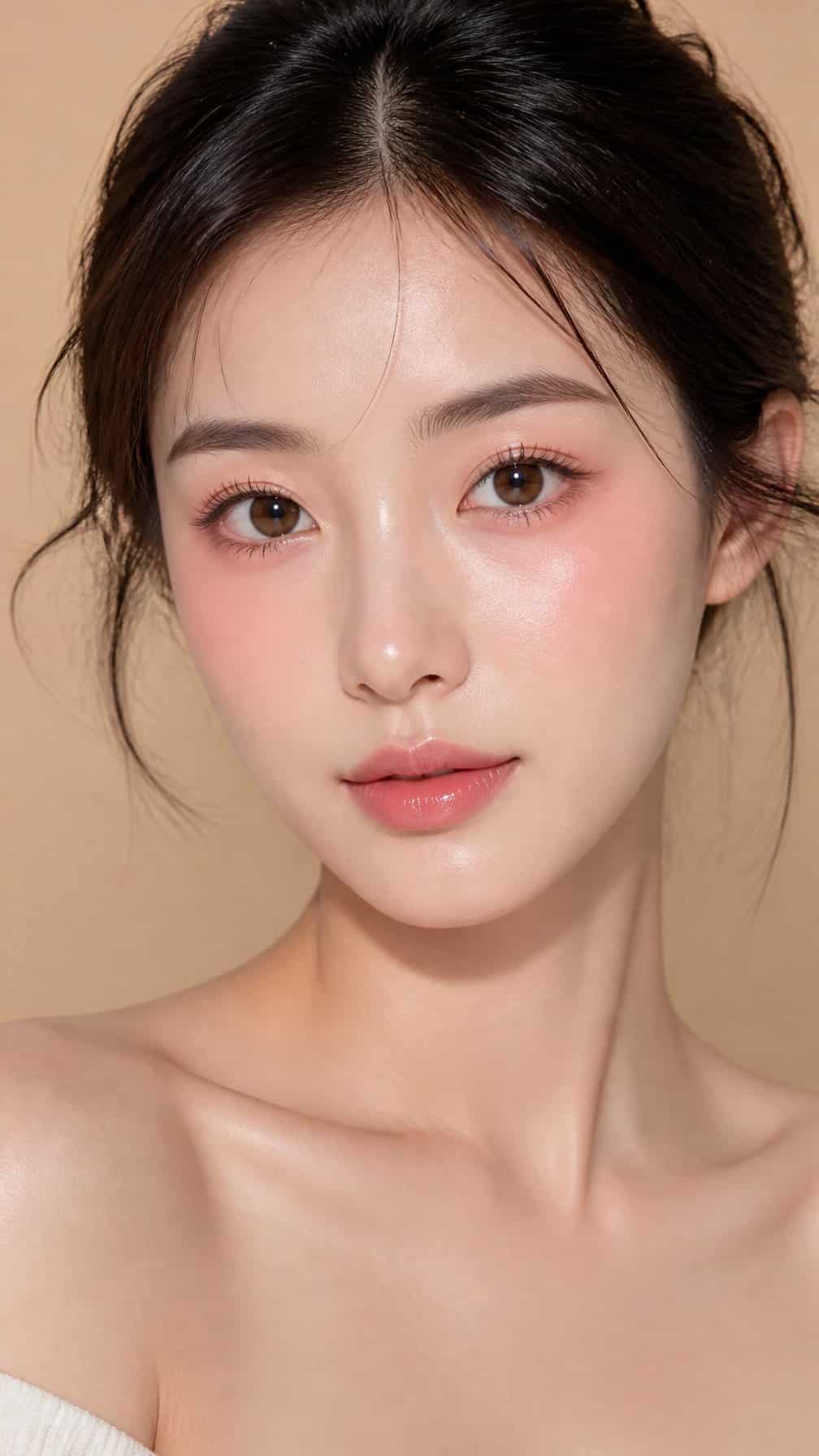
I place a soft pink or coral blush across the center of my cheeks, then extend it toward the sides of my nose. This creates a rounded, youthful color pattern rather than a sharply lifted shape.
I add a small amount beneath my eyes, keeping the pigment close to the lower lash line and blending the edges carefully. I use a light hand because this area can look heavy quickly; the goal is visible color with a diffused finish.
I balance the blush with thin eyeliner, curled lashes, and a muted lip tint. I avoid strong contour so the under-eye placement remains the main focus.
2) Douyin fox-eye liner with lifted outer corners

I create this look by extending a thin line from the upper lash line toward the temple, keeping the angle slightly upward. I taper the wing sharply rather than making it broad, which keeps the outer corner lifted and defined.
I add a short line along the outer lower lash line, connecting it softly to the wing without fully circling the eye. Then I blend a muted brown shadow beneath the line to add depth while preserving the elongated shape.
I keep the inner corner clean or sharpen it with a small point of liner. Curling the lashes and applying extra mascara to the outer lashes reinforces the directional effect without making the eyes appear heavy.
3) Douyin glossy red lips with blurred edges

I start by applying a thin layer of red tint to the center of my lips, then soften it outward with a fingertip or small brush. I keep the color strongest at the inner lip line and let it fade before reaching the edges.
For the glossy finish, I add a clear or lightly tinted lip oil only to the center. This catches light without spreading the pigment and helps maintain the blurred effect. I clean the outer lip line with a cotton swab for a soft but controlled shape.
I balance the look with lightly defined eyes, brushed brows, and fresh-looking skin. A small amount of concealer around my mouth can sharpen the contrast while keeping the lips relaxed rather than precisely outlined.
4) Douyin high-nose blush across the bridge
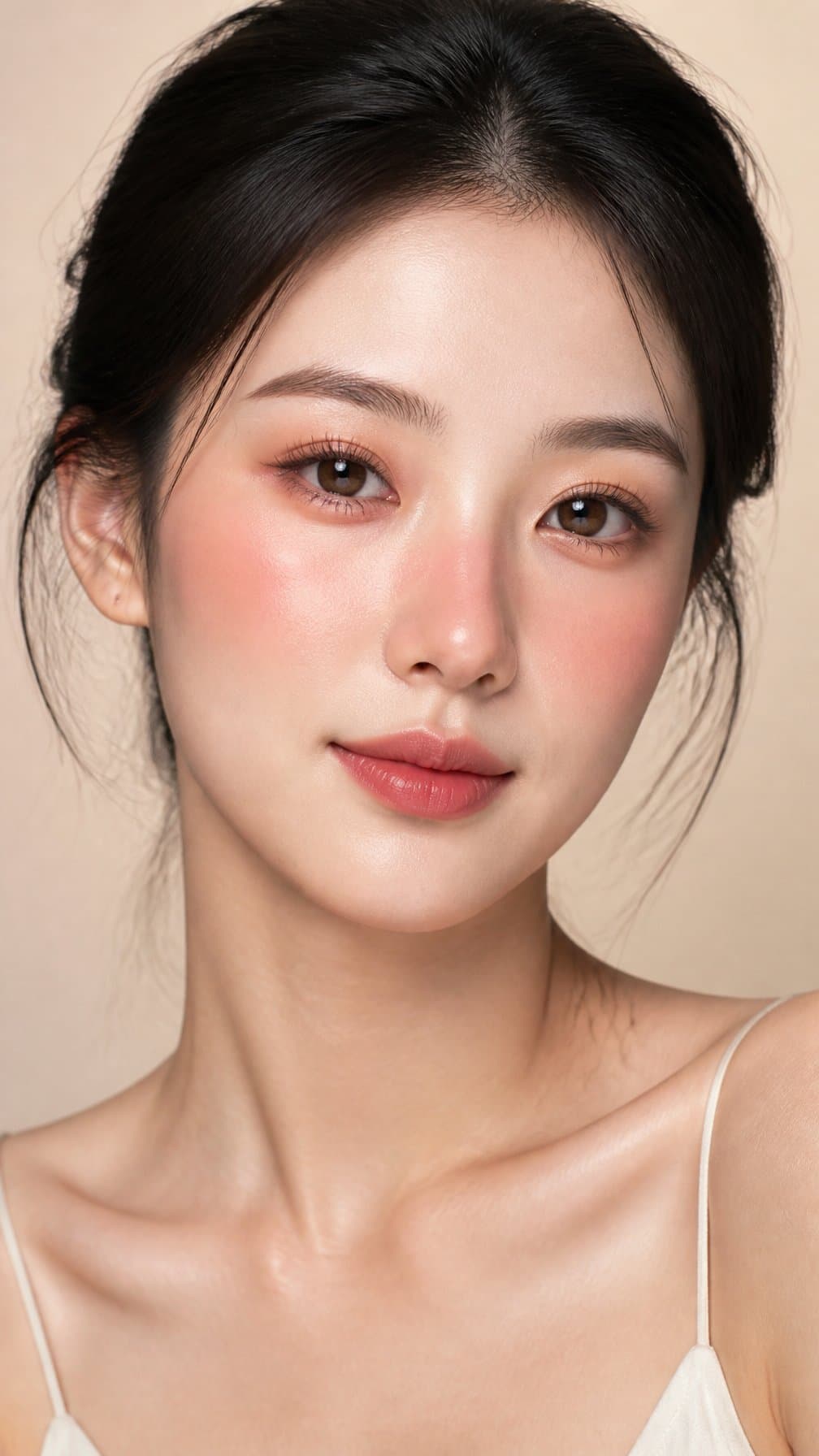
I place a muted pink or coral blush across the upper cheeks and lightly over the bridge of my nose. This creates a connected flush that sits high on the face without covering the entire center of the nose.
I keep the nose application sheer, using the leftover product on my brush or sponge. I blend upward toward the inner corners of my eyes and outward along the cheekbones, which helps the look appear soft rather than sharply drawn.
I pair this blush with lightly defined brows, curled lashes, and a glossy or blurred lip. I avoid heavy contour under the nose because it can compete with the horizontal blush placement.
5) Douyin aegyo-sal highlighting beneath the eyes
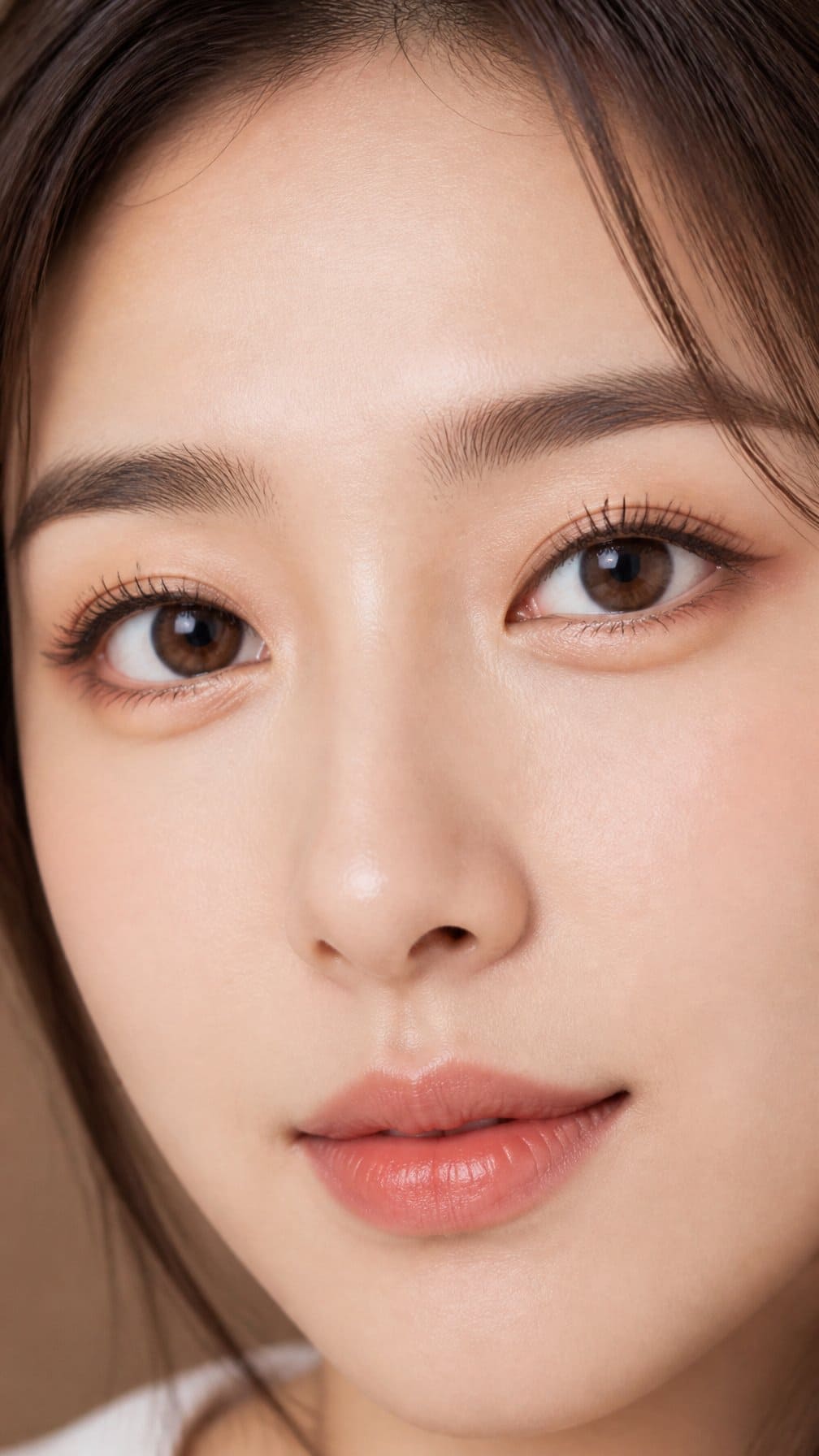
I create a soft, rounded highlight beneath the lower lash line to emphasize the natural fullness that appears when I smile. I use a light matte beige or satin shade on the raised area, keeping the finish controlled rather than glittery.
I then add a muted taupe or cool brown line just below that fullness, following its natural curve. I blend the edge carefully so it suggests gentle definition instead of a harsh crease. A small amount of shimmer at the center can brighten the area, while avoiding the inner corner helps maintain a balanced look.
I keep the lower lash line relatively clean and pair the highlight with curled lashes or subtle liner. This technique works best when the shadow stays narrow and the highlight remains close to the skin’s natural tone.
6) Douyin straight brows with a soft arch
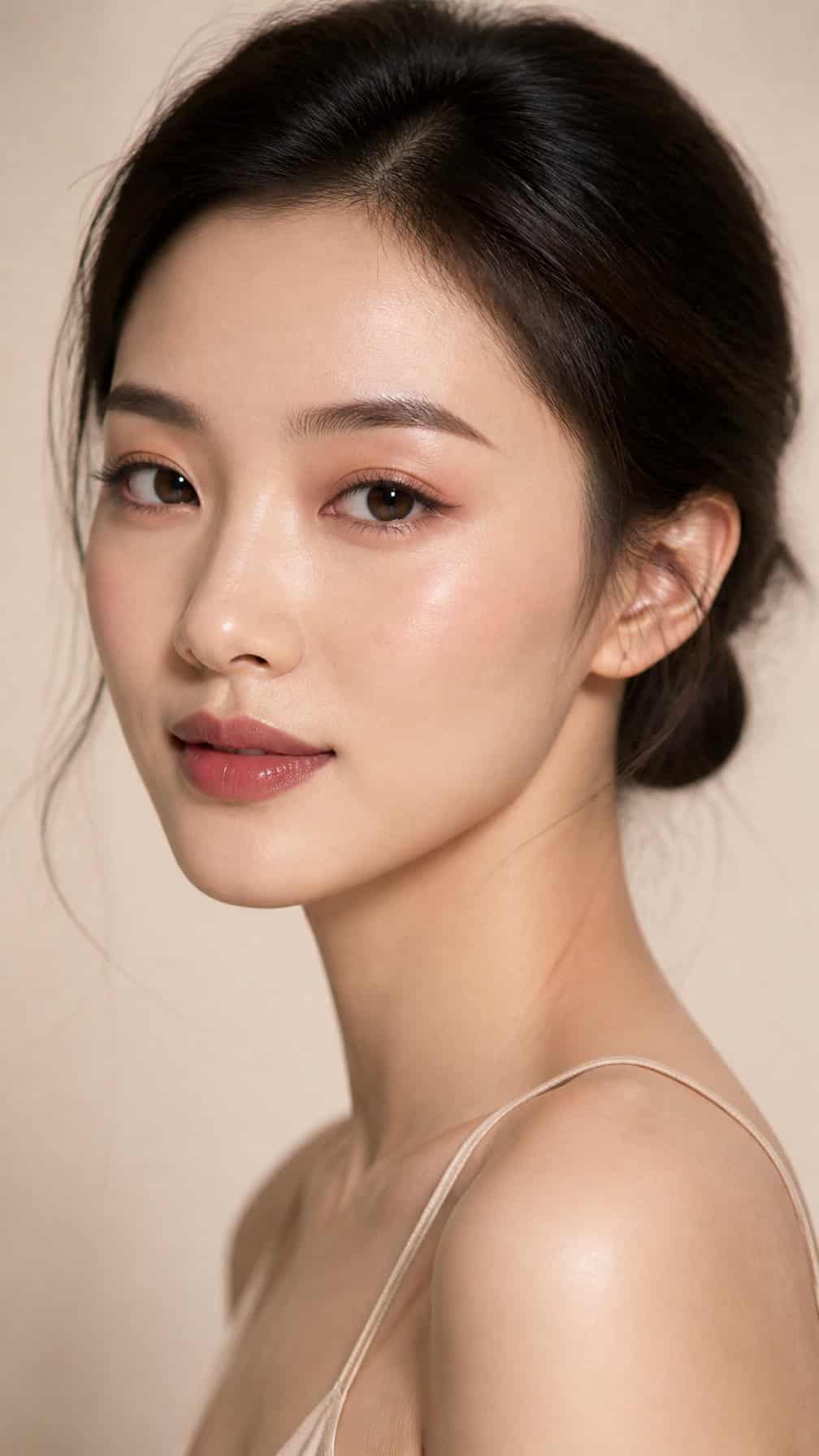
I keep the brow line mostly level, then add a subtle lift near the outer third. This shape frames the eyes without creating a sharply angled or overly sculpted look.
I begin by brushing the hairs upward and slightly outward with a clear or tinted gel. I fill sparse areas using a fine-tip pencil, drawing short strokes that follow the natural direction of growth rather than creating one solid block.
I soften the front with a spoolie and leave the inner edges lighter than the tail. A small amount of concealer beneath the arch can sharpen the lower line, while a touch of brow powder keeps the finish diffused and wearable.
7) Douyin inner-corner liner for enlarged eyes

I extend a thin line from the inner corner slightly downward and inward, following the natural tear-duct shape rather than drawing a sharp triangle. This placement visually lengthens the eye and creates a more open appearance.
I keep the outer liner short and softly lifted, then balance it with muted brown shadow along the lower lash line. I use a fine brush or felt-tip liner for control, leaving the inner point narrow so it looks defined without appearing heavy.
For a brighter effect, I add a small amount of light beige pencil to the waterline and blend a neutral shimmer near the inner corner. I avoid placing glitter directly over the tear duct, where it can collect and cause discomfort.
8) Douyin doll-eye lashes with concentrated center volume
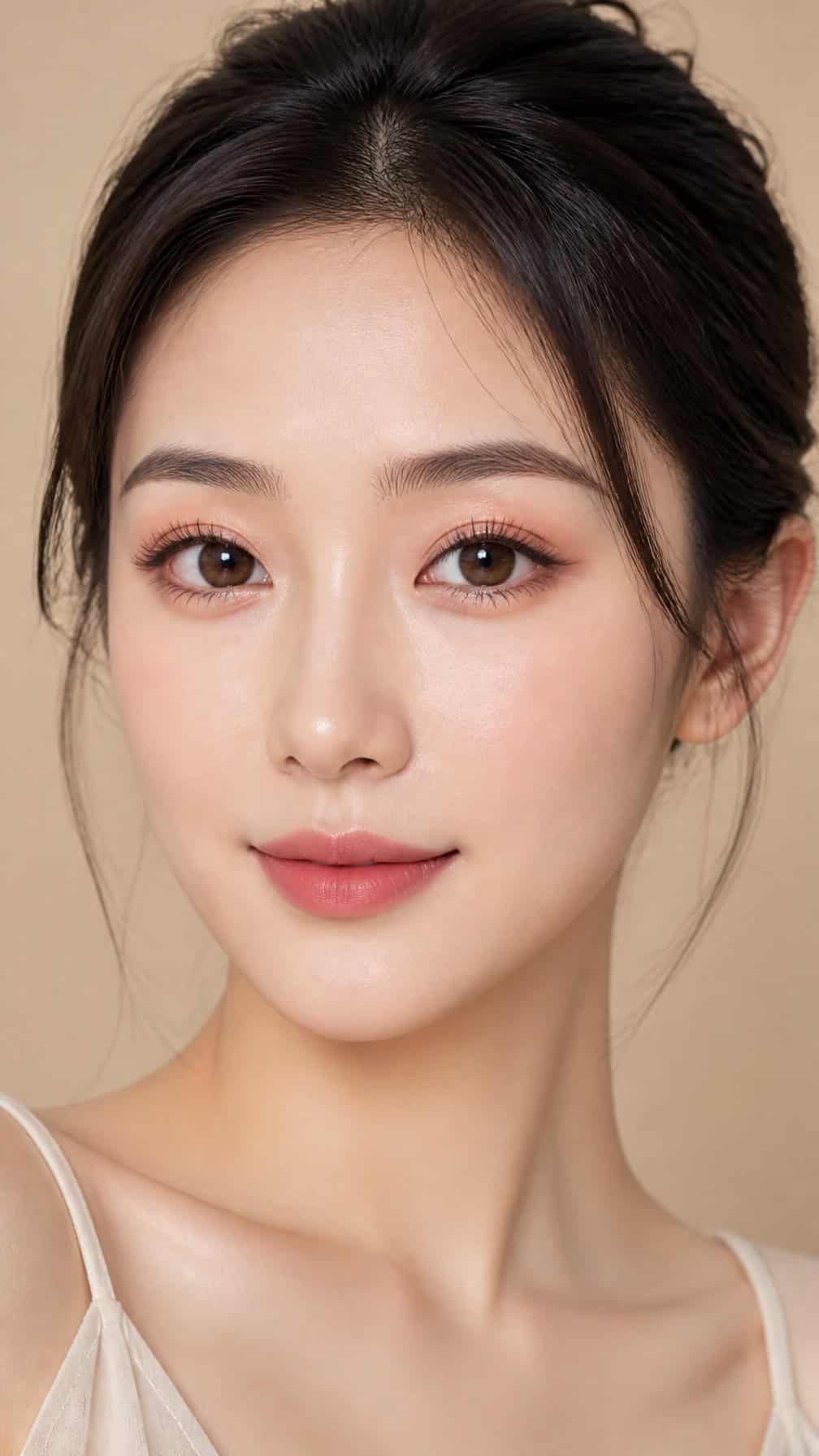
I build this style by placing the longest individual lashes above the center of the eye, then tapering to shorter lengths toward both corners. This distribution creates a rounded, open appearance without relying on heavy liner.
I curl my natural lashes first and apply a thin coat of mascara to support the extensions or clusters. I keep the outer corner lighter, because excessive length there can pull the eye shape outward instead of maintaining the doll-eye effect.
For a clean finish, I position small lash sections close to the lash line and leave narrow gaps between clusters. I use dark brown or black fibers according to the desired contrast, then brush through the lashes to separate them and prevent visible clumps.
9) Douyin heart-shaped lips with a defined cupid’s bow
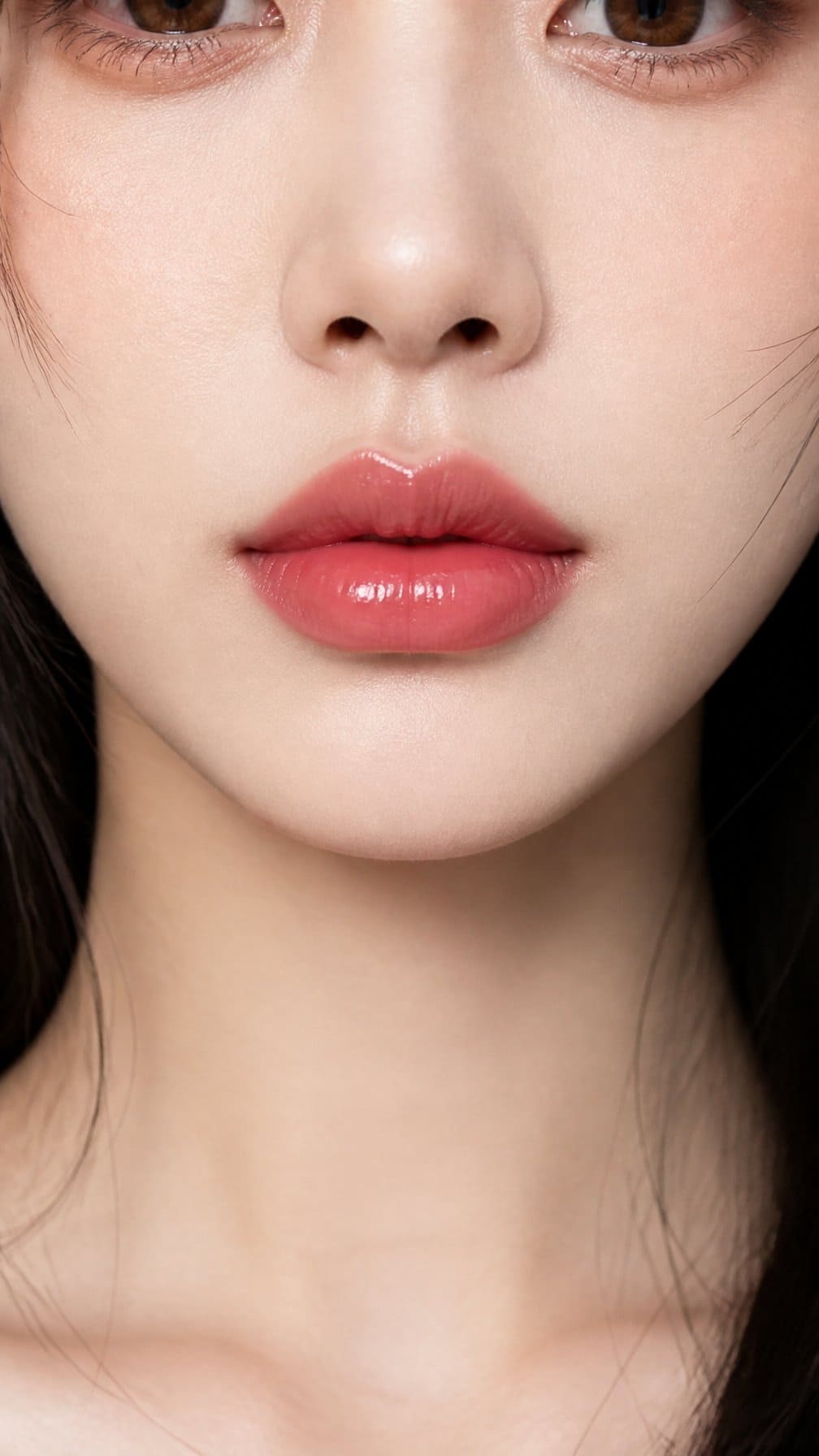
I create this look by outlining the cupid’s bow with a slightly deeper lip liner, keeping the peaks crisp and symmetrical. I soften the line toward the outer corners rather than extending far beyond my natural lip shape.
I apply a rosy or muted red tint mainly to the center of both lips, then blend it outward for a soft gradient. A small amount of concealer around the upper lip can sharpen the shape, while clear or lightly tinted gloss on the center adds dimension.
I keep the surrounding makeup controlled so the defined upper lip remains the focus. Blending the edges prevents the heart shape from appearing harsh or disconnected from the rest of my makeup.
10) Douyin cold-girl makeup with flushed cheeks and nose
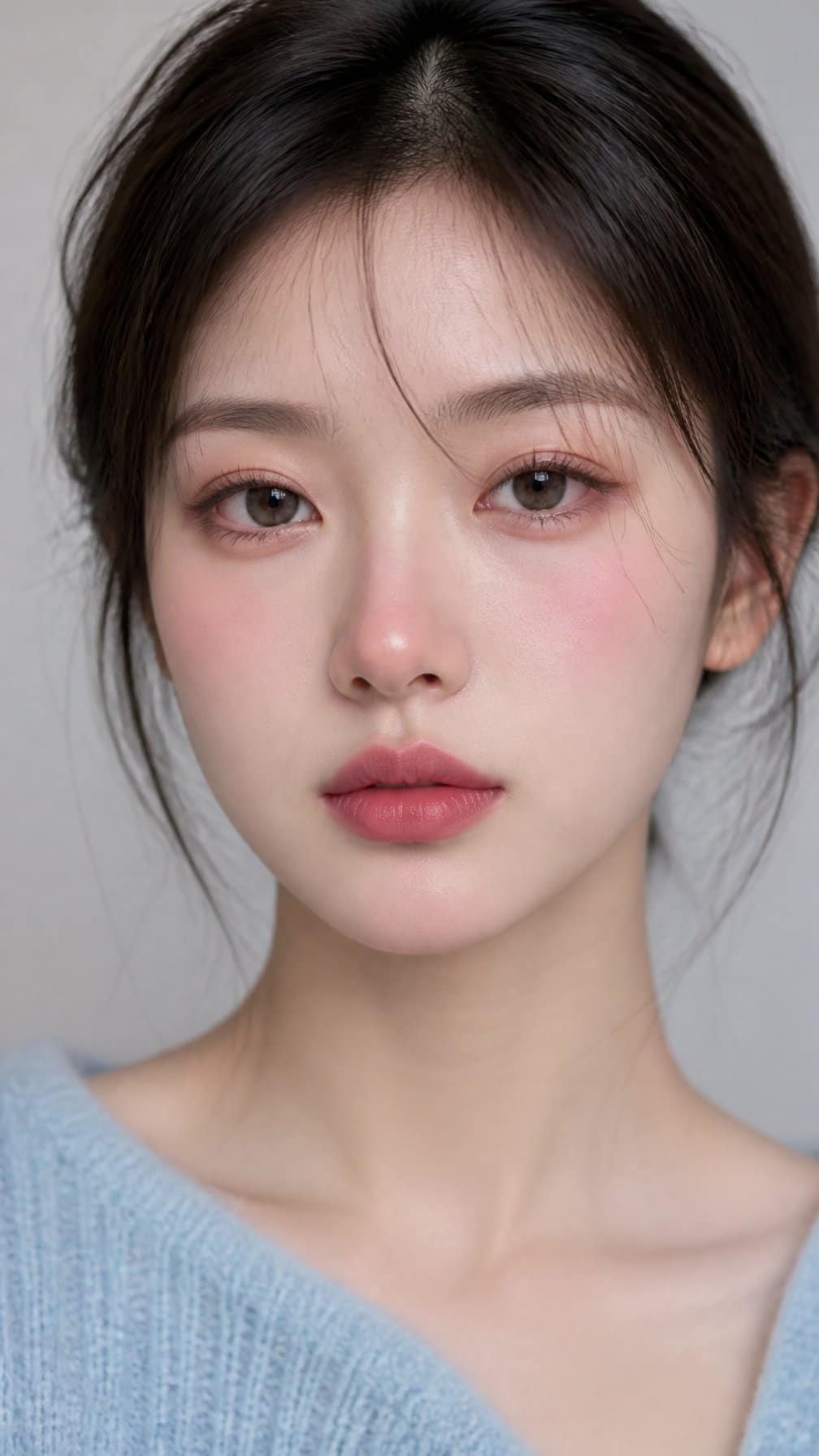
I create this look with a cool-toned base and a soft, diffused flush across the cheeks and bridge of the nose. I keep the complexion natural rather than heavily matte, allowing a little skin texture to show through.
I place muted pink or berry blush high on the cheeks, then sweep the remaining color lightly over the nose for a wind-chilled effect. I blend the edges carefully so the color looks absorbed instead of sharply drawn.
I use taupe, gray-brown, or dusty mauve around the eyes and add a thin, softly extended liner. A cool pink lip stain, blurred at the edges, keeps the color balanced without making the makeup appear too polished.
11) Douyin peach makeup with monochromatic coral tones

I build this look around one coral family, using related shades on the eyes, cheeks, and lips. I start with a soft peach base on the eyelids, then deepen the outer corners with muted coral-brown to add shape without creating a sharp contrast.
I sweep coral blush across the upper cheeks and slightly over the nose for a connected flush. I keep the edges diffused, since the technique depends on a hazy transition rather than a precise stripe.
For the lips, I tap on a coral tint and soften the outline with my fingertip. A small amount of shimmer at the inner corners and center of the lower lip adds brightness while keeping the monochromatic color balance intact.
12) Douyin strawberry makeup with red freckles
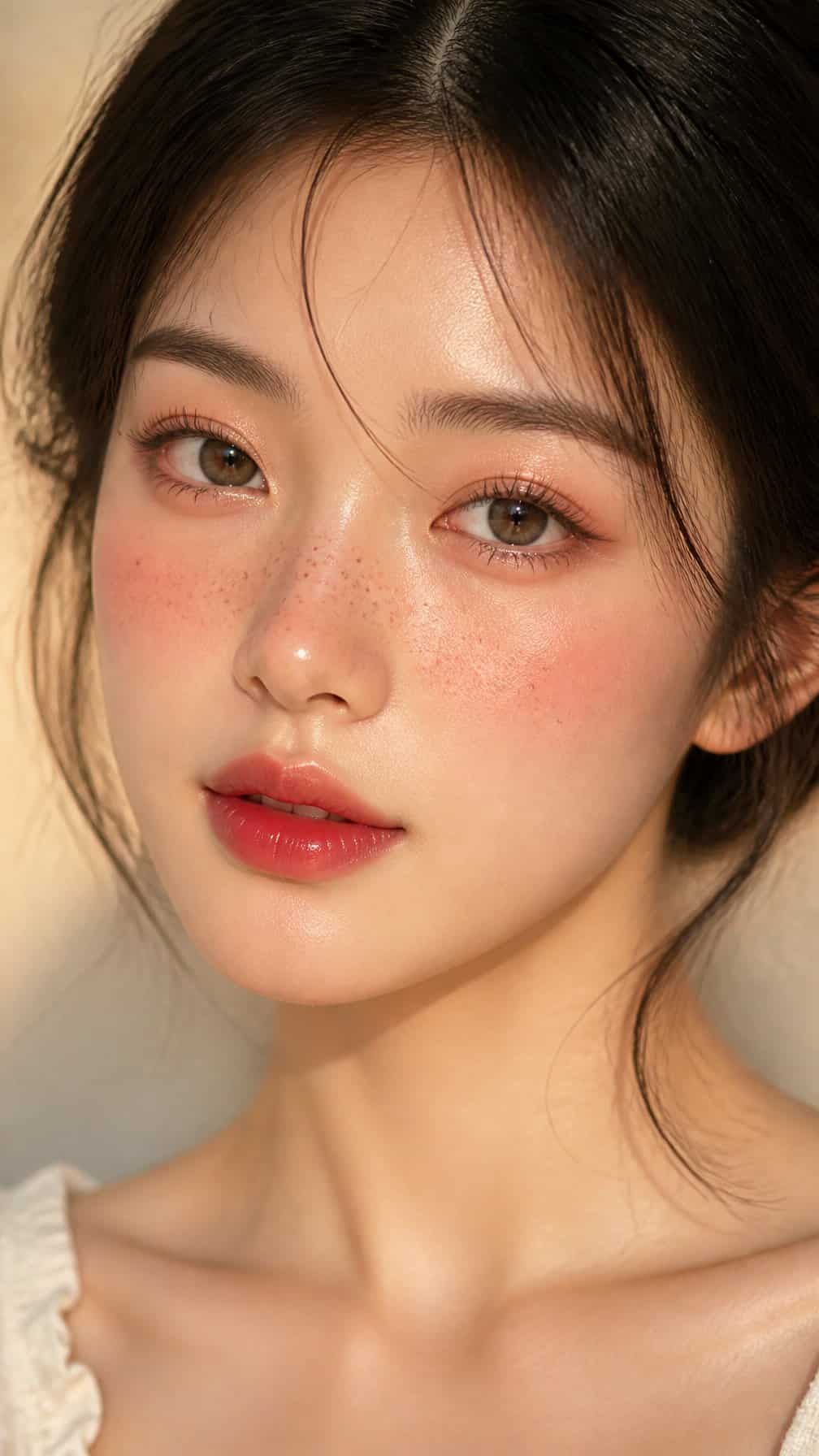
I start with a sheer, luminous base that lets natural skin texture show through. I add soft pink blush across the apples of my cheeks and lightly over the bridge of my nose, keeping the color diffused rather than sharply defined.
For the strawberry effect, I place tiny red or muted rose dots across my cheeks and nose with a fine brush or freckle pen. I vary their size and spacing so they look irregular, then tap over them gently to soften the edges without erasing the pattern.
I finish with curled lashes, a thin brown wing, and a glossy pink or clear lip. A small amount of highlighter on the cheekbones adds brightness while preserving the fresh, flushed appearance.
13) Douyin sugar-plum makeup with mauve blush

I start with a softly even base and keep the finish natural rather than heavily matte. I place mauve blush high on the cheeks, sweeping it toward the temples and lightly across the bridge of my nose for a connected flush.
I use muted plum, taupe, or rosy-brown shadow to deepen the outer corners and lower lash line. A thin, slightly extended liner keeps my eyes defined without overpowering the cool-toned color palette.
I finish with blurred mauve or berry lipstick, concentrating the pigment at the center and diffusing the edges. A small amount of gloss in the middle of my lips adds dimension while preserving the soft, sugar-plum effect.
14) Douyin clean-girl base with strategic highlighting
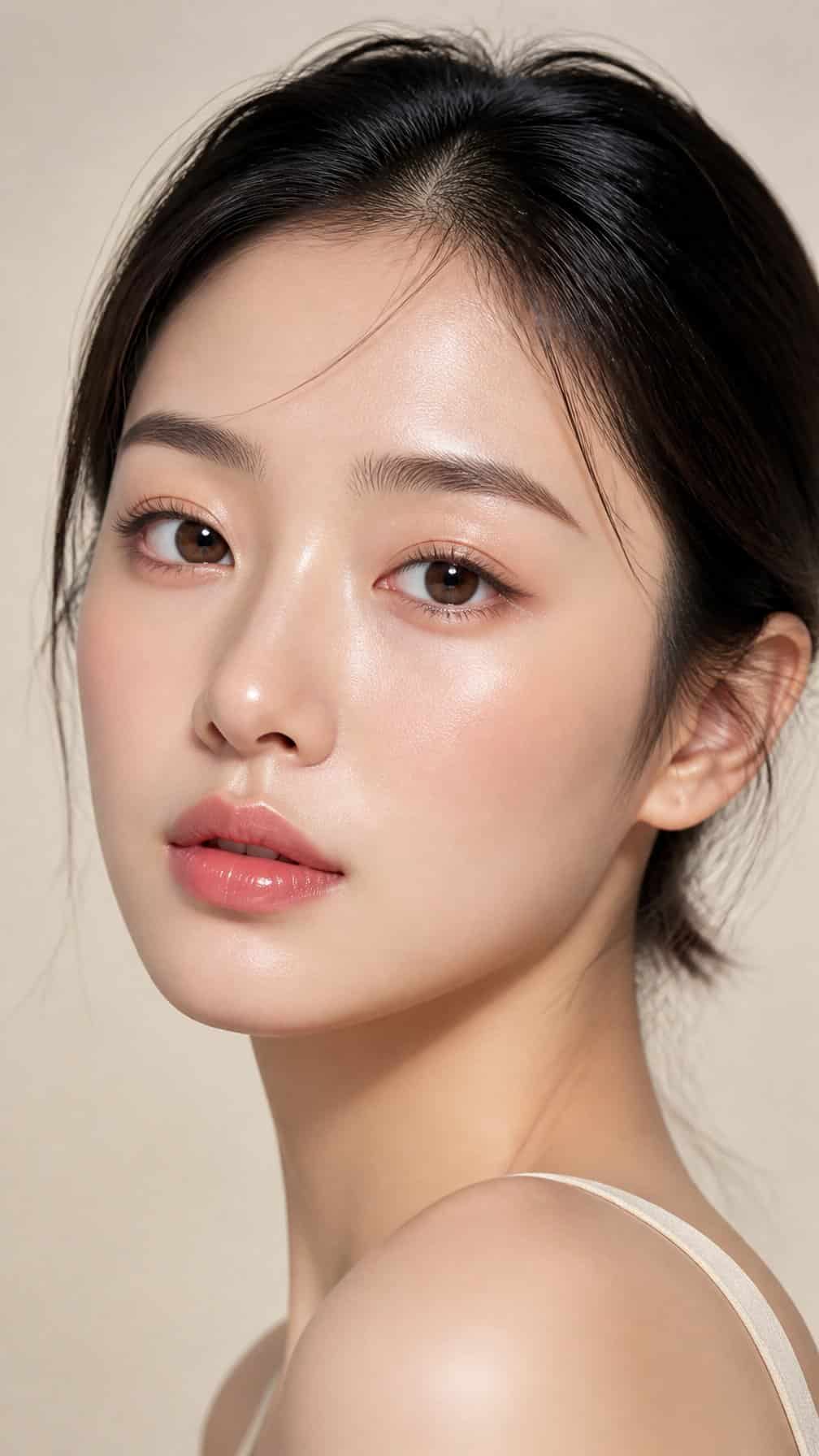
I begin with a thin, even layer of skin tint or lightweight foundation, keeping natural skin texture visible. I spot-conceal redness and blemishes instead of masking the entire face, then set only areas prone to creasing or shine.
I place a small amount of brightening concealer beneath the inner corners, along the center of the forehead, and on the chin. I blend each point carefully so the light catches these areas without creating obvious pale patches.
For dimension, I add a subtle cream blush high on the cheeks and a restrained highlight to the cheekbones, bridge of the nose, and cupid’s bow. I keep the finish fresh rather than glossy, using translucent powder around the nose and under the eyes.
15) Douyin siren eyes with elongated smoky liner

I create this look by extending a softly smoked liner past the outer corner, keeping the wing narrow and slightly lifted. I deepen the outer third of the upper lash line and add a small amount of shadow beneath the outer lower lashes to lengthen the eye shape.
I keep the inner corner sharp but avoid heavy product across the entire lower lash line. A muted brown or charcoal shadow usually gives the liner a diffused edge, while black pencil adds definition without making the shape appear too graphic.
I finish with curled lashes and mascara focused on the outer lashes. I pair the eyes with softly blurred brows, a neutral lip tint, and restrained cheek color so the elongated liner remains the main feature.
16) Douyin puppy-eye liner with lowered outer corners
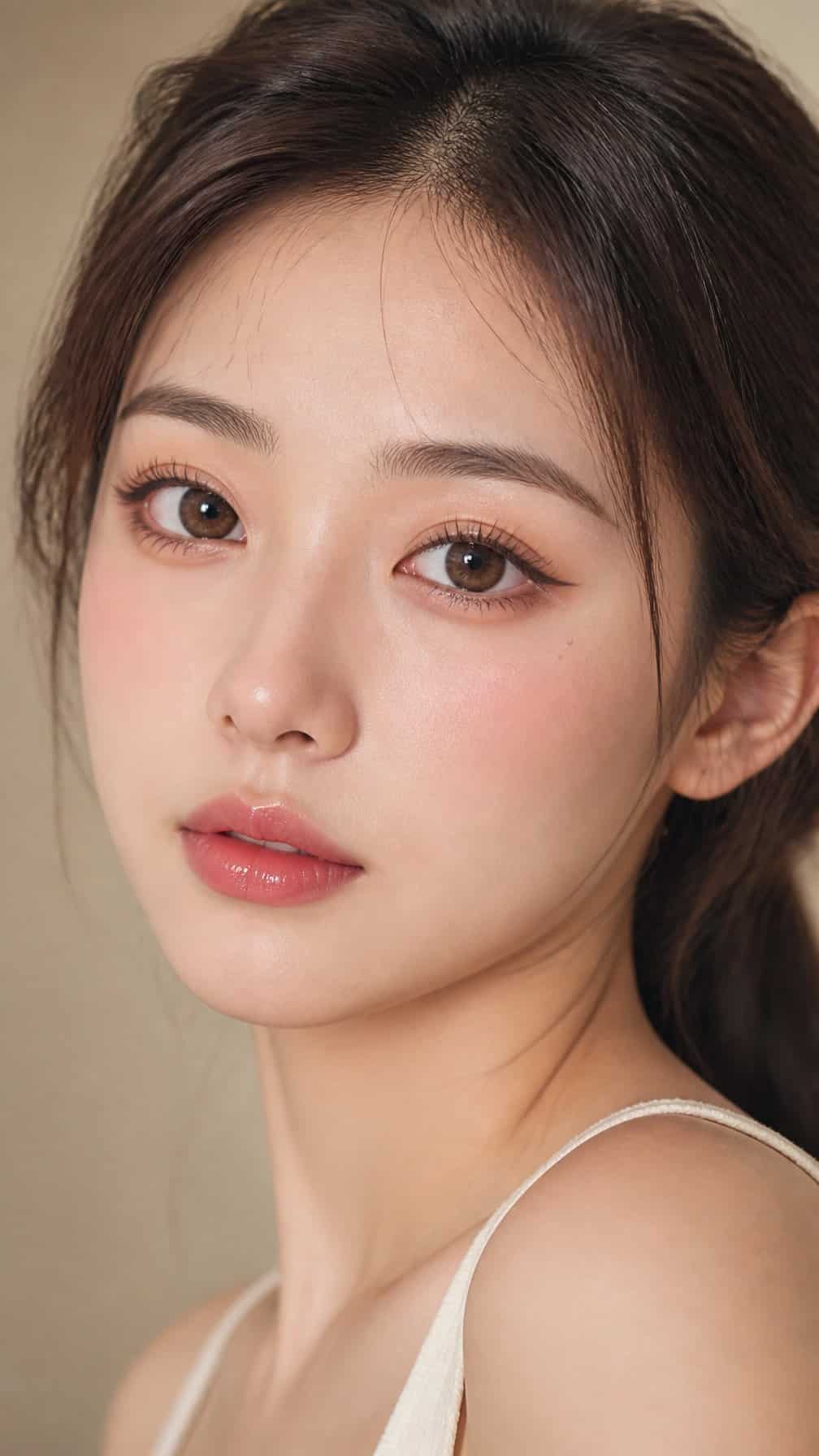
I keep the eyeliner thin across the upper lash line, then guide the outer wing slightly downward instead of lifting it toward the temple. This lowered angle creates a softer, rounder impression around the eyes.
I usually draw the wing from the outer corner toward the top of the cheekbone, stopping before it becomes dramatic. I connect the line back to the lashes and soften the edge with dark brown shadow when I want less contrast.
I finish by adding mascara mainly to the center and outer lashes, while keeping the lower lash line lightly defined. A small highlight near the inner corner can make the eyes look more open without changing the liner’s gentle shape.
17) Douyin smoky red eyeshadow with diffused edges

I build this look by pressing muted red or brick eyeshadow across the lid, then blending it outward with a clean, fluffy brush. I keep the outer edge soft and slightly lifted rather than sharply winged.
I layer a deeper burgundy shade close to the lash line and diffuse it into the crease. I also sweep a small amount beneath the lower lashes, connecting the color at the outer corner without creating a heavy ring.
I finish with a thin dark liner, curled lashes, and restrained mascara. I balance the saturated eyes with softly shaped brows and a neutral or muted red lip.
18) Douyin cut-crease shimmer with a bright center lid

I start by applying a matte neutral shade through the crease, extending it slightly outward to shape the eye. I then deepen the outer corner and trace the crease with a precise line of concealer, keeping the edge clean without making it too thick.
I press a reflective shimmer onto the center of the lid, concentrating the brightest pigment where the light naturally hits. I blend its edges into the surrounding shadow while preserving the distinct cut-crease curve. I finish with thin liner, curled lashes, and softly defined lower-eye makeup to keep the focus on the lid.
19) Douyin halo eye with contrasting inner and outer corners
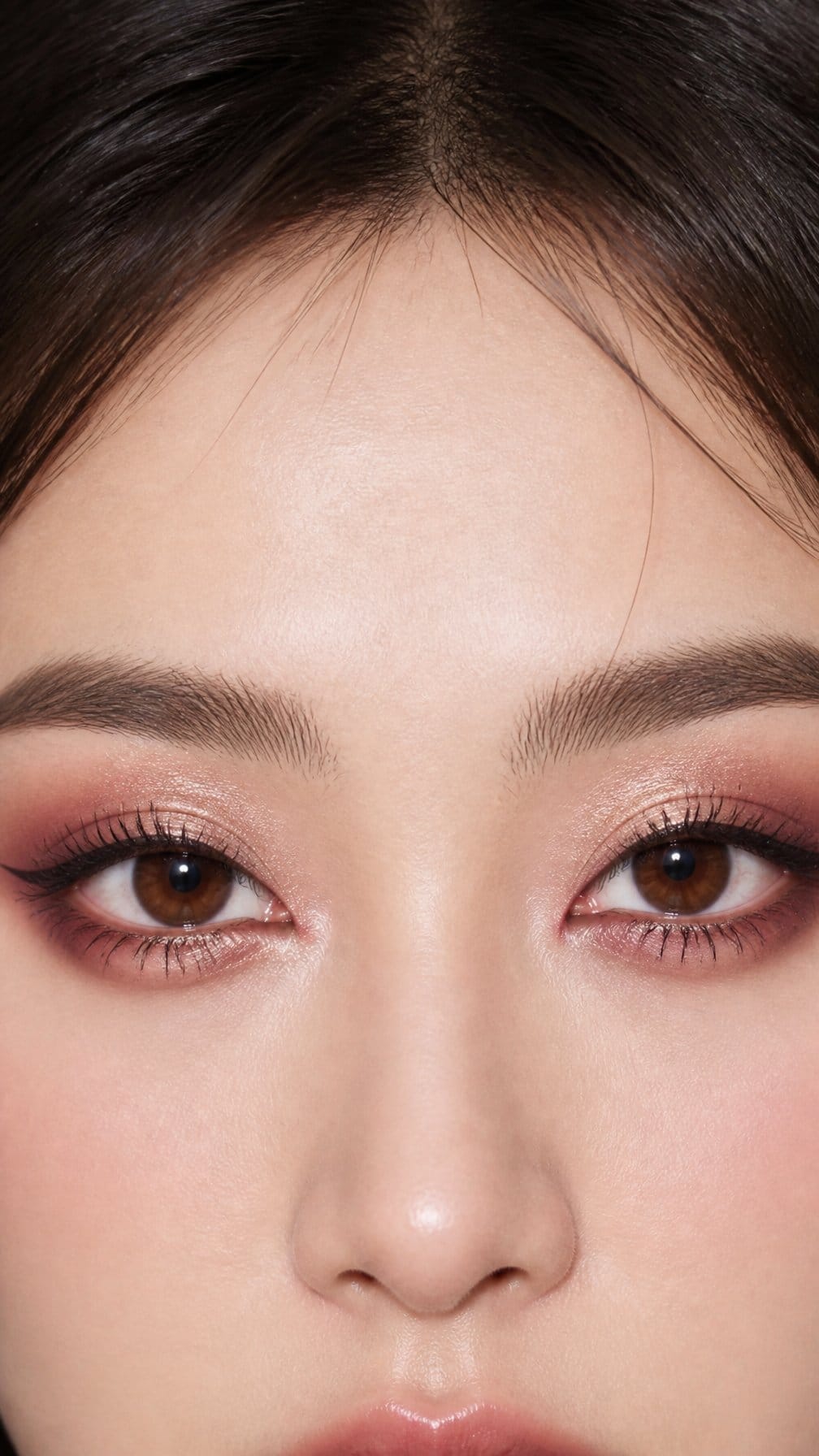
I build this look by placing a deeper shade at the inner and outer corners, then keeping the center of the lid lighter and reflective. This halo arrangement draws attention to the middle of the eye while preserving clear contrast at both edges.
I blend the darker colors toward the crease without allowing them to cover the central highlight. For a Douyin-inspired finish, I add a small amount of shimmer or a pale satin shadow to the center, then reinforce the inner corner with a contrasting bright tone.
I keep the lower lash line connected to the outer corner and softly shade beneath the center. A thin, lifted liner and separated lashes sharpen the shape without hiding the light-catching center.
20) Douyin waterline brightening with beige pencil

I use a beige pencil along the lower waterline to make the eyes appear more open without the stark effect of white liner. I choose a shade close to my skin tone, then apply a thin, even line from the inner corner toward the outer third.
I keep the pencil matte or softly satin-finished so it blends with the surrounding makeup. Afterward, I place a small amount of soft brown shadow beneath the lower lashes, leaving the beige line visible and clean.
For comfort and hygiene, I use a pencil designed for the waterline, sharpen it before application, and avoid sharing it. If my eyes feel irritated or watery, I remove the product immediately.
21) Douyin gradient lips with a darker inner stain
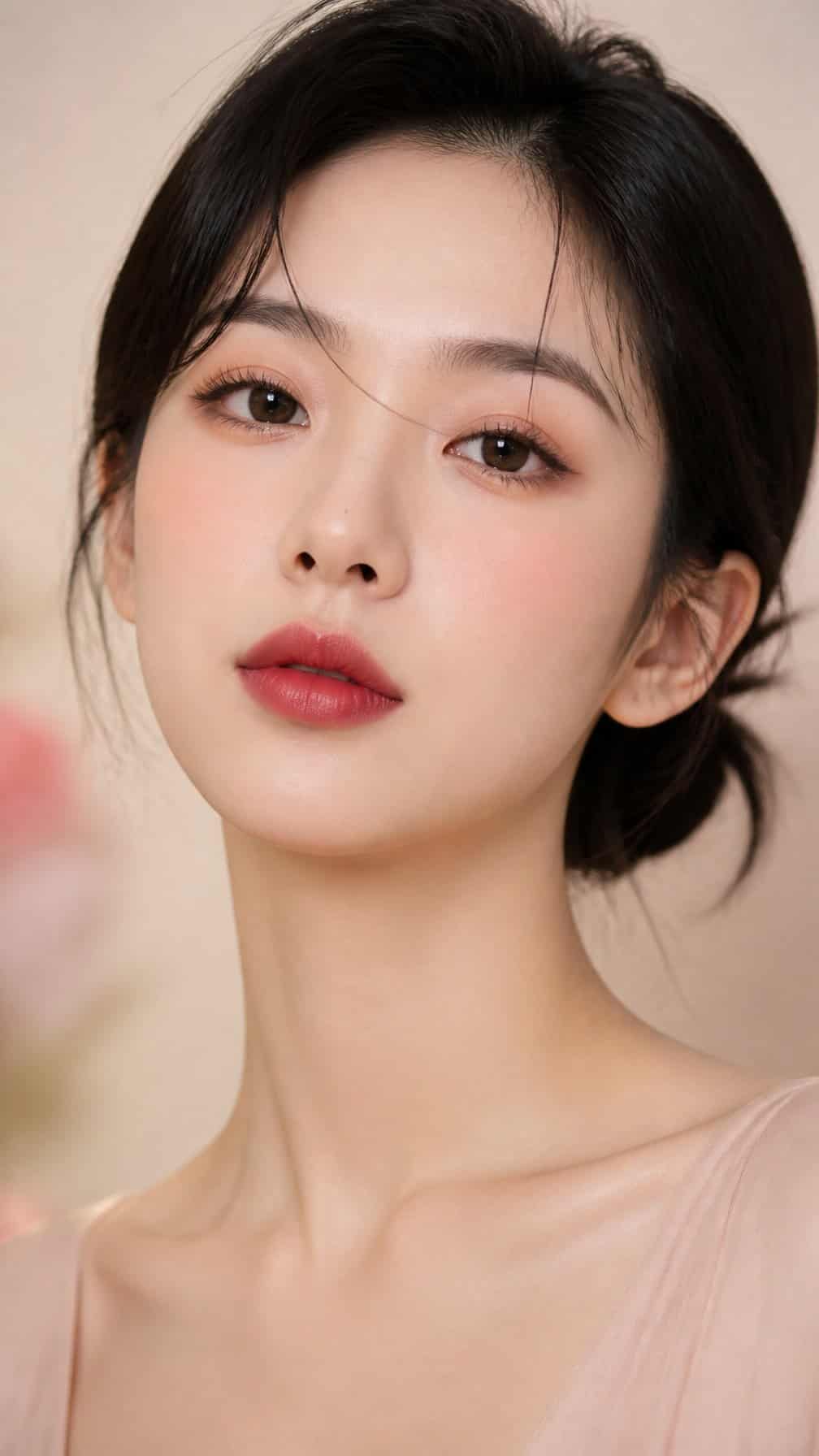
I create this look by applying a muted nude or pink base across the lips, then placing a deeper red, berry, or rose stain at the center. I blur the edges inward with my fingertip or a small brush, keeping the outer lip soft and less saturated.
I usually add the darker color in thin layers rather than applying one heavy coat. This gives me more control over the gradient and keeps the center looking naturally stained. A small amount of gloss on the middle of the lower lip adds dimension without covering the color transition.