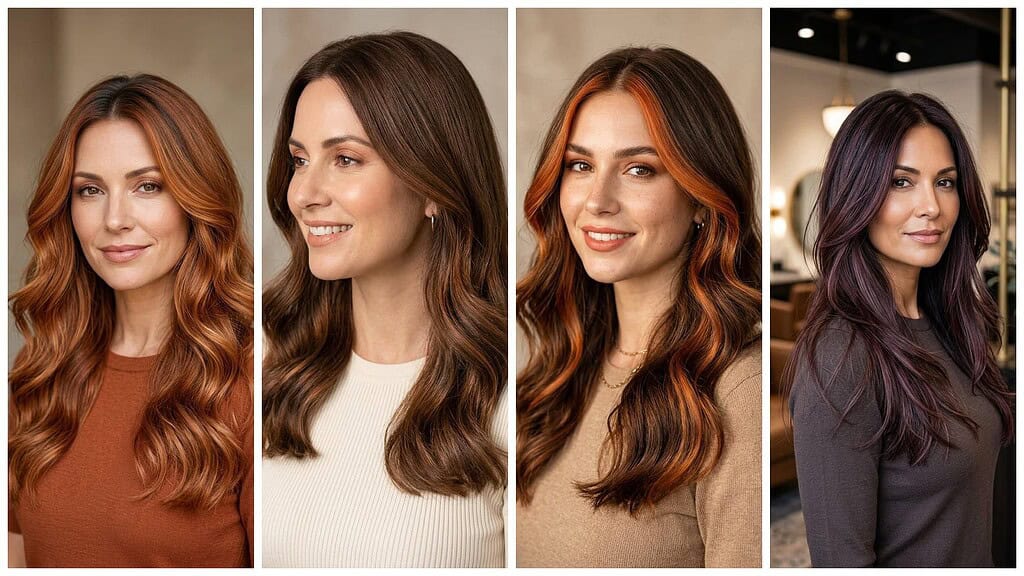
Fall is the ideal time to refresh your color with warmth, depth, and subtle contrast. You can find a distinctive seasonal shade by balancing your natural coloring, desired upkeep, and the level of change you want.
Save for later
Want to come back to this story? Save it with your email so it is easy to find again.
This guide explores polished brunettes, dimensional coppers, rich reds, and softly blended blondes that feel current without looking predictable. You’ll also find practical guidance for matching a shade to your undertone and preserving its richness between salon visits.
Table of Contents
- 1 1) Cowboy Copper with Shadow Roots
- 2 2) Espresso Brunette with Cinnamon Ribbons
- 3 3) Smoky Cherry Cola
- 4 4) Toasted Chestnut Balayage
- 5 5) Maple Brown with Copper Lowlights
- 6 6) Burnt Orange Money Piece
- 7 7) Mushroom Brown with Beige Highlights
- 8 8) Plum-Infused Dark Brown
- 9 9) Caramelized Honey Bronde
- 10 10) Auburn Copper with Face-Framing Highlights
- 11 11) Mulled Wine Burgundy
- 12 12) Bronzed Mocha Balayage
- 13 13) Cranberry Red Gloss
- 14 14) Teddy Bear Brunette
- 15 15) Rust-Colored Copper
- 16 16) Spiced Pumpkin Ombré
- 17 17) Deep Merlot Brown
- 18 18) Hazelnut Bronde with Root Melt
- 19 19) Cinnamon Swirl Highlights
- 20 20) Mahogany Brown with Scarlet Undertones
- 21 21) Copper Peach Balayage
1) Cowboy Copper with Shadow Roots
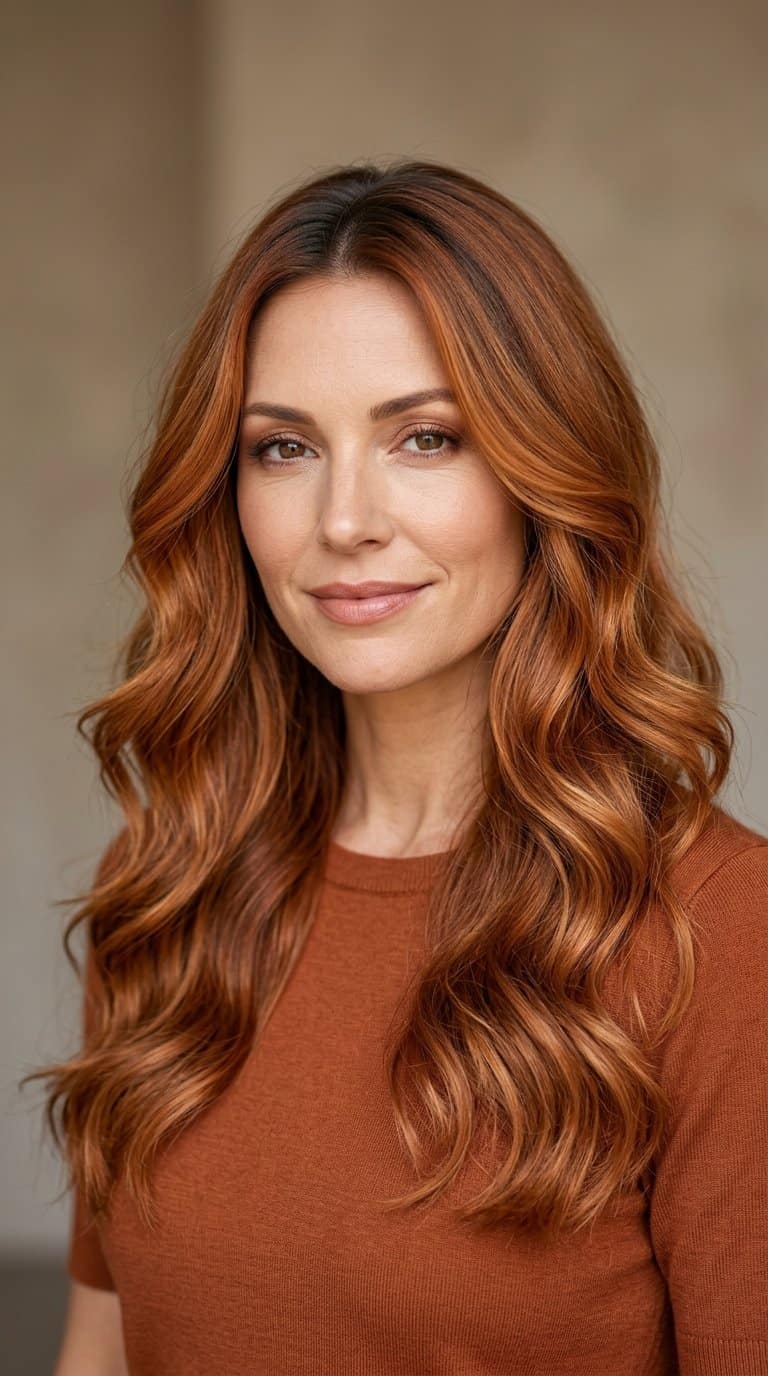
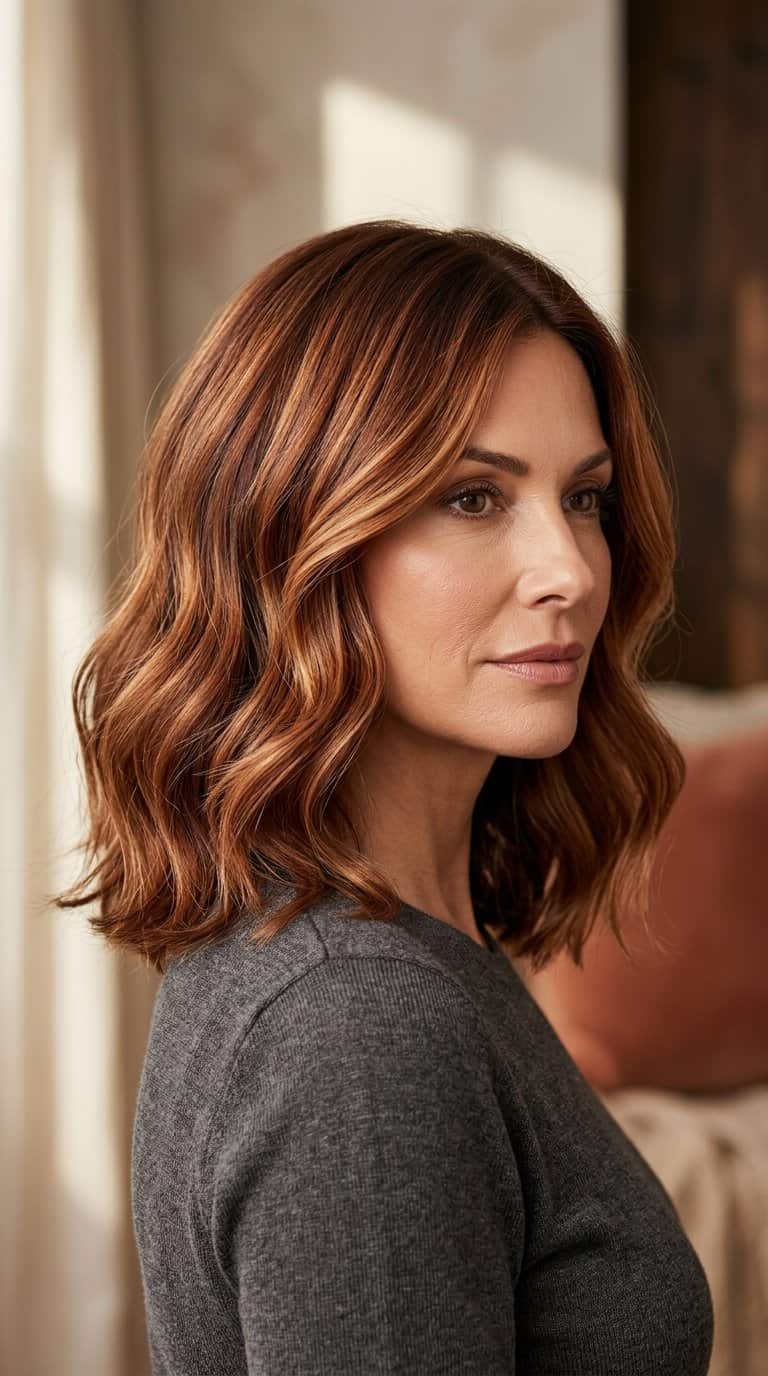
I like cowboy copper for its balanced mix of warm red, bronze, and soft brown tones. It gives my hair visible dimension without looking overly bright, while shadow roots create a more natural transition from my base color.
I would keep the roots close to my natural shade and place the copper through the midlengths and ends. This approach adds depth near the scalp and makes regrowth less noticeable. It works especially well with loose waves, which help the different tones catch the light.
2) Espresso Brunette with Cinnamon Ribbons
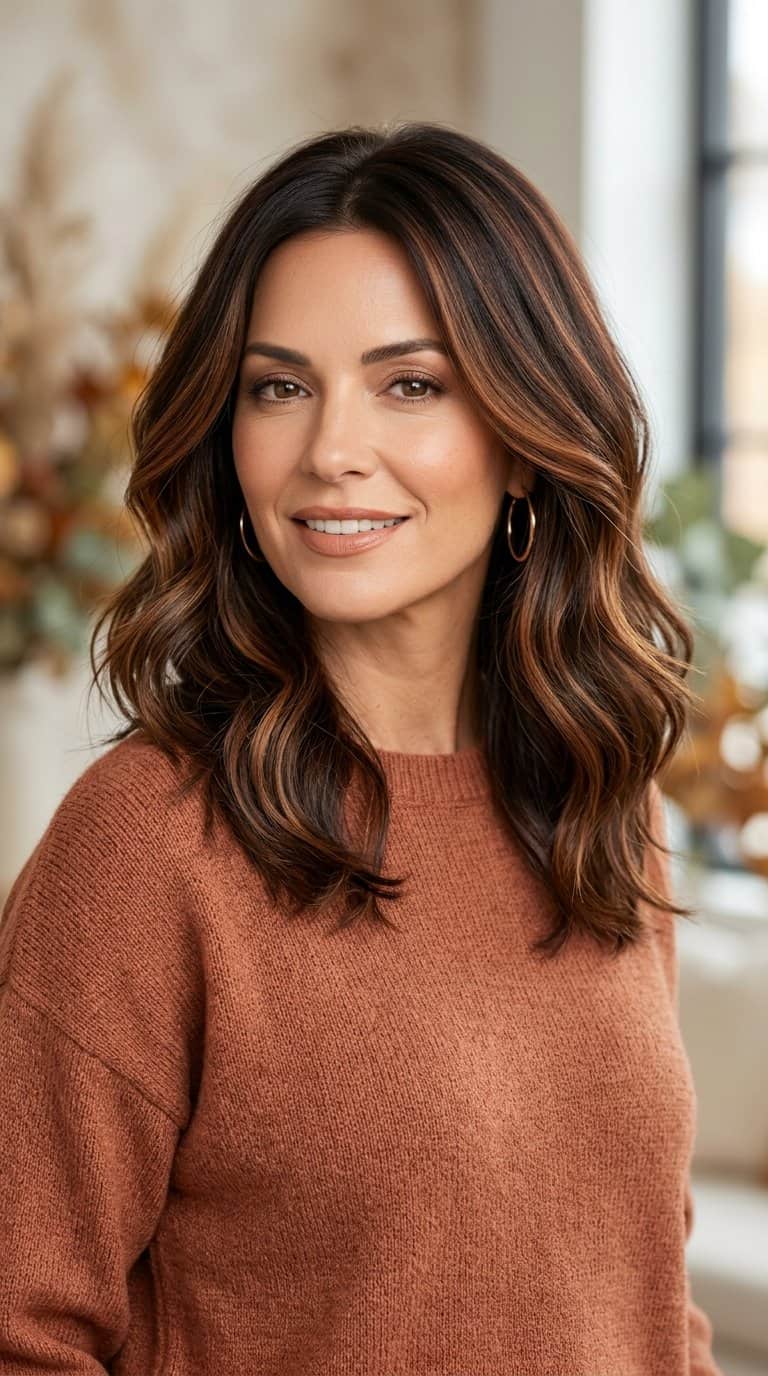
I like this deep brunette combination for its subtle contrast. The espresso base looks rich and polished, while thin cinnamon ribbons add warm dimension around the face and through the mid-lengths.
I would keep the ribbons delicate rather than evenly spaced. Soft placement lets the lighter tones appear naturally between darker sections, and a gloss can enhance the color without making the finish look flat. This pairing works especially well with layered cuts, waves, or straight hair that shows the ribbons clearly.
3) Smoky Cherry Cola
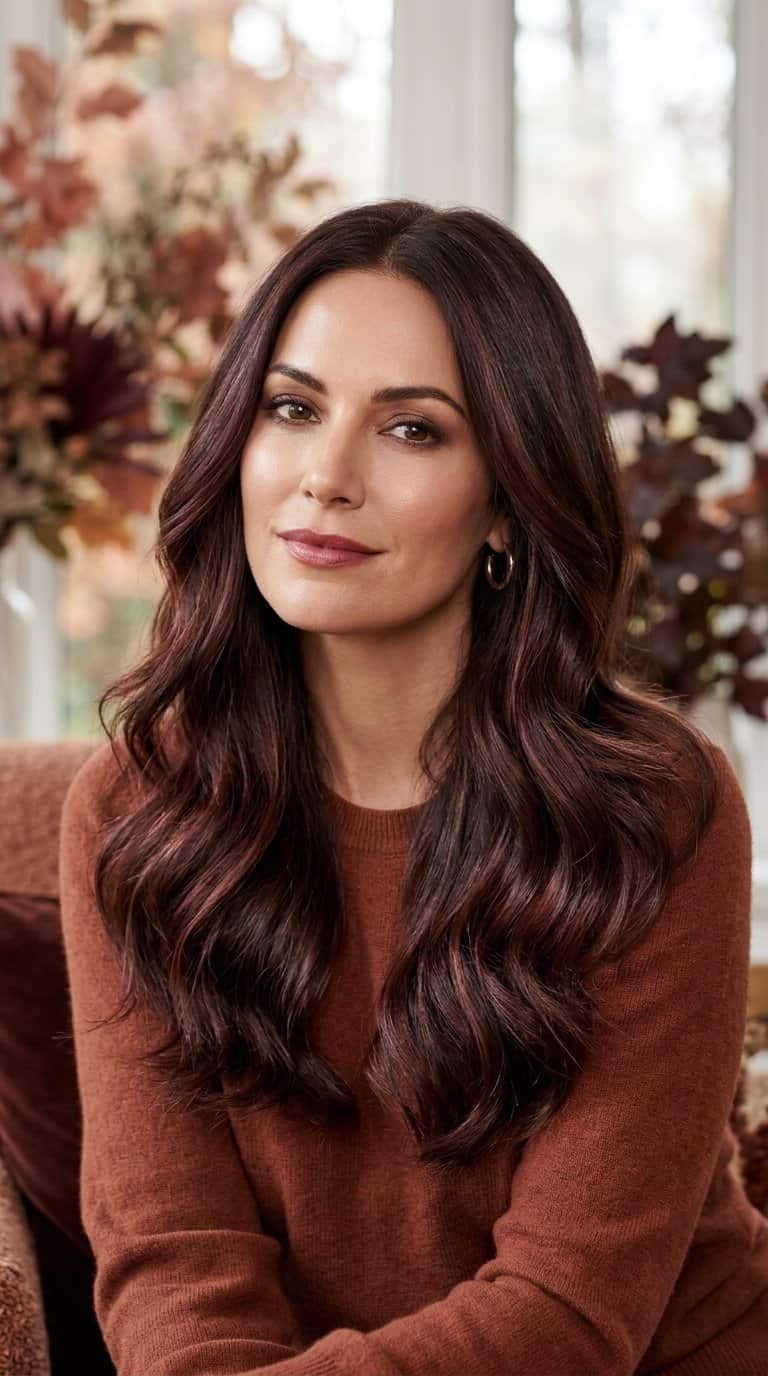
I like smoky cherry cola for its muted blend of deep brown, burgundy, and soft violet tones. The color looks rich indoors, while natural light brings out subtle red and plum highlights without appearing overly bright.
I would ask for a dark brunette base with carefully blended cherry tones through the mids and ends. A gloss can add shine and soften the contrast, making this shade suitable for medium to deep hair colors and a range of skin undertones.
I would maintain it with color-safe shampoo, cooler water, and regular conditioning. Refreshing the gloss every few weeks can help preserve the smoky finish as the red tones gradually fade.
4) Toasted Chestnut Balayage
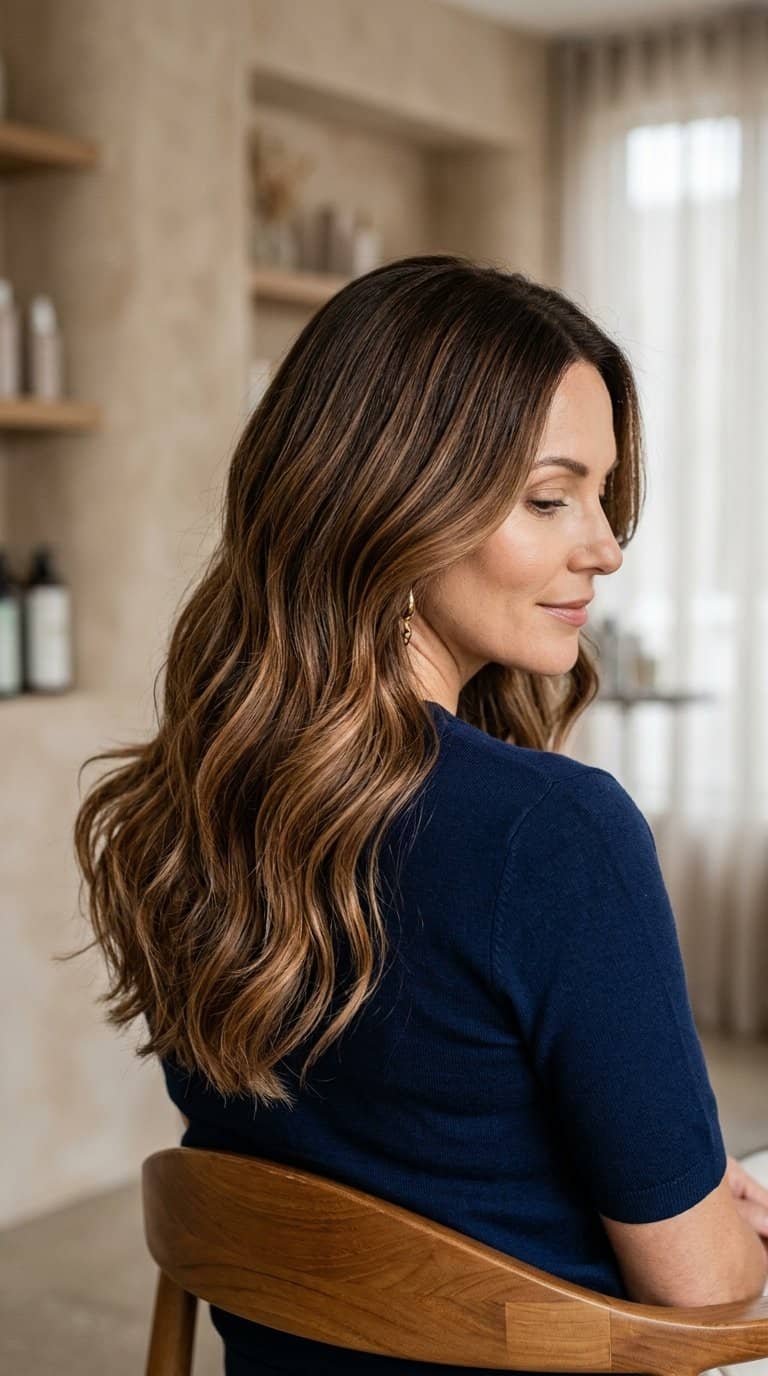
I like toasted chestnut balayage for its warm brown base and softly blended highlights. I would keep the darker color near the roots, then add chestnut ribbons through the midlengths and ends for gradual dimension.
This shade works especially well when I want a fall update without a dramatic change. I would ask for neutral-to-warm tones that complement my skin tone, plus a few lighter pieces around the face to brighten the finish.
I would use a color-safe shampoo and a moisturizing conditioner to help maintain the tone. A gloss between salon visits can refresh the brown and keep the highlights looking polished.
5) Maple Brown with Copper Lowlights
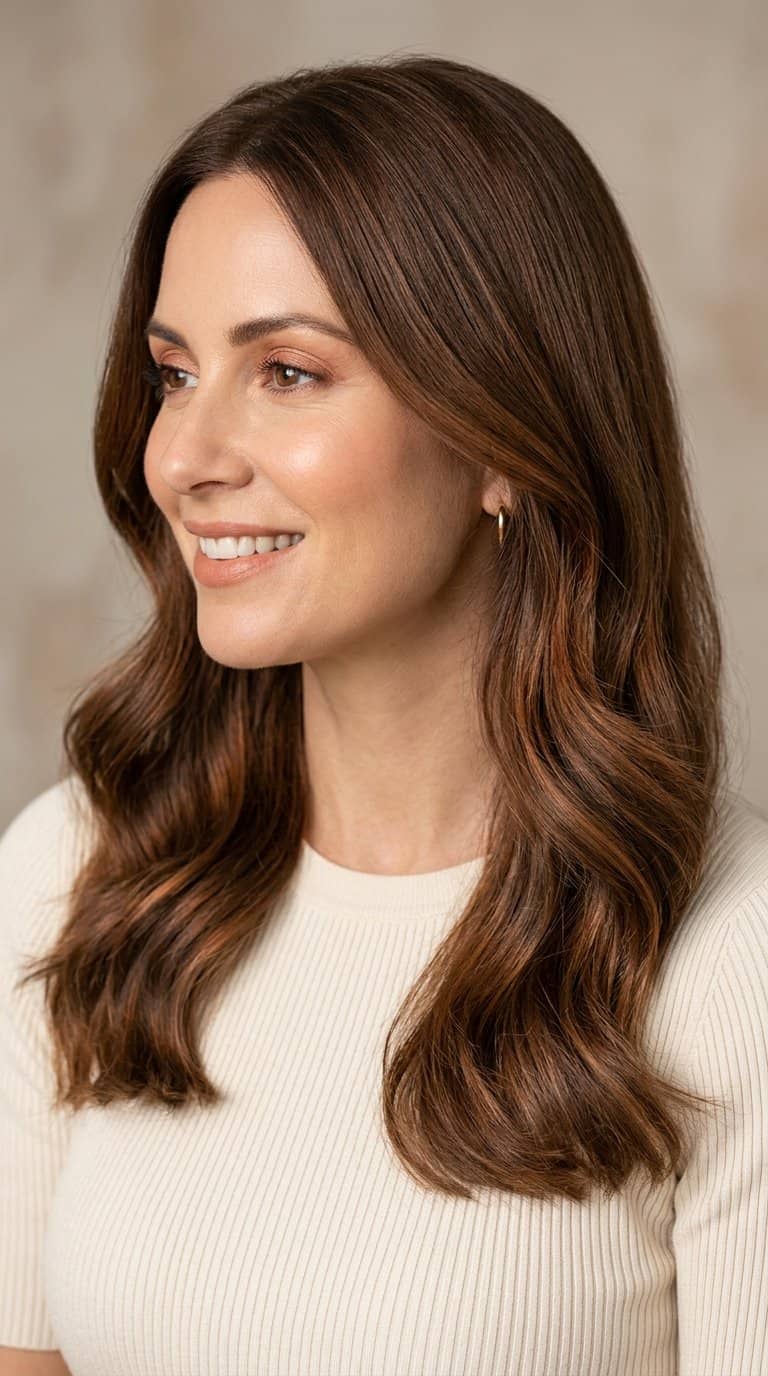
I like maple brown when I want a warm fall shade that still looks natural. Its medium-brown base creates depth, while fine copper lowlights add subtle color through the mid-lengths and ends.
I would place the copper pieces selectively rather than use an even pattern. This keeps the dimension soft and lets the warm tones appear more clearly when the hair moves or catches natural light.
This combination works especially well on layered cuts, where the lowlights can follow the shape of the hair. I would ask for a gloss afterward to refine the tone and add shine without making the color look overly bright.
6) Burnt Orange Money Piece
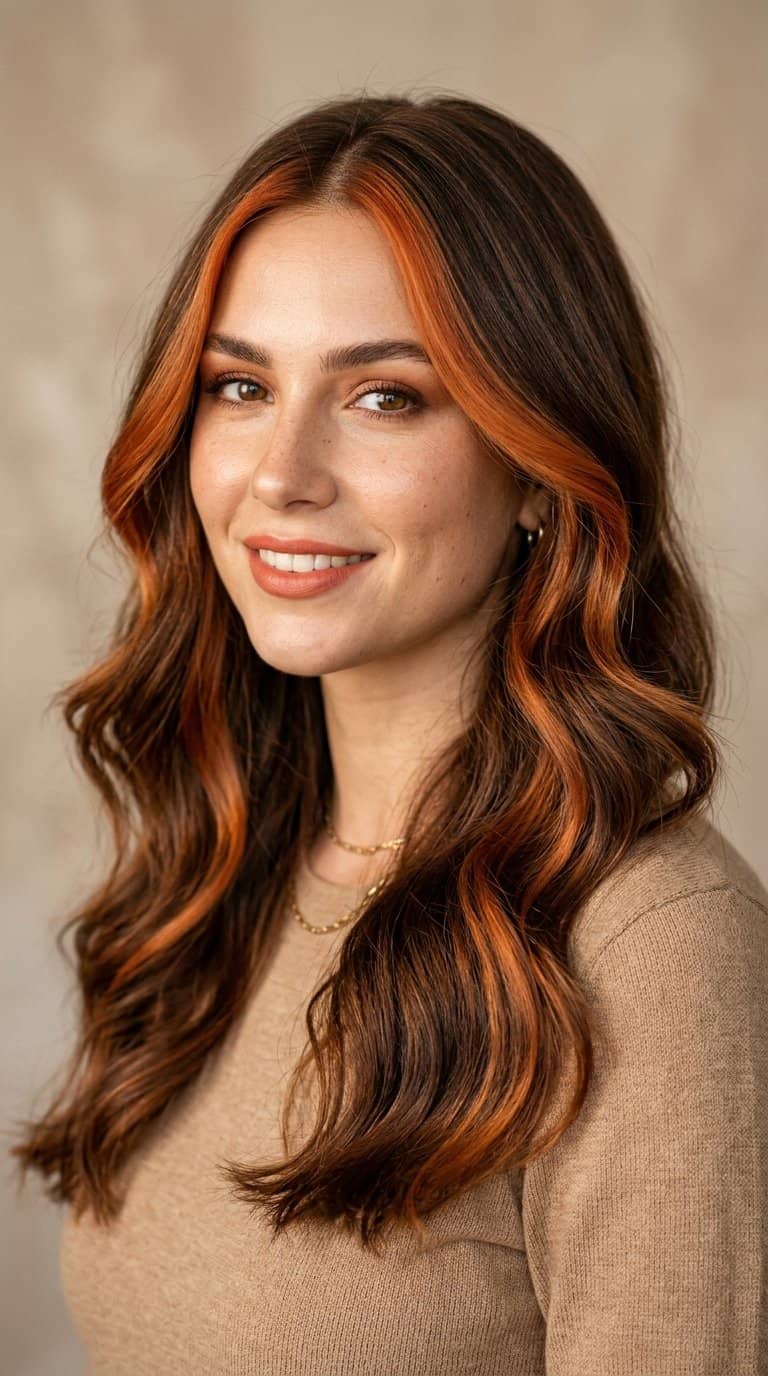
I like burnt orange money pieces for adding a concentrated autumn tone without changing the entire color. I place the warm, copper-leaning sections around the face, where they brighten the look and create clear contrast against brown, black, or deep auburn hair.
I find this shade especially effective on medium to dark bases because its earthy orange pigment remains visible without looking neon. I would ask for softly blended edges rather than sharp panels, which keeps the grow-out more natural and lets the color complement layered cuts, waves, or straight styles.
To maintain the tone, I use color-safe shampoo and wash with lukewarm water. A copper color-depositing conditioner can refresh the warmth between salon appointments, but I test it first because porous hair may absorb the pigment unevenly.
7) Mushroom Brown with Beige Highlights
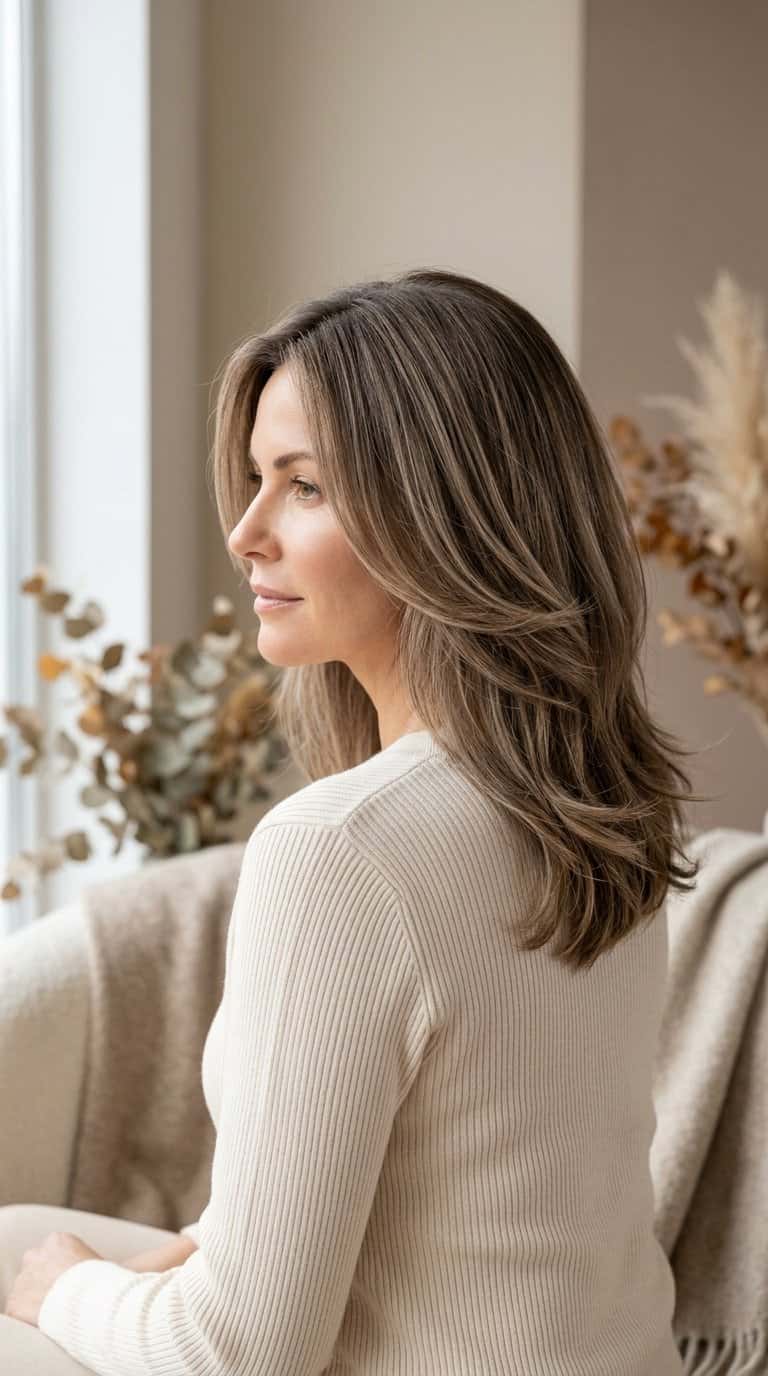
I like this cool brown base for its muted, earthy finish. Beige highlights add gentle contrast without making the color look overly warm, while fine placement around the face creates soft brightness.
I would ask for blended, low-contrast highlights rather than bold streaks. This approach keeps the mushroom tone dimensional and lets the beige pieces catch light naturally through the midlengths and ends.
I recommend a neutral or cool-toned gloss to maintain the balance between brown and beige. Purple shampoo can help limit unwanted brassiness, but I would use it sparingly so the highlights do not become dull.
8) Plum-Infused Dark Brown
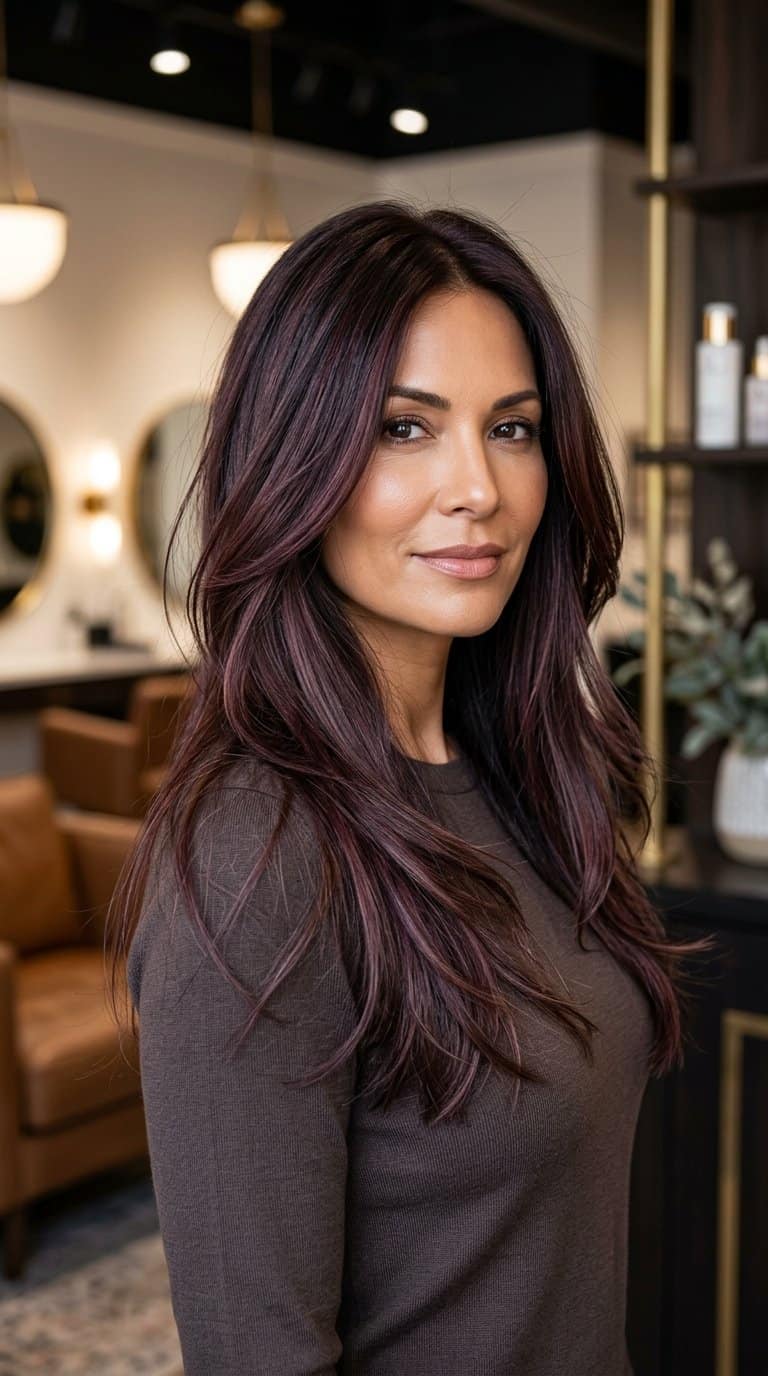
I like this deep brunette for fall because its plum undertones appear subtly in natural light without overpowering the base. The result looks polished indoors, while violet-brown dimension becomes more visible outdoors or under warm lighting.
I would pair it with a soft, blended gloss rather than sharp highlights. This keeps the color low-maintenance as it fades and helps preserve the richness of the brown. It suits straight hair, loose waves, and layered cuts equally well.
9) Caramelized Honey Bronde
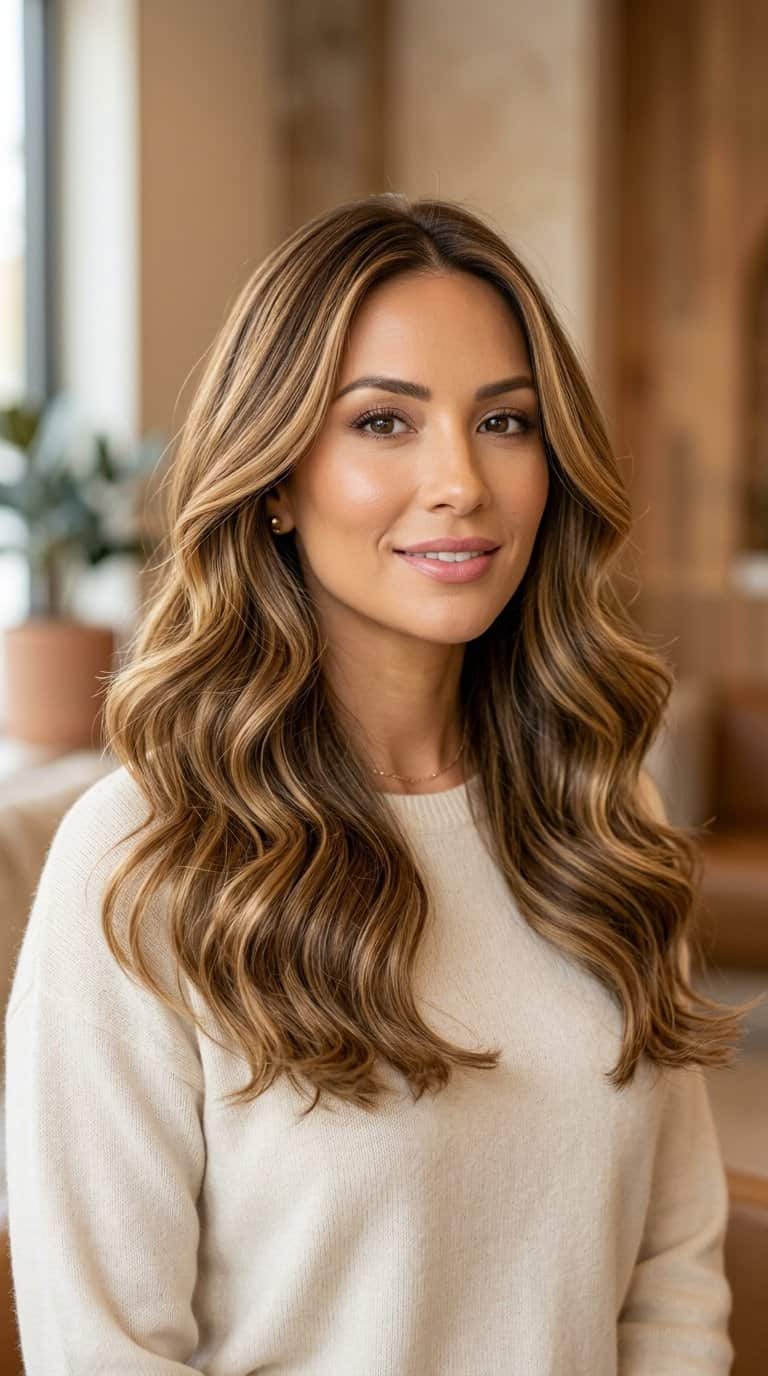
I like this balanced blend of warm brown and golden blonde for its soft, dimensional finish. Honey-toned ribbons brighten the mid-lengths and ends, while a deeper root keeps the color grounded and easier to grow out.
I would ask for fine, blended highlights rather than thick sections to preserve a natural look. A gloss can add caramel warmth and shine without making the result appear overly orange.
This shade works especially well with loose waves, layered cuts, and straight styles that show subtle variation. I would use a color-safe shampoo and limit high-heat styling to help maintain the honey tones.
10) Auburn Copper with Face-Framing Highlights
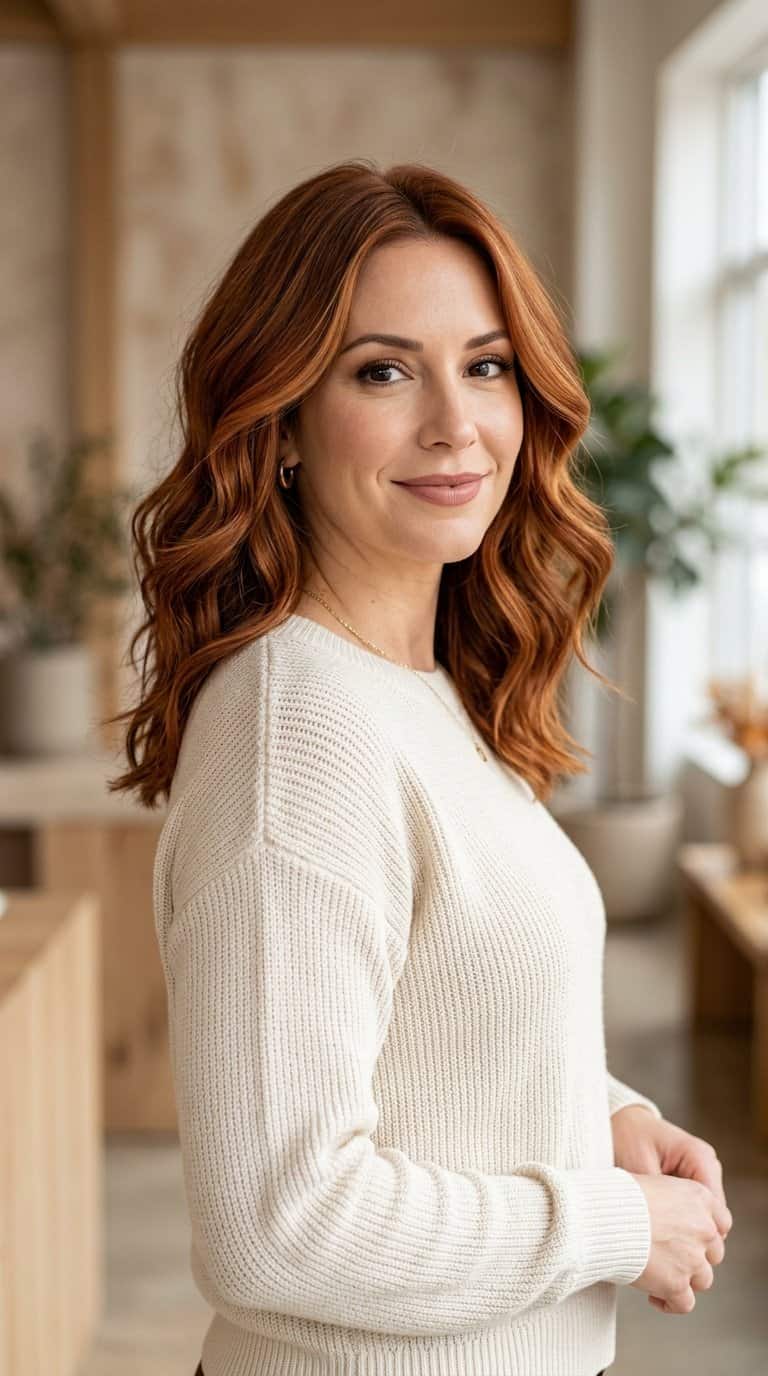
I like this auburn-copper combination for its balanced mix of red and brown. The warm base adds depth, while lighter copper pieces around the face draw attention to the eyes and soften the look without creating a high-contrast effect.
I would ask for fine, blended highlights rather than thick sections. This placement keeps the color dimensional as it grows out and works well on straight, wavy, or curly hair. A color-safe shampoo and regular gloss can help maintain the copper tone.
11) Mulled Wine Burgundy
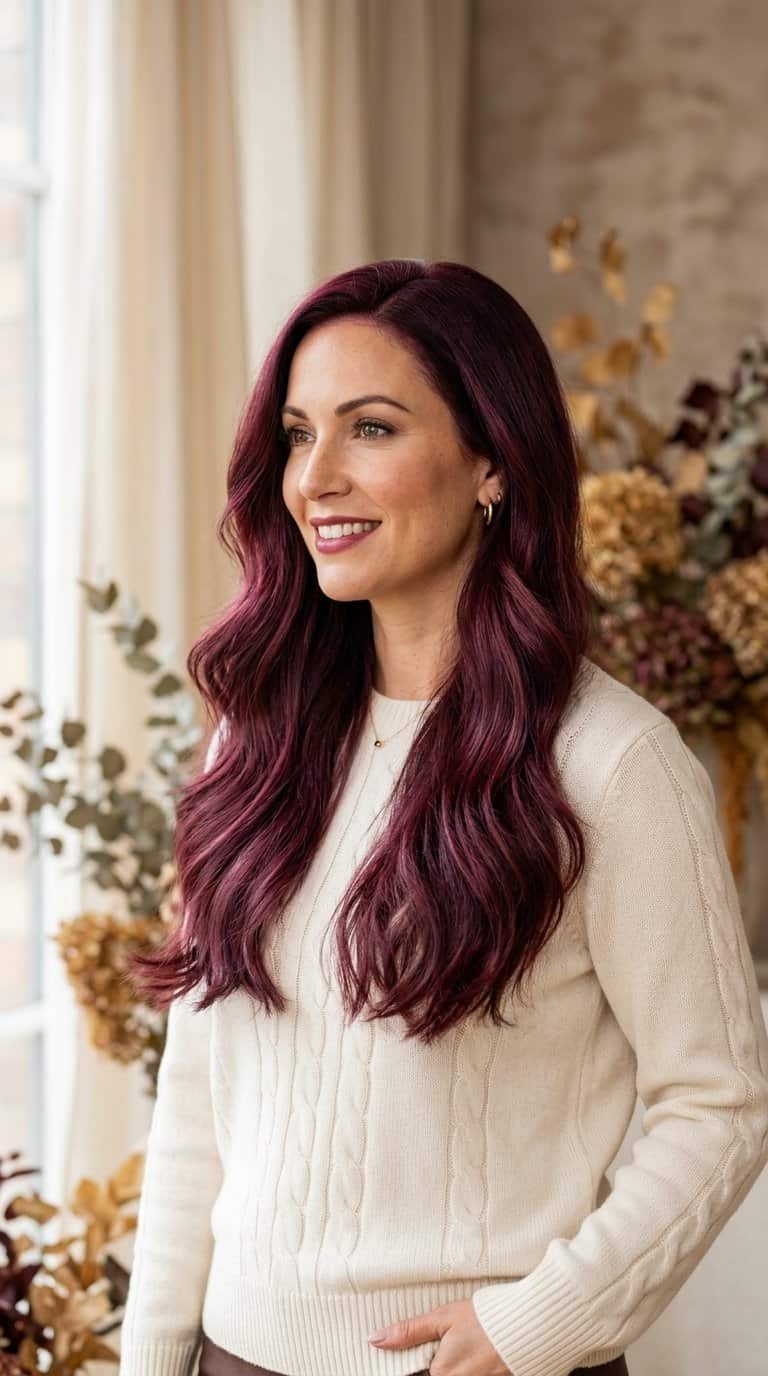
I like mulled wine burgundy for its deep red-violet tone and softly warm finish. It adds visible color without looking neon, especially on medium-brown or dark hair. In natural light, subtle berry tones appear through the base color.
I would ask my colorist for a balanced blend of burgundy, plum, and muted red rather than a single flat shade. A gloss can refresh the tone between appointments, while sulfate-free products help reduce premature fading. This color also pairs well with layered cuts because movement reveals the variation.
12) Bronzed Mocha Balayage
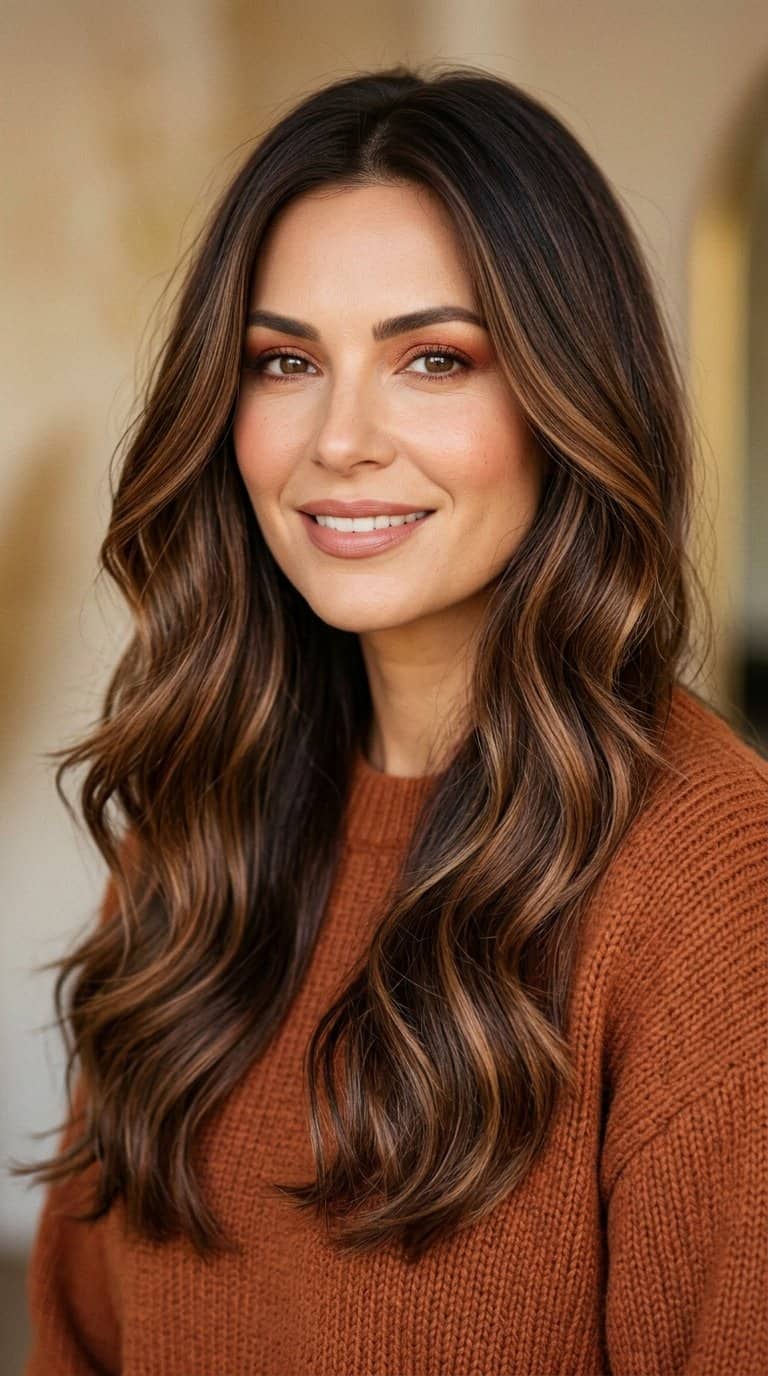
I like this balayage for its balanced mix of deep mocha roots and warm bronze ribbons. I would keep the lighter pieces concentrated through the midlengths and ends, allowing the darker base to create natural dimension without looking stark.
The bronze tones work especially well with brown hair that needs more warmth and movement. I would ask for softly blended highlights rather than uniform streaks, with a few finer pieces around the face to brighten the overall color while keeping the result polished.
This shade suits medium to long layers because the variation becomes more visible as the hair moves. I would use a color-safe shampoo and a moisturizing conditioner to help maintain the warm gloss and prevent the ends from appearing dry.
13) Cranberry Red Gloss
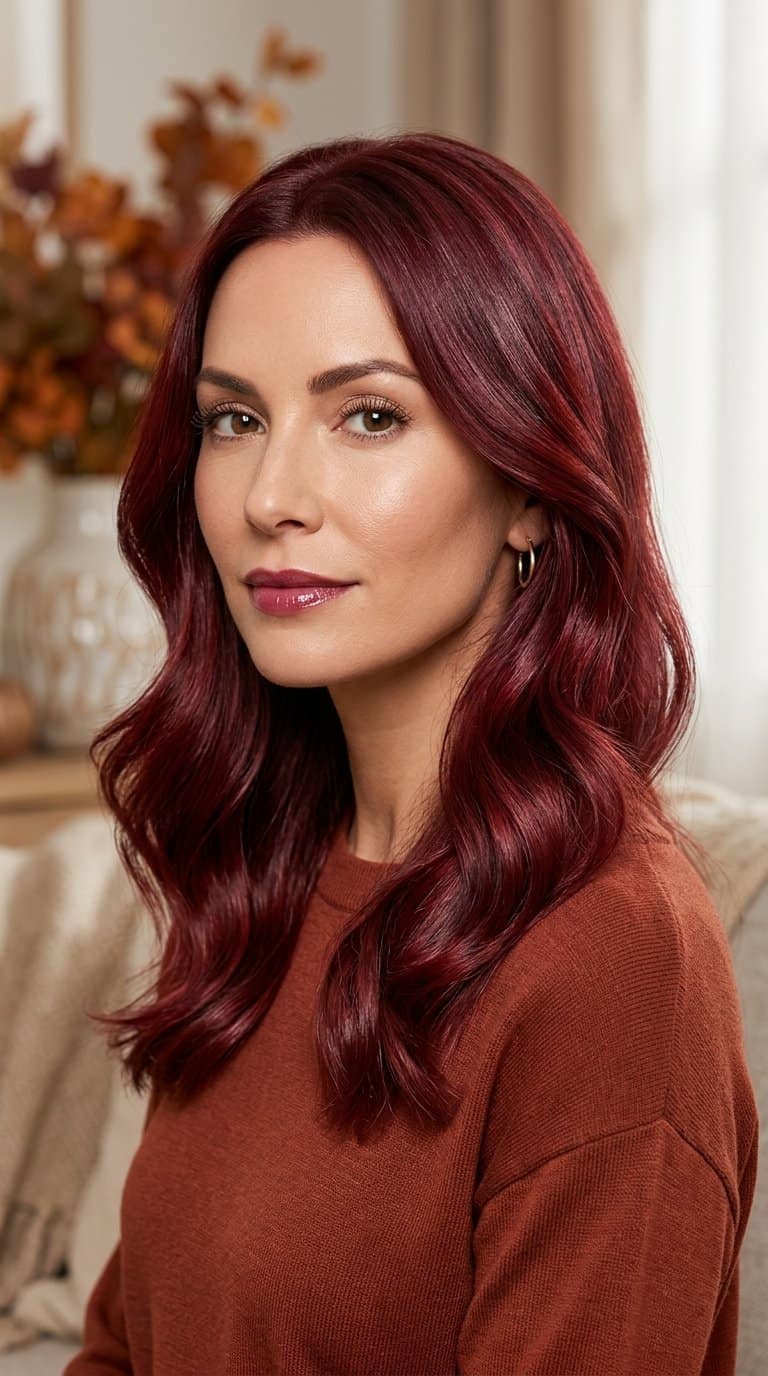
I like cranberry red gloss for its deep berry tone and reflective finish. It adds noticeable color without the permanent commitment of an opaque dye, making it a practical choice when I want a seasonal change that remains polished.
On dark brown or brunette hair, the shade can appear as a subtle red cast that becomes more visible in direct light. I would ask my colorist to adjust the gloss toward cooler or warmer berry tones based on my skin’s undertones.
Because gloss gradually fades with washing, I use color-safe products and lukewarm water to help preserve the tone. Regular conditioning also keeps the finish smooth, which helps the cranberry shade reflect light evenly.
14) Teddy Bear Brunette
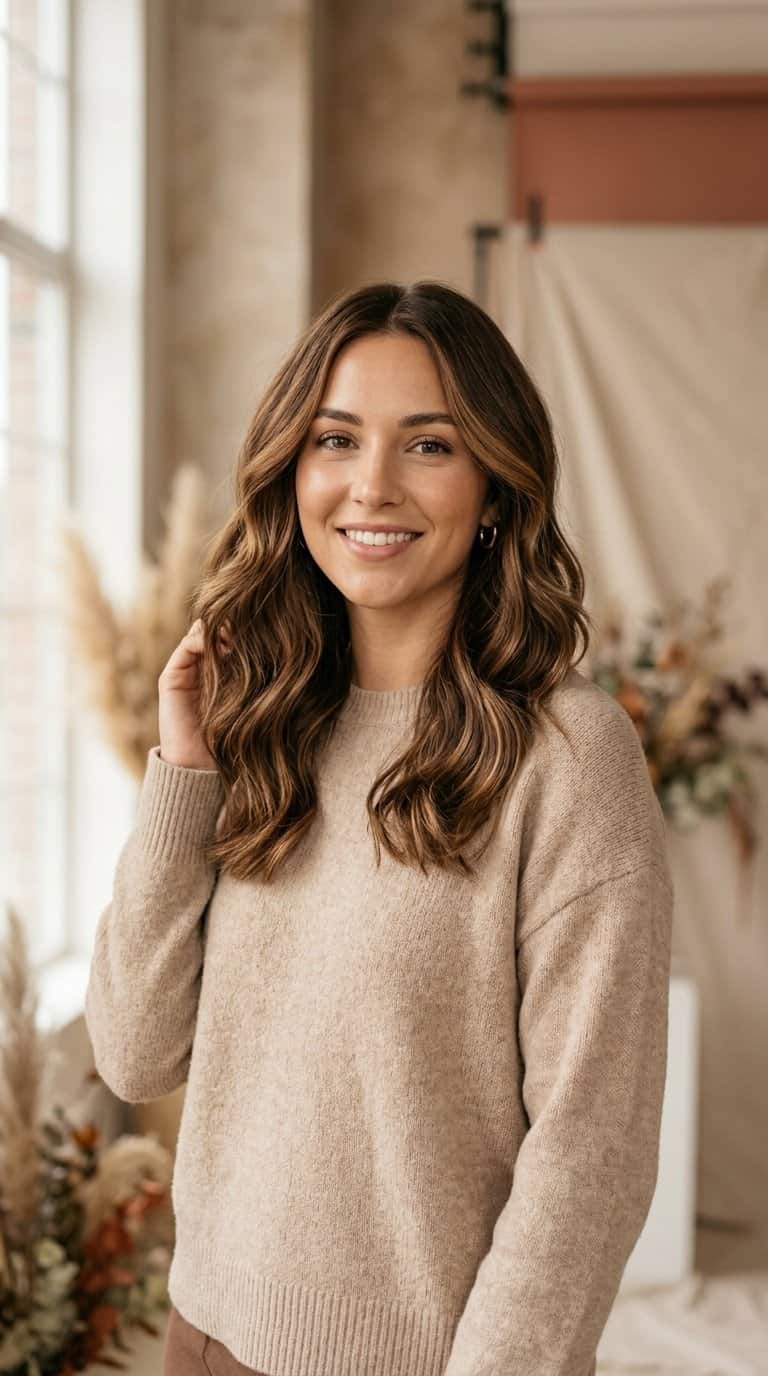
I like teddy bear brunette for its soft, balanced blend of medium brown, caramel, and beige tones. The color creates gentle dimension without sharp contrast, giving the hair a warm, touchable appearance that suits fall’s muted palette.
I would ask for subtle highlights through the midlengths and around the face, then keep the roots slightly deeper for a natural grow-out. This approach works well on straight, wavy, or curly hair because the varied tones catch light without requiring bold placement.
15) Rust-Colored Copper
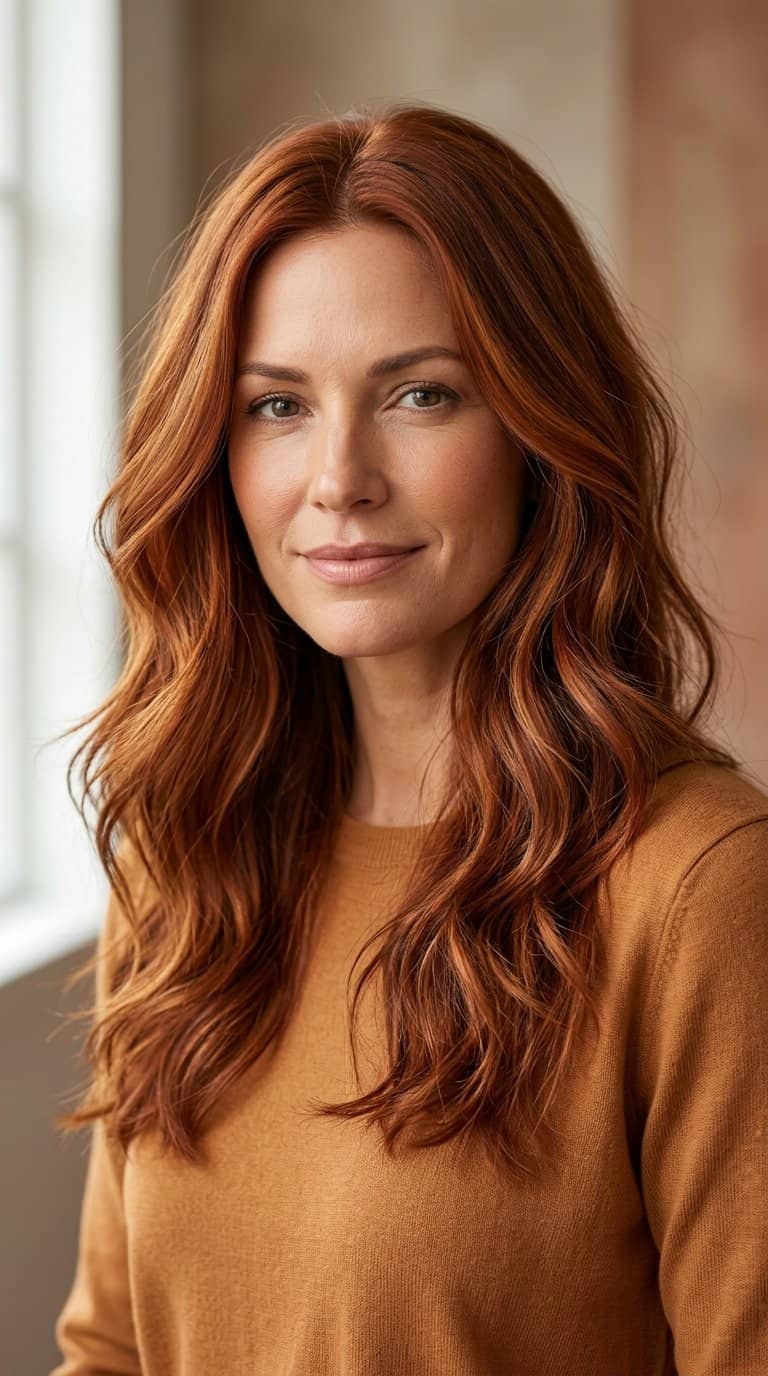
I like rust-colored copper for its earthy blend of red, orange, and brown tones. The shade feels rich without looking overly bright, making it a practical choice for fall. It works especially well on medium to deep brown hair, where the copper reflects light while the deeper base keeps the color grounded.
I would ask for a dimensional application rather than one flat tone. Subtle variations through the lengths can create a natural, slightly weathered effect, while a gloss helps maintain the warm finish. To preserve the color, I recommend washing with lukewarm water and using products made for color-treated hair.
16) Spiced Pumpkin Ombré
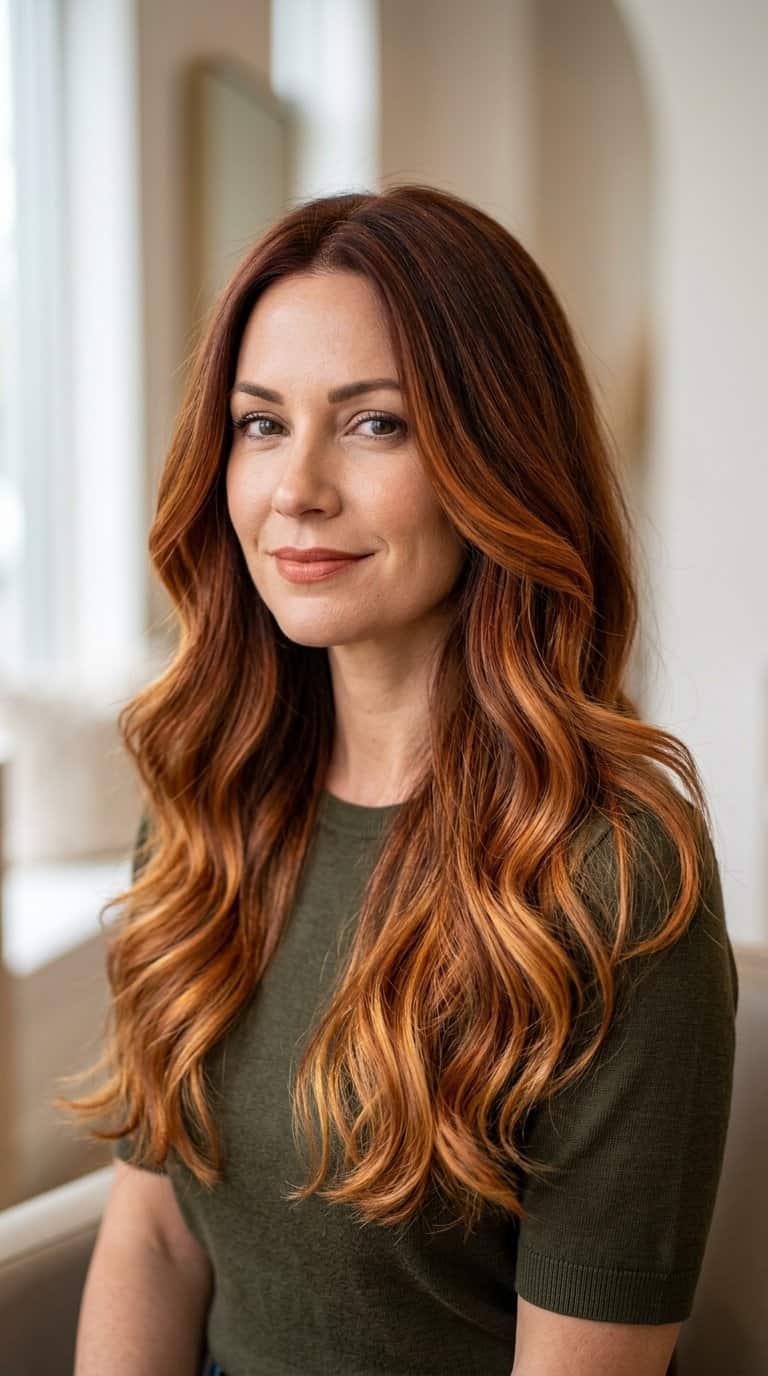
I like this ombré for its gradual shift from a deeper cinnamon-brown root into copper, pumpkin, and soft amber ends. The blended transition keeps the color dimensional rather than creating a sharp band between shades.
I would ask my colorist to preserve some natural depth near the scalp, especially if I want a lower-maintenance grow-out. Warm undertones suit this look, while a gloss can refresh the copper and add shine between appointments.
For styling, I prefer loose waves because they reveal each shade as it moves through the lengths. I would also use a color-safe cleanser and limit high heat to help prevent the lighter ends from becoming dry or dull.
17) Deep Merlot Brown
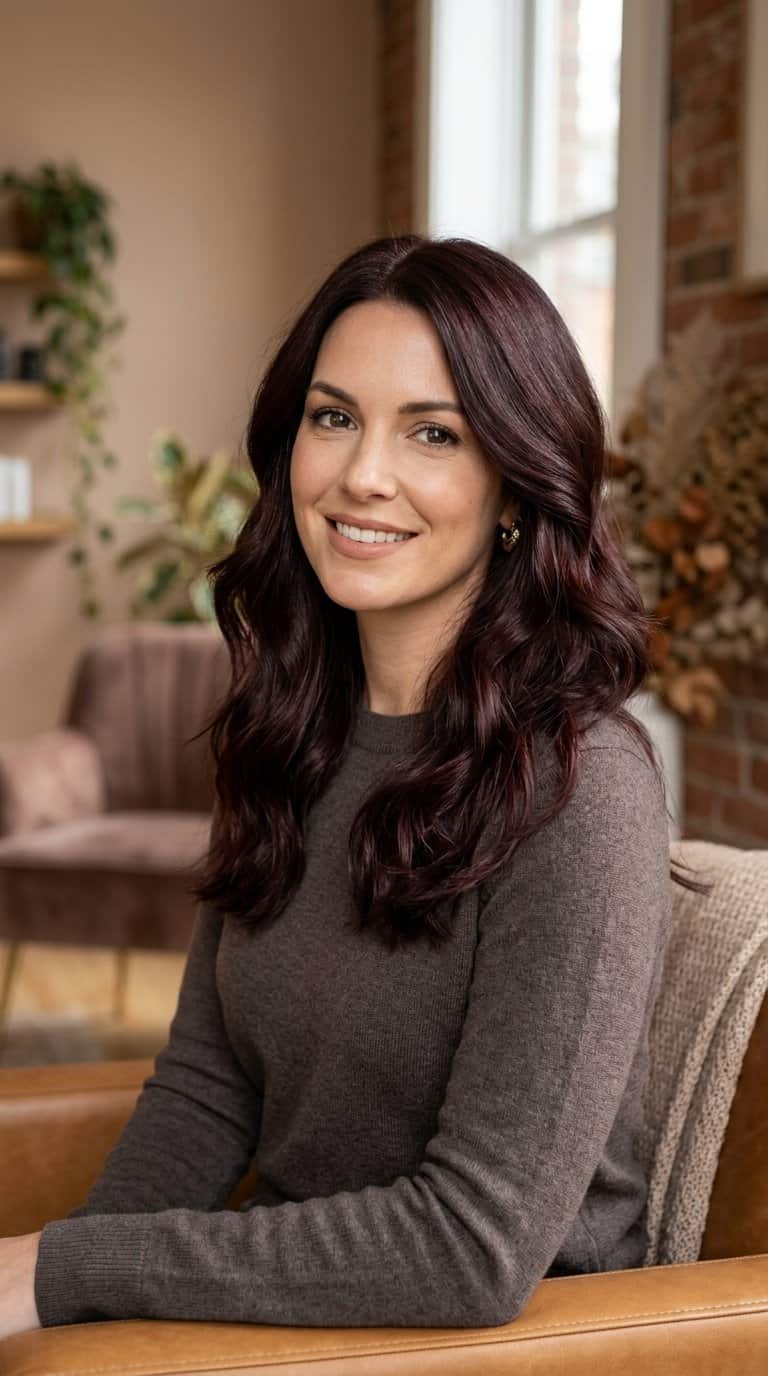
I like deep merlot brown when I want a rich fall shade without committing to bright red. Its brown base keeps the color polished, while subtle burgundy and wine-toned reflects become more visible in natural light.
I find this shade especially flattering on medium to deep brown hair because it adds dimension without creating a harsh contrast. I would ask for a demi-permanent gloss or carefully blended balayage, depending on how much color change I want.
To maintain the tone, I use color-safe shampoo and wash with cool or lukewarm water. A weekly conditioning mask also helps keep the hair smooth, since dry strands can make red-violet tones appear uneven.
18) Hazelnut Bronde with Root Melt
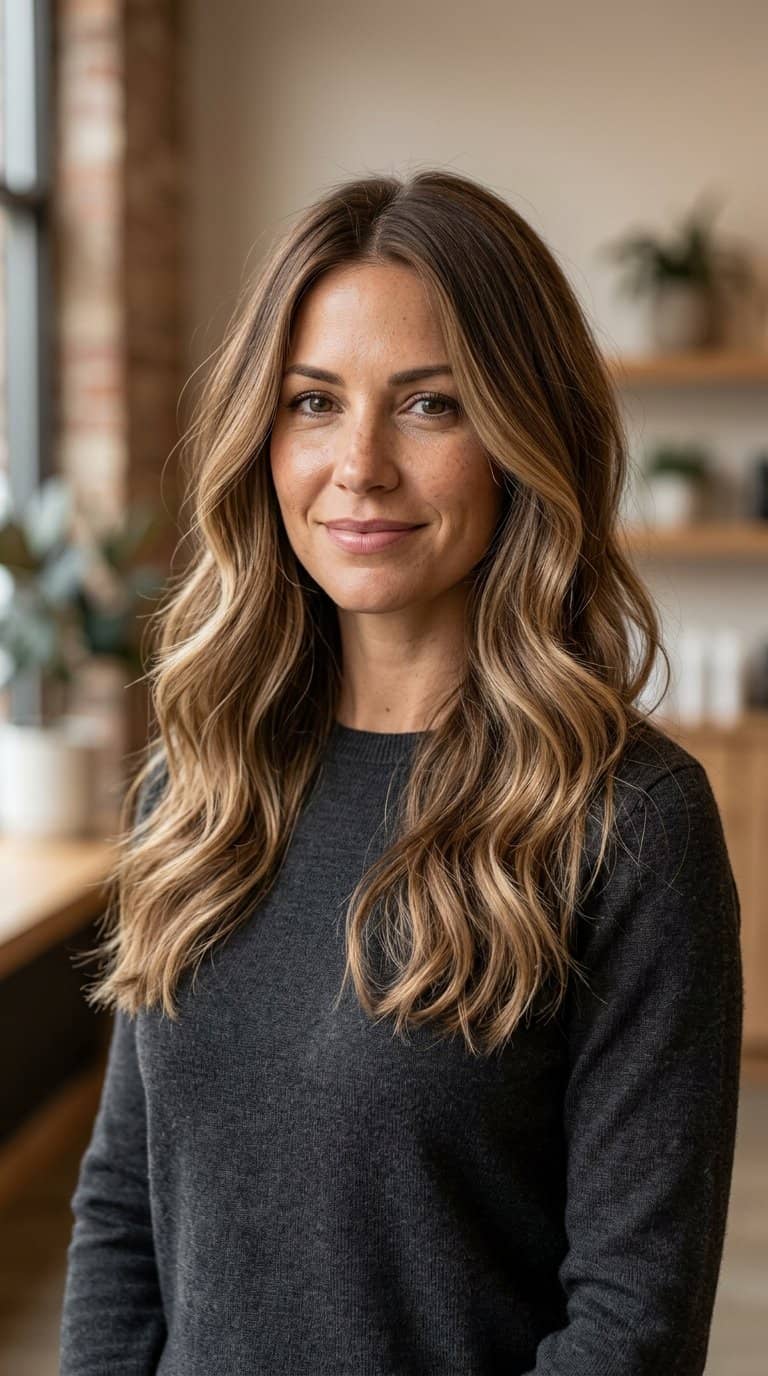
I like hazelnut bronde for its balanced blend of warm brown and muted blonde tones. The color creates soft dimension without looking overly light, while a deeper root melt keeps the grow-out subtle and gives the style a natural starting point.
I would ask for beige-hazelnut highlights placed through the mid-lengths and ends, with slightly brighter pieces around the face. Keeping the root shade close to my natural color helps the transition look blended rather than sharply contrasted.
This combination works well with loose waves, which show the tonal shifts without requiring heavy styling. I would use a color-safe cleanser and a lightweight glossing treatment to help maintain the warm, reflective finish.
19) Cinnamon Swirl Highlights
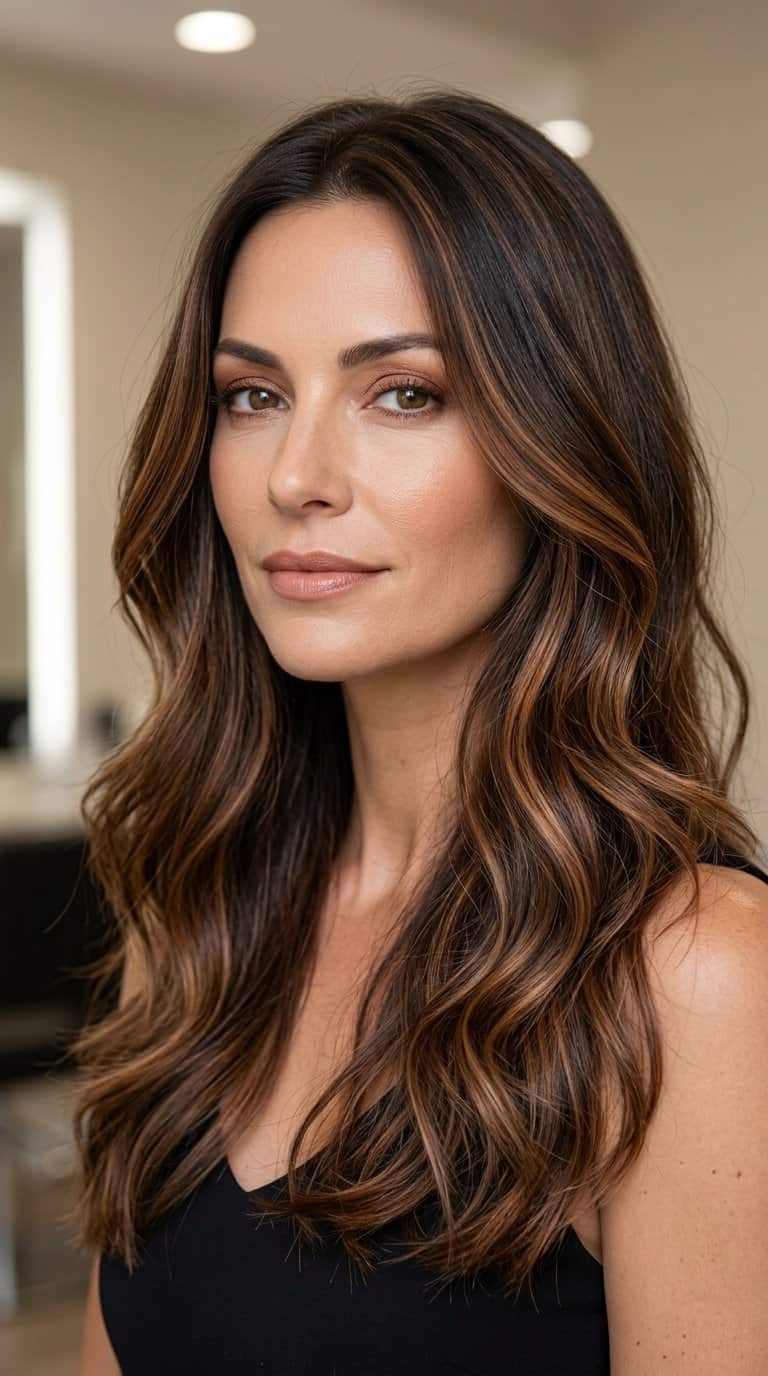
I like cinnamon swirl highlights for the way they add soft, coppery dimension without changing the entire base color. I would place fine ribbons through the mid-lengths and around the face, using warm cinnamon, caramel, and subtle chestnut tones for a blended effect.
This color works especially well on medium brown or dark blonde hair, where the lighter pieces remain visible but natural. I recommend keeping the roots close to the existing shade and concentrating brightness toward the ends to create a gradual transition.
A gloss can add shine and refine the balance between the warm tones. I would use color-safe products and refresh the gloss regularly, since copper shades can lose vibrancy with frequent washing.
20) Mahogany Brown with Scarlet Undertones
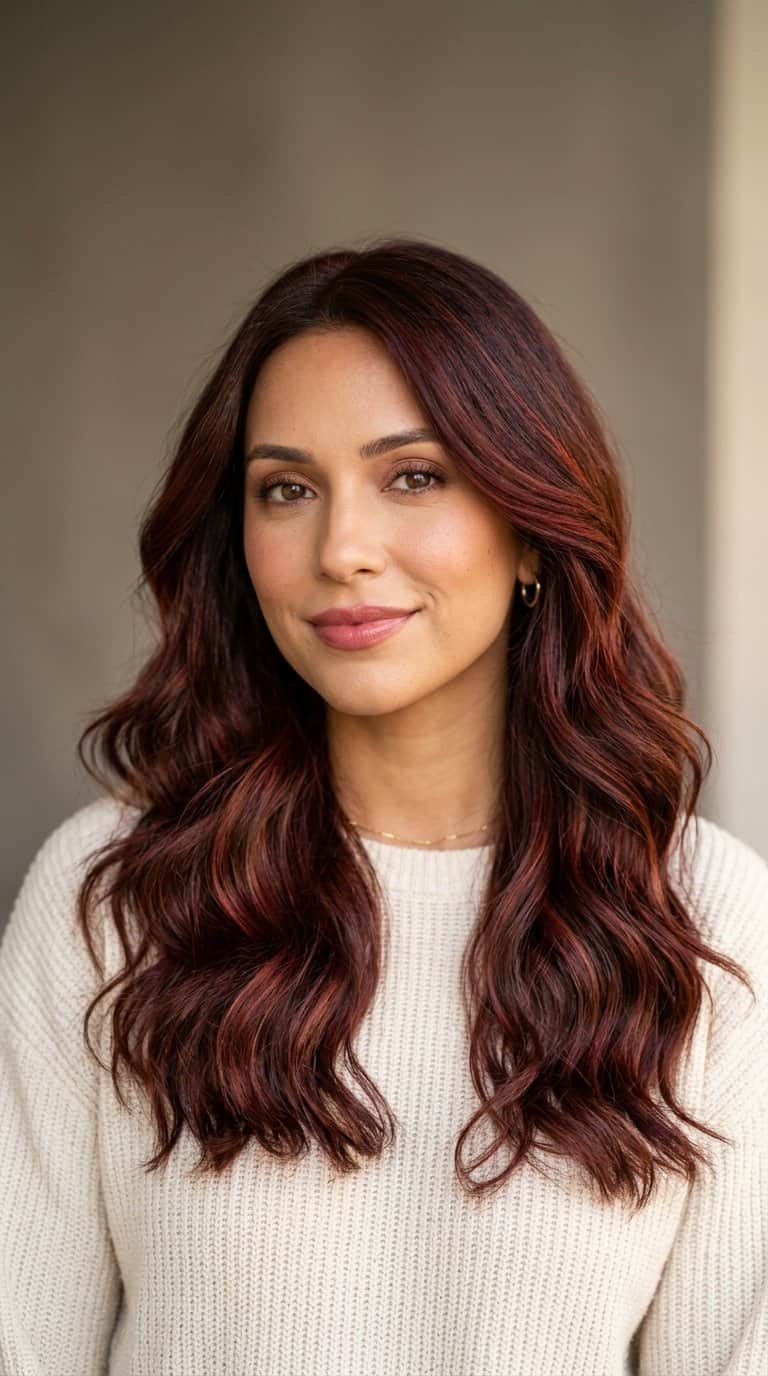
I like mahogany brown with scarlet undertones for its controlled warmth and rich depth. In natural light, the red tones appear as subtle flashes rather than a bright, uniform color, which keeps the result polished and wearable.
I would ask my colorist to place the scarlet tones through the midlengths and ends, while keeping the root slightly deeper for a softer grow-out. This combination suits medium to dark brown bases and works especially well with layered cuts that let the tones shift as the hair moves.
21) Copper Peach Balayage
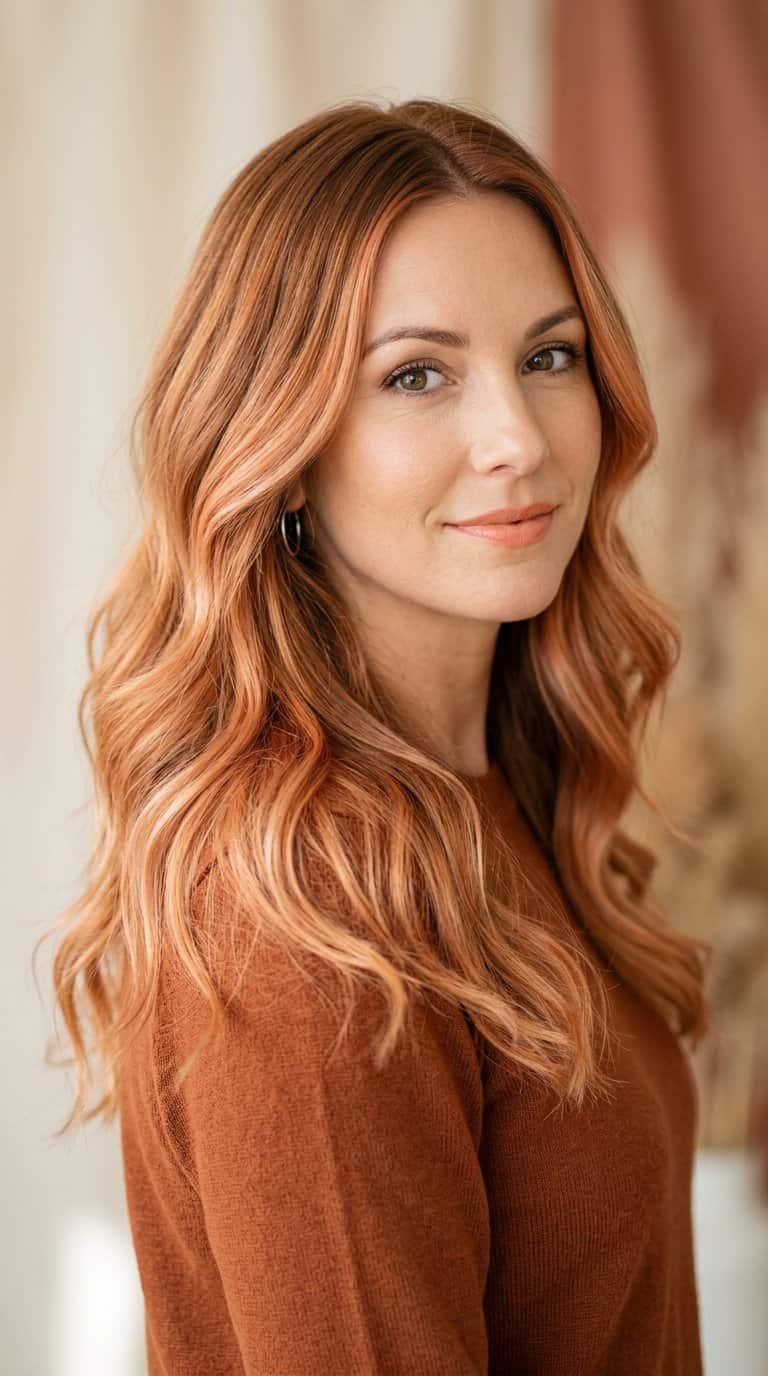
I like this blend for its balance of warm copper and soft peach tones. I would keep the copper closer to the roots and paint lighter peach pieces through the midlengths and ends for a gradual finish.
This color works especially well on medium to light brown hair, though I would adjust the brightness to suit the base. I recommend a gloss between salon visits to refresh the warmth, while sulfate-free products can help preserve the tone.