Choosing a nose piercing can feel difficult when you are weighing placement, jewelry style, comfort, and healing needs. I’ll guide you through a range of options, from understated designs to more distinctive placements, so you can compare each look with greater confidence.

Save for later
Want to come back to this story? Save it with your email so it is easy to find again.
You can find the right nose piercing by matching the placement and jewelry to your style, comfort level, and aftercare commitment. I’ll also cover practical factors that can help you narrow your choices before booking an appointment.
Table of Contents
- 1 1) Classic nostril piercing with a small titanium stud
- 2 2) Nostril hoop with a seamless gold finish
- 3 3) Double nostril piercing with matching studs
- 4 4) High nostril piercing with minimalist jewelry
- 5 5) Septum piercing with a delicate clicker ring
- 6 6) Septum piercing with a horseshoe barbell
- 7 7) Austin bar piercing with paired studs
- 8 8) Bridge piercing with curved barbells
- 9 9) Vertical tip piercing with a curved barbell
- 10 10) Rhino piercing with a curved barbell
- 11 11) Nasallang piercing with a straight barbell
- 12 12) Single nostril piercing with a tiny gemstone
- 13 13) Nostril chain connecting two piercings
- 14 14) Mixed-metal nostril jewelry combination
- 15 15) 18-karat gold nostril stud
- 16 16) Opal nostril piercing jewelry
- 17 17) Diamond nostril piercing stud
- 18 18) Black titanium nostril hoop
- 19 19) Flat-back labret for a subtle nostril look
- 20 20) Septum clicker with a geometric design
- 21 Choosing Placement And Jewelry
- 22 Nostril Anatomy And Placement Considerations
- 23 Studs, Hoops, And Initial Jewelry Materials
- 24 Preparing For Healing And Aftercare
- 25 Selecting A Reputable Professional Piercer
- 26 Expected Healing Times And Daily Care
- 27 When To Seek Professional Advice
1) Classic nostril piercing with a small titanium stud
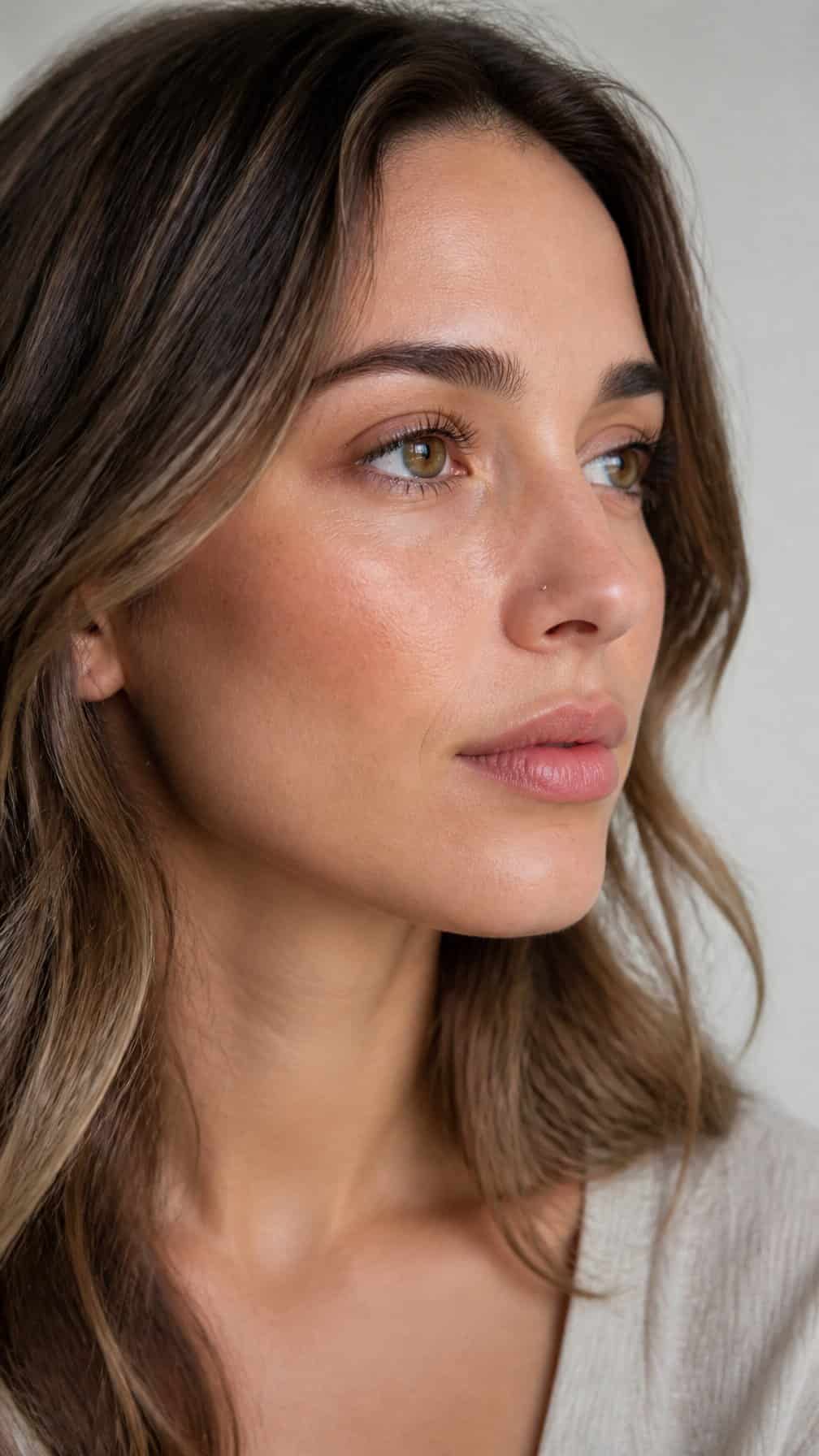
I see a classic nostril piercing as a practical starting point for a clean, understated look. A small titanium stud keeps the jewelry discreet while adding a defined detail to the face.
I prefer implant-grade titanium for its lightweight feel and suitability for many people with sensitive skin. The simple shape also makes daily styling easier, since it pairs with casual clothing, workwear, and other jewelry without competing for attention.
I would choose a flat-back design when available, because it can sit comfortably against the inside of the nostril. A qualified piercer can help select the appropriate post length and placement for my anatomy.
2) Nostril hoop with a seamless gold finish
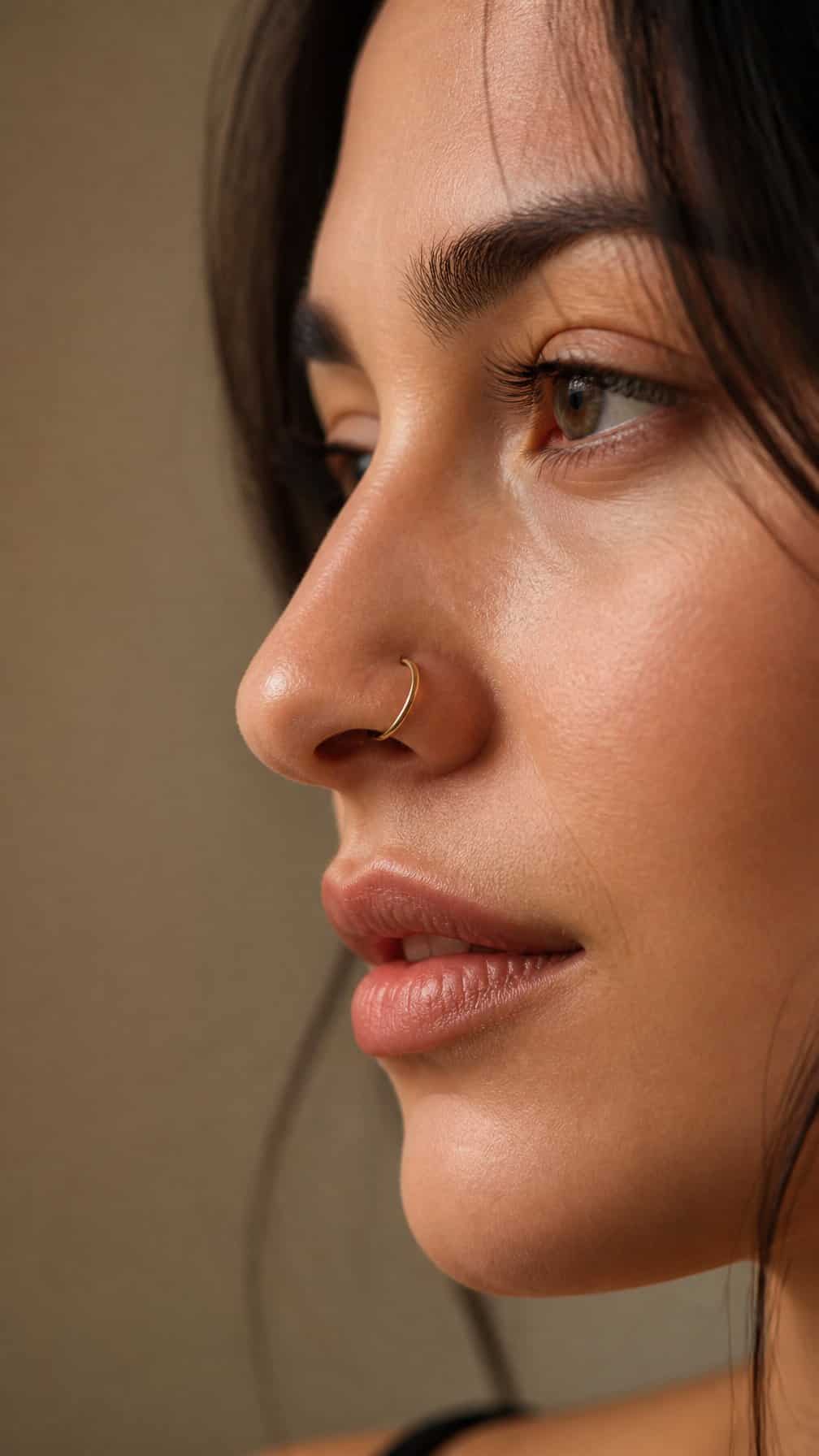
I like a seamless gold hoop for its clean, continuous shape and subtle polish. The lack of a visible bead gives the jewelry a smooth appearance, while a narrow profile keeps the look refined rather than overly bold.
I would choose the hoop size based on how closely I want it to sit against my nostril. A snug fit looks neat, but a slightly wider diameter creates more movement and makes the jewelry easier to notice. I would also confirm that the piercing has fully healed before wearing a seamless ring.
3) Double nostril piercing with matching studs
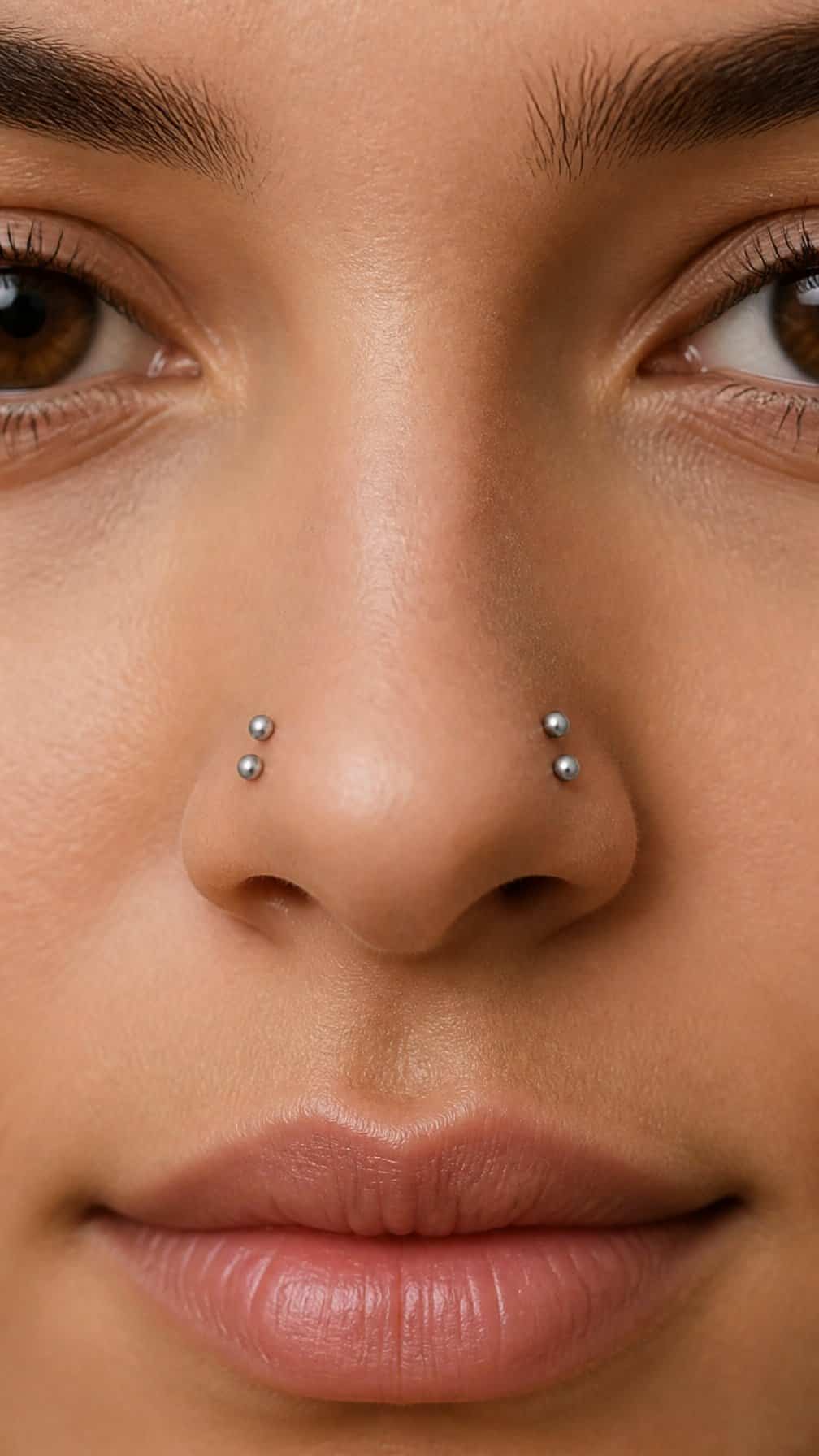
I like matching studs in both nostrils for a balanced look that remains simple and easy to style. Small flat-back jewelry keeps the focus on the paired placement without adding too much visual weight.
I would ask a professional piercer to assess my anatomy and mark both sides carefully before starting. Symmetry can change with facial structure, so precise placement matters more than copying an exact reference photo.
I would choose implant-grade titanium or solid gold studs and allow each piercing to heal fully before changing the jewelry. Cleaning both sites consistently also helps me monitor irritation, swelling, or other signs that need professional attention.
4) High nostril piercing with minimalist jewelry
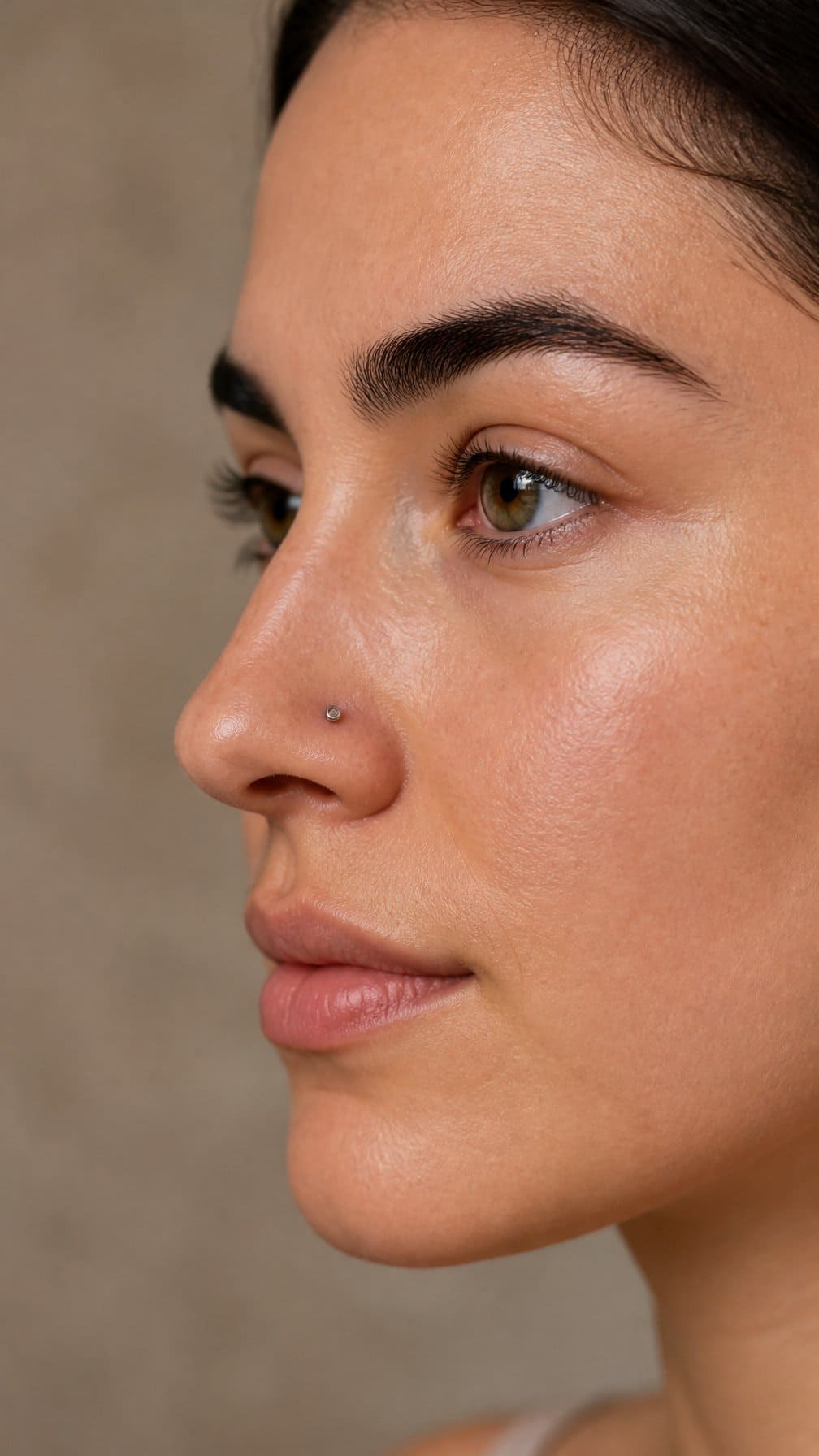
I like a high nostril piercing for its clean placement and subtle structure. Sitting higher on the nose than a traditional nostril piercing, it creates a distinct look without requiring large or decorative jewelry.
A small flat-back stud, slim bead, or tiny bezel-set stone keeps the style understated. I would choose titanium or solid gold from a reputable piercer, since the jewelry’s size, shape, and material can affect comfort during healing.
This placement may suit me if I want a refined alternative to a standard nostril piercing. I should also consider my nose shape, available tissue, and whether I might add a second high nostril piercing later, because spacing needs careful planning.
5) Septum piercing with a delicate clicker ring
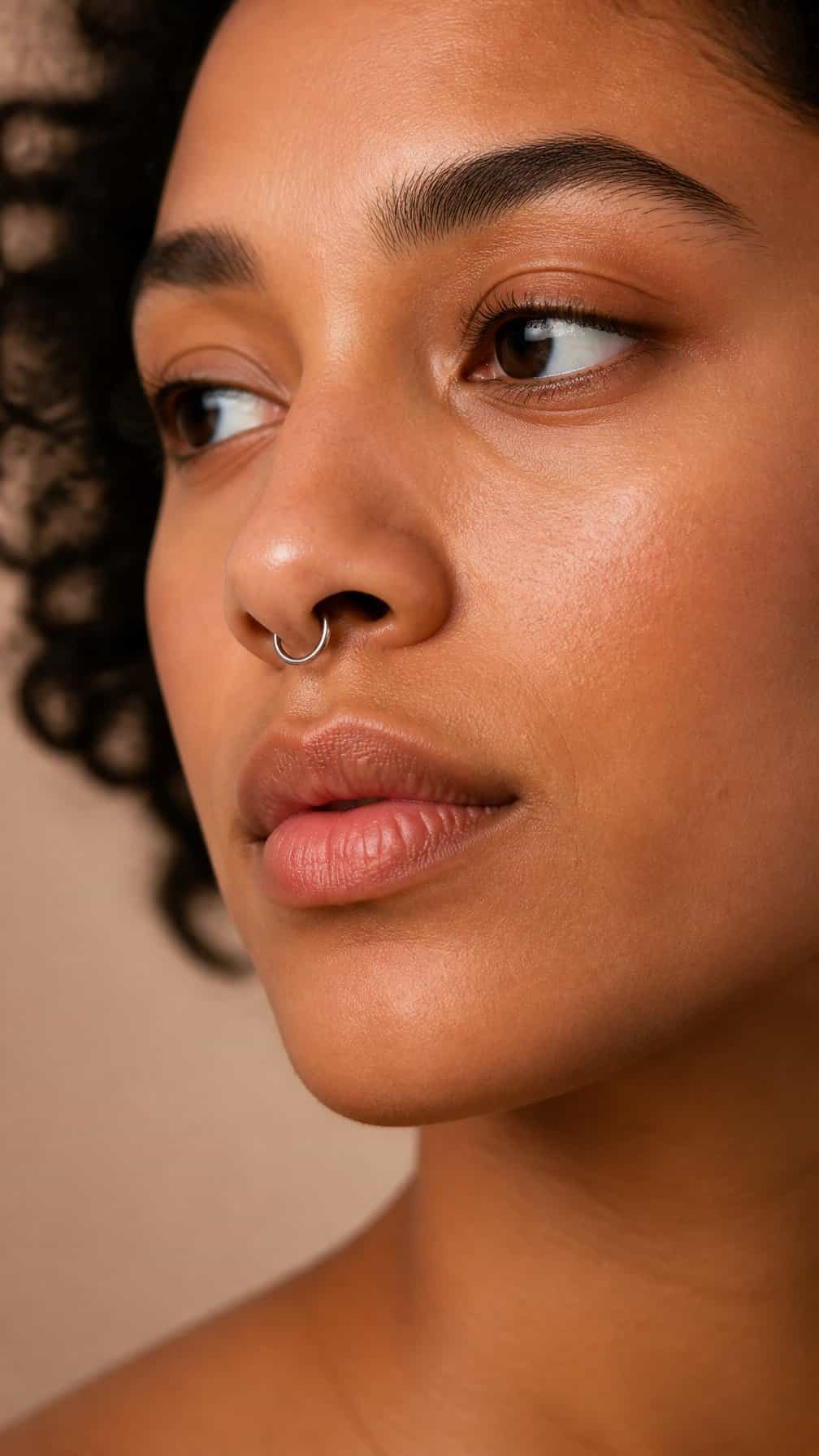
I like a delicate clicker ring for its clean, understated appearance. The hinged closure creates a smooth circle without visible threading, while a slim profile keeps the jewelry from dominating the face.
I would choose this style if I wanted a septum piercing that works with both casual and polished outfits. Gold, silver, and black finishes each create a different effect, and a smaller diameter can offer a subtle look without hiding the piercing’s placement.
6) Septum piercing with a horseshoe barbell
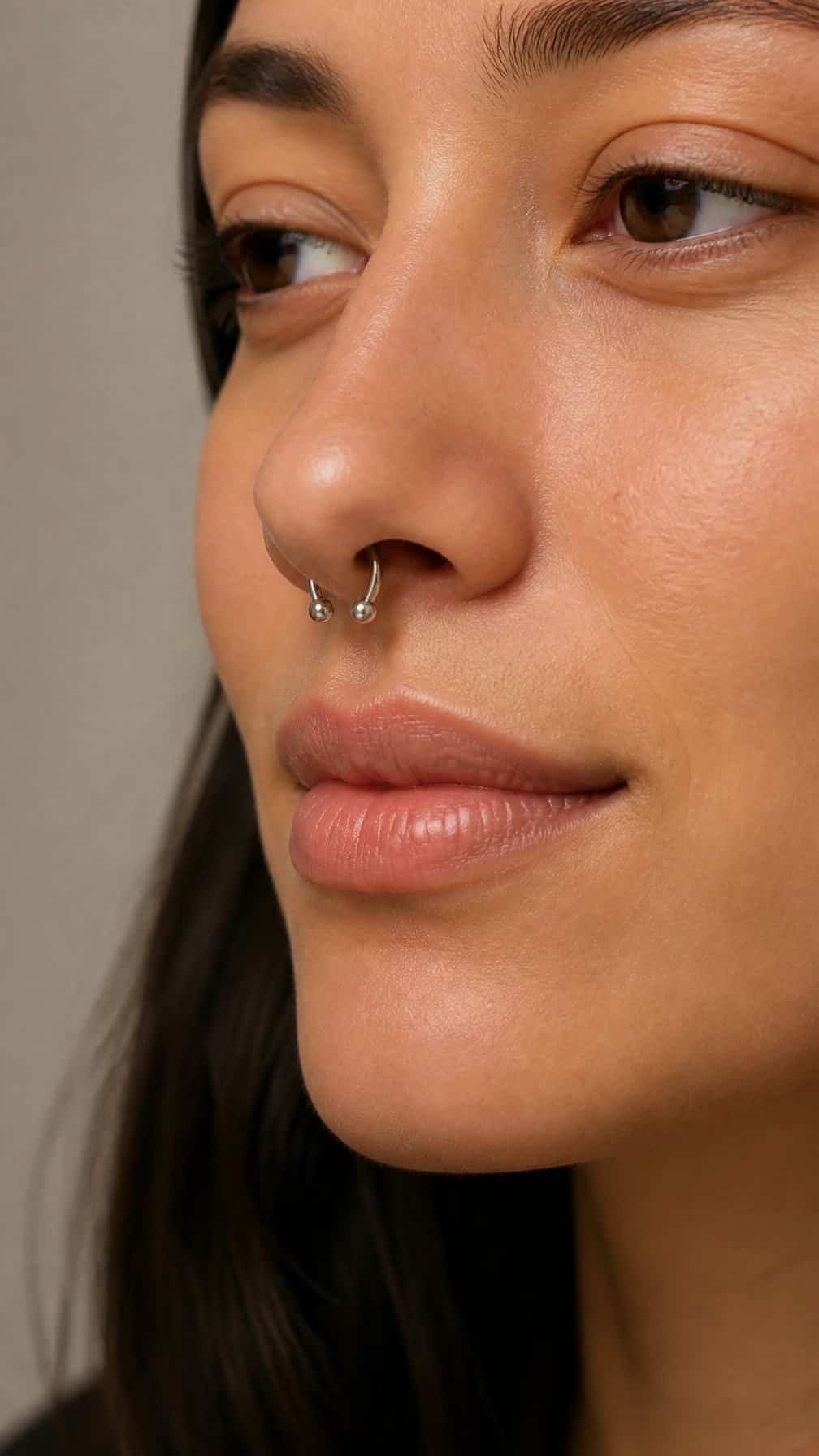
I like a horseshoe barbell because its curved shape frames the septum without covering much of the nose. The two visible ends create a balanced look, while the open center keeps the jewelry easy to notice.
I would choose this style if I wanted flexibility. A piercer can fit the diameter and gauge to my anatomy, and I can select simple beads, polished metal, or small decorative ends. I would wait until the piercing heals before changing jewelry or flipping it upward regularly.
A snug fit usually looks neat, but the barbell should not press against the nostrils or cause discomfort. I would ask a qualified piercer to check placement, sizing, and suitable materials such as implant-grade titanium or solid gold.
7) Austin bar piercing with paired studs
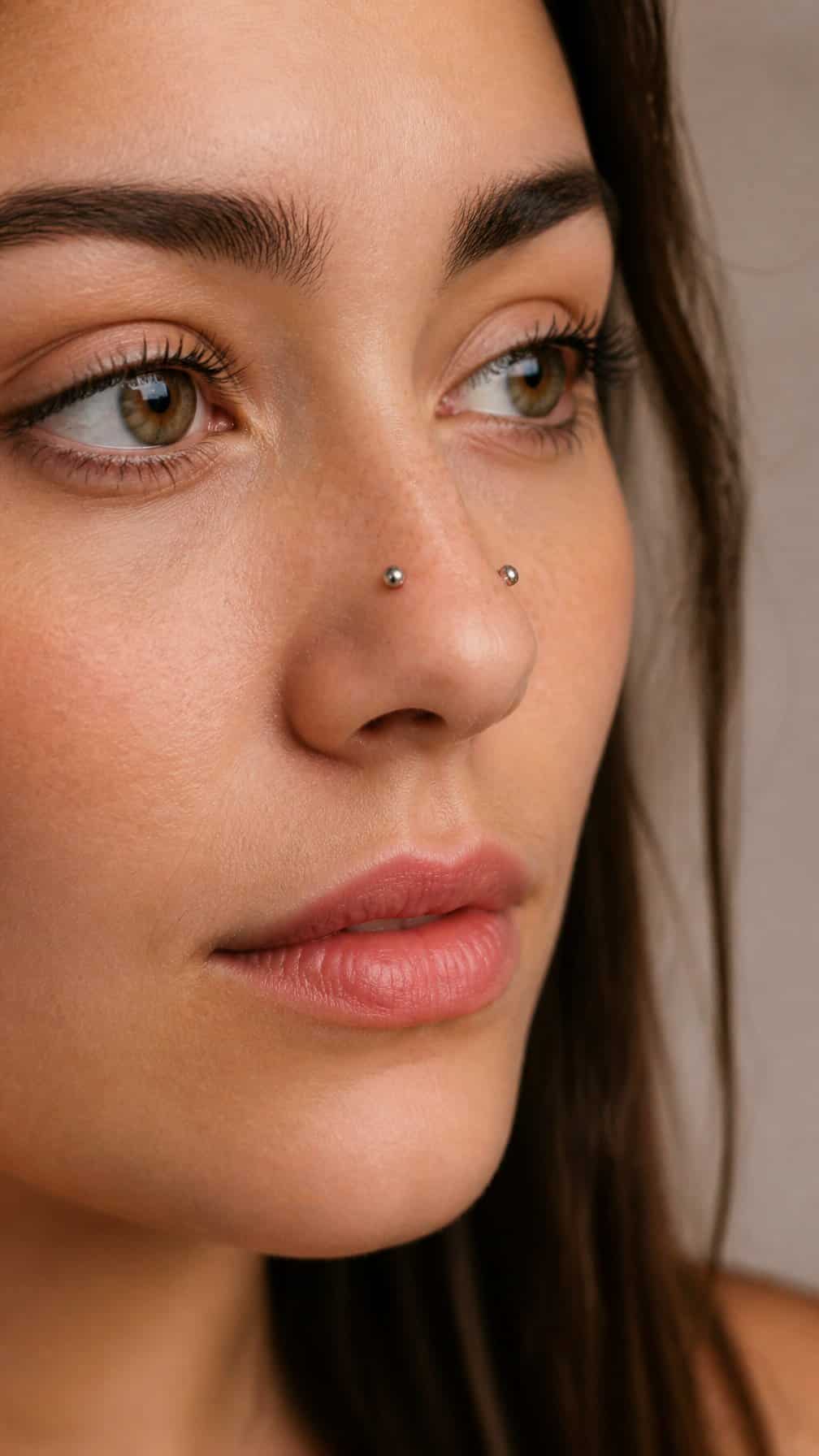
I would choose an Austin bar piercing with paired studs for a balanced look across the upper nose. The jewelry sits horizontally through the tissue near the bridge, while the two visible ends create a clean, symmetrical detail.
I would ask an experienced piercer to assess my anatomy before deciding, since this placement requires precise positioning and suitable tissue. I would also select small, lightweight studs to reduce pressure during healing and keep the design understated.
This option suits me if I want something distinctive without adding jewelry to the nostrils or septum. I would follow the piercer’s aftercare instructions closely and avoid changing the jewelry until the piercing has healed.
8) Bridge piercing with curved barbells
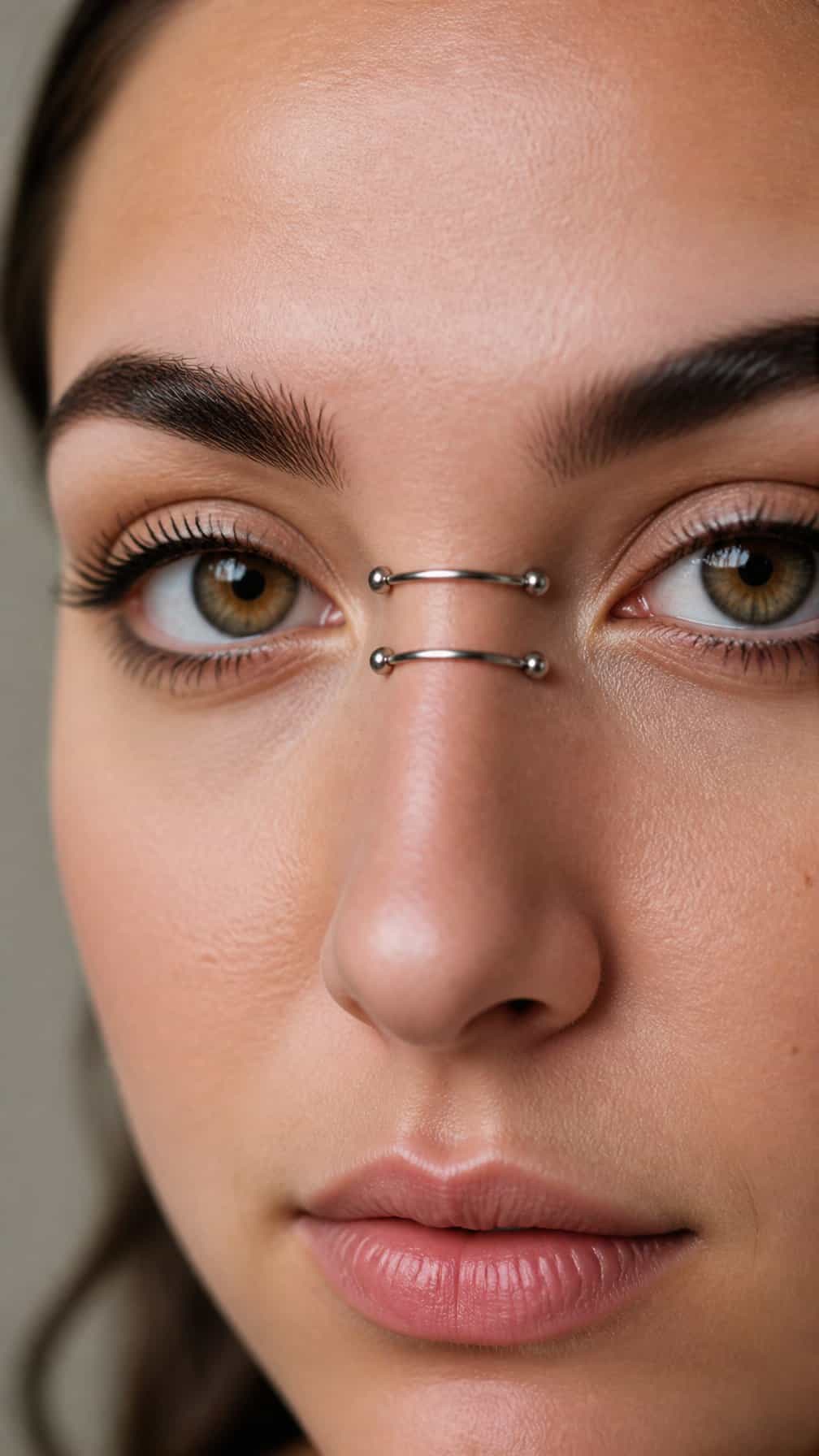
I like a bridge piercing with curved barbells when I want a visible facial piercing that remains relatively streamlined. The curved shape follows the bridge of the nose and can reduce pressure from a straight barbell, though proper sizing depends on individual anatomy.
I would choose small, polished ends for a subtle look or simple beads for more definition. Because this piercing passes through surface tissue, I would consult an experienced piercer about placement, jewelry length, healing expectations, and the risk of migration or rejection.
I would also consider how glasses, sunglasses, and makeup may contact the area. Implant-grade titanium offers a practical starting material, and I would avoid changing the jewelry until the piercing has healed fully.
9) Vertical tip piercing with a curved barbell
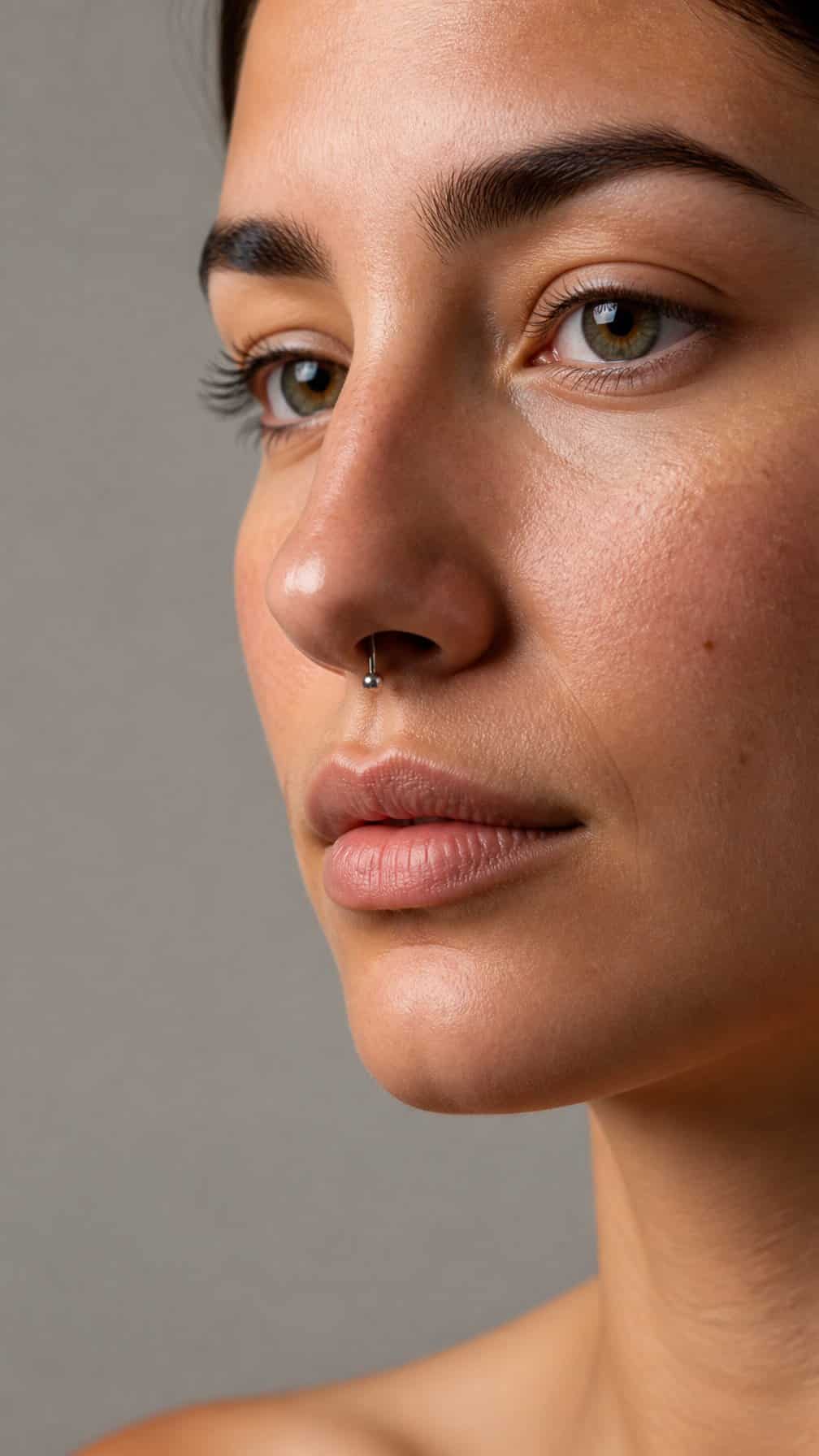
I like this placement for its distinctive orientation: the curved barbell passes vertically through the tip of the nose, with visible ends above and below. It creates a more noticeable look than a standard nostril piercing and works best when the anatomy provides enough tissue for secure placement.
I would choose a qualified piercer who can assess the tip, septum, and surrounding cartilage before proceeding. Healing may involve tenderness, swelling, and careful cleaning, while the jewelry’s shape can catch on towels or clothing. Implant-grade titanium offers a practical option for minimizing irritation.
10) Rhino piercing with a curved barbell
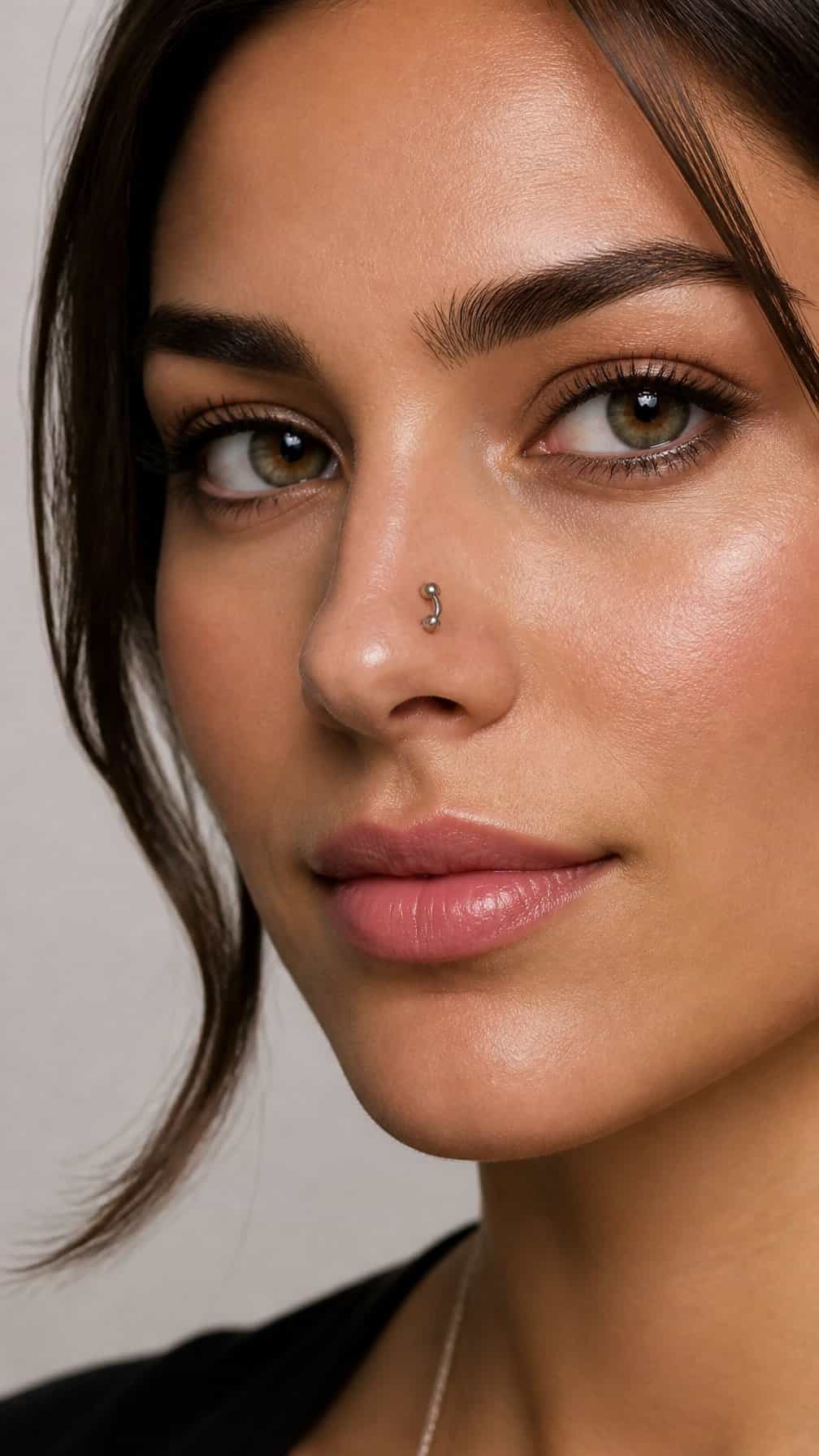
I see the rhino piercing as a bold option for people who want placement beyond the usual nostril or septum. It passes vertically through the tip of the nose, with the jewelry visible at both the upper and lower points.
I would choose a curved barbell because its shape follows the tissue more comfortably than a straight barbell. I would also discuss anatomy, jewelry size, healing time, and potential migration with a qualified piercer before scheduling the appointment.
This piercing can experience swelling, tenderness, and irritation during healing. I would clean it only as directed, avoid unnecessary movement, and choose high-quality materials such as implant-grade titanium to reduce avoidable complications.
11) Nasallang piercing with a straight barbell
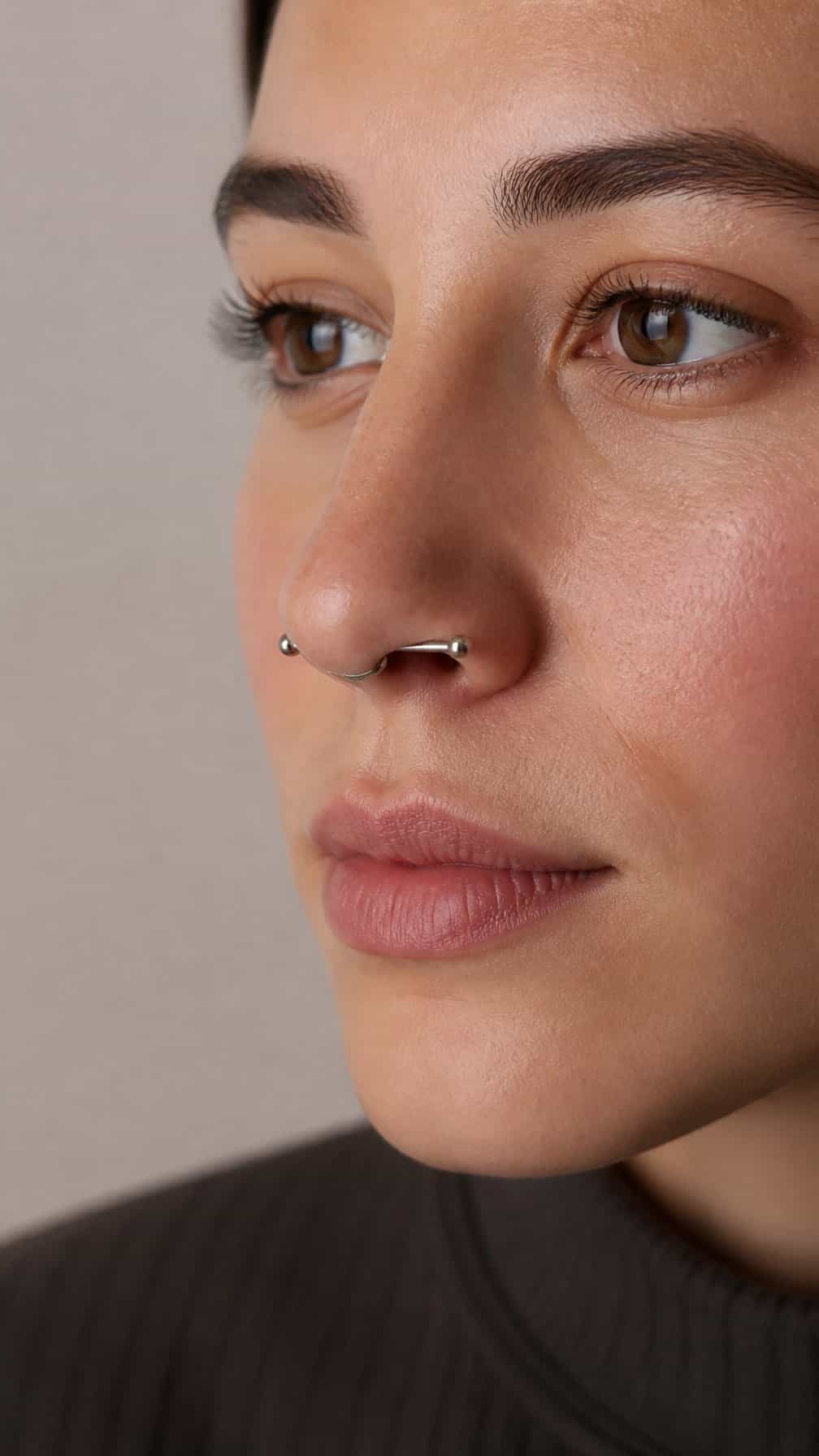
I see the nasallang as a bold option because one straight barbell passes horizontally through both nostrils and the septum. Its alignment creates a connected look across the lower nose, while the jewelry remains a single piece.
I would choose this piercing only after discussing anatomy, placement, and healing with an experienced piercer. Swelling can affect the fit, and the barbell needs enough room without catching on clothing or pressing against the nostrils.
I prefer a simple titanium barbell during healing because it keeps the design clean and limits unnecessary weight. After healing, I could consider a different finish or bead style, but professional guidance should determine when changing the jewelry is appropriate.
12) Single nostril piercing with a tiny gemstone
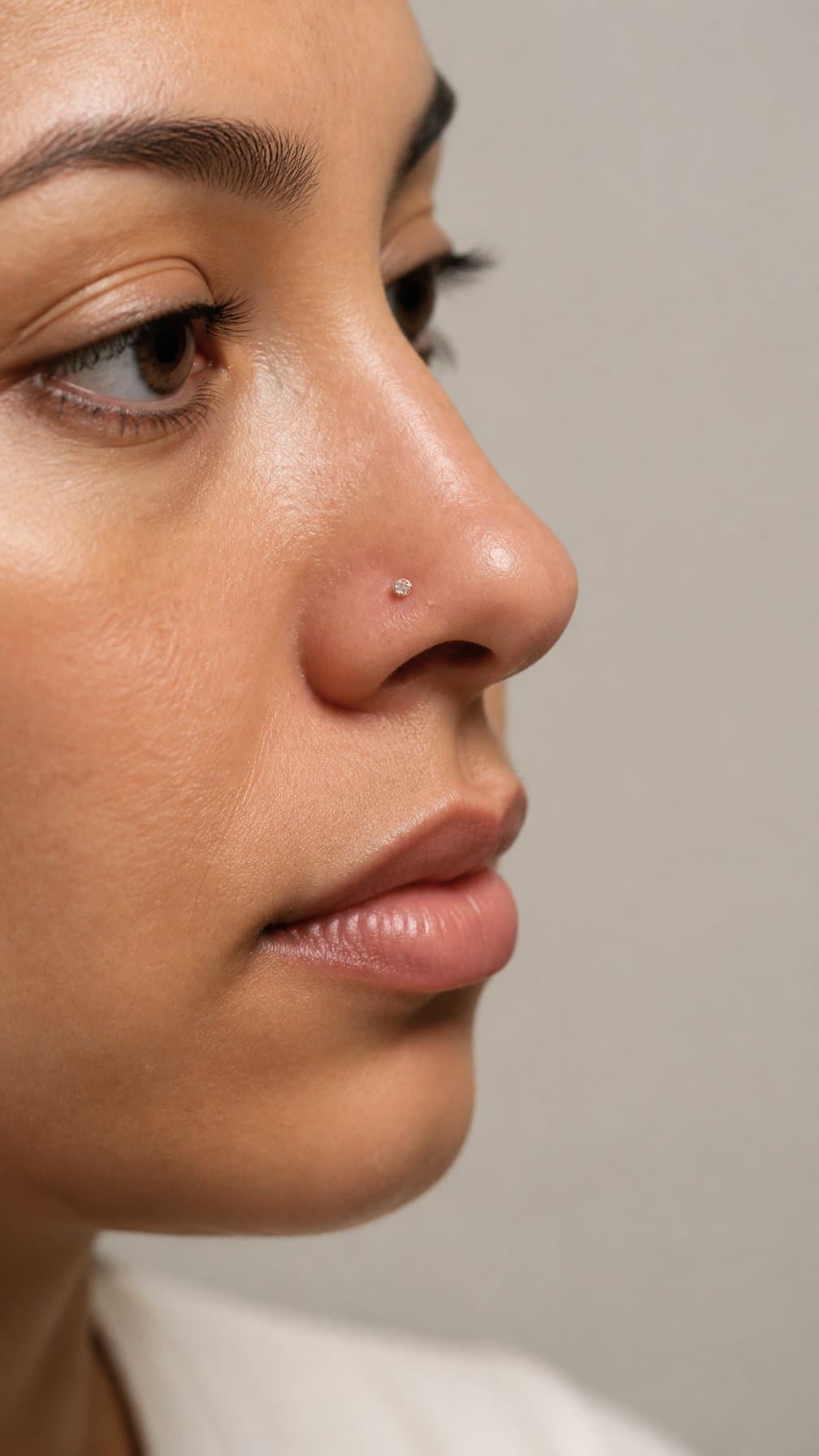
I like this option for its clean, understated appearance. A small gemstone adds a precise point of color without making the piercing feel visually heavy, so I can wear it with casual clothes, workwear, or more polished outfits.
I would choose the jewelry size and setting based on my nostril shape and personal style. A flat, low-profile setting usually feels practical for everyday wear, while a bezel setting can create a smooth outline with fewer edges to catch on clothing or towels.
This placement also gives me flexibility later. I can keep the gemstone for a subtle look, switch to a simple metal stud, or replace it with a small hoop after the piercing has fully healed and a piercer confirms the change is suitable.
13) Nostril chain connecting two piercings
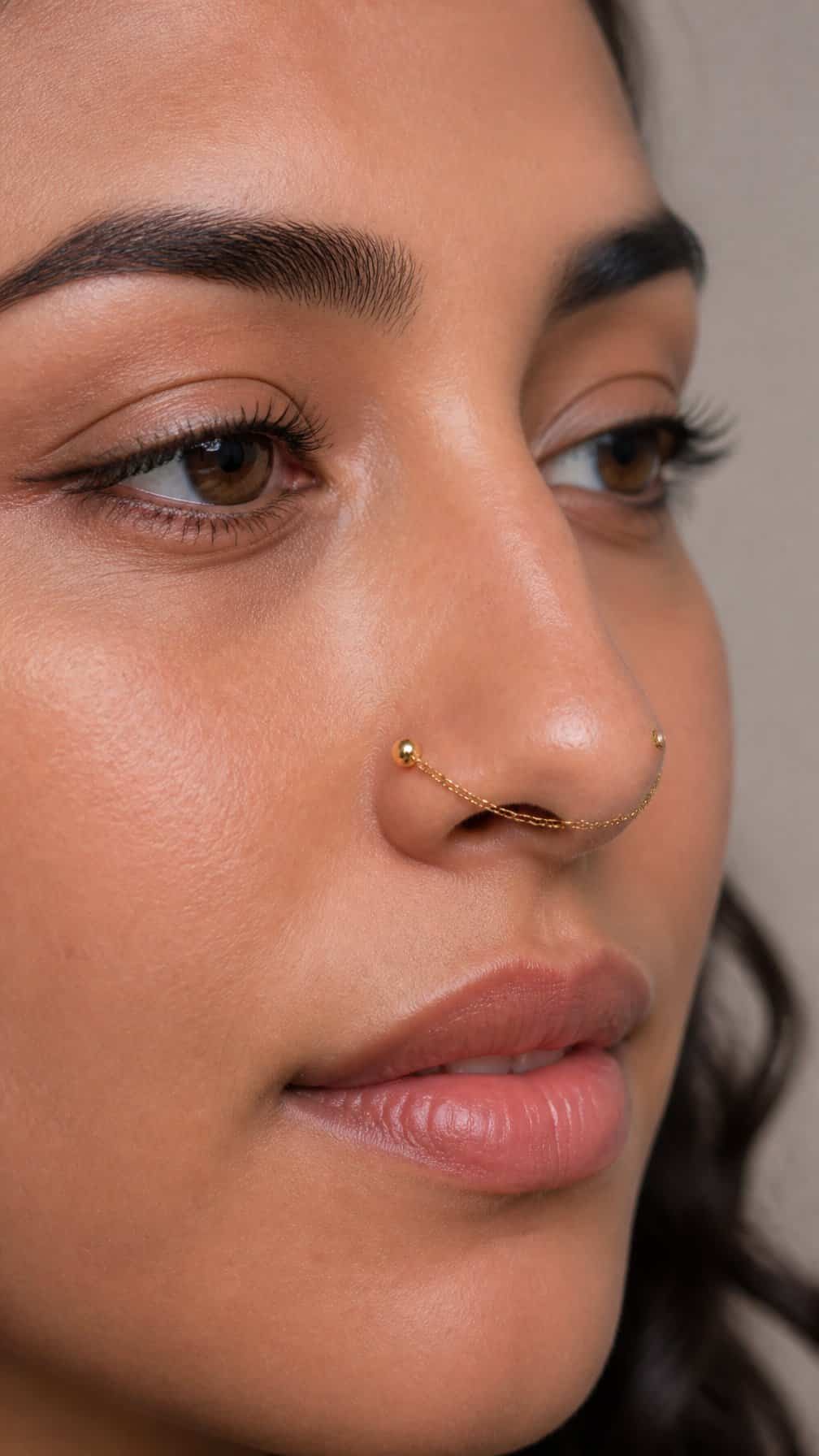
I would place a slim chain between two nostril piercings for a balanced look with a subtle decorative detail. Matching studs or small hoops can keep the design symmetrical, while different ends create a more individual style.
I would choose jewelry made from implant-grade titanium, niobium, or solid gold suitable for body jewelry. The chain should connect securely without pulling on either piercing, and I would wait until both piercings heal fully before wearing it.
Because movement can catch the chain on clothing or towels, I would keep the design lightweight and check the attachments regularly. A professional piercer can help select compatible jewelry and position the piercings at a comfortable distance.
14) Mixed-metal nostril jewelry combination
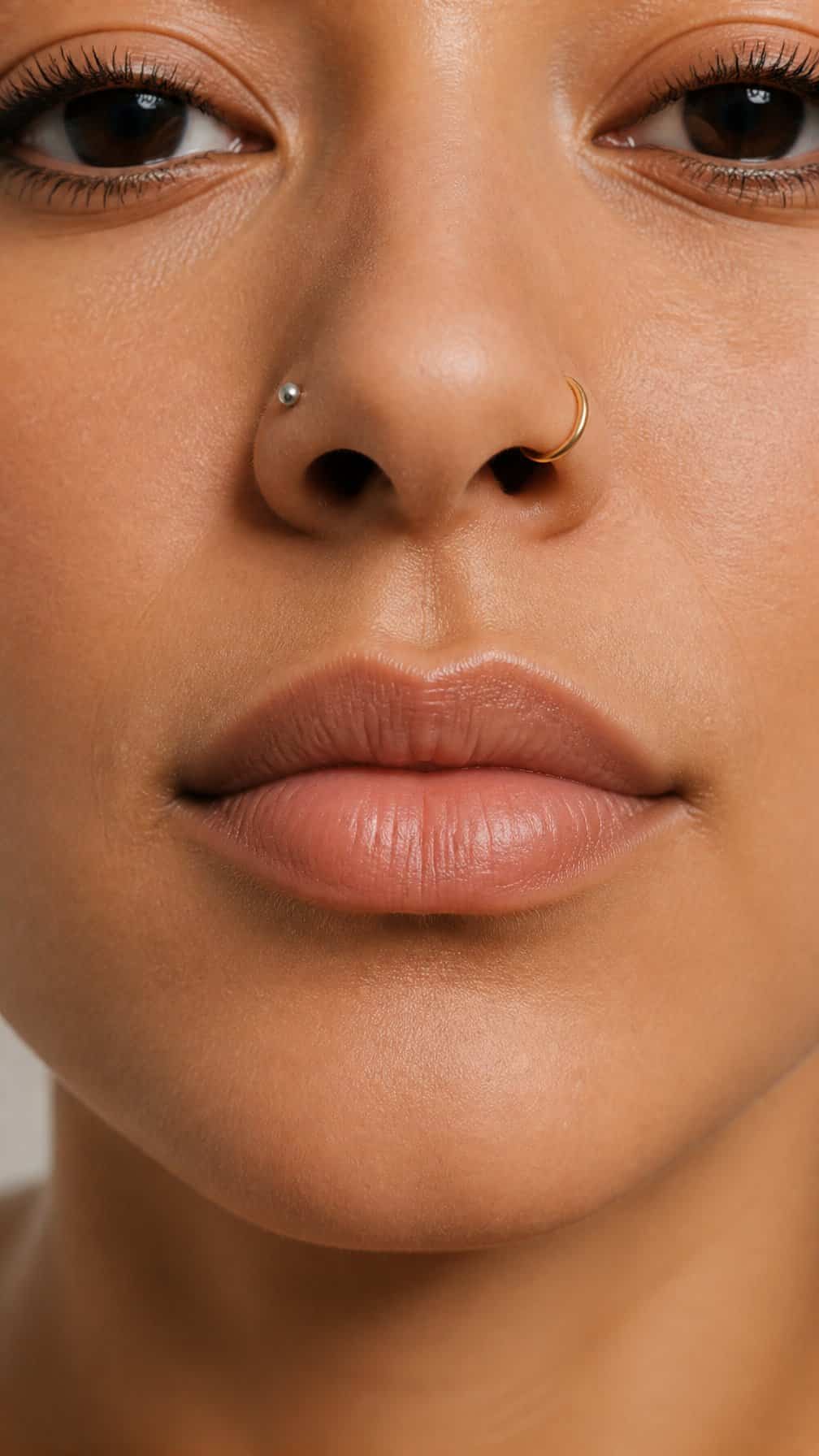
I like combining metals in one nostril setup when I want contrast without adding more piercings. A small yellow-gold hoop paired with a silver or titanium stud creates a clean difference in color while keeping the jewelry understated.
I would keep one piece visually simpler than the other, such as a plain bead beside a thin, polished hoop. Matching the finishes—both high-shine or both matte—helps the combination look intentional rather than mismatched.
I would also check metal quality before focusing on appearance. Implant-grade titanium, niobium, and verified solid gold can suit healed piercings, while fresh or sensitive piercings need jewelry recommended by a qualified piercer.
15) 18-karat gold nostril stud
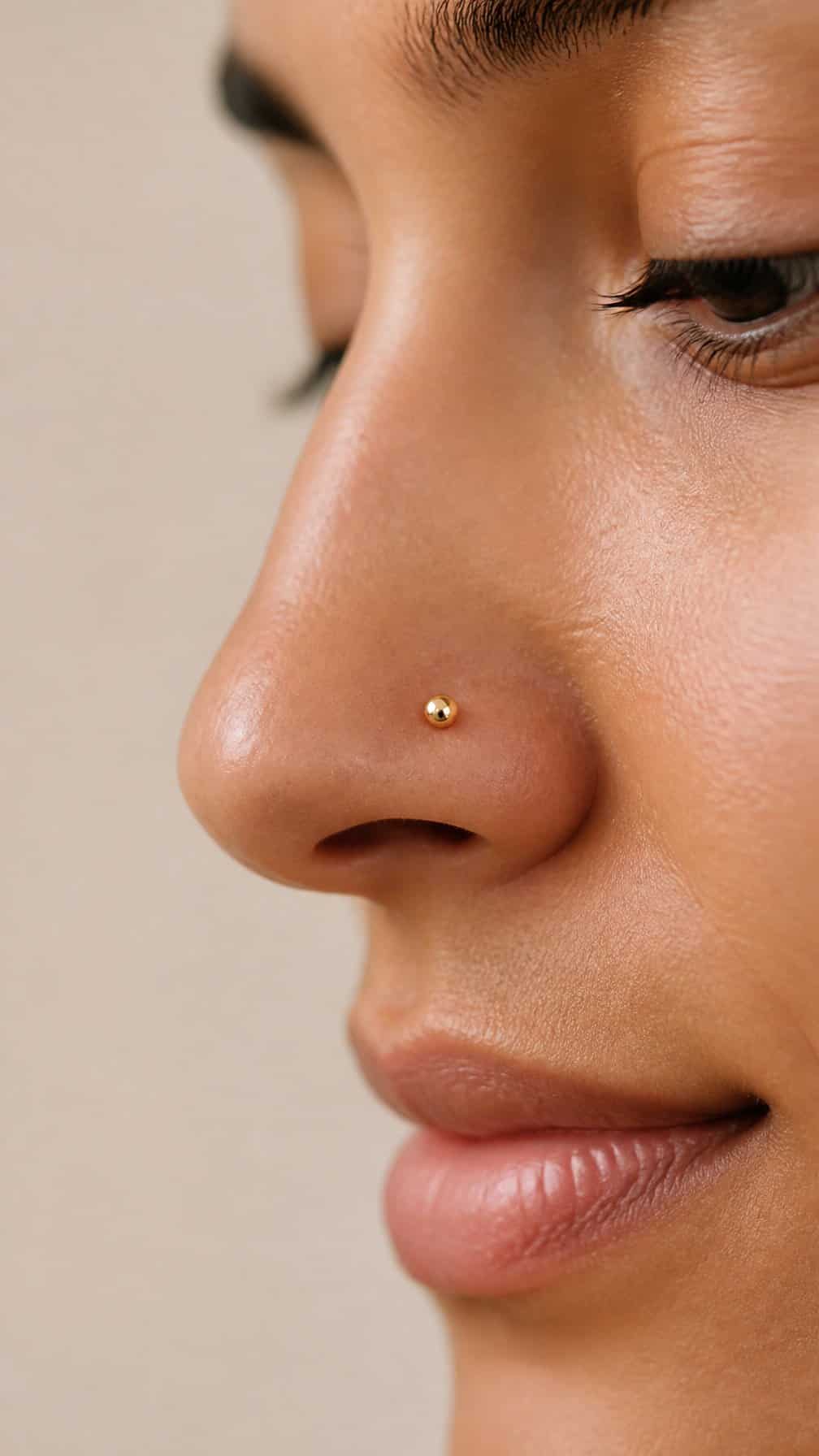
I like an 18-karat gold nostril stud for its warm color and refined appearance. The higher gold content gives it a rich tone while maintaining enough durability for regular wear, though I still choose a reputable piece designed specifically for body jewelry.
A small, low-profile stud creates a subtle accent that works with casual and formal styles. I would check the post length, backing style, and surface finish before buying, since comfort and secure fit matter as much as the metal’s appearance.
I also confirm that the jewelry contains no nickel or unwanted alloys, especially if my skin reacts easily. For a fresh piercing, I follow my piercer’s guidance and use jewelry appropriate for healing rather than changing it solely to achieve a particular look.
16) Opal nostril piercing jewelry
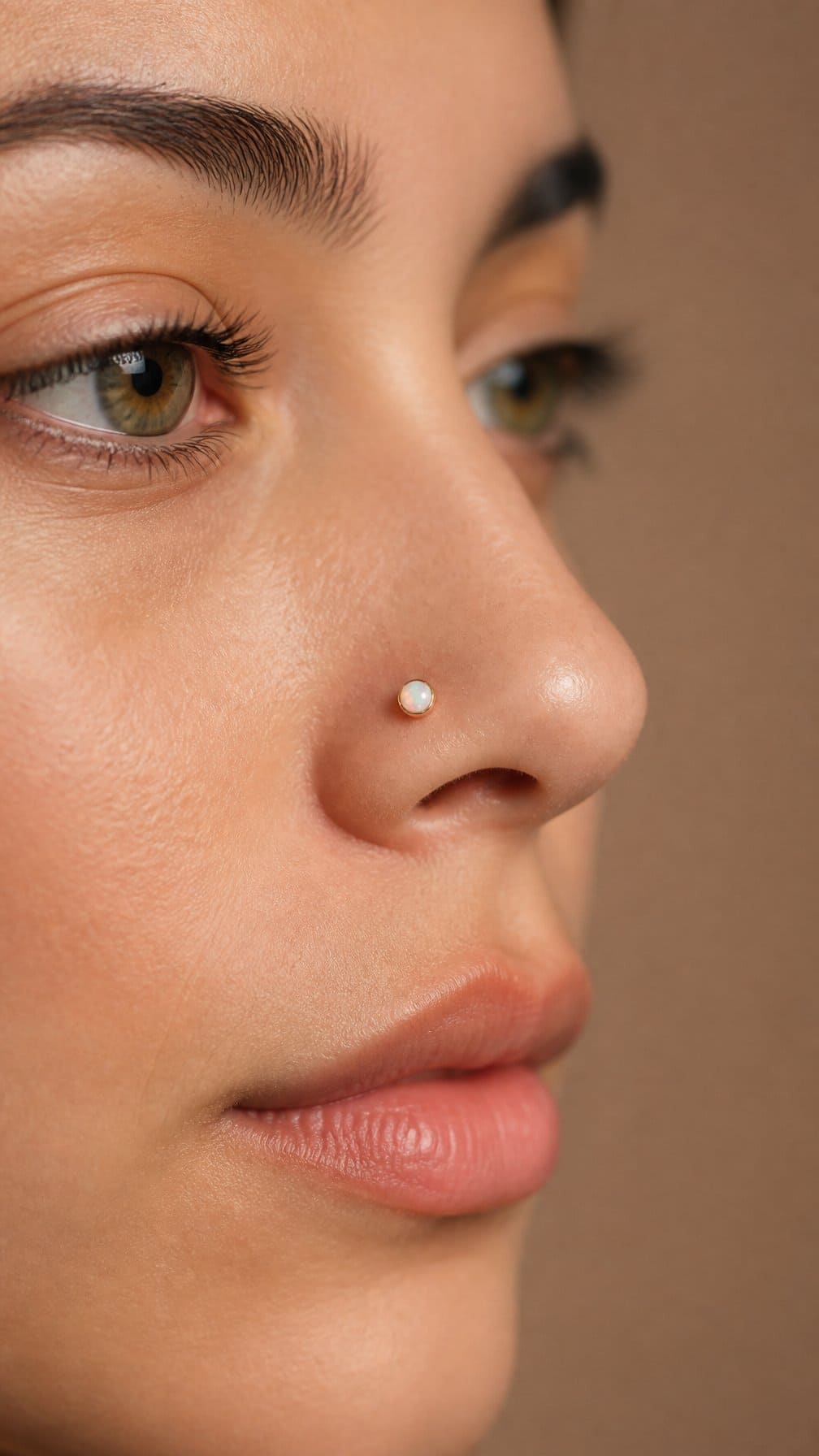
I like opal nostril jewelry when I want a soft flash of color without a large, attention-grabbing design. Opals can show blue, green, pink, or white tones, so I can match the piece to my usual jewelry or choose a contrasting shade.
A small opal cabochon works well for a subtle look, while a bezel setting gives the stone a smooth outline and protects its edges. I would choose implant-grade titanium or solid gold and confirm the correct post length with a professional piercer.
I also consider the opal’s surface before buying. A secure setting helps reduce snags, and a low-profile design feels practical for sleeping, cleaning, and everyday wear.
17) Diamond nostril piercing stud
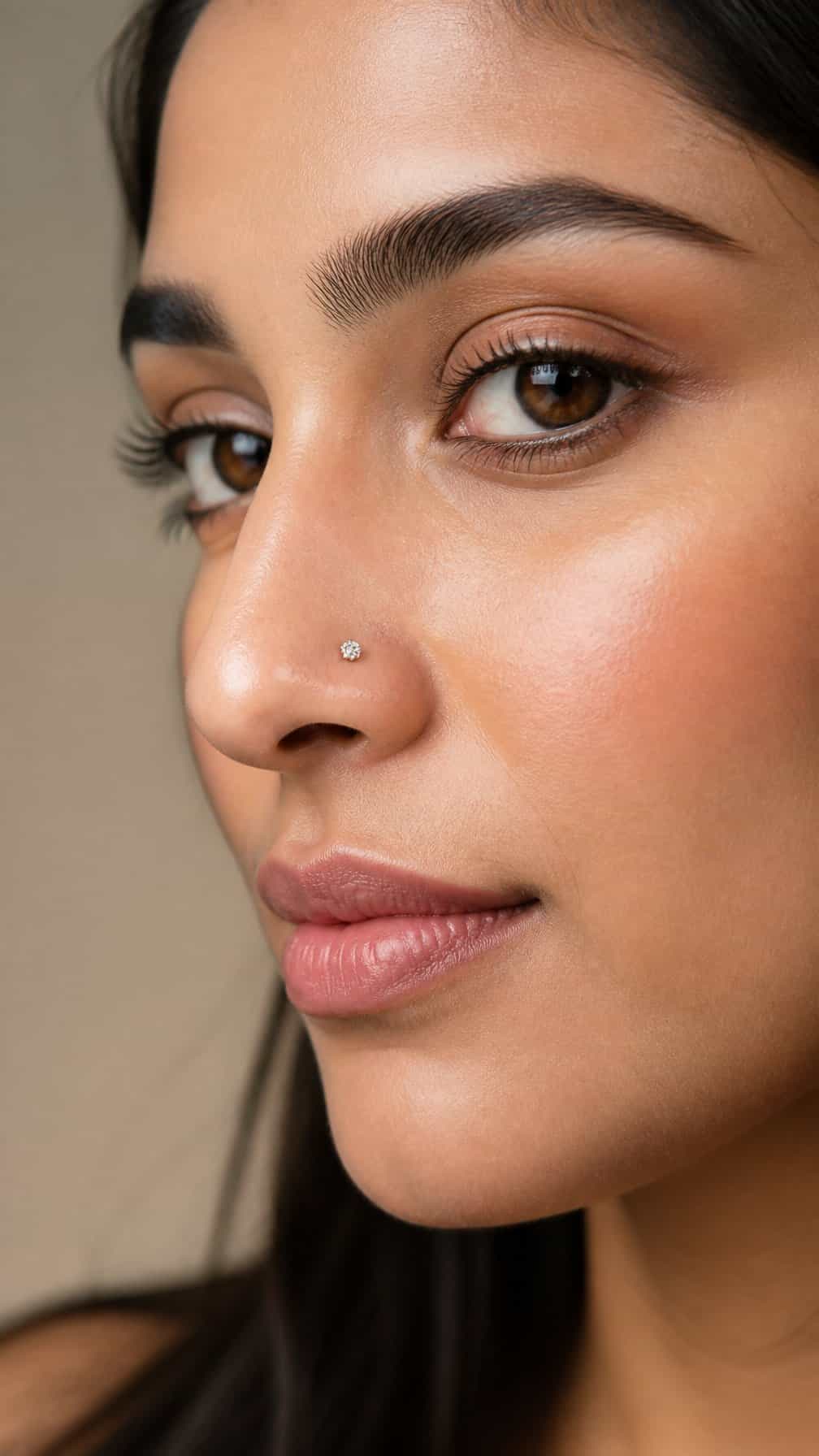
I like a diamond nostril stud when I want a small piercing with a refined finish. The stone catches light without taking up much space, so it works well with minimal jewelry and everyday outfits.
I would choose the diamond size, setting, and metal carefully. A flat-back stud can feel more comfortable for regular wear, while white gold, yellow gold, or platinum changes the overall look. I would also confirm the jewelry uses a biocompatible material and fits the piercing properly.
18) Black titanium nostril hoop
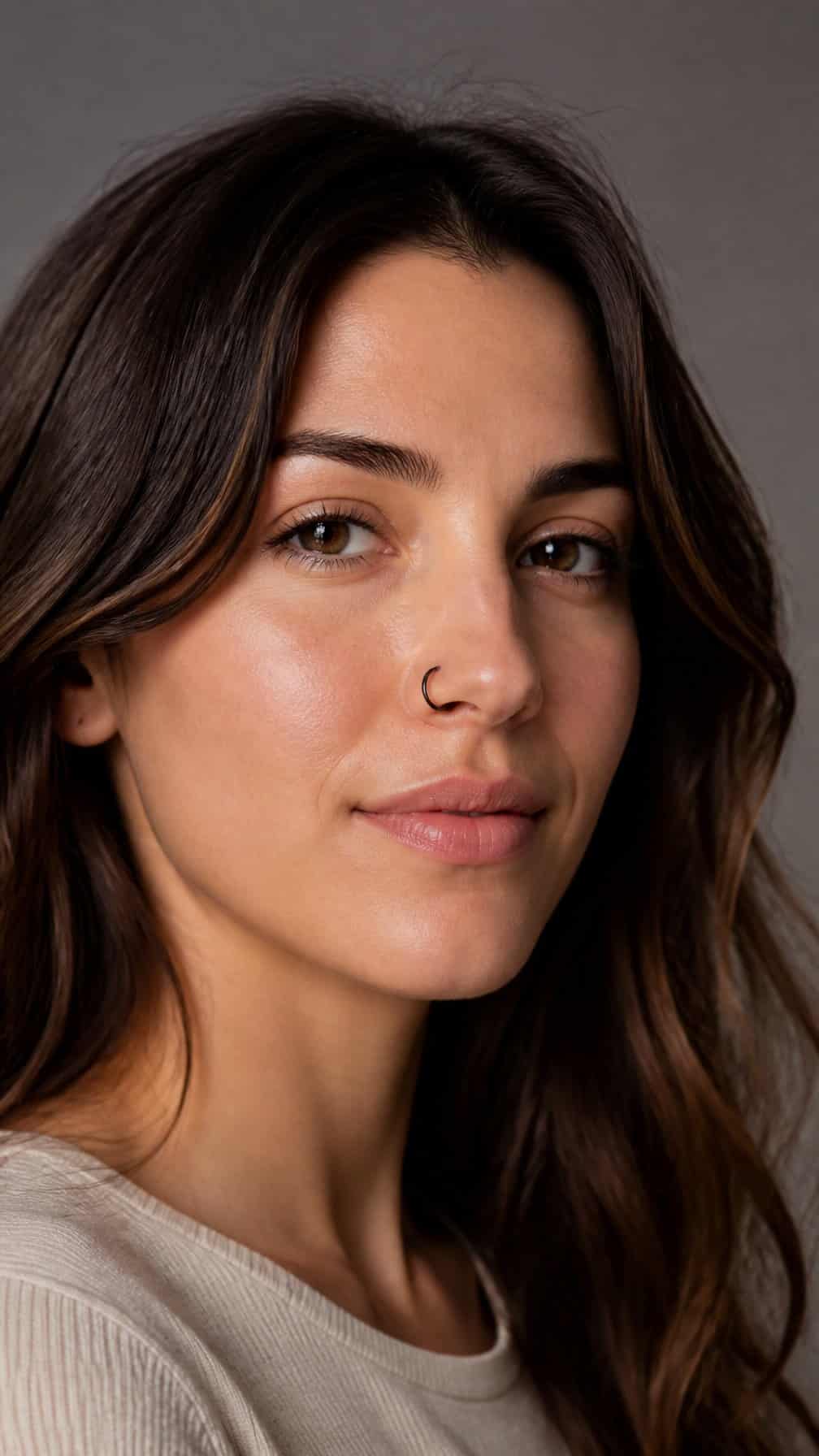
I like a black titanium hoop when I want a nostril piercing with a clean, understated edge. Its dark finish creates stronger contrast than silver, while the circular shape adds a softer line to the profile.
I would choose implant-grade titanium and confirm the piece comes from a reputable piercer. Titanium offers a lightweight option for many wearers, but the finish still needs careful inspection because coatings can wear or irritate the skin if they chip.
I prefer a small diameter that follows the nostril closely without pressing into it. A hinged or seamless design can make daily wear easier, though I would wait until the piercing fully heals before switching from initial jewelry to a hoop.
19) Flat-back labret for a subtle nostril look
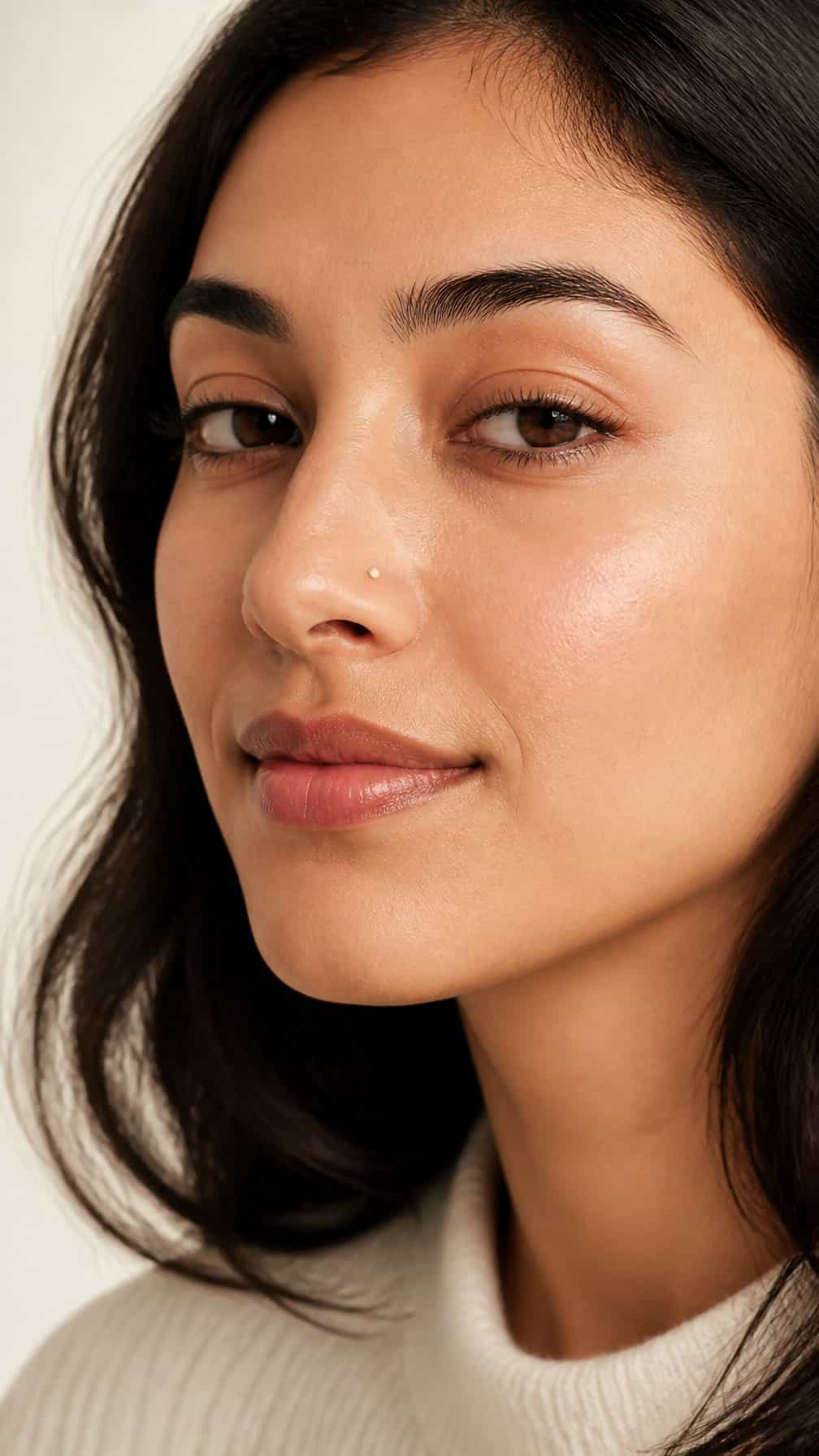
I like a flat-back labret when I want a nostril piercing that sits close to the skin and keeps attention on a small decorative end. The flat interior backing also avoids the visible curve of a traditional nostril screw.
I would choose implant-grade titanium or another verified body-safe material, especially for a fresh piercing. A piercer should fit the post to my anatomy and leave enough room for normal swelling without creating unnecessary movement.
A tiny bead, bezel-set stone, or polished disc keeps the look restrained. Once the initial healing period ends, I can ask my piercer whether a shorter post is appropriate, rather than changing it while the tissue remains sensitive.
20) Septum clicker with a geometric design
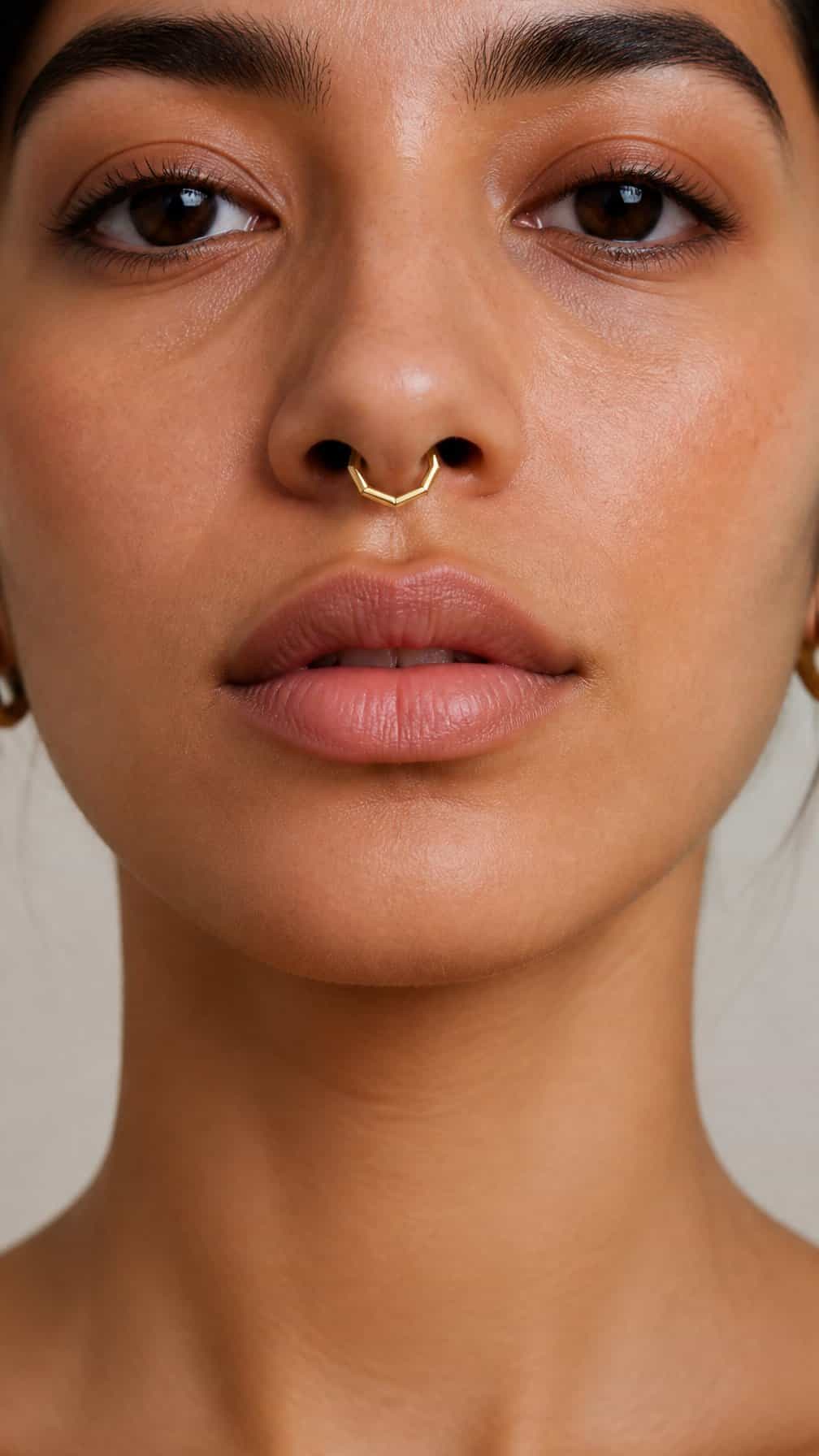
I like a geometric septum clicker when I want a structured look without adding multiple pieces of jewelry. Angular details, such as triangles, hexagons, or clean bars, create visible shape while keeping the design controlled and easy to style.
I would choose the diameter based on how much of the jewelry I want to show. A smaller clicker can look subtle beneath the nose, while a larger one creates a stronger focal point. I also check the hinge and closure for a secure fit and select implant-grade titanium or solid gold when available.
Choosing Placement And Jewelry
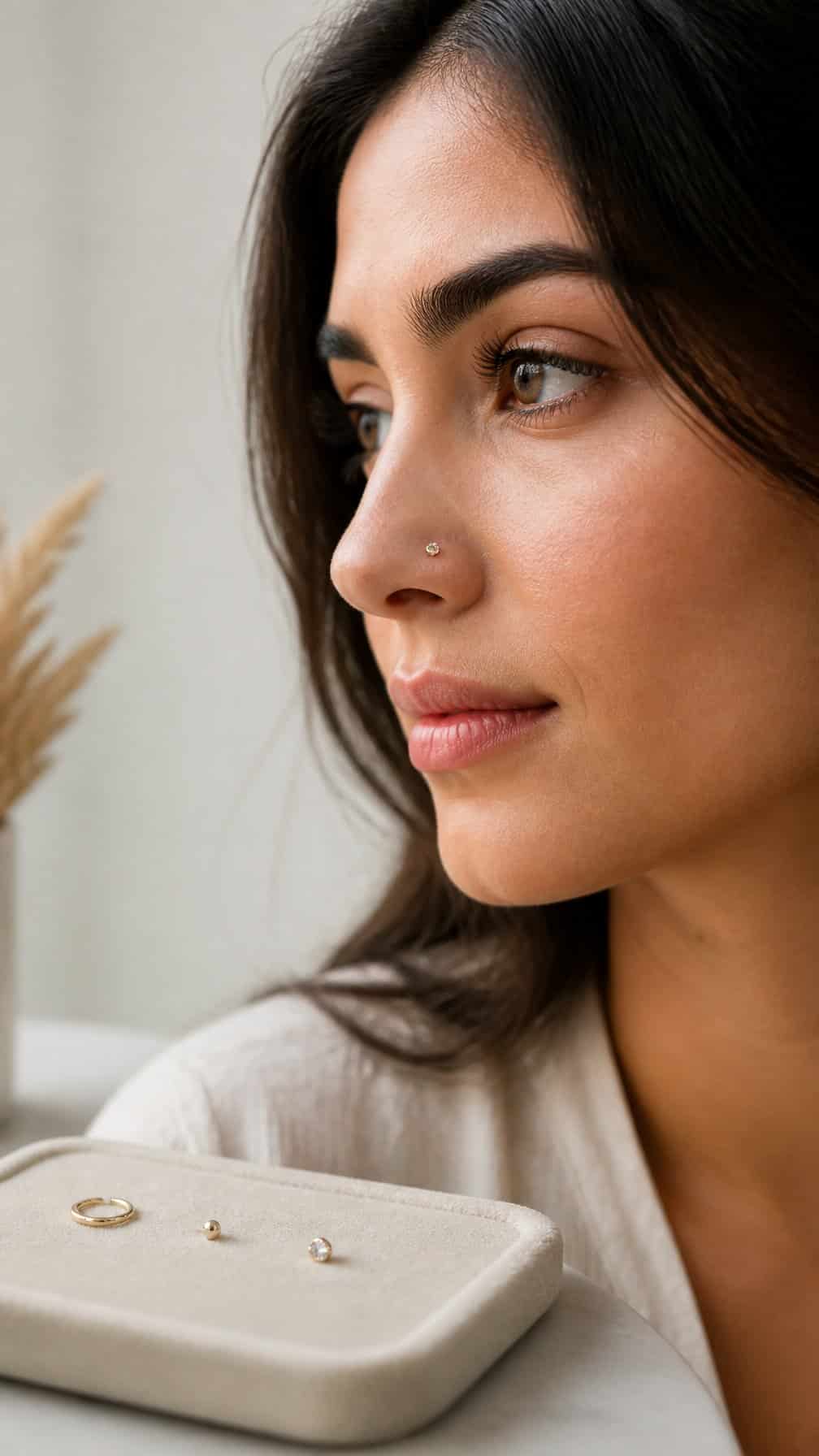
I match the piercing site to each person’s nostril shape, lifestyle, and preferred look. Placement affects symmetry, healing comfort, and how well a stud or hoop will sit.
Nostril Anatomy And Placement Considerations
I inspect the nostril’s natural curve, thickness, and the position of the alar crease before choosing a mark. A standard nostril piercing usually sits above the crease, but the ideal height varies with anatomy and the desired jewelry style. A lower placement may suit a small stud, while a higher mark can leave more room for a hoop.
I also check both sides from the front and profile views. Facial features are rarely perfectly symmetrical, so I prioritize visual balance rather than measuring identical distances. I keep the piercing clear of the nostril rim and avoid placing it where regular movement, glasses, masks, or frequent nose rubbing may cause irritation.
Studs, Hoops, And Initial Jewelry Materials
I usually recommend a flat-back stud with enough room for early swelling. A small bead or bezel-set end feels subtle, while a larger decorative end creates more visual focus. I wait until healing progresses before switching to a close-fitting hoop because early movement can irritate the channel.
For initial jewelry, I prioritize implant-grade titanium, niobium, or verified solid 14-karat or higher gold without nickel-heavy alloys. I avoid plated jewelry and unknown metals, which can wear down or trigger irritation. The piercer should select the gauge, post length, diameter, and finish according to the person’s anatomy rather than using a standard size.
Preparing For Healing And Aftercare

I prioritize a sterile piercing environment, implant-grade jewelry, and a simple cleaning routine. I also monitor swelling, discharge, pain, and skin changes so I can address problems before they worsen.
Selecting A Reputable Professional Piercer
I choose a piercer who uses a single-use, sterile needle rather than a piercing gun. Before booking, I inspect the studio for clean surfaces, an autoclave, sealed equipment, and clear aftercare instructions. A reputable professional should explain placement, jewelry size, material, risks, and expected healing before starting.
I look for implant-grade titanium, niobium, or solid 14-karat gold without nickel-plated surfaces. The piercer should wash their hands, wear fresh gloves, open sterile packages in front of me, and record the jewelry details. I also review recent portfolio photos, client feedback, and local licensing requirements when applicable.
Expected Healing Times And Daily Care
A nostril piercing commonly takes four to six months to heal, while a septum piercing may take six to eight weeks when placed correctly. Healing can take longer if I snag the jewelry, sleep on it, change it too early, or use irritating products.
I wash my hands before touching the area and rinse it with sterile saline once or twice daily. I let softened crust fall away without picking, then pat the site dry with a clean disposable towel. I avoid alcohol, hydrogen peroxide, ointments, twisting, swimming in untreated water, and makeup directly around the piercing.
When To Seek Professional Advice
I contact my piercer if the jewelry feels tight, sinks into the skin, repeatedly catches, or causes persistent irritation. They can assess the fit and recommend downsizing after swelling decreases; I do not change the jewelry myself during early healing.
I seek medical advice for spreading redness, worsening warmth, severe swelling, throbbing pain, fever, red streaks, or thick yellow-green discharge. I leave the jewelry in unless a healthcare professional tells me to remove it, because removing it during a suspected infection can trap drainage inside the piercing channel.